Common Spring Flowers That Are Toxic For Cats (A Michigan Pet Safety Guide)
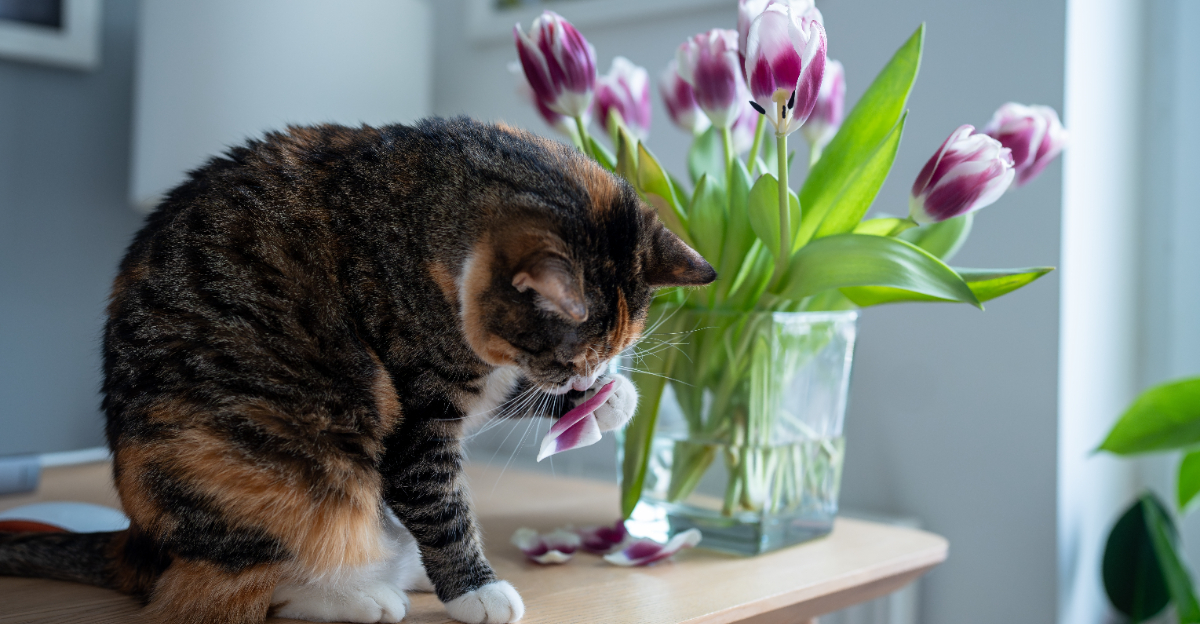
Spring fills Michigan gardens with color and fresh growth, but not every bloom is as harmless as it looks, especially for curious cats.
Many popular spring flowers contain natural compounds that can be dangerous if a cat chews on leaves, petals, or bulbs.
Even small nibbles can lead to stomach upset or more serious health problems, which often surprises pet owners who simply wanted a beautiful yard.
Creating a garden that is both vibrant and pet safe starts with knowing which plants to watch. With a little awareness, you can still enjoy bright seasonal color while reducing risks for your feline companion.
By learning which flowers pose potential danger and how to manage your planting choices, you can design an outdoor space that protects your cat while keeping your Michigan spring garden lively, colorful, and safe.
1. Daffodil (Narcissus spp.)
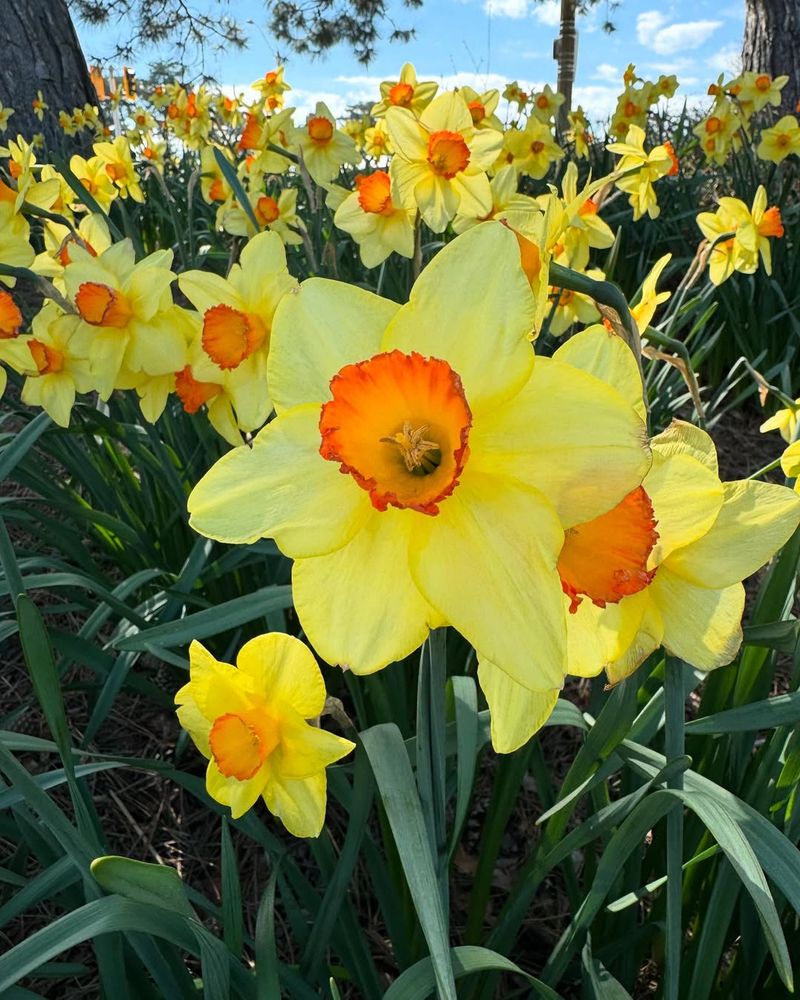
Bright yellow daffodils announce spring’s arrival across Michigan lawns and gardens. Their cheerful blooms bring warmth after long winter months. However, these sunny flowers hide a serious concern for cat owners.
Every part of the daffodil contains toxic compounds called lycorine alkaloids. The bulbs pack the highest concentration of these harmful substances. When cats chew or ingest any portion, they may experience uncomfortable symptoms within minutes.
Vomiting often appears first, followed by excessive drooling and diarrhea. Some cats develop stomach pain and loss of appetite. Larger amounts can cause more severe reactions including tremors and heart problems.
Michigan gardeners love planting daffodil bulbs in fall for spring color. Smart placement keeps both flowers and felines safe. Consider raised beds or fenced garden areas where cats cannot wander freely.
Indoor arrangements also require caution. Cats might knock over vases or chew on stems while you’re away. Keep cut daffodils on high shelves or in rooms your cat doesn’t access.
If you spot your cat nibbling daffodils, contact your veterinarian right away. Quick action helps prevent complications. Many beautiful spring alternatives exist that won’t threaten your furry companion’s health and happiness.
2. Tulip (Tulipa spp.)

Tulips create stunning displays throughout Michigan each spring. Gardeners plant thousands of bulbs each autumn, dreaming of colorful April and May gardens. These elegant flowers come in nearly every shade imaginable.
The bulbs contain tulipalin A and tulipalin B, both toxic to cats. While the entire plant carries some risk, bulbs pose the greatest danger. Cats digging in freshly planted beds might encounter these hazardous underground treasures.
Oral irritation typically strikes first when cats bite into tulip parts. Their mouths may become red and swollen. Nausea follows quickly, often leading to vomiting and upset stomachs.
Excessive drooling signals that something irritates your cat’s mouth and throat. Some cats paw at their faces or shake their heads uncomfortably. These signs shouldn’t be ignored even if they seem mild.
Protecting tulip beds requires strategic planning. Wire mesh placed over newly planted bulbs prevents digging while allowing shoots to emerge. Mulch layers also discourage curious paws from exploring.
Container gardens offer another solution for tulip lovers with indoor-outdoor cats. Tall planters on patios keep bulbs out of reach. Window boxes provide beautiful views without ground-level temptation.
Your Michigan Garden Changes Every Week. Your Plan Should Too.
Gardening in Michigan changes quickly throughout the season. Every Friday you’ll receive a simple weekly plan showing exactly what to plant, prune, fertilize, harvest, and protect so you never miss the right timing.
Remember that supervision matters more than any single prevention method when combining cats and spring gardens.
3. Hyacinth (Hyacinthus spp.)
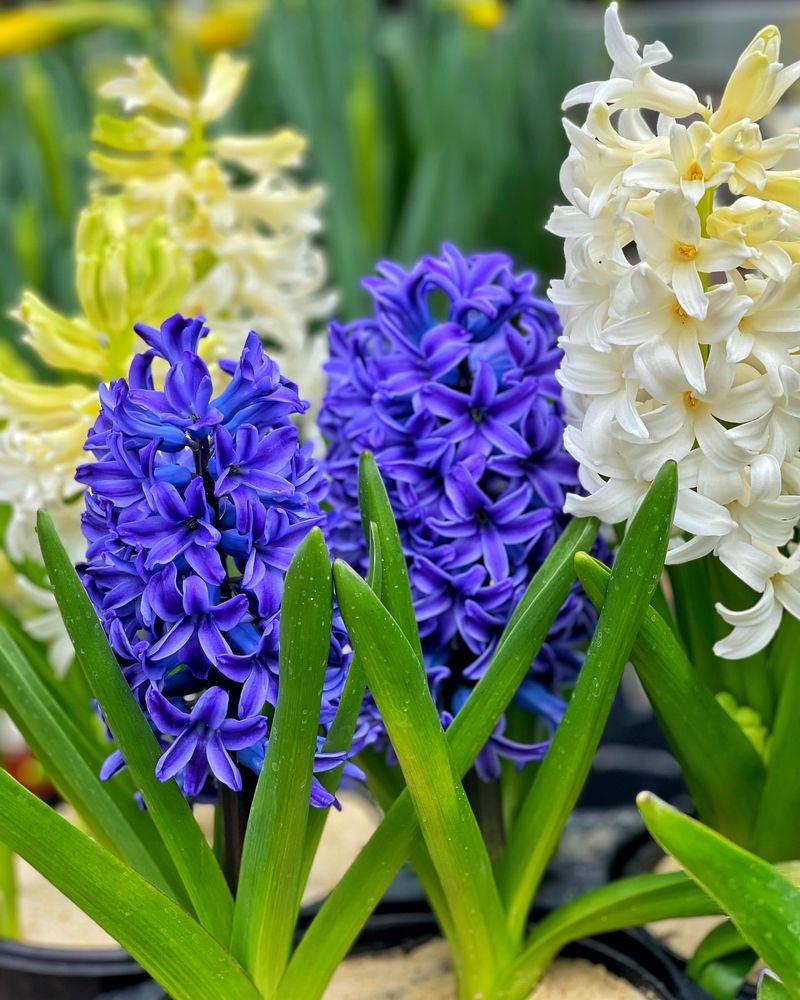
Hyacinths fill Michigan gardens with incredible fragrance each spring. Their dense flower clusters release sweet scents that drift across yards. Purple, pink, white, and blue varieties create stunning color combinations.
Both bulbs and leaves contain calcium oxalate crystals and alkaloids. These compounds cause immediate burning sensations when chewed. Cats rarely consume large quantities because the taste deters them quickly.
Drooling begins almost instantly after contact with hyacinth plant parts. Your cat’s mouth and throat feel uncomfortable, prompting excessive saliva production. Vomiting may follow within minutes or hours.
Diarrhea sometimes develops as the digestive system reacts to the irritants. Some cats refuse food temporarily because their mouths hurt. Breathing difficulties can occur if swelling affects the throat area.
Wearing gloves while planting hyacinth bulbs protects your skin from irritation. This same precaution keeps cats safer when you store bulbs properly. Sealed containers in garages or sheds prevent accidental access.
Forced hyacinth bulbs make popular indoor decorations during late winter. Place these fragrant beauties where cats cannot reach them. Hanging planters or closed rooms work well for display purposes.
Your cat’s curiosity often peaks around new plants, so extra vigilance helps during the first few days after bringing hyacinths home.
4. Lily (Lilium spp., including Asiatic and Oriental lilies)
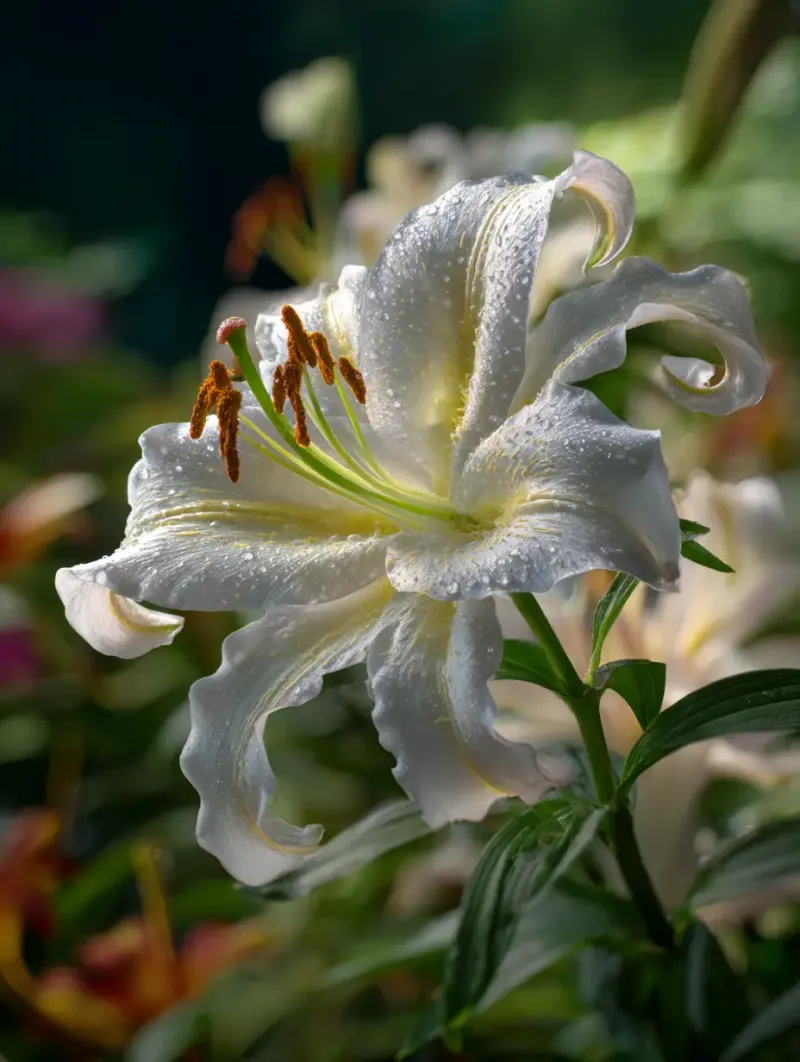
Lilies rank among the most dangerous plants for cats. Even tiny amounts can cause serious kidney problems. Michigan gardens feature many lily varieties, making awareness absolutely critical for cat owners.
All parts carry extreme toxicity, including petals, leaves, stems, and pollen. Brushing against lilies can transfer pollen to fur. Cats groom themselves constantly, potentially ingesting these harmful particles without directly eating the plant.
Initial symptoms might seem mild, including vomiting and lethargy. However, kidney damage progresses rapidly over the following days. Loss of appetite and increased thirst often appear as kidneys begin failing.
Without prompt veterinary care, the outcome can be devastating. Time matters enormously with lily exposure. Even if your cat seems fine initially, medical attention remains essential.
The safest approach involves completely avoiding lilies in homes with cats. This includes cut flower arrangements from florists. Many bouquets contain lilies without clear labeling.
Beautiful alternatives exist that won’t threaten your cat’s wellbeing. Roses, snapdragons, and sunflowers create gorgeous displays safely. Gerber daisies and orchids also make excellent substitutes for lily lovers.
If someone gives you lilies as a gift, explain your situation honestly. Most people understand once they learn about the serious risks. Your cat’s health deserves priority over any temporary floral decoration in your Michigan home.
5. Crocus (Crocus spp., Spring Varieties)
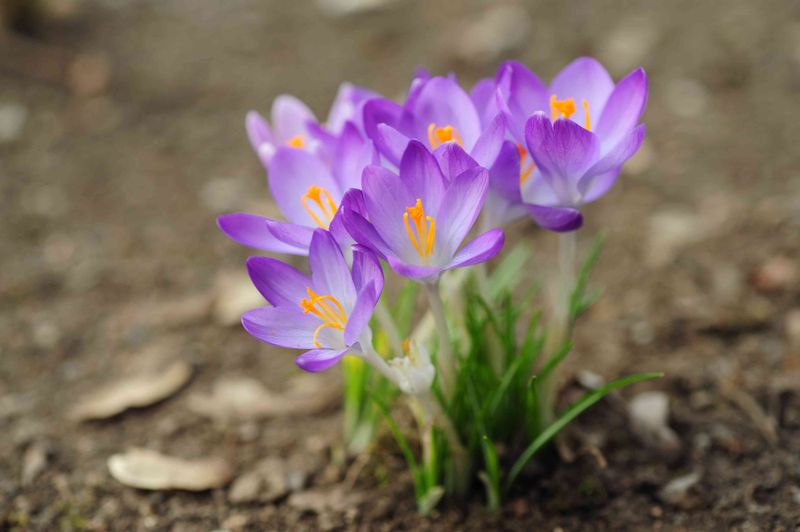
Spring crocuses push through Michigan snow as winter fades. These tiny flowers often bloom while patches of ice still linger. Their purple, yellow, and white petals signal warmer days ahead.
Spring crocus bulbs contain compounds that irritate digestive systems when eaten. Cats digging in early spring gardens might unearth these small bulbs. The effects typically remain mild compared to other toxic flowers.
Vomiting occurs most commonly after ingestion. Diarrhea may develop as the body tries eliminating the irritants. Most cats recover without lasting problems, though discomfort is certainly unpleasant.
Autumn crocus presents far greater danger than spring varieties. These fall-blooming cousins contain colchicine, an extremely toxic substance. Learning to distinguish between types helps Michigan gardeners make informed choices.
Spring crocuses naturalize beautifully in lawns and under trees. Their low height makes them somewhat accessible to curious cats. Planting them in areas your cat rarely visits reduces exposure risks.
Rock gardens and flower beds near fences often stay cat-free. Crocuses thrive in these spots while remaining relatively safe. Mulching around plantings discourages digging behavior.
Monitoring your cat’s outdoor activities provides the best protection. Knowing where your feline friend spends time helps you plan garden layouts strategically. Spring crocuses can coexist with cats through thoughtful placement and reasonable supervision throughout the blooming season.
6. Snowdrop (Galanthus spp.)
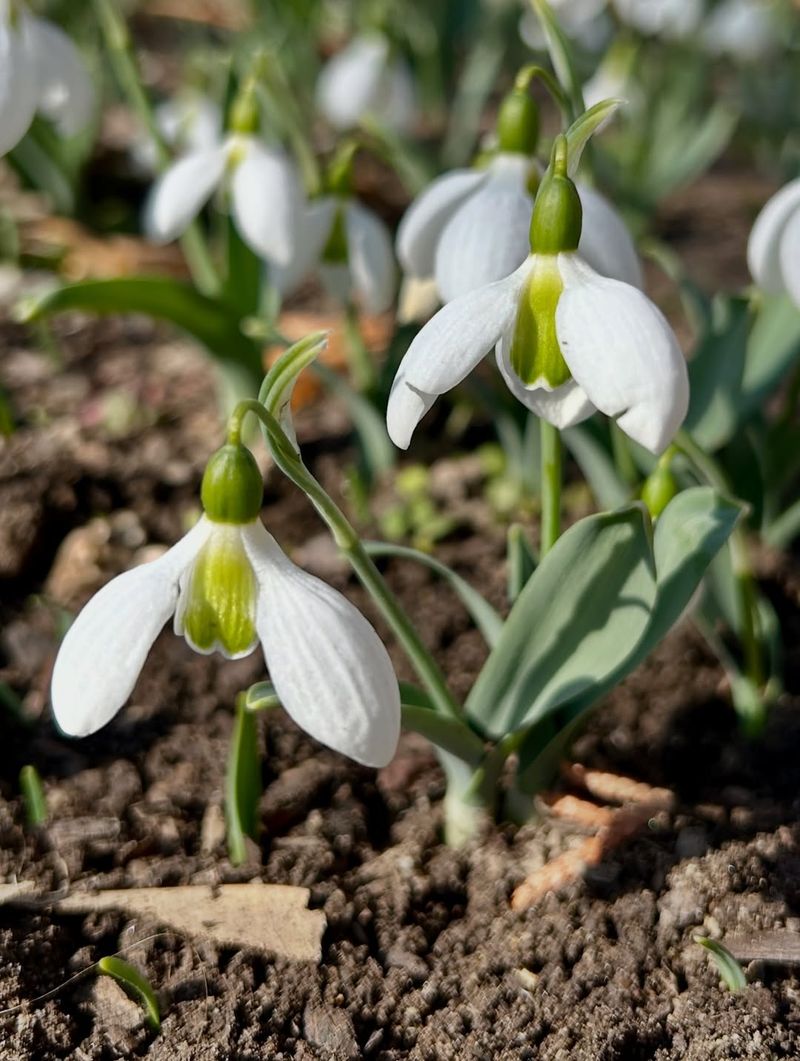
Snowdrops often bloom before other spring flowers in Michigan. Their delicate white bells nod gracefully above winter-weary ground. Gardeners treasure these hardy early bloomers for their resilience and charm.
Bulbs contain alkaloids called galantamine and lycorine. These natural compounds protect plants from pests but harm cats who dig them up. The concentration stays highest in underground portions.
Gastrointestinal upset develops when cats consume snowdrop bulbs or leaves. Vomiting helps cats expel the irritating substances naturally. Diarrhea may continue for several hours afterward.
Some cats experience abdominal pain that makes them restless or withdrawn. They might crouch in uncomfortable positions or avoid movement. Most symptoms resolve within a day without intervention.
Snowdrops naturalize under deciduous trees where spring sunlight reaches the ground. These shaded summer spots often attract cats seeking cool resting places. Consider this overlap when planning bulb placement.
Marking newly planted areas with temporary fencing reminds you where bulbs sit underground. Cats are less likely to dig in established plantings versus freshly turned soil. Mulch settles over time, creating less appealing digging surfaces.
These petite flowers work wonderfully in woodland gardens away from main cat pathways. Their early bloom time means less overlap with peak outdoor cat activity. Michigan’s unpredictable spring weather often keeps cats indoors during snowdrop season anyway.
7. Glory-of-the-Snow (Chionodoxa spp.)
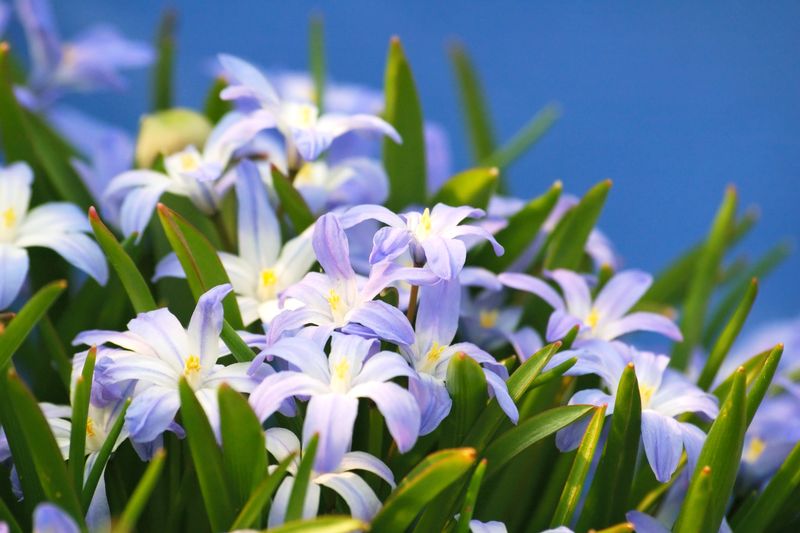
As winter finally loosens its grip on Michigan, one of the first signs of spring is the charming little blooms of Glory-of-the-Snow.
These tiny star-shaped flowers, often in shades of blue, pink, or white, pop up through the melting snow, brightening garden beds and borders and giving homeowners a hopeful preview of the season ahead.
Their delicate beauty is hard to resist, and many gardeners love scattering bulbs along pathways or in naturalized areas for a magical early spring display.
However, despite their charm, Glory-of-the-Snow comes with a hidden risk for households with cats. All parts of the plant: leaves, stems, and especially the bulbs, are toxic to cats.
Curious felines that nibble on these flowers can experience vomiting, diarrhea, or lethargy, and in more serious cases, may require veterinary attention. Because cats often explore low-growing plants, even a casual snack can be dangerous.
For Michigan gardeners who want to enjoy these early blooms safely, there are a few options: plant bulbs in raised beds, tuck them into window boxes, or simply place them in areas that cats can’t access.
That way, you can welcome spring with vibrant Glory-of-the-Snow flowers while keeping your furry companions safe and healthy.
8. Grape Hyacinth (Muscari spp.)
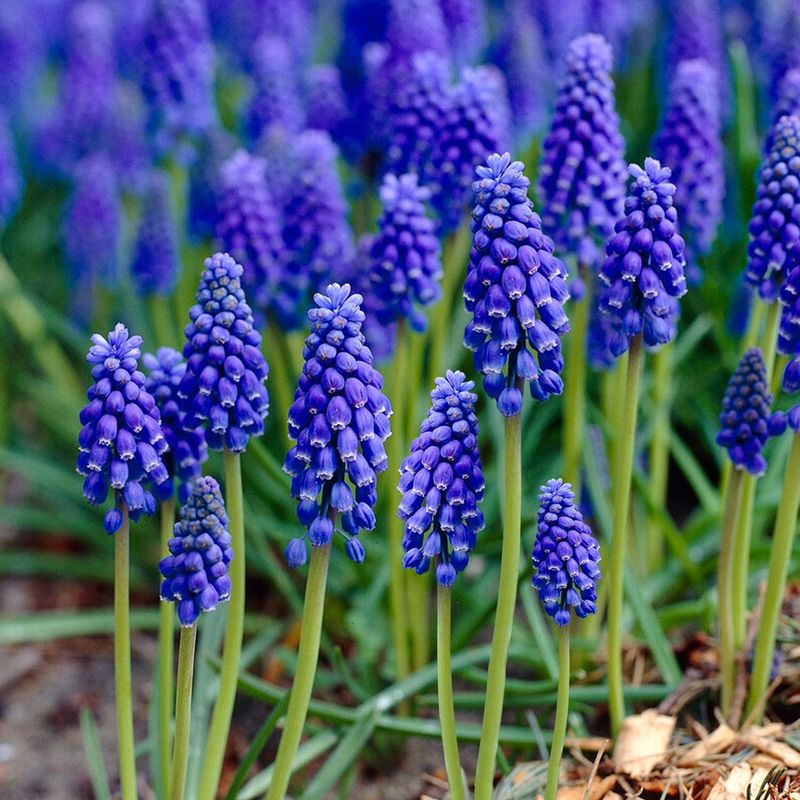
Grape hyacinths spread enthusiastically through Michigan gardens. Their blue flower spikes resemble tiny grape clusters. These tough little plants return reliably year after year with minimal care.
Mild toxins in grape hyacinths can irritate cats’ digestive systems. The effects generally stay less severe than true hyacinths despite similar names. Still, ingestion causes uncomfortable symptoms worth avoiding.
Vomiting represents the most common reaction to eating grape hyacinth parts. Drooling may increase as mouth tissues react to the plant compounds. Cats usually recover quickly without lasting effects.
Some felines experience temporary stomach upset or reduced appetite. These symptoms typically fade within hours as the body processes and eliminates the irritants. Serious complications rarely develop from grape hyacinth exposure.
These plants naturalize along walkways and in lawn edges throughout Michigan. Their abundance makes complete avoidance challenging for outdoor cats. Fortunately, their mild toxicity means occasional contact rarely causes major problems.
Raised beds and container gardens keep grape hyacinths away from ground-level cat traffic. Their compact size makes them perfect for elevated plantings. Window boxes showcase their spring color safely.
Observing your cat’s behavior around garden areas helps identify potential problems early. Most cats learn to avoid plants that make them uncomfortable.
Providing cat grass and safe alternatives satisfies their need to nibble greenery without resorting to potentially harmful garden plants.