The Breathtaking Botanical Garden In Oregon You Simply Must Visit
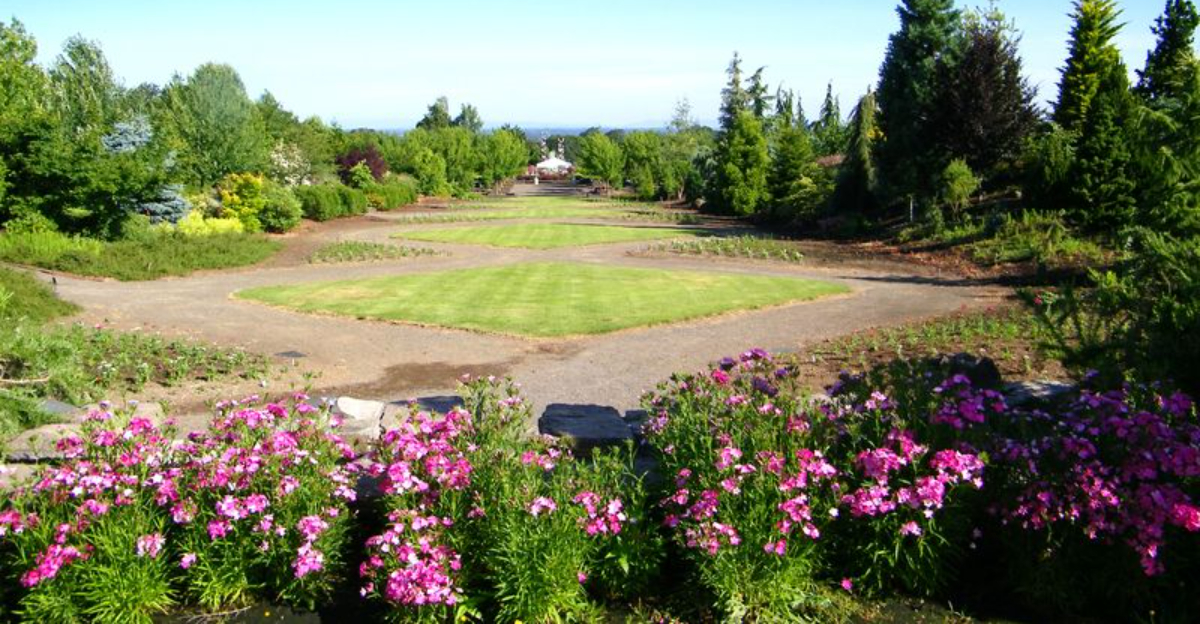
Tucked into the rolling hills of Silverton, there is a place where nature feels carefully choreographed yet wonderfully wild. The Oregon Garden is not just a stroll through pretty flowers.
It is a living showcase of the Pacific Northwest, where forest paths, vibrant blooms, and peaceful water features unfold around every bend. One moment you are wandering through fragrant rose gardens, the next you are surrounded by towering trees and quiet woodland shade.
Seasonal color keeps the landscape constantly changing, so no two visits ever feel the same. Birds call, leaves rustle, and the pace of the outside world seems to fade away.
It is the kind of destination that invites you to slow down, explore, and stay a little longer than planned. If you are searching for a place that captures Oregon’s natural beauty in one unforgettable setting, this garden delivers a truly refreshing escape.
A Garden Like No Other
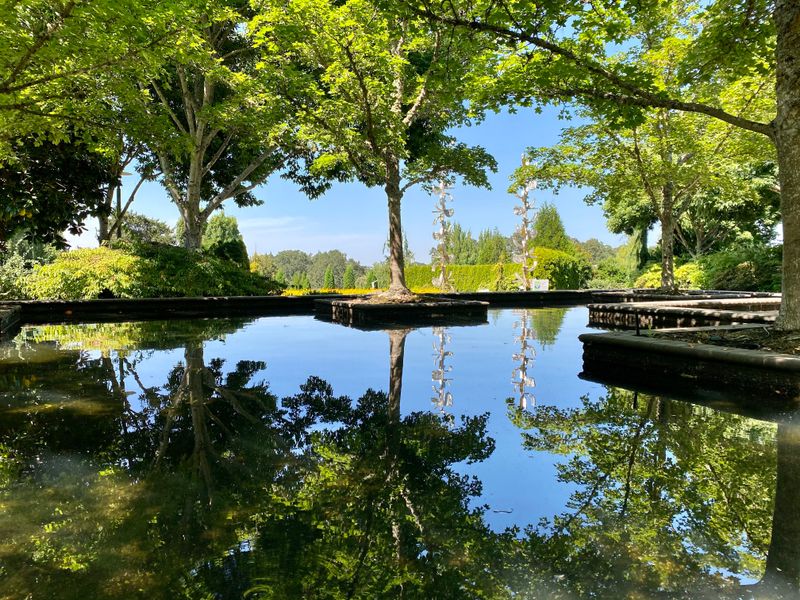
Imagine walking through 130 acres where every turn brings a new surprise, from towering trees to delicate flowers blooming in perfect harmony.
The Oregon Garden opened its gates in 1999 with a bold vision: create a living showcase of plants that thrive in the Willamette Valley and throughout the Pacific Northwest region.
Today, it stands as one of the most impressive botanical collections in the entire state, drawing garden lovers from across the country.
What makes this place truly special is how it combines education with pure visual delight. You’ll find more than 20 distinct specialty gardens, each telling its own story through carefully chosen plants and thoughtful design.
The Conifer Garden alone features one of the largest collections of dwarf and miniature conifers in the United States, offering a living library of these fascinating evergreens.
Located at 879 W Main St in Silverton, the garden welcomes visitors year-round with seasonal hours that change to match the rhythms of nature.
From April through October, you can explore from 9 AM to 6 PM on weekdays and 9 AM to 4 PM on weekends, while winter months offer a cozier 10 AM to 3 PM schedule daily.
Why do gardeners love this place?
It’s a hands-on inspiration factory where you can see real examples of what grows well in Oregon’s climate, gather ideas for your own yard, and learn directly from the landscape itself about plant combinations, garden structures, and sustainable design principles that actually work.
Where Beauty Meets Nature
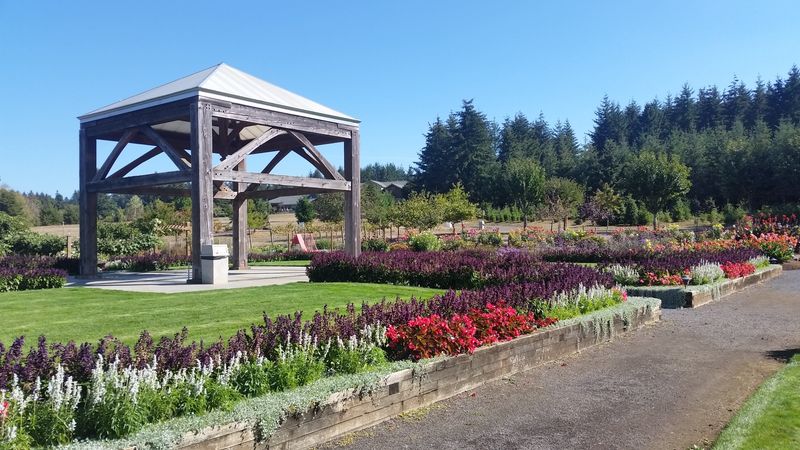
Step into a world where human creativity and natural ecosystems blend seamlessly together. The Oregon Garden celebrates the native flora of the region while also introducing visitors to plants from similar climates around the globe.
This approach creates a rich tapestry of textures, colors, and forms that change dramatically with each passing season.
The garden’s designers understood something important: beauty isn’t just about pretty flowers. It’s about creating spaces where people feel connected to the land, where they can observe how plants interact with each other and with the wildlife they attract.
Every garden bed tells a story about adaptation, resilience, and the incredible diversity of plant life that can flourish in Oregon’s temperate climate.
Your Oregon Garden Changes Every Week. Your Plan Should Too.
Gardening in Oregon changes quickly throughout the season. Every Friday you’ll receive a simple weekly plan showing exactly what to plant, prune, fertilize, harvest, and protect so you never miss the right timing.
Admission prices make visiting accessible for families, with adults paying $14 during peak season and children under four entering free. Seniors, teens, and younger children receive discounted rates, making it easy to bring the whole family for a day of exploration.
Members enjoy unlimited free visits throughout the year, which quickly pays off if you’re the type who wants to see how the gardens transform from spring’s first blossoms through autumn’s golden finale.
Why do gardeners love this place? It demonstrates practical landscaping solutions for Pacific Northwest conditions, showing which plants partner well together and how to create year-round interest without constant maintenance.
You’ll leave with your head buzzing with ideas you can’t wait to try at home.
Stroll Through Stunning Themed Gardens

Have you ever wondered what makes a themed garden more than just a collection of plants? At The Oregon Garden, each of the 20-plus specialty areas functions as its own outdoor room, complete with a distinct personality and purpose.
The Rose Garden bursts with color and fragrance during summer months, while the Children’s Garden invites young visitors to climb a treehouse and discover plants through play and exploration.
The Conifer Garden deserves special attention from anyone interested in evergreen landscaping. Its collection of dwarf and miniature conifers ranks among the best in the nation, showing how these compact plants can add structure, texture, and year-round color to gardens of any size.
You’ll see varieties you never knew existed, from golden-needled specimens to weeping forms that cascade like green waterfalls.
Other themed areas include a Pet-Friendly Garden that teaches which plants are safe around animals, a Mediterranean Garden showcasing drought-tolerant species, and a Sensory Garden designed to engage all five senses.
Each space offers different lessons about plant selection, garden design, and creating outdoor areas that serve specific purposes.
Why do gardeners love this place? Walking through these themed gardens is like attending multiple garden design classes in one visit.
You can photograph plant combinations that catch your eye, note which species thrive in shady corners versus sunny spots, and see firsthand how professional designers solve common landscaping challenges.
Seasonal Color All Year Long
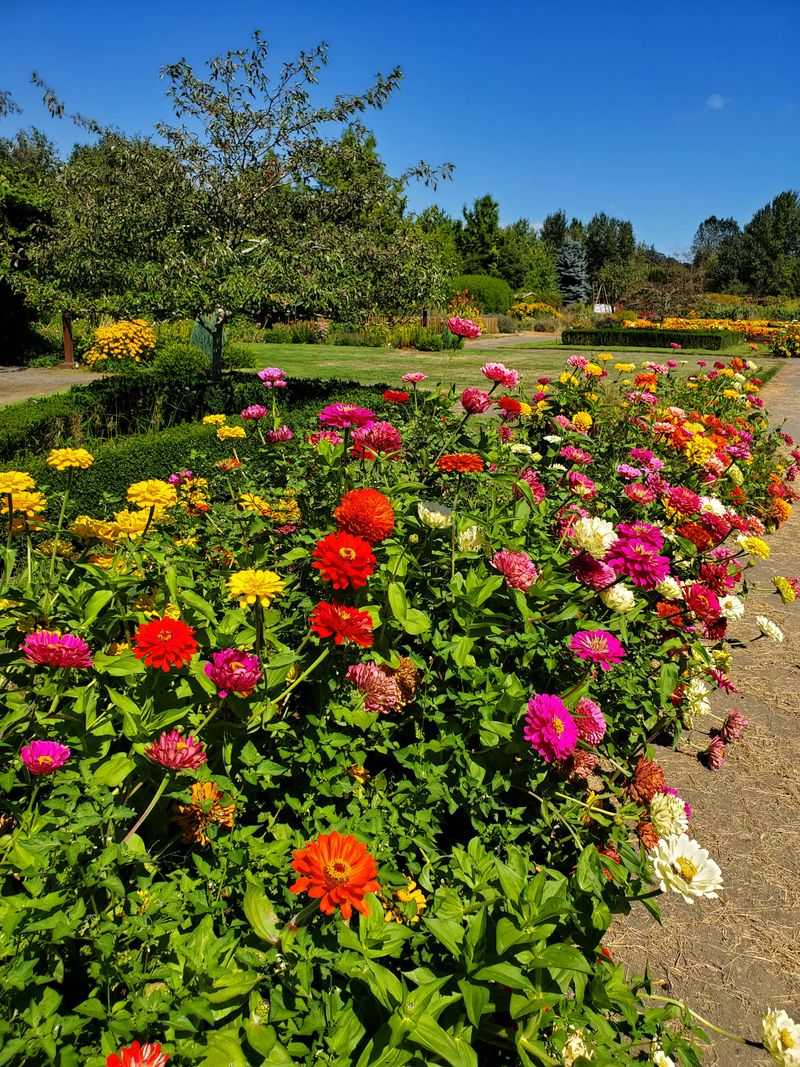
Most people think gardens only look good in summer, but The Oregon Garden proves that every season brings its own magic. Spring arrives with waves of bulbs pushing through the soil, followed by flowering trees that paint the landscape in shades of pink and white.
By early summer, perennials hit their stride, creating layers of color that seem to glow in the long evening light.
Autumn transforms the garden into a tapestry of warm tones as deciduous trees and shrubs shift from green to gold, orange, and crimson. This is when ornamental grasses really shine, their feathery plumes catching the slanting sunlight and swaying in the breeze.
Even the seed heads left standing provide interest, feeding birds and adding sculptural elements to the winter landscape.
Winter might surprise you most of all. While many plants rest, evergreens take center stage, showing off their varied textures and colors.
Hellebores bloom bravely through cold months, and winter-flowering shrubs like witch hazel add unexpected splashes of color. The garden’s bones become visible in winter, revealing the thoughtful structure that supports all that seasonal abundance.
Why do gardeners love this place? Visiting across different seasons teaches you how to plan a garden that never looks boring.
You’ll discover which plants provide winter interest, learn succession planting techniques by watching what blooms when, and gain confidence that your own garden can look attractive twelve months a year.
Peaceful Paths And Hidden Corners
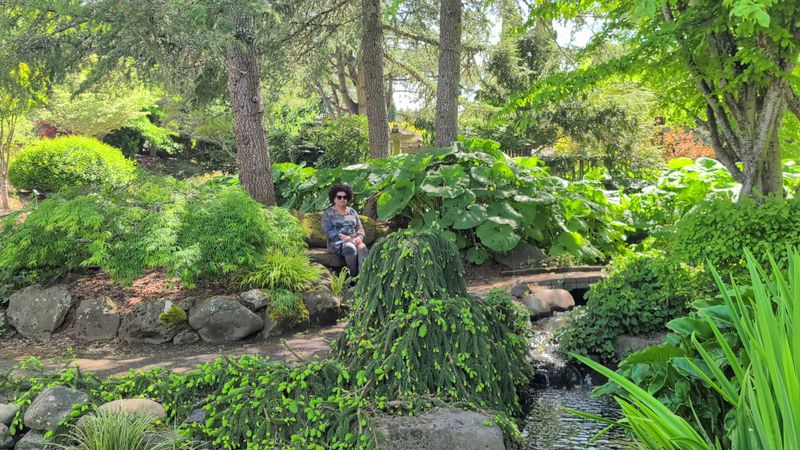
Sometimes the journey matters more than the destination, and that’s definitely true when wandering through The Oregon Garden’s miles of interconnected pathways.
These routes range from wide, accessible main trails perfect for strollers and wheelchairs to narrower paths that lead to secret garden rooms where you can sit quietly and simply observe nature at work.
Stone pathways wind between garden beds, wooden bridges arch over small streams, and strategically placed benches invite you to pause and really look at what’s growing around you.
The garden’s designers understood that good landscaping creates spaces that engage visitors at different paces.
Some areas encourage movement and exploration, while others whisper for you to slow down and stay awhile.
These peaceful corners serve an important purpose beyond aesthetics. They demonstrate how gardens can provide mental health benefits, offering quiet refuges from busy lives.
You’ll notice how the sound of water features masks traffic noise, how shade trees create cool microclimates on hot days, and how thoughtful plant placement can screen views and create privacy even in relatively open spaces.
Why do gardeners love this place? The path system itself offers lessons in garden layout and circulation.
You’ll see how curves create mystery and anticipation, how changes in paving materials define different garden zones, and how strategic placement of focal points draws visitors deeper into the landscape while preventing them from feeling lost.
Don’t Miss The Rose Garden
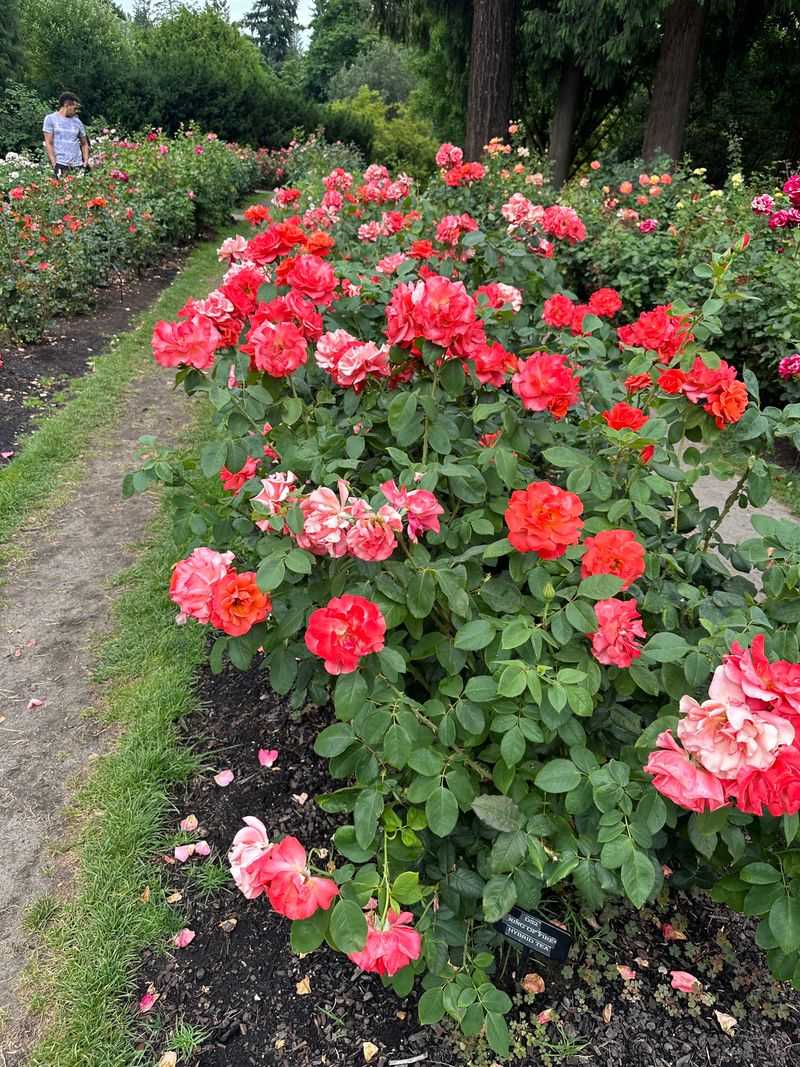
Roses have captured human hearts for thousands of years, and The Oregon Garden’s Rose Garden shows exactly why these flowers remain so beloved.
Hundreds of rose varieties fill this dedicated space, representing different classes from elegant hybrid teas to cheerful floribundas, romantic old garden roses to tough landscape shrubs.
Peak bloom typically arrives in June and continues through the first frost, with many modern varieties offering repeated flushes of flowers throughout the growing season.
Walking through this fragrant garden teaches you that roses aren’t all high-maintenance prima donnas.
You’ll discover disease-resistant varieties that thrive with minimal fussing, groundcover roses that solve erosion problems while looking beautiful, and climbing roses that transform vertical spaces into flowering walls.
Each plant is labeled, so you can note the names of varieties that catch your eye for potential use in your own garden.
The Rose Garden also demonstrates companion planting strategies that benefit roses. You’ll see how catmint, lavender, and other perennials planted at the feet of rose bushes create attractive combinations while potentially deterring pests and supporting beneficial insects.
This practical approach to rose growing makes the display both beautiful and educational.
Why do gardeners love this place? It’s a living catalog of what grows well in Oregon’s climate, helping you choose roses suited to local conditions rather than relying on generic advice.
You can observe how different varieties perform in real garden settings and gather inspiration for rose combinations that work.
Wildlife, Views, And Fresh Air

Gardens aren’t just for people. The Oregon Garden buzzes with life as bees work flowers, butterflies dance between blooms, and birds flit through trees and shrubs.
This wildlife activity isn’t accidental but the result of deliberate choices to include native plants and create habitat features that support local species. Watching this ecosystem in action offers valuable lessons about creating gardens that contribute to environmental health.
The garden’s location provides stunning views of the surrounding Cascade foothills, reminding visitors that great gardens don’t exist in isolation but as part of larger landscapes. On clear days, you might spot Mount Hood in the distance, its snowy peak contrasting beautifully with the lush greenery below.
These views change with weather and season, adding drama and variety to every visit.
Fresh air and physical activity combine to make garden visits genuinely good for you. Studies show that time spent in green spaces reduces stress, lowers blood pressure, and improves mood.
The Oregon Garden’s 130 acres offer plenty of room to walk, explore, and breathe deeply without feeling crowded, even on busy weekends.
Why do gardeners love this place? Observing which plants attract the most pollinators and beneficial insects helps you make wildlife-friendly choices for your own space.
You’ll learn to recognize bird-friendly plants, see how water features support diverse species, and understand how gardens can function as crucial habitat corridors in increasingly developed landscapes.
Why Visitors Fall in Love
What is it about The Oregon Garden that keeps people coming back season after season? Part of the answer lies in how the garden balances inspiration with accessibility.
The garden doesn’t intimidate beginners with overly formal or complicated designs but instead shows achievable beauty that feels within reach.
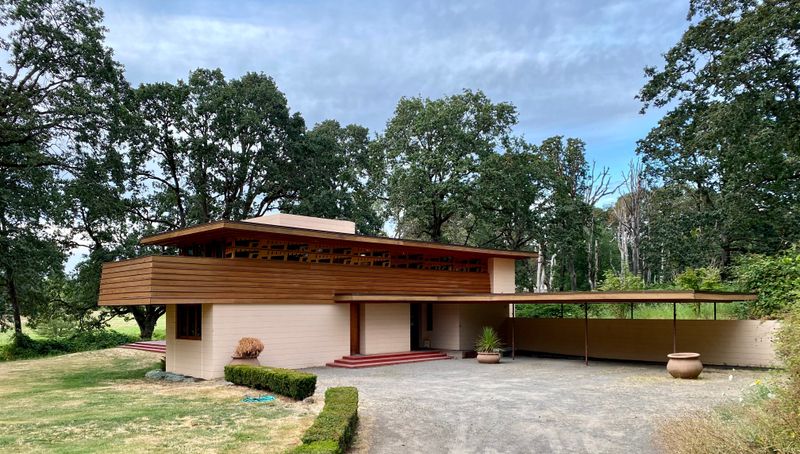
Special features add extra appeal. The Gordon House, designed by legendary architect Frank Lloyd Wright and relocated to the garden in 2001, offers tours that combine architectural history with landscape appreciation.
The Signature Oak, a 400-year-old Oregon white oak standing 100 feet tall, commands respect as one of the state’s Heritage Trees. From April through October, narrated tram tours provide an overview of highlights for those who prefer wheels to walking.
The garden also hosts events throughout the year, from educational workshops to art exhibitions and music series. These programs create community around shared interests in plants, nature, and outdoor beauty.
Wedding venues within the garden make it possible to celebrate life’s special moments surrounded by living beauty that needs no additional decoration.
Ready to experience this botanical treasure yourself? Plan your visit to The Oregon Garden soon and discover why it ranks among the Pacific Northwest’s must-see destinations.
Bring your camera, wear comfortable walking shoes, and prepare to fill your mind with ideas and your heart with inspiration.
Share your favorite garden moments with friends and family to spread the word about this incredible place.