Don’t Let These 9 Invasive Plants Take Over Your Oregon Yard
They creep in quietly, grow like crazy, and suddenly your yard is not yours anymore. Invasive plants are the ultimate garden bullies, crowding out your favorite flowers, hogging nutrients, and spreading far faster than you expect.
Many look harmless at first, then take over beds, fences, and forgotten corners before you notice what is happening. The good news is you can stop them early.
A little awareness goes a long way in Oregon, where certain fast spreaders thrive in the mild, wet climate.
Catch them young, remove them properly, and your garden stays balanced, healthy, and easy to manage. Fewer headaches, less pulling, and way more room for the plants you actually want to grow.
1. Japanese Knotweed (Fallopia japonica)
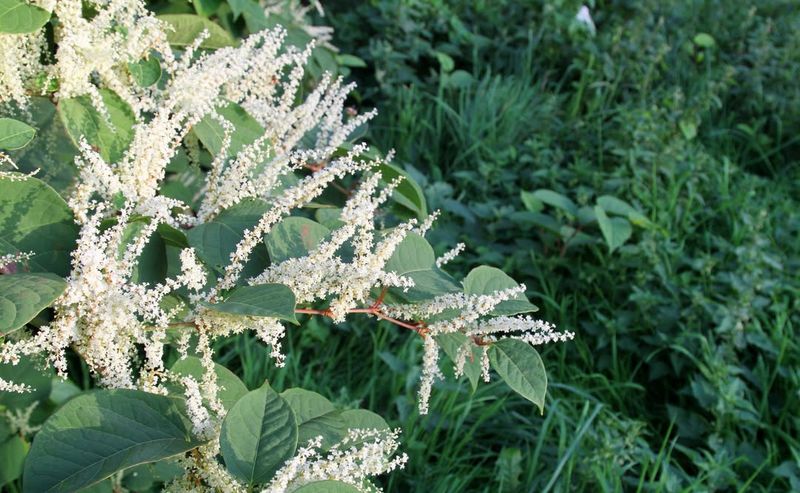
You might notice what looks like harmless bamboo shoots popping up near your fence line in early spring.
Within weeks, those innocent stems transform into dense thickets reaching ten feet tall, and by then, Japanese knotweed has likely established an underground network that’s incredibly difficult to remove.
This plant spreads through rhizomes that can grow twenty feet horizontally and seven feet deep into the soil. A tiny fragment of root left behind can regenerate into a whole new plant, which makes DIY removal attempts often backfire.
Oregon’s wet spring weather gives knotweed the moisture it craves to expand aggressively.
The real trouble starts when those roots push through concrete foundations, crack driveways, and damage underground pipes. Homeowners sometimes don’t realize the structural threat until repair bills arrive.
Cutting stems back actually stimulates more vigorous growth from the root system.
Professional removal typically requires several years of persistent treatment combining herbicide application and careful monitoring. Many people underestimate this timeline and give up too early, allowing the plant to rebound stronger.
If you spot knotweed early, contact a professional immediately rather than attempting removal yourself and potentially spreading fragments that create new colonies throughout your property.
2. Himalayan Blackberry (Rubus armeniacus)
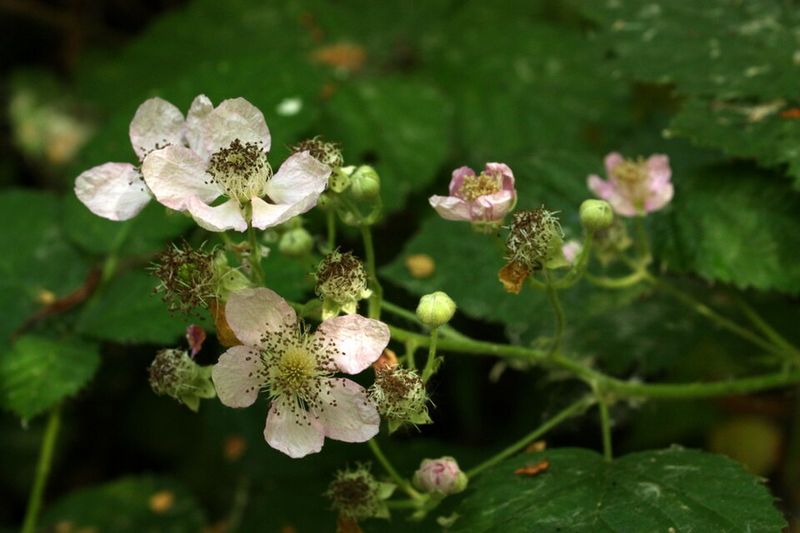
Walk any abandoned lot or forest edge in Oregon and you’ll find impenetrable walls of thorny blackberry canes stretching fifteen feet high.
Those sweet berries seem like a bonus at first, but Himalayan blackberry creates far more problems than the fruit is worth for most homeowners.
The canes grow incredibly fast during our mild growing season, sometimes adding several inches per day in summer.
Each plant produces thousands of seeds that birds spread widely, and the arching canes root wherever they touch soil, creating new plants constantly.
One neglected corner can become a thorny jungle in a single season.
These brambles crowd out everything else, making portions of your yard completely unusable.
The thorns are brutal, tearing clothing and skin easily, which makes even basic yard work near them unpleasant.
Many gardeners avoid entire sections of their property rather than deal with the constant battle.
Removal requires cutting canes to ground level repeatedly throughout the growing season, then digging out the crown and root ball. Herbicide applied to cut stems in late summer proves most effective.
Your Oregon Garden Changes Every Week. Your Plan Should Too.
Gardening in Oregon changes quickly throughout the season. Every Friday you’ll receive a simple weekly plan showing exactly what to plant, prune, fertilize, harvest, and protect so you never miss the right timing.
Wearing thick leather gloves and long sleeves is essential. The key is persistence because any roots left behind will resprout, and nearby seed banks can germinate for years after you think you’ve won the battle.
3. Scotch Broom (Cytisus scoparius)
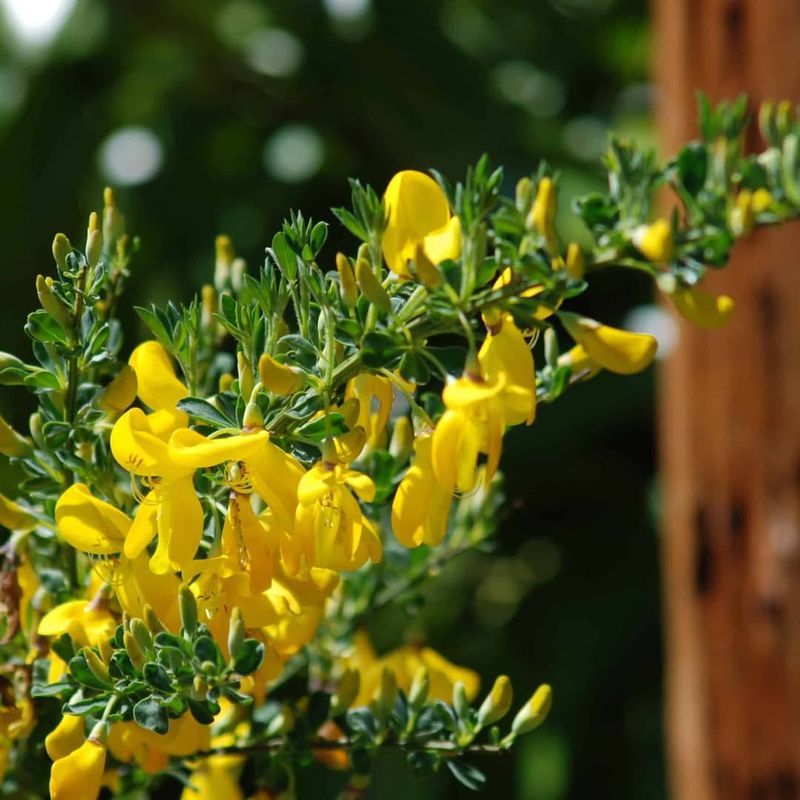
Driving Oregon highways in spring, you’ll see hillsides glowing with cheerful yellow flowers that look almost festive.
That’s Scotch broom putting on a show, but those pretty blooms hide a plant that’s quietly transforming landscapes and creating serious fire hazards around homes.
Each plant produces thousands of seeds that explode from pods, shooting up to fifteen feet away and remaining viable in soil for decades.
Scotch broom thrives in disturbed areas and poor soil where other plants struggle, quickly forming dense stands that exclude native vegetation.
Oregon’s dry summers don’t slow it down because the plant tolerates drought exceptionally well once established.
The real danger comes during fire season when these shrubs become fuel ladders that carry flames from ground level into tree canopies. Properties surrounded by broom face significantly higher fire risk.
The plants also host insects that damage agricultural crops and contain compounds toxic to livestock and wildlife.
Young plants pull out relatively easily after rain when soil is soft, but mature shrubs require cutting below the crown. Seeds scattered during removal can create new infestations, so working before pods form in late spring is crucial.
Repeated cutting exhausts root reserves over two to three years. Some homeowners successfully smother small patches with thick cardboard and mulch, though this takes patience and works best on manageable areas.
4. English Ivy (Hedera helix)
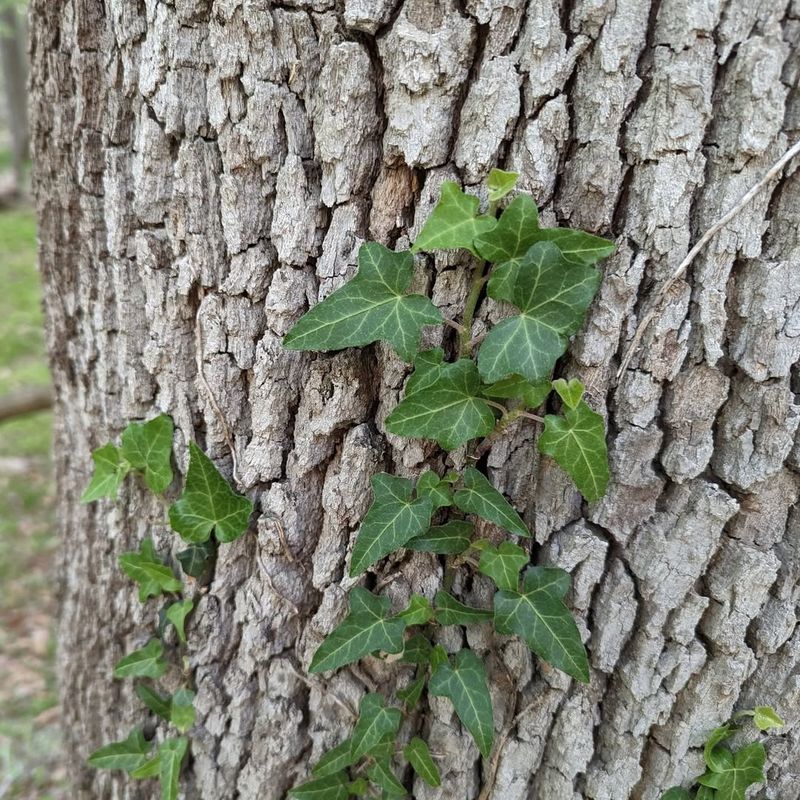
That evergreen groundcover spreading beneath your trees might seem like a low-maintenance solution for shady areas.
English ivy does fill space beautifully and stays green year-round, but it’s slowly smothering everything it touches and creating hidden problems that won’t show up for years.
Ivy climbs trees using tiny rootlets that grip bark, eventually forming such thick mats that they add dangerous weight and wind resistance. Trees become top-heavy and more likely to fail during Oregon’s winter storms.
The dense foliage blocks sunlight from reaching the tree’s own leaves and creates constantly moist conditions against bark that encourage disease and pest problems.
On the ground, ivy forms impenetrable carpets that prevent native plants from growing and provide perfect habitat for rats and other rodents. The waxy leaves shed water rather than absorbing it, which can worsen drainage problems.
When ivy climbs house siding, those rootlets work into tiny cracks and cause real damage over time.
Removal means pulling vines off trees carefully without damaging bark, then cutting the main stems at ground level. Groundcover patches require either digging out roots or smothering with thick layers of cardboard covered with mulch.
The work is tedious but straightforward. Many homeowners tackle ivy removal in sections over several seasons rather than attempting everything at once, which makes the project more manageable.
5. Purple Loosestrife (Lythrum salicaria)
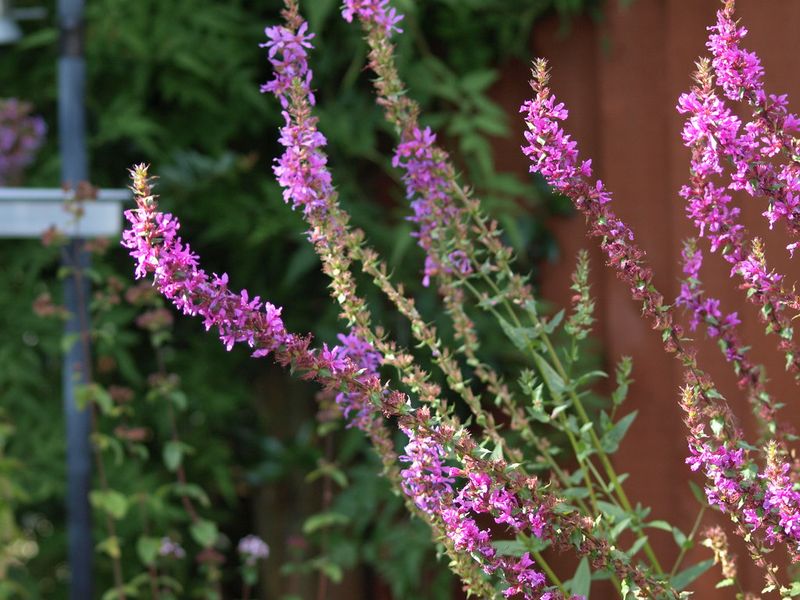
Wetland areas and pond edges often develop spectacular displays of tall purple flowers in summer that look like they belong in a watercolor painting.
Purple loosestrife creates those stunning scenes, but this beauty is destroying critical habitat that native wildlife depends on for survival.
Each plant produces millions of tiny seeds that spread through water, mud on boots and equipment, and wildlife movement.
The aggressive root system forms dense mats that change water flow patterns and crowd out native sedges, rushes, and willows that provide food and shelter for birds, amphibians, and fish.
Oregon’s wetlands lose biodiversity rapidly once loosestrife establishes.
Property owners with ponds or seasonal wet areas often don’t recognize the plant until it’s formed thick stands that are difficult to access. The roots grow in mucky soil where footing is treacherous, making physical removal challenging.
Many people assume all wetland plants are protected and hesitate to remove anything, not realizing this species is actually a destructive invader.
Small infestations respond to hand-pulling before plants set seed, though you must remove the entire root crown. Larger stands may require carefully applied aquatic-approved herbicides during active growth.
Timing matters because treatment after seed set means millions of viable seeds are already in the soil.
Working with local watershed councils or soil and water conservation districts can provide guidance specific to your site conditions and help prevent spread to neighboring properties.
6. Tansy Ragwort (Jacobaea vulgaris)
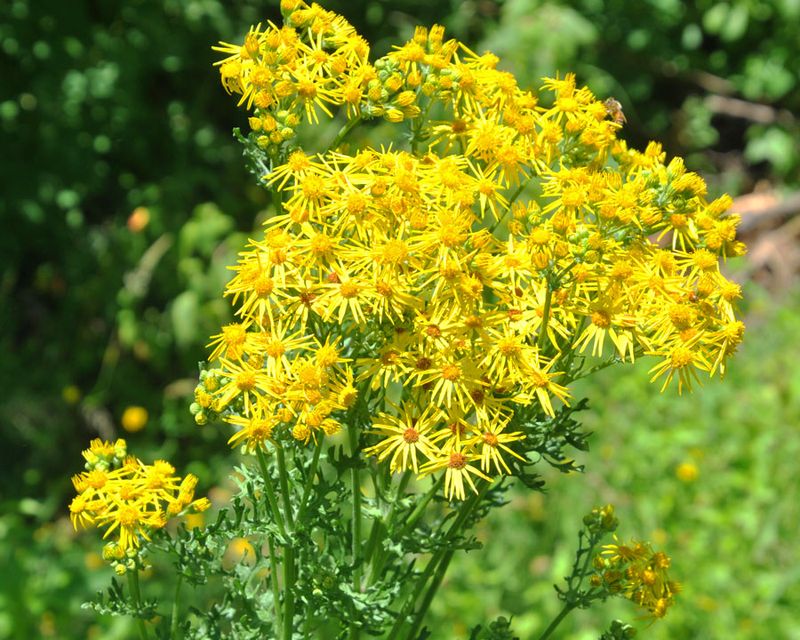
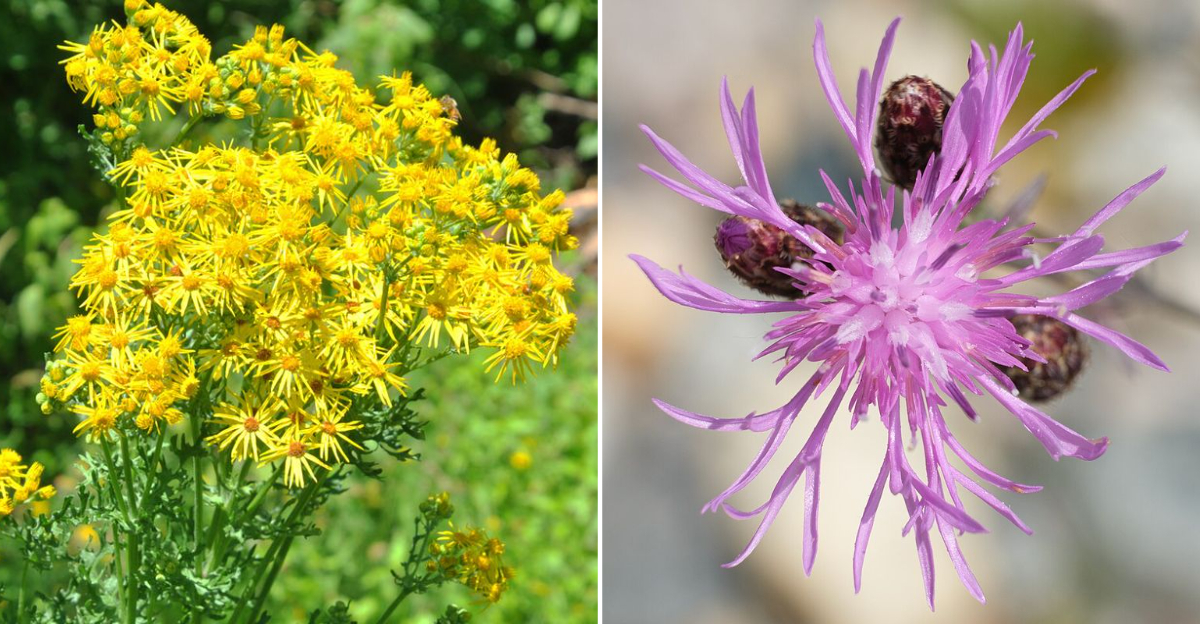
Pastures and roadsides light up with cheerful yellow flowers in summer that seem to brighten the landscape.
Tansy ragwort creates those golden displays, but this plant poses serious threats to livestock, contaminates hay, and spreads aggressively across disturbed ground throughout western Oregon.
The plant contains alkaloids that cause irreversible liver damage in horses and cattle. Animals usually avoid eating fresh plants because of their bitter taste, but dried ragwort in hay loses its bitter flavor while retaining full toxicity.
Even small amounts consumed over time cause fatal liver failure. Properties used for livestock or hay production face real economic and animal welfare risks from tansy ragwort.
Like garlic mustard, tansy ragwort follows a biennial life cycle, forming rosettes the first year then flowering and setting seed the second season. Each plant produces up to 150,000 seeds that spread by wind, water, and contaminated soil movement.
Oregon’s climate suits ragwort perfectly, and disturbed areas colonize rapidly. The plant also hosts insects that damage related crops like artichokes.
Hand-pulling works well for small infestations if you remove the entire root crown before flowering. Wearing gloves is wise since plant juices can irritate skin.
Larger infestations may require herbicide treatment in the rosette stage for best results. Biological control using cinnabar moth and ragwort flea beetle provides some suppression in pastures where pesticide use is impractical.
Maintaining healthy grass cover through proper grazing management prevents ragwort establishment better than any single control method. Regular monitoring helps catch new plants before they set seed and expand the problem.
7. Yellow Flag Iris (Iris pseudacorus)
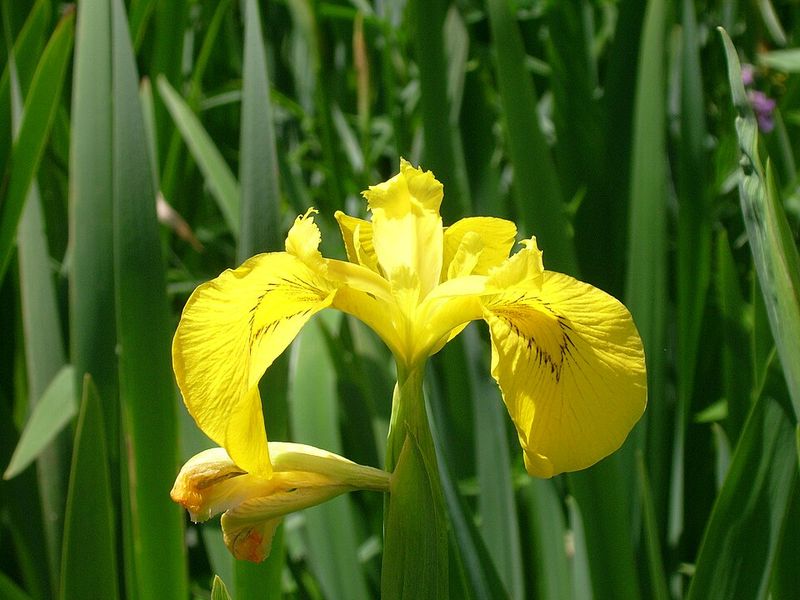
Garden centers once sold this striking iris for water gardens, and older properties often have established clumps around ponds that seem harmless enough.
Those cheerful yellow blooms brighten wet areas beautifully, but yellow flag iris is steadily degrading water quality and taking over habitat that native plants need.
The plant spreads through thick rhizomes that form dense mats in shallow water and muddy soil. Each flower produces seed capsules that float, allowing spread downstream to new locations.
Oregon’s wet spring weather and mild winters create perfect conditions for unlimited expansion. The rhizomes contain compounds that cause skin irritation in some people, and all plant parts are toxic if ingested.
Dense iris stands slow water movement in streams and ditches, increasing flooding risk and trapping sediment that changes habitat structure. Native plants that waterfowl and other wildlife depend on can’t compete with the aggressive growth.
Property owners sometimes don’t realize their ornamental planting is spreading to neighboring wetlands and causing ecological harm beyond their boundaries.
Removal requires digging out the entire rhizome network, which is labor-intensive in wet conditions. Small clumps are manageable for determined homeowners, but established stands often need professional help.
Disposing of plant material carefully is essential because fragments can reroot. Some people successfully contain iris by planting in buried containers, though this requires vigilance to catch any escapes.
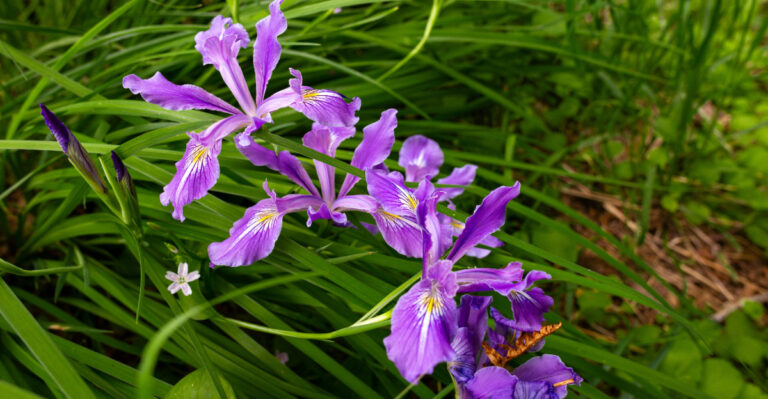
Native alternatives like Oregon iris provide similar beauty without the invasive behavior.
8. Garlic Mustard (Alliaria petiolata)
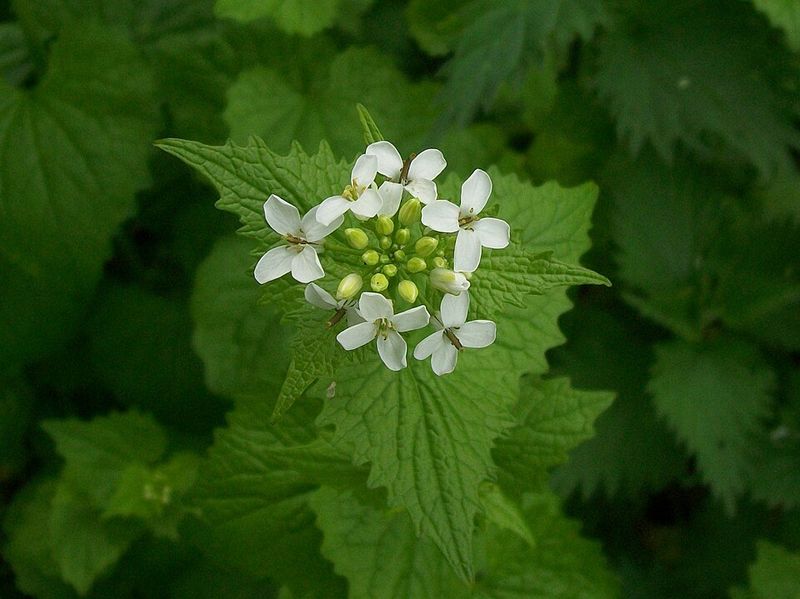
Shaded areas under trees often develop carpets of green leaves that smell like garlic when crushed.
Garlic mustard looks innocent enough and many people mistake it for a useful herb, but this plant is transforming forest understories and threatening native wildflowers throughout the Pacific Northwest.
The plant completes its life cycle in two years, forming a low rosette the first season then bolting to produce flowers and thousands of seeds the second spring.
Those seeds remain viable in soil for at least five years, creating persistent seed banks that make eradication difficult.
Oregon’s moist, shaded forests provide ideal conditions for garlic mustard to spread unchecked.
The real problem lies underground where garlic mustard roots release chemicals that disrupt mycorrhizal fungi networks that native plants depend on for nutrient uptake.
This chemical warfare gives garlic mustard a competitive advantage that allows it to dominate native wildflower communities.
Trilliums, bleeding hearts, and other woodland favorites disappear as garlic mustard takes over.
Early detection makes control possible since young plants pull easily from moist soil. The key is removing plants before they flower in late April through May.
First-year rosettes are easy to overlook, so checking infested areas multiple times per season catches plants at different stages. Pulled plants should go in trash, not compost, because seeds can remain viable.
Persistent removal over several years exhausts the seed bank, but you must commit to regular monitoring because new seeds arrive from neighboring properties on shoes, pets, and wildlife.
9. Spotted Knapweed (Centaurea stoebe)
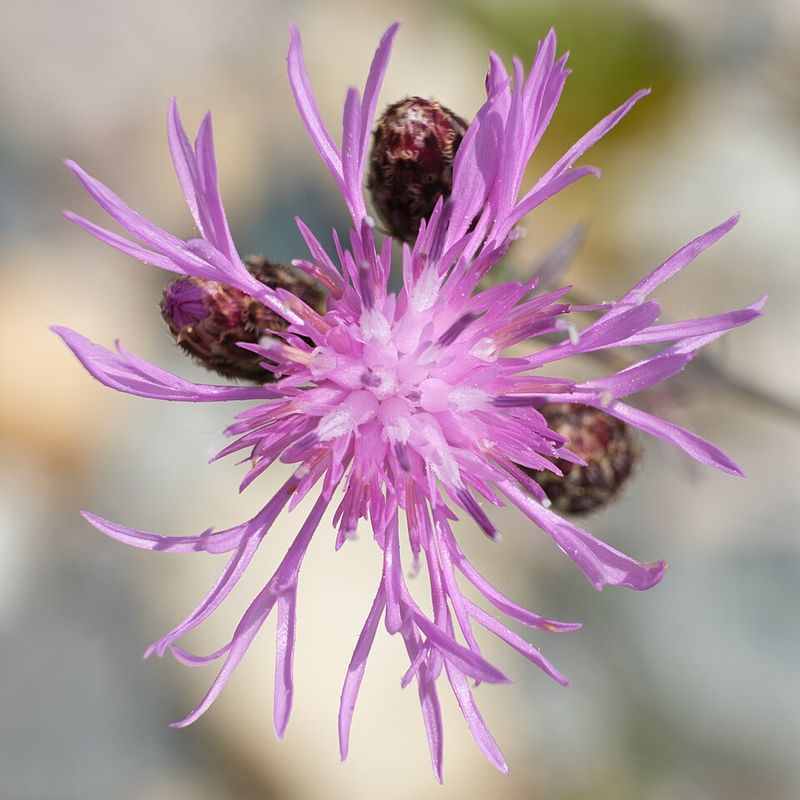
Roadsides and dry pastures develop patches of plants with pretty purple flowers that resemble bachelor buttons.
Spotted knapweed looks almost ornamental from a distance, but this aggressive invader is transforming rangeland and natural areas while increasing erosion problems on slopes.
Each plant produces thousands of seeds that remain viable for eight years or more in soil. The deep taproot allows knapweed to access water that shallow-rooted native grasses can’t reach, giving it a huge advantage during Oregon’s dry summers.
Once established, knapweed forms dense stands that exclude native vegetation and provide poor forage for wildlife and livestock.
The plant’s success comes partly from chemicals its roots release into soil that inhibit competing plants. Native bunchgrasses that hold soil in place can’t establish where knapweed dominates, leading to increased erosion during heavy rains.
Properties on slopes face particular risk as bare soil develops between knapweed plants.
Small infestations respond to digging individual plants, making sure to get the entire taproot. Larger stands require different approaches depending on your situation.
Repeated mowing before seed set weakens plants over time, though this takes several years of consistent effort. Well-timed herbicide application provides faster control but requires following label directions carefully.
Replanting with competitive native grasses after knapweed removal helps prevent reinfestation. Many landowners find that combining control methods works better than relying on any single approach, especially when dealing with established populations.