7 Steps To Harden Off Seedlings In Ohio And Prevent Transplant Shock
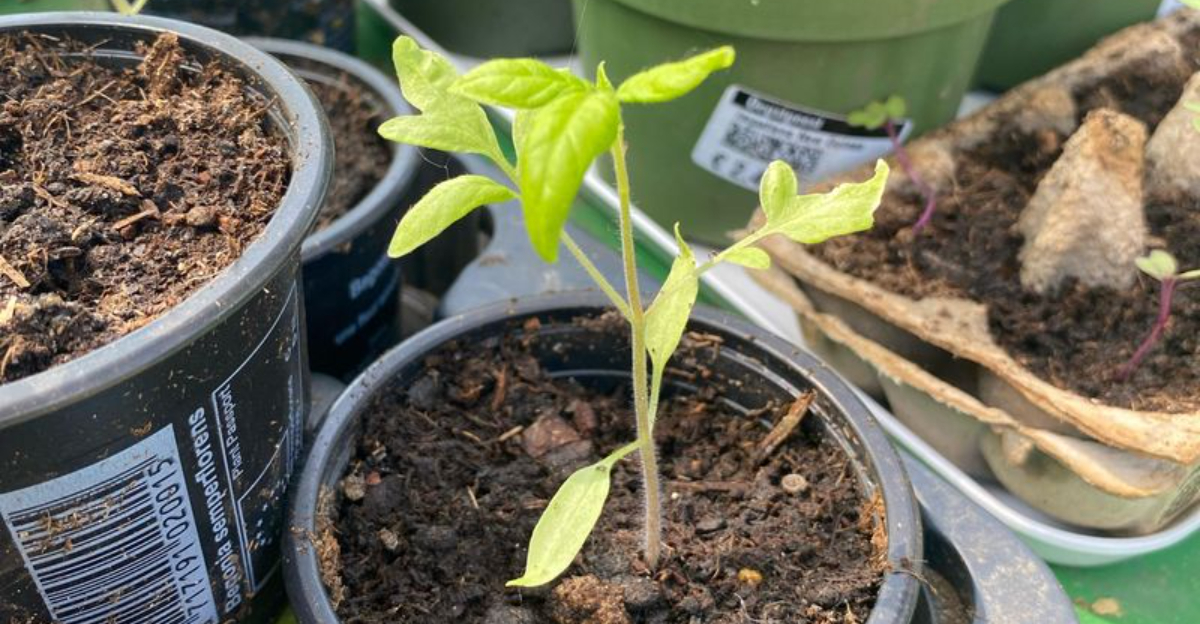
If you have ever rushed seedlings outside, you know how fast trouble shows up. One cold snap, one blast of sun, and tender indoor plants can lose their spark almost overnight.
Ohio spring keeps gardeners guessing, and young seedlings feel every shift in wind, light, and temperature. What looks strong on the windowsill is not always ready for the real world.
A slow, steady transition helps seedlings toughen up, build stronger stems, and face outdoor conditions with confidence. Many Ohio gardeners see this moment as the real start of the growing season, when careful indoor nurturing begins to meet fresh air and open sky.
Give seedlings the time they need now, and they reward you with steadier growth, smoother transplanting, and a stronger push forward once they finally take root outside in the garden.
1. Start Hardening Off Two Weeks Before Planting
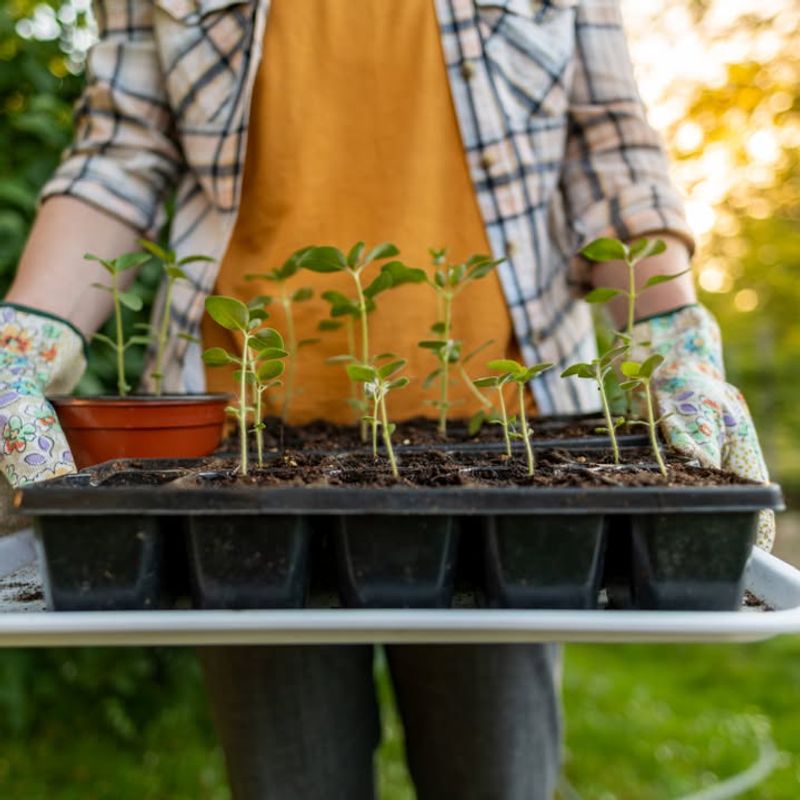
Timing makes all the difference when preparing seedlings for outdoor life. Most Ohio gardeners can safely transplant warm-season crops like tomatoes and peppers after the last expected frost, which typically falls between mid-April in southern counties and mid-May in northern regions.
Count backward two full weeks from your planned transplant date to determine when hardening off should begin.
Most seedlings benefit from about two weeks to gradually develop protective changes for outdoor conditions. Indoor plants develop softer tissues, thinner protective cuticles, and more delicate leaf surfaces because they’ve never faced wind, temperature fluctuations, or direct sun.
The hardening process triggers them to produce thicker cuticles, stronger stems, and more resilient tissue.
Check your local frost dates through Ohio State University Extension resources or experienced neighbors who garden nearby. Don’t rely solely on calendar dates since Ohio weather varies significantly from year to year.
Some springs arrive early and mild, while others bring late cold snaps that catch gardeners off guard.
Mark your hardening schedule on a calendar and commit to following it even when warm weather tempts you to rush. Skipping days or shortening the process leaves plants vulnerable to sunscald, windburn, and temperature stress.
Young seedlings that looked healthy indoors can suffer rapid stress or damage if exposed too quickly to harsh outdoor conditions.
Plan around your personal schedule too, since hardening off requires daily attention and flexibility. You’ll need to move plants in and out, monitor weather forecasts, and adjust based on conditions.
Starting exactly two weeks before your target planting date gives you the buffer needed to handle unexpected cold spells or rainy stretches that might delay the process slightly.
2. Begin With Short Outdoor Exposure
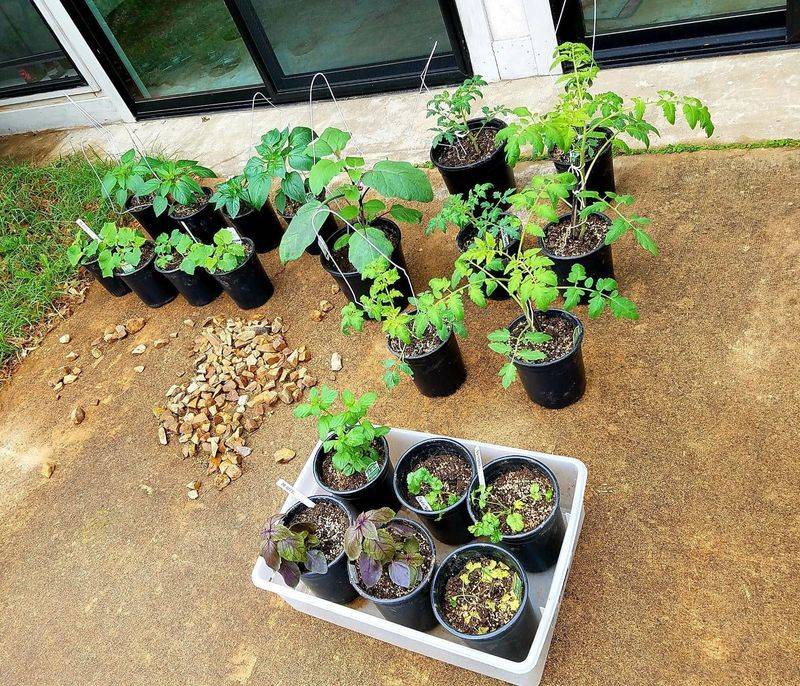
Day one of hardening off should feel almost anticlimactic because you’re aiming for minimal exposure. Choose a mild morning when temperatures are above 50 degrees and place your seedlings in a protected, shaded spot for just 30 to 60 minutes.
A covered porch, the north side of your house, or under a large tree works perfectly for this initial outing.
Even this brief exposure introduces seedlings to outdoor air movement, humidity changes, and temperature variations they’ve never experienced. Watch how leaves flutter slightly in the breeze and notice how quickly soil moisture evaporates compared to indoors.
Your Ohio Garden Changes Every Week. Your Plan Should Too.
Gardening in Ohio changes quickly throughout the season. Every Friday you’ll receive a simple weekly plan showing exactly what to plant, prune, fertilize, harvest, and protect so you never miss the right timing.
These small environmental differences represent huge adjustments for plants accustomed to still, controlled indoor air.
Avoid the temptation to leave plants out longer on that first day, even if weather seems perfect. Seedlings can experience stress responses that aren’t immediately visible, and overexposure on day one can set back the entire hardening process.
Bring them back inside well before conditions become challenging.
Choose your outdoor spot carefully by observing it for a full day before placing seedlings there. Some areas that seem shaded in morning receive harsh afternoon sun.
Others funnel wind unexpectedly or collect cold air as temperatures drop. The ideal first location protects from direct sun, strong breezes, and temperature extremes.
Keep detailed notes about timing, weather conditions, and how plants respond. If leaves appear droopy or pale after that first outing, your seedlings are communicating that even this gentle exposure challenged them.
That feedback helps you adjust the next day’s session appropriately. Ohio’s spring weather changes rapidly, so staying observant and flexible throughout the hardening process ensures your seedlings adjust successfully without setbacks.
3. Increase Outdoor Time Gradually
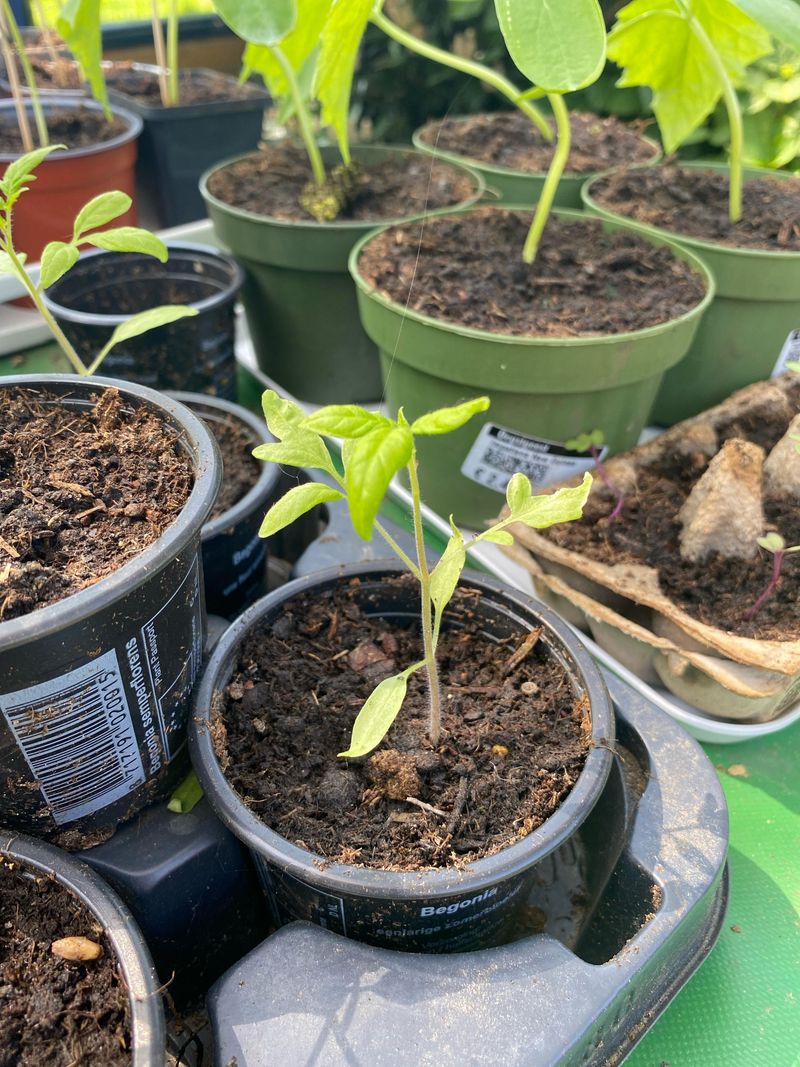
After that first brief outing, extend outdoor time by approximately one to two hours each day while monitoring plant responses closely. By day three or four, seedlings should handle three to four hours outside comfortably.
This gradual progression gives plants time to develop protective mechanisms without overwhelming their systems.
Think of this process as gradually building plant resilience rather than jumping into a marathon unprepared. Each day’s slightly longer exposure strengthens plant tissues incrementally.
Waxy cuticles develop, stems strengthen, and leaves adjust to sun and wind. Rushing this buildup creates stress that manifests as stunted growth, leaf discoloration, or increased vulnerability to pests and disease.
Ohio’s changeable spring weather requires flexibility in your hardening schedule. Some days arrive warmer or windier than expected, making it wise to reduce outdoor time even if your schedule calls for increasing it.
Other days might be so mild and overcast that extending time slightly makes sense. Trust your observations over rigid schedules.
By the end of week one, most seedlings can handle six to eight hours outdoors in protected locations. They’re building tolerance but still need shelter from harsh afternoon sun, strong winds, and temperature extremes.
Continue bringing them inside overnight since even hardy seedlings aren’t ready for cool Ohio nights during early hardening stages.
Watch for signs that you’re progressing too quickly, including leaves that curl, turn pale, or develop brown edges. These symptoms indicate stress that requires slowing down.
Conversely, seedlings that remain vibrant and upright throughout longer exposures are communicating their readiness to continue advancing. Paying attention to these signals helps you customize the hardening timeline to your specific plants and local conditions rather than following a generic schedule that might not match your situation.
4. Introduce Gentle Morning Sun Before Full Sun
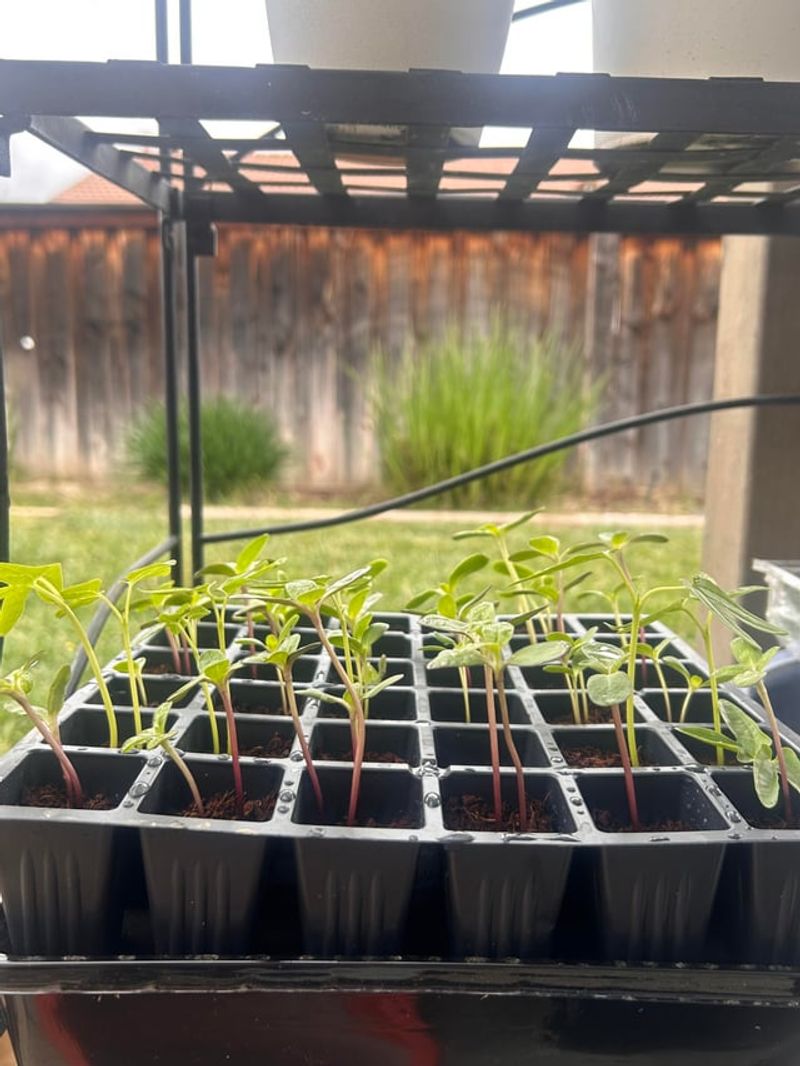
Morning sun provides the gentlest introduction to direct light because it’s less intense than midday or afternoon rays. Around day five or six of hardening off, begin positioning seedlings where they receive one to two hours of early morning sunlight, typically between 8 and 10 AM.
This filtered, angled light warms plants without scorching tender leaves that have only known artificial grow lights.
Indoor lighting, even strong grow lights, doesn’t approach the intensity of natural sunlight. The sun delivers a full spectrum at much higher intensity, and unaccustomed leaves can develop sunscald within minutes if exposed too abruptly.
Sunscald appears as white or brown patches on leaves and represents permanent tissue damage that weakens plants.
Eastern exposures work beautifully for this phase since they receive gentle morning rays but stay shaded during harsh afternoon hours. Position trays where buildings, fences, or trees block western sun while allowing eastern light through.
Ohio’s spring sun gains strength quickly as days lengthen, so what seems mild in early May can be surprisingly intense by late May.
Gradually increase direct sun exposure over several days, moving from one hour to two, then three, always during morning hours initially. Watch leaf color and texture closely since healthy leaves should maintain their deep green color and firm texture.
Pale, limp, or bleached-looking foliage signals too much sun too soon.
Around day ten, seedlings that have adjusted well to morning sun can begin experiencing filtered afternoon light, though full afternoon sun should wait until the final days of hardening. Afternoon sun in Ohio can be brutal, especially on clear days when temperatures spike unexpectedly.
Even well-hardened seedlings benefit from afternoon shade during their first week in the garden, so don’t rush this crucial light acclimation phase.
5. Protect Seedlings From Wind And Cold Nights
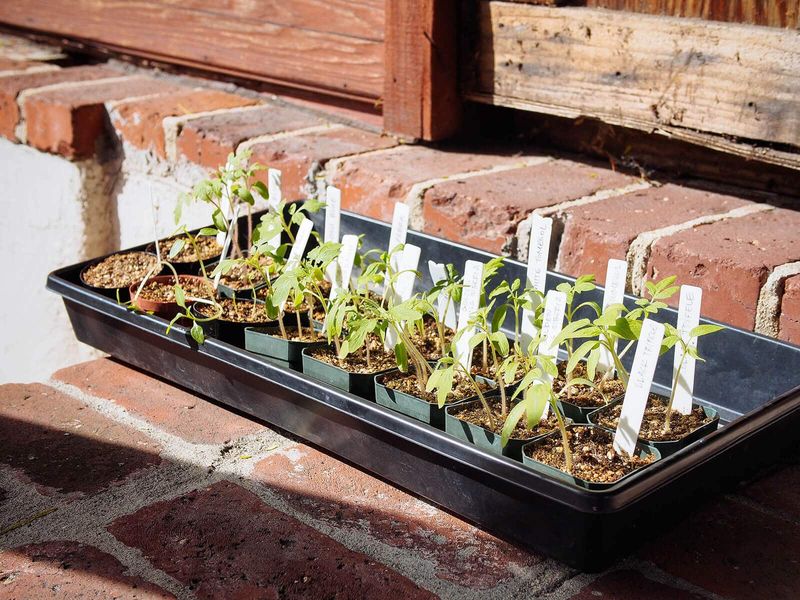
Wind poses one of the most underestimated threats during hardening off because it’s invisible until damage appears. Even moderate breezes dehydrate leaves rapidly, snap fragile stems, and stress plants and slow early growth.
Throughout the hardening period, position seedlings behind windbreaks like fences, walls, or larger plants that diffuse air movement without blocking light entirely.
Cold nights present another challenge in Ohio’s unpredictable spring climate. While daytime temperatures might reach comfortable levels, nights can still dip into the 40s or even upper 30s through mid-May in many areas.
Most warm-season seedlings should avoid temperatures below about 50°F during early hardening, with gradual exposure to cooler conditions as hardening progresses.
Don’t leave tender seedlings outside overnight until at least day ten of hardening, and only then if nighttime temperatures will stay above 50 degrees. Tomatoes, peppers, eggplants, and other warm-season crops are particularly sensitive to cold and can suffer chilling injury even at temperatures above freezing.
This injury appears as purple-tinged leaves, stunted growth, and increased disease susceptibility.
Monitor weather forecasts closely during hardening off, especially in Ohio where conditions change rapidly. A warm week can suddenly turn cold when systems move through, bringing temperatures down 20 degrees overnight.
Have a plan to bring seedlings inside quickly or protect them with covers if unexpected cold threatens.
By the final days of hardening, seedlings should tolerate overnight temperatures in the mid-40s comfortably, preparing them for occasional cool nights in the garden. However, if frost threatens at any point, bring plants inside immediately or cover them thoroughly.
Even fully hardened seedlings can still be damaged by frost exposure, undoing all your careful preparation in a single cold night.
6. Reduce Watering Slightly To Toughen Plants
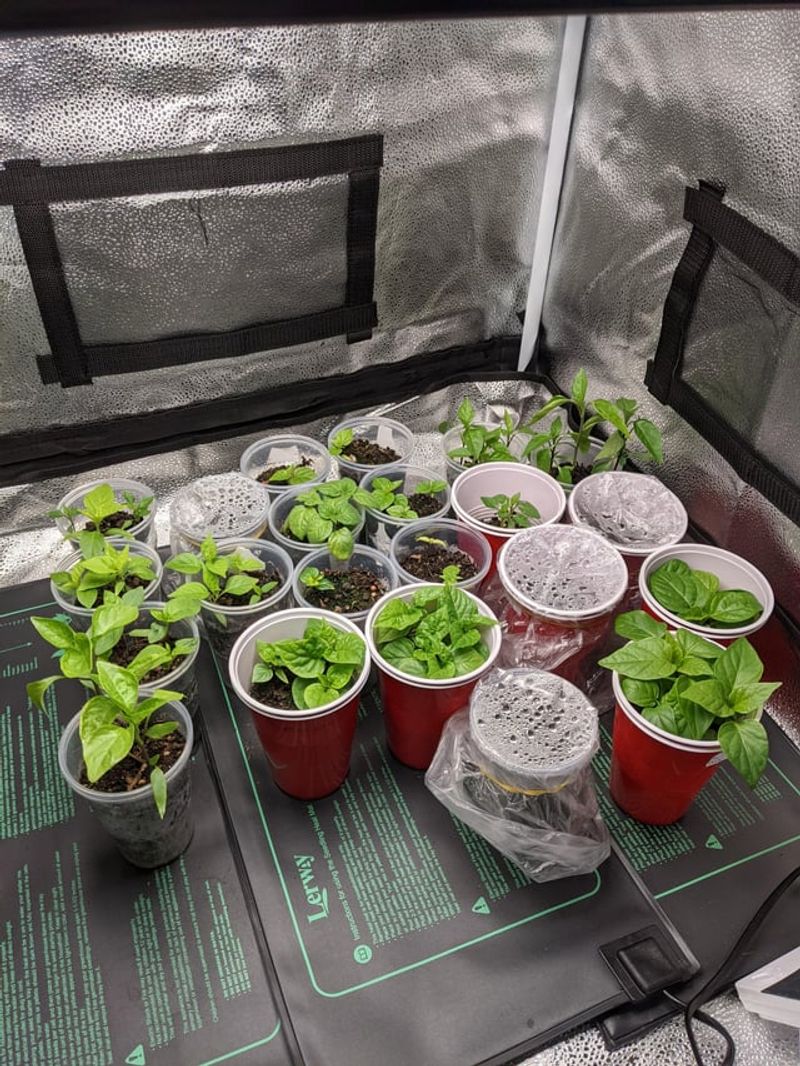
Water management shifts during hardening off because outdoor conditions dry soil much faster than indoor environments. However, the goal isn’t to stress plants through drought but to encourage stronger root development and more resilient tissue.
Slightly reducing watering frequency while ensuring plants never wilt severely helps seedlings adjust to less consistent moisture availability they’ll face in garden beds.
Indoors, you might water seedlings daily to maintain consistently moist soil. As hardening progresses, allow soil to dry slightly between waterings, waiting until the top half-inch feels dry before adding water.
This encourages deeper root growth as plants adapt to less frequent watering rather than staying shallow and dependent on frequent surface watering.
Plants transpire much more rapidly outdoors due to wind, sun, and lower humidity, especially during Ohio’s drier spring days. Check soil moisture twice daily during hardening since conditions can change quickly.
Seedlings might need water in the evening even if soil felt moist that morning, particularly on warm, breezy days.
Avoid the extremes of keeping soil soaking wet or allowing it to dry completely and cause wilting. Slightly reduced watering can encourage stronger root development, but severe stress damages root hairs and sets back growth.
Watch for the first subtle signs of water need, like leaves losing their perky appearance, rather than waiting for dramatic wilting.
During the final days of hardening, mimic the watering schedule you’ll follow once seedlings are transplanted. If you plan to water garden beds every two to three days, practice that schedule during late hardening so plants adjust to the rhythm.
Well-hardened seedlings develop the ability to withstand brief dry periods without stress, making them far more resilient once planted in the ground where you can’t monitor them constantly throughout the day.
7. Transplant On A Mild, Cloudy Ohio Day
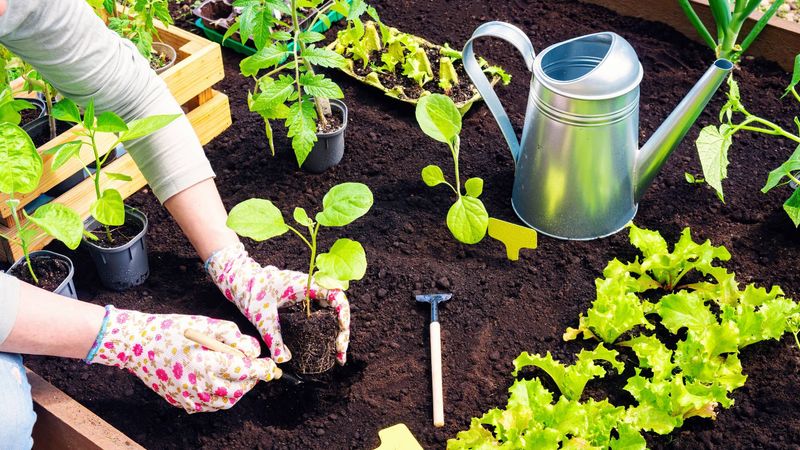
After two weeks of careful hardening, your seedlings are finally ready for their permanent home. Choosing the right transplant day significantly impacts how quickly plants establish and begin growing vigorously.
Overcast, mild days are ideal because they minimize transplant stress by providing gentle conditions during this vulnerable transition period.
Bright, hot, sunny days force newly transplanted seedlings to cope with intense light and heat while simultaneously adjusting to root disturbance and new soil. Cloudy conditions give plants a chance to settle in without the added challenge of harsh sun.
If possible, aim for a day when light rain is expected since natural moisture helps settle soil around roots and reduces watering needs.
Ohio spring weather often cooperates with cloudy stretches, particularly in May when frontal systems move through regularly. Check extended forecasts and plan transplanting for a mild period rather than rushing to plant on the first available weekend.
Temperatures in the 60s with overcast skies create nearly perfect conditions.
Transplant during late afternoon or evening rather than morning when possible. This gives plants overnight to recover from transplant shock before facing full sun the next day.
Even well-hardened seedlings experience stress when roots are disturbed, and cooler evening conditions minimize moisture loss while plants adjust.
Handle seedlings gently during transplanting, disturbing roots as little as possible. Water thoroughly immediately after planting to eliminate air pockets and ensure good soil-to-root contact.
Even though seedlings are hardened, provide some shade for the first day or two if weather turns unexpectedly hot and sunny. A simple shade cloth or row cover offers protection without requiring you to dig plants back up.
With proper hardening and careful transplanting, your seedlings will establish quickly and grow into productive plants that thrive throughout Ohio’s growing season.