10 Stunning Bicolor Flowers You Can Grow In Oregon
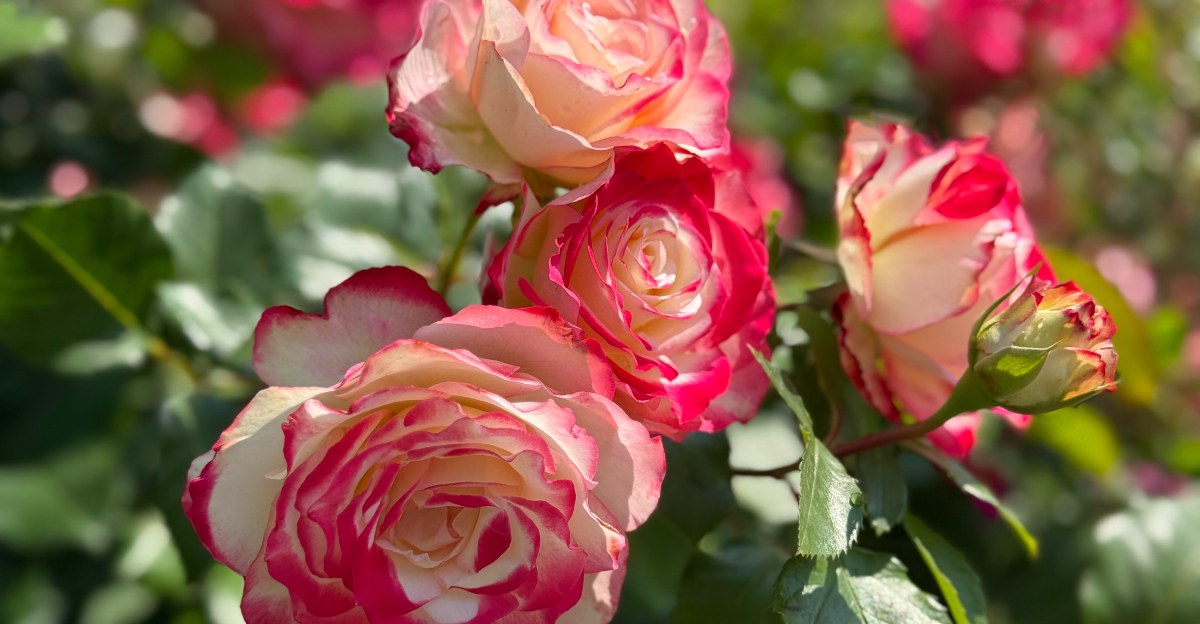
Not all flowers stick to one color, and that is exactly what makes bicolors so eye catching. With petals painted in two shades, splashed edges, or soft color blends, these blooms bring extra personality to any Oregon garden.
One flower can look like a tiny sunset, another like it was hand dipped in paint. They stand out in borders, brighten containers, and add a playful twist to classic garden beds.
Oregon’s mild climate and rich soil help many bicolor varieties thrive, rewarding you with vibrant, artistic blooms through the growing season.
If your garden needs a little spark and something visually different, these two toned beauties deliver double the charm in every petal, turning ordinary flower beds into colorful conversation starters that draw the eye again and again.
1. Bicolor Bearded Iris
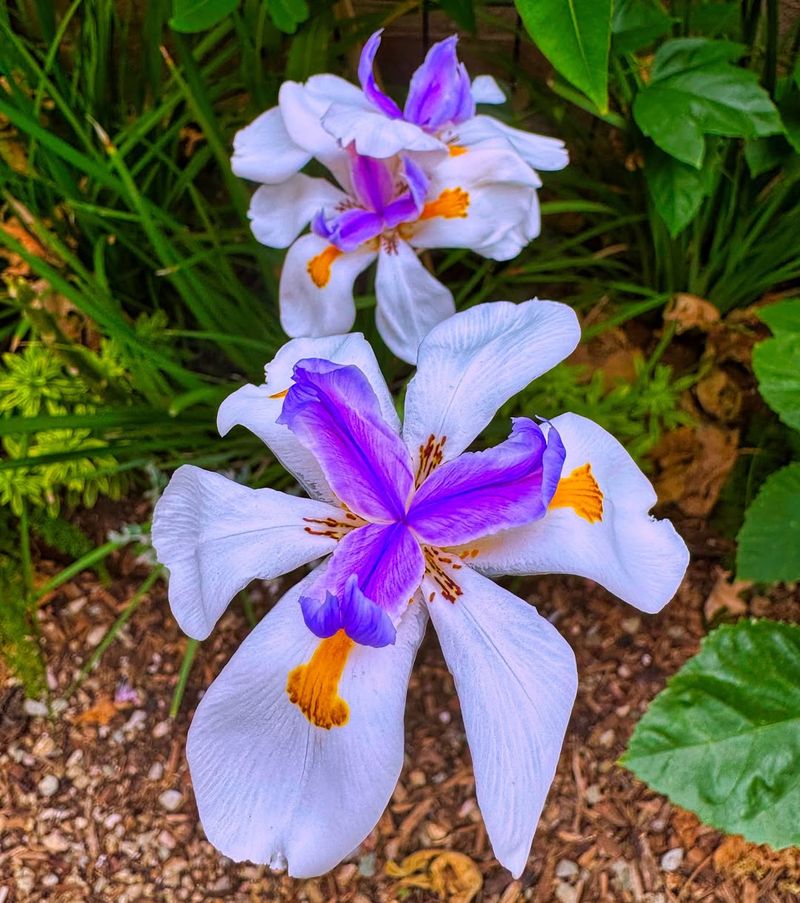
When the late spring sun finally breaks through Oregon’s grey skies, bearded irises seem to appear almost overnight.
Their dramatic two-toned blooms make them garden showstoppers, with ruffled petals in combinations like deep purple and cream, bronze and yellow, or wine-red and white.
These rhizome-based perennials actually prefer Oregon’s well-drained soil and appreciate our dry summers once established.
Plant them in full sun with the rhizome partially exposed at the surface, burying them too deep is the most common mistake gardeners make.
They need good air circulation to prevent the soft rot that can develop in our wet springs.
Bicolor varieties offer more visual punch than single-colored types, creating natural focal points in mixed borders. The contrasting colors draw the eye and photograph beautifully.
Choose varieties with strong stems that won’t flop over during spring rains.
After blooming finishes in late May or June, trim off spent flower stalks but leave the sword-like foliage to feed the rhizome for next year. Divide clumps every three to four years when they become crowded.
Fall division works best in Oregon, giving roots time to establish before winter without the stress of summer heat.
2. Bicolor Tulips
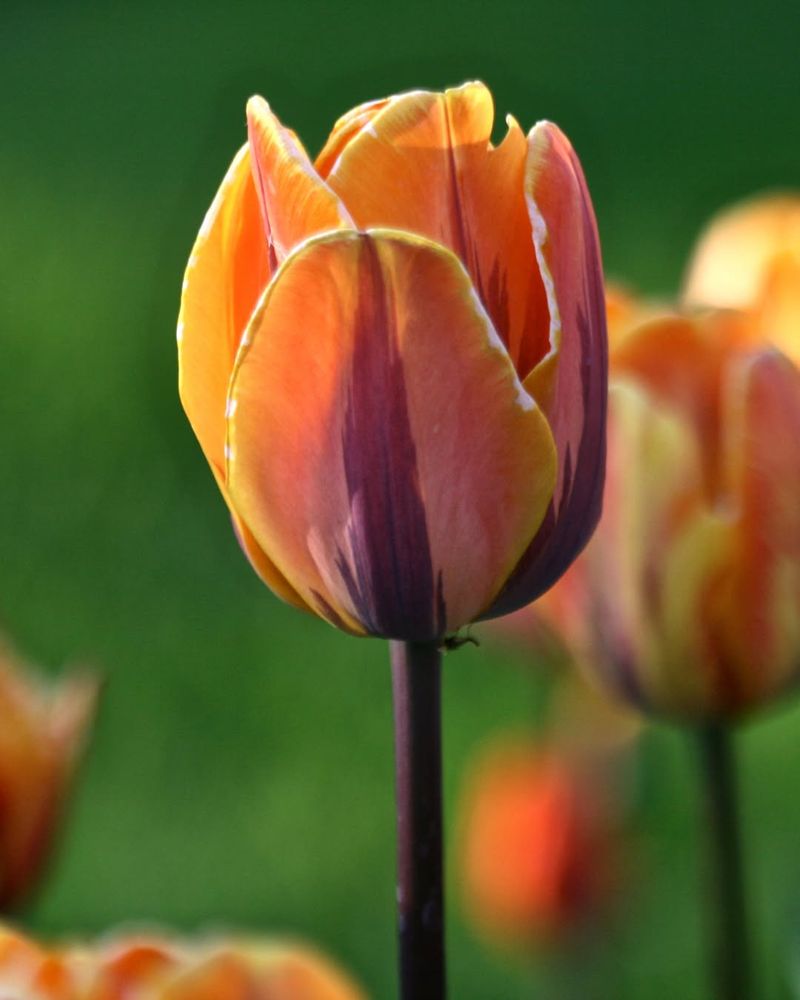
Few spring moments rival the sight of tulips pushing through cool March soil. Bicolor tulips take this seasonal joy further with their striking two-tone petals, flames of red and yellow, stripes of pink and white, or elegant purple edged in cream.
Oregon’s climate suits tulips beautifully during their growing season. Our chilly winters provide the cold period bulbs need, while spring rains keep them hydrated as they bloom.
Plant bulbs in November when soil temperatures drop but before the ground freezes. Set them six inches deep in well-draining soil amended with compost.
Many gardeners treat tulips as annuals here because our wet winters can rot bulbs left in the ground. If you want them to return, choose species or botanical tulips rather than the large hybrid types.
These smaller varieties naturalize better in Pacific Northwest conditions.
Bicolor varieties create stunning displays when planted in drifts of a single type rather than mixed randomly. Try grouping them with forget-me-nots or primroses for a cottage garden effect.
Deadhead spent blooms but let foliage yellow naturally, it’s feeding next year’s bulb. For containers, bicolor tulips pair wonderfully with trailing pansies in complementary colors.
Your Oregon Garden Changes Every Week. Your Plan Should Too.
Gardening in Oregon changes quickly throughout the season. Every Friday you’ll receive a simple weekly plan showing exactly what to plant, prune, fertilize, harvest, and protect so you never miss the right timing.
3. Bicolor Daffodils
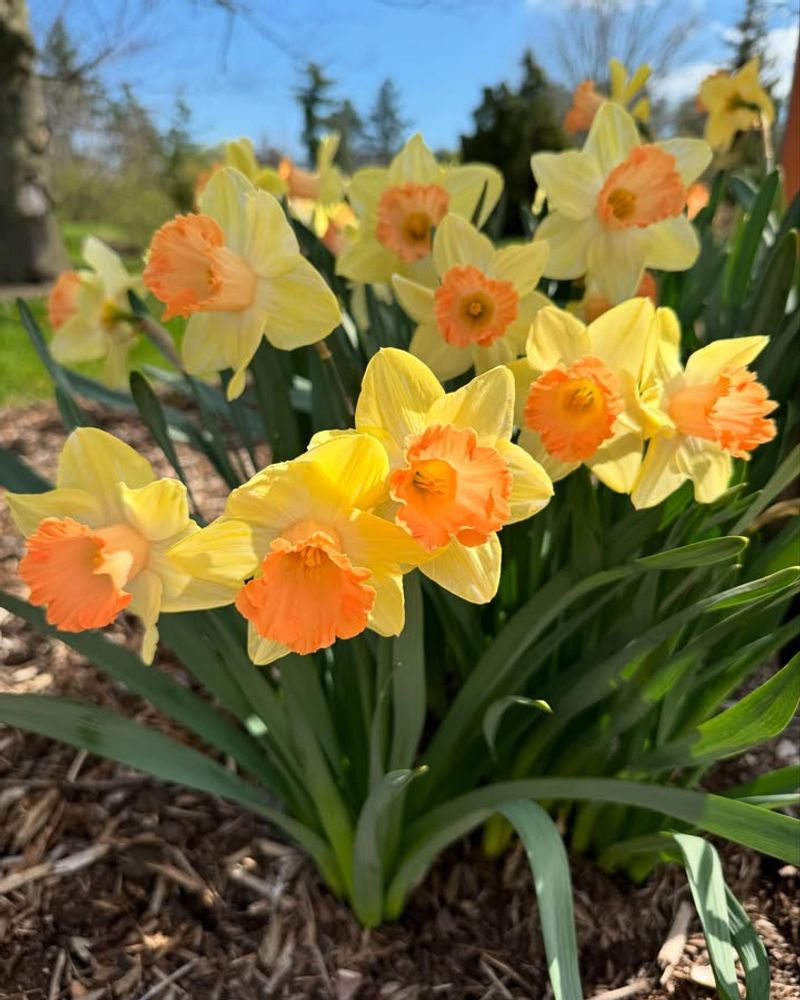
Daffodils signal that winter’s grip is finally loosening across Oregon. Bicolor types, with their contrasting trumpets and petals, bring extra charm to those early spring weeks when color feels especially precious.
Combinations like white petals with coral cups or yellow petals with orange trumpets brighten even the greyest April morning.
These bulbs are remarkably reliable in our climate, returning year after year without fuss. Unlike tulips, they’re rarely bothered by rodents, and our wet springs don’t faze them.
Plant bulbs in October, setting them about six inches deep in groups of seven or more for natural-looking drifts.
Bicolor daffodils work beautifully naturalized in lawns or planted under deciduous trees where they’ll bloom before the canopy fills in. They prefer full sun to light shade and aren’t particular about soil as long as it drains reasonably well.
Heavy clay can be improved with compost worked in before planting.
Let foliage die back completely before removing it, this takes about six weeks after blooming. Some gardeners braid or bundle the yellowing leaves to keep things tidy.
Feed bulbs with a balanced fertilizer in early spring as shoots emerge. Clumps become more impressive over time, requiring division only when blooming decreases.
4. Bicolor Petunias
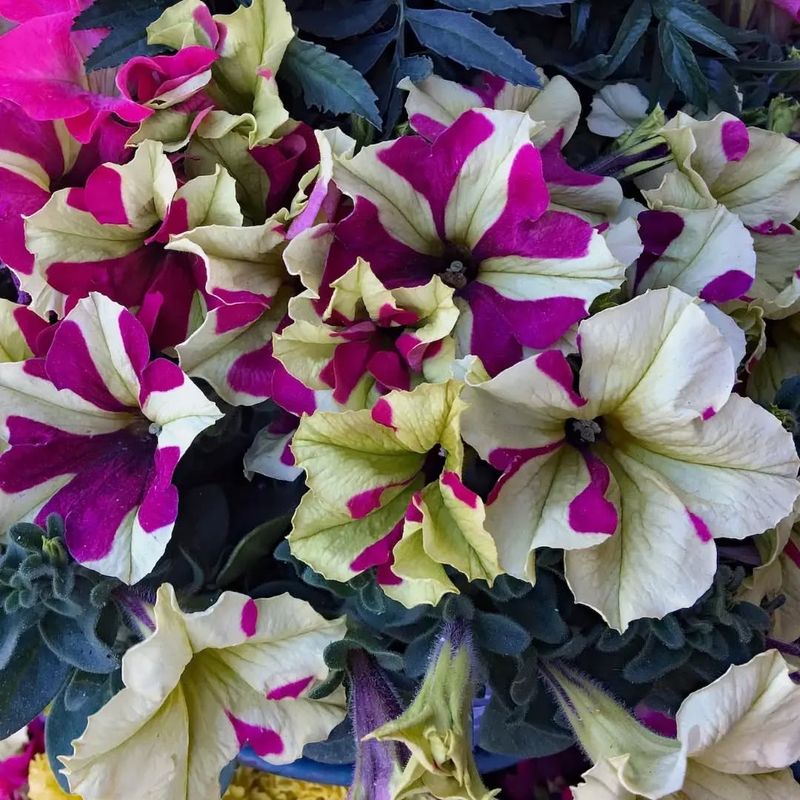
Summer containers come alive with petunias, and bicolor varieties deliver twice the impact. Their blossoms feature stripes, edges, or star patterns in contrasting colors, purple with white throats, red with yellow centers, or pink with darker veining.
Each flower becomes a miniature work of art.
Oregon’s cool, moist summers suit petunias better than many realize, though they do need protection from our heaviest downpours which can shred delicate petals. Plant them in containers under eaves or in hanging baskets where you can move them during storms.
They bloom from late May through October if deadheaded regularly.
Choose trailing types for baskets and upright varieties for beds. Bicolor petunias make excellent thriller plants in mixed containers, paired with calibrachoa or sweet potato vine.
They’re hungry feeders, needing weekly fertilizing with a balanced liquid fertilizer to maintain heavy blooming.
Pinch back leggy growth in midsummer to encourage bushier plants and fresh flowers. Morning sun with afternoon shade works well in warmer inland areas, while coastal gardeners can provide more sun.
Watch for aphids during dry spells and rinse them off with water. These annuals won’t survive our winters but readily self-seed in protected spots, sometimes returning with surprising color combinations.
5. Bicolor Pansies
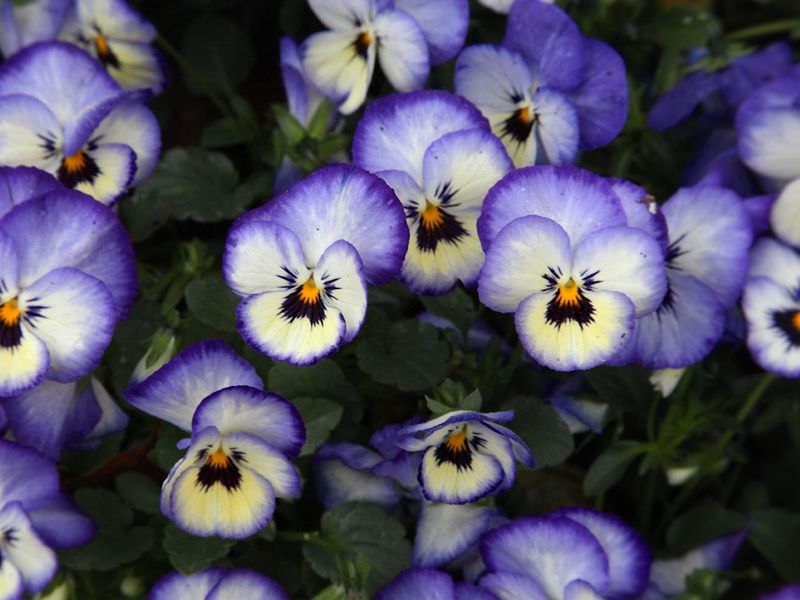
Pansies are Oregon’s cool-season champions, blooming cheerfully through fall, winter, and spring when most other flowers have given up.
Bicolor varieties with their distinctive faces, purple and yellow, orange and burgundy, or blue and white, bring personality to dreary winter days.
Their perky blooms seem to shrug off frost and light snow.
Plant them in September for fall and winter color, or in March for spring displays. They actually prefer our cool, cloudy weather and will bloom continuously as long as temperatures stay below 70 degrees.
Once summer heat arrives, they fade quickly and should be replaced with warm-season annuals.
Bicolor pansies excel in containers near entryways where you’ll see them daily during grey months. They also work beautifully as bedding plants or tucked into gaps in perennial borders.
Pair them with ornamental kale, dusty miller, or early bulbs for seasonal interest.
Deadhead spent blooms regularly to encourage more flowers, pansies will set seed and stop blooming if you let them. They tolerate our winter rains remarkably well but appreciate decent drainage.
Feed monthly with a diluted liquid fertilizer. Some bicolor varieties have better weather resistance than others, so look for types specifically bred for winter performance in Pacific Northwest conditions.
6. Bicolor Columbine
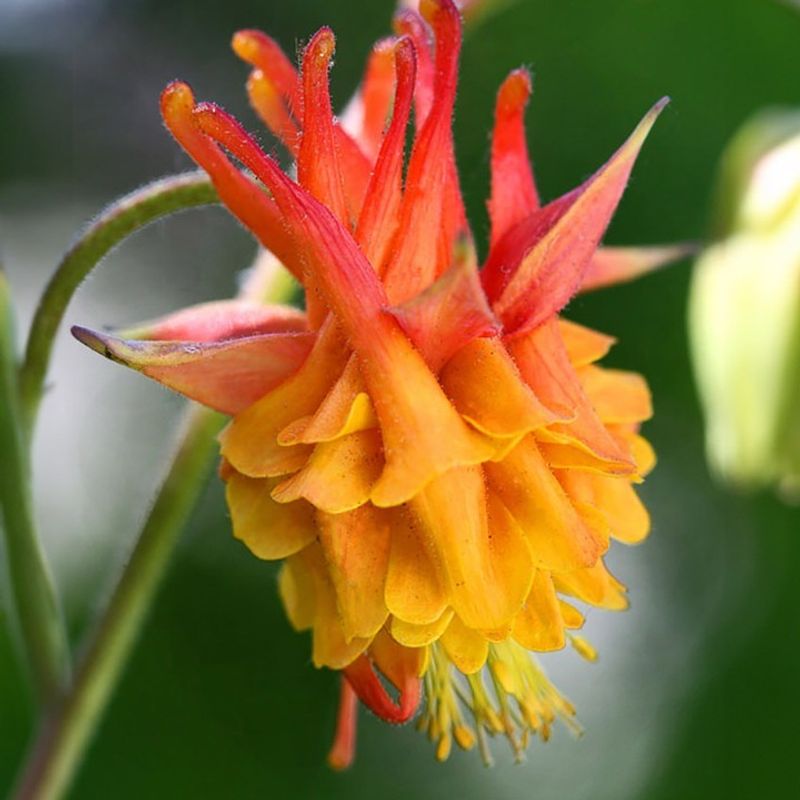
Columbines bring an airy, woodland quality to shaded Oregon gardens. Bicolor varieties display their unique spurred flowers in combinations like red and yellow, pink and white, or purple and cream.
These native-friendly perennials attract hummingbirds and look especially natural planted among ferns and hostas.
Our climate suits columbines perfectly, they appreciate moisture, tolerate shade, and don’t mind our cool springs. Plant them in partial shade with afternoon protection from hot sun.
They’ll grow in full sun along the coast but prefer some shelter inland. Well-draining soil enriched with compost supports the best growth.
These short-lived perennials typically last three to four years but self-seed readily, creating drifts over time. Bicolor types may produce offspring in unexpected color combinations, which adds to their cottage garden charm.
Deadhead spent flowers if you want to control seeding, or let them naturalize for a more relaxed look.
Leaf miners can mar foliage by midsummer, creating tan trails through leaves. Simply cut plants back after blooming finishes and fresh foliage will emerge.
Columbines bloom in April and May here, bridging the gap between early spring bulbs and summer perennials. Their delicate appearance belies their toughness, they handle our wet winters without complaint and rarely need division.
7. Bicolor Snapdragons
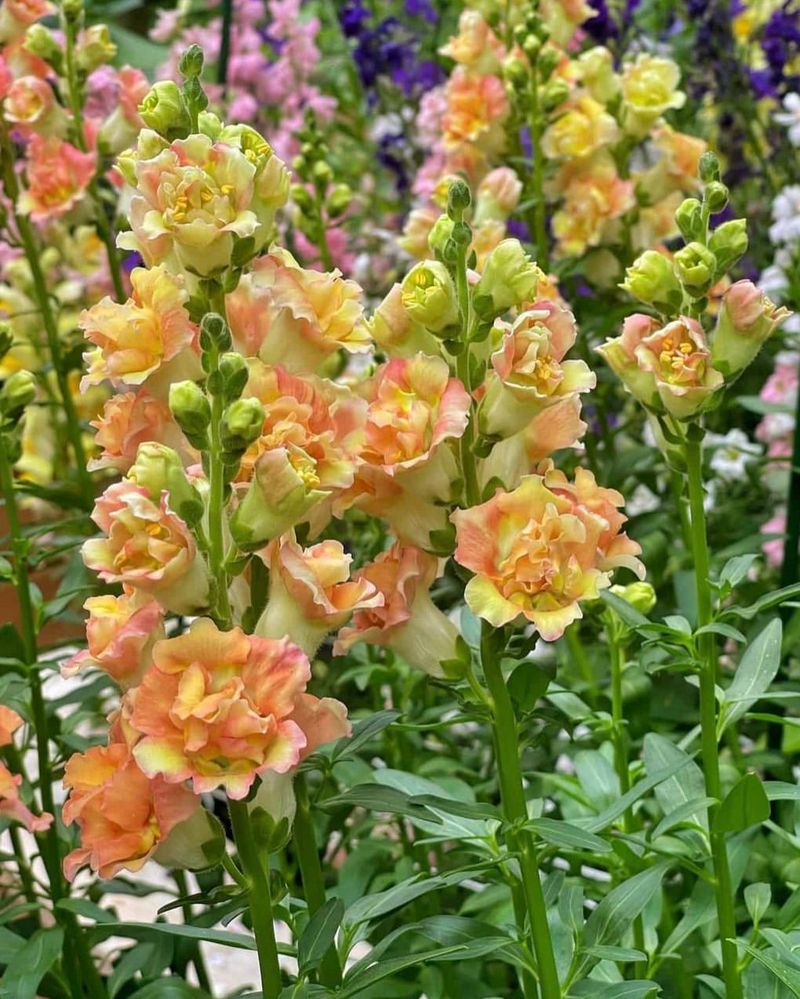
Snapdragons bring vertical interest and old-fashioned charm to Oregon gardens. Bicolor varieties feature blooms with contrasting upper and lower lips, pink fading to white, yellow with orange throats, or burgundy with cream.
Their flower spikes rise above surrounding plants, creating excellent cut flowers that last over a week in arrangements.
These cool-season lovers thrive in our spring and fall weather, often blooming from April through June and again in September if deadheaded after the first flush. Plant them in full sun with rich, well-draining soil.
Taller varieties need staking in our spring rains to prevent flopping.
Many gardeners treat snapdragons as annuals, but they’re actually tender perennials that sometimes survive mild Oregon winters, especially in protected locations or near the coast. Cut them back after blooming and they’ll often return.
Bicolor types make stunning additions to cutting gardens or mixed borders.
Pinch seedlings when they’re four inches tall to encourage branching and more flower spikes. Feed every few weeks with balanced fertilizer during active growth.
Watch for rust disease in humid conditions, it appears as orange spots on leaves. Improve air circulation and avoid overhead watering to prevent problems.
Snapdragons self-seed moderately, sometimes producing interesting color variations in subsequent generations.
8. Bicolor Zinnias
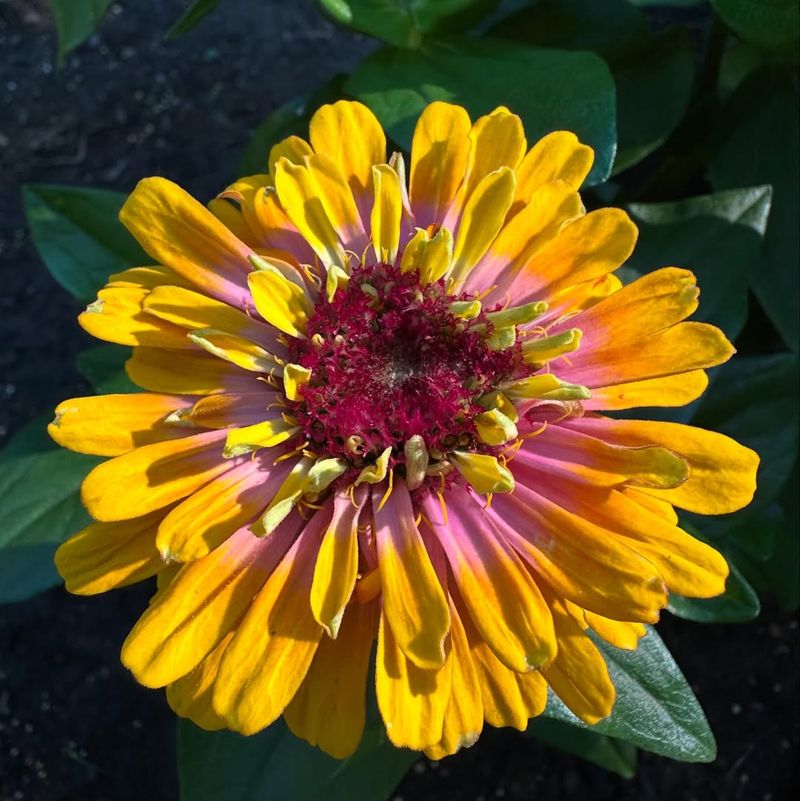
Zinnias pack serious flower power into Oregon’s short summer season. Bicolor varieties display petals striped, tipped, or blended in contrasting shades, red and yellow, pink and white, or orange and cream.
These heat-lovers bloom prolifically from July through first frost, attracting butterflies and making excellent cut flowers.
While zinnias prefer hot, dry conditions, they adapt surprisingly well to Oregon summers if given proper placement. Plant them in the warmest, sunniest spot available with excellent air circulation.
Avoid overhead watering and space plants generously to prevent powdery mildew, which thrives in our humid mornings.
Start seeds indoors in late April or direct sow after danger of frost passes in mid-May. Zinnias grow quickly and begin blooming about eight weeks from seeding.
Taller varieties work beautifully in cutting gardens, while shorter types suit container plantings. Bicolor zinnias create eye-catching combinations with purple salvia or yellow rudbeckia.
Deadhead regularly to encourage continuous blooming, zinnias will produce flowers until frost if you keep removing spent blooms. They’re heavy feeders, benefiting from monthly applications of balanced fertilizer.
Choose mildew-resistant varieties when possible, especially for western Oregon’s damper climate. These annuals won’t survive winter but readily self-seed in warm, protected locations, sometimes returning with surprising color variations the following year.
9. Bicolor Sweet Peas
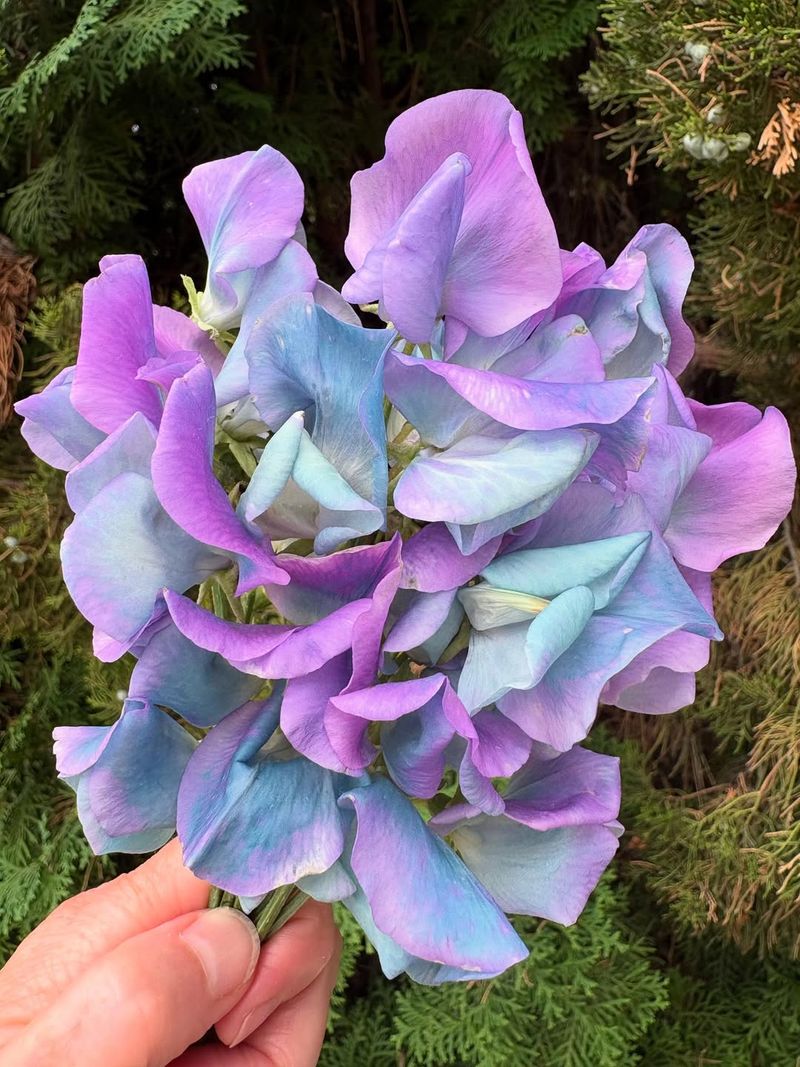
Sweet peas epitomize spring romance with their ruffled blooms and heavenly fragrance. Bicolor varieties offer petals in two-tone combinations, lavender and white, pink and cream, or burgundy and rose.
Their climbing vines transform fences, trellises, and arbors into fragrant walls of color during April and May.
Oregon’s cool springs provide ideal conditions for sweet peas, which struggle in hot weather. Plant seeds directly in the ground in late February or early March, or start them indoors in January for earlier blooms.
They need support immediately, as vines grow quickly once established. Full sun and rich, moisture-retentive soil produce the longest bloom period.
Harvest flowers frequently for bouquets, this encourages more blooms and prevents seed formation which signals the plant to stop flowering. Sweet peas can bloom into June here if deadheaded religiously and if temperatures stay moderate.
Bicolor types make stunning cut flowers, filling rooms with their distinctive perfume.
These annuals prefer slightly alkaline soil, unusual for Oregon where most soil runs acidic. Add lime when preparing beds if soil tests below pH 7.
Mulch roots to keep them cool as weather warms. Some gardeners plant successive sowings two weeks apart for extended blooming.
Once summer heat arrives, sweet peas decline rapidly and should be removed to make room for warm-season flowers.
10. Bicolor Roses
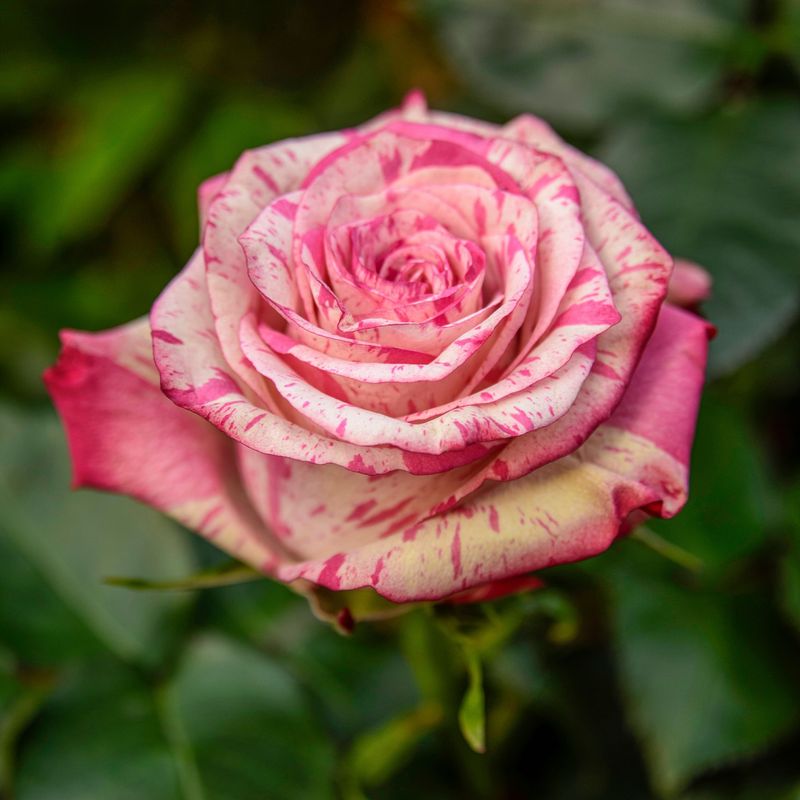
Roses reign supreme in Oregon gardens, and bicolor varieties bring extra drama to any landscape. Their blooms feature petals in two distinct colors, red with yellow reverses, pink blending to cream, or orange with gold undertones.
Each flower becomes a focal point, especially striking against our frequently overcast skies.
Our mild, moist climate supports roses beautifully, though it also encourages fungal diseases. Choose disease-resistant bicolor varieties whenever possible, particularly those resistant to blackspot and powdery mildew.
Plant in full sun with excellent air circulation, spacing bushes generously to allow morning dew to dry quickly from foliage.
Bicolor roses work wonderfully as specimens, in mixed borders, or grouped with other roses in dedicated beds. Hybrid teas offer classic high-centered blooms, while floribundas provide clusters of smaller flowers with better disease resistance.
Shrub roses give a more relaxed, cottage garden effect with minimal maintenance.
Amend Oregon’s clay soil heavily with compost before planting. Roses are hungry feeders, benefiting from monthly fertilizing during the growing season.
Mulch around plants to conserve moisture and suppress weeds. Deadhead spent blooms throughout summer to encourage reblooming.
Prune in late February before new growth begins, removing dead wood and shaping plants. Despite their reputation for fussiness, modern disease-resistant varieties thrive here with reasonable care.