The Best Plants That Survive Cold Pennsylvania Winters And Come Back Strong
Pennsylvania winters can be tough, with freezing temperatures, icy winds, and heavy snow that seem determined to test every plant in your yard.
Yet some garden favorites handle the cold like champions, resting quietly through winter before bursting back to life when spring returns.
Choosing hardy, cold tolerant plants means less worry, fewer losses, and a landscape that stays reliable year after year.
These resilient growers build strong roots, conserve energy during the coldest months, and bounce back with fresh growth, color, and texture once warmer days arrive.
From dependable perennials to rugged shrubs, the right selections can keep your garden looking lively without constant replanting. If you want plants that shrug off harsh winters and return even stronger, focusing on proven cold survivors is the key.
With smart choices, your Pennsylvania garden can wake up each spring full of life, beauty, and dependable greenery that never misses a season.
1. Hosta
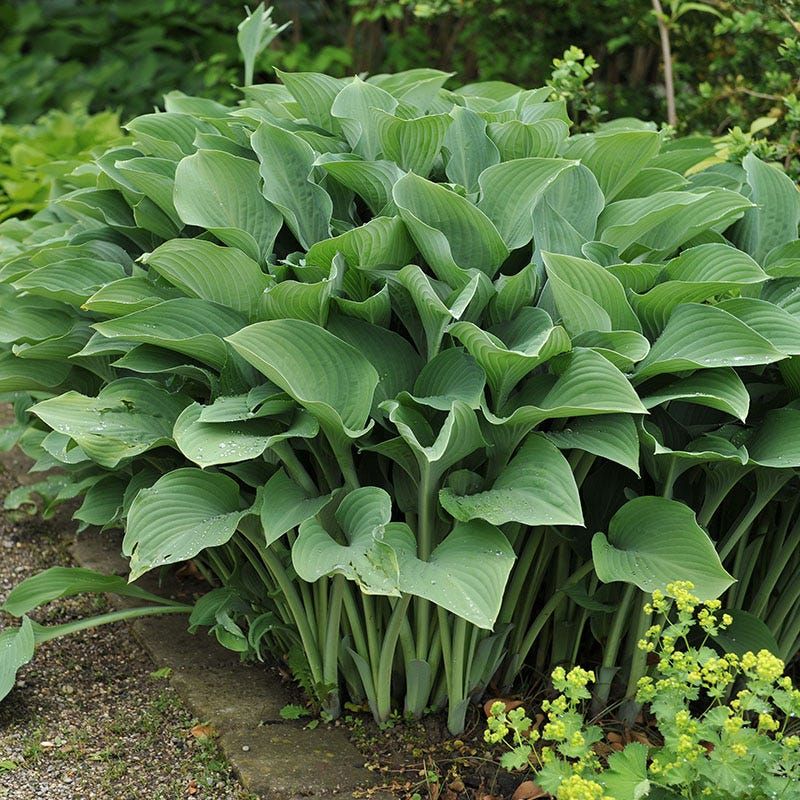
Hostas reign supreme in shady Pennsylvania gardens where other plants struggle to grow. These leafy perennials come in hundreds of varieties with foliage ranging from tiny to enormous, in colors including deep green, blue-green, chartreuse, and stunning variegated patterns.
Pennsylvania’s cold winters don’t faze hostas one bit since they’re hardy down to zone 3, making them perfect for every corner of the state.
Garden beds under trees or along the north side of buildings become showcase spots when you plant hostas. The plants go completely dormant in fall, with leaves turning yellow before disappearing entirely.
Don’t worry though because those tough roots stay alive underground all winter long. Come spring, rolled-up leaves push through the soil like little green cigars, unfurling into their full glory within weeks.
Hostas need minimal care once established in Pennsylvania gardens. They prefer moist soil and will grow larger each year, eventually forming impressive clumps.
Many varieties also send up flower spikes in mid to late summer with white or lavender blooms that attract hummingbirds.
Deer can be a problem in some Pennsylvania areas, but choosing deer-resistant varieties or using deterrents keeps these reliable perennials looking great.
Dividing hostas every few years gives you free plants to spread throughout your yard or share with neighbors who want equally tough, beautiful foliage plants.
2. Bleeding Heart (Dicentra Spectabilis)
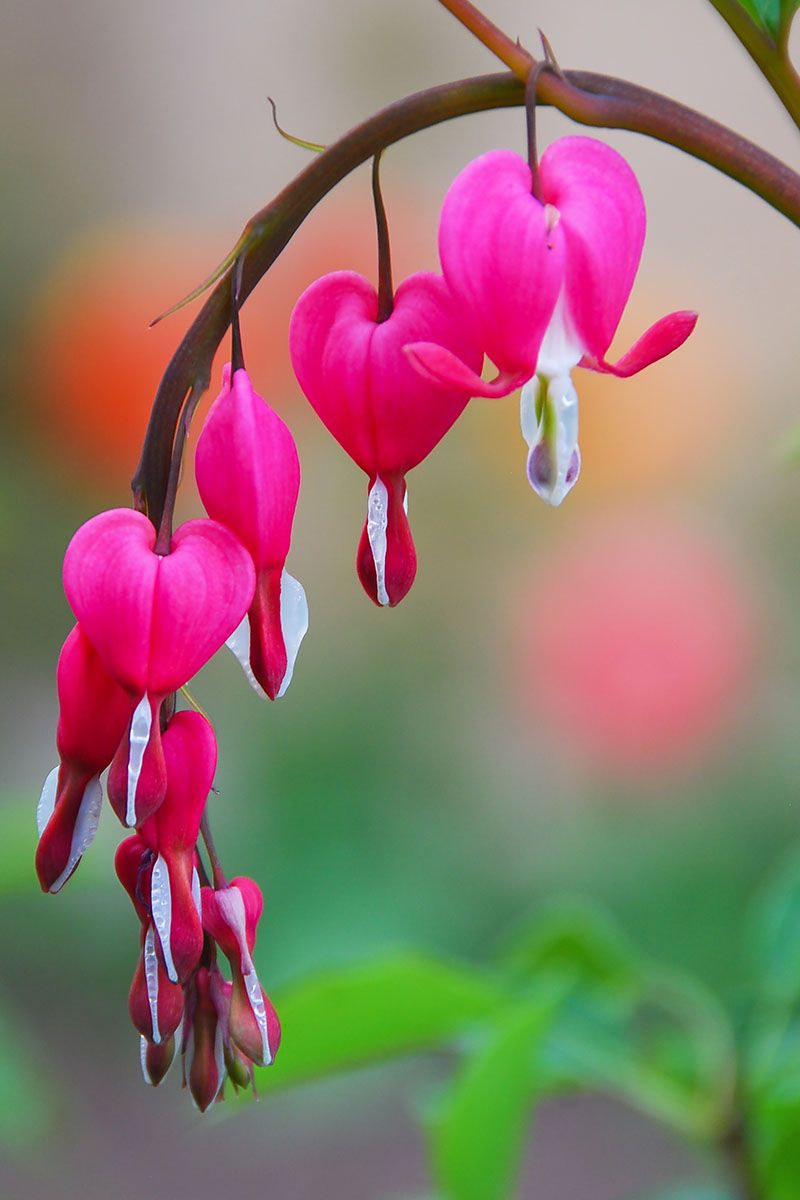
Romance blooms early in Pennsylvania gardens when bleeding hearts awaken from winter slumber.
Those distinctive heart-shaped flowers in pink and white dangle like tiny lockets from gracefully arching stems, creating an enchanting display that stops visitors in their tracks.
This old-fashioned favorite has graced Pennsylvania landscapes for generations, proving its ability to handle whatever winter throws its way.
Bleeding hearts prefer the dappled shade found under deciduous trees, making them ideal companions for hostas in woodland gardens.
The ferny foliage emerges in early spring, followed quickly by those charming flowers that bloom from April through June across Pennsylvania.
After flowering finishes and summer heat arrives, the plants often go dormant, with foliage yellowing and disappearing completely. This natural process isn’t cause for alarm since the roots remain alive and healthy underground.
Your Pennsylvania Garden Changes Every Week. Your Plan Should Too.
Gardening in Pennsylvania changes quickly throughout the season. Every Friday you’ll receive a simple weekly plan showing exactly what to plant, prune, fertilize, harvest, and protect so you never miss the right timing.
Plant bleeding hearts in rich, moist soil where they’ll receive morning sun and afternoon shade. They’re remarkably low-maintenance once established and will return reliably each spring in Pennsylvania gardens.
The plants can grow two to three feet tall and wide, creating substantial clumps over time. Some newer varieties stay green longer into summer, extending the foliage interest.
Bleeding hearts rarely need dividing and can remain in the same spot for decades, becoming treasured heirlooms passed down through generations of Pennsylvania gardeners.
3. Daylilies (Hemerocallis Spp.)
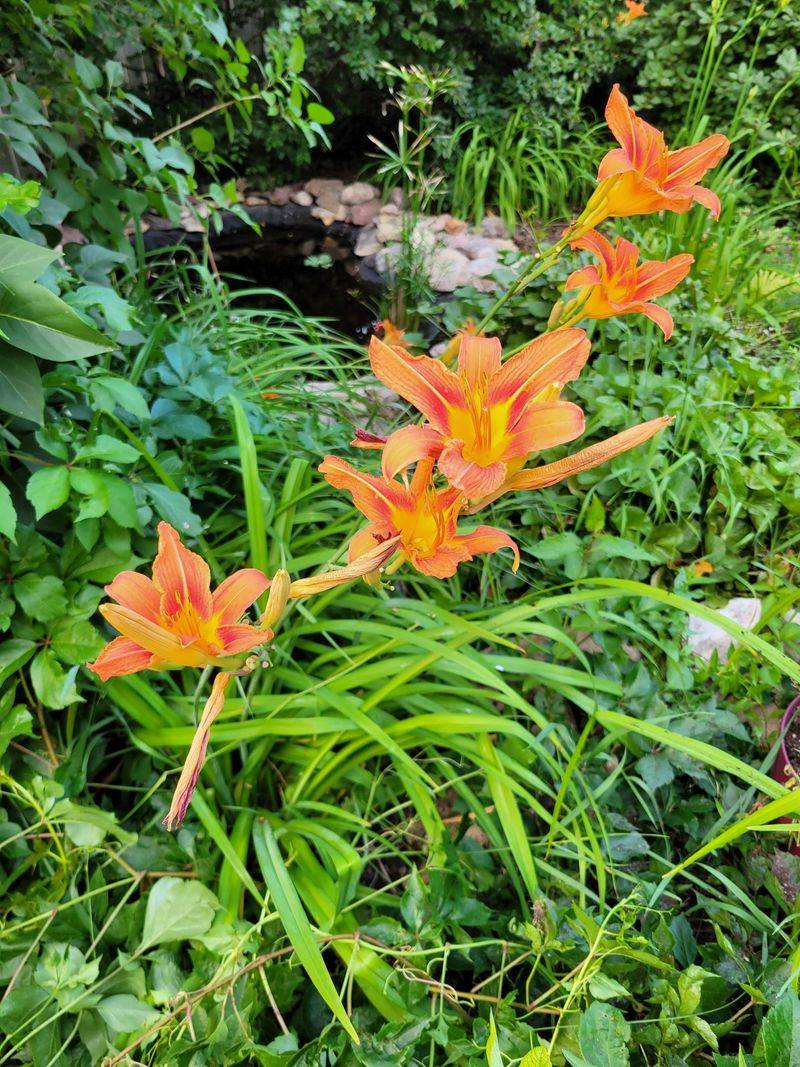
Few perennials match the toughness and beauty of daylilies in Pennsylvania landscapes. Each flower lasts just one day, but plants produce so many buds that blooms keep coming for weeks throughout summer.
With thousands of varieties available in nearly every color except true blue, you can design stunning combinations that complement any garden style. Pennsylvania’s winter cold doesn’t bother these champions since most varieties handle temperatures well below zero.
Daylilies grow equally well in full sun or partial shade, though they bloom most abundantly with at least six hours of direct sunlight. The grass-like foliage stays attractive all season, creating textural interest even when flowers aren’t present.
Plants form dense clumps that increase in size each year, eventually creating impressive masses of color.
Some varieties bloom in early summer while others wait until August, so mixing different types extends the flowering season across Pennsylvania’s growing months.
Maintenance requirements are practically zero for established daylilies in Pennsylvania gardens. They tolerate drought, resist most pests and diseases, and rarely need dividing unless you want more plants.
Simply snap off spent flower stalks to keep beds looking tidy. The foliage stays green until hard frost arrives in fall, then turns brown and can be cut back.
Daylilies work beautifully along driveways, in foundation plantings, or massed in large beds where their reliable performance shines year after year.
4. Coneflower (Echinacea Purpurea)
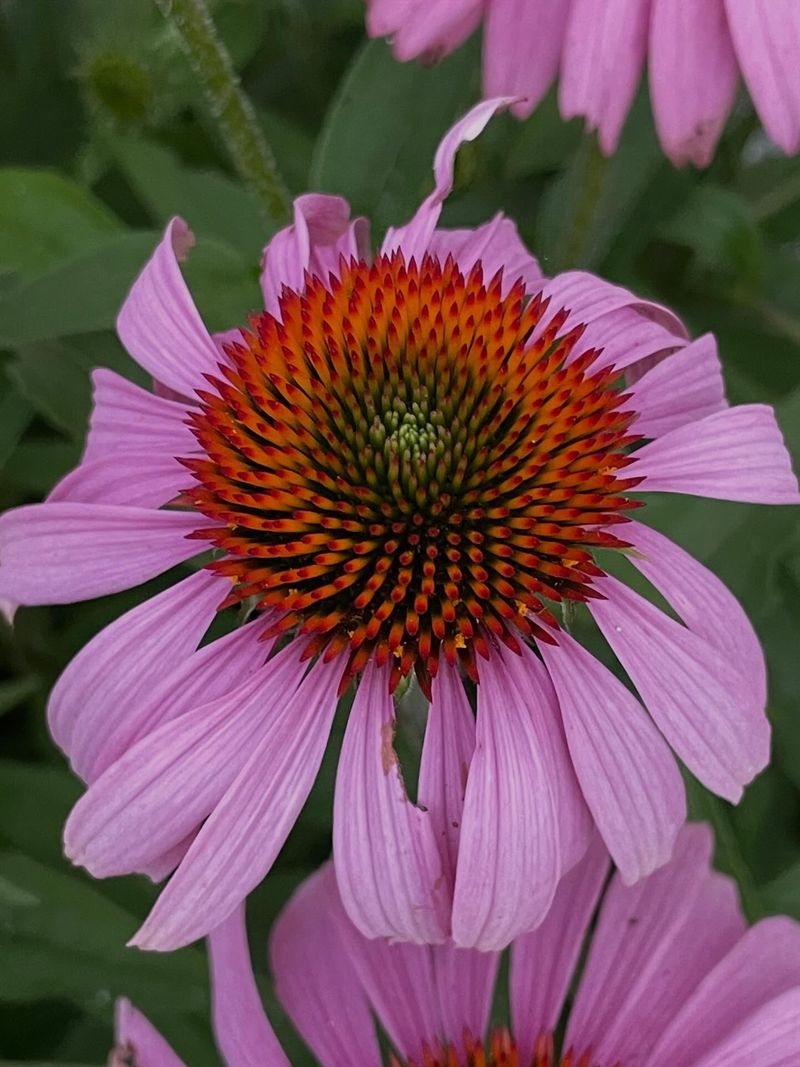
Butterflies flock to coneflowers like kids to ice cream trucks on hot Pennsylvania summer days. These native prairie plants have adapted perfectly to the state’s climate, shrugging off winter cold and summer heat with equal ease.
The classic purple coneflower features daisy-like blooms with drooping petals surrounding a spiky orange center cone that gives the plant its common name.
Modern breeding has introduced varieties in pink, white, yellow, orange, and even green, expanding design possibilities tremendously.
Coneflowers bloom from June through September in Pennsylvania, providing months of color when many other perennials have finished flowering. The sturdy stems reach two to four feet tall and rarely need staking, making them ideal for low-maintenance landscapes.
Goldfinches adore the seed heads that form after flowers fade, so leaving them standing through fall and winter provides food for birds while adding architectural interest to dormant gardens.
Full sun and well-drained soil keep coneflowers thriving in Pennsylvania landscapes. They tolerate drought once established and actually prefer somewhat lean soil over rich, heavily fertilized beds.
Deadheading spent blooms encourages more flowers, though many gardeners leave some seed heads for wildlife. Coneflowers spread slowly by self-seeding, creating natural-looking drifts over time.
They also make excellent cut flowers that last over a week in vases, bringing Pennsylvania summer beauty indoors.
5. Black-Eyed Susan (Rudbeckia Hirta)
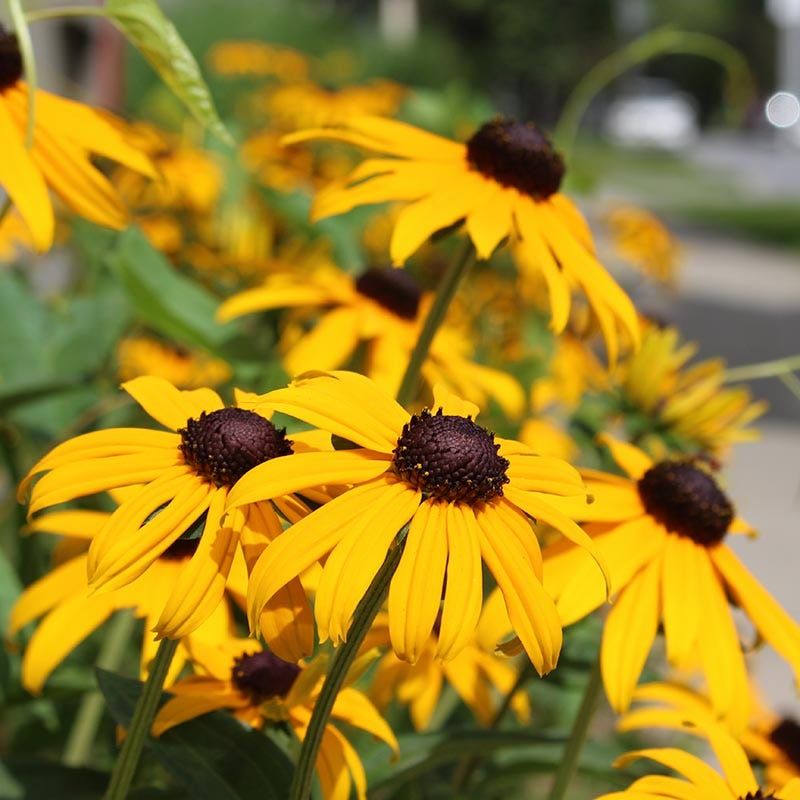
Cheerful golden blooms light up Pennsylvania gardens from midsummer through fall when black-eyed Susans hit their stride. These tough native wildflowers laugh at summer heat and winter cold alike, returning faithfully year after year with minimal care required.
The bright yellow petals surrounding dark chocolate-brown centers create a color combination that works beautifully with nearly any other plant, making black-eyed Susans versatile additions to Pennsylvania landscapes.
Black-eyed Susans thrive in full sun and tolerate a wide range of soil conditions, from clay to sand and everything between.
They’re particularly valuable in newer Pennsylvania gardens where soil hasn’t been improved yet, establishing quickly and blooming the first year.
Plants typically reach two to three feet tall and spread readily by self-seeding, creating naturalized colonies that look stunning in meadow gardens or informal borders. The flowers attract butterflies and bees throughout their long blooming season.
Cutting back black-eyed Susans by half in early June creates bushier plants with more flowers, though this step isn’t necessary for good performance. Like coneflowers, the seed heads provide winter food for birds and add structure to dormant Pennsylvania gardens.
These rugged perennials rarely suffer from pest or disease problems and can handle occasional drought without wilting.
Black-eyed Susans combine beautifully with purple coneflowers, ornamental grasses, and other prairie natives to create low-maintenance landscapes that celebrate Pennsylvania’s natural heritage.
6. Columbine (Aquilegia Canadensis)
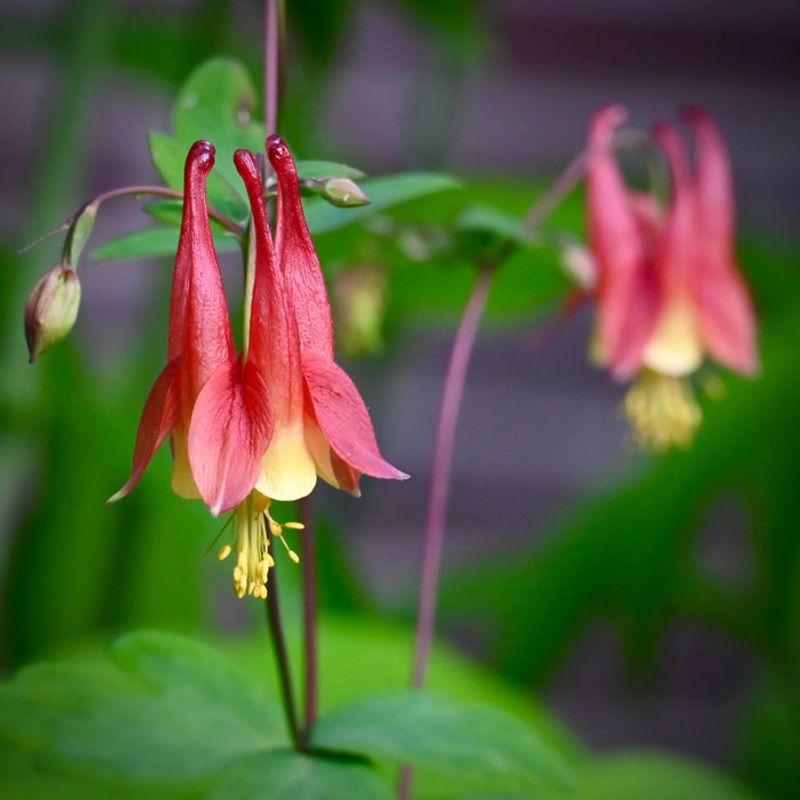
Hummingbirds zoom straight to columbines like they’ve got built-in GPS systems tuned to these distinctive flowers.
The nodding blooms feature backward-pointing spurs that hold nectar, perfectly designed for the long beaks and tongues of Pennsylvania’s visiting hummers.
Native columbine displays red and yellow bicolor flowers, while garden varieties offer purple, pink, white, and blue options. The delicate appearance of columbine flowers belies their tough constitution and reliable return each spring in Pennsylvania gardens.
Columbines prefer partial shade and moist, well-drained soil, making them excellent choices for woodland gardens or the edges of shady borders. They bloom in late spring, bridging the gap between early bulbs and summer perennials.
The attractive blue-green foliage resembles maidenhair fern and remains attractive after flowers fade. Plants typically reach one to two feet tall and self-seed readily, creating natural-looking colonies over time in Pennsylvania landscapes.
Leaf miners sometimes create squiggly trails on columbine foliage in Pennsylvania, but this cosmetic damage doesn’t harm plant health. Simply cut back affected leaves and fresh growth will emerge.
Columbines are short-lived perennials, typically lasting three to four years, but their enthusiastic self-seeding means you’ll always have plants if you let some seed heads mature.
They combine beautifully with bleeding hearts, hostas, and ferns in shaded Pennsylvania gardens, creating layered plantings that feel like natural woodland settings.
7. Daffodils (Narcissus Spp.)
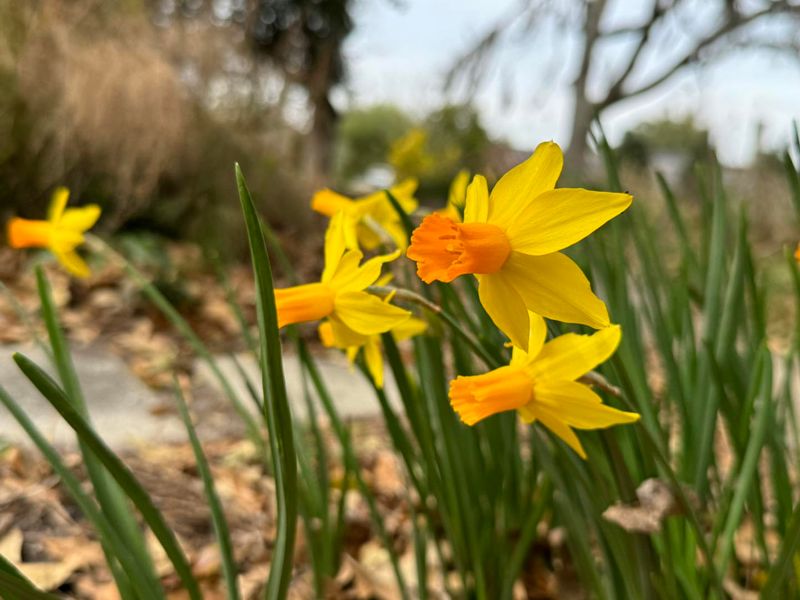
Nothing announces spring’s arrival in Pennsylvania quite like daffodils pushing through cold soil and snow remnants. These cheerful bulbs are among the first flowers to bloom, often appearing in March when winter still has a grip on the landscape.
Daffodils come in an astounding array of sizes, colors, and forms, from tiny species types to large trumpet varieties, in shades of yellow, white, orange, pink, and bicolor combinations. Pennsylvania’s cold winters actually benefit daffodils since they need chilling to bloom properly.
Daffodils naturalize beautifully in Pennsylvania lawns, under trees, and in garden beds, multiplying over the years to create impressive displays.
Unlike tulips, deer and rodents avoid daffodils completely, making them perfect for rural Pennsylvania properties where wildlife browsing is problematic.
Plant bulbs in fall about six inches deep in well-drained soil, and they’ll reward you with blooms for decades. The foliage must remain intact after flowering to feed the bulbs for next year’s display, so avoid cutting it back until it yellows naturally.
Mixing early, mid, and late-season daffodil varieties extends the blooming period from March through May across Pennsylvania.
Mass plantings create the most dramatic impact, with dozens or hundreds of bulbs creating rivers of color. Daffodils also make excellent cut flowers that last over a week indoors.
These reliable bulbs require no fertilizing, dividing, or special care, making them perfect choices for Pennsylvania gardeners who want maximum beauty with minimum effort.
8. Peonies (Paeonia Spp.)
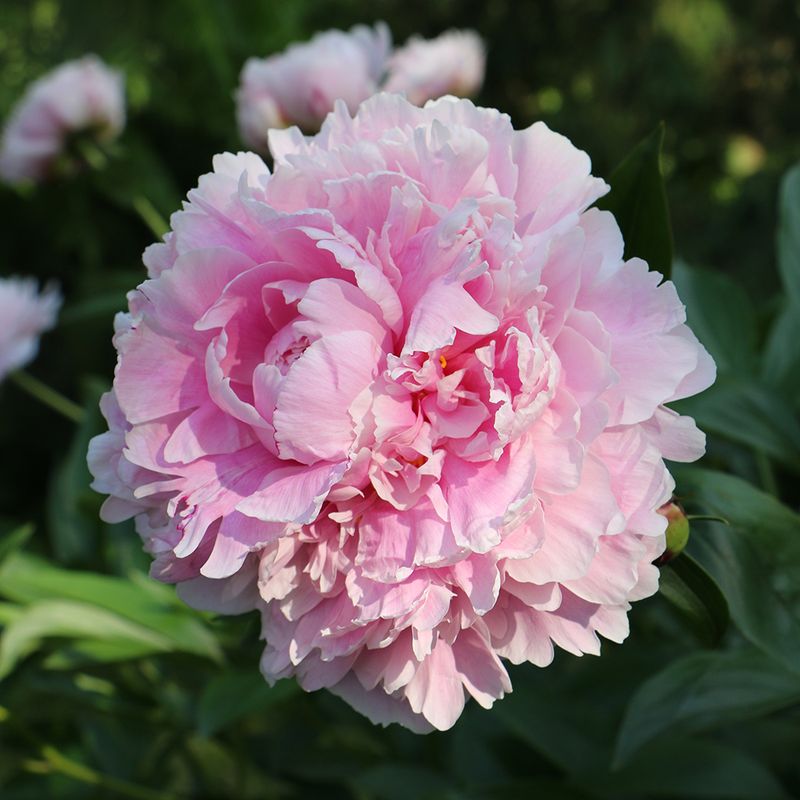
Peonies are the prima donnas of Pennsylvania perennial gardens, producing flowers so spectacular they rival roses in beauty and fragrance. These long-lived plants can survive for fifty years or more, becoming treasured family heirlooms that mark significant life events and memories.
The massive blooms appear in late spring, with flowers reaching up to six inches across in colors including white, pink, red, coral, and yellow. Pennsylvania’s cold winters are actually essential for peonies since they require chilling to set flower buds.
Plant peonies in full sun with excellent drainage, positioning the roots so the pink buds sit no more than two inches below the soil surface. Planting too deep is the most common reason peonies fail to bloom in Pennsylvania gardens.
Once established, peonies need virtually no care beyond occasional watering during drought. The glossy foliage remains attractive all summer, turning bronze-red in fall before going dormant. Plants can remain in the same spot for decades without dividing.
Ants crawling on peony buds are harmless and actually help flowers open by eating the sticky coating on buds. Support the heavy blooms with peony rings or stakes to prevent stems from flopping after rain.
Cut flowers last over a week indoors and fill rooms with their sweet fragrance. Peonies rarely suffer from pest problems in Pennsylvania, though botrytis blight can occur in wet springs. Simply remove affected plant parts and ensure good air circulation to prevent issues.