What Happens To California Garden Plants After A Late Winter Frost
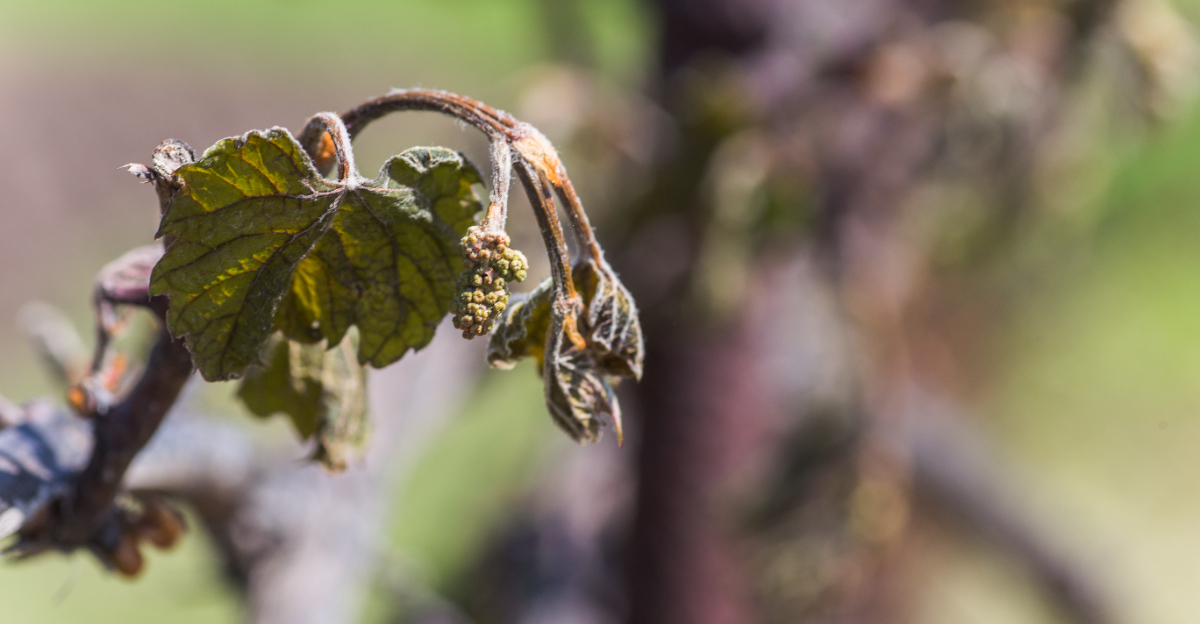
A late winter frost can change your California garden overnight. One cold snap can be enough to turn lush leaves limp and dark, leaving gardeners worried about permanent damage.
Some plants bounce back quickly. Others struggle in silence before showing signs of stress weeks later.
Frost doesn’t just affect what you see above ground. Roots, buds, and future blooms can also take a hit.
Knowing what happens next helps you react the right way and avoid making costly mistakes. Pruning too soon or overwatering can make the damage worse.
With the right steps, many plants can recover stronger than expected. Understanding how frost impacts your garden gives you control during unpredictable weather.
If cold temperatures have rolled through your area, here’s what your California plants may be experiencing and what you can do to protect your landscape moving forward.
1. What Appears On Your Plant
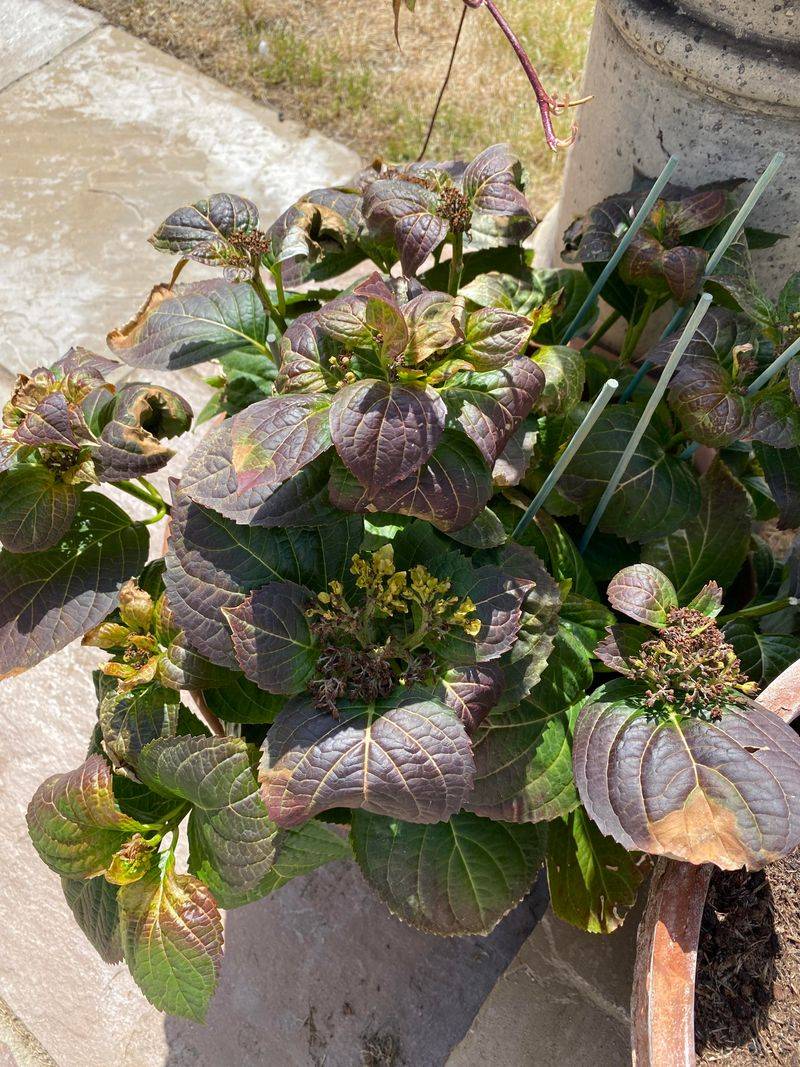
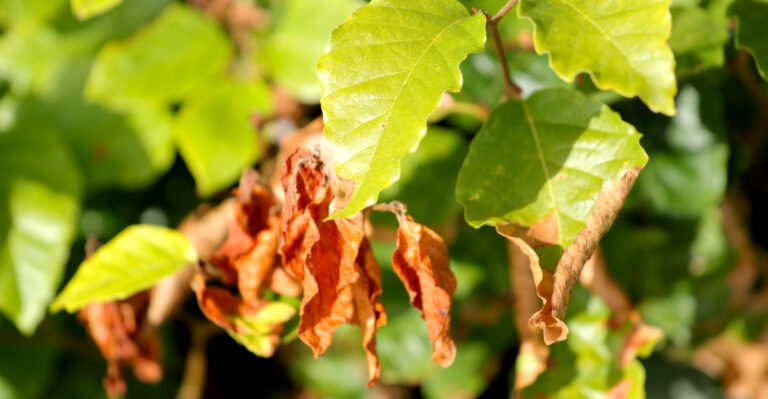
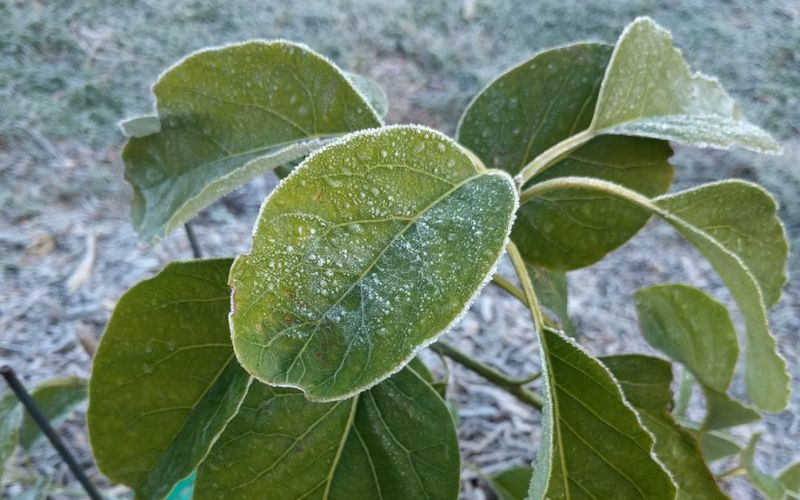
Walking outside after a frosty night, you might notice leaves that look water-soaked, dark, or strangely limp. Stems may appear translucent or mushy in spots.
This visible damage often happens because ice crystals form inside plant cells overnight, rupturing the cell walls and causing fluids to leak out.
The damage often looks worse on tender new growth. Young leaves and soft stem tips show the most dramatic changes because they contain more water and have thinner cell walls.
Plants that were actively growing before the cold snap typically suffer more than dormant ones.
Coastal gardeners usually see less severe damage than inland valley residents. Frost pockets in foothill areas can create surprisingly cold microclimates even when surrounding areas stay warmer.
Your garden’s specific location matters more than regional forecasts.
Resist the urge to remove damaged foliage immediately. Those injured leaves still provide some protection to the plant crown and can help you assess total damage over the next few weeks.
Wait at least several days before making any pruning decisions, as some plants surprise you with recovery from stems that initially looked completely gone.
2. What Cold Does To Your Plants’ Base
Most gardeners focus on what they can see above ground, but the real survival story happens beneath the soil surface. Root systems and plant crowns usually fare better than foliage during late winter frosts because soil acts as insulation.
Even when air temperatures drop into the mid-20s, soil temperatures a few inches down usually stay much warmer.
Plant crowns sit right at the soil line where stems meet roots. This critical zone determines whether perennials and shrubs will recover or die completely.
Hardy plants with established root systems often send up fresh growth even after losing all their top foliage.
Newly planted specimens face higher risk. Their root systems haven’t spread enough to anchor them through stress, and they lack the stored energy reserves that mature plants rely on during recovery.
Container plants are especially vulnerable because pots offer minimal insulation compared to ground soil.
Avoid digging around roots to check for damage. Disturbing the soil can harm roots that are already stressed.
Your California Garden Changes Every Week. Your Plan Should Too.
Gardening in California changes quickly throughout the season. Every Friday you’ll receive a simple weekly plan showing exactly what to plant, prune, fertilize, harvest, and protect so you never miss the right timing.
Instead, watch for new growth emerging from the base over the next two to four weeks. Mulch helps moderate soil temperature swings and protects crowns from additional cold snaps.
3. Why Buds And Blossoms Need Extra Care
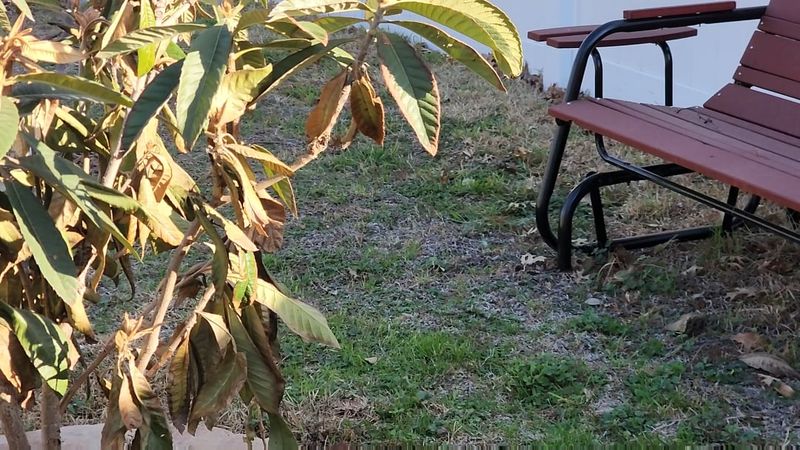
Brown centers in your citrus blossoms or shriveled buds on fruit trees signal one of frost’s most frustrating consequences. Flower buds and open blossoms contain delicate reproductive tissues with high water content, making them extremely susceptible to freezing damage.
Even brief exposure to temperatures just below 32°F can damage or destroy them.
Timing makes late winter frosts particularly destructive. Many California fruit trees and flowering plants start blooming in February and March, right when cold snaps still occur.
A single frosty night can severely reduce or wipe out much of a season’s fruit crop or spring flower display.
The damage isn’t always immediately obvious. Some blossoms may look fine initially but fail to develop into fruit because their internal structures froze.
You’ll notice this a week or two later when flowers drop without setting fruit or when tiny developing fruits shrivel and fall off.
Stone fruits like peaches, plums, and apricots are especially vulnerable. Citrus blossoms can handle brief light frosts better than open blooms on deciduous trees.
If you grow fruit trees in frost-prone areas, consider varieties with later bloom times or plan for protection methods during risky periods.
4. Which Plants Bounce Back And Which Don’t
Not all plants respond to frost the same way. Many California natives and Mediterranean climate plants tend to bounce back more easily.
Salvias, lavender, rosemary, and native sages often look terrible immediately after frost but push out fresh growth within weeks.
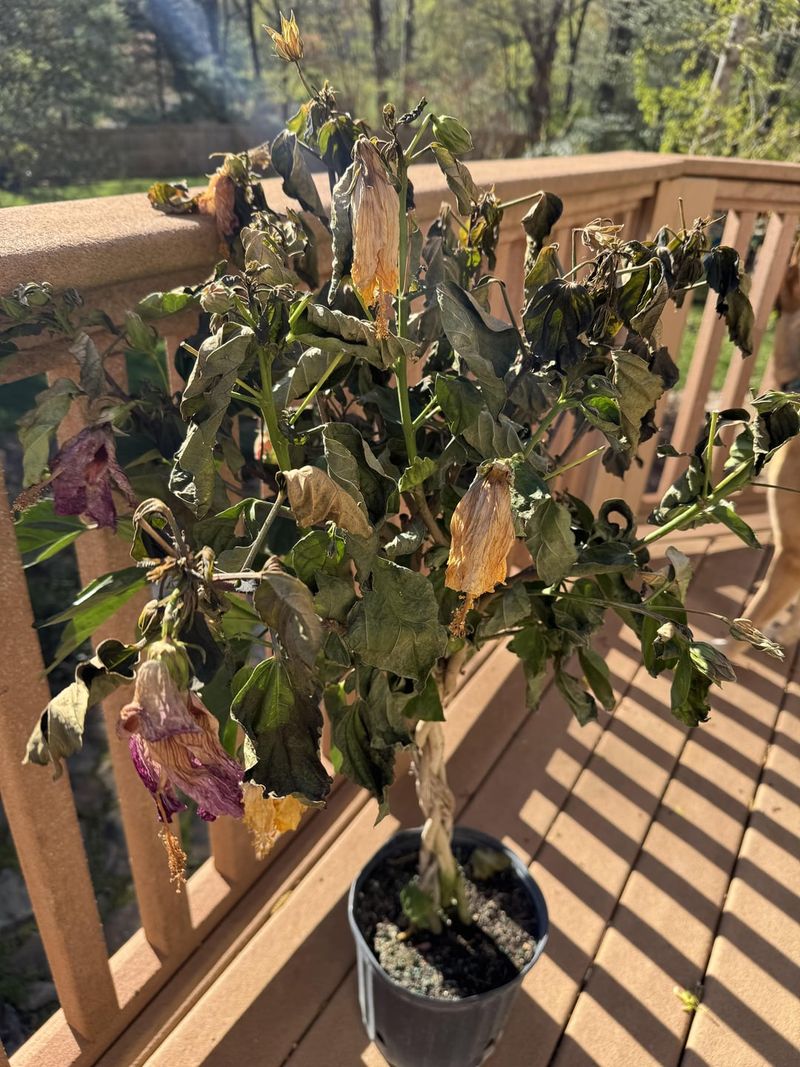
Tropical and subtropical plants struggle much more. Bougainvillea, hibiscus, citrus, and succulents like jade plants can suffer lasting damage from even light frosts.
Their cells aren’t adapted to handle ice formation, so recovery takes months or they may die entirely depending on severity.
Established perennials with woody bases usually survive better than annuals. Plants that naturally go dormant in winter, even partially, have built-in cold tolerance.
Roses, for example, might lose foliage and stems but typically regenerate from their base if roots stayed protected.
Vegetable gardens show mixed results. Cool-season crops like kale, broccoli, and peas handle frost well and sometimes taste sweeter afterward.
Warm-season vegetables like tomatoes, peppers, and squash turn to mush and won’t recover. Knowing your plants’ origins helps predict their resilience and guides your recovery expectations realistically.
5. How Cold Injury Leads To Plant Illness
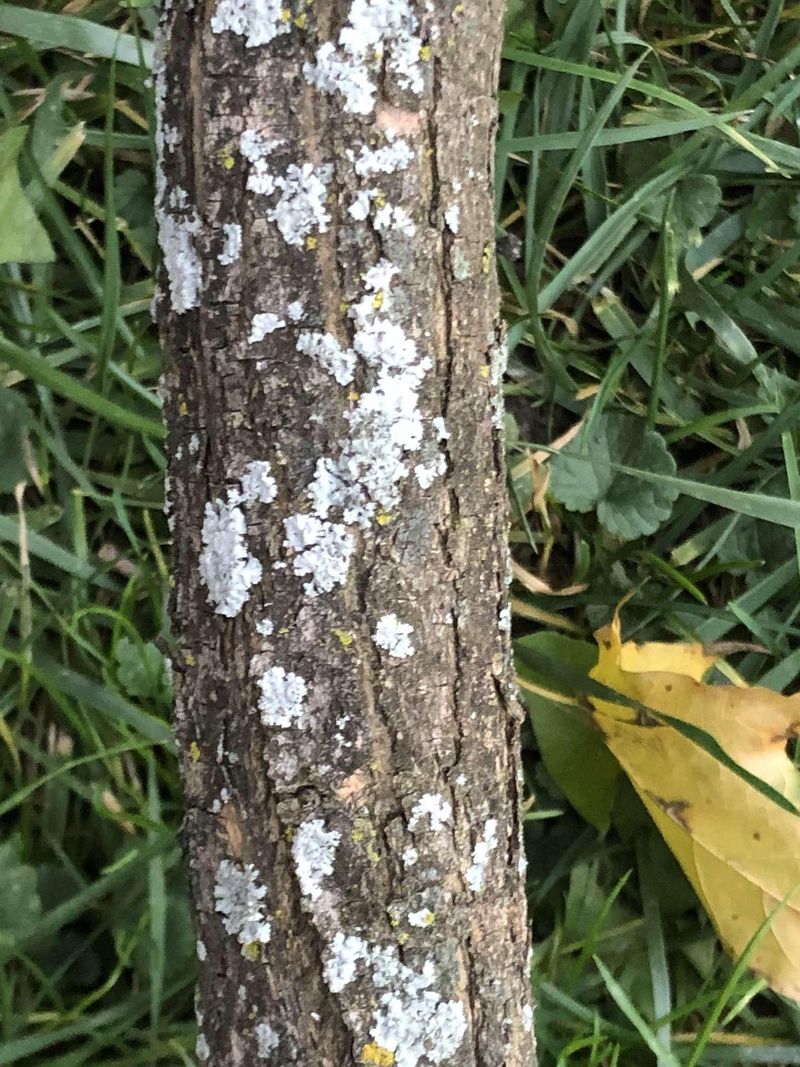
Damaged plant tissue creates easy entry points for diseases that wouldn’t normally infect healthy plants. When frost ruptures cell walls, it exposes sugary fluids that attract fungal spores and bacteria.
Wet, mushy foliage becomes a breeding ground for pathogens within days of a cold snap.
Gray mold (botrytis) loves frost-damaged tissue. You’ll notice fuzzy gray growth spreading across injured leaves and stems, especially in humid coastal areas or if morning dew lingers.
This fungus spreads rapidly and can move from damaged tissue into healthy parts of the plant if left unchecked.
Bacterial infections also exploit frost wounds. Citrus trees sometimes develop bacterial blast after cold damage, causing dieback beyond the original frost injury.
Stone fruit trees can get canker diseases entering through frost cracks in bark. These secondary infections often cause more long-term harm than the initial cold damage.
Good sanitation helps prevent disease spread. Once you’ve waited long enough to assess damage, remove severely affected plant parts and dispose of them away from your garden.
Avoid overhead watering which keeps foliage wet. Improve air circulation around plants to help tissues dry quickly and reduce humidity that encourages fungal growth.
6. Don’t Prune Right After Frost!
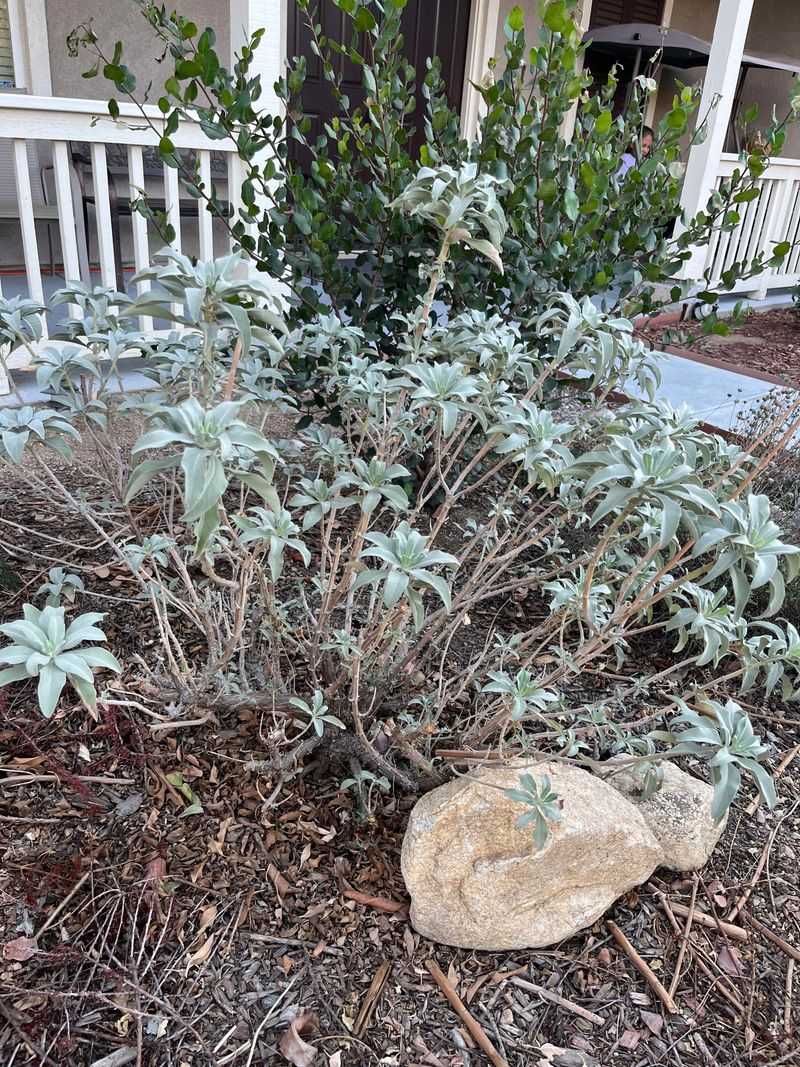
Your first instinct after seeing frost damage might be grabbing pruning shears to clean up the mess. That impulse can actually harm your plants’ recovery chances.
Damaged foliage, even though it looks awful, still provides protection to buds and stems beneath it during additional cold nights that often follow the first frost.
Plants need time to move stored energy from damaged parts down into roots and crowns. Premature pruning removes tissue before this transfer completes, weakening the plant’s reserves for regenerating new growth.
You might also cut away stems that look damaged but actually have living tissue inside that will sprout later.
Wait until frost danger has passed and new growth begins to show before pruning. Scratch the bark gently with your thumbnail to check for green tissue underneath.
Green means alive; brown means gone. Start removing clearly withered wood from the tips downward, stopping when you reach live tissue.
Late winter frosts in California can happen in waves. February might bring cold followed by warm spells and then another freeze in March.
Pruning between cold snaps exposes tender new growth that emerges quickly in warm weather, setting it up for damage in the next frost. Patience protects your plants better than quick cleanup.
7. Keep Plants Safe During Frosts
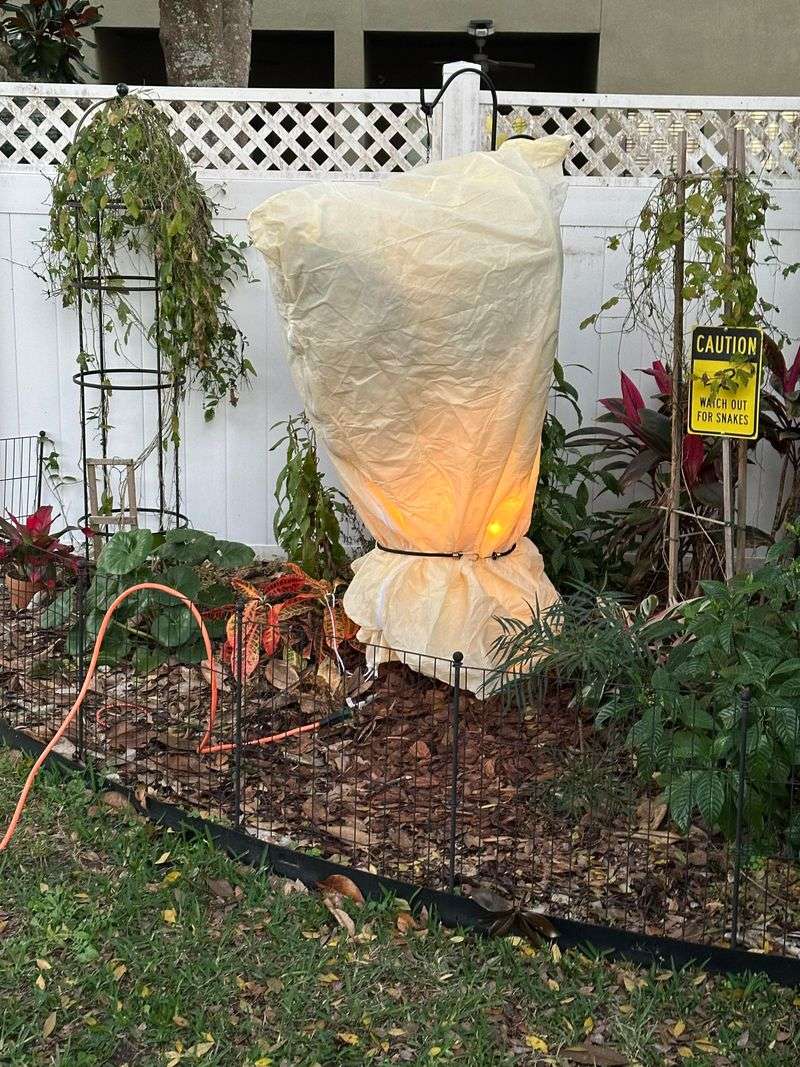
Once you’ve experienced frost damage, preparing for the next cold snap becomes a priority. California’s late winter weather can swing wildly, with warm days followed by freezing nights.
Monitoring local forecasts specifically for your microclimate helps you protect vulnerable plants before temperatures drop.
Frost cloth works better than plastic sheeting. Drape it over plants in late afternoon, making sure it reaches the ground to trap soil warmth.
Remove covers during the day to prevent overheating and allow pollinators to visit flowers. Plastic can actually cause more damage by touching foliage and transferring cold directly to leaves.
Watering soil (not foliage) before a predicted frost can help because moist soil holds and releases heat better than dry soil. This seems counterintuitive but works because water has high heat capacity.
Container plants benefit from being moved against south-facing walls or under eaves where structures radiate stored warmth overnight.
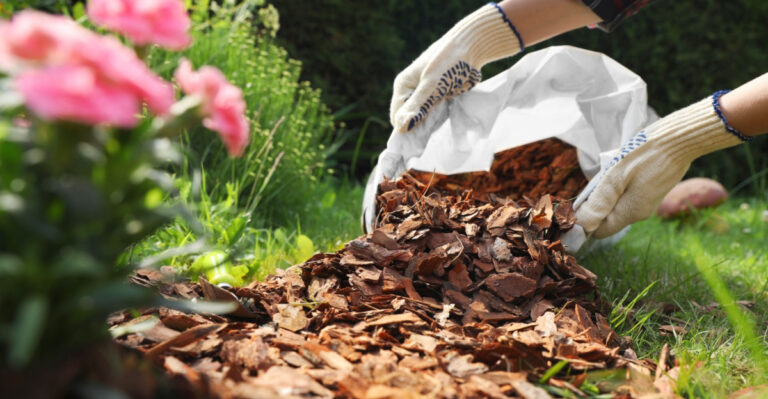
Mulching around plant bases insulates roots and crowns. A three-inch layer of organic mulch moderates soil temperature and protects the critical zone where plants regenerate.
Old-style incandescent string lights can raise temperatures slightly around plants, often enough to prevent damage in borderline situations common to California’s variable winter weather patterns.