These Garden Pests Wake Up Early In Pennsylvania (And How To Manage Them)
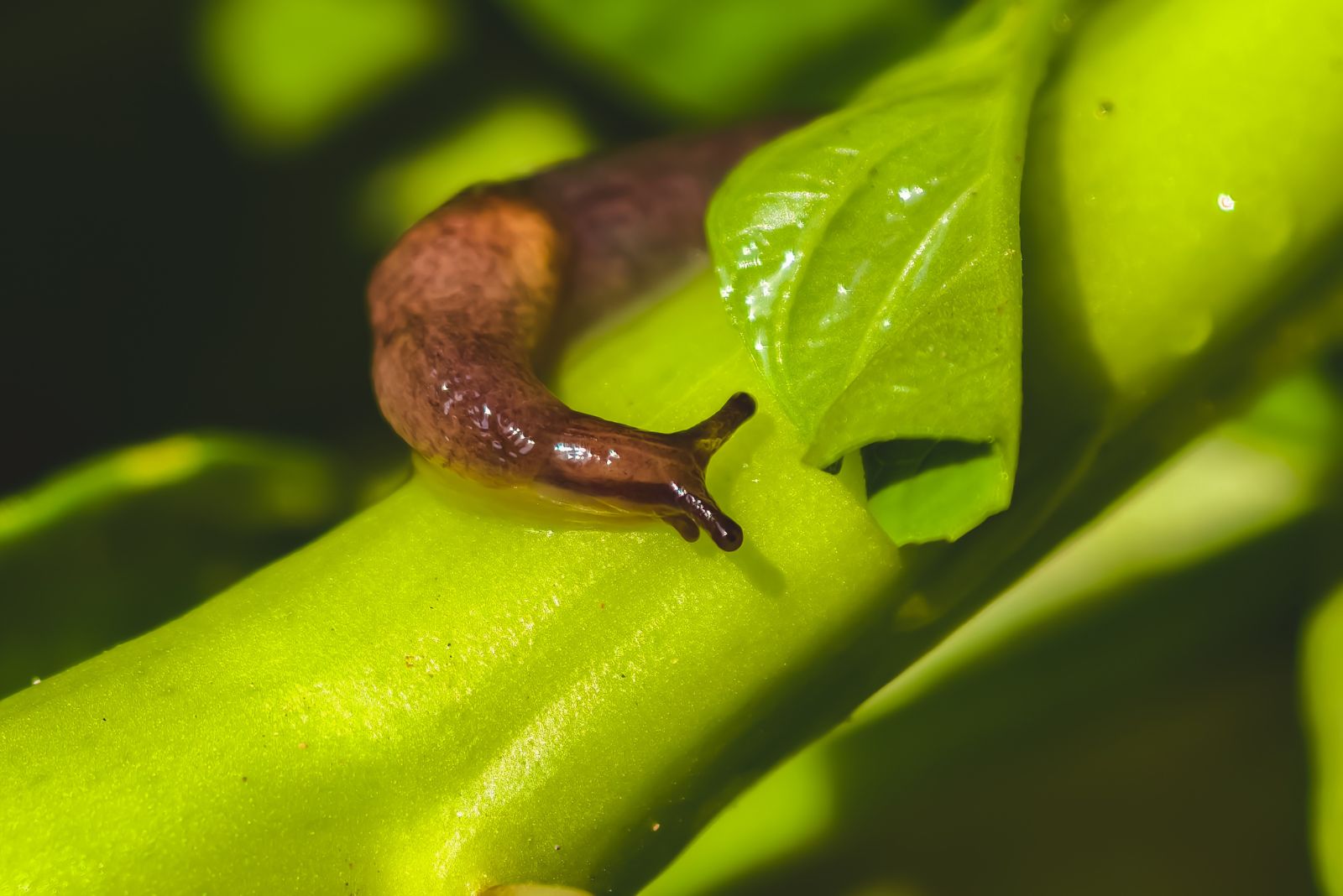
Just when Pennsylvania gardeners start enjoying the first mild days of the season, some unwelcome visitors are already stirring beneath the soil and among last year’s leaves.
Many common garden pests wake up earlier than expected, ready to feed on tender new growth the moment plants begin to emerge.
Catching them early can make a huge difference, since small infestations are far easier to control than full blown invasions later in spring.
From tiny chewers that target young leaves to sneaky soil dwellers that attack roots, these early risers can quickly slow down your garden’s progress if left unchecked. The good news is that a little awareness and timely action can keep damage to a minimum.
With the right approach, you can protect fresh growth, support healthy plants, and stay one step ahead before pest populations have a chance to explode across your Pennsylvania garden this growing season.
1. Early Spring Pest Challenges In Pennsylvania
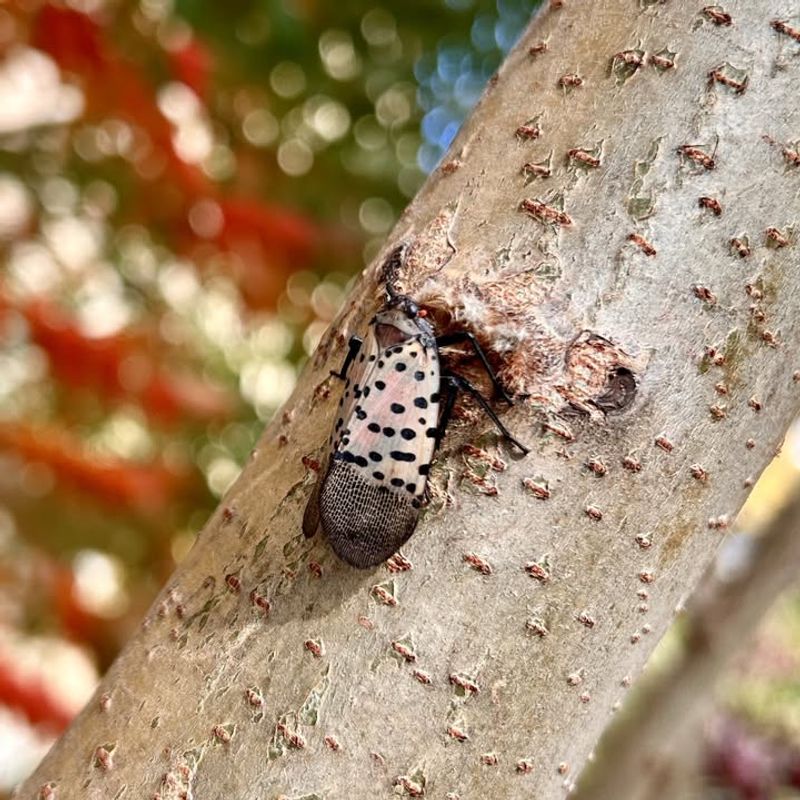
Pennsylvania’s weather patterns create a tricky situation for gardeners each year. As temperatures begin climbing in late winter and early spring, many garden pests wake from dormancy or emerge from protected spots.
These creatures are hungry and ready to feed on tender new growth. Early pest activity often catches gardeners off guard. Many people assume their gardens are safe until late spring or summer.
However, some of the most damaging pests start their work much earlier. Seedlings and young plants are especially vulnerable during this time because they lack the strength to recover from pest damage.
Monitoring your Pennsylvania garden regularly during late winter and early spring pays off. Walk through your garden beds every few days looking for signs of pest activity.
Check the undersides of leaves, inspect soil near plant stems, and watch for chewed edges or holes. Early detection allows you to take action before populations explode.
Temperature fluctuations common in Pennsylvania make pest management more challenging. A warm February day can trigger pest activity, followed by a cold snap that sends them back into hiding.
This cycle repeats throughout early spring. Keeping records of when you spot pests helps you predict their arrival in future years.
Integrated pest management strategies work best when started early. This approach combines physical barriers, beneficial insects, cultural practices, and targeted treatments.
Preparing your garden before pests become active gives you a significant advantage in protecting your plants throughout the entire growing season.
2. Aphids
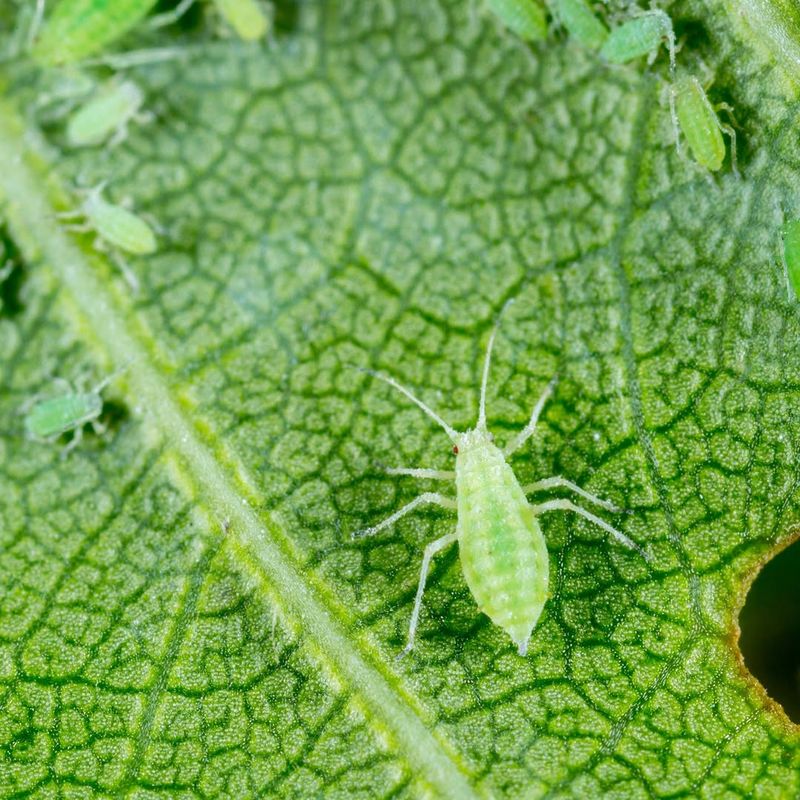
Aphids rank among the first pests to appear in Pennsylvania gardens each spring. These tiny, soft-bodied insects survive winter as eggs on plant stems and branches.
When temperatures reach the mid-40s Fahrenheit, they hatch and begin feeding on emerging plant tissue. Their rapid reproduction means a few aphids can quickly become hundreds.
You’ll find aphids clustered on new growth, buds, and the undersides of young leaves. They pierce plant tissue and suck out sap, weakening plants and causing leaves to curl or yellow.
Aphids also produce honeydew, a sticky substance that attracts ants and encourages mold growth. Heavy infestations can stunt plant growth and reduce flower or fruit production.
Your Pennsylvania Garden Changes Every Week. Your Plan Should Too.
Gardening in Pennsylvania changes quickly throughout the season. Every Friday you’ll receive a simple weekly plan showing exactly what to plant, prune, fertilize, harvest, and protect so you never miss the right timing.
Natural predators offer excellent aphid control without chemicals. Ladybugs and their larvae consume hundreds of aphids daily.
Lacewing larvae are equally effective hunters. You can purchase these beneficial insects from garden suppliers or attract them by planting flowers like yarrow, dill, and fennel nearby.
For immediate relief, spray aphids off plants with a strong stream of water from your hose. This simple method works well for small infestations.
Insecticidal soap provides another safe option that won’t harm beneficial insects when used correctly. Mix according to package directions and spray affected plants thoroughly, coating both tops and bottoms of leaves.
Regular inspection helps catch aphid problems early in Pennsylvania gardens. Check plants weekly during early spring, paying special attention to roses, vegetables, and fruit trees. Remove heavily infested leaves and dispose of them away from your garden.
3. Slugs And Snails
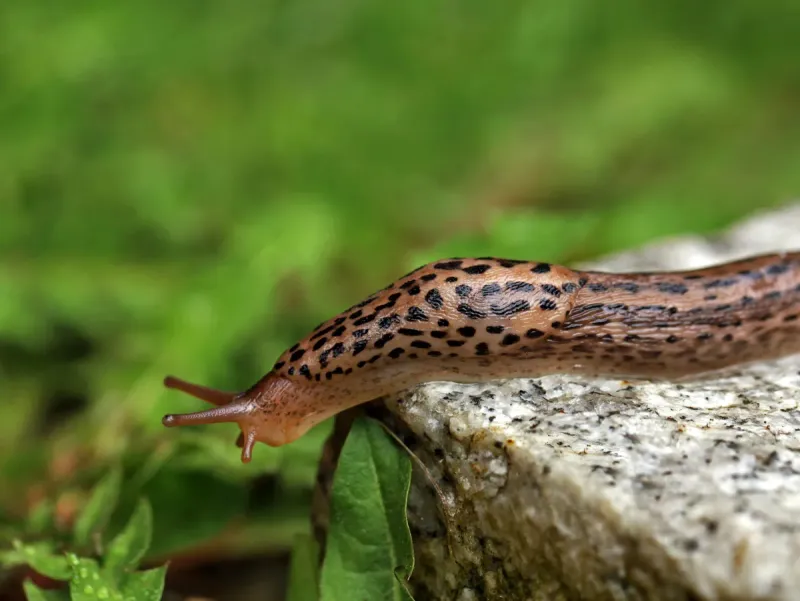
Cool, wet conditions in early Pennsylvania spring create perfect environments for slugs and snails. These mollusks hide during winter under mulch, rocks, and garden debris.
As soon as nighttime temperatures stay above freezing, they emerge to feed. Their slimy trails across leaves and soil signal their presence.
Slugs and snails cause significant damage to seedlings and tender plants. They rasp holes through leaves using their rough tongues, often consuming entire young plants overnight.
They prefer moist areas with plenty of hiding spots. Overwintered vegetables, newly planted seedlings, and hostas are favorite targets in Pennsylvania gardens.
Beer traps work surprisingly well for catching these pests. Bury shallow containers so the rim sits at soil level, then fill them partially with beer.
Slugs and snails are attracted to the yeast, crawl in, and cannot escape. Empty and refill traps every few days. Place several traps throughout affected areas for best results.
Physical barriers provide long-term protection. Copper tape around pots or raised beds gives slugs a mild shock they avoid.
Diatomaceous earth sprinkled around plants creates a rough surface that damages their soft bodies. Reapply after rain since moisture reduces effectiveness. Crushed eggshells serve a similar purpose.
Proper mulch management reduces slug and snail populations. Keep mulch pulled back a few inches from plant stems to reduce moisture and hiding spots.
Remove old leaves and debris where these pests shelter during the day. Hand-picking slugs and snails during evening hours when they’re most active also helps control populations in Pennsylvania gardens.
4. Cutworms
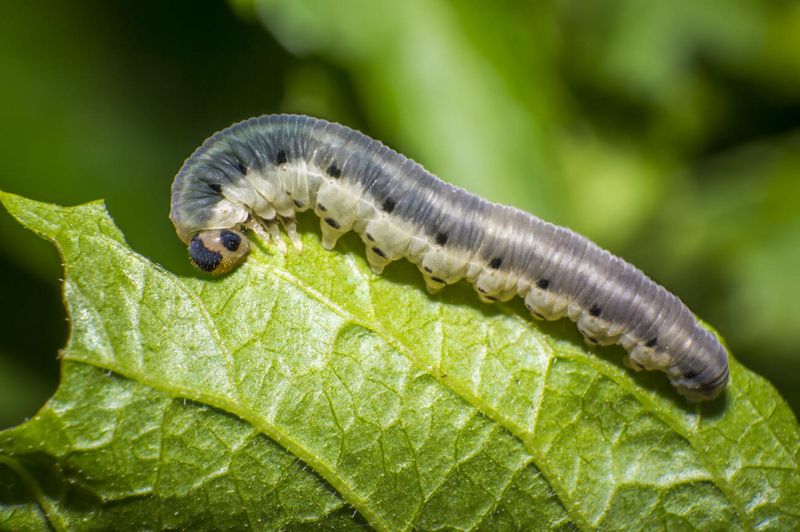
Cutworms pose serious threats to Pennsylvania gardens in early spring. These caterpillar larvae overwinter in soil and become active when ground temperatures warm.
They feed at night, chewing through stems of seedlings right at soil level. Gardeners often discover their work in the morning when plants topple over despite healthy roots.
Several moth species produce cutworms in Pennsylvania. The larvae are plump, smooth caterpillars that curl into a C-shape when disturbed.
They range in color from gray to brown to black. During daylight hours, they hide just beneath the soil surface near damaged plants.
Young transplants and direct-seeded vegetables are most vulnerable to their feeding habits.
Protective collars around seedlings prevent most cutworm damage. Cut cardboard tubes, plastic cups, or newspaper into rings about three inches tall.
Push these collars into the soil around each plant, leaving about one inch above ground and two inches below. This barrier stops cutworms from reaching stems. Remove collars once plants develop woody stems that resist cutworm damage.
Tilling your garden beds before planting disrupts cutworm populations. Work the soil thoroughly in early spring to expose larvae to predators and weather.
Birds eagerly consume exposed cutworms. This cultural practice reduces pest numbers without chemicals. Avoid tilling too deeply, which can bring new weed seeds to the surface.
Nighttime monitoring helps identify cutworm problems quickly. Use a flashlight to inspect your Pennsylvania garden after dark.
Look for cutworms actively feeding on plants or resting near stems. Hand-pick any you find and drop them into soapy water.
Regular evening checks during the first few weeks after planting protect your investment in seeds and transplants.
5. Spider Mites
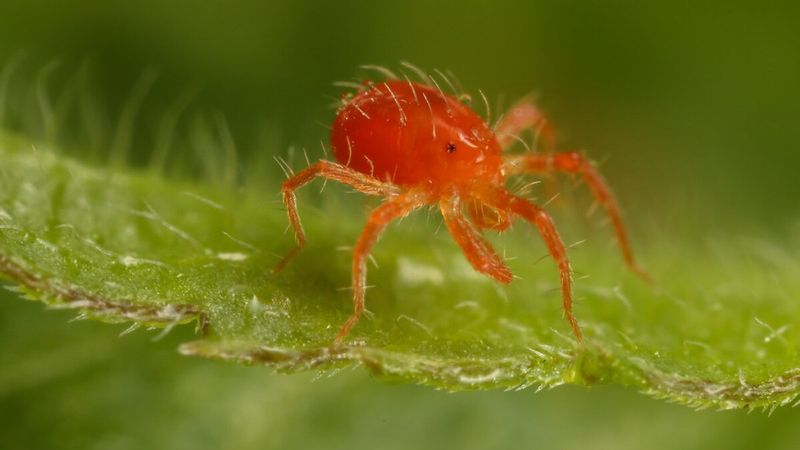
Spider mites surprise many Pennsylvania gardeners by appearing in early spring. These microscopic pests aren’t actually insects but rather relatives of spiders.
They overwinter on perennial plants or in protected areas. When temperatures rise above 50 degrees Fahrenheit, they become active and start reproducing. Plants moved between indoor and outdoor locations often carry spider mites.
Detecting spider mites requires close inspection. Look for tiny moving dots on leaf undersides and fine webbing between leaves or stems.
Affected foliage develops a stippled or bronzed appearance as mites feed on plant cells. Severe infestations cause leaves to yellow and drop.
Spider mites thrive in dry conditions, which can occur during Pennsylvania’s variable spring weather.
Water sprays provide simple, effective control for light spider mite infestations. Direct a forceful stream at leaf undersides every few days.
This physically removes mites and disrupts their feeding. The moisture also creates conditions mites dislike. Focus on plants showing early signs of damage for best results.
Predatory mites offer biological control that lasts all season. These beneficial creatures feed exclusively on pest mites.
Purchase them from garden suppliers and release according to directions. They establish populations that keep spider mites in check naturally.
This approach works especially well in greenhouses and on houseplants being moved outdoors in Pennsylvania.
Neem oil serves as an organic treatment option for stubborn spider mite problems. This plant-derived product disrupts mite reproduction and feeding.
Mix according to label instructions and spray thoroughly, ensuring coverage of all leaf surfaces. Apply during cool morning or evening hours to avoid plant damage.
Repeat applications every seven to ten days maintain control throughout early spring in Pennsylvania gardens.
6. Whiteflies
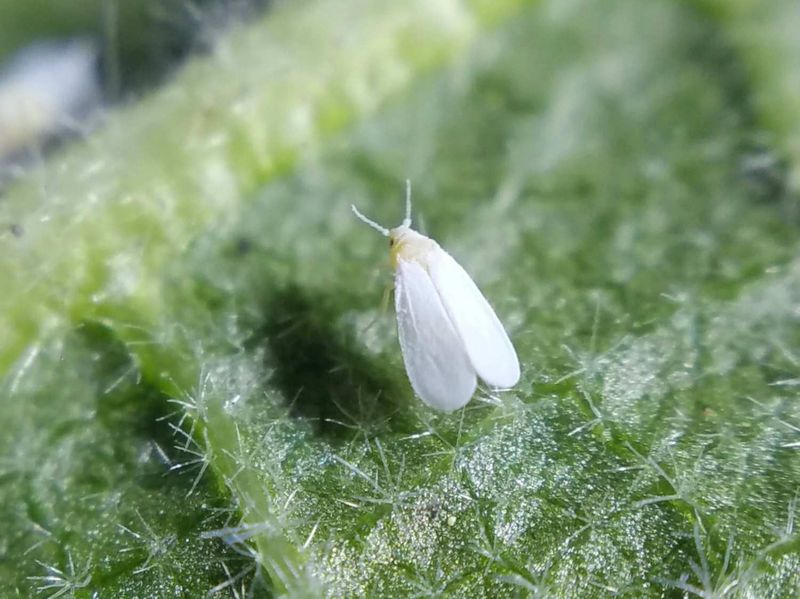
Whiteflies often catch Pennsylvania gardeners by surprise in early spring. These tiny white insects resemble miniature moths and feed on plant sap.
They commonly overwinter on indoor plants or in greenhouses. When you move plants outdoors or transfer seedlings from protected environments, whiteflies come along. They quickly spread to nearby garden plants once temperatures allow.
Spotting whiteflies is easy once you know what to look for. Gently shake an affected plant and clouds of small white insects fly up from the foliage.
They congregate on leaf undersides where they feed and lay eggs. Like aphids, whiteflies produce honeydew that leads to sooty mold growth. Heavy populations weaken plants and reduce yields on vegetables.
Yellow sticky traps work wonderfully for monitoring and controlling whitefly populations. Hang these bright yellow cards near affected plants at foliage height.
Whiteflies are attracted to the color and get stuck on the adhesive surface. Check traps regularly to gauge population levels.
Replace them when fully covered with insects. This method works well both indoors and in Pennsylvania gardens.
Insecticidal soap effectively manages whiteflies when applied correctly. Spray all plant surfaces thoroughly, paying special attention to leaf undersides where whiteflies gather.
The soap must contact insects directly to work. Repeat applications every five to seven days to catch newly hatched nymphs. Choose calm days for spraying to improve coverage and effectiveness.
Removing heavily infested leaves reduces whitefly populations quickly. Inspect plants carefully and prune off leaves covered with whiteflies or their eggs.
Seal removed foliage in plastic bags before disposing to prevent pest spread. This cultural practice combined with other management methods keeps whiteflies under control in Pennsylvania gardens throughout the growing season.
7. Early Prevention And Monitoring
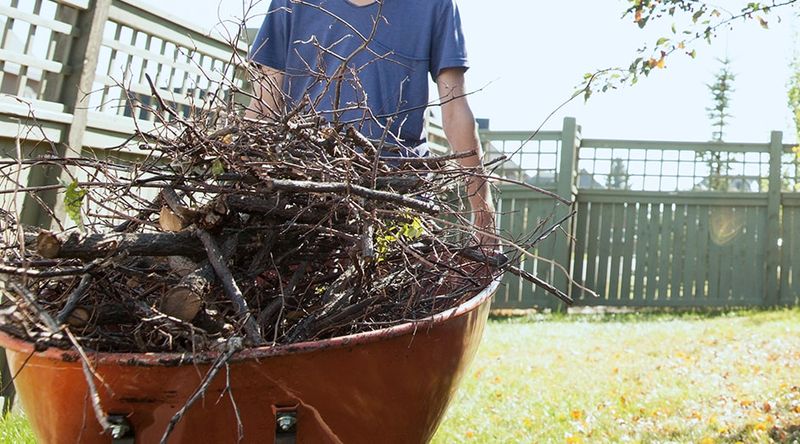
Success in managing early spring pests in Pennsylvania starts with regular garden inspections. Walk through your garden beds at least twice weekly during late winter and early spring.
Bring a small notebook to record what you observe. Note which plants show damage, where pests appear, and weather conditions. These records help you spot patterns and predict problems in future seasons.
Integrated pest management combines multiple strategies for best results. This approach uses cultural practices, physical barriers, beneficial insects, and targeted treatments together.
No single method solves all pest problems. By combining techniques, you create layers of protection that keep pest populations manageable without relying heavily on chemicals.
Healthy soil produces strong plants that resist pest damage better. Add compost to your Pennsylvania garden beds each spring.
Test soil pH and nutrient levels every few years. Proper fertilization helps plants grow vigorously and recover from minor pest feeding. Well-fed plants also support beneficial insects that help control pests naturally.
Crop rotation prevents pest buildup in vegetable gardens. Avoid planting the same plant families in the same spots year after year.
Many pests overwinter in soil near their favorite host plants. Moving crops to different areas breaks this cycle.
Keep records of what you plant where each season to maintain effective rotation schedules.
Preparation now saves time and trouble later in the growing season. Clean up garden debris that provides pest shelter.
Organize your pest management supplies before you need them. Stock up on items like row covers, sticky traps, and organic sprays.
When pests appear in your Pennsylvania garden, you’ll be ready to respond quickly and effectively, protecting your plants throughout the entire growing season.