How To Bring Back Hummingbirds To Your California Garden This Spring
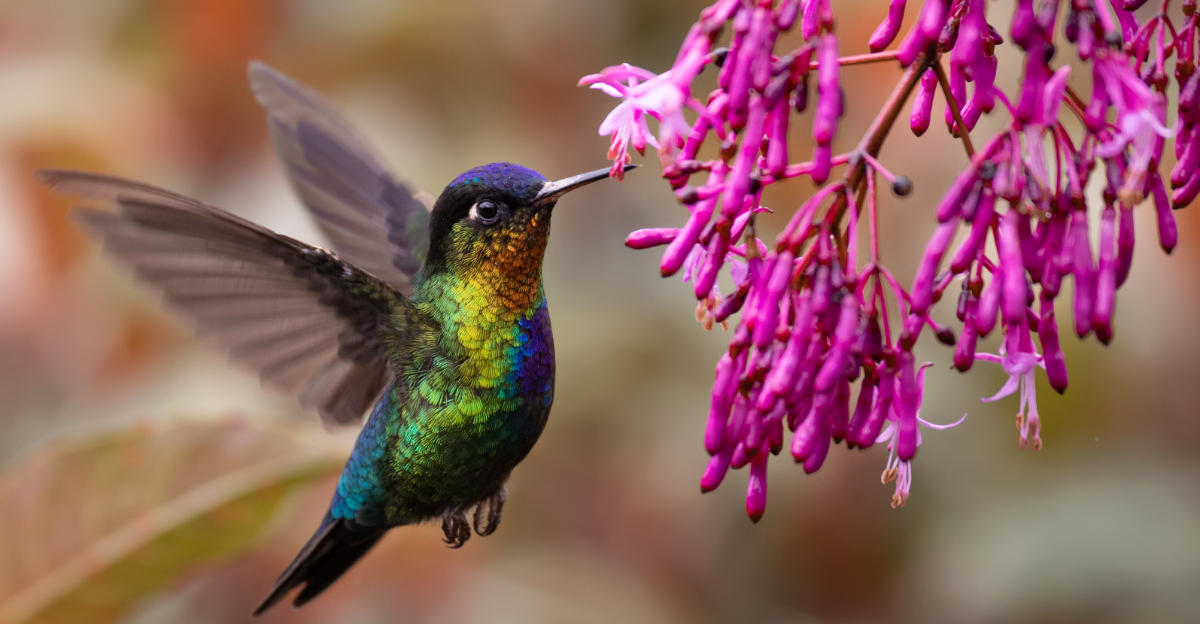
A garden without hummingbirds can feel a little too quiet. These tiny flashes of color bring energy, movement, and life the moment they return in spring.
If they have stopped visiting, your garden may simply be missing a few key ingredients. The good news is hummingbirds are creatures of habit, and once you create a space they love, they tend to come back again and again.
Bright nectar rich flowers, safe shelter, fresh water, and a welcoming layout can quickly turn your yard into a favorite stop on their daily route.
Even small changes can make a big difference in California’s spring season, when hummingbirds are actively searching for reliable food sources.
With the right setup, you can transform your garden into a lively, buzzing haven filled with shimmering wings, soft chirps, and the magical presence of these tiny airborne visitors.
1. Plant Early-Blooming Natives
February and March might feel early to most gardeners, but hummingbirds are already on the move, and they need food right away.
Native California plants like currants, manzanita, and California fuchsia start blooming when temperatures warm just slightly, providing critical nectar when little else is flowering.
These plants evolved alongside our local hummingbirds, so their bloom times match perfectly with migration patterns and nesting seasons.
Planting natives also means less work for you since they’re adapted to our dry summers and mild winters. They don’t need constant watering or fertilizing once established, and they handle our intense sun without wilting.
Native plants also support local insects, which hummingbirds eat for protein to feed their chicks.
Avoid waiting until late spring to add flowering plants. By then, hummingbirds may have already passed through or chosen other gardens.
Get natives in the ground by late winter so they’re blooming when the first scouts arrive. Choose species with tubular flowers in red, orange, or pink, since those colors and shapes attract hummingbirds most effectively.
2. Add Nectar-Rich Flowers
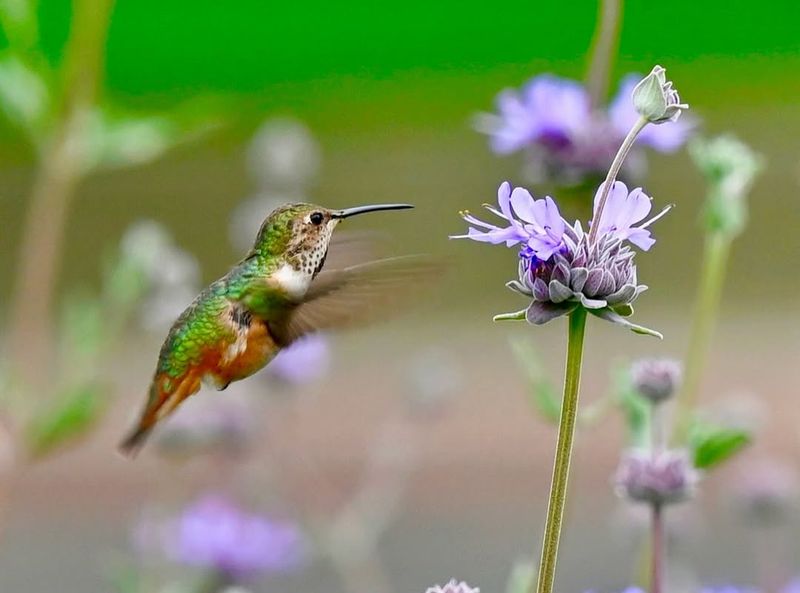
Not all flowers offer the same value to hummingbirds. They’re drawn to blooms with high nectar content and tubular shapes that fit their long bills and tongues.
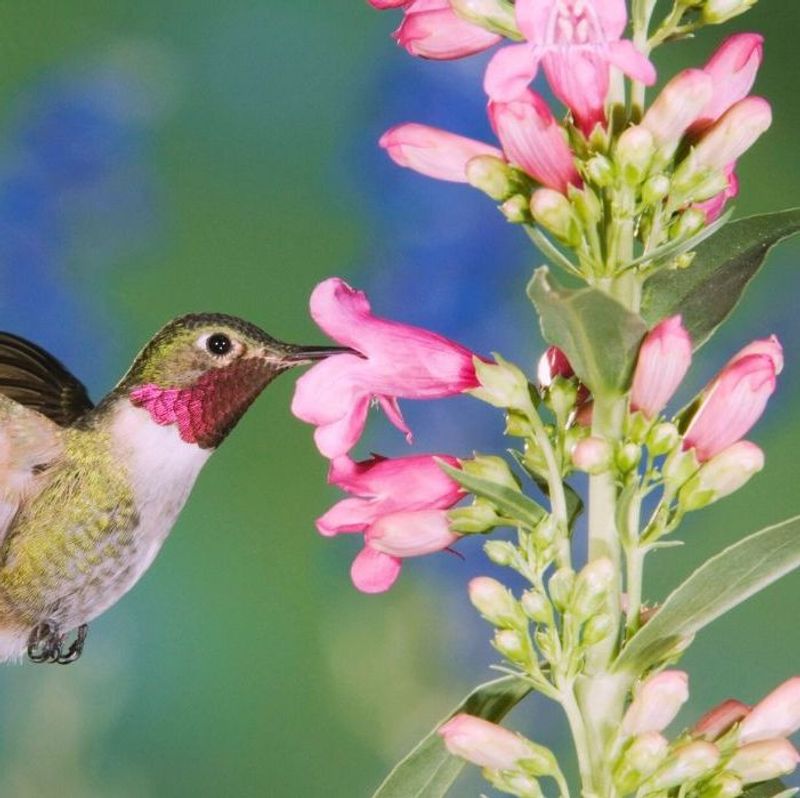
Salvias, penstemons, honeysuckles, and trumpet vines are all excellent choices that produce abundant nectar and bloom for extended periods throughout spring and summer.
Plant these flowers in clusters rather than scattering single plants around your yard. Hummingbirds are more likely to visit gardens where they can feed efficiently without flying long distances between blooms.
Grouping nectar-rich plants also creates visual impact, making it easier for hummingbirds to spot your garden from above as they cruise through neighborhoods.
Choose varieties that thrive in your specific California microclimate. Coastal gardeners can grow plants that prefer cooler, foggier conditions, while inland gardeners should pick heat-tolerant species that handle intense afternoon sun.
Avoid heavily hybridized ornamental flowers, which often have reduced nectar or altered flower shapes that make feeding difficult. Stick with species known for attracting hummingbirds reliably, and you’ll see results quickly once they discover your garden.
3. Create A Continuous Bloom Cycle
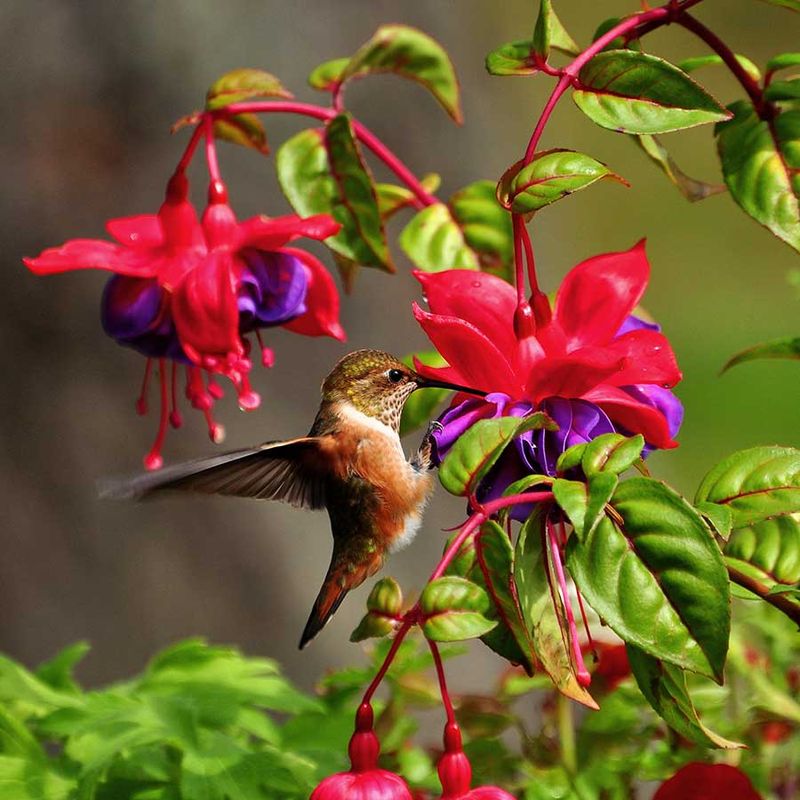
Hummingbirds don’t just visit in spring, many species stay through summer and fall, and some overwinter in California. To keep them coming back, your garden needs flowers blooming continuously from early spring through late fall.
Your California Garden Changes Every Week. Your Plan Should Too.
Gardening in California changes quickly throughout the season. Every Friday you’ll receive a simple weekly plan showing exactly what to plant, prune, fertilize, harvest, and protect so you never miss the right timing.
This means choosing plants with staggered bloom times so something is always flowering when they need food.
Start with early bloomers like currants and ceanothus, add mid-season favorites like salvias and penstemons, then finish with late bloomers like California fuchsia and autumn sage.
This layered approach ensures hummingbirds always find nectar in your yard, which encourages them to establish feeding territories and return daily rather than just passing through once.
Pay attention to what’s blooming each month and fill any gaps you notice. If July feels quiet, add a summer-blooming plant.
If October looks bare, include something that flowers into fall. California’s long growing season makes continuous blooms entirely possible with proper planning.
Deadhead spent flowers regularly to encourage repeat blooming, and fertilize lightly if needed to keep plants producing fresh flowers throughout their natural bloom period.
4. Skip Pesticides Completely
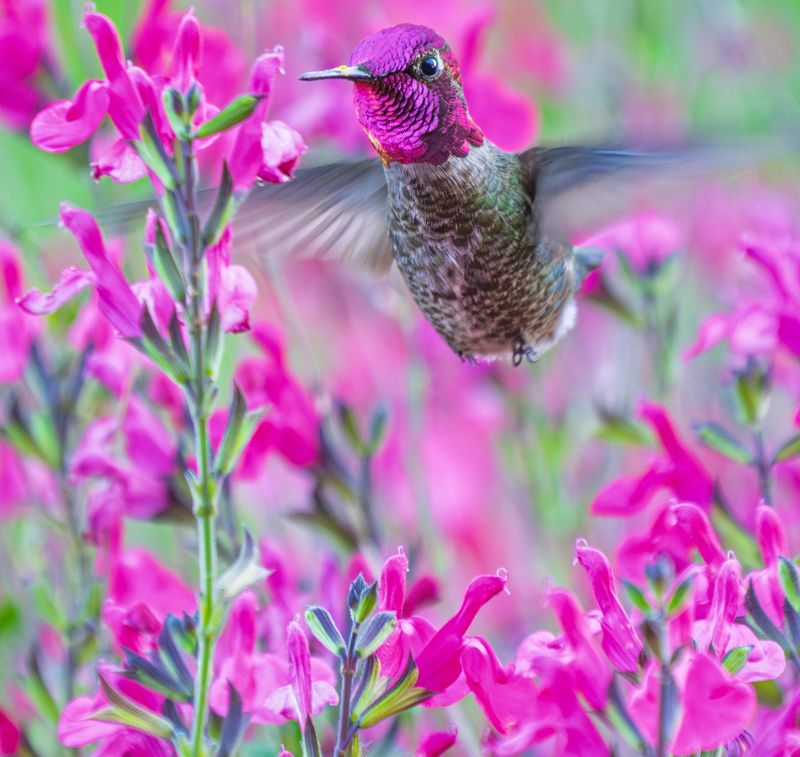
Pesticides harm more than just pests, they eliminate the tiny insects hummingbirds need to feed their babies and maintain their own health.
Hummingbirds eat hundreds of small insects daily, including gnats, aphids, and spiders, which provide essential protein that nectar alone can’t supply.
When you spray pesticides, you remove this critical food source and potentially poison the birds directly if they consume contaminated insects or nectar.
California gardens can absolutely thrive without chemical pesticides. Encourage natural predators like ladybugs, lacewings, and birds to control pest populations instead.
Plant a diverse mix of flowers, herbs, and shrubs to create a balanced ecosystem where pests rarely become overwhelming problems. Accept that a few chewed leaves or aphids on your roses are normal and won’t harm your garden’s overall health.
If you must address a serious pest issue, use targeted organic methods like insecticidal soap applied carefully to specific problem areas, then rinse plants thoroughly afterward.
Better yet, choose pest-resistant native plants that naturally handle California’s common garden insects without intervention.
A pesticide-free garden is healthier for hummingbirds, other wildlife, your family, and the environment.
5. Provide Fresh Water Sources
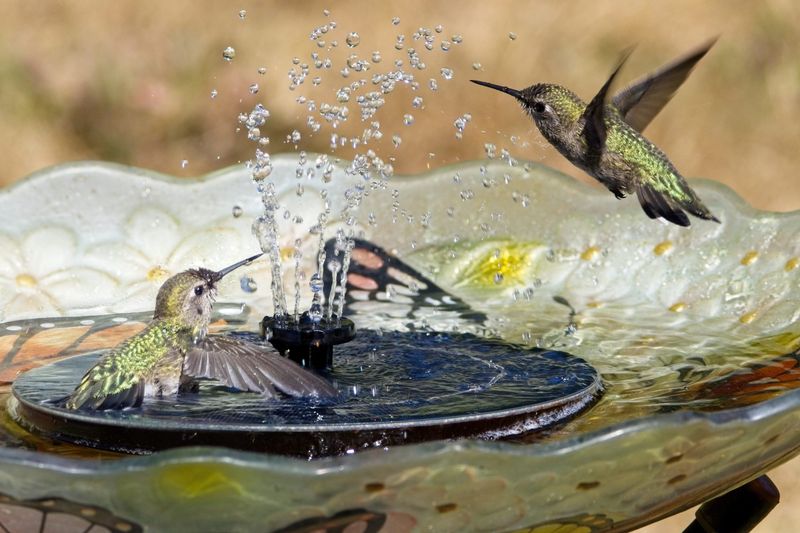
Hummingbirds need water just like any other bird, but they can’t use traditional deep birdbaths. They prefer shallow water sources with gentle movement, like misters, fountains, or drippers that create fine spray.
Hummingbirds will fly through mist to bathe and drink, catching tiny droplets on their feathers and bills rather than landing in standing water.
Set up a small fountain with a gentle bubbler or attach a mister to your garden hose on a timer. Position water features near flowering plants so hummingbirds can easily spot them while feeding.
Change the water every few days to prevent mosquitoes from breeding, especially important in California where West Nile virus is a concern during warmer months.
Avoid placing water sources in full afternoon sun where water heats up quickly and evaporates fast. Morning sun with afternoon shade works best, keeping water cool and fresh longer.
If you use a birdbath, add clean pebbles or stones to create shallow edges where hummingbirds can perch safely.
Running water attracts hummingbirds far better than still water, so even a simple drip from a hose creates enough movement to catch their attention as they zip through your garden.
6. Add Perches And Shelter
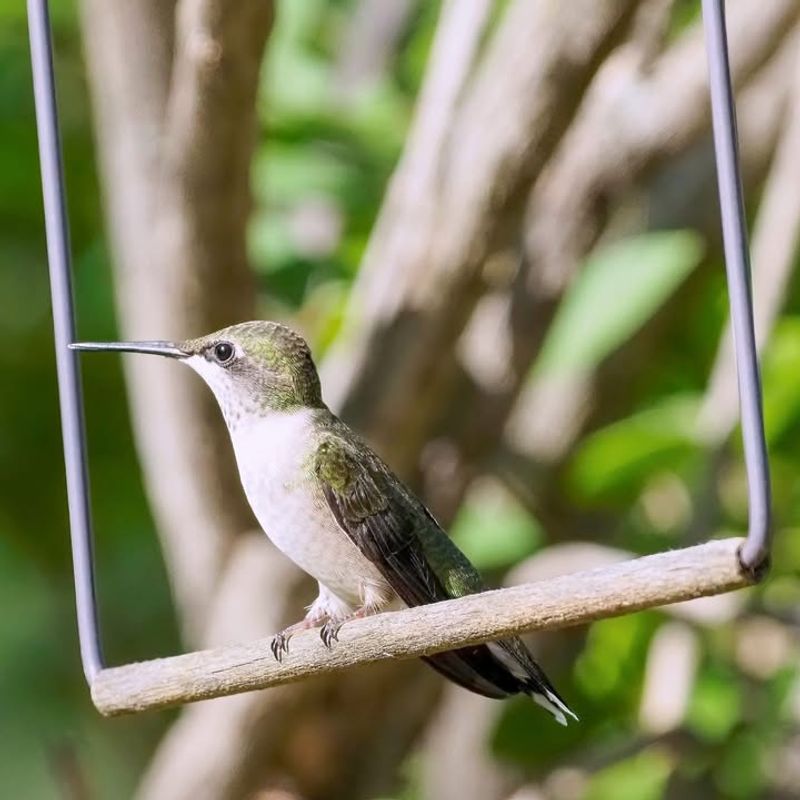
Hummingbirds spend more time perching than most people realize. They need bare twigs and branches positioned near feeding areas where they can rest between visits to flowers and watch for rivals entering their territory.
Small trees, large shrubs, and even tomato cages with a few bare sticks provide perfect perching spots that hummingbirds use throughout the day.
Plant shrubs and small trees at varying heights to create vertical structure in your garden. Native California plants like toyon, coffeeberry, and elderberry work beautifully, offering both perches and berries that attract insects hummingbirds eat.
Position these plants around the edges of your garden or near flowering areas so hummingbirds can perch, survey their territory, and dart out to feed quickly when they spot rivals or food sources.
Dense shrubs also provide shelter from wind, rain, and predators like hawks and cats. Hummingbirds often nest in protected spots within thick foliage, so creating sheltered areas increases the chance they’ll nest in your yard.
Avoid trimming shrubs too heavily during nesting season, which runs from late winter through summer in California. Leave some natural tangle and twigs, they’re not messy, they’re habitat.
7. Use Bright Hummingbird Colors
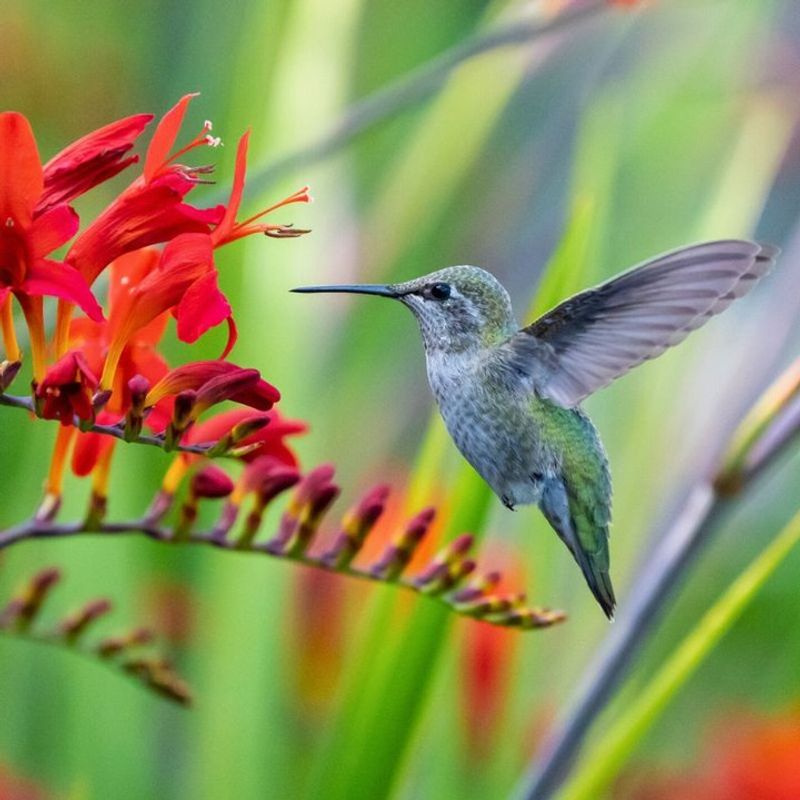
Hummingbirds see colors differently than humans, and they’re especially attracted to red, orange, and bright pink.
These colors signal high-energy nectar sources, so planting flowers in these shades helps hummingbirds spot your garden from a distance as they fly overhead searching for food.
While they’ll visit flowers of any color once they discover them, red and orange blooms attract them initially and encourage exploration.
Group colorful flowers together in large patches rather than mixing them randomly throughout your garden. A mass of red salvias or orange California poppies creates a visual beacon that’s far more noticeable than scattered individual plants.
Hummingbirds have excellent memories and will remember where they found abundant food, returning to those spots regularly once they’ve mapped your garden.
Don’t rely solely on color, though. Flower shape and nectar quality matter just as much as appearance.
Tubular flowers in bright colors offer the best combination, but hummingbirds will also visit less colorful flowers if they produce abundant nectar.
Avoid planting only ornamental flowers chosen for human aesthetics, prioritize species that actually feed hummingbirds well, even if they’re not your favorite color or style.
8. Keep Feeders Clean And Full
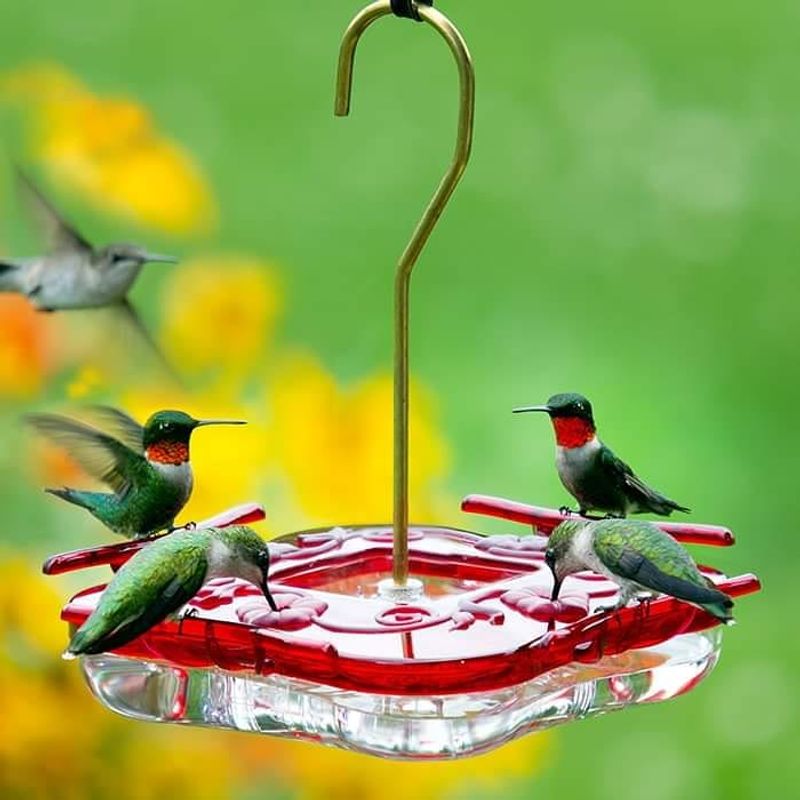
Feeders supplement natural nectar sources and help hummingbirds during gaps in flower blooms, but they require regular maintenance to stay safe.
Dirty feeders grow harmful mold and bacteria that can sicken or harm hummingbirds, especially in California’s warm weather where sugar water ferments quickly.
Clean feeders every three to four days in hot weather, more often if temperatures exceed 90 degrees.
Use a simple solution of one part white sugar to four parts water, nothing else. Never add red dye, honey, or artificial sweeteners, which harm hummingbirds.
Boil the water, stir in sugar until dissolved, then cool completely before filling feeders. Store extra nectar in the refrigerator for up to a week, making refills quick and easy.
Hang feeders in partial shade to keep nectar fresh longer and prevent it from heating up in afternoon sun. Position feeders near flowers so hummingbirds find them easily while feeding on natural sources.
If ants become a problem, use an ant moat filled with water to block their access. Take feeders down and clean them thoroughly if you notice any cloudiness, mold, or black specks in the nectar.
Hummingbirds depend on clean, fresh food, and a dirty feeder does more harm than good.
9. Make Your Garden A Safe Haven
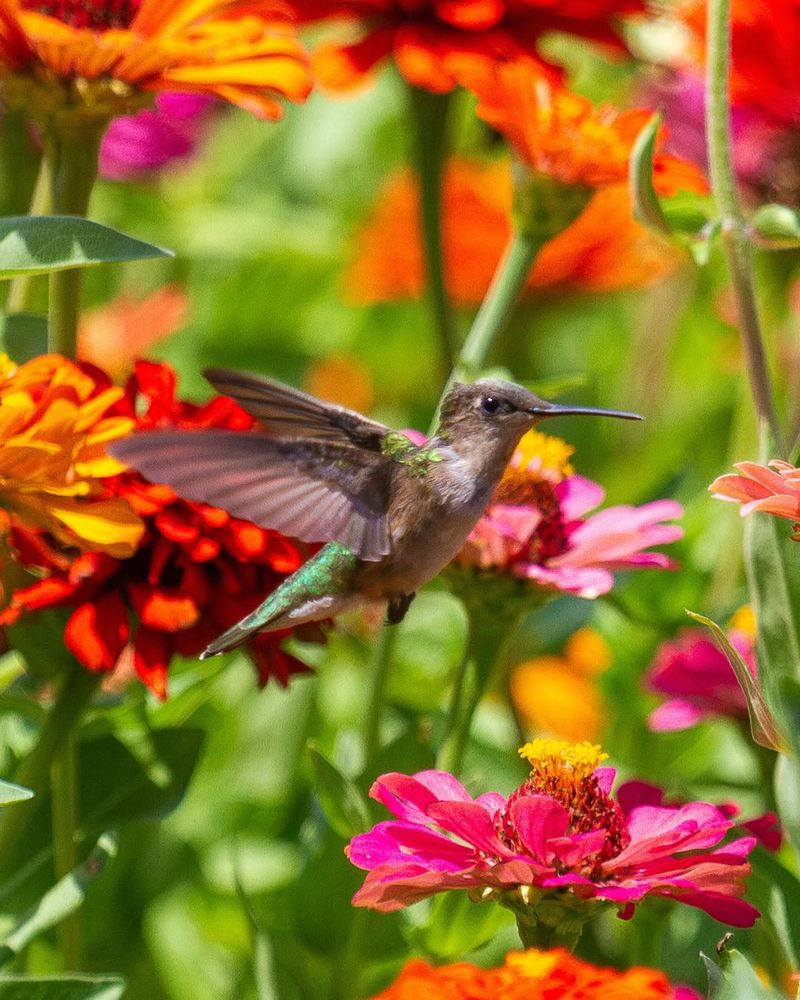
Safety determines whether hummingbirds will stay in your garden or just pass through. Keep cats indoors, as they’re responsible for harming millions of birds annually, including hummingbirds.
Even well-fed pets hunt instinctively, and hummingbirds feeding low on flowers or bathing in water are especially vulnerable. If you have outdoor cats, consider building a catio or keeping them inside during peak hummingbird activity in morning and evening hours.
Window collisions also harm many birds, including hummingbirds. Apply window decals, screens, or netting to glass surfaces near feeders and flowering plants.
Position feeders either very close to windows (within three feet) or far away (beyond ten feet) to reduce collision risk. Hummingbirds flying at high speed can’t see clear glass and often strike windows while chasing rivals or fleeing predators.
Avoid using sticky pest traps, which can catch hummingbirds along with insects. Remove old netting, fishing line, and string from your garden, as hummingbirds can become fatally tangled in loose material.
Create a peaceful environment by minimizing loud noises and sudden movements near feeding areas. Hummingbirds are surprisingly tolerant of quiet human presence but will abandon gardens that feel dangerous or stressful.
A safe garden becomes a territory they defend and return to daily.