This Is How To Stop Gophers From Destroying Your California Garden
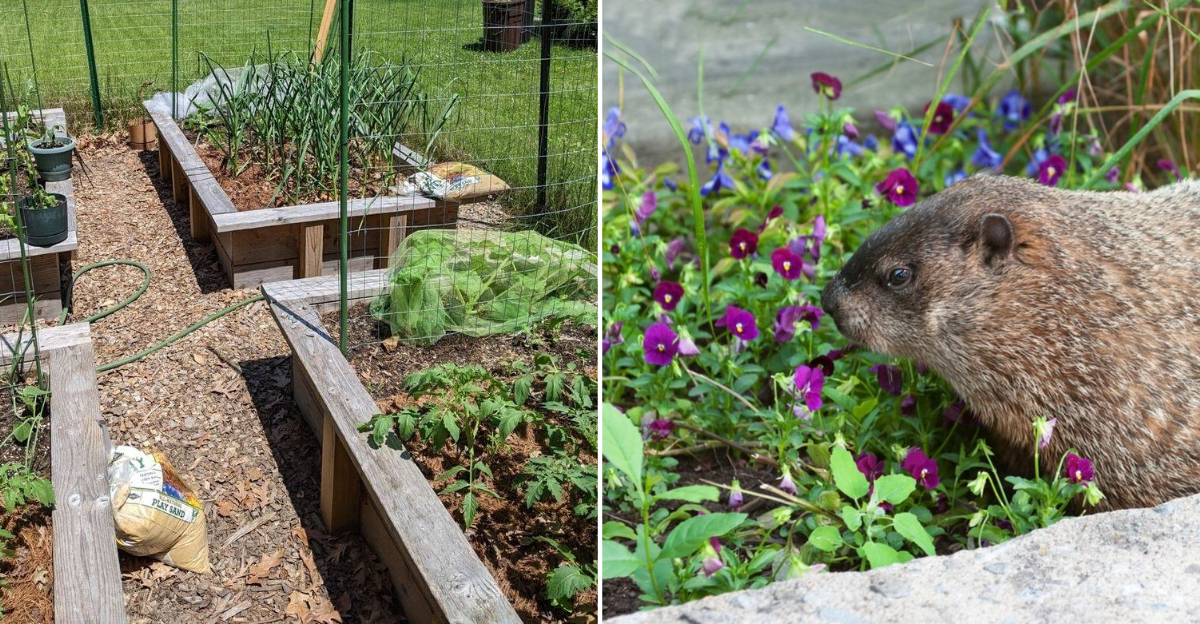
Little dirt volcanoes popping up overnight. Plants that look fine one day, gone the next. Roots mysteriously chewed from below. Yep, gophers are throwing a secret underground party in your California garden.
These busy tunnel builders work out of sight, but the damage shows fast. The trick is not fighting harder, but getting smarter.
Make your garden a place gophers find annoying, not inviting. Protect roots, block their tunnels, and stay one step ahead of their digging plans.
A few simple moves can save your veggies, flowers, and young trees from becoming gopher snacks. Catch the signs early, stay consistent, and you can keep your garden thriving above ground while the gophers go looking for an easier place to dig.
1. Spot The Signs Early
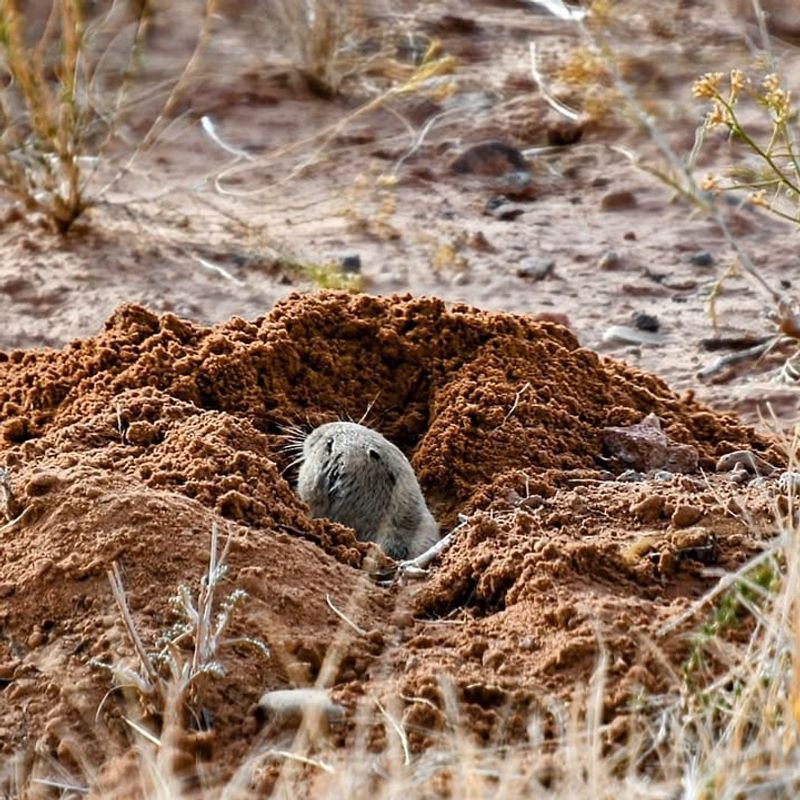
When you notice fresh mounds of soil appearing overnight in your garden, gophers are likely already at work below the surface. These crescent or fan-shaped piles differ from mole hills, which tend to be more volcano-like and symmetrical.
Gophers push soil out from their tunnels at an angle, creating that telltale shape.
Look for wilting plants even when the soil feels moist, especially vegetables and young perennials. Gophers feed on roots from below, severing them completely and leaving plants unable to take up water.
You might also notice plants tilting or sinking slightly as the ground beneath them becomes hollow.
Check for small, plugged tunnel openings about two to three inches wide, often hidden under vegetation or near garden beds. Gophers close these entrances with soil to maintain humidity and temperature in their burrow systems.
Fresh activity shows loose, moist soil that hasn’t yet dried or compacted.
Early detection saves you from widespread damage and makes control efforts far more effective. Walk your garden regularly, especially in spring and fall when gophers are most active in California’s mild climate.
The sooner you spot the signs, the easier it becomes to protect your plants and prevent a small problem from becoming a major headache.
2. Understand Gopher Behavior
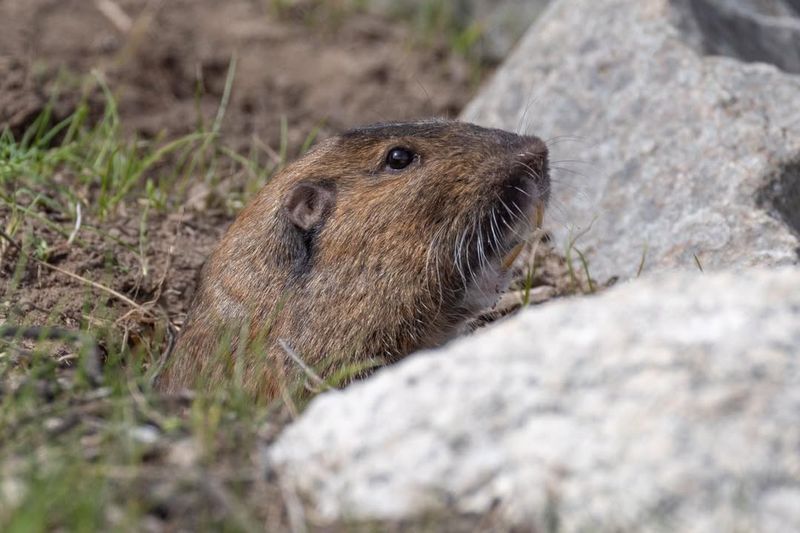
Gophers are solitary creatures that spend nearly their entire lives underground, which makes them both elusive and persistent.
Each gopher maintains its own tunnel system, which can extend up to 200 feet and include multiple chambers for nesting, food storage, and waste.
They’re most active during dawn and dusk, though you’ll rarely see them above ground.
These rodents have strong front claws and teeth designed for digging and gnawing through roots. They prefer soft, moist soil that’s easier to excavate, which is why California gardens with regular irrigation become prime real estate.
Gophers can sense vibrations, so they often avoid areas with heavy foot traffic or noise.
In California’s mild winters, gophers remain active year-round, unlike in colder climates where they slow down. They reproduce quickly, with females producing up to three litters per year, each containing five to six pups.
This rapid reproduction means a single gopher can become a colony if left unchecked.
Understanding their behavior helps you anticipate where they’ll tunnel next and what they’re after. They favor tender roots, bulbs, and vegetables like carrots, potatoes, and lettuce.
Your California Garden Changes Every Week. Your Plan Should Too.
Gardening in California changes quickly throughout the season. Every Friday you’ll receive a simple weekly plan showing exactly what to plant, prune, fertilize, harvest, and protect so you never miss the right timing.
Knowing their habits lets you set up defenses in the right places and at the right times, making your control efforts far more strategic and successful.
3. Protect Roots With Barriers
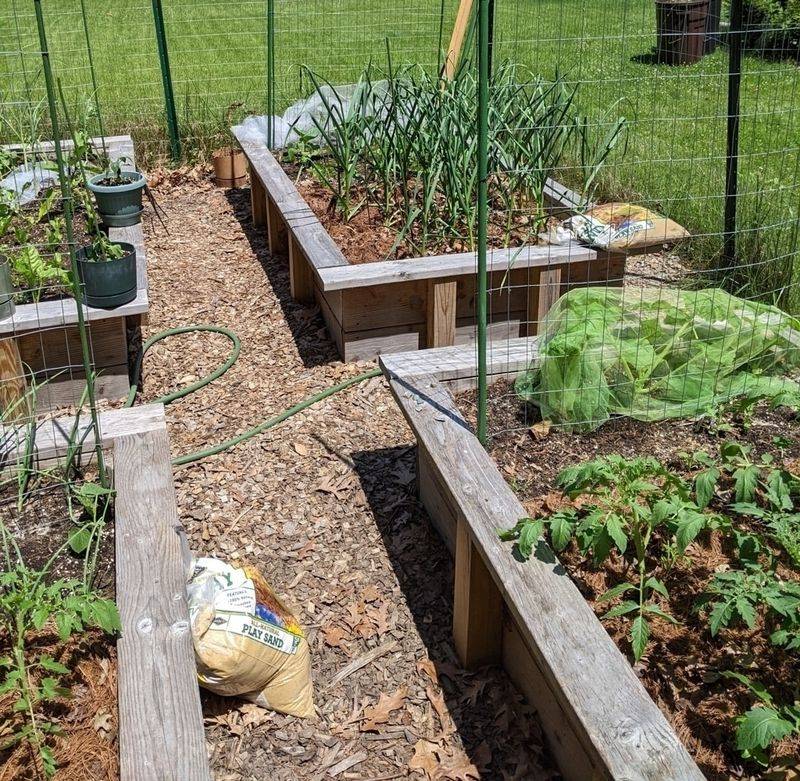
Installing underground barriers made from hardware cloth or wire mesh creates a physical shield that gophers simply cannot penetrate.
Use half-inch or quarter-inch galvanized wire mesh, which is small enough to block gophers but allows water and nutrients to pass through.
Chicken wire won’t work, gophers chew right through it.
When planting trees, shrubs, or perennials, dig a hole larger than the root ball and line the sides and bottom with wire mesh. Leave the top open so the plant can grow naturally above ground.
For individual plants, create wire baskets that wrap completely around the root zone, folding the edges upward to prevent gophers from tunneling underneath.
Raised beds can be protected by laying hardware cloth across the entire bottom before adding soil. Extend the mesh up the sides by at least six inches and secure it firmly to the bed frame.
This method works exceptionally well for vegetable gardens where you’re growing multiple plants in one area.
Barriers require some upfront effort, but they provide long-term protection without chemicals or ongoing maintenance. In California’s year-round growing season, this investment pays off by safeguarding expensive ornamentals and productive vegetable crops.
Once installed, you can garden with confidence knowing your plants’ roots are shielded from underground attacks.
4. Use Raised Beds And Baskets
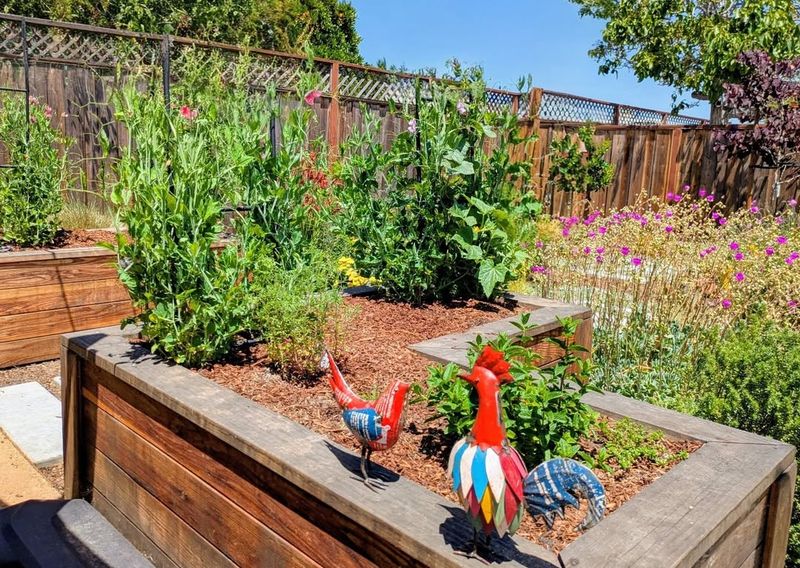
Raised beds offer more than just convenience and better drainage—they become fortress walls when built with gopher protection in mind.
Constructing beds at least 12 inches high and lining the bottom with hardware cloth keeps gophers from tunneling up into your planting area.
The elevation also makes it easier to spot any attempted breaches around the edges.
Gopher baskets are wire cages specifically designed to encase the root balls of individual plants, particularly fruit trees and ornamental shrubs. These baskets come in various sizes and are installed at planting time.
They allow roots to grow outward through the mesh while preventing gophers from reaching the main root crown, where damage would be fatal.
For larger garden areas, consider building permanent raised beds with sturdy wood or metal frames. Attach the wire mesh securely to the frame’s bottom edge, ensuring no gaps where determined diggers might squeeze through.
Overlap seams by several inches and use galvanized staples or screws to hold everything firmly in place.
This method works beautifully in California gardens where you want to grow vegetables intensively or protect valuable landscape plants. Raised beds also improve soil quality and drainage, which benefits plant health beyond just gopher protection.
The initial setup takes time, but you’ll enjoy seasons of worry-free gardening with thriving plants that stay firmly rooted where you planted them.
5. Remove What Attracts Them
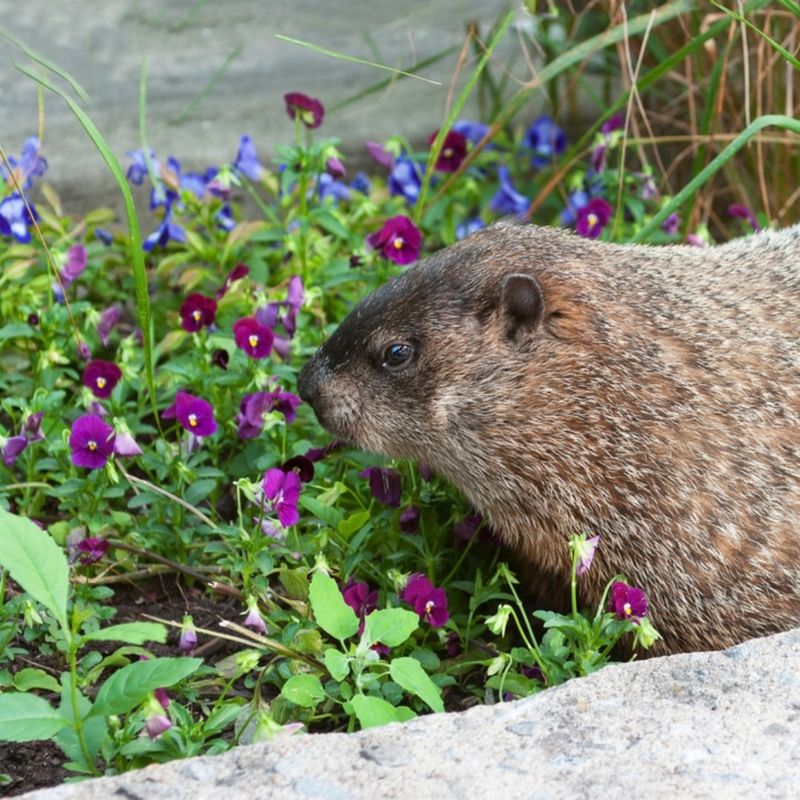
Gophers are drawn to gardens that offer abundant food and cover, so reducing these attractions makes your yard less appealing.
Keep your lawn and garden beds well-maintained, clearing away thick ground covers, tall weeds, and dense vegetation where gophers feel safe moving around.
Open, tidy spaces discourage them from settling in.
Limit the number of gopher-favorite plants like root vegetables, bulbs, and tender perennials in areas where you’ve had problems before.
If you love growing carrots, potatoes, or tulips, plant them inside raised beds with wire mesh protection rather than directly in open ground.
This way, you still enjoy the plants without offering an easy buffet.
Reduce excess irrigation, especially in ornamental areas where plants don’t need constant moisture. Gophers prefer soft, moist soil because it’s easier to dig through, and overly wet conditions create ideal tunneling habitat.
Adjust your watering schedule to meet plant needs without creating soggy conditions that invite burrowing.
Remove fallen fruit, excess mulch piles, and compost heaps located directly on the ground, as these can attract gophers seeking food or nesting material. Store compost in enclosed bins and pick up fruit regularly.
By managing your garden environment thoughtfully, you make it far less inviting for gophers, encouraging them to look elsewhere for their next home.
6. Try Natural Deterrents First
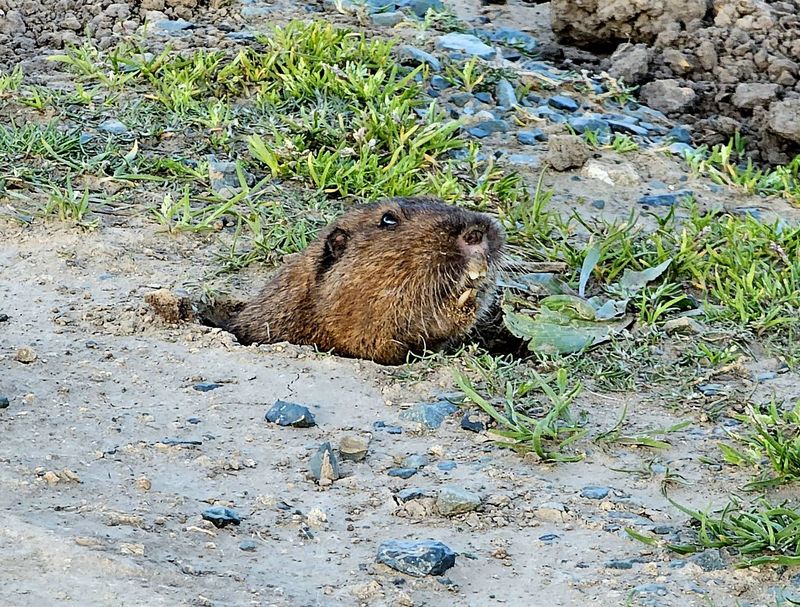
Before resorting to traps or poisons, natural deterrents offer a gentler first line of defense that’s safer for pets, children, and beneficial wildlife.
Castor oil-based repellents are among the most popular options, as the scent and taste irritate gophers and encourage them to relocate.
Apply these products according to package directions, focusing on active tunnel areas and fresh mounds.
Planting strong-smelling herbs like rosemary, lavender, and mint around garden borders can help discourage gophers, though results vary. These plants won’t stop a determined gopher, but they add an extra layer of protection while beautifying your garden.
Garlic and onion plants also emit odors that some gardeners swear by, though scientific evidence remains limited.
Ultrasonic stakes and solar-powered vibrating devices claim to drive gophers away through sound or ground vibrations. Some gardeners report success, while others see no change, so consider these experimental.
If you try them, place multiple units throughout affected areas and give them several weeks to work.
Natural deterrents work best when combined with other methods like barriers and habitat modification. They’re not foolproof, but they offer a low-risk starting point, especially in California gardens where environmental consciousness runs high.
Monitor results closely, and be ready to escalate to more direct control methods if natural approaches don’t reduce activity within a few weeks.
7. Choose Gopher-Resistant Plants
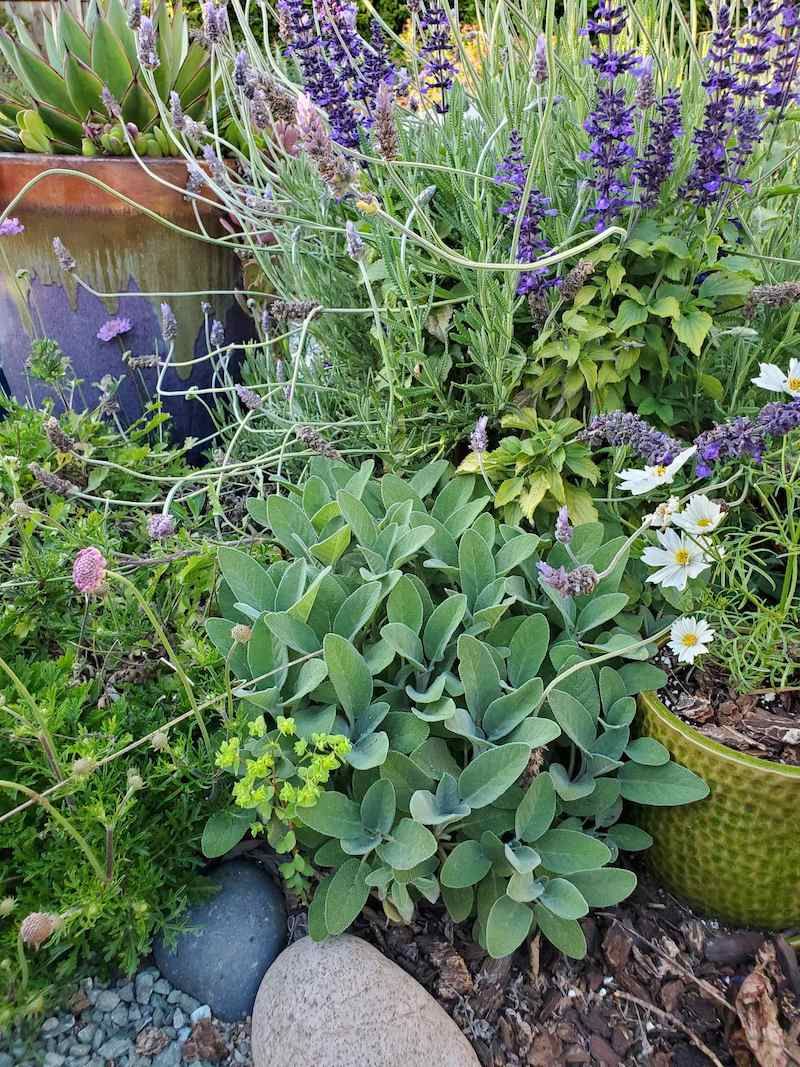
Selecting plants that gophers naturally avoid helps you build a garden that’s both beautiful and less vulnerable to damage. Gophers tend to dislike plants with strong scents, tough or fibrous roots, and bitter or toxic foliage.
California natives like California fuchsia, salvia, and yarrow fit this profile perfectly and thrive in the state’s Mediterranean climate.
Ornamental grasses such as blue fescue and deer grass have fibrous root systems that gophers find unappealing and difficult to chew through. These grasses also add texture and movement to your landscape while requiring minimal water once established.
They’re excellent choices for borders and slopes where gopher activity is common.
Succulents like agave, aloe, and sedum are generally left alone by gophers, likely due to their thick, watery leaves and shallow root structures. These drought-tolerant plants suit California’s dry summers beautifully and offer striking architectural interest.
Lavender, rosemary, and society garlic are aromatic options that gophers typically avoid while attracting pollinators and adding fragrance.
Keep in mind that no plant is completely gopher-proof, especially when food is scarce. However, filling your garden with less-preferred species significantly reduces the likelihood of damage.
Combine resistant plants with physical barriers around your favorite vegetables and ornamentals, creating a layered defense that keeps your garden thriving despite the underground threats lurking below.
8. Stay Consistent For Long-Term Control
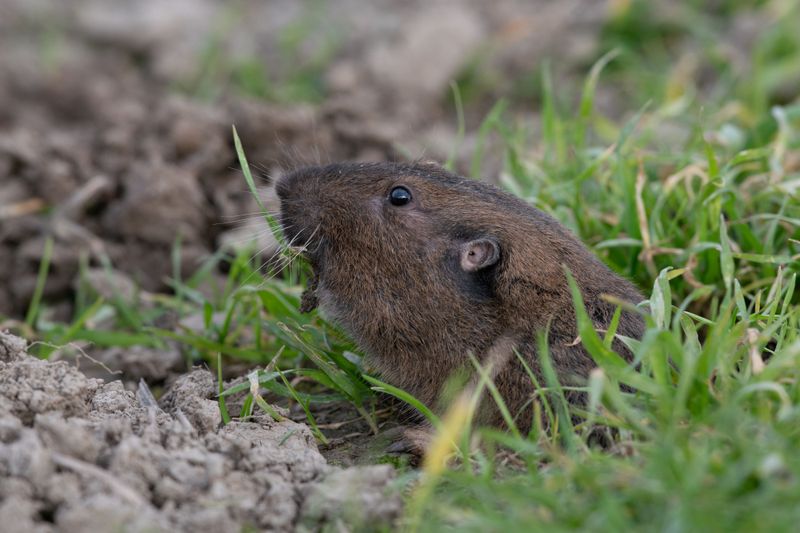
Gopher control isn’t a one-time task, it requires ongoing vigilance and regular maintenance to keep populations in check.
Even after you’ve successfully removed gophers from your garden, new ones can move in from neighboring properties, especially in suburban areas where open space and gardens are abundant.
Weekly inspections help you catch new activity before it becomes a major problem.
Keep up with your barriers, checking raised beds and wire baskets periodically for damage or gaps. Over time, soil settling or plant growth can create weak spots where gophers might find a way through.
Repair any compromised areas immediately, and reinforce barriers around high-value plants as they mature and their root systems expand.
Reapply natural deterrents according to the product’s recommended schedule, especially after heavy rains or irrigation that can wash away active ingredients. If you’re using traps, check them daily and reset or relocate as needed.
Consistent trapping pressure discourages new gophers from establishing territories in your garden.
Document where and when you see activity, noting patterns that help you anticipate future problems. Some areas of your garden may be more prone to gopher invasions due to soil type, irrigation, or proximity to wild areas.
Focus your efforts on these hot spots, and don’t let your guard down during California’s mild winters when gophers remain active. Persistence and routine make all the difference in maintaining a gopher-free garden year after year.