Think Twice Before Adding Mulch Ahead Of California’s Summer Heat
Mulch is usually a garden hero, but timing matters more than most gardeners realize. Piling it on too early before California’s summer heat settles in can sometimes do more harm than good.
Soil that has not fully warmed may stay cool and damp longer than plants prefer, slowing growth and stressing roots. In some cases, early mulching can even invite pests or trap excess moisture where it is not welcome.
The key is working with the season, not rushing ahead of it. When applied at the right moment, mulch locks in moisture, protects roots, and keeps soil temperatures steady through the hottest months.
Applied too soon, it can hold your garden back. A little patience now can lead to stronger plants, healthier soil, and far better results once the real summer heat arrives.
Why Mulching Too Early Can Backfire
Late spring feels like mulch season. The soil is warming up, plants are growing fast, and everyone’s thinking ahead to those brutal summer days.
But jumping in too early creates problems that sneak up slowly.
When you mulch before the soil has fully warmed, you’re essentially insulating cool ground. That thick layer keeps heat from reaching the roots just when they need warmth to establish strong growth.
Vegetables slow down. Perennials take longer to wake up fully.
Even established plants struggle to hit their stride.
California’s spring can be unpredictable too. Some years bring late rains that soak the ground well into May.
Add mulch on top of that moisture, and you’ve trapped water against plant crowns and stems. That creates perfect conditions for rot, especially with heat-sensitive plants that need good air circulation.
The timing sweet spot matters because soil temperature drives root activity. Mulch applied when soil is still adjusting to seasonal changes interferes with that natural progression.
Your garden needs time to transition fully into summer mode before you lock in those conditions with a mulch layer.
Soil Temperature Matters More Than You Think
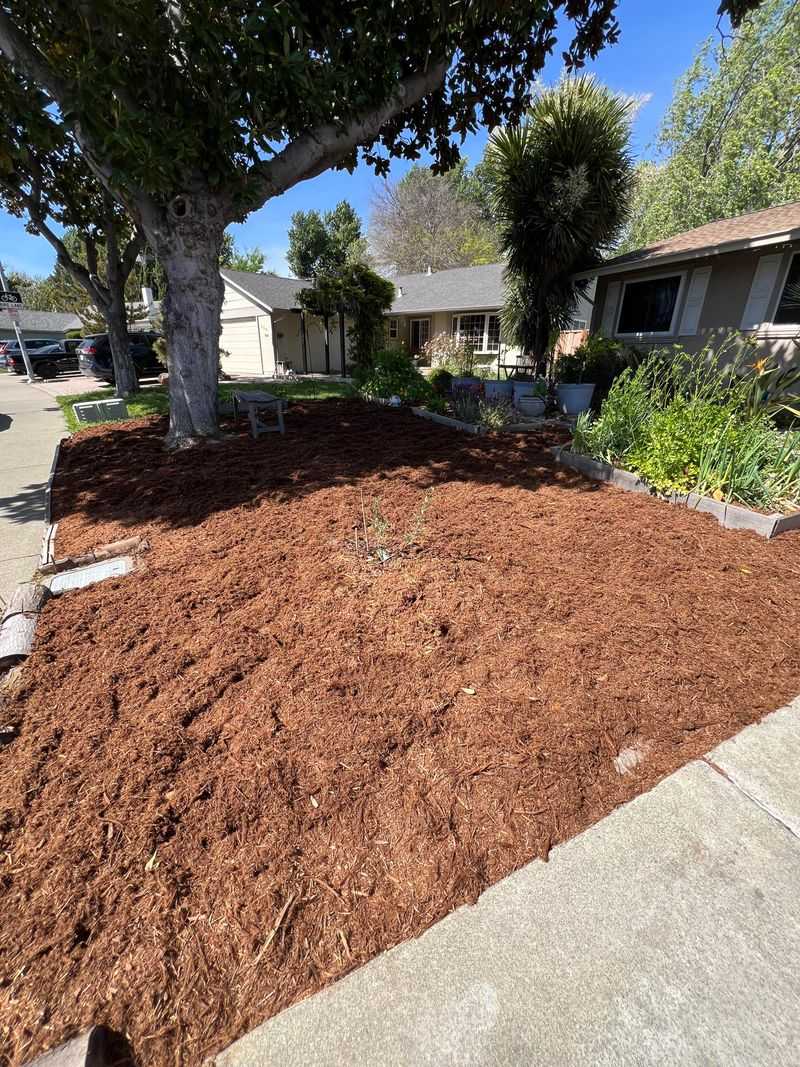
Most gardeners think about air temperature but forget what’s happening underground. Soil temperature controls everything from seed germination to nutrient uptake, and mulch has a powerful effect on those underground conditions.
In California, soil warms at different rates depending on where you garden. Coastal areas might not hit ideal planting temperatures until late May or June.
Inland valleys warm faster but can swing wildly between day and night. When you add mulch before soil reaches the right temperature range, you’re essentially hitting pause on that warming process.
Warm-season vegetables need soil around 60 to 70 degrees to really thrive. Tomatoes, peppers, squash, and beans all depend on warm soil to develop healthy root systems.
Cover that soil too early with three inches of mulch, and you’ve created a barrier that keeps things cooler longer than your plants want.
Even ornamental plants respond to soil temperature. Root growth slows in cool soil no matter how warm the air gets.
That means slower establishment, weaker plants, and less resilience when real heat arrives. Wait until soil temperatures stabilize in your area before committing to a full mulch layer.
Your California Garden Changes Every Week. Your Plan Should Too.
Gardening in California changes quickly throughout the season. Every Friday you’ll receive a simple weekly plan showing exactly what to plant, prune, fertilize, harvest, and protect so you never miss the right timing.
When Mulch Helps – And When It Hurts
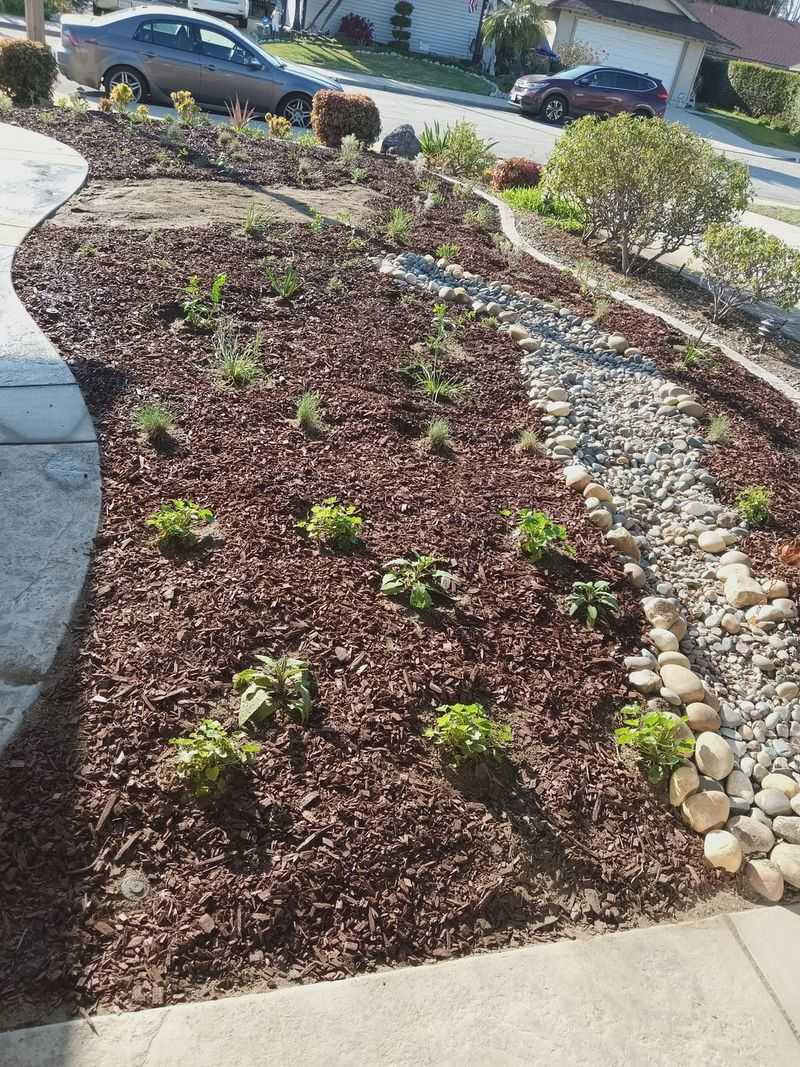
Mulch becomes your best friend once extreme heat sets in. It moderates soil temperature, reduces evaporation, and protects roots from scorching sun.
But those same benefits turn into problems if applied at the wrong time or in the wrong situation.
During California’s peak summer, when temperatures push into the 90s and above for days on end, mulch creates a buffer zone. Soil stays cooler under that protective layer, and moisture doesn’t disappear as quickly between waterings.
Plants handle stress better because their roots aren’t cooking in hot, dry ground.
Early in the season, though, mulch works against you. Cool, damp soil under mulch stays that way.
Slugs and snails love the moist hiding spots. Fungal diseases find perfect conditions.
Young plants with tender stems can develop crown rot where mulch touches them.
The key is matching mulch timing to your garden’s actual needs. If soil is still cool and moisture is abundant from spring rains, hold off.
Once temperatures stabilize, soil warms thoroughly, and you’re watering regularly to support active growth, that’s when mulch shifts from potential problem to valuable tool for managing summer extremes.
The Risk Of Trapping Spring Moisture
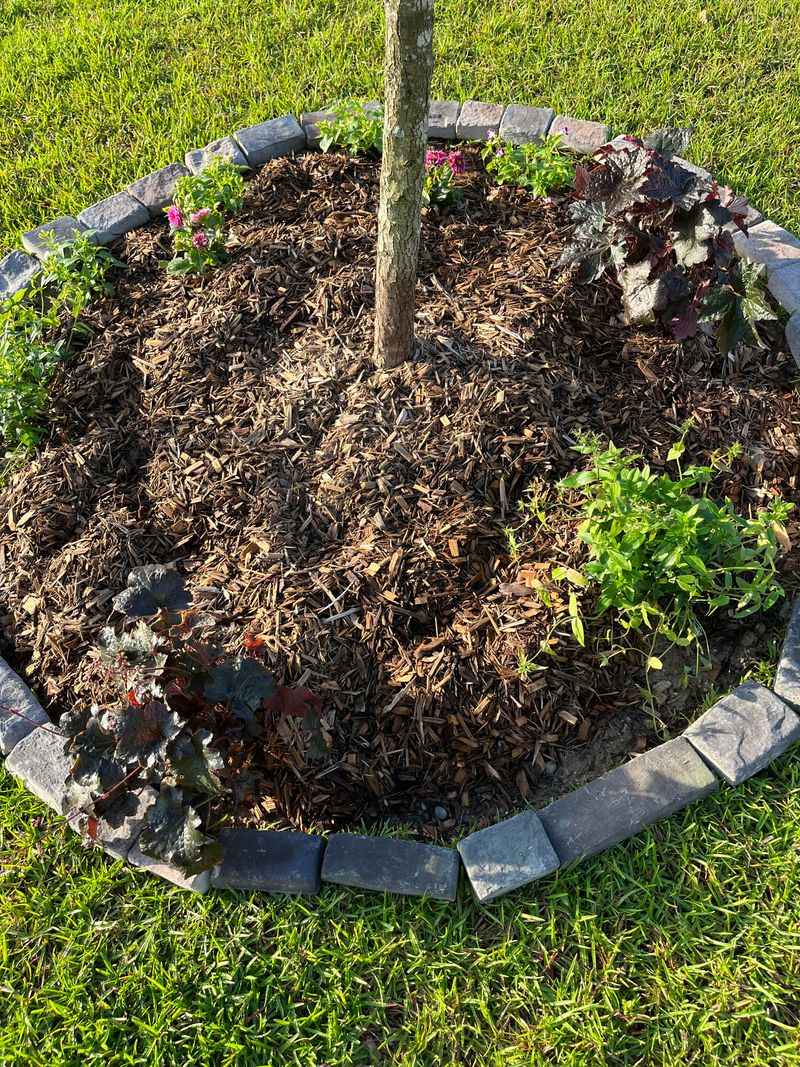
California’s winter rains finally taper off, but soil stays saturated longer than you’d expect. The ground holds that moisture deep down, and surface soil might look dry while remaining damp underneath.
This is where early mulching creates hidden trouble.
When you spread mulch over soil that’s still holding spring moisture, you’ve sealed that water in. Instead of gradually drying and warming as it should, the soil stays wet and cool.
Plant roots sitting in that environment struggle with reduced oxygen. They can’t grow properly and become vulnerable to root diseases.
Mediterranean climate plants especially hate this situation. They’re adapted to wet winters and dry summers, with a transition period where soil dries out naturally.
Interrupt that cycle with premature mulch, and you’re fighting against what these plants expect and need. Lavender, rosemary, and California natives can actually decline when kept too moist as temperatures rise.
Check soil moisture before mulching by digging down several inches. If it’s still consistently damp below the surface, wait.
Let the soil breathe and adjust to seasonal changes. Once it’s drying appropriately and you’re beginning regular summer irrigation, then mulch helps maintain the moisture you’re adding rather than trapping leftover spring wetness.
The Right Mulch For Hot Weather
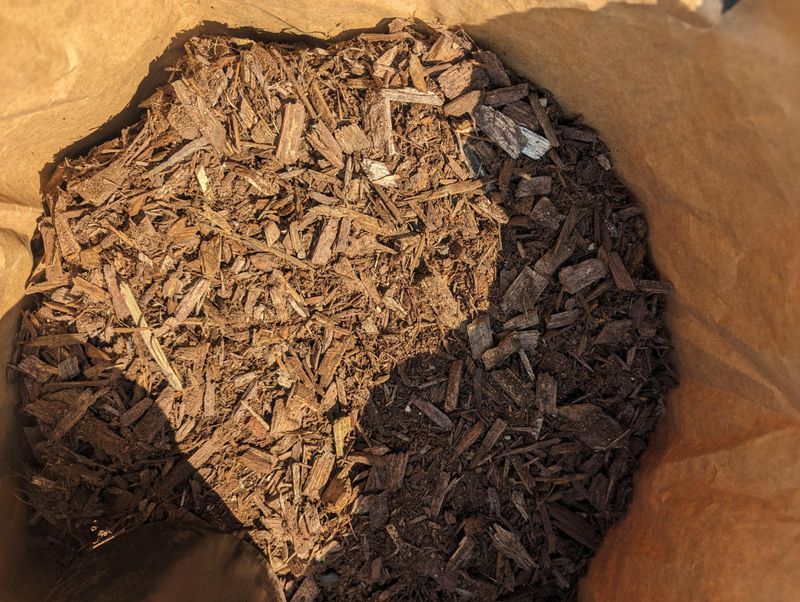
Not all mulch handles California heat the same way. Some materials reflect heat, others absorb it.
Some break down quickly in hot conditions, while others last through multiple summers. Choosing the wrong type means you’re either replacing mulch constantly or dealing with unexpected problems.
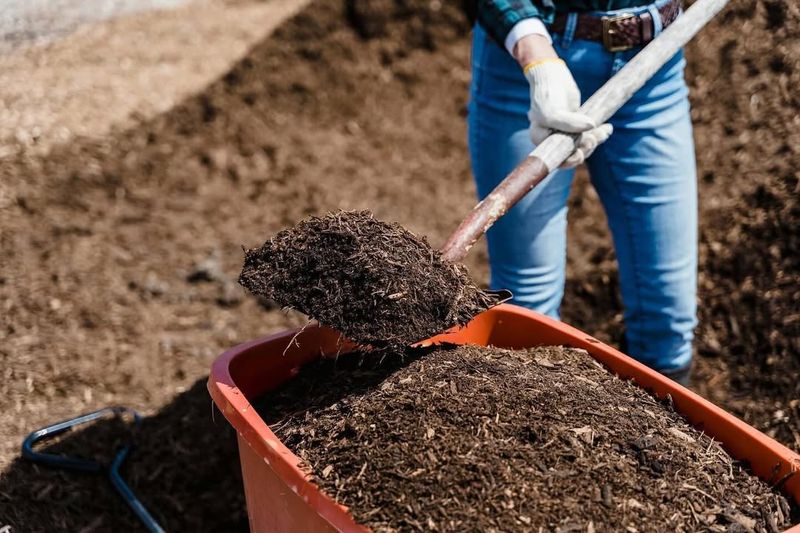
Wood chips and shredded bark are popular because they last and look neat. They work well once heat arrives, insulating soil and breaking down slowly to add organic matter.
But they can tie up nitrogen as they decompose, so you might need extra fertilizer. Avoid piling them against plant stems where heat and moisture together encourage rot.
Straw and dried grass clippings break down faster, which adds nutrients but means reapplying more often. They’re lighter colored, so they reflect some heat rather than absorbing it all.
Good for vegetable gardens where you want that nutrient boost, but they can look messy and blow around in dry conditions.
Compost works as mulch too, though it’s thinner and breaks down quickly in heat. It feeds the soil directly but needs frequent topping up.
Rock mulch stays put and never decomposes, but it absorbs and radiates heat, making it wrong for most planting beds during extreme temperatures. Match your mulch choice to both your plants’ needs and your climate reality.
Signs Your Garden Isn’t Ready
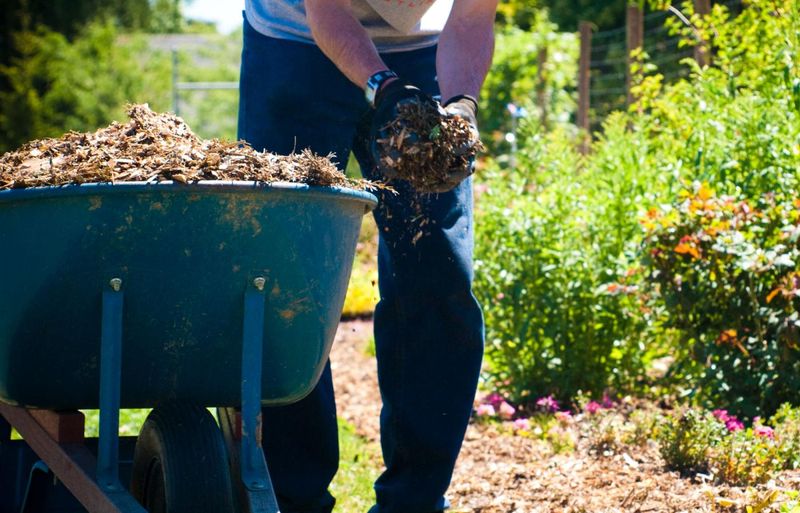
Your garden tells you when it’s ready for mulch if you know what to look for. Rushing in before these signs appear means you’re fighting against natural seasonal rhythms instead of working with them.
First, check your plants’ growth rate. If warm-season vegetables or annuals are growing slowly despite decent weather, soil temperature is likely the issue.
Adding mulch now would make that problem worse by keeping soil cooler longer. Wait until you see vigorous, steady growth that indicates roots are happy with current conditions.
Look at soil surface moisture too. If the top few inches stay damp for days after rain or watering, even in sunny spots, that soil isn’t ready.
It needs time to warm and dry to appropriate levels. Mulching over consistently damp soil creates the trapped moisture problems that lead to disease.
Watch for late spring rains in the forecast. If significant rain is coming, hold off on mulching until after it passes and soil has time to adjust.
California weather can surprise you with late storms, especially in northern areas or higher elevations.
Finally, consider your location’s typical pattern. Coastal gardens might not be ready until June.
Inland valleys could be ready by late April. Learn your specific microclimate’s rhythm rather than following a calendar date.
Best Time To Mulch Before Summer Heat
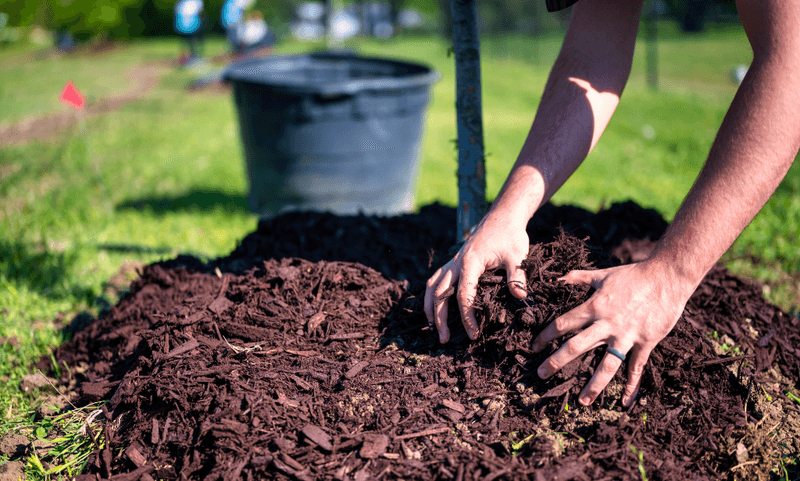
Timing mulch application right means catching that window after soil has warmed and plants are actively growing, but before extreme heat really sets in.
In most of California, that window opens somewhere between mid-May and early June, depending on your exact location.
Coastal gardeners should wait longer because marine layer and cool ocean breezes keep soil temperatures lower well into late spring. Inland valleys and foothill areas warm faster, so the mulching window opens earlier.
Desert regions have a different pattern entirely, where you might mulch in early spring before heat becomes dangerous, then refresh it as temperatures climb.
The ideal moment is when you’ve transitioned to regular summer watering, soil stays warm day and night, and plants show strong, vigorous growth. At this point, mulch enhances what’s already working rather than interfering with seasonal adjustment.
You’re locking in good conditions instead of problematic ones.
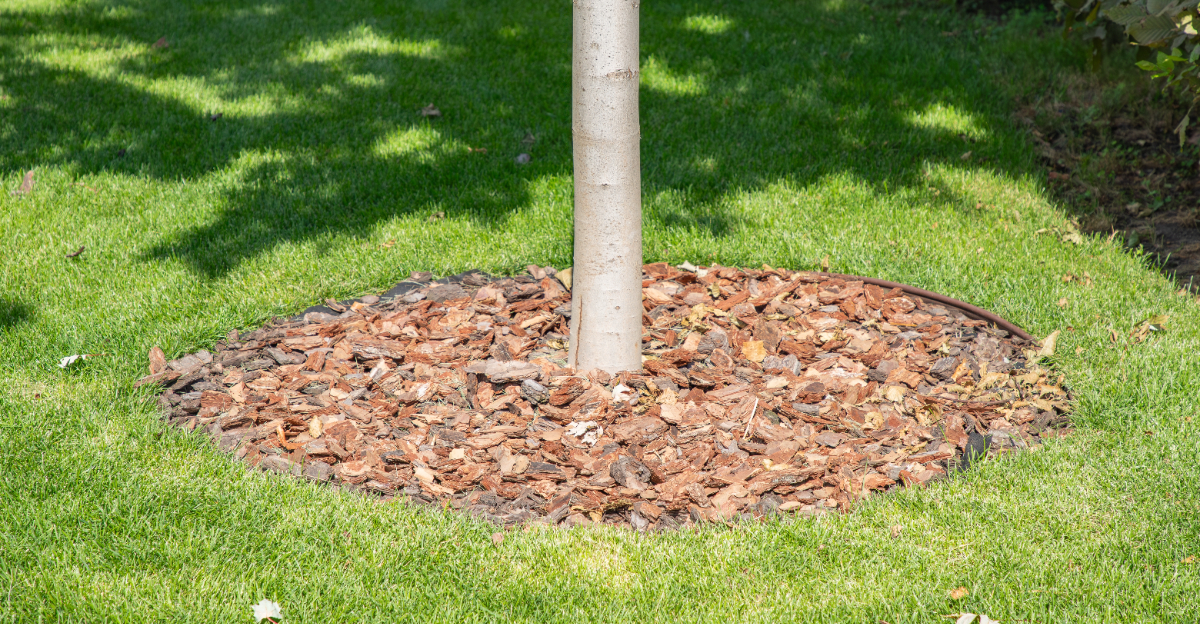
Apply mulch in a two to three inch layer, keeping it pulled back a few inches from plant stems and tree trunks. This allows air circulation while still providing the temperature and moisture benefits you want.
Check mulch depth periodically through summer because it settles and breaks down, especially lighter materials. Refresh as needed to maintain effectiveness through the hottest months ahead.