9 Reliable Container Plants For Arizona’s Chilly Nights And Bright Afternoons
Arizona’s weather can be extreme, swinging from chilly mornings to blazing afternoons in the same day, and container plants face the brunt of it.
If you want pots that actually survive and still look great year-round, choosing resilient varieties makes all the difference.
The right plants can handle cool nights without damage and bounce back from intense sun without wilting or fading.
Container gardening in Arizona demands plants that thrive under this kind of daily stress. Some varieties store water efficiently, others have tough foliage that resists scorching, and a few naturally tolerate temperature swings better than most.
When paired correctly, they keep your containers full, healthy, and visually appealing.
Picking reliable container plants gives your patios, balconies, or porches a consistent and polished look. When plants can handle both cold mornings and hot afternoons, your Arizona containers stay vibrant, balanced, and effortless to enjoy through the seasons.
1. Lantana Thrives In Arizona’s Bright Days And Cool Desert Nights
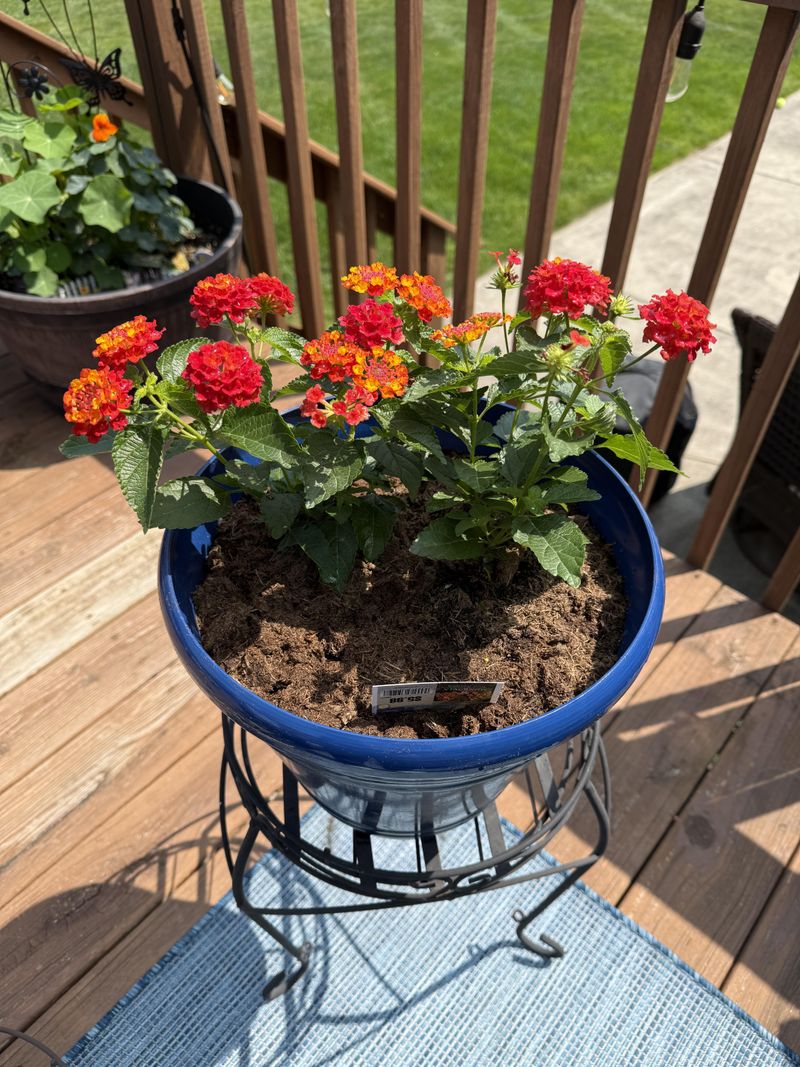
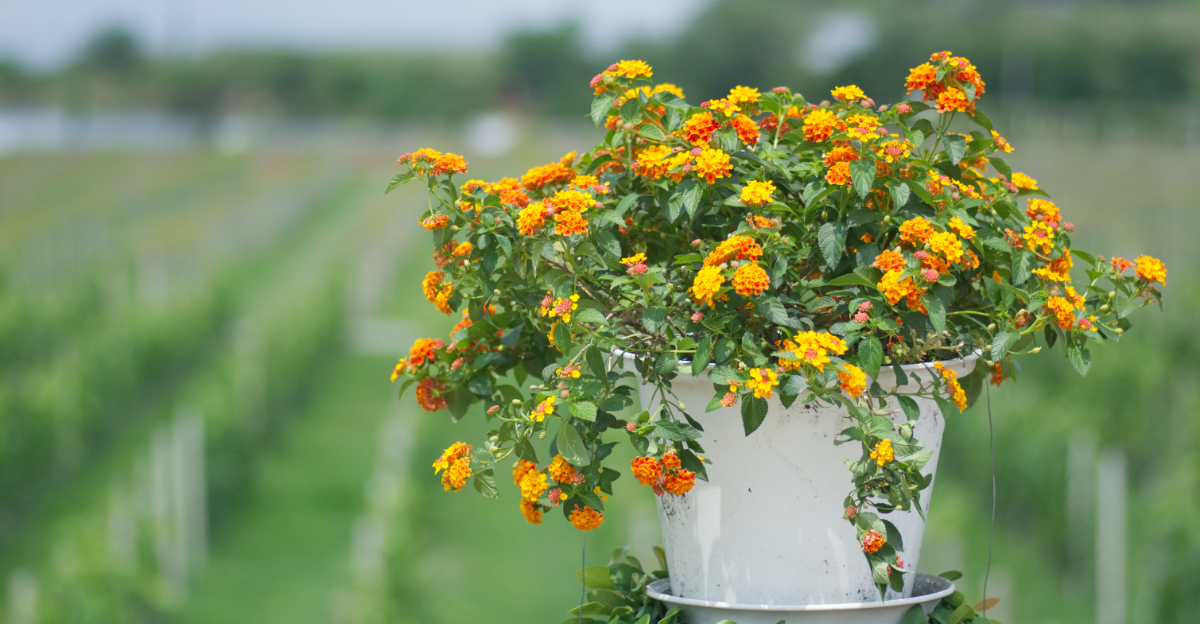
Bright clusters of orange, yellow, pink, and purple flowers make lantana a showstopper in any Arizona container garden. This tough plant laughs at temperature drops and bounces back quickly from chilly nights that would stress other bloomers.
Lantana actually grows stronger with Arizona’s intense afternoon sun, producing more flowers when other plants might wilt.
Container-grown lantana needs well-draining soil and surprisingly little water once established. The plant’s woody stems develop quickly, creating a full, bushy appearance within weeks of planting.
Butterflies and hummingbirds visit lantana constantly, adding movement and life to your outdoor space.
Arizona’s dry air doesn’t bother this desert-adapted bloomer one bit. Lantana handles both Tucson’s scorching days and Flagstaff’s cooler mountain conditions with equal success.
Pinch back leggy growth occasionally to keep plants compact and encourage more flowering branches.
Different lantana varieties offer trailing or upright growth habits, giving you options for mixed containers or standalone displays. The plant’s heat tolerance means you won’t spend summer evenings watering desperately.
Cool spring and fall nights in Phoenix won’t slow down lantana’s blooming cycle, making it reliable when temperatures fluctuate wildly between day and night.
2. Bacopa Softens Containers While Handling Temperature Swings
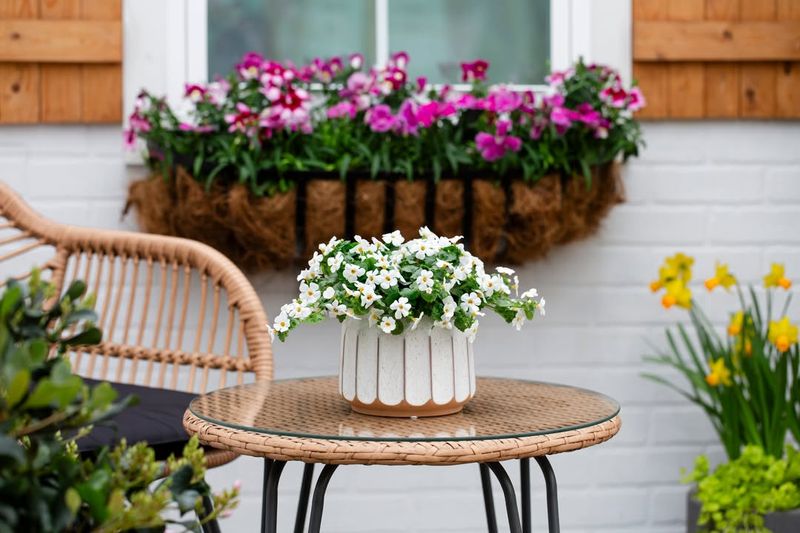
Delicate white or lavender flowers cover bacopa in waves, creating a soft, romantic look that contrasts beautifully with Arizona’s harsh landscape. Those tiny blooms appear continuously, even when nighttime temperatures dip into the 40s.
Bacopa’s trailing stems spill gracefully over container edges, softening hard lines and adding dimension to your arrangements.
This plant prefers consistent moisture but forgives occasional drying out better than you’d expect. Bacopa works wonderfully as a filler in mixed containers, weaving between upright plants and creating layers of texture.
The flowers may seem fragile, but they’re surprisingly tough against both sun and sudden cold snaps.
Arizona gardeners appreciate bacopa’s ability to bloom through spring and fall when temperatures vary dramatically. Morning sun with afternoon shade works best, though containers in full sun can succeed with regular watering.
Your Arizona Garden Changes Every Week. Your Plan Should Too.
Gardening in Arizona changes quickly throughout the season. Every Friday you’ll receive a simple weekly plan showing exactly what to plant, prune, fertilize, harvest, and protect so you never miss the right timing.
The plant naturally mounds and trails, filling spaces quickly without becoming aggressive or overwhelming companions.
Bacopa pairs well with bolder bloomers, providing a gentle backdrop that makes other colors pop. Tucson’s variable spring weather doesn’t faze this adaptable plant.
Trim back stems occasionally to encourage fresh growth and prevent legginess, keeping your containers looking full and lush throughout the growing season.
3. Pentas Keep Blooming Even With Arizona’s Afternoon Sun
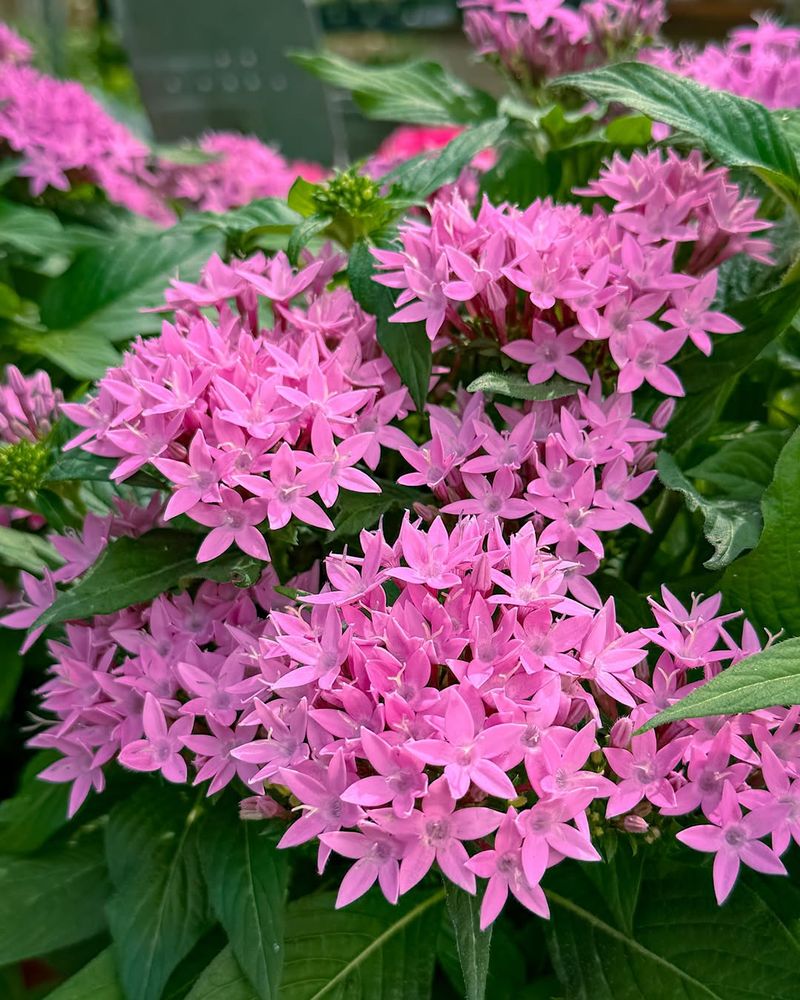
Star-shaped flowers in red, pink, white, and lavender form dense clusters atop pentas, creating bold splashes of color that last for months.
These plants absolutely love Arizona’s bright afternoon sun, producing more blooms when exposed to intense light that would scorch less tolerant species.
Pentas handle temperature swings remarkably well, continuing to flower even when nights cool down significantly.
Butterflies swarm to pentas like nowhere else, making your containers a constant source of entertainment and natural beauty. The plant’s upright growth habit works perfectly as a thriller in container arrangements, providing height and structure.
Pentas require moderate watering and benefit from occasional deadheading, though they’ll keep blooming even if you forget.
Arizona’s dry climate suits pentas perfectly since they prefer lower humidity than many flowering plants. Phoenix gardeners find pentas reliable from spring through fall, with blooms persisting until the first hard freeze.
The plants grow quickly, filling containers within a few weeks of planting.
Pentas tolerate both clay and plastic containers as long as drainage is adequate. Their tough nature means you won’t baby them constantly, yet they deliver consistent color and pollinator activity.
Mix different pentas colors in large containers for maximum visual impact throughout Arizona’s long growing season.
4. Zinnias Stay Colorful Through Crisp Nights And Warm Days
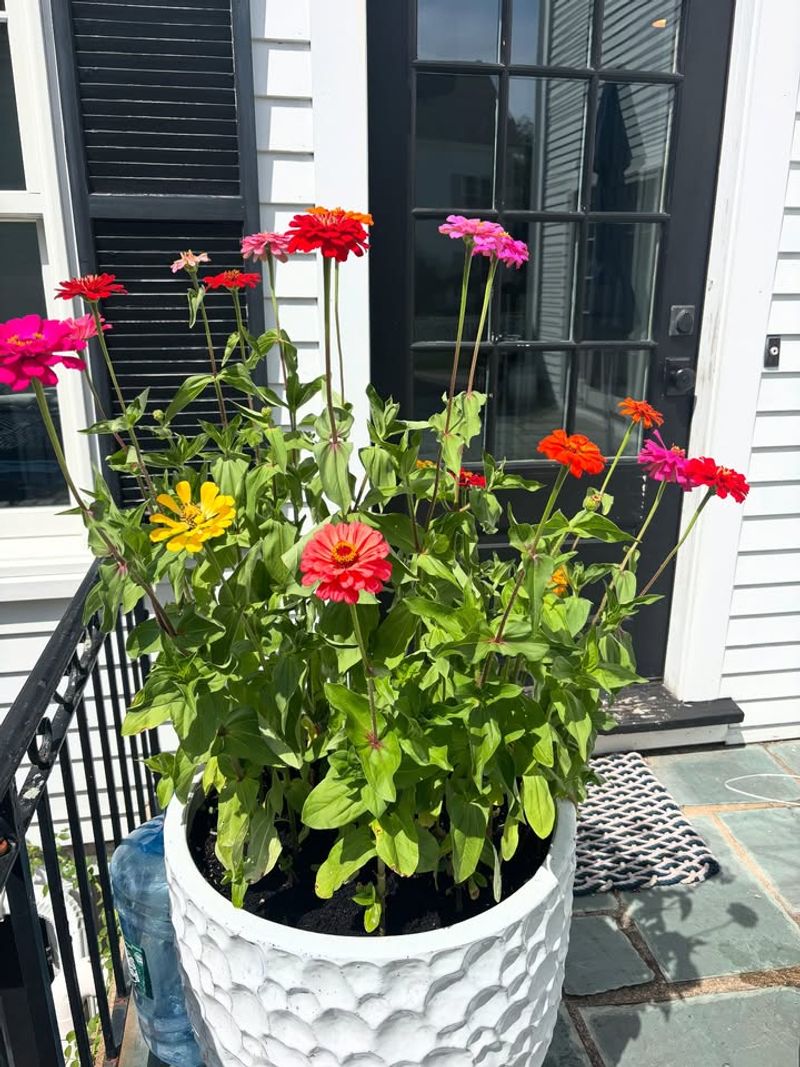
Few flowers offer zinnia’s incredible color range, from soft pastels to electric neons, all blooming simultaneously in your containers.
These cheerful bloomers handle Arizona’s temperature fluctuations without missing a beat, producing fresh flowers even after chilly nights.
Zinnias grow fast, transforming from seedlings to full-blooming plants in just weeks.
Arizona’s low humidity actually helps zinnias avoid the powdery mildew that plagues them in humid climates. The flowers last long both on plants and in cut arrangements, giving you multiple ways to enjoy their beauty.
Zinnias prefer full sun and reward that exposure with abundant blooms that attract butterflies constantly.
Container-grown zinnias need regular watering but tolerate brief dry spells better than their delicate appearance suggests. Deadheading encourages more flowers, though even neglected plants continue blooming generously.
The sturdy stems hold up well in Arizona winds that can damage more fragile bloomers.
Tucson gardeners love how zinnias fill containers quickly and bloom nonstop from late spring through fall. Different varieties offer heights from six inches to three feet, letting you customize containers for any space.
Zinnias pair beautifully with ornamental grasses or trailing plants, creating dynamic container combinations that change as the season progresses in Arizona’s unique climate.
5. Portulaca Loves The Sun And Shrugs Off Dry Desert Air
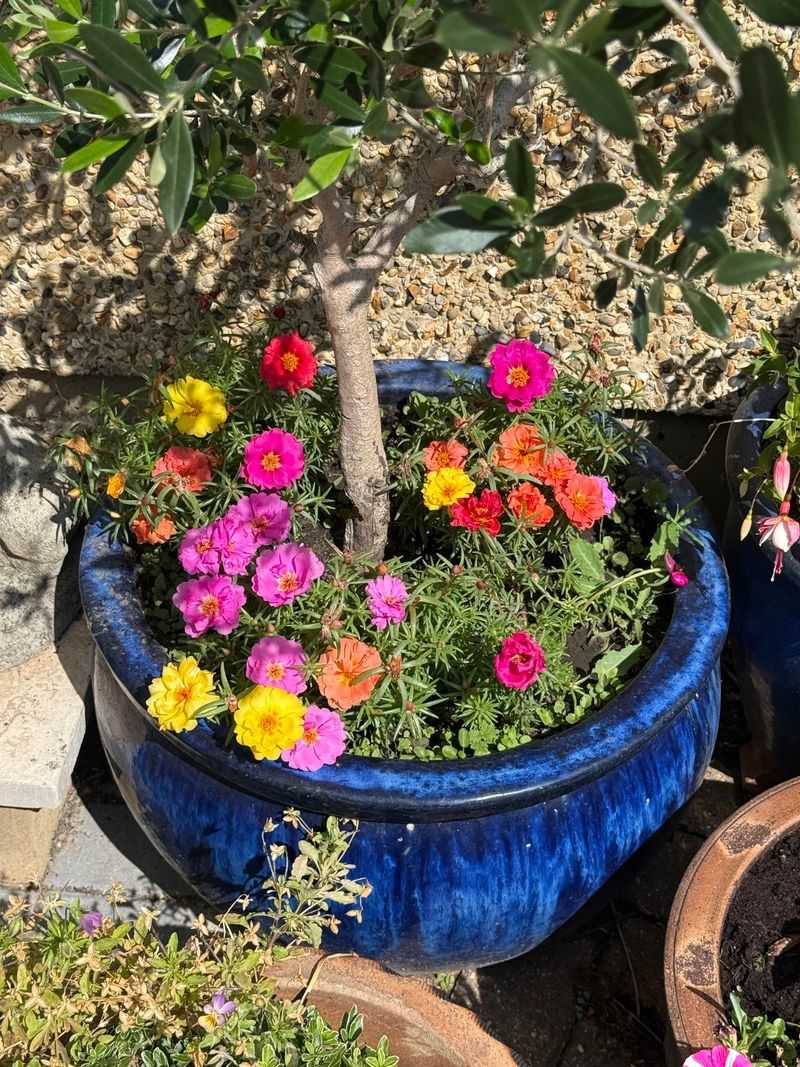
Succulent leaves and jewel-toned flowers make portulaca a natural fit for Arizona container gardens. This low-growing plant opens its brilliant flowers in full sun, closing them at night or on cloudy days in a fascinating daily rhythm.
Portulaca’s drought tolerance is legendary, surviving forgotten waterings that would finish off less adapted plants.
The fleshy stems spread quickly, covering container surfaces with a carpet of color in shades of orange, yellow, pink, red, and white. Arizona’s intense afternoon sun actually improves portulaca’s performance, encouraging more blooms and compact growth.
Cool nights don’t slow this tough plant down, as it continues flowering through temperature swings.
Portulaca works beautifully in shallow containers, window boxes, or as groundcover beneath taller plants. The succulent foliage stores water efficiently, making this plant nearly carefree once established.
Phoenix gardeners appreciate how portulaca thrives in spots where other plants struggle with heat and dryness.
This plant self-seeds readily, often returning year after year in the same containers without replanting. Portulaca requires minimal fertilizer and actually prefers lean soil conditions.
The flowers close at night and on overcast days, but when sun hits them, they open into stunning displays that brighten any Arizona outdoor space throughout the warmest months.
6. Geraniums Handle Cool Nights Better Than Many Expect
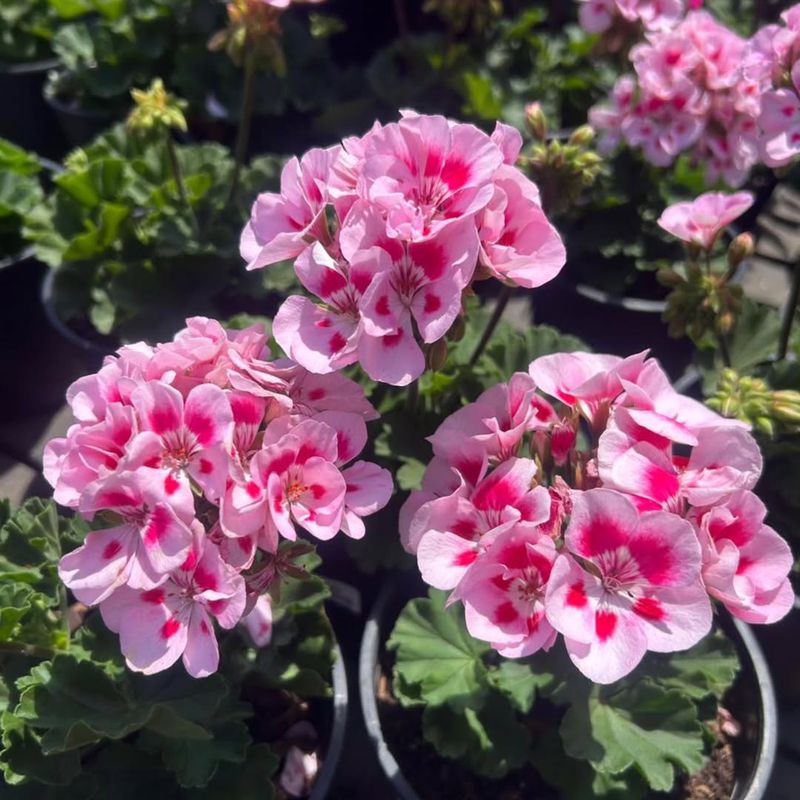
Bold flower clusters in red, pink, coral, and white sit atop sturdy stems, making geraniums classic container plants that work beautifully in Arizona. Many gardeners don’t realize how well geraniums tolerate cool nights, continuing to bloom when temperatures drop into the 40s.
These reliable bloomers handle Arizona’s bright afternoon sun without wilting, maintaining their appearance through long, hot days.
Geraniums prefer drying out slightly between waterings, making them perfect for Arizona’s low-humidity conditions. The thick stems and leaves store moisture efficiently, helping plants survive if you forget to water occasionally.
Deadheading spent blooms keeps plants looking tidy and encourages continuous flowering.
Tucson and Phoenix gardeners find geraniums especially valuable during spring and fall when temperature swings are most dramatic. The plants tolerate both heat and cold better than their reputation suggests.
Geraniums work well as standalone container plants or mixed with trailing companions for added interest.
These plants actually perform better in Arizona’s dry air than in humid climates where disease problems are common. Geraniums bloom reliably for months with minimal care, needing only occasional fertilizer and regular watering.
The sturdy growth habit withstands wind, and the flowers hold up well in bright light, making geraniums dependable choices for Arizona container gardens year after year.
7. Wedelia Spills Beautifully Over Pots In Bright Arizona Light
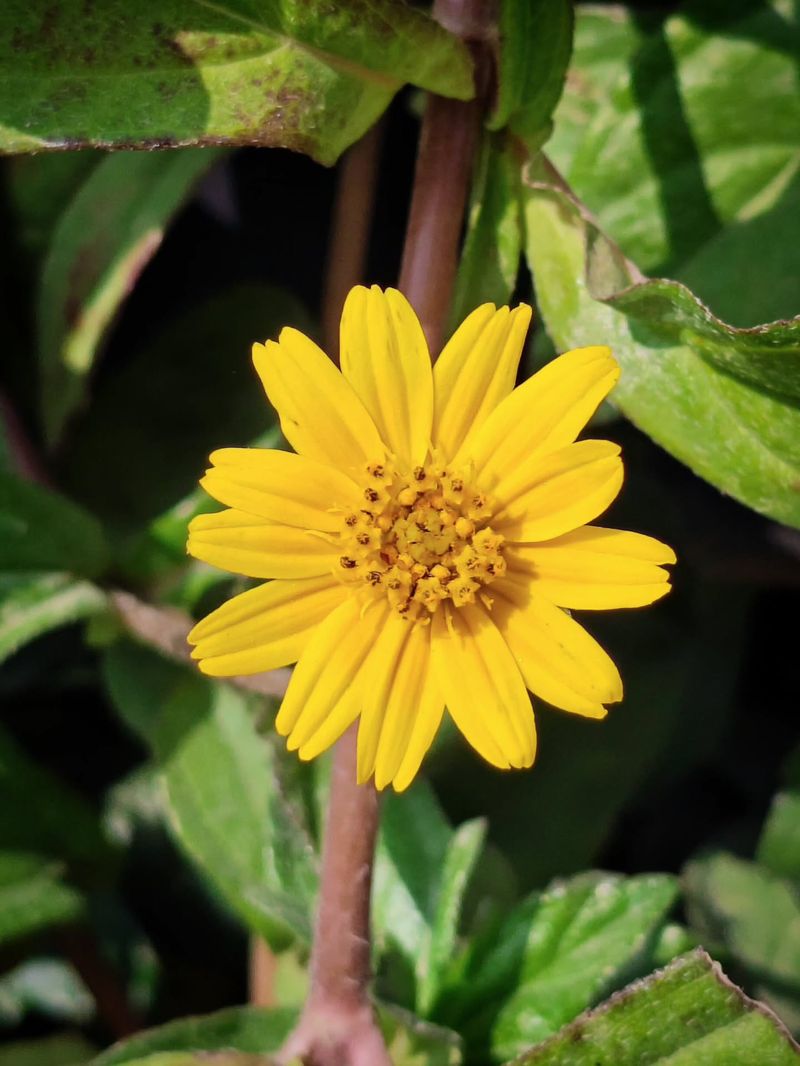
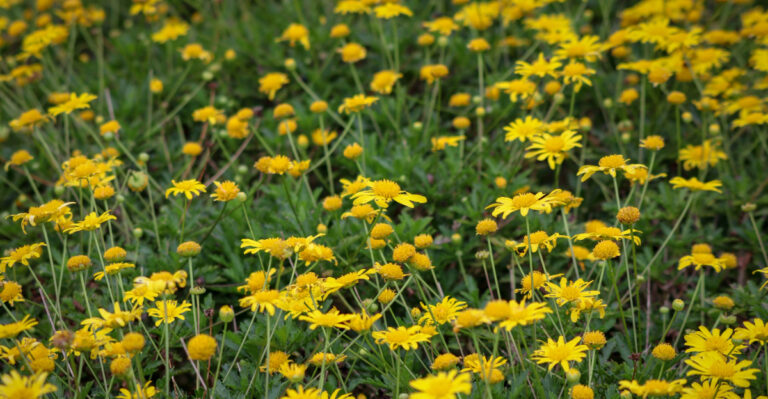
Cheerful yellow daisy-like flowers cover wedelia continuously, creating a sunny display that brightens any Arizona container garden. This vigorous trailer spills dramatically over pot edges, softening hard surfaces and adding movement to your outdoor space.
Wedelia handles both intense sun and cool nights without complaint, maintaining its blooming cycle through Arizona’s temperature fluctuations.
The plant’s spreading habit fills containers quickly, creating full, lush displays within weeks of planting. Wedelia tolerates heat that would stress many trailing plants, thriving in Arizona’s challenging afternoon sun.
The flowers appear year-round in mild Arizona winters, giving you color even during cooler months.
Arizona gardeners appreciate wedelia’s drought tolerance once established, though regular watering produces the best flowering. The plant works wonderfully in hanging baskets, tall containers, or mixed arrangements where its trailing stems can cascade freely.
Wedelia’s fast growth means you’ll trim it occasionally to control spread, but that’s a small price for its reliable performance.
This plant attracts butterflies while requiring minimal maintenance beyond watering and occasional pruning. Phoenix and Tucson gardeners find wedelia especially valuable for filling large containers quickly with color.
The bright yellow flowers contrast beautifully with purple or red bloomers in mixed plantings, creating eye-catching combinations that perform reliably through Arizona’s unique climate challenges.
8. Snapdragons Perform Strongly During Arizona’s Cooler Seasons
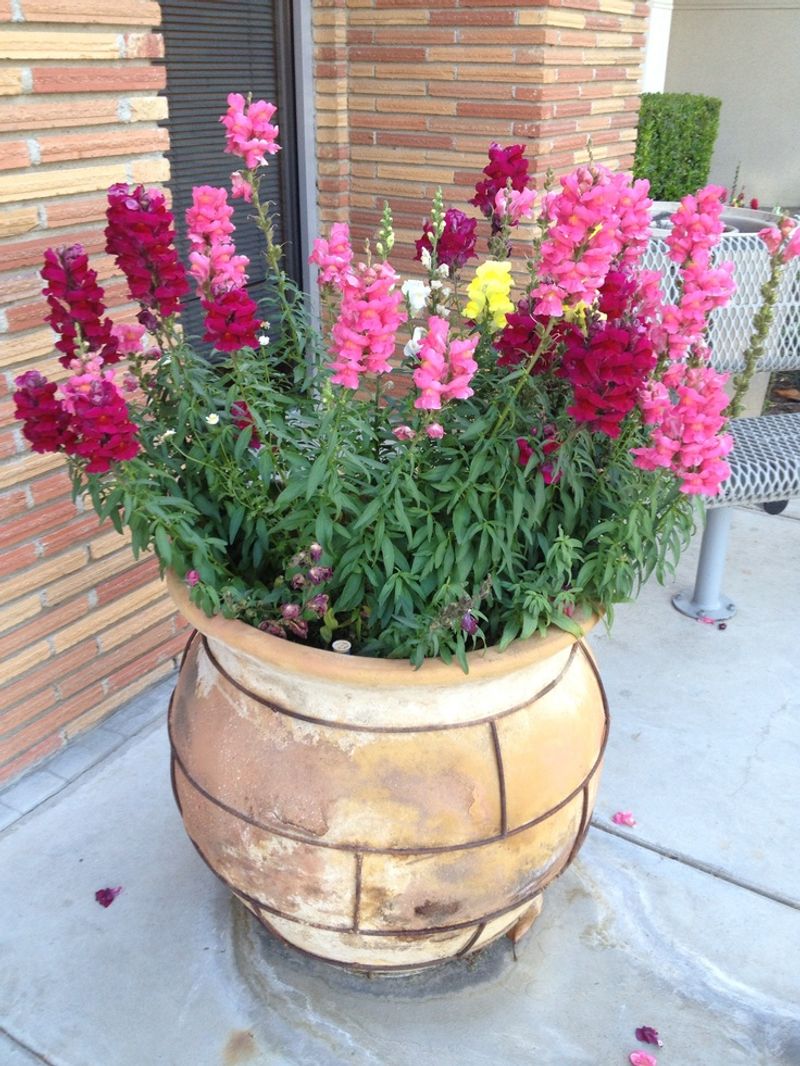
Vertical flower spikes in nearly every color imaginable make snapdragons standout container plants for Arizona’s cooler months.
These charming bloomers actually prefer the temperature swings of spring and fall, producing their best displays when nights are chilly and days are warm.
Snapdragons handle light frosts that would damage more tender plants, extending your container color well into winter in many Arizona locations.
The unique flower shape attracts bees while providing interesting texture in container arrangements. Snapdragons grow quickly from transplants, reaching full bloom within weeks.
Arizona’s bright sun encourages sturdy growth and abundant flowering, especially during spring and fall when conditions are ideal.
Flagstaff gardeners enjoy snapdragons through summer, while Phoenix and Tucson residents plant them for fall, winter, and spring color. The plants prefer regular watering but tolerate brief dry periods.
Taller varieties provide height in mixed containers, while dwarf types work well in smaller pots or as front-of-container plantings.
Snapdragons bloom continuously for months with occasional deadheading, giving you long-lasting color during Arizona’s most pleasant weather. The flowers also make excellent cuts for indoor arrangements.
Cool nights actually improve snapdragon performance, making them perfect for Arizona’s variable spring and fall temperatures when other plants struggle with the fluctuations between day and night.
9. Dusty Miller Holds Its Shape Through Sun And Sudden Chill
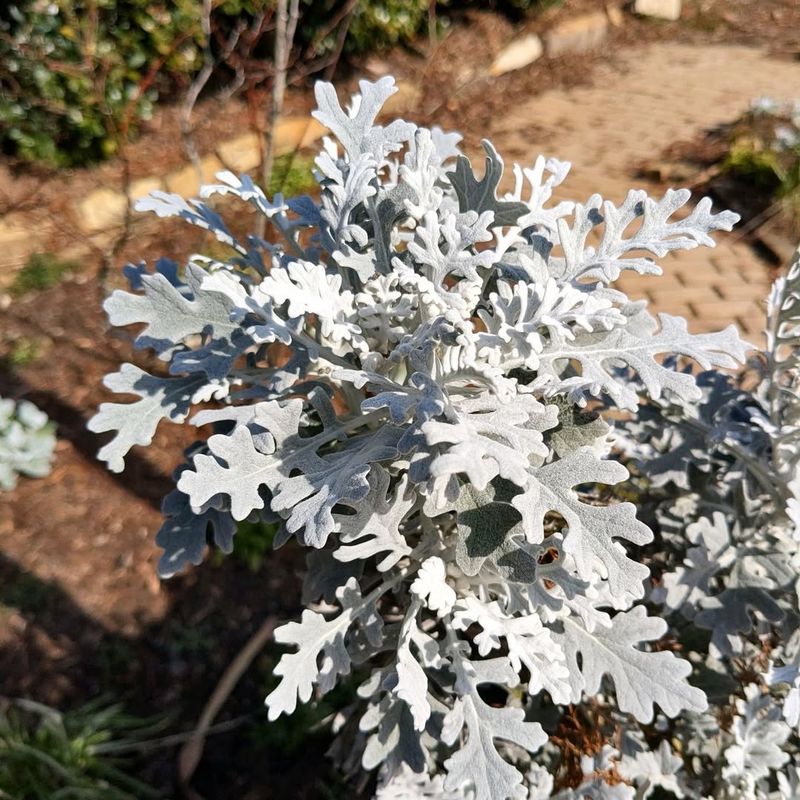
Silvery-gray foliage creates stunning contrast in Arizona container gardens, making dusty miller an invaluable accent plant. While not grown for flowers, dusty miller’s textured leaves provide year-round interest that doesn’t fade or wilt.
This tough plant handles both scorching afternoon sun and surprisingly cold nights, maintaining its appearance through Arizona’s wildest temperature swings.
The silvery color reflects light beautifully, brightening shady spots and cooling the visual temperature of hot-colored flower combinations. Dusty miller tolerates drought well once established, though regular watering keeps foliage looking its best.
The compact growth habit stays neat without constant trimming, making maintenance minimal.
Arizona’s intense sun actually enhances dusty miller’s silver coloring, making it more dramatic than in shadier climates. The plant works perfectly as a filler or spiller in mixed containers, providing texture that complements any flower color.
Dusty miller handles wind, heat, and cold without losing its shape or appeal.
Tucson and Phoenix gardeners use dusty miller year-round, as it tolerates both summer heat and winter cold. The plant rarely needs replacing, often lasting multiple seasons in the same container.
Dusty miller’s neutral color bridges gaps between bold bloomers, creating cohesive container designs that look professional and polished throughout Arizona’s challenging growing conditions and dramatic daily temperature variations.