9 Resilient Plants That Bring Life To Your Georgia Garden’s Deep Shade
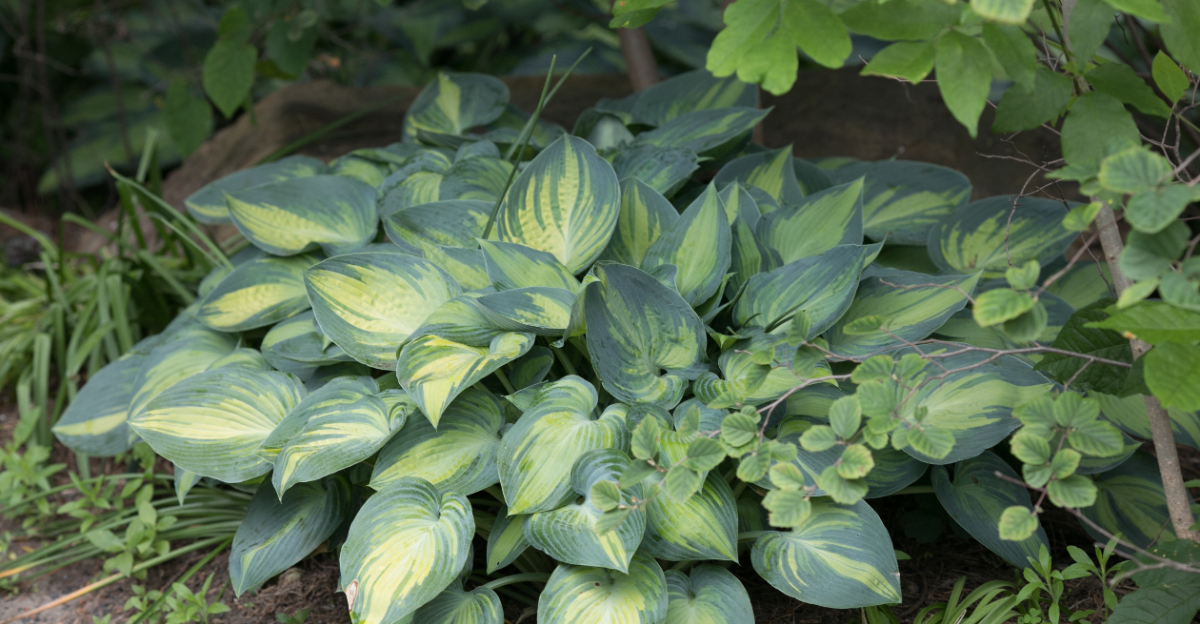
Shaded areas in Georgia gardens can feel empty or lifeless, but the right plants can completely transform those dark corners into lush, thriving spaces.
If you struggle with spots that never seem to bloom or hold color, choosing resilient shade-tolerant plants is the solution.
These varieties thrive without constant attention, fill gaps with rich foliage, and keep your garden looking lively even under thick tree cover.
Plants that handle deep shade can still provide texture, contrast, and seasonal interest. Ferns, hostas, and certain flowering perennials bring layers of green, subtle color, and movement that make shaded areas feel intentional rather than forgotten.
By selecting hardy shade-loving species, you turn previously neglected corners into vibrant extensions of your garden. With thoughtful placement and reliable plants, even the darkest areas in your Georgia garden can feel full of life and beauty.
1. Hostas Fill Georgia’s Darkest Corners With Bold, Lush Foliage
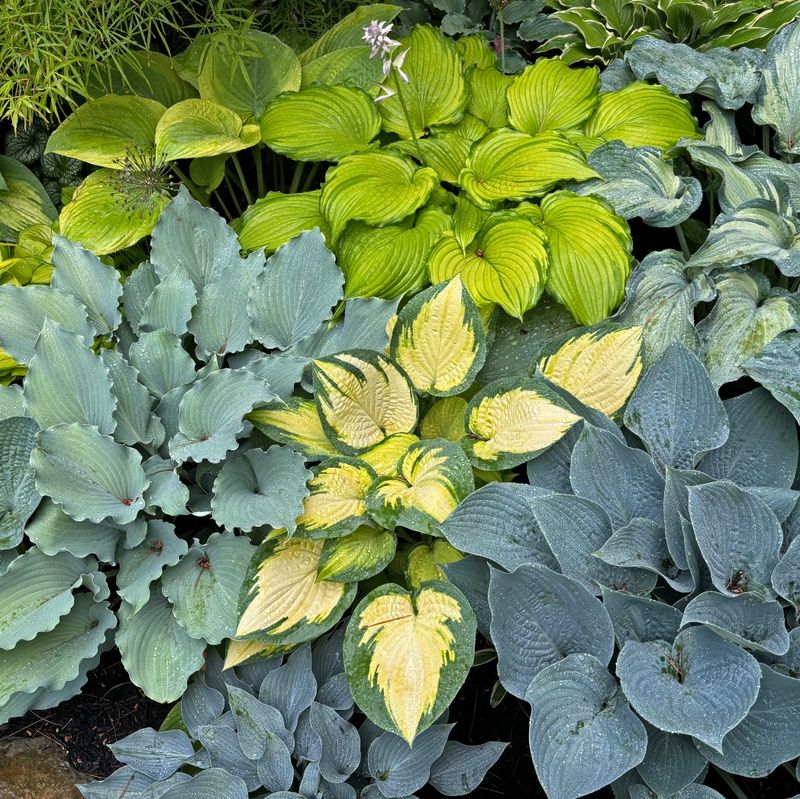
Hostas have earned their reputation as the workhorses of shade gardens across Georgia, and for good reason.
Their thick, textured leaves come in every shade of green imaginable, plus blues, golds, and stunning variegated patterns that brighten even the darkest spots.
Some varieties grow as small as six inches tall, perfect for edging pathways, while others reach three feet across and create dramatic focal points.
Georgia’s warm nights and ample rainfall create ideal conditions for these perennials. They emerge fresh each spring, unfurling their leaves like green scrolls, and many varieties send up lovely lavender or white flower spikes in summer.
Slugs can be troublesome during wet springs, but a bit of organic bait keeps them under control.
Plant them in groups of three or five for maximum impact, mixing different leaf colors and textures. The blue-leaved varieties tend to hold their color best in deeper shade, while golden hostas need a touch more light to maintain their brightness.
Once established, they’ll return reliably year after year, spreading slowly to fill bare ground.
Water them regularly during their first season, then they’ll tolerate dry spells surprisingly well. Just remember that deer find hostas absolutely irresistible, so consider fencing or repellents if you have browsing visitors in your Georgia neighborhood.
2. Japanese Painted Fern Brightens Deep Shade With Soft Silver Tones
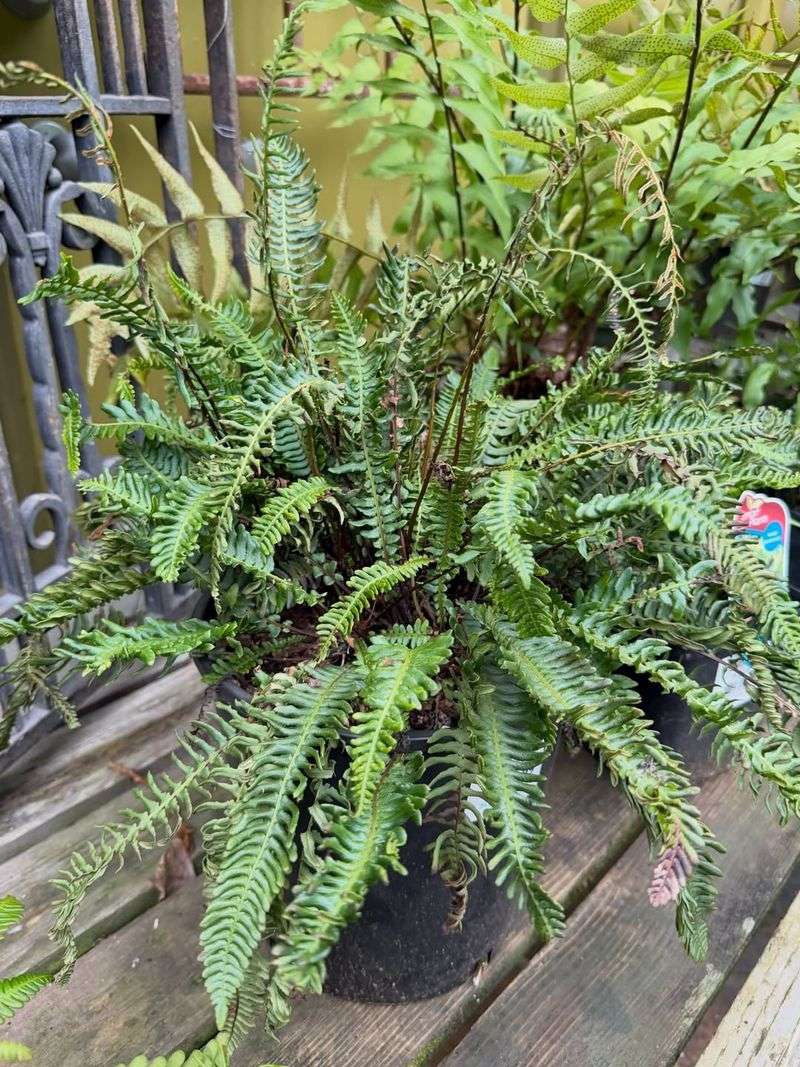
Few plants capture attention quite like Japanese painted fern with its metallic silver fronds brushed with shades of burgundy and green. This elegant fern breaks all the rules about shade plants being boring or monochromatic.
Its arching fronds seem to glow in low light, creating an almost luminous effect beneath Georgia’s towering pines and hardwoods.
Unlike some ferns that grow aggressively, this beauty stays compact, typically reaching 12 to 18 inches tall and wide. It pairs beautifully with hostas, coral bells, and other shade lovers, adding a soft texture that contrasts nicely with broader leaves.
The wine-colored stems add an extra layer of visual interest that intensifies as the season progresses.
Georgia’s humid summers suit this fern perfectly, though it appreciates consistent moisture and soil enriched with compost or leaf mold. Mulch around the base helps retain moisture and keeps roots cool during hot stretches.
Your Georgia Garden Changes Every Week. Your Plan Should Too.
Gardening in Georgia changes quickly throughout the season. Every Friday you’ll receive a simple weekly plan showing exactly what to plant, prune, fertilize, harvest, and protect so you never miss the right timing.
The fronds look fresh through fall, then fade gracefully with the first hard frost.
Plant them along shaded pathways where you’ll notice their subtle beauty up close, or group several together for a drift of silvery color.
They’re surprisingly tough once settled in, handling Georgia’s occasional drought periods better than their delicate appearance suggests.
Division every few years keeps them vigorous and gives you extras to spread throughout your garden.
3. Sweet Woodruff Spreads Gently Beneath Georgia’s Tall Trees
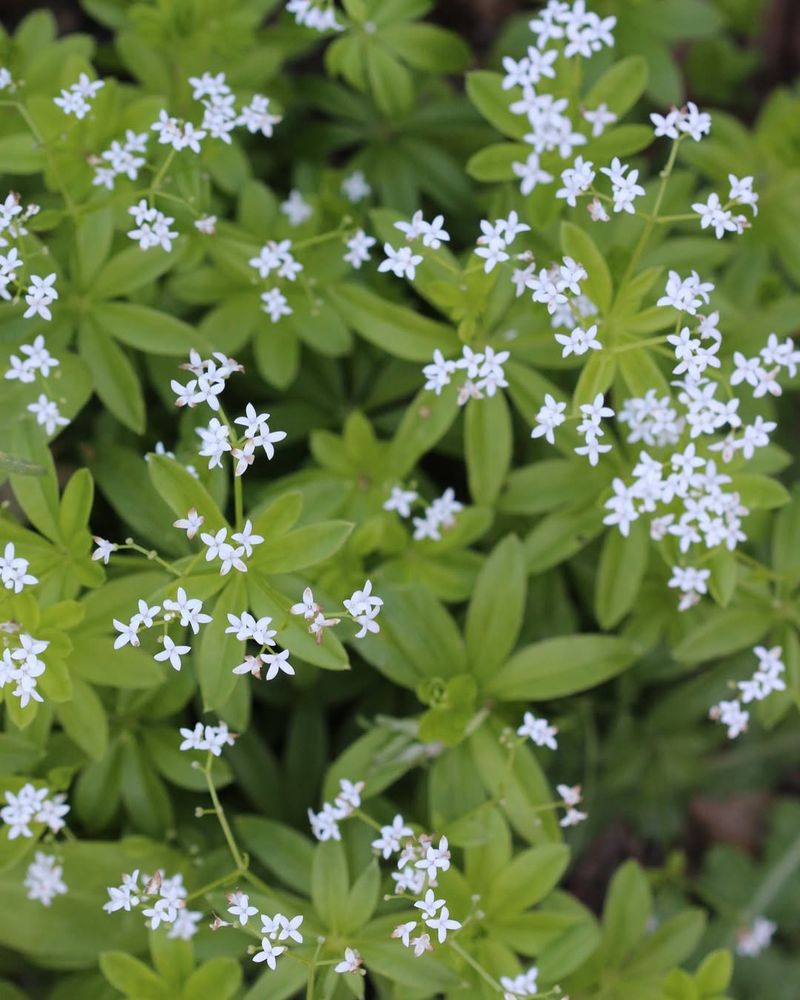
Sweet woodruff offers something special for Georgia gardeners dealing with dry shade under established trees where grass refuses to grow. This low-growing groundcover forms a dense carpet of whorled leaves topped with delicate white flowers in spring.
The foliage releases a pleasant vanilla-like scent when brushed or crushed, adding a sensory dimension to shaded garden paths.
Reaching only six to eight inches tall, it spreads steadily without becoming invasive like some groundcovers. The star-shaped flowers appear in late spring, creating a constellation effect across the green carpet.
After blooming, the foliage remains attractive through summer and fall, providing reliable coverage in spots where little else will grow.
Georgia’s woodland conditions mirror this plant’s native European forest habitat perfectly. It tolerates the root competition from mature oaks and maples that challenges so many other plants.
Once established, it needs minimal care beyond occasional watering during extended dry spells.
Use it to carpet large areas beneath shade trees, or let it weave between stepping stones for a cottage garden effect. It plays well with spring bulbs, allowing daffodils and crocuses to push through its foliage without interference.
The leaves can be dried and used in potpourri or traditional May wine, adding a practical benefit to its ornamental value in your Georgia landscape.
4. Foamflower Thrives Naturally In Georgia’s Woodland Shade
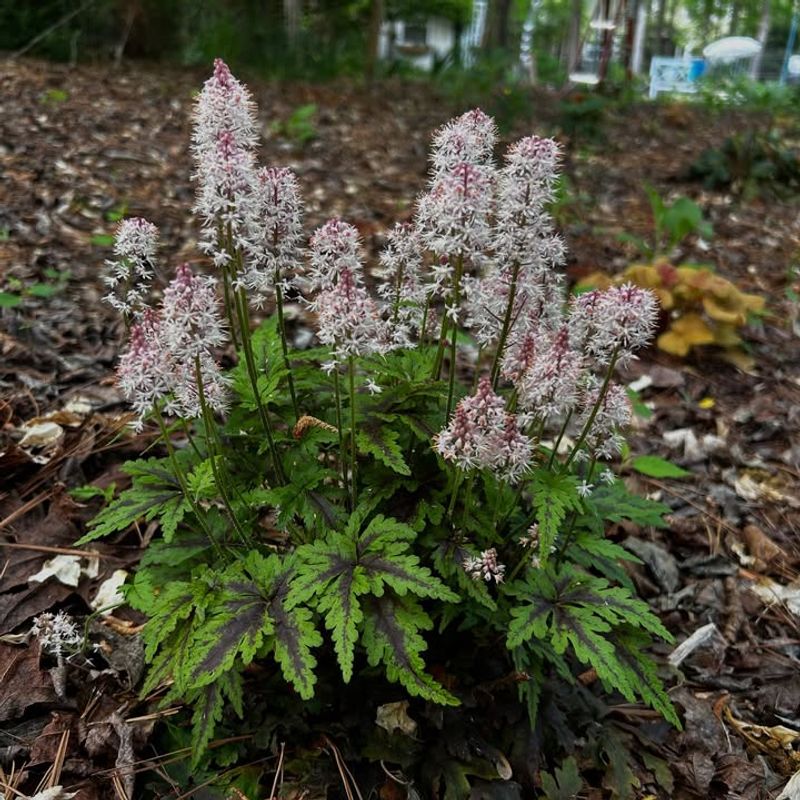
Georgia’s native foamflower deserves a place in every shade garden, bringing both ecological value and exceptional beauty.
Its heart-shaped leaves form neat clumps that stay attractive year-round, often developing burgundy markings along the veins as temperatures cool.
In spring, tall spikes of frothy white or pink flowers rise above the foliage like foam, hence the common name.
Being native to the southeastern United States, foamflower knows how to handle Georgia’s climate without pampering. It thrives in the same conditions you find in natural woodlands: dappled to deep shade, acidic soil rich in organic matter, and good drainage.
The flowers attract native bees and other beneficial insects, supporting local ecosystems.
Different cultivars offer variations in leaf patterns and flower colors. Some spread slowly by runners to form groundcover, while clump-forming types stay put and work well in more formal designs.
The blooming period extends for several weeks in spring, often starting in April across much of Georgia.
Pair foamflower with ferns, wild ginger, and Solomon’s seal for a naturalistic woodland garden that looks like it’s always been there. The evergreen foliage provides winter interest when many other perennials have gone dormant.
Divide clumps every few years if they become crowded, or simply let them naturalize into drifts that fill shaded banks and slopes with ease.
5. Coral Bells Add Rich Color Where Sunlight Rarely Reaches
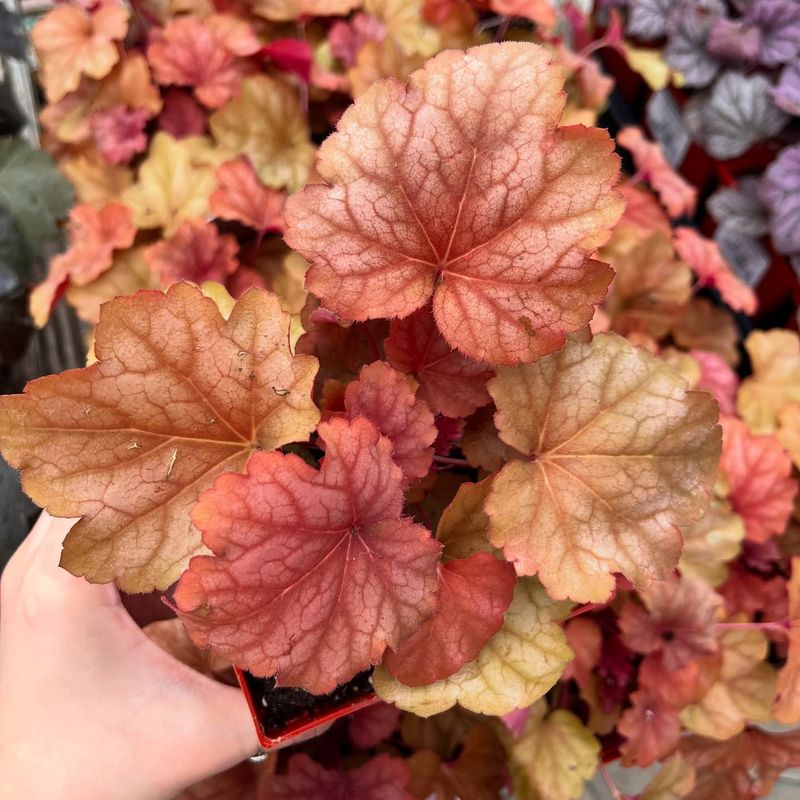
Coral bells have revolutionized shade gardening with their incredible leaf colors that range from deep plum and burgundy to lime green and peachy orange.
While older varieties needed some sun to develop good color, modern hybrids maintain their vibrant hues even in Georgia’s deepest shade.
The ruffled, rounded leaves create mounds of color that last from spring through fall.
These perennials bring year-round structure to shaded beds, with foliage that often looks better than flowers from other plants. Delicate flower stems rise above the leaves in late spring or early summer, carrying tiny bell-shaped blooms that hummingbirds adore.
The flowers add a vertical element without overwhelming the stunning foliage below.
Georgia’s heat can stress some varieties, so choosing heat-tolerant cultivars makes a difference. Look for those specifically bred for southern gardens, and provide afternoon shade even in woodland settings.
Good air circulation helps prevent fungal issues during humid summers, so avoid crowding them too close to other plants.
Mix different leaf colors for a tapestry effect that transforms shaded areas into vibrant displays. The darker purple and black varieties create striking contrasts against silver-leafed companions like Japanese painted fern or chartreuse hostas.
Coral bells appreciate consistent moisture and soil enriched with compost, rewarding you with robust growth and intense coloration that brightens Georgia’s shadiest corners throughout the growing season.
6. Solomon’s Seal Brings Graceful Movement To Quiet Shaded Beds
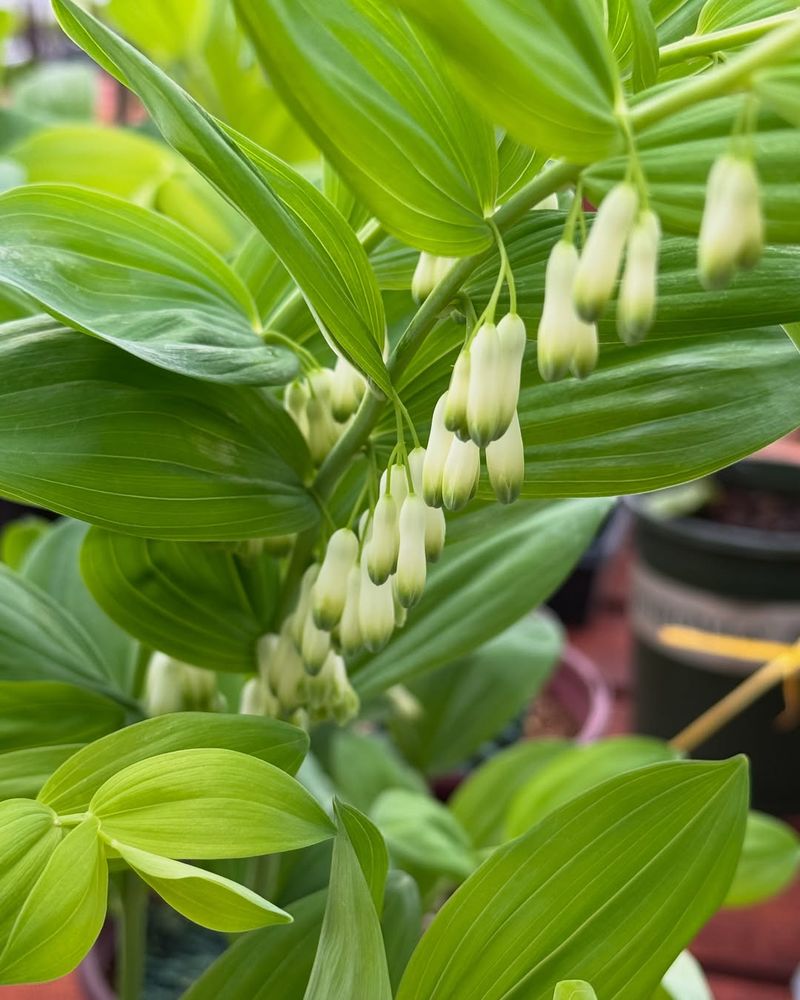
Arching stems lined with oval leaves give Solomon’s seal an architectural grace that few shade plants can match. This woodland native creates elegant curves that sway gently with every breeze, adding movement and rhythm to static garden spaces.
Small, creamy-white bell-shaped flowers dangle beneath the stems in spring, followed by blue-black berries that birds appreciate in fall.
Growing anywhere from 18 inches to over three feet tall depending on variety, Solomon’s seal makes an excellent mid-height layer in shaded borders. The stems emerge in spring like green asparagus spears, quickly unfurling their leaves in neat, alternating rows.
By late spring, the plant reaches full size and maintains its fresh appearance through summer.
Georgia’s woodland conditions suit this native perennial perfectly. It spreads slowly from rhizomes, eventually forming colonies that look natural beneath mature trees.
The roots handle competition well, making Solomon’s seal reliable in dry shade where many plants struggle. Fall brings golden yellow foliage before the stems go dormant for winter.
Combine it with hostas and ferns for a layered woodland effect, or let it rise through groundcovers like sweet woodruff for added dimension. The variegated form offers cream-edged leaves that brighten shady spots even more.
Once established in your Georgia garden, Solomon’s seal requires virtually no maintenance, returning faithfully each spring to grace your shade beds with its distinctive, sweeping form.
7. Ligularia Makes A Dramatic Statement In Moist Georgia Shade
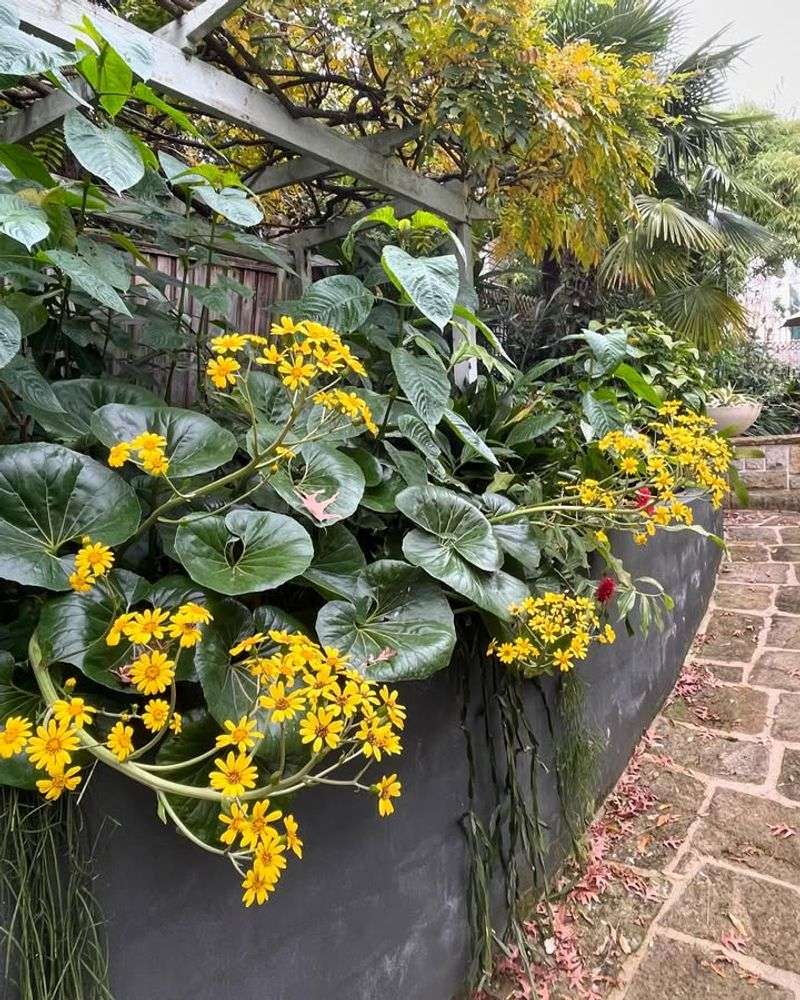
Bold, tropical-looking leaves the size of dinner plates make ligularia impossible to ignore in shaded Georgia gardens. This dramatic perennial commands attention with its large, rounded or deeply cut foliage that creates instant impact in moist, shady spots.
Tall spikes of bright yellow or orange daisy-like flowers rise above the leaves in summer, adding vertical interest and attracting butterflies.
Ligularia needs consistent moisture to look its best, making it perfect for low spots, near downspouts, or alongside water features in shaded areas. The leaves will wilt dramatically during hot, dry afternoons but usually recover overnight with adequate soil moisture.
Mulching heavily around the base helps retain moisture and keeps roots cool during Georgia’s steamy summers.
Different varieties offer choices in leaf shape and color. Some feature dark purple undersides that create beautiful contrasts, while others have deeply serrated edges that add texture.
Most grow three to four feet tall and equally wide, so give them room to spread. The bold foliage pairs wonderfully with fine-textured ferns and delicate astilbes.
Plant ligularia where its size won’t overwhelm smaller companions, perhaps at the back of a shaded border or as a specimen in a woodland clearing.
Slugs sometimes nibble the leaves, but the plants grow vigorously enough that minor damage doesn’t detract from their overall presence.
For Georgia gardeners blessed with moist shade, ligularia delivers tropical drama without the fuss.
8. Cast Iron Plant Handles Deep Shade Without Complaints
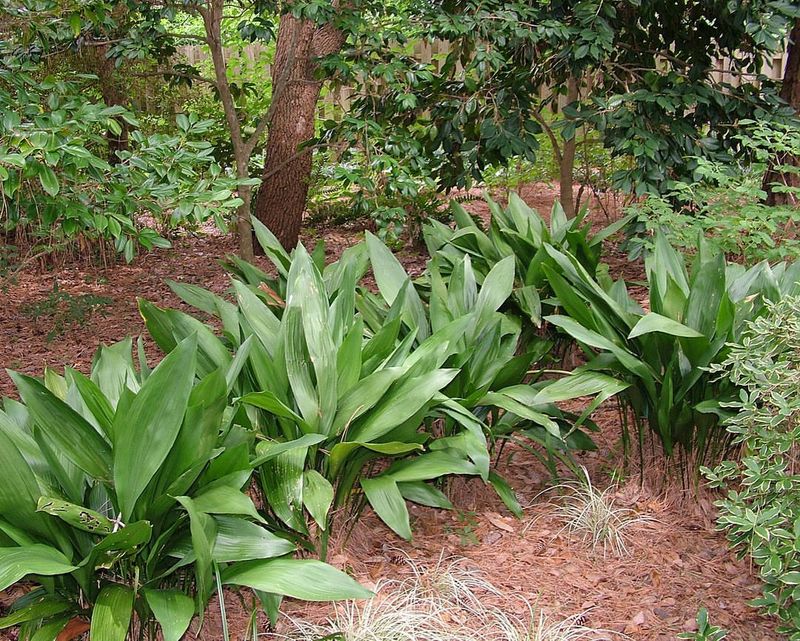
Nothing earns the name cast iron plant without serious credentials for toughness. This evergreen perennial thrives in Georgia’s deepest, darkest corners where almost nothing else survives.
Its upright, strap-like leaves emerge directly from the ground, forming dense clumps that provide year-round structure and color. Dark green foliage maintains its good looks through scorching summers and occasional winter freezes.
Originally from the forests of Japan and Taiwan, this plant adapted perfectly to Georgia’s climate zones. It tolerates not just deep shade but also dry shade, poor soil, and general neglect that would defeat lesser plants.
The thick, leathery leaves resist insect damage and disease, making maintenance virtually nonexistent once established.
While plain green remains most common, variegated forms add cream or white stripes that brighten shady spots even more. These patterned varieties grow slightly slower but offer the same legendary toughness.
All types work beautifully in containers on shaded porches or tucked beneath decks where light barely penetrates.
Cast iron plant grows slowly, which some gardeners view as a drawback but others appreciate for its well-behaved nature. It never needs dividing, rarely needs watering once established, and looks the same in December as it does in July.
For those impossible spots in your Georgia landscape where everything else has failed, this indestructible plant finally delivers success without demanding anything in return.
9. Christmas Fern Stays Strong And Evergreen In Georgia Gardens
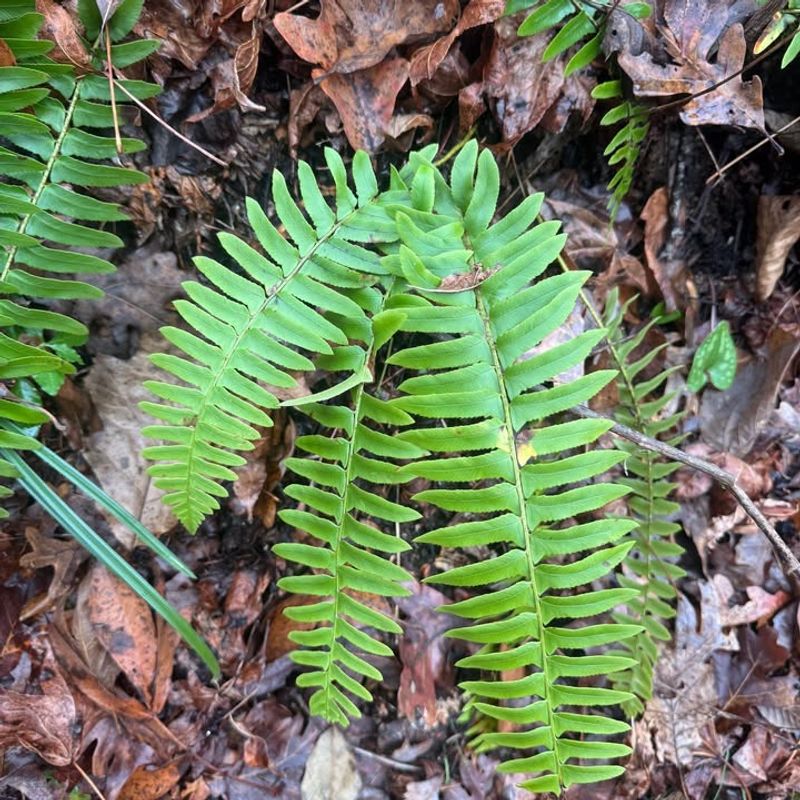
While many ferns fade with cold weather, Christmas fern stands tall through Georgia winters, keeping its deep green fronds fresh and upright even during occasional snowfalls.
This native evergreen fern earned its common name from early settlers who used its fronds for holiday decorations.
The leathery, dark green fronds form sturdy clumps that provide reliable texture in shaded gardens throughout the year.
Each frond grows one to two feet long with distinctive leaflets shaped like tiny Christmas stockings, complete with a toe at the base.
New growth emerges in spring as tightly coiled fiddleheads that unfurl into fresh fronds, while older fronds from previous years remain green and attractive.
This layered growth habit creates full, lush clumps that fill space effectively.
Georgia’s woodland environments mirror this fern’s natural Appalachian habitat perfectly. It handles dry shade better than most ferns once established, though it appreciates occasional watering during extended droughts.
The evergreen nature makes it invaluable for winter interest when most other plants have gone dormant or lost their leaves.
Use Christmas fern along shaded pathways, on slopes that need erosion control, or mixed with spring wildflowers that bloom before the fern’s new growth emerges. It combines beautifully with hostas, coral bells, and Solomon’s seal for a varied texture palette.
Deer generally leave it alone, and it requires no deadheading, spraying, or fussing to look good year after year in your Georgia shade garden.