The Real Reason Georgia Gardeners Are Moving On From These Plants
Gardening in Georgia can be full of surprises, and sometimes the plants you expected to thrive end up testing your patience. You’ve probably experienced beds that never fill in, shrubs that struggle despite care, or flowers that bloom briefly and then fade.
It can be frustrating when your yard doesn’t look the way you imagined.
Some plants handle the heat, humidity, and soil better than others, and knowing which ones perform consistently can save you time and effort.
Paying attention to how plants respond to Georgia’s unique conditions helps you make choices that really work for your space.
A well-chosen garden keeps your yard vibrant, balanced, and rewarding, so every visit outdoors feels satisfying rather than stressful.
1. English Ivy Is Taking Over More Than Gardeners Expected
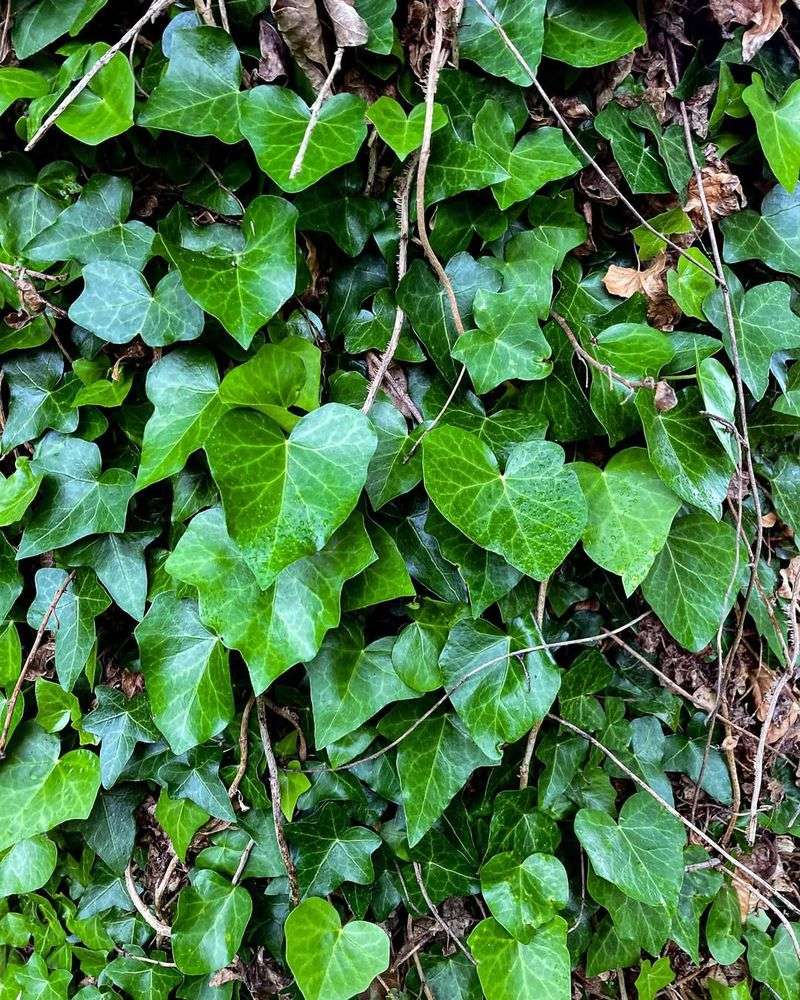
English ivy seemed like a perfect groundcover solution when many Georgia homeowners first planted it decades ago. Fast-growing and evergreen, it promised to fill bare spots quickly and add lush greenery year-round.
Nobody anticipated just how aggressively this plant would spread beyond its intended boundaries.
The reality hit hard when gardeners noticed ivy climbing trees, smothering native plants, and creeping into places it was never meant to go. Once established, English ivy becomes nearly impossible to control without serious effort.
Its aerial roots damage building facades and tree bark while creating dense mats that choke out everything underneath.
Georgia’s mild winters give this invasive plant the perfect conditions to thrive without natural checks on its growth. What starts as a small decorative planting can quickly transform into a maintenance nightmare that requires constant vigilance.
Pulling it out becomes a never-ending battle as even tiny root fragments can regenerate into new plants.
Many Georgia gardeners now recognize that the short-term benefits of quick coverage aren’t worth the long-term headaches. Native alternatives like wild ginger or green-and-gold provide similar groundcover benefits without the invasive tendencies.
Removing established ivy takes years of persistent effort, making prevention the smartest strategy for anyone still considering this problematic plant.
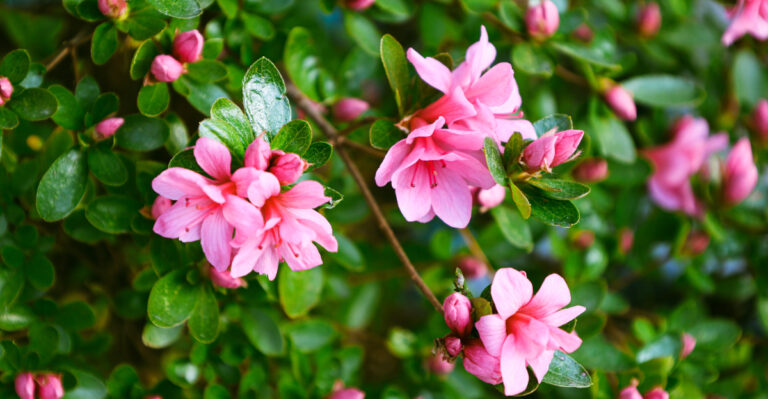
2. Certain Azaleas Struggle In Georgia’s Heavy Clay Soil
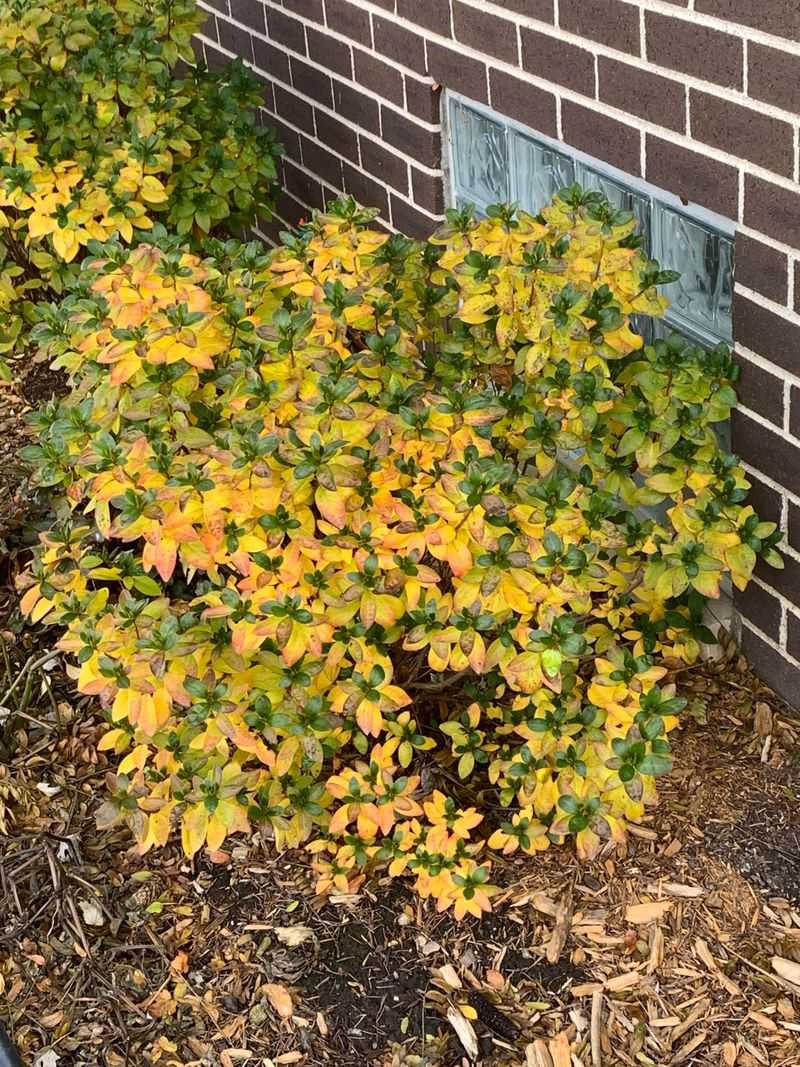
Azaleas have long been considered a southern gardening staple, painting landscapes with vibrant spring blooms. However, specific varieties consistently underperform in Georgia’s notorious clay soil, leaving gardeners disappointed year after year.
The problem isn’t the plant itself but rather the mismatch between what azaleas need and what Georgia soil naturally provides.
Clay soil compacts easily and drains poorly, creating conditions that azalea roots simply can’t tolerate. These plants require acidic, well-draining soil rich in organic matter to truly flourish.
Without proper drainage, roots sit in waterlogged conditions that lead to root rot and stunted growth.
Gardeners across Georgia have spent countless hours and dollars trying to amend clay soil to accommodate azaleas. Some dig out massive planting holes and fill them with specialized soil mixes, only to watch their plants struggle anyway.
The surrounding clay eventually impacts the amended area, creating drainage issues that no amount of extra care can fix.
Yellowing leaves and sparse blooms become the frustrating norm rather than the exception with poorly adapted azalea varieties. Native azaleas tend to perform better, but even they require significant soil preparation in heavy clay areas.
Your Georgia Garden Changes Every Week. Your Plan Should Too.
Gardening in Georgia changes quickly throughout the season. Every Friday you’ll receive a simple weekly plan showing exactly what to plant, prune, fertilize, harvest, and protect so you never miss the right timing.
Many Georgia homeowners are now choosing plants naturally suited to clay conditions instead of fighting an uphill battle with finicky azaleas that demand constant attention and amendment.
3. Older Boxwoods Are Falling Behind Due To Disease Issues
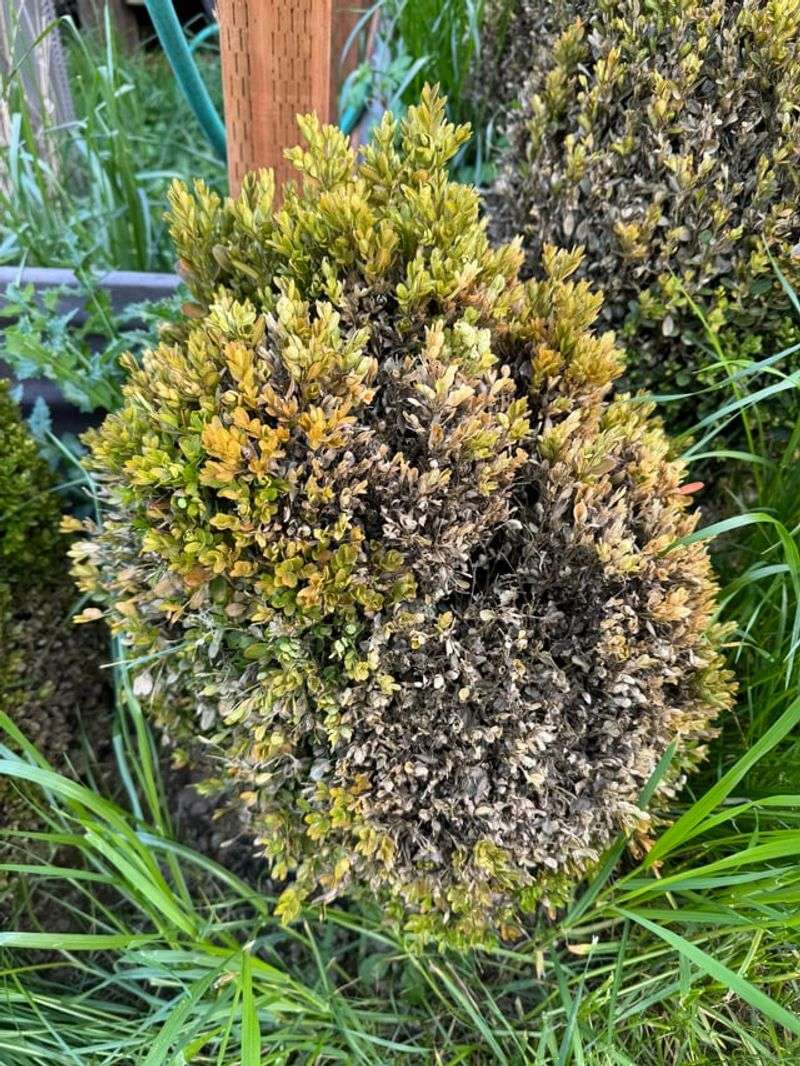
Boxwoods once represented the gold standard for formal hedges and foundation plantings throughout Georgia. Their dense evergreen foliage and ease of shaping made them landscape favorites for generations.
Recent years have brought devastating disease problems that have changed how gardeners view these classic shrubs.
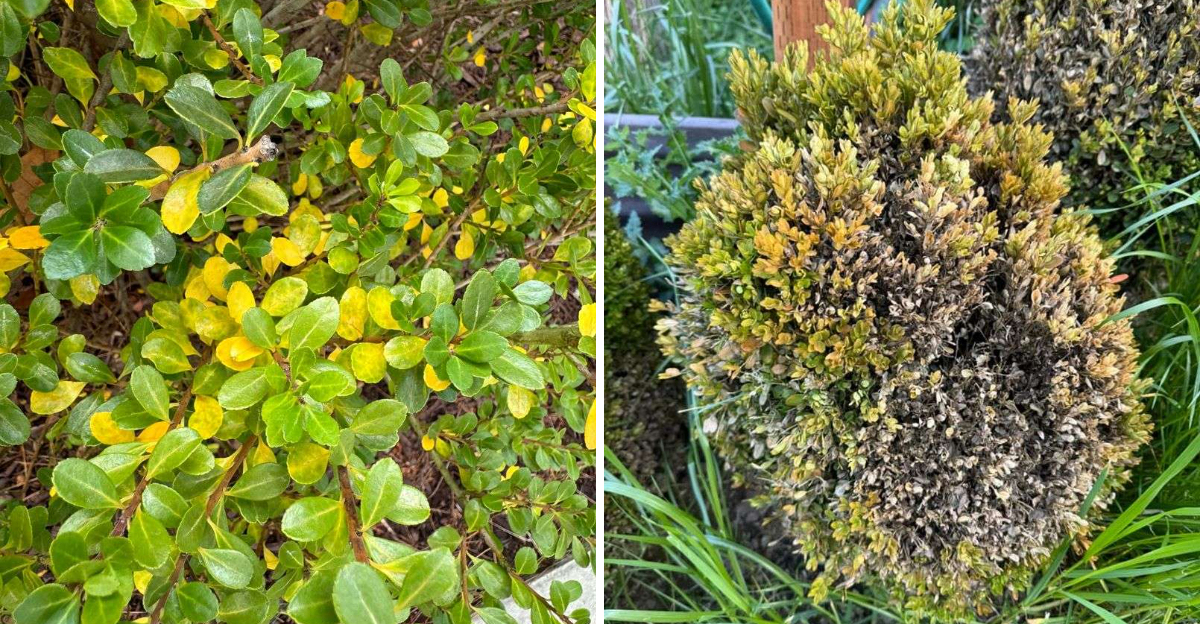
Boxwood blight has emerged as a serious threat across the state, causing rapid defoliation and plant decline. This fungal disease spreads quickly in Georgia’s humid climate, moving from plant to plant with alarming speed.
Infected boxwoods develop brown leaf spots and bare stems that destroy the plant’s ornamental value almost overnight.
Even established boxwoods that have thrived for decades aren’t immune to these newer disease pressures. The combination of boxwood blight and other fungal issues has made maintaining healthy specimens increasingly difficult.
Fungicide treatments offer limited protection and require repeated applications that many homeowners find impractical.
Georgia gardeners are discovering that the maintenance required to keep boxwoods healthy now outweighs their benefits. Replacing diseased plants becomes expensive, especially when entire hedges need removal.
Alternative shrubs like yaupon holly or inkberry offer similar formal appearances without the disease susceptibility.
The shift away from boxwoods reflects a broader trend toward choosing more resilient plants that don’t require constant disease management to survive in Georgia’s challenging growing conditions.
4. Some Japanese Maples Can’t Handle Georgia’s Intense Summer Heat
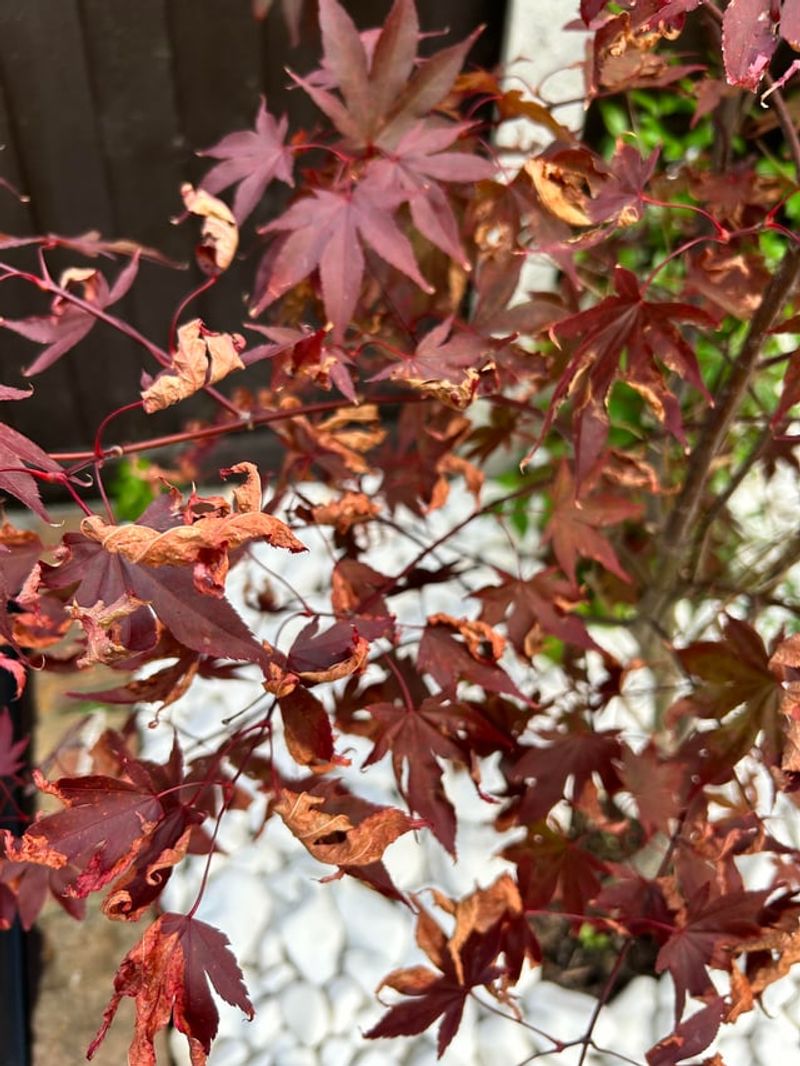
Japanese maples bring stunning fall color and elegant branching structure that appeals to nearly every gardener. Certain cultivars simply can’t withstand the brutal afternoon heat that defines Georgia summers.
What looks beautiful in spring often becomes stressed and unsightly by August.
Leaf scorch appears as brown, crispy edges that ruin the delicate appearance these trees are known for. Full sun exposure combined with high temperatures causes permanent leaf damage that persists until new growth appears the following spring.
Even with adequate watering, sensitive varieties struggle when temperatures soar into the upper 90s.
Gardeners in Georgia have learned the hard way that not all Japanese maples are created equal when it comes to heat tolerance. Some cultivars marketed as suitable for southern gardens still show significant stress during peak summer months.
The disappointment of watching expensive specimen trees struggle year after year has pushed many to reconsider their plant choices.
Afternoon shade helps but doesn’t completely solve the heat sensitivity problem for vulnerable varieties. Finding the right microclimate becomes a challenge in yards without natural shade protection.
Many Georgia homeowners now opt for more heat-tolerant native trees instead of gambling on Japanese maples that may never truly thrive.
The shift reflects growing awareness that matching plants to climate realities produces better results than fighting against natural conditions.
5. Bigleaf Hydrangeas Suffer When Georgia’s Afternoon Heat Hits Hard
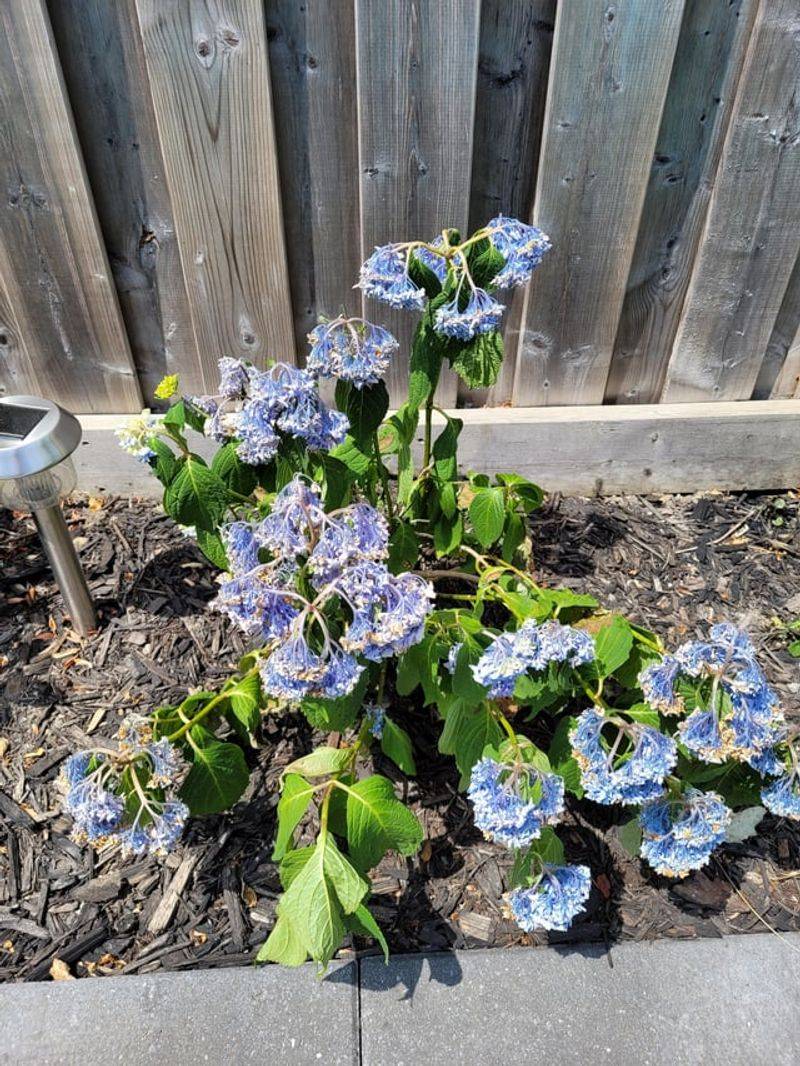
Those massive blue and pink flower clusters on bigleaf hydrangeas create stunning garden displays that catch every eye.
Unfortunately, these showstoppers often wilt dramatically during Georgia’s intense afternoon heat, creating a cycle of stress that weakens plants over time.
What blooms beautifully in the morning can look completely exhausted by evening.
Bigleaf hydrangeas have large, thin leaves that lose moisture rapidly in hot, dry conditions. Even when soil moisture is adequate, the plants can’t transport water fast enough to keep foliage turgid during peak heat.
This daily wilting stresses plants and reduces their overall vigor and flowering potential.
Georgia gardeners often find themselves watering these hydrangeas multiple times daily just to keep them from looking distressed.
The constant need for intervention makes them high-maintenance plants that demand more attention than many homeowners want to provide.
Morning watering isn’t enough when afternoon temperatures climb above 90 degrees.
Flower production suffers when plants experience repeated heat stress throughout the growing season. Blooms may be smaller and less abundant than expected, disappointing gardeners who chose these plants specifically for their floral display.
Many are now selecting more heat-tolerant hydrangea species like oakleaf or smooth hydrangeas that handle Georgia conditions with far less drama.
These alternatives offer beautiful flowers without the daily wilting episodes that make bigleaf types so frustrating in the southern heat.
6. High-Maintenance Roses Require Constant Disease Control
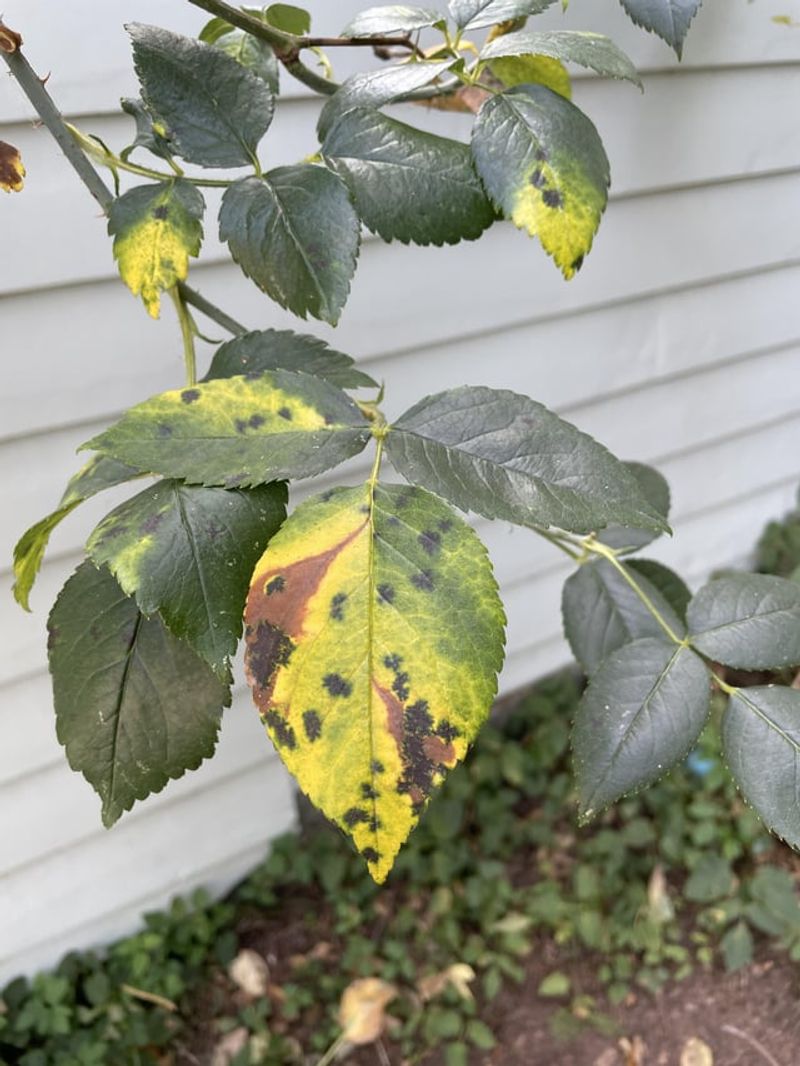
Roses have symbolized garden beauty for centuries, but growing them successfully in Georgia demands relentless attention to disease management. Black spot, powdery mildew, and rust appear with frustrating regularity in the state’s humid climate.
Beautiful blooms come at the cost of constant spraying and monitoring that exhausts even dedicated gardeners.
Fungal diseases thrive in Georgia’s combination of heat, humidity, and frequent rainfall. Leaves develop unsightly spots and often drop prematurely, weakening plants and reducing flower production.
Without regular fungicide applications, many rose varieties quickly become defoliated and unattractive.
The spray schedule required to maintain healthy roses conflicts with the low-maintenance landscapes most modern gardeners prefer. Chemical treatments need reapplication after every rain, making disease control a weekly commitment during the growing season.
Organic options exist but often provide less reliable protection in challenging conditions.
Georgia gardeners are increasingly questioning whether the effort required to grow hybrid tea roses and similar high-maintenance types makes sense.
Shrub roses and landscape roses offer better disease resistance but still need more care than many alternative flowering plants.
Native options like Carolina rose provide blooms without demanding constant intervention. The trend away from traditional roses reflects changing priorities toward gardens that look great without requiring professional-level maintenance.
Time spent spraying roses could instead go toward enjoying the garden, making lower-maintenance plants more appealing for busy homeowners throughout Georgia.
7. Poorly Adapted Hollies Lose Their Appeal Over Time
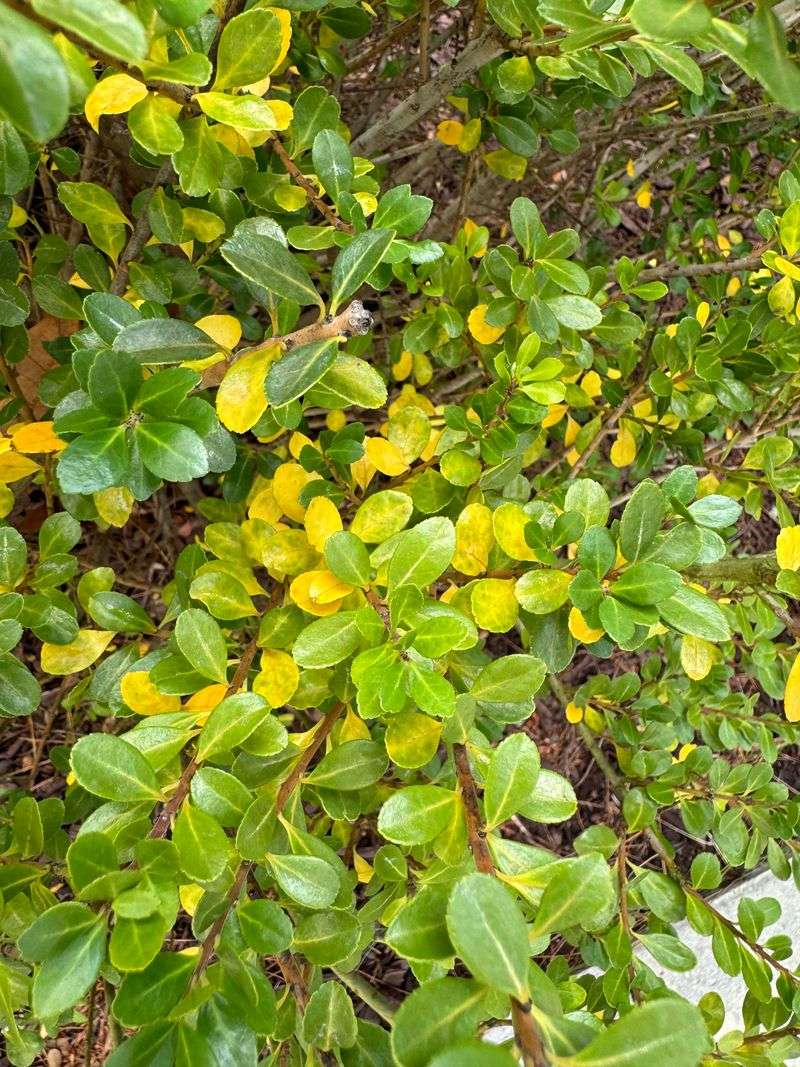
Hollies generally perform well across Georgia, but certain species and cultivars prove poorly suited to specific areas within the state.
What starts as a promising evergreen addition often becomes a disappointing landscape element that never achieves its expected size or appearance.
Not all hollies are created equal when it comes to thriving in Georgia’s varied microclimates.
English holly struggles in Georgia’s heat and humidity despite its popularity in cooler regions. Plants remain stunted and sparse rather than developing into the full, dense specimens gardeners envision.
The glossy leaves that should be this plant’s trademark often appear dull and stressed in southern conditions.
Soil pH issues affect certain holly varieties more severely than others, causing yellowing foliage and poor growth. Georgia’s naturally acidic soil suits some species perfectly while causing nutrient deficiencies in others.
Gardeners who don’t research specific variety requirements often end up with hollies that never look quite right.
Winter damage from occasional hard freezes impacts marginally hardy holly varieties planted in northern Georgia.
Many homeowners now choose native holly species like American holly or yaupon that reliably thrive throughout Georgia without special care.
These adapted varieties offer the evergreen structure and winter berries people want from hollies without the disappointment of watching poorly suited varieties struggle year after year in conditions they weren’t meant to handle.
8. Fescue Lawns Fade Fast In Georgia’s Hot Summers
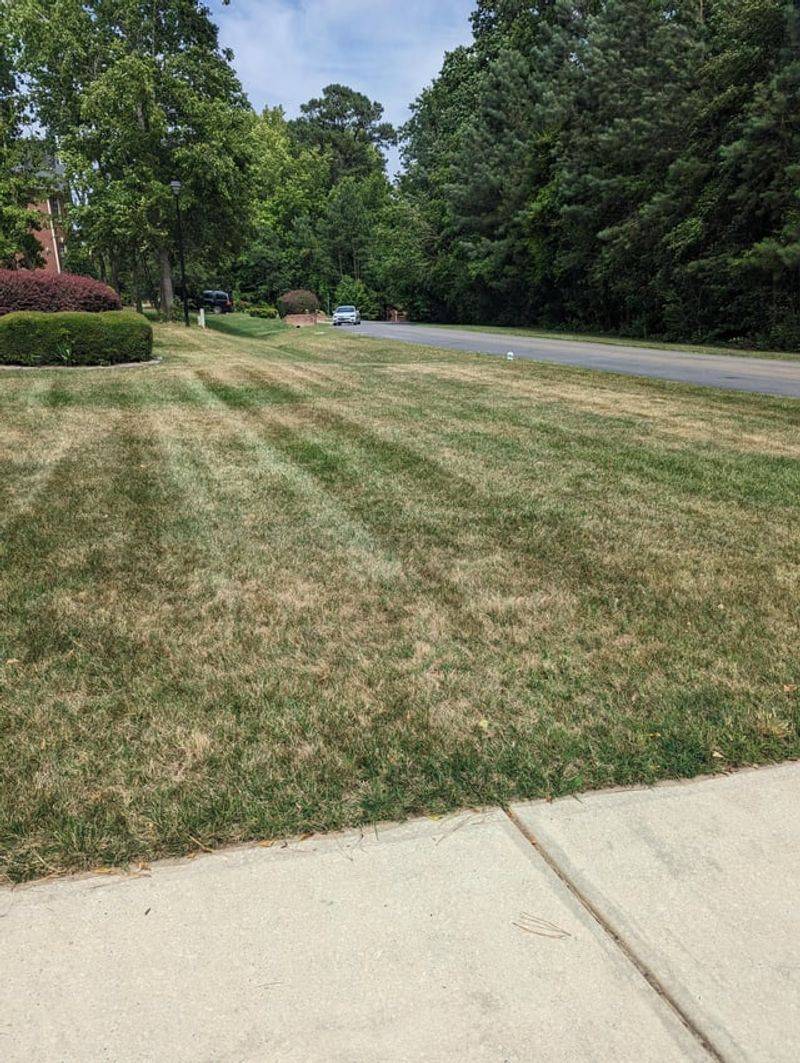
Tall fescue lawns deliver lush green carpets during Georgia’s mild spring and fall seasons. Summer transforms these same lawns into brown, stressed expanses that require enormous amounts of water just to survive.
The cool-season grass simply isn’t built to handle the extended heat and humidity that defines Georgia summers.
Fescue naturally goes dormant when temperatures consistently exceed 85 degrees, which happens throughout most Georgia summers. Keeping it green requires daily watering that dramatically increases water bills and still doesn’t guarantee success.
Even with irrigation, heat-stressed fescue becomes thin and weak, allowing weeds to invade bare spots.
Disease pressure increases when fescue struggles through summer heat and humidity. The combination of heat stress and disease makes summer lawn care a constant battle rather than routine maintenance.
Many Georgia homeowners are switching to warm-season grasses like Bermuda or zoysia that actually thrive in summer heat. These alternatives stay green during the hottest months when fescue looks worst, reversing the seasonal appearance pattern.
The transition requires patience as warm-season grasses establish, but long-term maintenance becomes far easier.
Accepting that cool-season grass doesn’t suit Georgia’s climate saves water, reduces chemical inputs, and creates lawns that look their best during peak outdoor living season rather than struggling through it.