The Bird That Tells Ohio Spring Is Coming (And Which Plants Attract It)
Winter still grips Ohio, with cold mornings, frozen ground, and long gray days that seem to drag on. Then small changes begin.
Snow starts to melt, the soil loosens, and daylight stretches a little longer each evening. People notice the shift before any official sign of spring appears.
Lawns turn patchy and damp, sidewalks clear, and the air feels less sharp. Many longtime residents trust one natural signal above all others, a simple sign that has marked the changing season for generations.
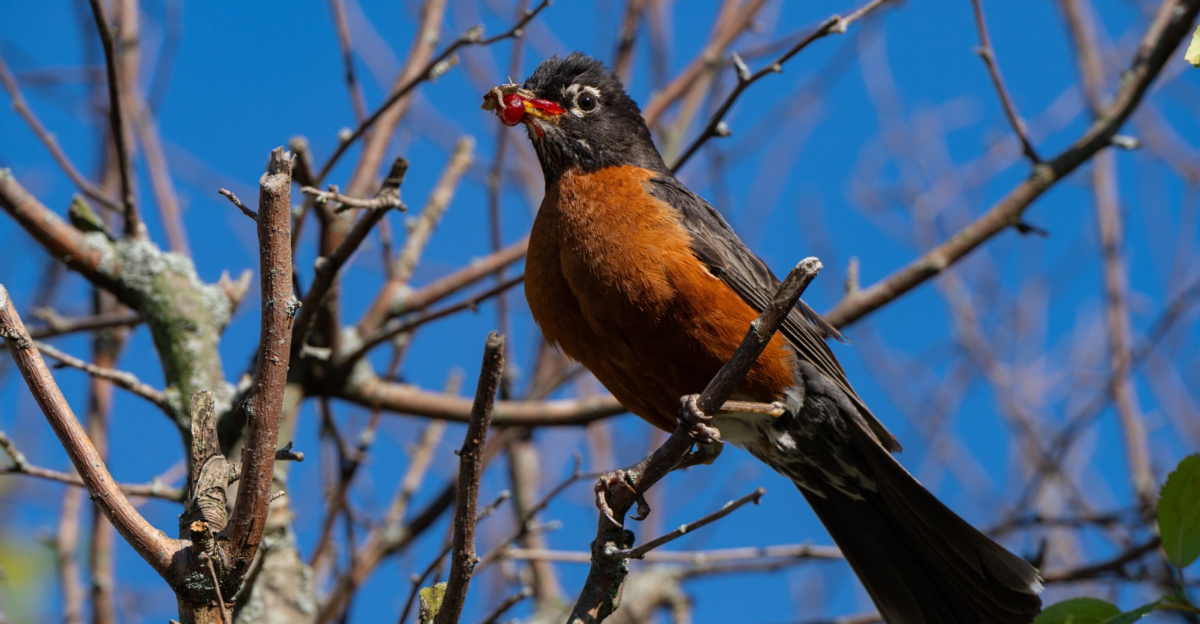
Near the end of winter, a familiar bird shows up in neighborhoods, parks, and open fields, moving across the ground with purpose and calling out in a clear, steady voice.
That bird is the American robin, widely recognized across Ohio as the first true sign that spring is on the way and that the cold season is finally losing its hold.
The American Robin: Ohio’s True Sign That Spring Has Arrived
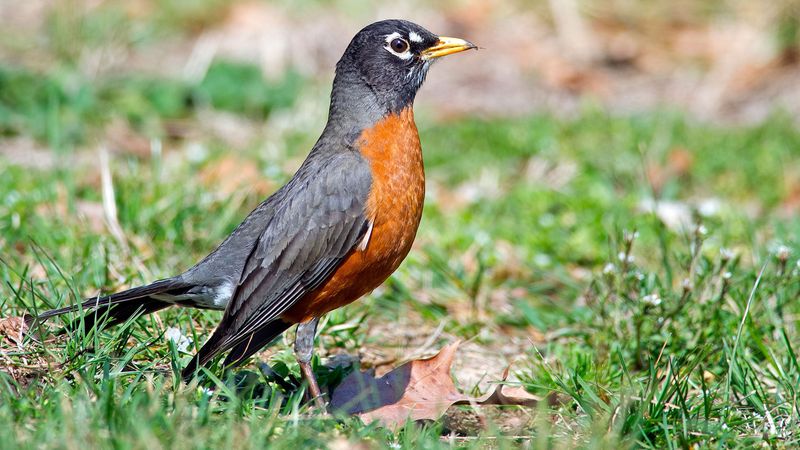
Few sights bring more joy to Ohio gardeners than spotting that first robin of the season. With their brick-red breasts and cheerful songs, American robins have earned their reputation as spring’s official messengers.
These medium-sized thrushes actually stick around longer than most people realize, with some individuals staying through mild winters.
Robins measure about ten inches from beak to tail and sport distinctive orange-red underparts that make them easy to identify. Males typically show brighter coloring than females, especially during breeding season.
Their diet shifts dramatically throughout the year, moving from protein-rich earthworms in spring to fruit-heavy meals in fall and winter.
What makes robins so special to Ohio residents is their visible presence. They forage on open lawns where everyone can watch their hunting behavior.
That familiar head-tilt helps robins spot subtle movement in the grass, relying mainly on sharp eyesight rather than sound.
These adaptable birds nest in trees, shrubs, and even on porch ledges throughout residential areas. A single female can raise two or three broods each season, with both parents working together to feed their hungry chicks.
By understanding robin behavior and preferences, you can create habitat that supports them through every stage of their yearly cycle right in your own backyard.
Serviceberry: The First Feast Robins Wait For
Right when robins need food most, serviceberry trees burst into bloom and later produce their namesake berries. These native beauties offer a trifecta of benefits: stunning white flowers in early spring, delicious purple fruits by June, and brilliant fall color that lights up Ohio landscapes.
Robins absolutely adore the sweet berries and will visit repeatedly once they discover your tree.
Serviceberry, also called Juneberry or Amelanchier, grows naturally in Ohio woodlands and adapts beautifully to garden settings. The trees reach fifteen to twenty-five feet tall depending on the variety, making them perfect for smaller yards.
Their early blooming habit means they provide early pollen and limited nectar for spring pollinators when few other food sources exist.
The berries ripen gradually over several weeks, giving robins and other songbirds an extended feeding period. You might notice competition at your serviceberry, as cedar waxwings, catbirds, and cardinals also find these fruits irresistible.
Your Ohio Garden Changes Every Week. Your Plan Should Too.
Gardening in Ohio changes quickly throughout the season. Every Friday you’ll receive a simple weekly plan showing exactly what to plant, prune, fertilize, harvest, and protect so you never miss the right timing.
The flavor resembles a mild blueberry with hints of almond, and many gardeners enjoy harvesting some for themselves.
Plant serviceberry in full sun to partial shade with well-drained soil. These low-maintenance trees resist most pests and diseases while tolerating Ohio’s variable weather.
Multi-stemmed varieties create excellent screening while single-trunk forms work wonderfully as specimen trees that anchor foundation plantings.
Dogwood Trees That Turn Your Yard Into A Robin Magnet
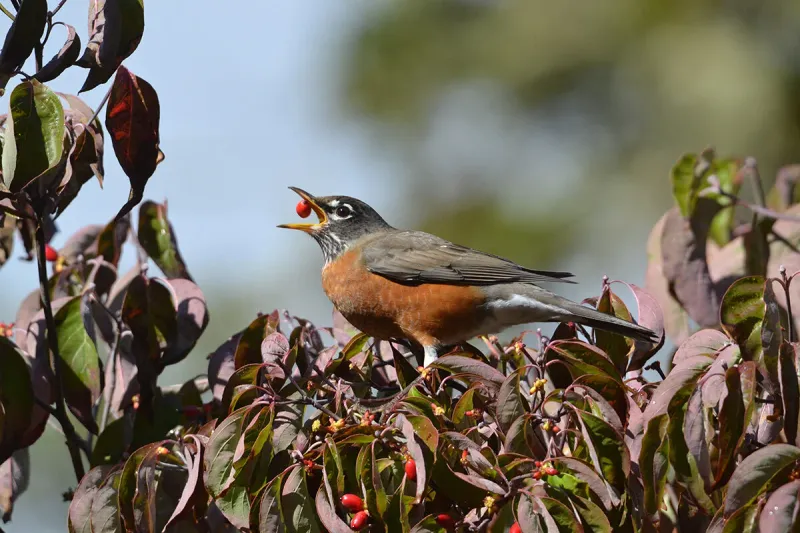
Dogwoods rank among Ohio’s most beloved native trees, and robins rank them highly too. Both flowering dogwood and the tougher gray dogwood produce clusters of berries that robins devour with enthusiasm.
The fruits appear in late summer and persist into fall, providing crucial nutrition when robins prepare for migration or stock up for winter.
Flowering dogwood creates a spectacular spring display with large white or pink bracts that look like petals. Come autumn, bright red berries dangle in clusters while the foliage turns deep burgundy.
Gray dogwood takes a more understated approach with creamy white flower clusters and white berries on red stems that create winter interest.
Robins value dogwood berries for their energy-rich carbohydrates and reliable seasonal availability. A single tree can support dozens of feeding birds throughout the season.
The spreading branch structure also provides excellent nesting sites with good visibility and protection from predators.
Choose your planting site carefully, as dogwoods appreciate afternoon shade in Ohio’s hotter regions. They need consistent moisture and slightly acidic soil enriched with organic matter.
Avoid planting too deeply, which stresses these shallow-rooted trees. Gray dogwood tolerates tougher conditions including clay soil and can form attractive thickets that create habitat for numerous bird species beyond just robins.
Holly Shrubs That Keep Robins Fed When Food Is Scarce
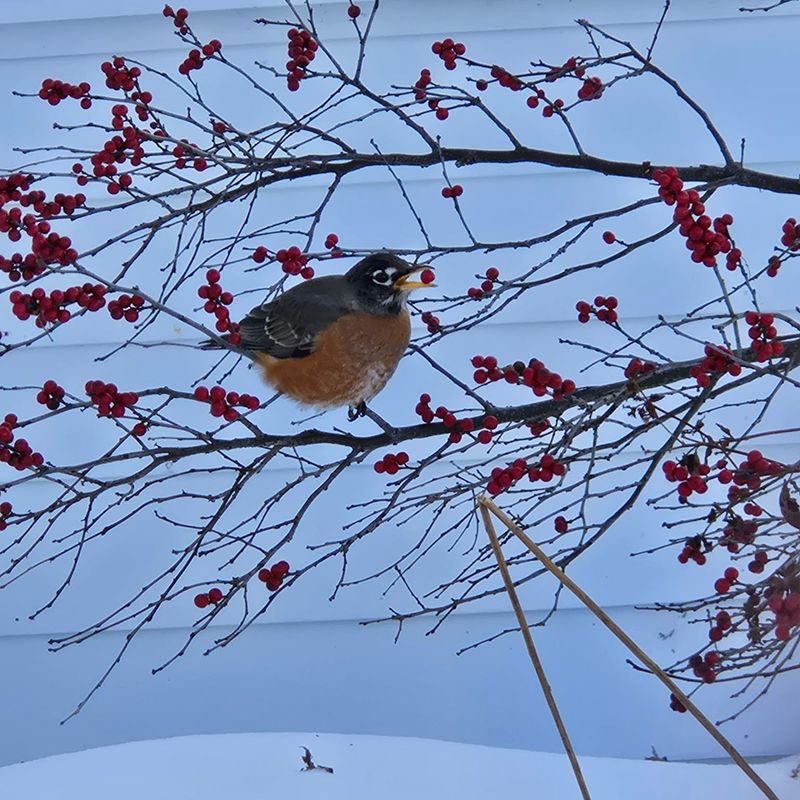
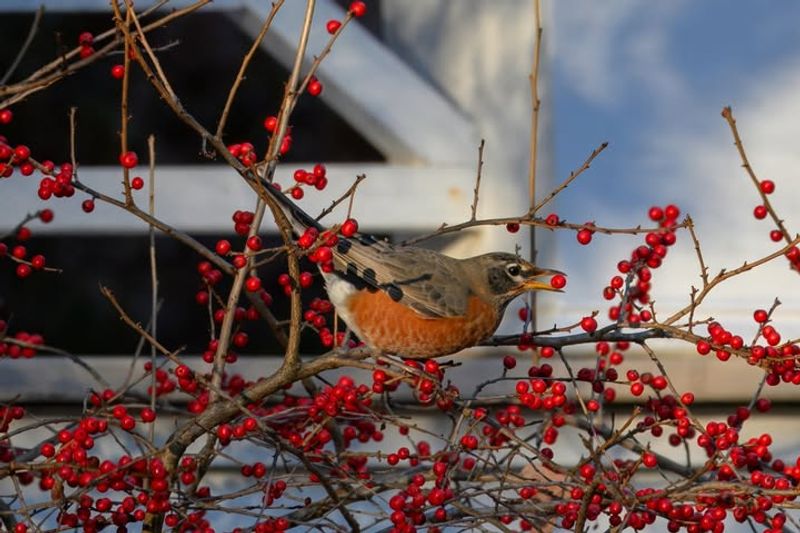
When snow blankets Ohio yards and most food sources disappear, holly berries become a lifeline for hungry robins. Native winterberry holly stands out as the champion robin attractor, holding its brilliant red berries well into winter.
Unlike evergreen hollies, winterberry drops its leaves in fall, making those scarlet fruits even more visible against bare branches.
The berries start out hard and somewhat bitter, which actually works in the robins’ favor. Early in the season, other birds ignore them while easier meals remain available.
As winter progresses and freeze-thaw cycles soften the berries, they become easier for robins to eat.
You’ll need both male and female plants for berry production, with one male pollinating up to five females. Space them within fifty feet of each other for best results.
Winterberry thrives in moist soils and even tolerates occasional flooding, making it perfect for low-lying areas where other shrubs struggle.
The shrubs grow four to eight feet tall and equally wide, creating excellent foundation plantings or hedgerows. Their dense branching offers shelter from winter winds while the berry-laden stems make stunning cut branches for holiday arrangements.
Plant winterberry in full sun for maximum berry production, though they’ll tolerate partial shade with somewhat reduced fruiting.
Juniper And Cedar: The Berry Buffet Robins Can’t Resist
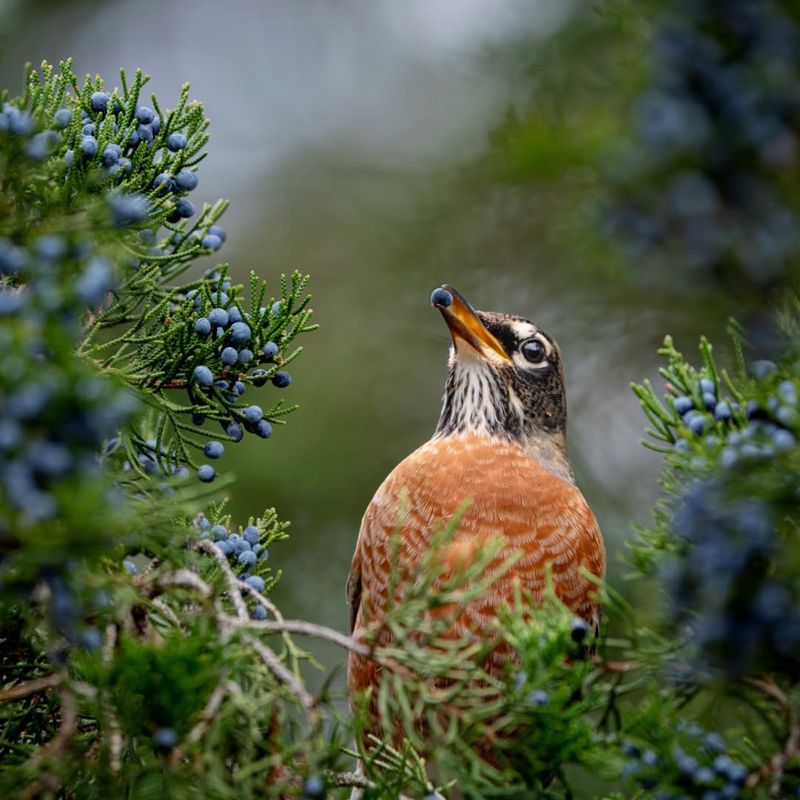
Eastern red cedar isn’t actually a cedar at all but rather a native juniper that produces blue berry-like cones robins find absolutely delicious. These tough evergreens grow wild across Ohio and adapt to almost any soil condition, from rocky hillsides to abandoned fields.
Their year-round greenery provides essential cover while those waxy blue fruits offer concentrated nutrition.
The berry-like cones mature over about two growing seasons, meaning mature trees always have food available. Robins often gather in flocks around junipers during winter, stripping branches clean before moving to the next tree.
The high oil content in juniper berries provides quick energy that helps birds maintain body temperature during cold snaps.
Eastern red cedar grows naturally into a pyramidal shape reaching forty to fifty feet tall, though you can keep them pruned smaller. Female trees produce the berries, but males contribute the pollen needed for fruit production.
Plant both if you have room, or rely on wild males in your neighborhood.
These adaptable evergreens tolerate drought, poor soil, and harsh winds that would stress other plants. They work beautifully as windbreaks, privacy screens, or specimen trees.
The dense foliage creates excellent nesting habitat for robins and many other songbirds. Just avoid planting near apple trees, as cedar-apple rust can affect both species.
Elderberry Bushes That Bring Robins Flocking In
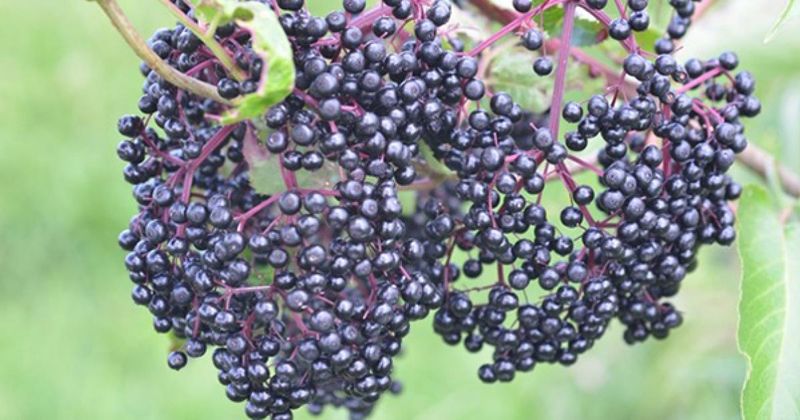
Elderberry bushes produce massive clusters of tiny purple-black berries that robins absolutely mob when they ripen in late summer. These fast-growing native shrubs can reach ten feet tall and equally wide, creating substantial screening while pumping out incredible amounts of fruit.
A single mature bush might produce twenty pounds of berries in a good year.
The flat-topped white flower clusters appear in June, attracting pollinators before transforming into drooping berry clusters by August. Robins quickly learn when elderberries ripen and will visit daily until every last fruit disappears.
You’ll often see multiple bird species feeding together, creating wonderful wildlife-watching opportunities.
Elderberries thrive in Ohio’s climate and tolerate wet soils that would rot other shrubs. They spread through suckers to form colonies, which you can manage through pruning or allow to naturalize for maximum wildlife value.
The berries are edible for humans too, though they require cooking to be safely consumed.
Plant elderberries in full sun for best fruit production, spacing them six to eight feet apart if you want a hedge. They grow quickly from bare-root plants and often produce berries in their second year.
Cut back older canes every few years to encourage vigorous new growth. The bushes look somewhat coarse and informal, making them better suited to naturalized areas than formal gardens.
Native Cherry Trees Robins Return to Again and Again
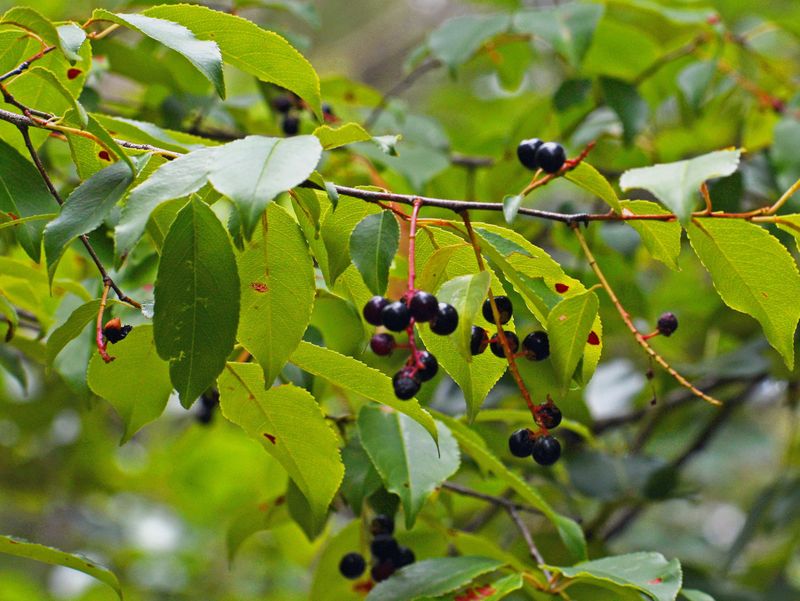
Black cherry trees grow wild throughout Ohio and produce small dark fruits that robins consider a premium food source. These native trees can reach impressive heights of fifty to eighty feet, creating substantial shade while feeding numerous bird species.
The cherries ripen in July and August, providing nutrition during the critical period when robins are raising their final broods.
Unlike sweet cherries bred for human consumption, wild black cherries taste bitter and astringent to us but perfect to robins. The birds swallow them whole, digesting the flesh while passing the pits, which helps disperse cherry trees throughout the landscape.
A single tree loaded with ripe fruit can attract dozens of robins along with catbirds, thrashers, and tanagers.
Black cherry bark develops distinctive horizontal markings as trees mature, and the wood is prized for furniture making. Spring brings fragrant white flower clusters that dangle from branches, providing nectar for early pollinators.
The leaves turn yellow to orange in fall, adding seasonal color to your landscape.
These trees prefer well-drained soil and full sun but adapt to various conditions. They grow quickly when young, slowing as they mature.
Plant them where you won’t mind volunteer seedlings appearing, as birds will distribute seeds far and wide. The cherries can stain patios and sidewalks, so consider placement carefully in formal landscapes.
Crabapple Trees That Keep Robins Visiting for Weeks
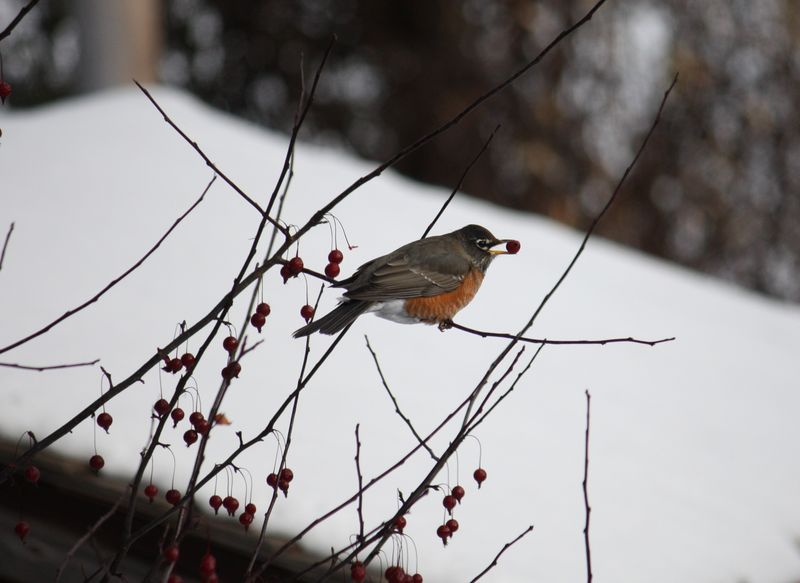
Crabapple trees offer something special that robins appreciate: fruits that hang on branches well into winter, providing reliable food when other sources vanish. These ornamental trees dazzle in spring with clouds of pink or white blossoms, then produce colorful fruits ranging from bright red to golden yellow depending on variety.
The small apples persist longer than larger fruits, slowly softening through freeze-thaw cycles.
Robins initially ignore crabapples in favor of softer berries, but return enthusiastically once cold weather arrives and the fruits may soften and naturally ferment slightly, which sometimes makes feeding birds appear unsteady. The trees become gathering spots for winter flocks seeking easy calories.
Choose disease-resistant varieties to minimize maintenance and maximize enjoyment. Cultivars like ‘Prairifire,’ ‘Red Jewel,’ and ‘Sugar Tyme’ resist the scab, rust, and mildew that plague older varieties.
Persistent fruit is key for robin attraction, so specifically select varieties described as having fruit that holds well into winter.
Crabapples grow fifteen to twenty-five feet tall depending on variety, fitting nicely into most Ohio yards. They tolerate clay soil and urban pollution while providing four-season interest.
Plant in full sun with good air circulation to keep foliage healthy. The spreading canopy creates excellent shade while the branching structure offers prime nesting sites that robins readily use.
Turn Your Ohio Garden Into a Year-Round Robin Haven
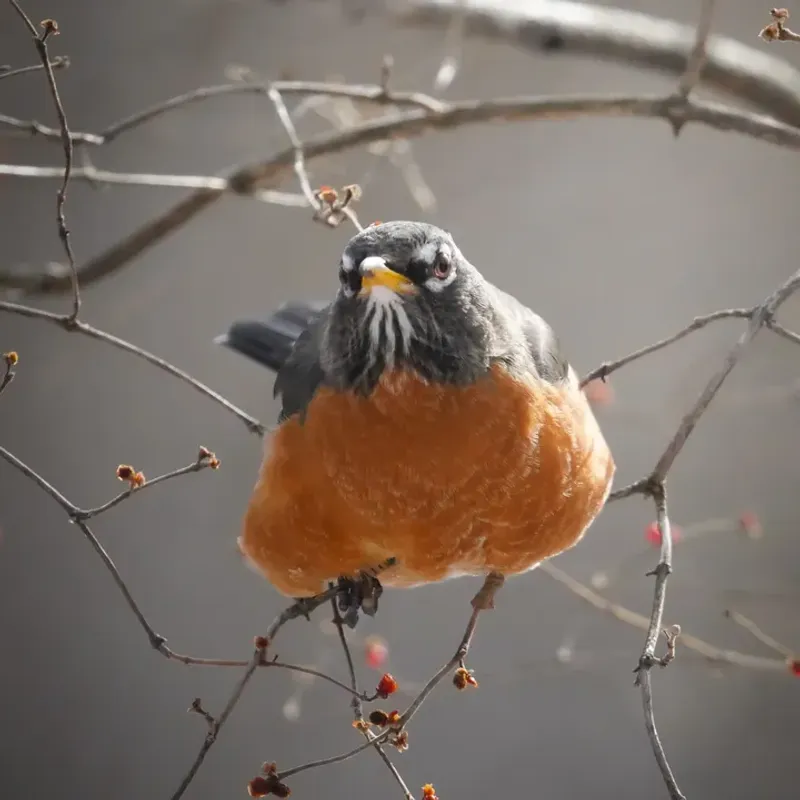
Creating a true robin paradise means thinking beyond just food plants to include water, shelter, and nesting sites throughout your property. Robins need shallow water for drinking and bathing, so add a birdbath with a depth of just one to two inches.
They prefer ground-level or low-mounted baths where they feel safe from predators while staying alert.
Layer your plantings to mimic natural habitats, with tall trees, mid-sized shrubs, and groundcovers creating different zones. This diversity supports robins through their entire lifecycle while attracting the insects they need for feeding nestlings.
Leave some open lawn areas where robins can hunt for earthworms and grubs using their characteristic run-and-pause technique.
Avoid pesticides completely, as robins consume large numbers of insects and can accumulate toxins. Healthy soil full of earthworms provides better robin food than any chemical treatment.
Add compost regularly and keep some areas of your yard a bit wild with leaf litter and natural debris that shelters beneficial insects.
Consider timing your plantings so different species fruit throughout the seasons. Early serviceberries bridge spring into summer, followed by cherries and elderberries, then dogwoods and crabapples that persist into winter.
This succession keeps robins visiting your yard year-round rather than just passing through. With thoughtful plant selection and habitat creation, your Ohio garden becomes a robin refuge that celebrates these beloved birds every single day.