These Ohio Native Plants Grow Better When Paired Together
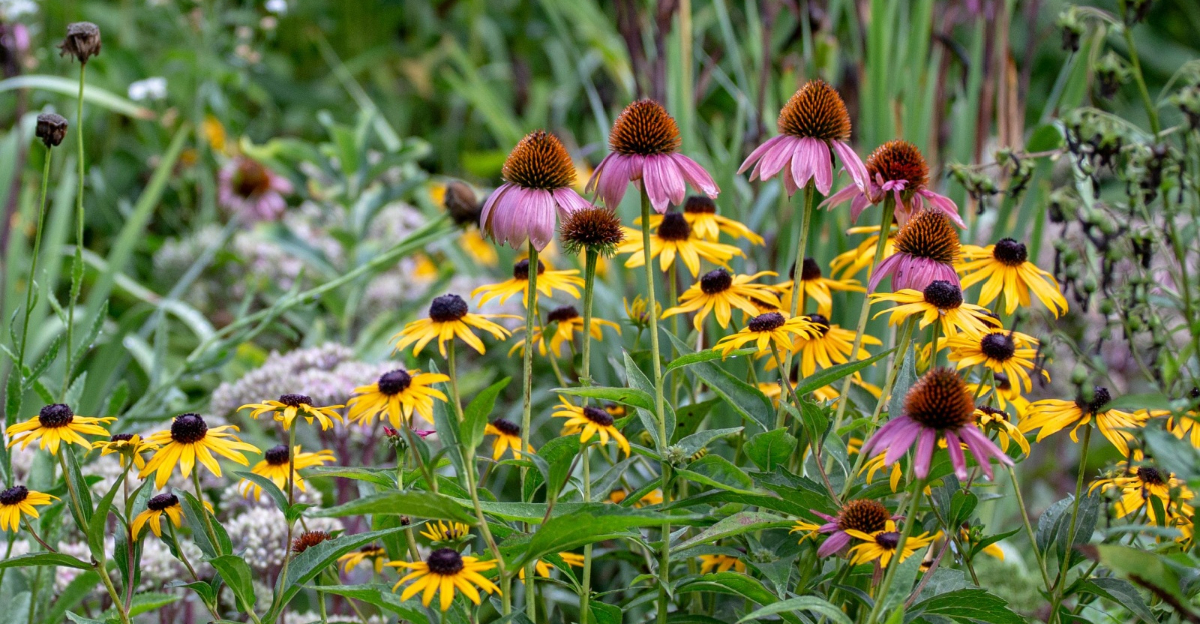
At first glance, a thriving native garden can look effortless, as though nature handled everything on its own. In reality, many of Ohio’s strongest plant communities succeed through quiet partnerships beneath the surface.
Roots interact, shade falls in the right places, and blooms appear in sequence, creating a steady flow of color and life.
When the right native plants grow side by side, they protect soil from drying, draw in more pollinators, and help each other stay upright through wind and summer heat.
Some combinations even discourage common garden pests without any extra work from the gardener. Across Ohio, more people now move beyond single-plant layouts and start building plant partnerships that mirror wild prairies, woodlands, and meadow edges.
The result feels fuller, more natural, and far easier to maintain. The right native plant pairings can turn a basic planting into a tough, self-sustaining landscape that grows healthier and more balanced with each passing season.
1. Purple Coneflower And Black Eyed Susan
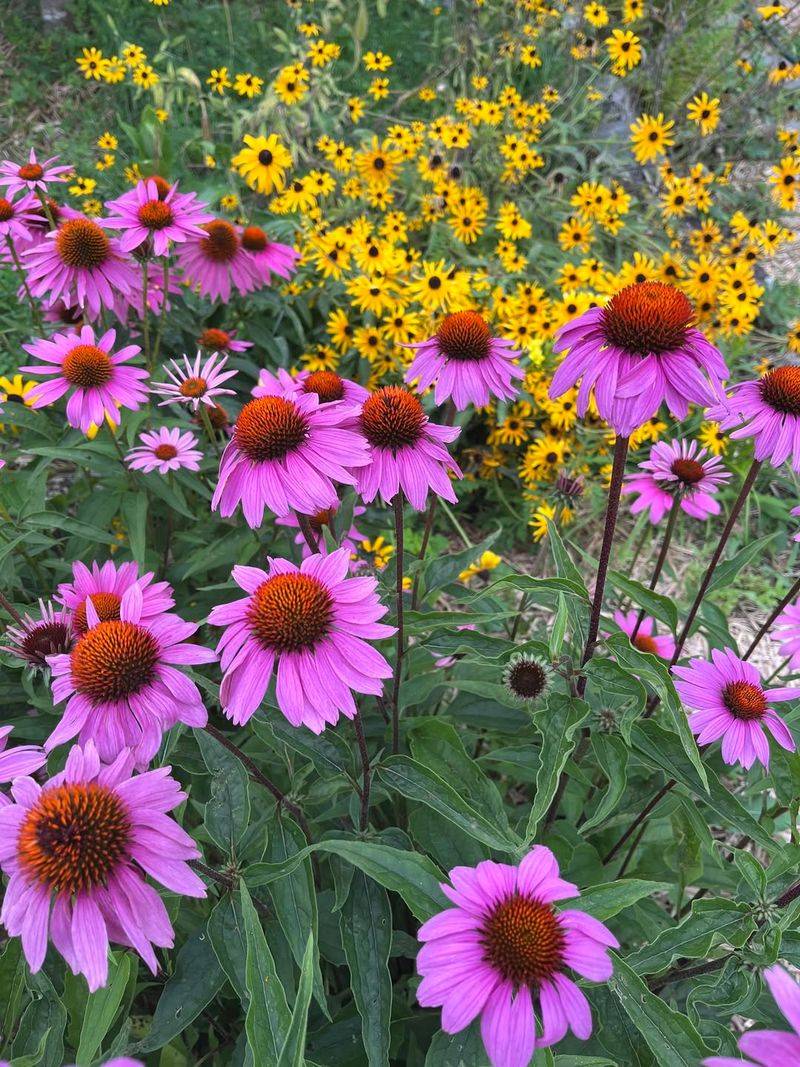
Few combinations capture the spirit of an Ohio prairie meadow better than this classic duo. Purple coneflower blooms from June through August with its distinctive drooping petals and spiky orange center, while black-eyed Susans burst into cheerful yellow flowers that keep going strong into September.
Together, they create a continuous show of color that brightens any sunny spot.
Both plants thrive in full sun and tolerate Ohio’s clay soils remarkably well once established. They share similar water needs, preferring moderately moist conditions in their first season but becoming quite drought-tolerant afterward.
Their deep roots can gradually improve soil structure over time.
Pollinators absolutely adore this pairing. Butterflies, including swallowtails and occasionally monarchs, visit the coneflowers throughout the day, while native bees work the black-eyed Susans with impressive dedication.
Goldfinches arrive in late summer to feast on the seed heads, providing entertainment well into winter when the dried flower stalks stand beautifully against snow.
Plant them about 18 inches apart in groups of at least five of each for the most natural effect. They’ll self-sow modestly, filling in gaps without becoming aggressive spreaders in most Ohio gardens.
2. Butterfly Weed And Little Bluestem
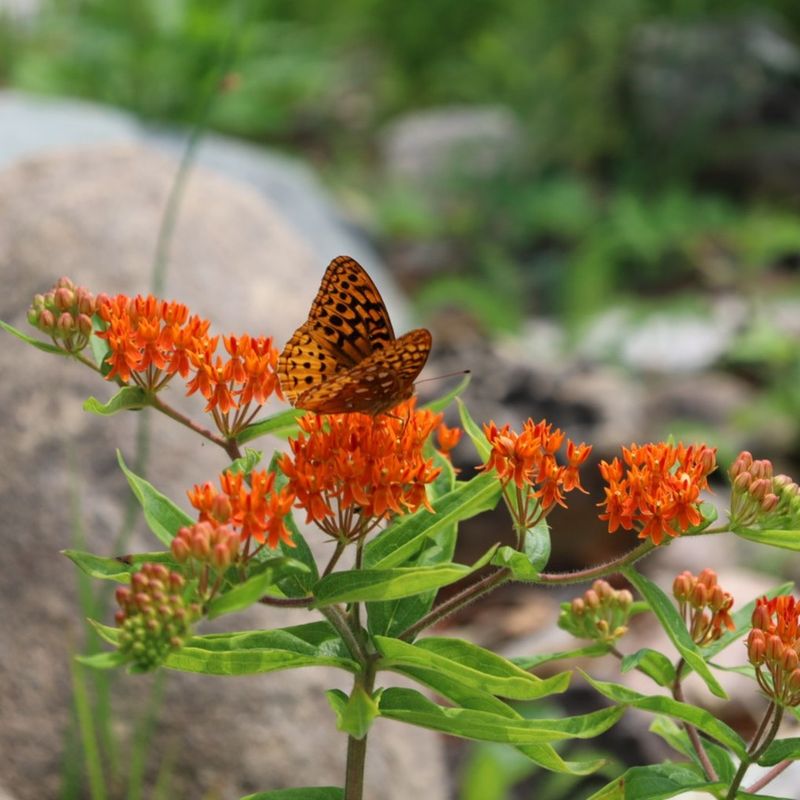
Combining the fiery orange blooms of butterfly weed with the fine-textured foliage of little bluestem creates visual magic in sunny gardens. Butterfly weed stands about two feet tall with clustered flower heads that seem to glow in June and July, while little bluestem grows into elegant three-foot clumps that turn stunning shades of copper and burgundy by autumn.
These two natives share a love for well-drained soils and actually perform best in well-drained, less fertile soils. They both handle summer heat beautifully and need very little supplemental watering once their roots establish.
This makes them perfect for those challenging sunny slopes or areas where you’d rather not drag hoses around.
Monarch butterflies specifically seek out butterfly weed for laying eggs since it’s a host plant for their caterpillars. The grass provides protective cover for beneficial ground beetles and other insects that help control garden pests.
Your Ohio Garden Changes Every Week. Your Plan Should Too.
Gardening in Ohio changes quickly throughout the season. Every Friday you’ll receive a simple weekly plan showing exactly what to plant, prune, fertilize, harvest, and protect so you never miss the right timing.
Together, they create a layered habitat that supports wildlife throughout the growing season.
Space butterfly weed plants about 15 inches apart with little bluestem positioned slightly behind or between them. The grass acts as a natural support, helping keep the shorter wildflower upright during summer storms while adding textural contrast that makes both plants look their absolute best.
3. Wild Bergamot And Ohio Spiderwort
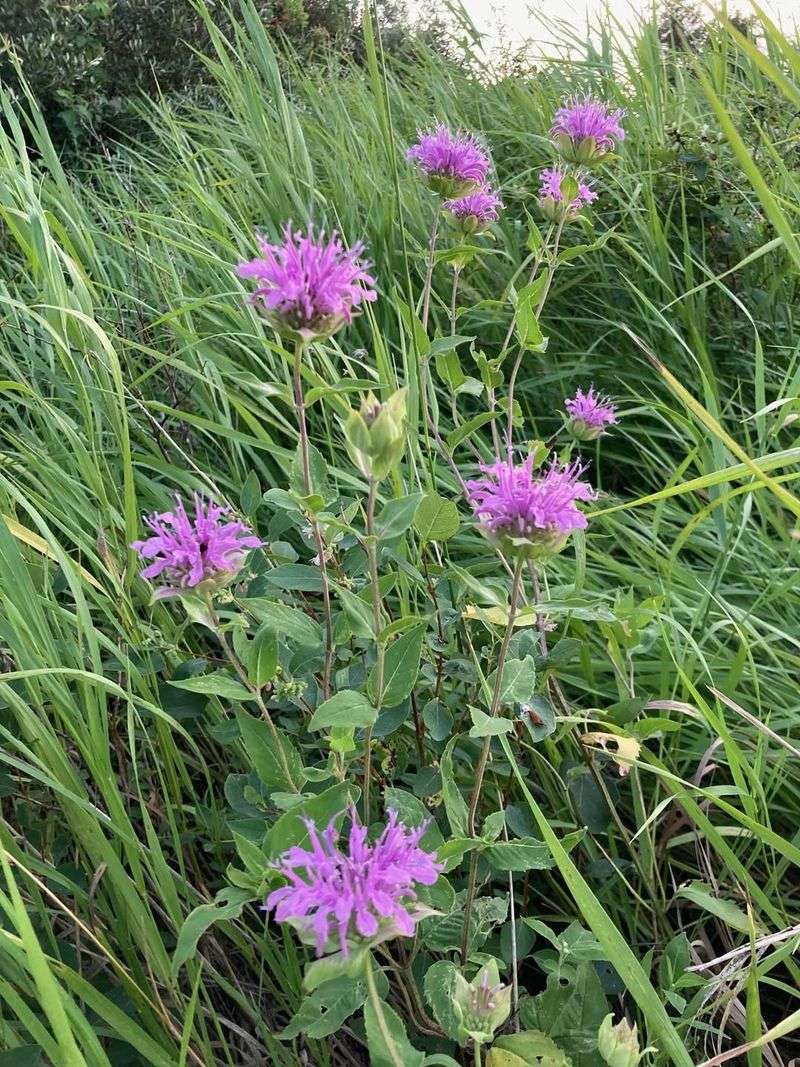
Wild bergamot’s shaggy lavender blooms hovering above Ohio spiderwort’s three-petaled purple flowers creates a cottage garden feel with purely native plants. Spiderwort opens its delicate blooms in the morning from May through June, while bergamot takes over the show from July into August, ensuring your garden stays colorful for months.
Both species appreciate similar growing conditions, doing best in full sun to partial shade with average moisture. They’re particularly well-suited to those transitional areas between full sun and woodland shade that can be tricky to plant.
Neither requires rich soil, and both actually perform better when not overfertilized, making them genuinely low-maintenance choices.
The aromatic foliage of wild bergamot releases a delightful minty scent when brushed against, and it’s highly attractive to hummingbirds, bees, and butterflies. Ohio spiderwort provides early-season nectar when many other natives haven’t started blooming yet.
Together, they provide nectar from late spring through summer in your yard.
Plant spiderwort toward the front since it grows only 12 to 18 inches tall, with bergamot behind it reaching two to three feet. The spiderwort’s grass-like leaves provide a nice textural contrast to bergamot’s broader foliage, and the spiderwort tends to go dormant by midsummer just as the bergamot reaches its peak bloom.
4. Cardinal Flower And Blue Flag Iris
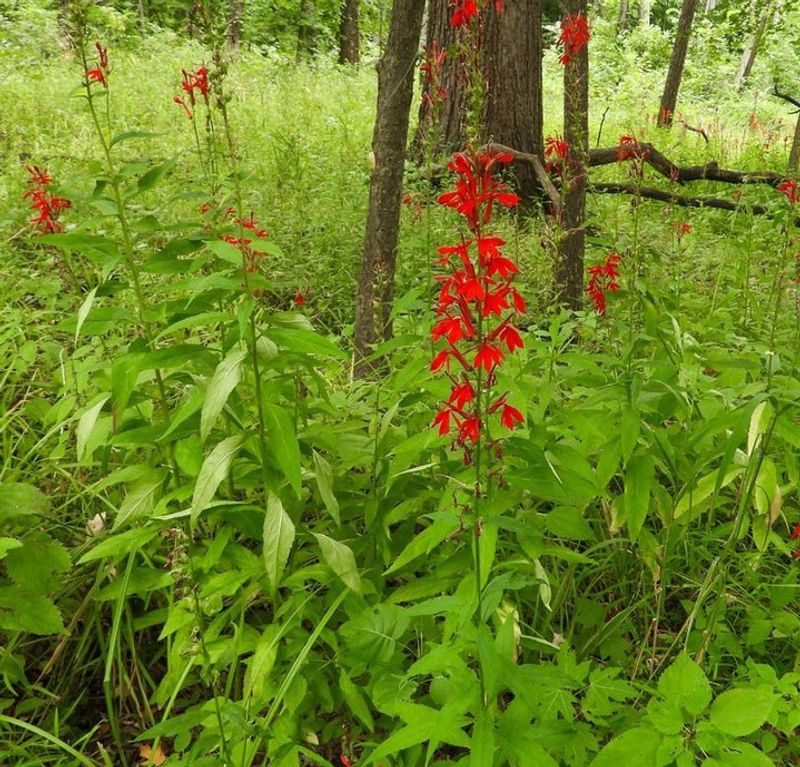
If you’ve got a consistently moist area in your Ohio landscape, this stunning red and blue combination will turn it into a showpiece. Cardinal flower produces spikes of brilliant scarlet blooms that seem almost unreal in their intensity from July through September, while blue flag iris opens its elegant purple-blue flowers in late spring, giving you two distinct seasons of color.
Both plants naturally grow along Ohio stream banks, pond edges, and in wet meadows, so they tolerate heavy, consistently moist soils and periodic wet conditions that would rot the roots of most garden plants. They actually prefer these challenging conditions and will struggle in dry, sandy sites.
This makes them ideal for rain gardens or those low spots where water collects after storms.
Hummingbirds make a beeline for cardinal flowers, often returning to the same plants day after day throughout the blooming period. The iris provides early nectar for bumblebees and other pollinators emerging in spring.
Together, they create a wetland habitat that also attracts dragonflies, frogs, and songbirds looking for water and insects.
Space them about 12 inches apart, with iris rhizomes planted at the soil surface and cardinal flower crowns just barely covered. Both spread gradually to form attractive colonies that stabilize soil and prevent erosion along water features.
5. Serviceberry And Eastern Redbud
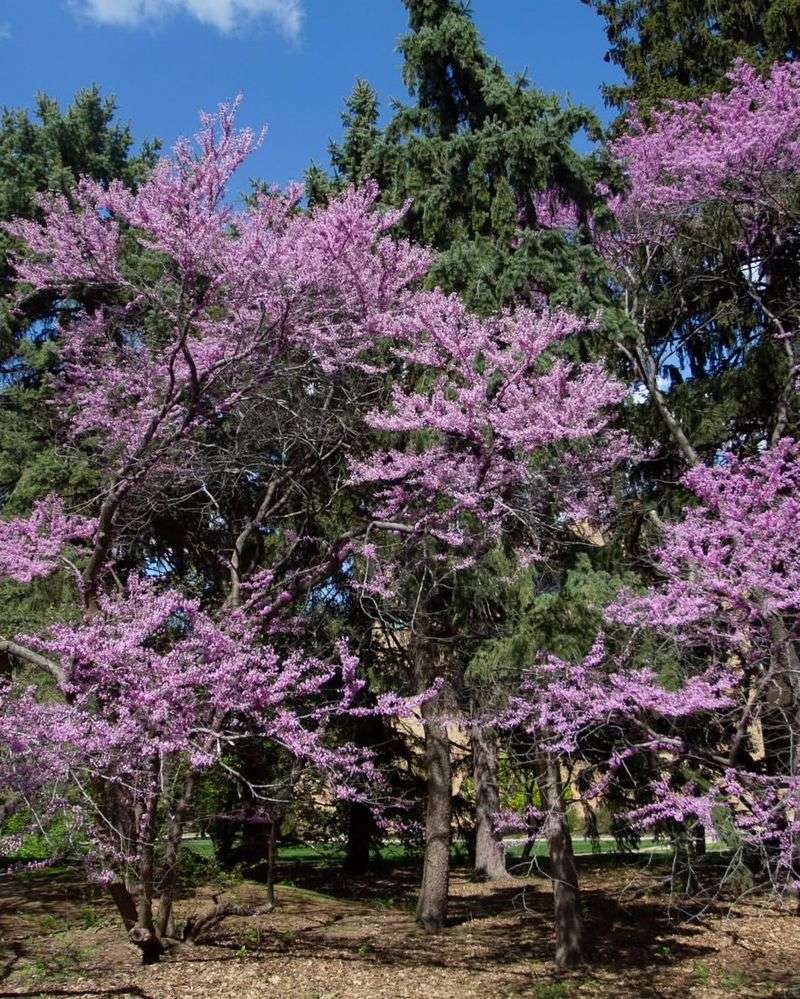
Pairing these two small native trees creates an unforgettable spring display while providing four-season interest in Ohio yards. Serviceberry opens its delicate white flowers in early April, often while snow still lingers in shaded corners, followed closely by redbud’s profusion of pink-purple blossoms that appear directly on branches and trunk in a truly unique display.
Both trees prefer similar conditions, growing best in full sun to partial shade with moist, well-drained soil. They’re perfect for smaller properties since serviceberry typically reaches 15 to 20 feet and redbud stays around 20 to 30 feet.
Neither is known for aggressive root systems that commonly cause damage to foundations or sidewalks, making them excellent choices near homes and patios.
Serviceberry produces edible purple berries in June that taste like sweet blueberries, attracting robins, cedar waxwings, and other fruit-loving birds. Redbud flowers provide crucial early nectar for native bees emerging from winter dormancy.
Both trees offer beautiful fall color, with serviceberry turning orange-red and redbud glowing golden-yellow.
Plant them 15 to 20 feet apart to allow for mature spread. Serviceberry works beautifully as an understory tree beneath taller oaks or maples, while redbud tolerates the dappled shade of woodland edges.
Together, they create a naturalistic layered planting that mimics Ohio’s native forest structure while staying manageable in size.
6. Switchgrass And New England Aster
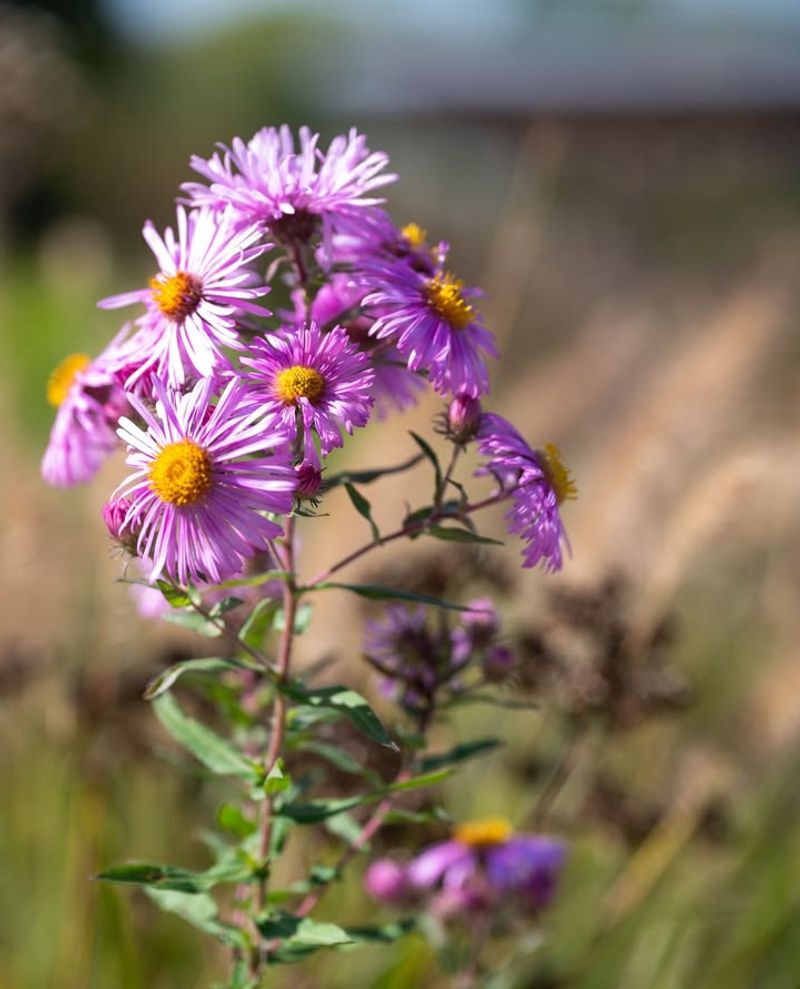
Watching switchgrass sway in the breeze while New England asters bloom purple at its base captures the essence of Ohio’s autumn prairies. Switchgrass grows into upright clumps reaching four to five feet tall with airy seed heads that catch the light beautifully, while asters burst into clouds of purple daisies from September through October, providing late-season color when many gardens start looking tired.
Both plants thrive in full sun and adapt to a wide range of soil types, from heavy clay to sandy loam. They handle periodic drought well once established but also tolerate occasional wet periods without complaint.
This adaptability makes them reliable performers across Ohio’s varied landscapes and unpredictable weather patterns.
New England asters are frequently visited by monarch butterflies during fall migration, providing crucial fuel for their long journey south. The grass offers winter shelter for beneficial insects and provides seeds for sparrows and juncos throughout the cold months.
Together, they create habitat that supports wildlife year-round.
Plant asters about 18 inches apart in front of switchgrass clumps spaced two to three feet apart. The grass provides a structural backdrop that makes the purple flowers pop visually.
Leave both plants standing through winter for their ornamental value and wildlife benefits, then cut them back to about six inches in early spring before new growth emerges.
7. Wild Columbine And Foamflower
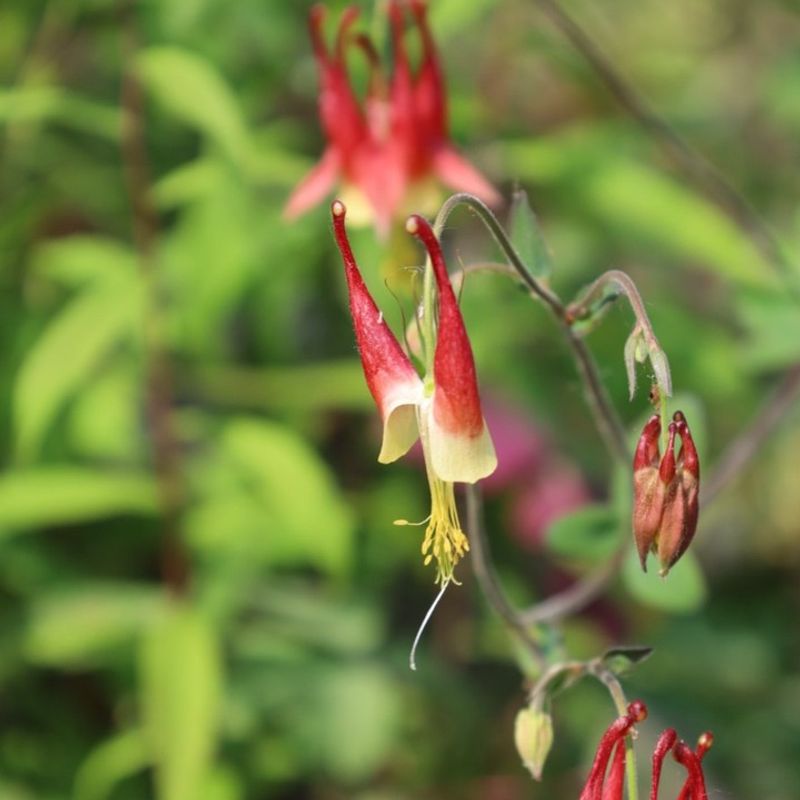
For shady corners under trees where most flowers refuse to bloom, this pairing brings unexpected color and delicate beauty. Wild columbine dangles its distinctive red and yellow flowers like tiny lanterns from April through May, while foamflower sends up spikes of frothy white blooms that seem to float above the ground during the same period.
Both natives are perfectly adapted to the dappled shade and leaf-litter-rich soil found under Ohio’s deciduous trees. They prefer consistent moisture but don’t tolerate soggy conditions, making them ideal for woodland edges and lightly shaded areas with consistent moisture where grass struggles.
Neither requires fertilizer and both actually prefer the natural nutrients from decomposing leaves.
Hummingbirds are drawn to columbine’s nectar-rich flowers, often arriving back from migration just as these blooms open. Native bees visit foamflower enthusiastically, and both plants self-sow modestly, naturalizing over time to create charming drifts.
Their foliage remains attractive all season, with columbine’s blue-green leaves and foamflower’s semi-evergreen ground-hugging rosettes.
Space columbine plants about 12 inches apart with foamflower filling in around them at similar spacing. The foamflower acts as a living mulch, suppressing weeds while keeping columbine roots cool and moist.
Together, they transform bare ground under trees into a woodland garden that looks like it’s been there forever.
8. Joe Pye Weed And Swamp Milkweed
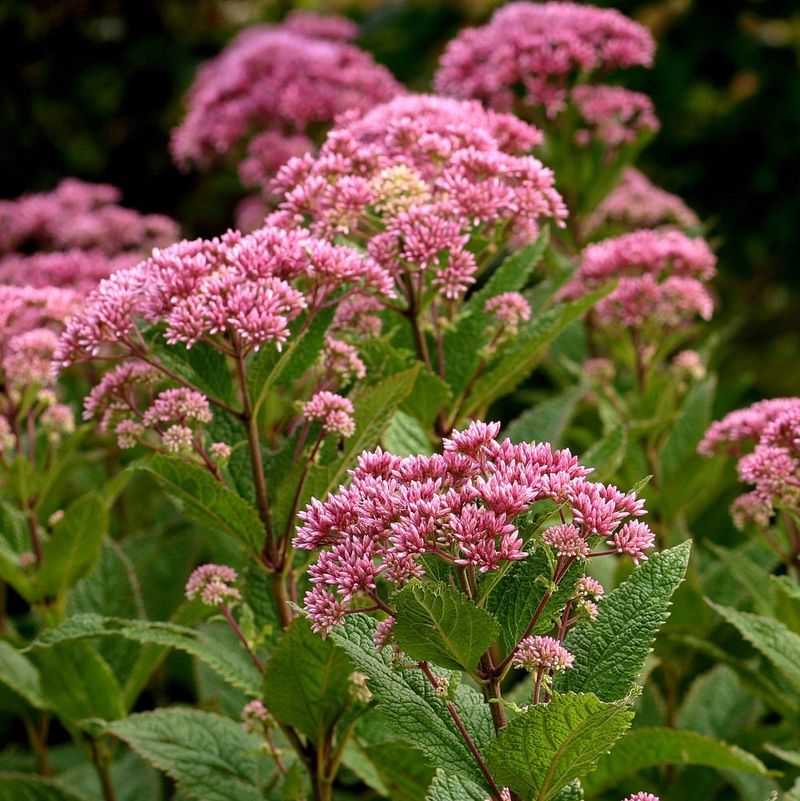
If you’re looking to create a pollinator paradise in a damp area, this towering duo delivers dramatic height and nonstop butterfly action. Joe Pye weed grows into an impressive five to seven foot specimen topped with dusty pink flower clusters in late summer, while swamp milkweed reaches three to four feet with rosy-pink blooms appearing from June through August.
Both plants naturally inhabit Ohio’s wet meadows, ditches, and stream edges, so they thrive in heavy, moisture-retentive soils that remain consistently moist. They’re excellent choices for rain gardens, pond margins, or anywhere water tends to collect and linger.
Once established, their deep roots help stabilize soil and prevent erosion while filtering runoff.
Swamp milkweed serves as a host plant for monarch caterpillars, while Joe Pye weed attracts massive numbers of butterflies, bees, and other pollinators to its nectar-rich flowers. Together, they create a tall, dense habitat that also provides cover for birds and beneficial insects.
The show continues into fall when goldfinches feast on the seed heads.
Plant them in groups with swamp milkweed in front and Joe Pye weed behind, spacing each about two feet apart. The combination creates a living screen that adds privacy while supporting local ecosystems.
Both plants are vigorous growers that spread slowly by rhizomes, eventually forming impressive colonies in ideal conditions.
9. Goldenrod And Native Aster
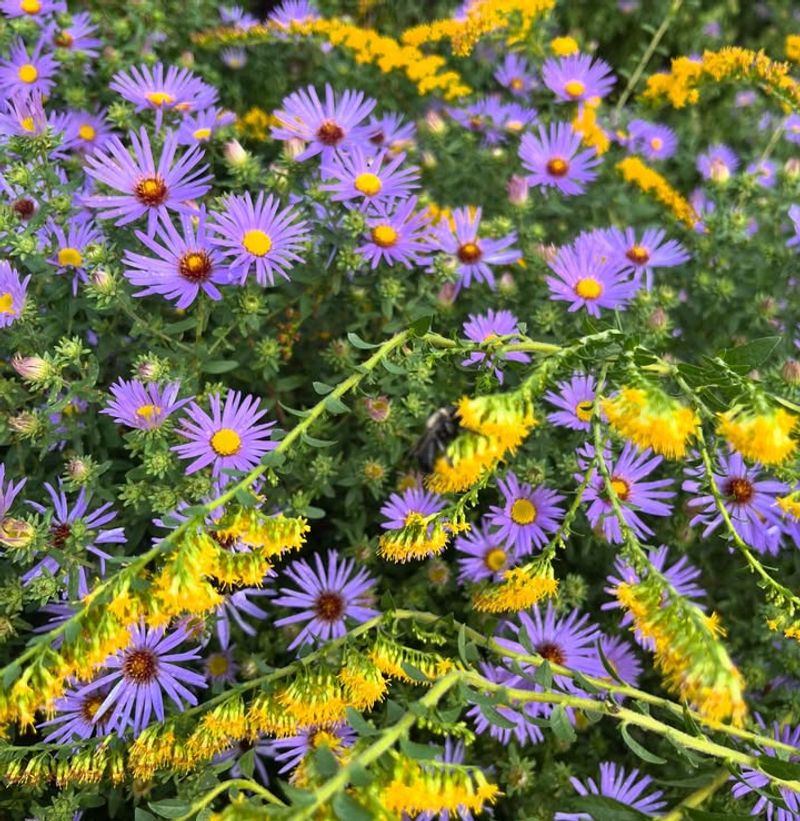
This classic late-season pairing brings Ohio gardens to life just when most plants are shutting down for the year.
Goldenrod produces plumes of golden-yellow flowers from August through October, while native asters bloom in shades of purple, blue, and white during the same period, creating a color combination that looks professionally designed but occurs naturally throughout Ohio’s wild spaces.
Both plants grow best in full sun with average to dry soil, making them perfect for low-maintenance areas where you want maximum impact with minimal effort. They’re exceptionally drought-tolerant once established and actually bloom more profusely in leaner soils.
This makes them ideal for challenging sites with poor soil where other perennials struggle.
Despite its unfortunate reputation, goldenrod does not cause hay fever since its pollen is too heavy to become airborne. What it does cause is a frenzy of pollinator activity, with bees, butterflies, and beneficial wasps covering the flowers throughout the day.
Asters provide equally important late-season nectar when few other food sources remain available for insects preparing for winter.
Plant goldenrod and asters in mixed drifts, spacing plants 18 to 24 inches apart. The combination creates a naturalistic meadow effect that requires no staking, deadheading, or special care.
Both spread gradually to form attractive colonies, and leaving the dried stems standing through winter provides seeds for birds and shelter for overwintering beneficial insects.