The Gorgeous Hydrangea Alternative You Can Grow In North Carolina Without Any Fuss
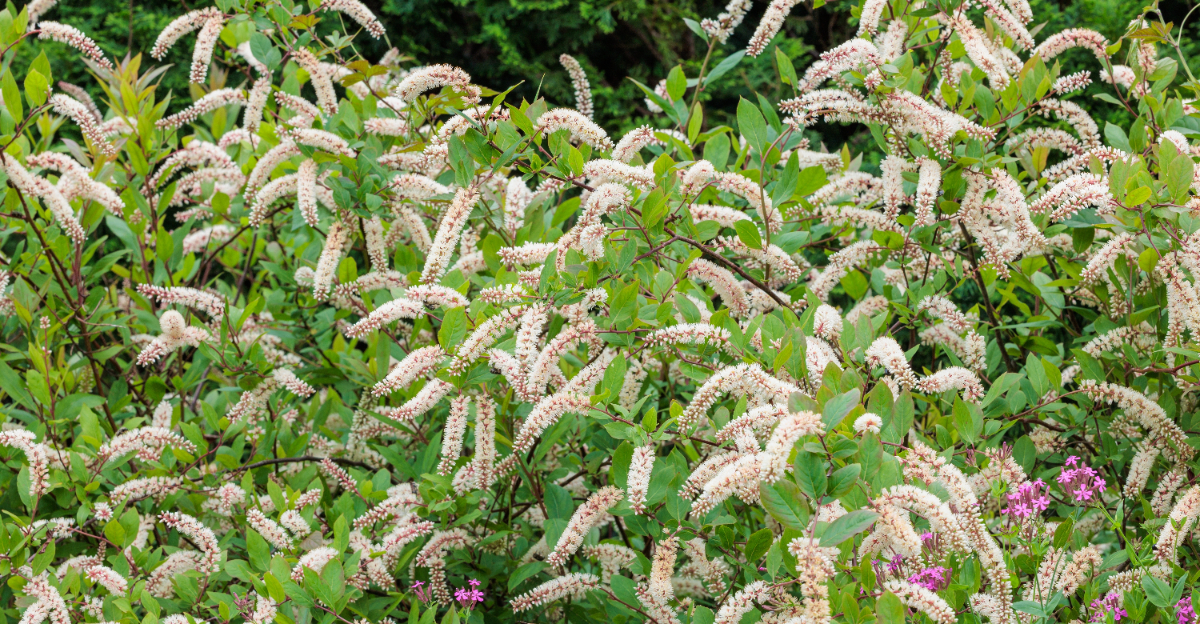
Love the look of flowering shrubs but tired of babysitting hydrangeas? Many North Carolina gardeners are switching to a native favorite that delivers beauty without the stress.
Virginia sweetspire stands out for its graceful white flower spikes, rich green foliage, and fiery fall color, all wrapped into one easygoing plant. It thrives in local conditions, handles heat and humidity well, and asks for very little once established.
No constant fussing, no complicated soil fixes, just steady growth and reliable seasonal interest. In spring, soft blooms bring a fresh, elegant touch.
By fall, the foliage transforms into warm shades that light up the landscape. Whether planted along borders, near water features, or in mixed beds, this native shrub quietly earns its place while keeping your garden lively and low effort from season to season.
Native To Eastern North America
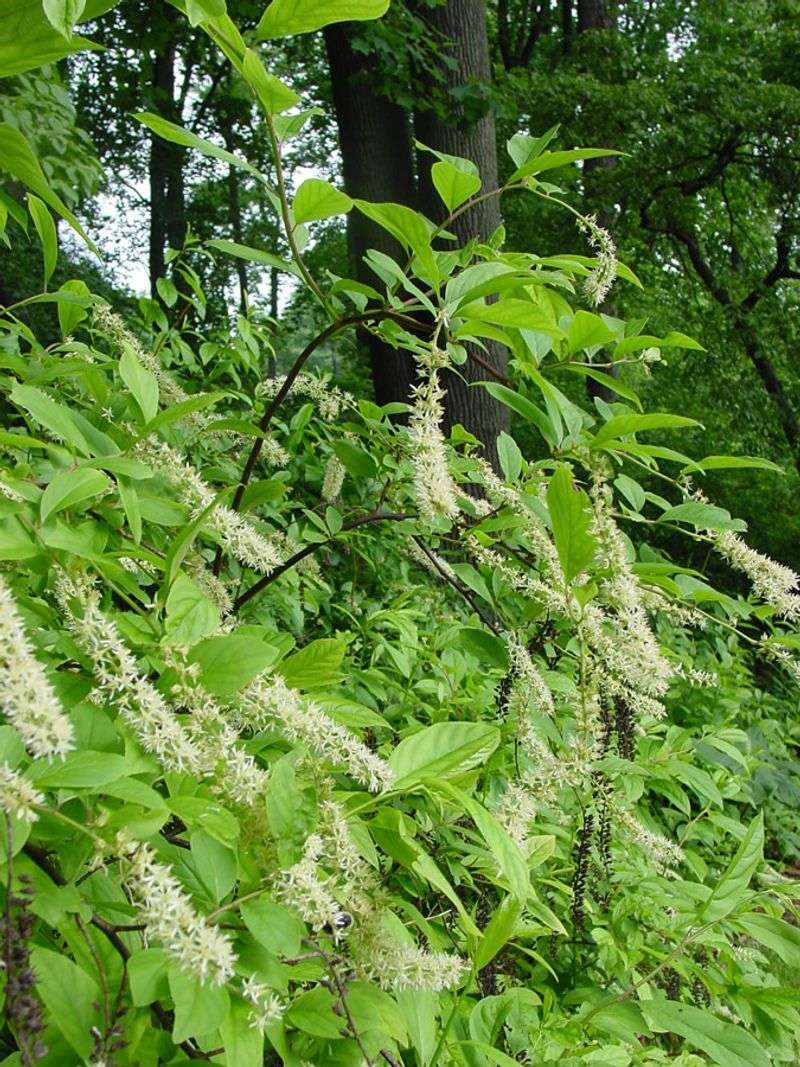
Virginia sweetspire carries the botanical name Itea virginica and grows wild across the southeastern United States. You’ll find it flourishing in woodlands, stream banks, and wetland edges from New Jersey down to Florida.
North Carolina sits right in the heart of its native range, which means this shrub already knows how to handle local weather patterns.
Because it evolved here over thousands of years, Virginia sweetspire has built-in resistance to regional pests and diseases. Native plants form partnerships with local soil microbes that help them absorb nutrients more efficiently.
They also provide food and shelter for native insects, birds, and other wildlife that depend on them.
When you plant a native shrub, you’re working with nature instead of against it. Your garden becomes part of the local ecosystem rather than a foreign environment that needs constant intervention.
Virginia sweetspire won’t sulk when summer storms roll through or temperatures swing wildly.
Gardeners who choose native plants often discover they spend less time troubleshooting problems and more time enjoying their landscapes. This shrub settles into North Carolina soil like it’s coming home, because it is.
The roots spread confidently, the branches grow strong, and the whole plant radiates health without you having to coddle it through every season.
Produces Graceful, Fragrant Flowers In Summer
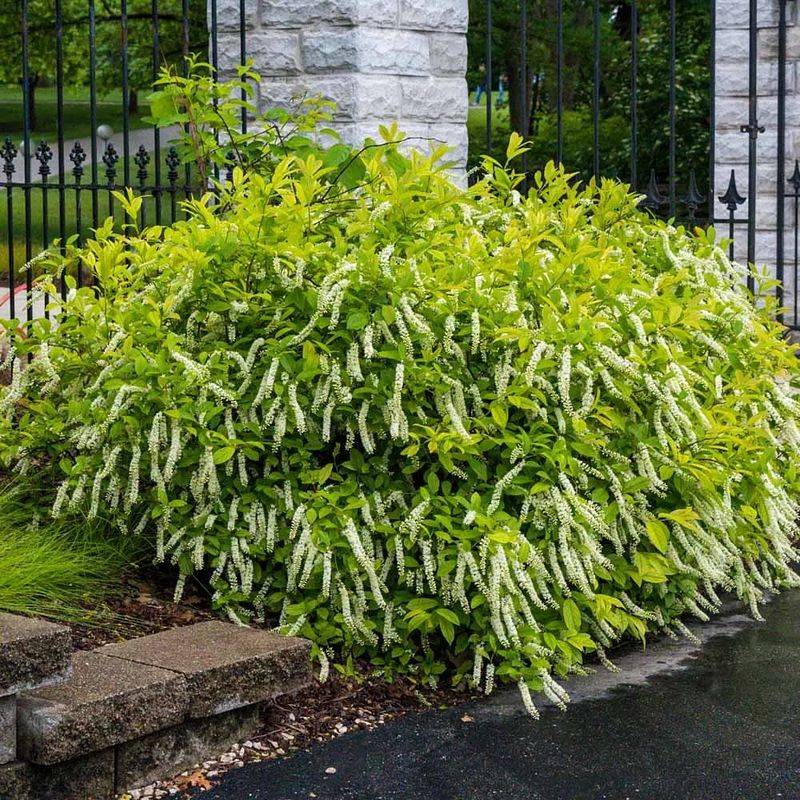
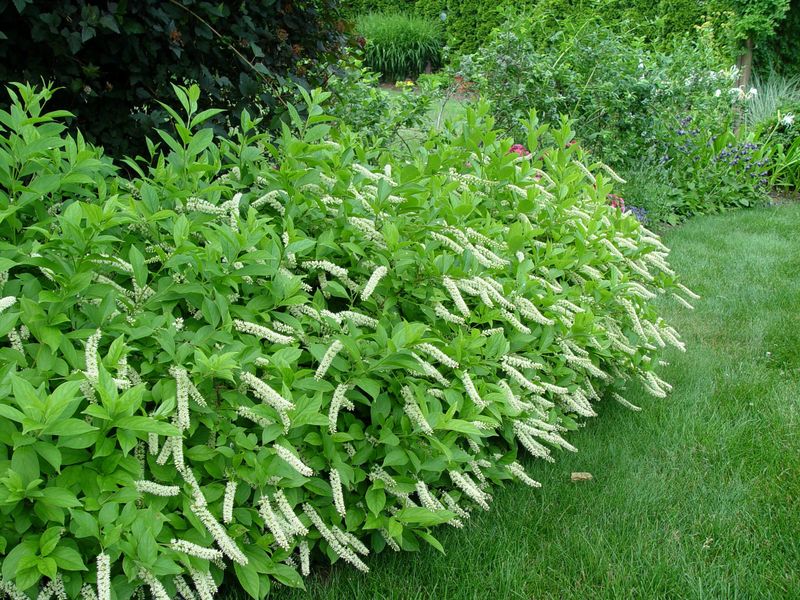
Late spring brings a transformation as Virginia sweetspire prepares to bloom. Long, drooping racemes emerge from the branch tips, each one packed with tiny white to creamy flowers.
These cascading clusters can stretch four to six inches long, creating an elegant waterfall effect that sways gently in the breeze.
The blooms carry a subtle, sweet fragrance that draws you closer for a better look. It’s not an overpowering scent like some lilacs or gardenias, but rather a delicate perfume that adds another layer of charm.
Peak flowering usually happens in June, though timing can shift slightly depending on your specific location and the weather patterns that year.
What makes these flowers special is their staying power and the way they light up shady corners. Even in partial shade, the white racemes practically glow against the dark green foliage.
They keep their fresh appearance for several weeks, giving you a long window to enjoy the show.
Your North Carolina Garden Changes Every Week. Your Plan Should Too.
Gardening in North Carolina changes quickly throughout the season. Every Friday you’ll receive a simple weekly plan showing exactly what to plant, prune, fertilize, harvest, and protect so you never miss the right timing.
Unlike hydrangeas that demand specific conditions to bloom well, Virginia sweetspire flowers reliably year after year. You don’t need to fret about pruning at exactly the right moment or worry that a late frost ruined your chances for summer color.
The plant handles its own flowering schedule with impressive consistency.
Attractive To Pollinators
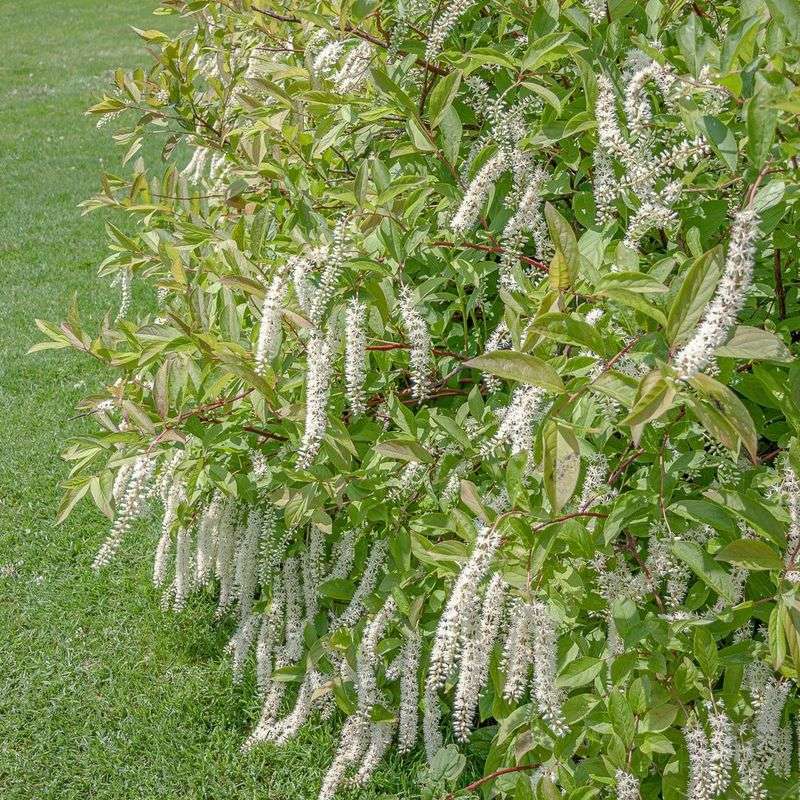
Watch those sweetspire blooms on a sunny June morning and you’ll see a steady stream of visitors. Bees buzz from flower to flower, collecting nectar and pollen to take back to their hives.
Butterflies pause on the drooping racemes, unfurling their tongues to sip the sweet rewards hidden inside each tiny blossom.
Native plants and native pollinators evolved together, creating relationships that benefit both parties. Virginia sweetspire blooms at a time when many spring-flowering shrubs have already finished, providing crucial food when other sources become scarce.
This timing helps sustain pollinator populations through the transition into summer. Supporting pollinators isn’t just good for your garden. These insects play essential roles in the broader ecosystem, pollinating wild plants and food crops alike.
By planting Virginia sweetspire, you’re creating a refueling station that helps bees, butterflies, and beneficial insects thrive.
The more native plants you include in your landscape, the more balanced and resilient your garden becomes. You’ll notice fewer pest problems because beneficial insects stick around to keep troublemakers in check.
Birds arrive to feed on the insects, adding movement and song to your outdoor space. Virginia sweetspire becomes a cornerstone in this web of life, offering beauty while supporting the creatures that make gardens truly come alive.
Tolerates Wide Soil Conditions
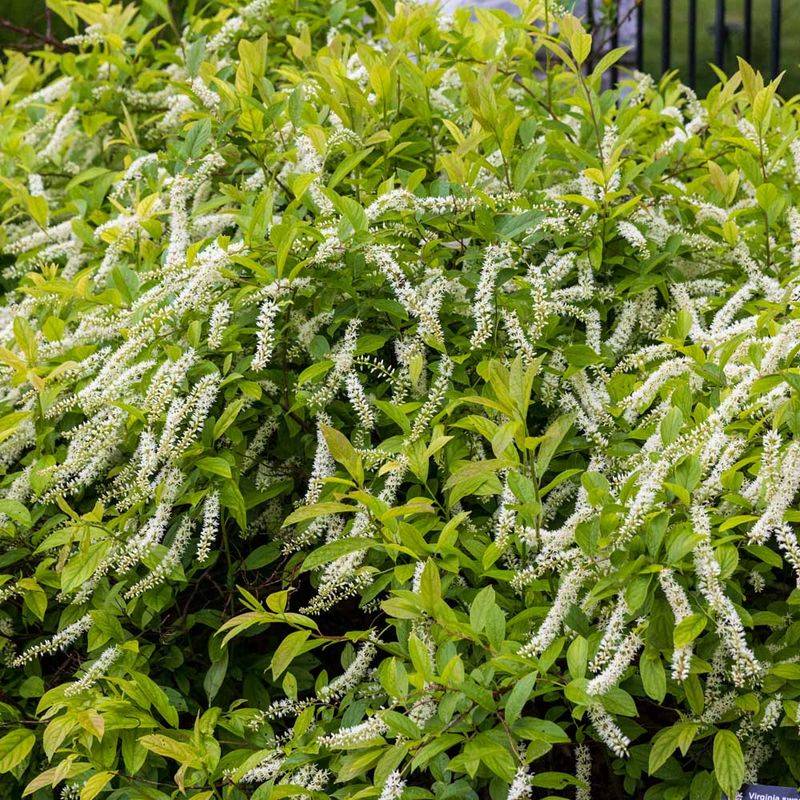
Soil anxiety keeps many gardeners from trying new plants, but Virginia sweetspire takes that worry off the table. This adaptable shrub grows happily in clay, loam, or sandy soils without demanding amendments or special preparations.
It handles moisture levels from consistently damp to moderately dry, though it prefers soils that don’t completely parch out.
In its natural habitat, you’ll find Virginia sweetspire growing along stream banks where roots stay moist, but also on slightly higher ground where drainage is better.
This range means you can tuck it into a low spot that stays a bit soggy or plant it in a regular garden bed with average moisture. The roots adjust to what they find.
Hydrangeas, by contrast, often demand rich, well-amended soil and consistent moisture to look their best. They can sulk and struggle if conditions aren’t just right.
Virginia sweetspire simply gets on with the business of growing, sending roots deep to find what it needs.
If your soil is heavy clay that drains slowly, this shrub will tolerate it far better than many ornamentals. If you have sandy soil that dries quickly, it will manage that too, though you might need to water during extended droughts.
This flexibility makes Virginia sweetspire an excellent choice for gardeners dealing with less-than-perfect soil conditions.
Thrives In Full Sun To Partial Shade
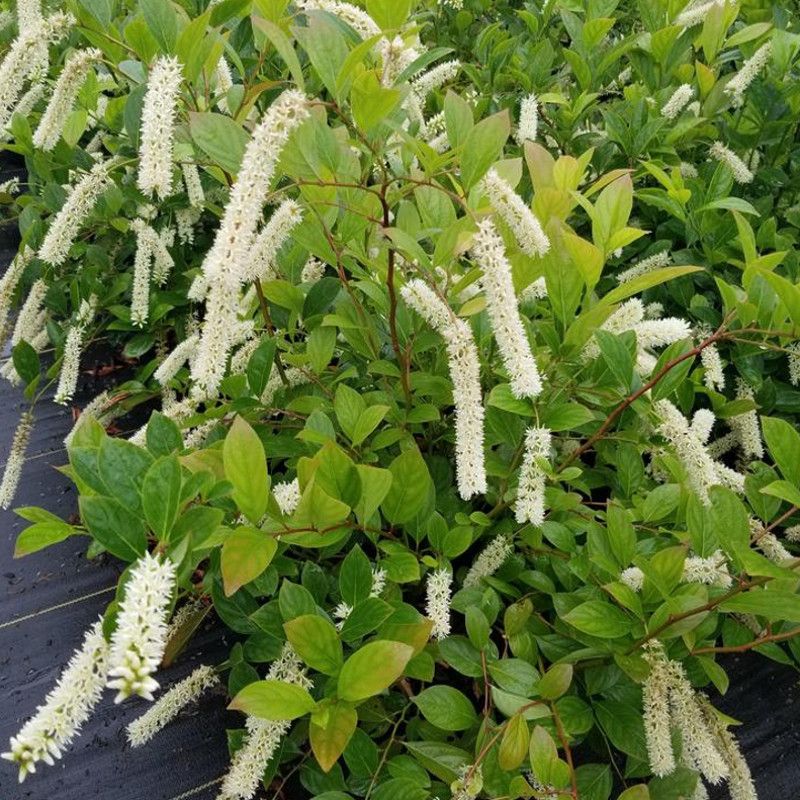
Light requirements can make or break a plant’s success, but Virginia sweetspire offers remarkable flexibility. It blooms beautifully in full sun, producing abundant flowers and developing the most intense fall color.
Yet it also performs admirably in partial shade, making it useful in spots where many flowering shrubs would refuse to bloom.
This adaptability opens up planting possibilities throughout your landscape. You can use Virginia sweetspire in a sunny border alongside perennials and ornamental grasses.
Or tuck it into the dappled shade beneath tall trees where it will brighten the understory with its white flower cascades.
The shrub naturally grows at woodland edges where light levels shift throughout the day. It’s accustomed to morning sun and afternoon shade, or filtered light that flickers through overhead branches.
This evolutionary background means it won’t throw a tantrum if conditions aren’t perfectly uniform.
In deeper shade, Virginia sweetspire may produce fewer flowers and develop a more open growth habit, but it still looks healthy and attractive. The foliage remains lush and green, providing texture and form even without heavy bloom production.
This tolerance makes it a valuable player in mixed plantings where you need a shrub that can handle variable light rather than demanding one specific exposure.
Low Maintenance Once Established
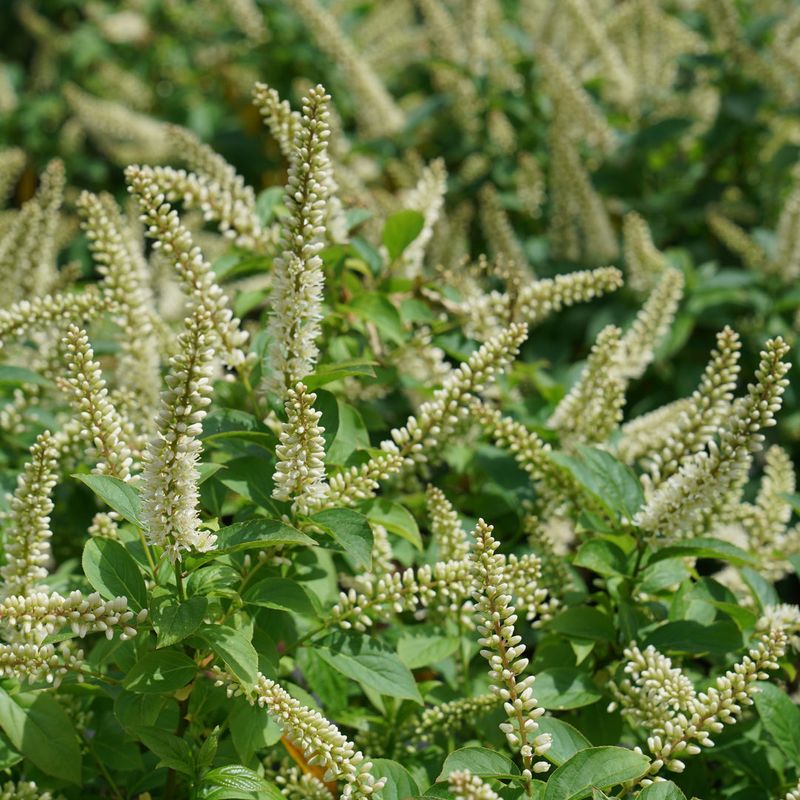
After planting, Virginia sweetspire asks for regular water during its first growing season while roots establish. Once settled, it becomes remarkably self-sufficient.
You won’t need to follow a complex pruning schedule or worry about timing cuts to preserve next year’s flowers. The shrub maintains an attractive rounded form naturally.
If you want to tidy it up, prune right after flowering finishes in early summer. Cut out any wayward branches or trim the whole shrub to shape it.
Virginia sweetspire flowers on new growth, so even if you prune at the wrong time, you won’t sacrifice blooms the way you might with hydrangeas.
Fertilizing isn’t necessary if your soil has reasonable fertility. The plant grows at a moderate pace, filling its space without becoming aggressive or demanding constant control.
You won’t spend weekends wrestling with a shrub that’s trying to take over the garden.
Pest and disease problems rarely appear on Virginia sweetspire, eliminating another maintenance headache. No spraying, no treating, no worrying about whether something is attacking your investment.
The shrub simply grows, blooms, and colors up in fall without requiring intervention. This hands-off nature makes it perfect for gardeners who want beauty without the burden of constant care routines.
Beautiful Fall Foliage
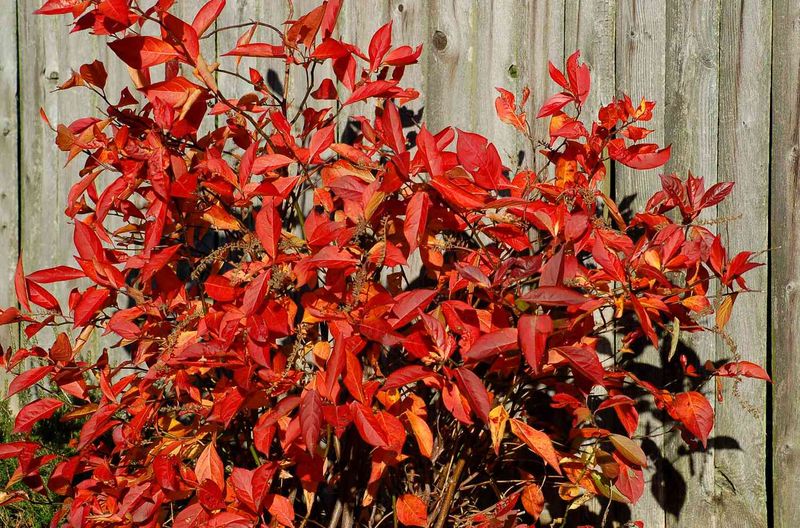
When autumn arrives, Virginia sweetspire saves its best performance for last. The green leaves that provided a quiet backdrop all summer suddenly ignite into shades of red, burgundy, orange, and purple.
This transformation extends the shrub’s ornamental value well beyond its summer flowering period.
Fall color develops most intensely on plants growing in full sun, though even shaded specimens usually show some color change. The exact shades vary depending on growing conditions, genetics, and weather patterns, creating unique displays each year.
Some plants lean toward crimson reds, while others develop deep wine tones.
This autumn show typically lasts several weeks, giving you extended enjoyment as the garden transitions toward winter. The colored leaves create stunning combinations with fall-blooming perennials, ornamental grasses, and evergreen companions.
Your landscape gains depth and interest just when many other plants are fading.
Hydrangeas offer dried flower heads in autumn, which some gardeners love and others find messy. Virginia sweetspire delivers true foliage color that rivals burning bush or red maples.
You get multi-season interest from a single plant without the high-maintenance demands that other fall-color champions require.
The leaves eventually drop, revealing attractive branching structure that provides winter interest until spring growth begins the cycle again.
Performs Well In Heat And Humidity
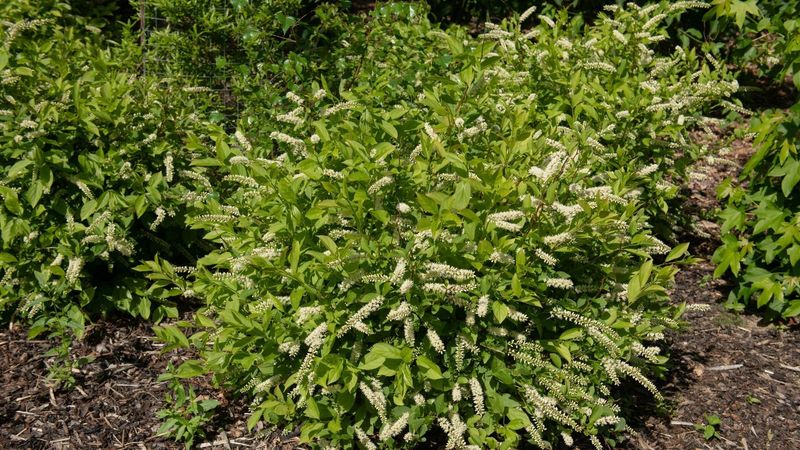
North Carolina summers bring heat, humidity, and afternoon thunderstorms that can stress plants adapted to cooler climates. Virginia sweetspire handles these conditions with ease because it evolved in exactly this type of environment.
The leaves stay fresh and healthy even when temperatures soar and the air feels thick enough to cut.
Many hydrangea varieties struggle during hot, humid weather. Their large leaves wilt dramatically if soil moisture dips, and some types develop fungal problems in humid conditions.
You end up watering constantly and worrying whether your plants will make it through another scorching week.
Virginia sweetspire’s smaller leaves and efficient water use mean it doesn’t demand constant irrigation once established. The plant can handle brief dry spells without collapsing, though it looks best with occasional deep watering during extended droughts.
It won’t punish you for missing a few days with the hose.
Heat tolerance also means the flowers don’t fade or burn in intense sun. The white blooms stay fresh-looking throughout their bloom period, and the foliage maintains its deep green color without bleaching or scorching.
This resilience makes Virginia sweetspire a smarter choice for southern gardens where summer stress tests every plant’s limits.
You get reliable performance year after year without the anxiety that comes with babying heat-sensitive species.
Useful In Borders, Mass Plantings, Or Natural Areas
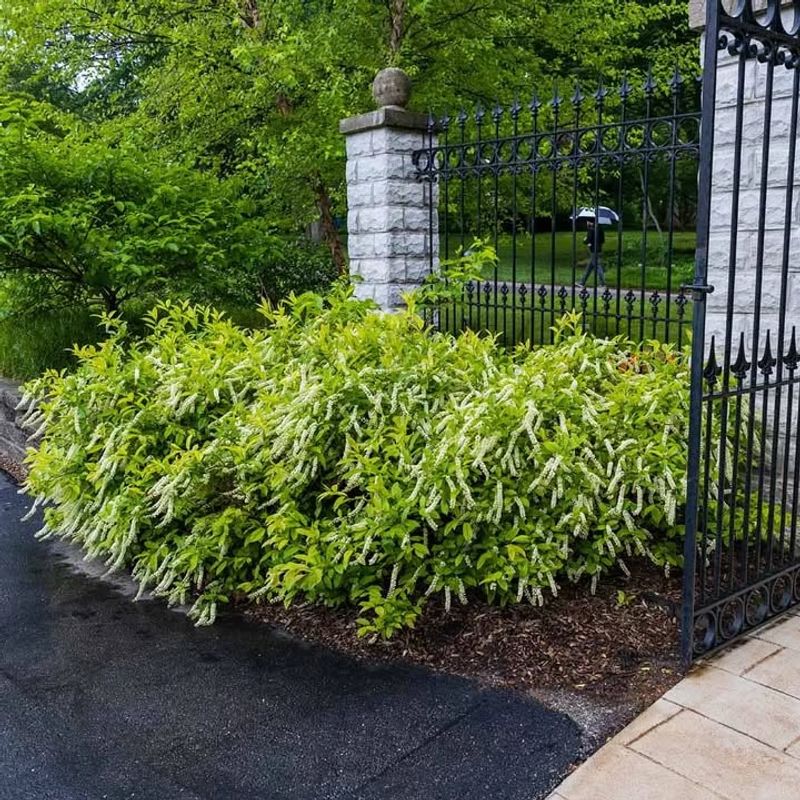
Virginia sweetspire’s moderate size and adaptable nature make it a versatile landscape plant. Mature specimens typically reach three to five feet tall and wide, creating a substantial presence without overwhelming smaller gardens.
This scale works beautifully in mixed borders where you need a flowering shrub that plays well with perennials and ornamental grasses.
Try planting several Virginia sweetspire shrubs in a mass for dramatic impact. The cascading white flowers create a stunning display when multiple plants bloom together, and the fall color becomes even more impressive at larger scale.
This approach works particularly well along property boundaries or as a foundation planting.
The shrub also excels in naturalized settings where you want a more relaxed, woodland feel. Plant it along a stream bank, at the edge of a wooded area, or in a rain garden where it can spread gradually.
Virginia sweetspire will mingle with native ferns, wildflowers, and grasses, creating habitat while looking completely at home.
Its suckering habit allows it to form colonies over time, which can be an advantage in naturalized areas where you want gradual spread. In more formal settings, you can easily control this tendency with occasional removal of unwanted shoots.
The flexibility to use Virginia sweetspire in diverse garden styles makes it valuable for any landscape approach.
Reliable Flowering Without Soil pH Adjustments
Hydrangea growers often obsess over soil pH, adding amendments to shift acidity or alkalinity in hopes of achieving specific bloom colors. Blue flowers require acidic soil, pink flowers need alkaline conditions, and getting it just right becomes a chemistry project.
Virginia sweetspire eliminates this entire headache by blooming reliably in whatever soil pH you already have.
The white flowers stay white regardless of whether your soil is acidic, neutral, or slightly alkaline. You don’t need to test, adjust, or worry about whether last year’s amendments have worn off.
The plant simply blooms when the time comes, producing its graceful racemes without demanding special soil conditions.
This consistency means you can focus on enjoying your garden instead of managing it like a laboratory. Virginia sweetspire grows happily alongside plants with different pH preferences because it doesn’t have strong requirements of its own.
You can create diverse plantings without worrying about whether everything will thrive in the same soil.
The freedom from pH anxiety makes Virginia sweetspire especially appealing for beginning gardeners or anyone who wants beautiful results without technical complications. You plant it, water it during establishment, and then step back to let it do its thing.
Reliable flowering year after year becomes something you can count on rather than hope for, giving you confidence and satisfaction in your gardening choices.