4 Trees You Should Prune Before March In Pennsylvania And 3 You Shouldn’t
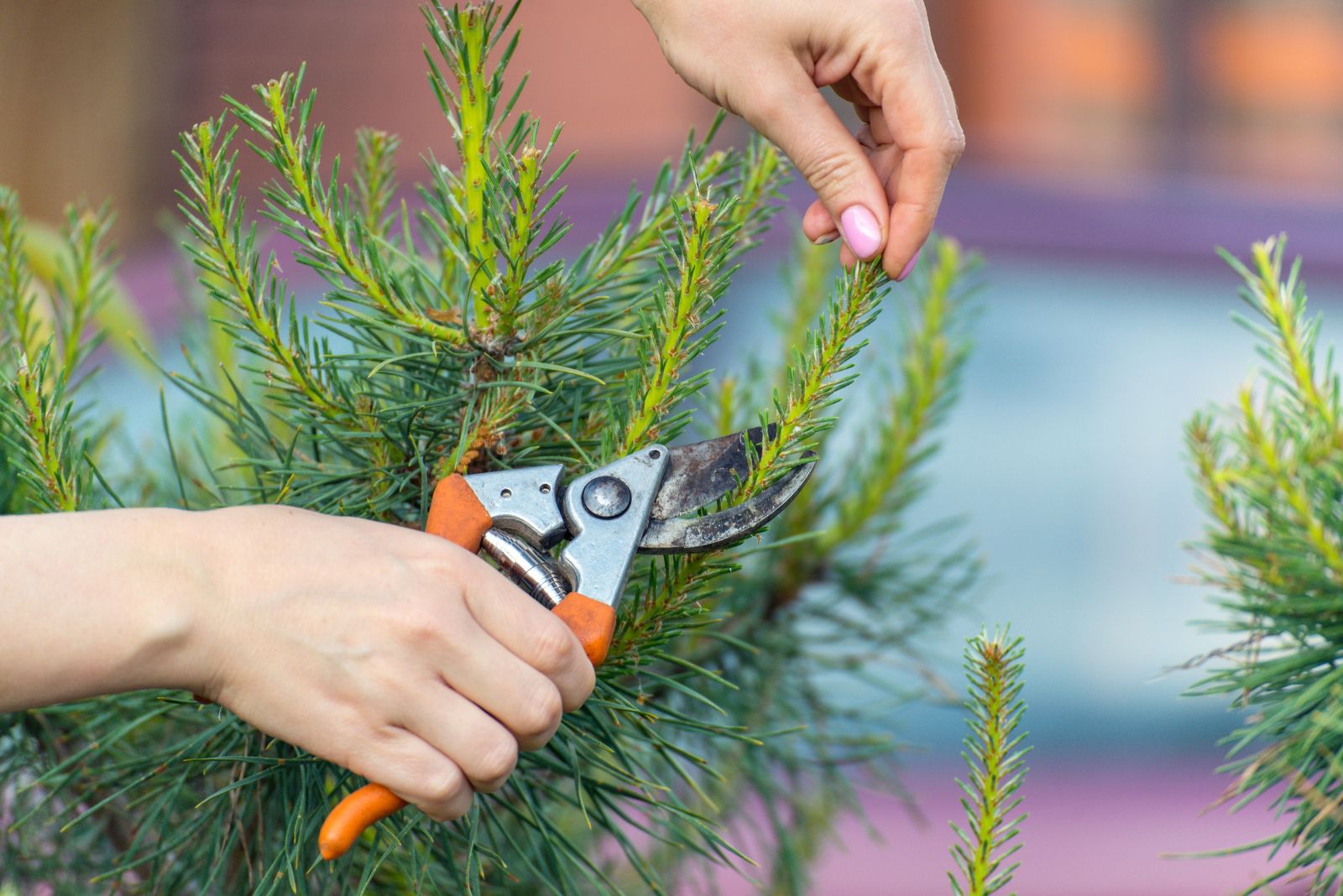
Late winter is a busy season for Pennsylvania gardeners who want healthy, well shaped trees once spring arrives. Pruning at the right time can encourage strong growth, improve structure, and prevent future problems, but timing matters more than many people realize.
Some trees benefit from a late winter trim while they are still dormant, allowing wounds to heal quickly and new growth to emerge with vigor. Others, however, can suffer if pruned too early, losing buds, attracting pests, or weakening just before the growing season begins.
Knowing which trees to prune now and which to leave alone can make a noticeable difference in your landscape’s health and appearance. A few smart cuts today can lead to fuller canopies, better flowering, and stronger branches throughout the year.
With the right approach, your Pennsylvania trees can enter spring balanced, resilient, and ready to grow beautifully through the changing seasons ahead.
1. Oak Trees
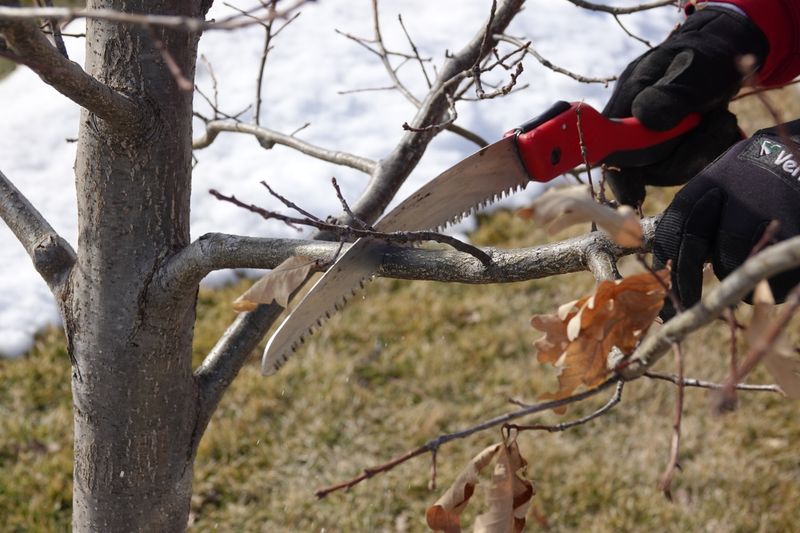
February is your last chance to prune oak trees safely in Pennsylvania before oak wilt season begins. Oak wilt spreads through beetles that become active in warmer months, making late winter the safest pruning window.
Cutting oaks when they’re dormant protects them from this serious fungal infection that can spread rapidly through entire neighborhoods.
Pennsylvania homeowners should focus on removing damaged, crossing, or rubbing branches during this time. Dry wood comes off easily in winter, and you can see the tree’s structure clearly without leaves blocking your view.
Sharp, clean cuts heal faster than ragged tears, so always use properly maintained tools. Large oaks need careful attention to their natural shape and balance. Remove branches that grow inward toward the trunk or cross over other limbs.
These problem areas trap moisture and create weak points that can break during summer storms. Thinning the canopy slightly also improves air circulation, which helps prevent fungal problems.
Avoid removing more than twenty-five percent of the tree’s canopy in a single season. Oaks store energy in their branches, and removing too much at once stresses the entire tree.
Make cuts just outside the branch collar where the limb meets the trunk. This natural ridge contains cells that seal wounds quickly when pruning happens during dormancy in Pennsylvania’s climate.
2. Apple Trees
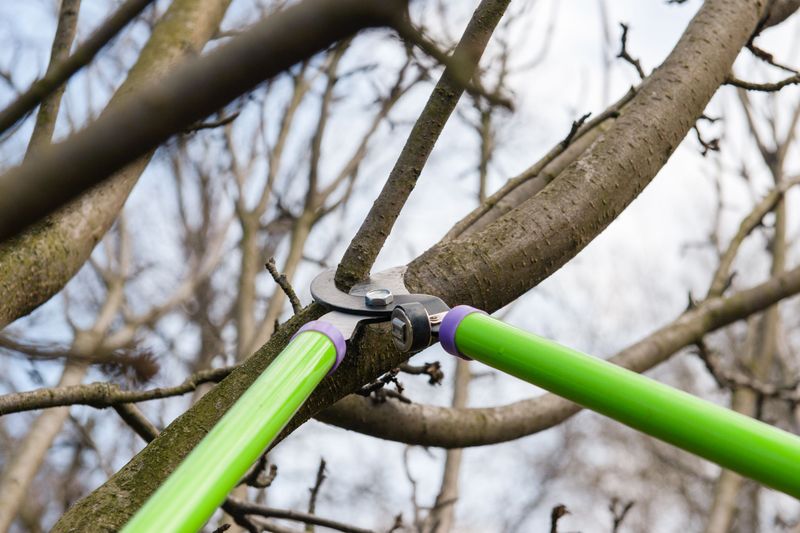
Your apple trees in Pennsylvania need pruning before buds start swelling in early March. Late winter pruning stimulates strong spring growth and helps shape young trees for better fruit production.
Removing excess branches now directs energy toward developing larger, healthier apples instead of wasting resources on unnecessary wood.
Start by cutting out any branches that point straight up or straight down. These water sprouts and suckers drain energy without producing fruit.
Next, remove branches that cross through the center of the tree. Apple trees produce best when sunlight reaches all parts of the canopy, and an open center allows air to flow freely through the branches.
Pennsylvania apple growers should aim for a vase-like shape with three to five main scaffold branches. These primary limbs should angle outward from the trunk at roughly forty-five degrees.
Your Pennsylvania Garden Changes Every Week. Your Plan Should Too.
Gardening in Pennsylvania changes quickly throughout the season. Every Friday you’ll receive a simple weekly plan showing exactly what to plant, prune, fertilize, harvest, and protect so you never miss the right timing.
Branches growing at narrow angles often break under the weight of heavy fruit. Wide angles create stronger connections that support abundant harvests year after year.
Thin out small twigs and weak growth along major branches to concentrate the tree’s energy. Leave short fruiting spurs intact because these stubby branches produce most of your apples.
Make clean cuts close to the parent branch without leaving stubs. Proper pruning before March gives apple trees in Pennsylvania the best start for a productive growing season.
3. Maple Trees
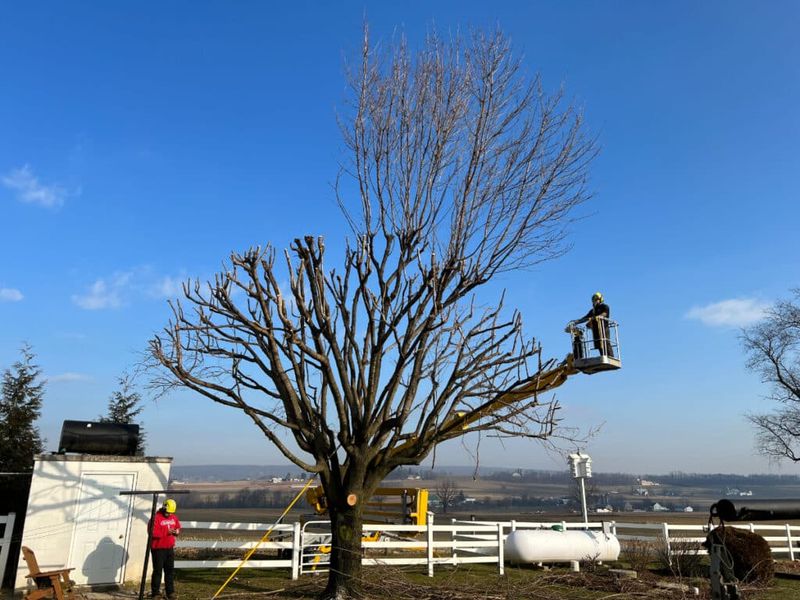
Maples bleed sap heavily once temperatures rise above freezing in Pennsylvania, making February your ideal pruning month. While sap flow looks alarming, it rarely harms established trees.
Pruning before March minimizes this dramatic bleeding and lets cuts seal before active growth begins. Late winter work also prevents stress during the tree’s most vulnerable growing period.
Focus on structural problems like branches with tight V-shaped connections. These weak attachments split easily during ice storms common in Pennsylvania winters.
Removing problem branches now prevents expensive damage to your home or vehicles later. Look for branches that rub against each other too, because constant friction wears away protective bark.
Pennsylvania maples often develop multiple leaders that compete for dominance. Choose the strongest, most vertical stem as your main trunk and remove competing leaders.
This creates a single strong trunk that resists storm damage better than divided stems. Thin crowded branches in the upper canopy to let light reach lower limbs and encourage balanced growth throughout the tree.
Avoid heavy pruning on maples because they compartmentalize decay slowly compared to other species. Remove only what’s necessary for safety and structure.
Make cuts just outside the branch collar where natural chemicals help seal wounds. Pruning before March in Pennsylvania gives maples time to activate their natural defenses before insects and diseases become active in spring.
4. Pine Trees
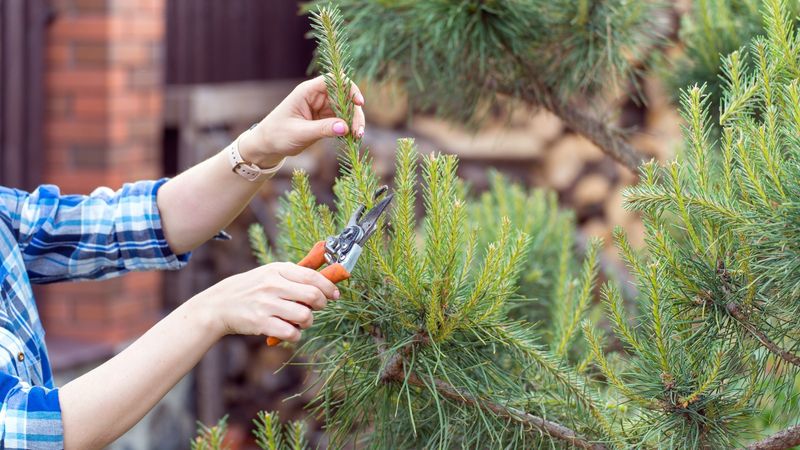
Pine trees need minimal pruning compared to deciduous trees in Pennsylvania, but late winter offers a safe window for light maintenance. Removing broken or damaged branches before March prevents problems without triggering excessive sap loss.
Pines handle cold-weather pruning well because their resin production stays low during dormancy. Small corrections now help maintain attractive shape without stressing the tree.
Pennsylvania homeowners should limit pine pruning to safety issues and obvious defects. Cut broken branches back to healthy wood or remove them completely at the trunk.
Storm-damaged limbs often harbor insects and diseases, so removing them protects the rest of the tree. Use clean cuts that don’t tear bark or leave ragged edges.
Avoid cutting into old wood on pines because most species won’t produce new growth from bare branches. Pines grow from buds at branch tips, so removing too much green growth permanently reduces density.
If you need to control size, trim new growth in late spring instead of cutting established branches in winter. Late winter work should focus on damaged wood rather than shaping.
Check for signs of disease or insect damage while pruning pines before March in Pennsylvania. Look for oozing sap, discolored needles, or small holes in bark.
Remove affected branches promptly to prevent spread. Light pruning during dormancy gives pines the best chance to seal wounds before pests emerge in warmer weather.
5. Cherry Trees
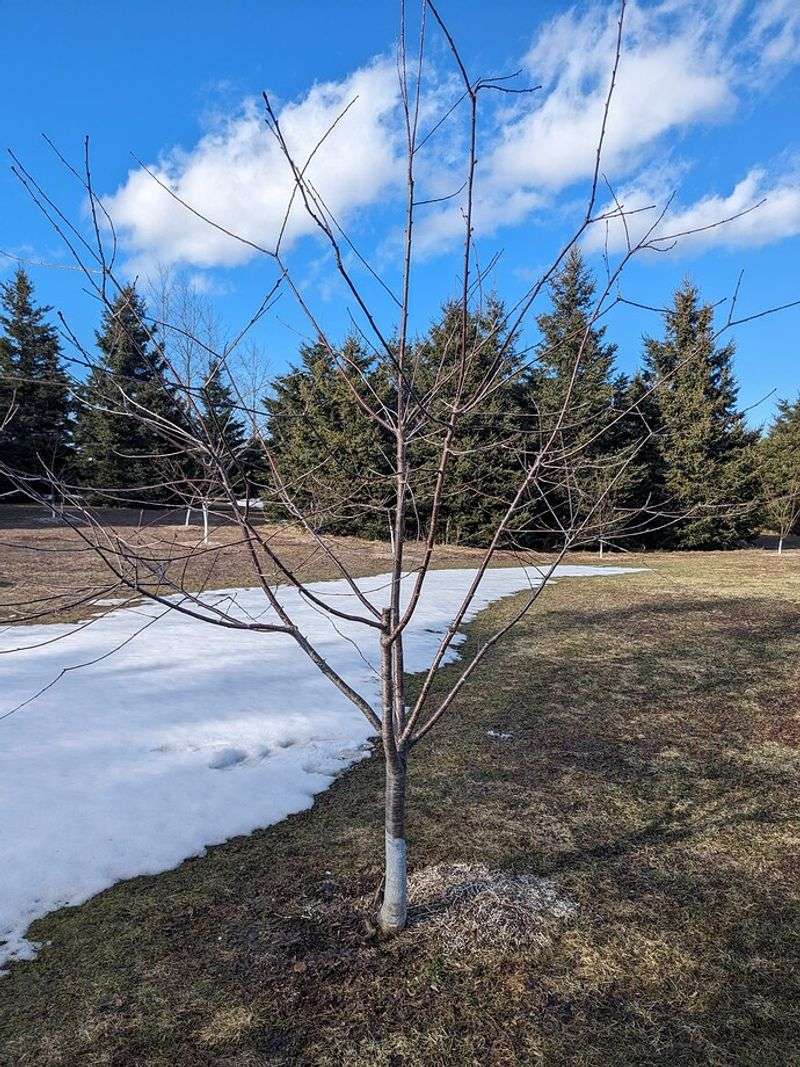
Wait until after cherry trees finish blooming in Pennsylvania before reaching for your pruning tools. Early pruning removes flower buds that formed last summer, sacrificing your spring display.
Cherry trees also face serious disease risks when cut during cold, wet weather typical of Pennsylvania’s late winter. Bacterial canker and other infections enter through fresh wounds and spread rapidly in cool, moist conditions.
Cherry trees benefit most from pruning in late spring or early summer after flowers fade. Warm, dry weather helps cuts heal quickly and reduces infection risk dramatically.
Pennsylvania’s climate creates perfect conditions for cherry diseases during February and March, making this the worst possible pruning time. Wounds made in cold weather stay open longer and attract harmful bacteria.
If you must remove broken branches before March, seal large cuts with wound dressing to provide temporary protection. This isn’t normally recommended for most trees, but cherries face such high disease pressure in Pennsylvania that protection helps.
Remove only branches that pose immediate safety hazards. Save shaping and maintenance pruning for late spring when weather conditions favor rapid healing.
Pennsylvania cherry growers know that patient timing produces healthier trees and better fruit. Premature pruning weakens trees and reduces harvests.
Wait for warm, dry weather and prune cherries after they bloom. This timing protects your investment and ensures beautiful flowers followed by delicious fruit throughout the growing season.
6. Dogwood Trees
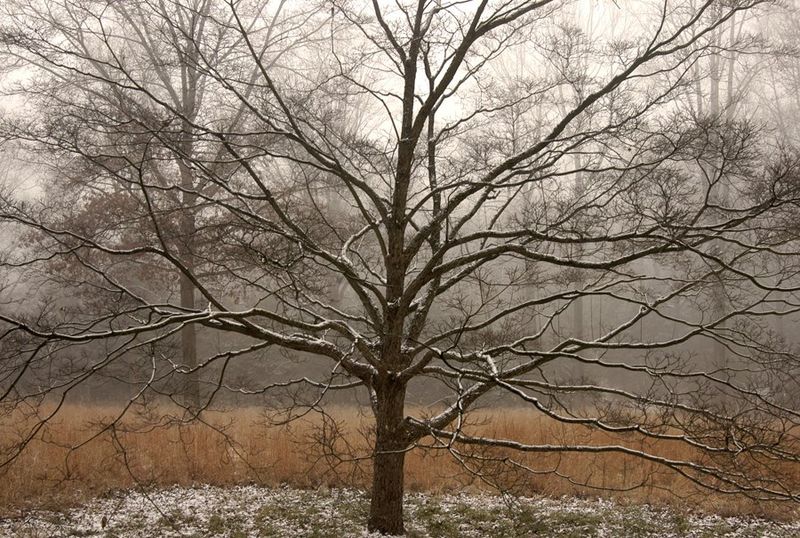
Dogwoods set their spectacular flower buds during summer and carry them through winter in Pennsylvania. Pruning before March removes these precious buds and ruins your spring flower show.
Dogwoods also suffer from several serious diseases that spread easily through winter wounds. Anthracnose and powdery mildew thrive in the cool, damp conditions common during Pennsylvania’s late winter months.
Late spring pruning after flowers fade gives dogwoods the best chance for healthy growth. Warm weather helps wounds seal quickly, and the tree can direct energy toward new growth instead of fighting infections.
Pennsylvania dogwoods face enough environmental stress without adding disease pressure from poorly timed pruning. Wait until temperatures stay consistently warm and rainfall decreases.
Focus on removing dry or damaged wood once flowering finishes in late spring. Dogwoods benefit from light thinning to improve air circulation through the canopy.
Good airflow reduces fungal disease problems that plague these beautiful trees in humid Pennsylvania summers. Remove branches that cross or rub, but avoid heavy pruning that stresses the tree.
If winter storms damage dogwood branches in Pennsylvania, remove only what’s absolutely necessary for safety. Make small cuts and avoid creating large wounds that invite disease.
Save comprehensive pruning for late spring when conditions favor rapid healing. Proper timing protects your dogwood’s health and ensures the stunning floral display that makes these trees so valuable in Pennsylvania landscapes.
7. Birch Trees
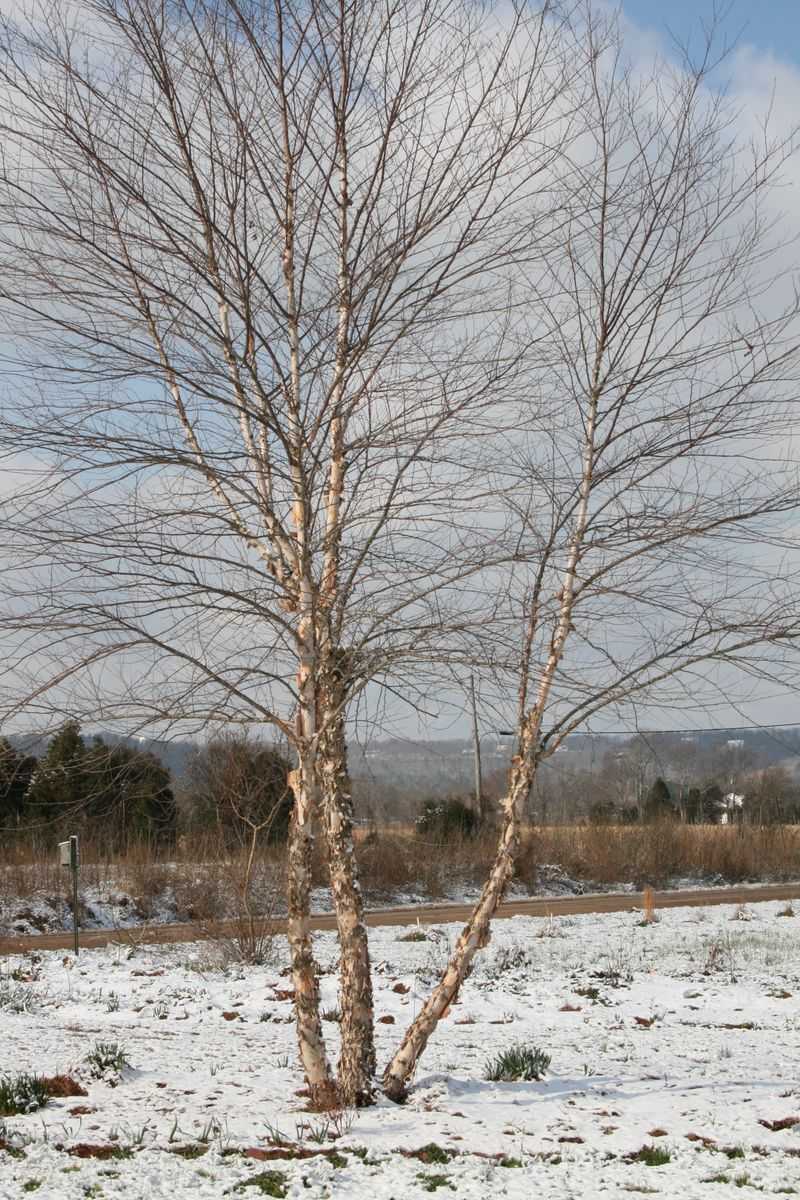
Birch trees bleed sap more heavily than almost any other species when pruned during late winter in Pennsylvania. While this dramatic sap flow rarely harms established trees, it wastes stored energy and looks alarming to homeowners.
Birches also face serious borer problems in Pennsylvania, and pruning wounds attract these destructive insects. Late winter cuts create entry points for pests just as they become active in early spring.
Wait until leaves fully expand in late spring or early summer before pruning birches in Pennsylvania. Mature foliage signals that sap pressure has normalized and bleeding will be minimal.
Summer pruning also allows you to see the tree’s full structure and make better decisions about which branches to remove. Warm, dry weather helps cuts seal quickly before insects or diseases can enter.
Pennsylvania birches need minimal pruning under normal circumstances. Remove only dry, damaged, or crossing branches that create problems.
Birches naturally develop attractive branching patterns that rarely need correction. Heavy pruning stresses these trees and makes them more vulnerable to bronze birch borer, a serious pest throughout Pennsylvania that targets weakened trees.
If storm damage requires emergency pruning before March, make cuts as small as possible and seal large wounds. Remove only branches that pose immediate safety risks.
Save routine maintenance for late spring when weather conditions favor rapid healing. Proper timing helps birches in Pennsylvania maintain their health and resist the many pests and diseases that threaten these beautiful but vulnerable trees.