You NEED These Low-Maintenance Plants For An Easy Ohio Garden In 2026
Gardening in Ohio does not have to mean constant watering, trimming, and worry through every changing season. More homeowners now look for plants that handle heat, cold, and unpredictable weather with little effort.
Low-maintenance choices bring steady color, reliable growth, and strong resistance to common pests and disease, all without demanding daily attention. In 2026, easy gardening focuses on smart plant selection rather than extra work.
The right varieties settle quickly, adapt to Ohio soil, and return year after year with minimal care. They suit busy schedules, new gardeners, and anyone who wants a healthy yard without constant upkeep.
From sunny spaces to shaded corners, these dependable plants help create a landscape that stays attractive, balanced, and manageable. A well-planned low-maintenance garden saves time, reduces effort, and still delivers the beauty and seasonal change that make Ohio gardens enjoyable.
1. Black Eyed Susan Brings Tough Color All Summer
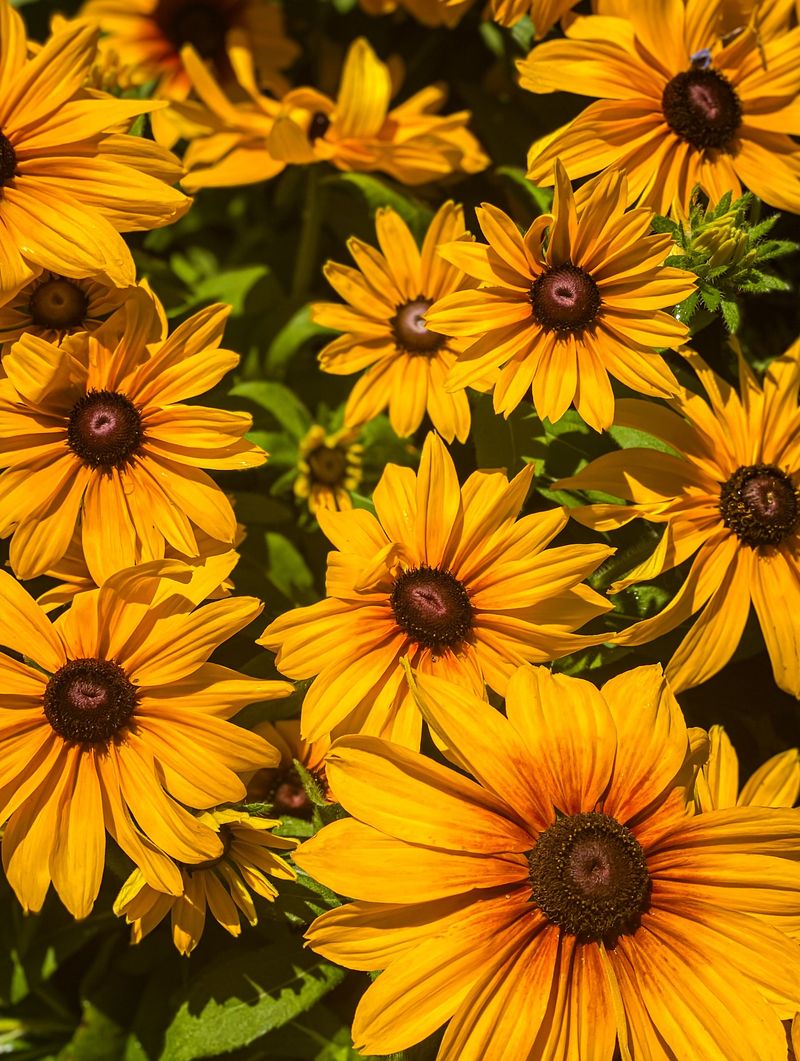
Bright golden petals surrounding dark chocolate centers make this native wildflower instantly recognizable across Ohio landscapes. Black Eyed Susans bloom from June straight through September, filling your garden with sunny color when many other plants start looking tired.
They handle heat, humidity, and occasional dry spells without wilting or needing constant attention.
Plant them once and watch them spread into cheerful clumps that get better every year. They grow well in average soil and don’t need fertilizer or special amendments to perform beautifully.
Full sun suits them best, though they tolerate a bit of afternoon shade without complaint.
Deer usually leave them alone, which is a huge bonus for Ohio gardeners dealing with hungry wildlife. Butterflies and bees visit the flowers constantly, adding movement and life to your garden.
Deadheading spent blooms encourages more flowers, but even if you skip this task, the plants keep blooming reliably.
Their sturdy stems stand up to summer storms and rarely need staking. When winter arrives, the seed heads provide food for goldfinches and other songbirds.
Black Eyed Susans handle clay soil better than many ornamental plants, making them perfect for typical Ohio yards. They’re tough enough for neglect yet pretty enough to anchor any sunny border or wildflower meadow.
2. Purple Coneflower Grows Strong With Almost No Care
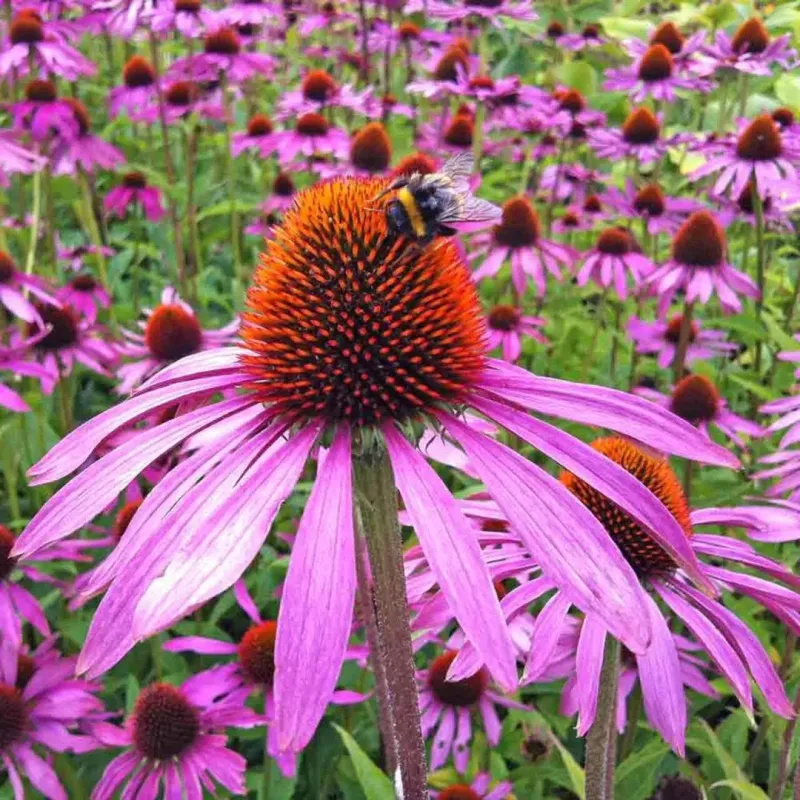
Few plants match the toughness and beauty of Purple Coneflower, also called Echinacea. Once established in your Ohio garden, these perennials practically ignore drought, poor soil, and summer heat waves.
Their distinctive spiky orange centers surrounded by pink-purple petals create a bold statement from July through September.
Purple Coneflowers prefer full sun but adapt to partial shade without much fuss. They grow in clay, loam, or sandy soil as long as drainage is reasonable.
After the first season, their deep roots find moisture even during dry weeks, so you can skip watering except in extreme conditions.
Pollinators adore these flowers, and you’ll see bees, butterflies, and hummingbirds visiting throughout the blooming season. The seed heads that form after flowering attract goldfinches and other birds well into winter.
Leaving the dried stems standing adds winter interest and provides natural bird feeding stations.
Your Ohio Garden Changes Every Week. Your Plan Should Too.
Gardening in Ohio changes quickly throughout the season. Every Friday you’ll receive a simple weekly plan showing exactly what to plant, prune, fertilize, harvest, and protect so you never miss the right timing.
These plants resist most diseases and pests, and deer typically avoid them. They spread slowly into nice clumps without becoming aggressive or invasive.
Dividing them every few years keeps them vigorous, but even without division, they continue blooming reliably. Purple Coneflowers complement other native plants beautifully and anchor perennial borders with their strong vertical presence and long-lasting color.
3. Daylilies Thrive Even When Ignored
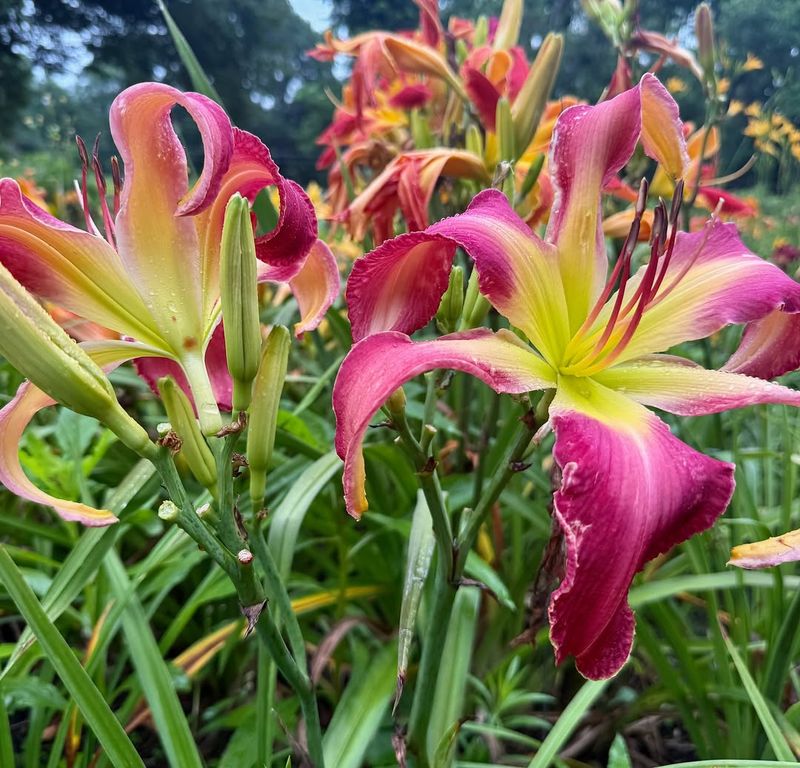
Almost indestructible, daylilies earn their reputation as the ultimate beginner plant for Ohio gardens. They bloom despite neglect, poor soil, irregular watering, and even competition from tree roots.
Each flower lasts just one day, but each plant produces so many buds that the show continues for weeks during summer.
Daylilies come in countless colors, from soft yellows and peaches to deep reds and purples. Their grass-like foliage stays green and tidy throughout the growing season.
They grow equally well in full sun or partial shade, making them incredibly versatile for different garden spots.
These plants tolerate Ohio’s clay soil without amendments, though they grow even better with occasional compost. They rarely need dividing, but when clumps get crowded after several years, they split easily and transplant without shock.
Pests and diseases generally leave daylilies alone, and deer sometimes browse daylilies, especially in areas with heavy deer pressure.
Their fibrous root systems help prevent erosion on slopes while their dense foliage crowds out weeds naturally. Daylilies need no deadheading, staking, or special winter protection.
They emerge reliably every spring and expand slowly into larger clumps. Whether you plant them as a mass groundcover, border edging, or specimen clump, daylilies deliver consistent beauty with almost zero maintenance required throughout the season.
4. Sedum Autumn Joy Handles Heat And Drought Easily
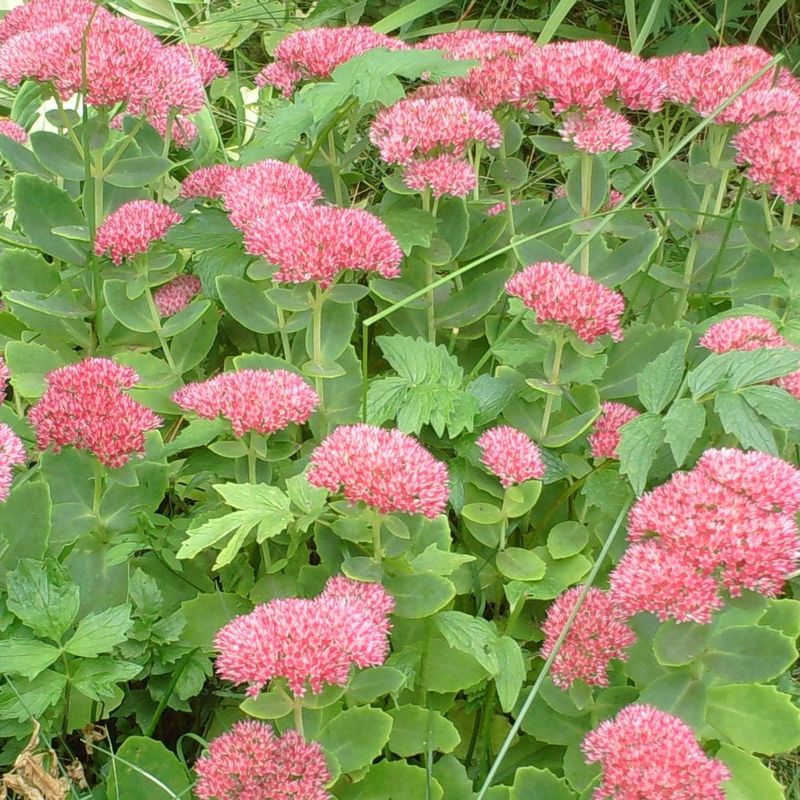
Succulent leaves store water like tiny reservoirs, making Sedum Autumn Joy one of the most drought-tolerant perennials you can grow in Ohio. This tough plant changes its look through the seasons, starting with pale green flower buds in summer that gradually turn pink, then deep rose, and finally bronze as fall arrives.
The thick, fleshy foliage stays attractive all summer even before flowers appear. Sedum grows in poor, rocky, or sandy soil where other plants struggle.
It actually prefers lean soil and can get floppy if given too much fertilizer or rich conditions.
Full sun brings out the best flower color, though the plant tolerates some shade. Once established, it survives weeks without rain and bounces back quickly from dry periods.
The sturdy stems stand upright without staking, and the flat flower clusters attract butterflies and bees throughout late summer and fall.
Sedum handles Ohio winters without protection and emerges reliably each spring. The dried flower heads look attractive through winter and provide food for birds.
This plant spreads slowly and never becomes invasive. It works beautifully in rock gardens, along walkways, or mixed into perennial borders.
Rabbits and deer leave it alone, and it has no serious pest or disease problems worth mentioning.
5. Hostas Fill Shady Spaces With Reliable Green
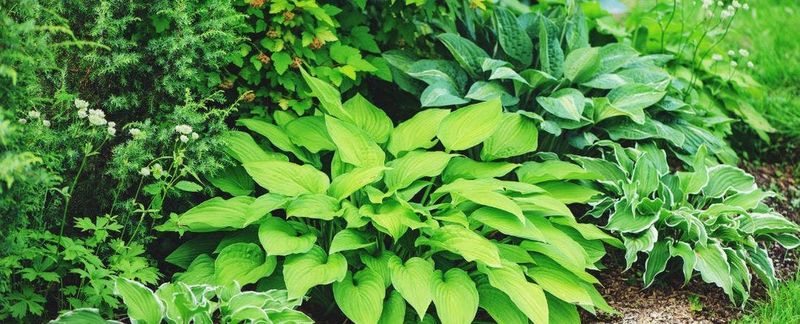
Shade gardening becomes simple when you plant hostas in those difficult spots under trees or along the north side of your house. These leafy perennials thrive where many flowering plants fail, turning problem areas into lush, attractive spaces.
Hostas come in sizes from tiny six-inch varieties to giant four-foot clumps, with leaf colors ranging from deep green to blue-gray to golden yellow.
They handle Ohio’s clay soil well and actually prefer the moisture retention that clay provides. Once established, hostas need little water except during extended droughts.
They grow bigger and more impressive each year, slowly spreading into substantial clumps that suppress weeds naturally.
The textured foliage provides interest all season long, and many varieties send up flower spikes in summer that attract hummingbirds. Hostas tolerate dense shade better than most perennials, though some varieties with gold or white variegation prefer a bit more light.
They need no deadheading, fertilizing, or special care beyond occasional division when clumps get overcrowded.
Slugs sometimes nibble the leaves, but this rarely causes serious damage. Deer do browse hostas, so consider using repellent in areas with heavy deer pressure.
These plants go dormant in winter and return faithfully each spring. Their reliable performance and wide variety make hostas essential for any Ohio shade garden.
6. Little Bluestem Adds Texture Without Extra Work
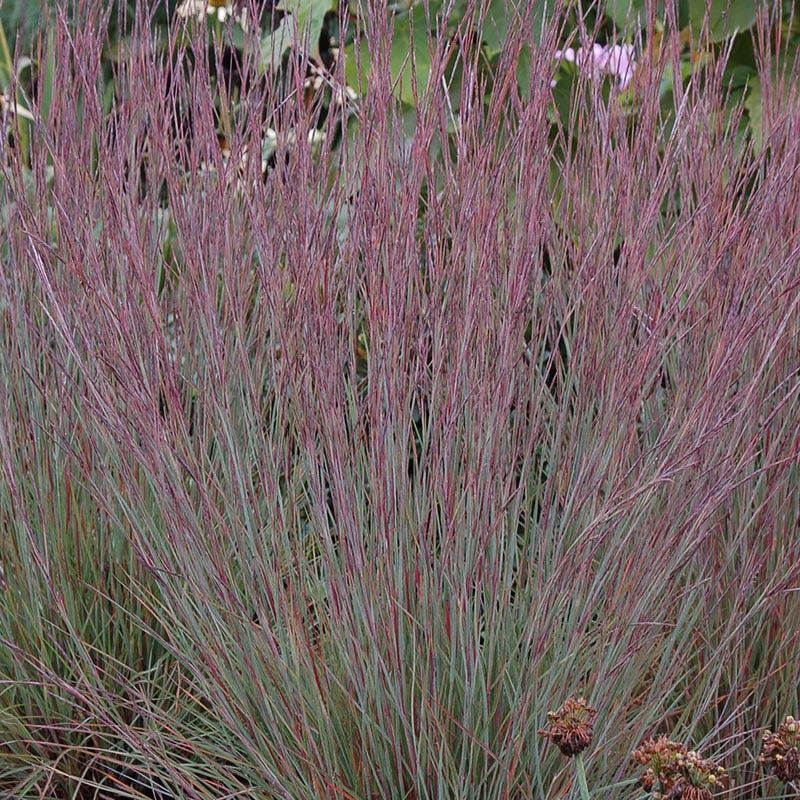
Native prairie grass brings effortless beauty and movement to Ohio gardens without demanding anything in return. Little Bluestem grows in upright clumps of fine-textured blue-green blades that sway gracefully in every breeze.
This grass starts the season green, develops purple highlights in summer, then transforms into stunning shades of copper, orange, and burgundy as fall arrives.
It thrives in full sun and poor soil, actually preferring lean conditions over rich, amended beds. Little Bluestem handles drought exceptionally well once its roots establish.
It needs no fertilizer, no supplemental water after the first season, and no pest or disease treatments.
The fluffy white seed heads that appear in late summer catch the light beautifully and provide food for songbirds through winter. This grass looks attractive even in its dormant tan state, adding winter interest when most plants have gone to ground.
Simply cut it back to about six inches in early spring before new growth begins.
Little Bluestem grows about two to three feet tall and stays in a tidy clump without spreading aggressively. It combines beautifully with coneflowers, Black Eyed Susans, and other native perennials.
Deer leave it alone, and it has no serious problems. This grass proves that low-maintenance plants can deliver four-season interest and natural beauty.
7. Bee Balm Attracts Pollinators With Little Effort
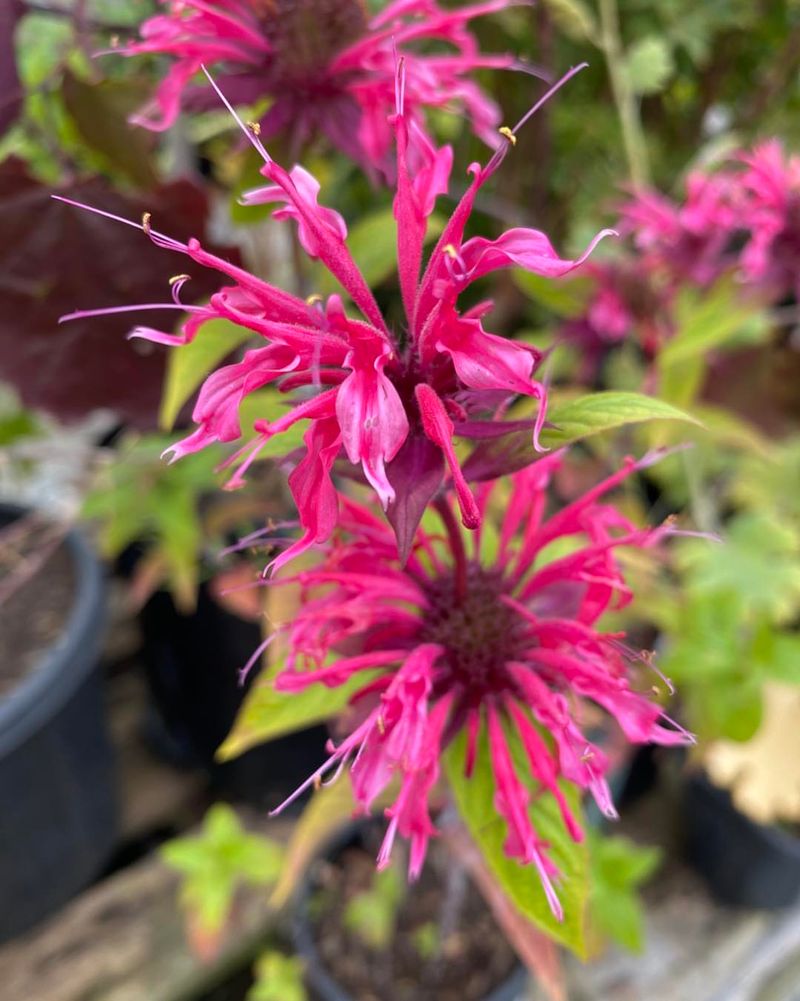
Hummingbirds zip through Ohio gardens all summer searching for nectar-rich flowers, and Bee Balm tops their list of favorites. The shaggy, tubular flowers bloom in shades of red, pink, purple, or white from July through August.
When you brush against the leaves, they release a pleasant minty fragrance that makes weeding nearby a sensory pleasure.
Bee Balm grows best in full sun to partial shade and adapts to various soil types. It prefers consistent moisture but tolerates short dry spells once established.
The plant spreads through underground runners, filling in spaces and creating nice drifts of color. If it spreads more than you want, simply pull up the extras or share them with neighbors.
Besides hummingbirds, bees and butterflies visit the flowers constantly throughout the blooming period. Deadheading spent blooms encourages additional flowering, though the plant blooms well even without this attention.
Modern varieties resist powdery mildew better than older types, making them even easier to grow successfully.
Bee Balm grows about two to three feet tall with sturdy stems that rarely need staking. The aromatic foliage deters deer and rabbits naturally.
Cut the plants back after flowering to encourage fresh foliage and sometimes a second flush of blooms. This native perennial brings wildlife activity and bright color to Ohio gardens with minimal care required.
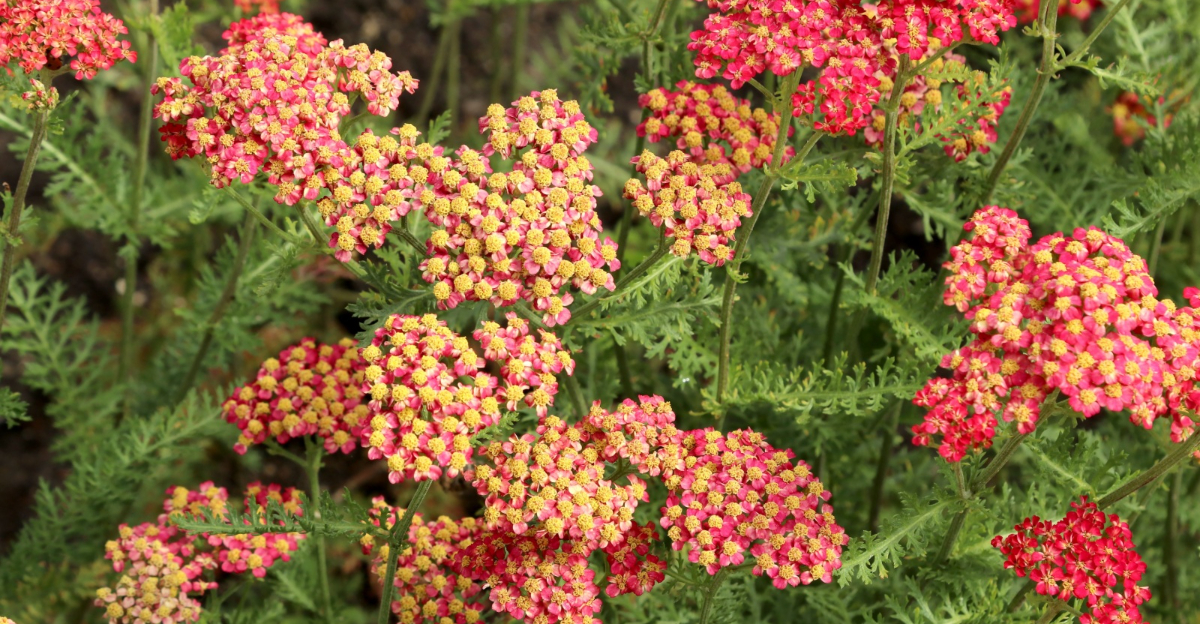
8. Yarrow Blooms Strong In Tough Conditions
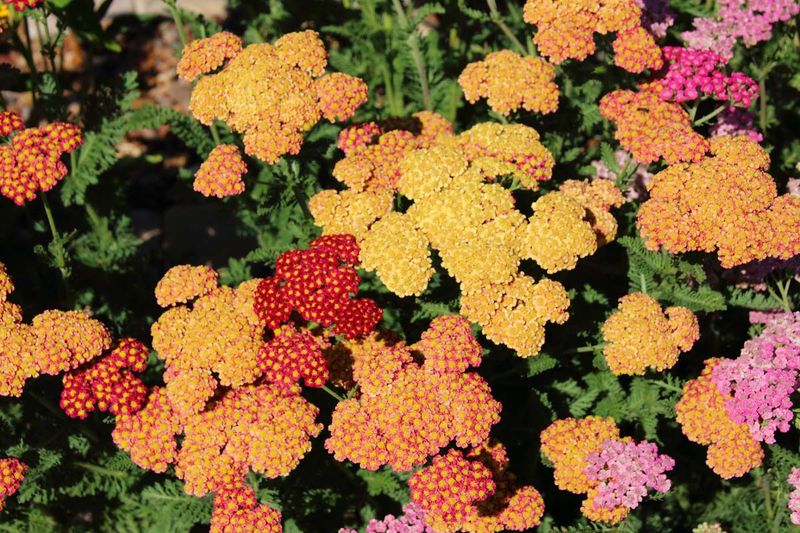
Feathery, fern-like leaves and flat-topped flower clusters make Yarrow instantly recognizable in perennial borders. This tough plant blooms for months, from June through August, in colors including white, yellow, pink, and red.
The flowers attract butterflies and beneficial insects while the aromatic foliage repels deer and rabbits naturally.
Yarrow thrives in full sun and tolerates poor, dry soil better than most flowering perennials. It actually performs poorly in rich, moist conditions, often flopping or developing disease problems.
In typical Ohio gardens with average to lean soil, Yarrow grows strong and upright without any amendments or special treatment.
Once established, this plant survives on rainfall alone except during severe droughts. The deep roots find moisture that surface-rooted plants miss entirely.
Yarrow spreads moderately through underground rhizomes, filling in spaces without becoming invasive. It rarely needs dividing and blooms reliably year after year.
The sturdy stems stand up well to summer storms and hold their flowers high for weeks. Deadheading extends the blooming period, but even without this attention, Yarrow continues performing beautifully.
The dried seed heads add winter interest and provide food for finches. This plant has no serious pest or disease issues in Ohio gardens.
Yarrow proves that tough, drought-tolerant plants can still deliver abundant color and attract plenty of beneficial wildlife.
9. Switchgrass Stays Strong Through Every Season
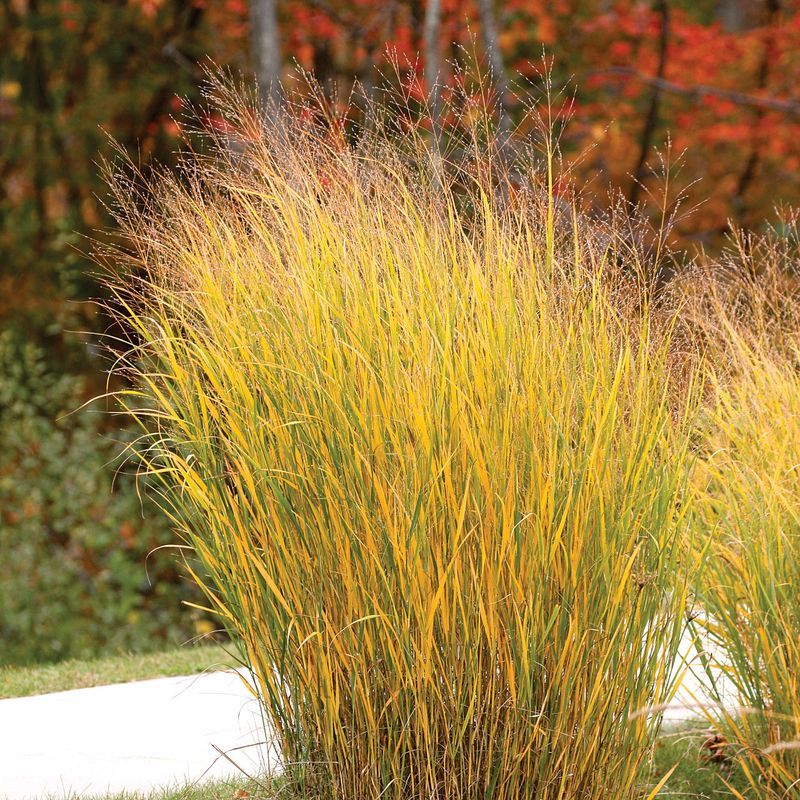
Tall, upright clumps of blue-green blades create a strong vertical presence in Ohio gardens from spring through winter. Switchgrass is a native prairie plant that evolved to handle extreme weather, poor soil, and periods of drought or flooding.
It grows four to six feet tall depending on variety, making a bold statement without requiring any support or maintenance.
This grass prefers full sun but tolerates partial shade reasonably well. It grows in clay, loam, or sandy soil without complaint and needs no fertilizer to perform beautifully.
The airy, pinkish seed heads appear in late summer and catch the light gorgeously, creating a shimmering effect when backlit by morning or evening sun.
Switchgrass turns shades of yellow, orange, and burgundy in fall, then fades to attractive tan tones that remain standing through winter. Birds feast on the seeds throughout cold months.
Simply cut the grass back to about six inches in early spring before new growth begins.
It stays in a tidy clump and doesn’t spread aggressively like some ornamental grasses. Deer avoid it, and it has no pest or disease problems.
Switchgrass handles Ohio’s variable weather patterns without stress, looking good in every season. This native grass brings natural beauty, wildlife value, and four-season structure to gardens with essentially zero maintenance required beyond annual spring trimming.
10. Hardy Coneflowers Grow Easily In Ohio Gardens
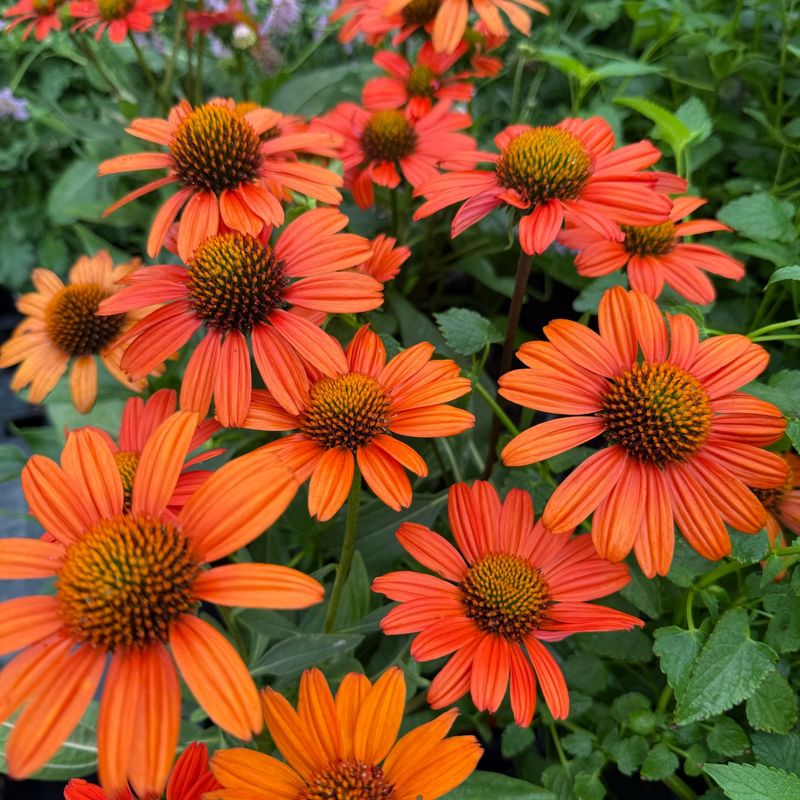
Modern coneflower varieties bring exciting colors beyond traditional purple, including vibrant oranges, reds, yellows, and bicolors that brighten Ohio gardens all summer long. These hybrids combine the toughness of native species with expanded color options and longer blooming periods.
They flower from early summer through fall with minimal care required.
Hardy coneflowers grow best in full sun and average soil. They tolerate clay and handle short dry periods once their roots establish.
Unlike some fancy hybrids, these plants resist disease well and don’t need constant deadheading or special treatments to look good. Their sturdy stems stand upright without staking even during storms.
Butterflies and bees visit the flowers constantly, adding life and movement to your garden. The flowers make excellent cuts for indoor arrangements and last well in vases.
Spent blooms develop into seed heads that attract goldfinches and other songbirds through fall and winter.
These plants spread slowly into nice clumps without becoming invasive. They need dividing only every few years to maintain vigor.
Deer generally avoid coneflowers, and the plants have few serious pest problems. Hardy coneflowers combine reliability with exciting colors, making them perfect for Ohio gardeners who want something more colorful than traditional natives but just as tough and easy to grow successfully year after year.