Plant This Flower In Early Spring For Stunning Bloom In Your Pennsylvania Garden
Early spring in Pennsylvania brings cool air, longer days, and the perfect chance to add vibrant color back into the garden after a long winter.
Some flowers thrive in these brisk conditions, rewarding gardeners with bright, cheerful blooms long before summer favorites begin to appear.
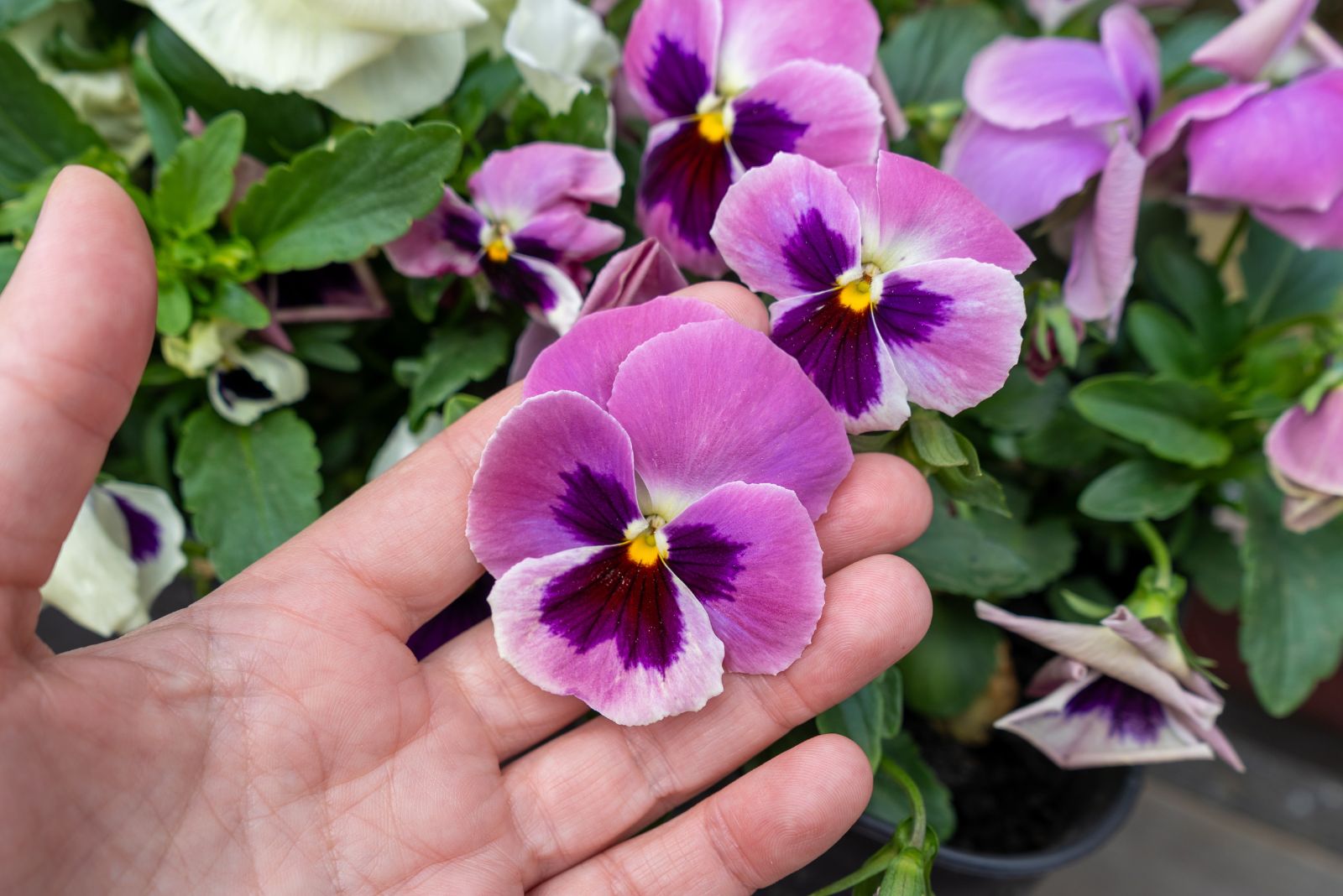
One standout choice for this season is pansies, known for their cold tolerance and vivid, eye catching colors. Planting at the right moment allows roots to settle into cool soil, encouraging steady growth and a fuller display once temperatures begin to warm.
These hardy blooms handle chilly nights with ease and continue flowering when many other plants are still waking up. Their wide range of colors can instantly refresh beds, borders, and containers, creating a lively, welcoming landscape early in the season.
With a little planning and timely planting, pansies can bring lasting brightness, charm, and fresh spring energy to your Pennsylvania garden.
1. Why Pansies Are Perfect For Early Spring In Pennsylvania?
Cold weather doesn’t scare pansies one bit. While most flowers wait for warmer days, pansies actually prefer the cool temperatures that Pennsylvania offers in March and April.
They can handle frost without any trouble, which makes them incredibly reliable for gardeners who want color as soon as possible.
Pennsylvania winters can feel endless, leaving gardens looking bare and lifeless. Pansies change that picture quickly.
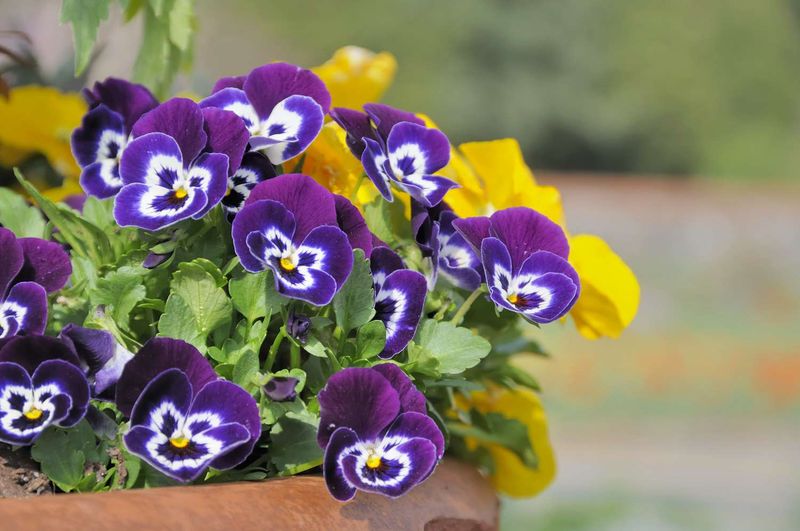
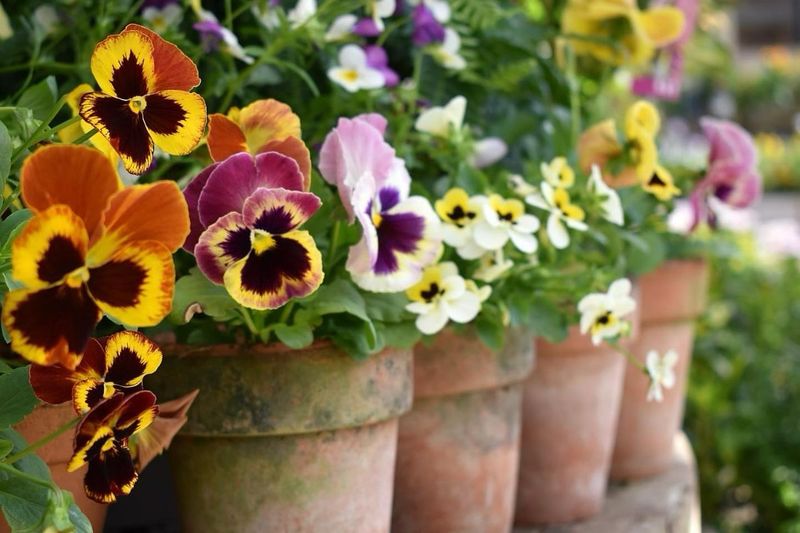
They’re among the very first flowers to show their faces after winter, bringing purple, yellow, orange, and white blooms when everything else is still brown and dormant.
The timing couldn’t be better for Pennsylvania gardeners. Right when you’re itching to get outside and work in the soil again, pansies are ready to go into the ground. Their bright, cheerful faces lift spirits after months of cold and snow.
What makes pansies truly special is their resilience. They don’t just survive early spring in Pennsylvania – they thrive in it.
Cool nights and mild days create perfect growing conditions. Other flowers might struggle or wait, but pansies get busy blooming right away.
Gardens across Pennsylvania look stunning with early pansy displays. From Pittsburgh to Philadelphia, these hardy flowers prove themselves year after year.
They fill window boxes, borders, and containers with vibrant color while the rest of the garden slowly wakes up. That early splash of brightness makes all the difference when spring finally arrives in Pennsylvania.
2. The Best Time To Plant Pansies In Pennsylvania
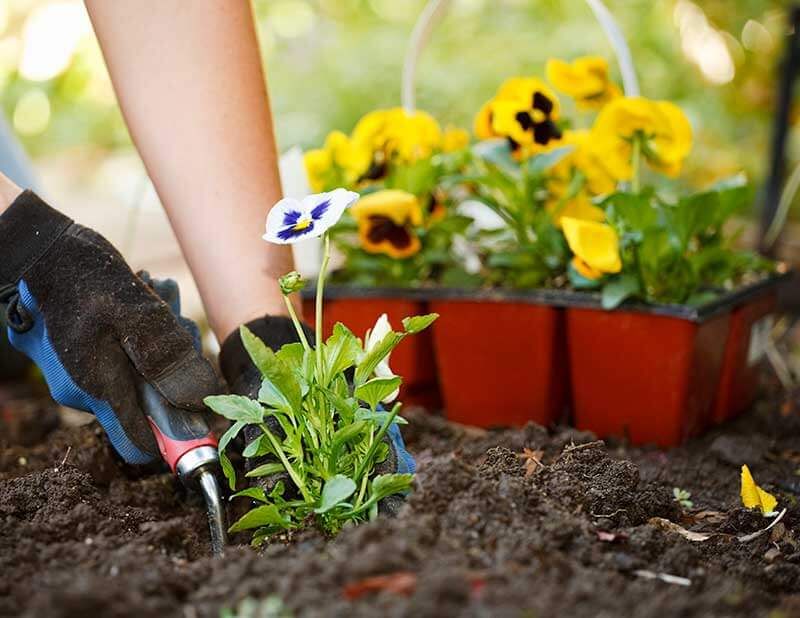
Timing matters tremendously when planting pansies in Pennsylvania. The ideal window opens up in early spring, usually late March through early April, depending on where you live in the state.
You want to plant as soon as the soil becomes workable, meaning it’s no longer frozen solid and you can dig into it without too much struggle.
Don’t worry if the forecast shows some chilly nights ahead. Pansies actually love those cool temperatures.
They can tolerate light frost without any damage, and those cold nights won’t hurt established plants at all. In fact, pansies perform their best when nighttime temperatures hover between 40 and 50 degrees.
Your Pennsylvania Garden Changes Every Week. Your Plan Should Too.
Gardening in Pennsylvania changes quickly throughout the season. Every Friday you’ll receive a simple weekly plan showing exactly what to plant, prune, fertilize, harvest, and protect so you never miss the right timing.
Getting pansies into the ground early extends your blooming season significantly. Plants installed in early spring will flower for weeks longer than those planted later when temperatures start climbing.
Pennsylvania’s spring weather gives you a sweet spot for pansy success that you shouldn’t miss.
Different regions of Pennsylvania warm up at different rates. Northern areas might need to wait until mid-April, while southern Pennsylvania gardeners can often plant in late March. Watch your local soil conditions rather than the calendar alone.
Soil temperature matters more than air temperature for planting success. If you can work the soil without it clumping or sticking to your tools, it’s ready for pansies.
Pennsylvania’s spring rains help warm the soil gradually, creating perfect conditions for these cold-loving flowers to establish strong roots before any hot weather arrives.
3. Choosing The Best Pansy Varieties
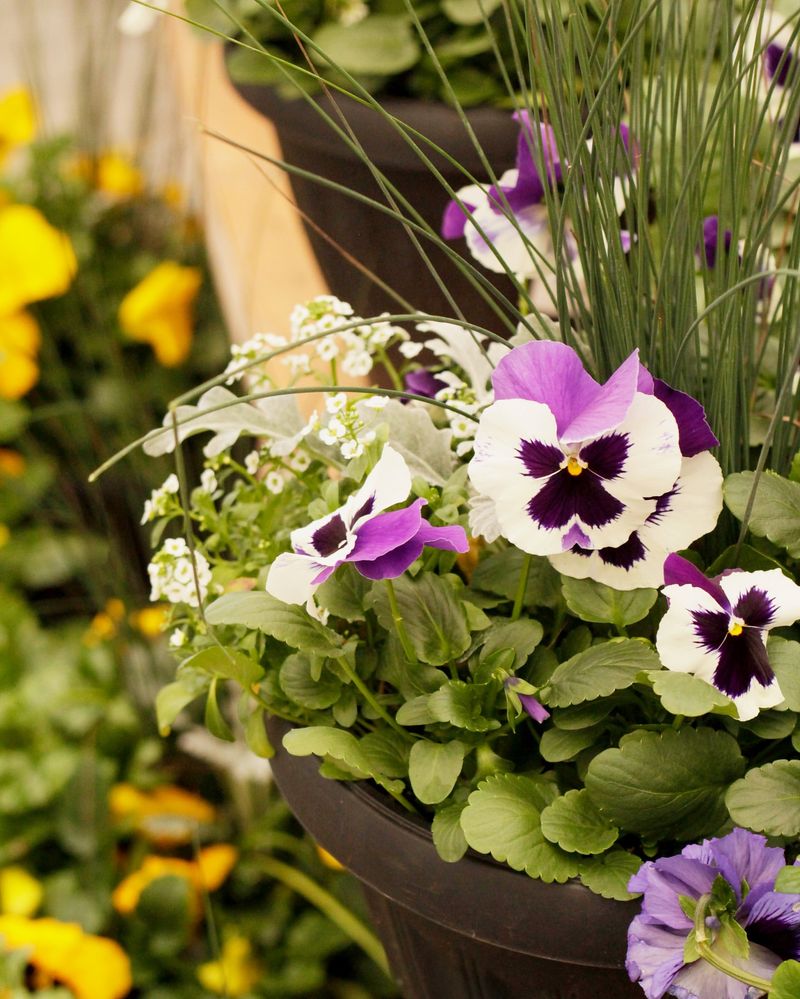
Walking into a garden center in Pennsylvania means facing dozens of pansy choices. Large-flowered varieties catch your eye first with blooms that can reach three inches across.
These showy types make bold statements in containers and front borders. Small-flowered pansies, sometimes called violas, produce more blooms overall even though each flower is smaller.
Pennsylvania’s climate demands cold-hardy varieties for best results. Look for pansies specifically bred for cool weather tolerance.
These varieties handle temperature swings better and keep blooming even when surprise cold snaps hit. Some excellent cold-hardy series include Matrix, Delta, and Icicle pansies.
Color selection lets you express your personal style. Traditional purple and yellow combinations never go out of fashion.
Deep burgundy pansies add richness to spring displays. White pansies brighten shady spots around Pennsylvania homes. Orange and red varieties bring warmth and energy to the garden.
Consider mixing flower sizes for visual interest. Large-flowered types create focal points while smaller varieties fill in gaps beautifully.
Combining different colors in the same bed creates stunning effects that look professionally designed.
Pennsylvania garden centers stock varieties proven to succeed locally. Ask staff which pansies perform best in your specific area.
They know which colors stay vibrant longest and which varieties handle local conditions most reliably. Some pansies also offer light fragrance, adding another sensory dimension to your spring garden that makes morning walks even more enjoyable.
4. How To Plant Pansies For Strong Growth?
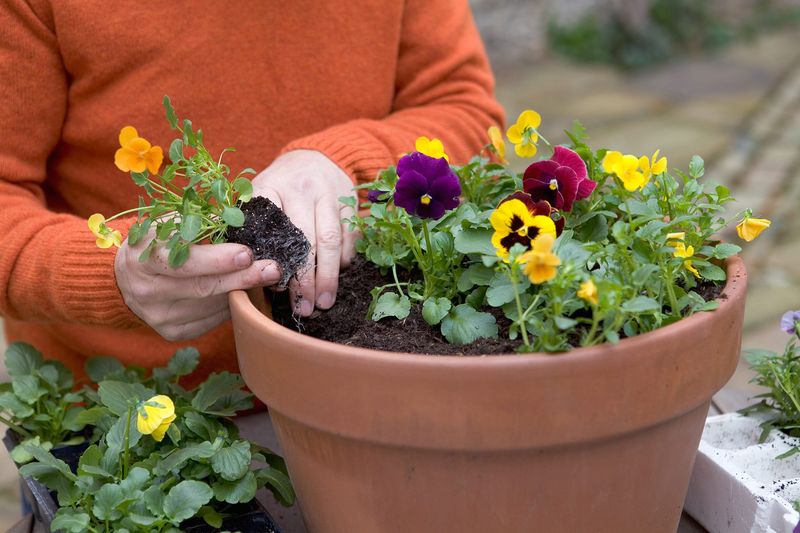
Sunlight requirements for pansies are flexible, which helps Pennsylvania gardeners work with various garden spots. Full sun works wonderfully during cool spring months.
Partial shade becomes beneficial as spring progresses into warmer weather. Aim for locations that receive at least four to six hours of sunlight daily for best flowering.
Soil preparation makes or breaks pansy success. These flowers demand well-drained soil that doesn’t stay soggy after rain.
Pennsylvania clay soils benefit enormously from added compost or aged manure. Mix organic matter into the top six to eight inches of soil before planting.
Spacing matters for healthy plants and good air circulation. Place pansies six to eight inches apart in garden beds.
This distance gives them room to spread while still creating a full, lush appearance. Closer spacing works in containers where you want immediate impact.
Planting depth is straightforward but important. Set pansies at the same depth they were growing in their nursery containers.
Don’t bury stems deeper than the original soil line. Firm soil gently around roots to eliminate air pockets that can dry out roots.
Water thoroughly right after planting, even if rain is forecast. This initial watering settles soil around roots and helps plants recover from transplant stress.
Pennsylvania spring weather can be unpredictable, so don’t rely on rain alone during the first week. Give transplants consistent moisture while they establish themselves in their new home for the strongest possible start.
5. Care Tips For Continuous Spring Blooms
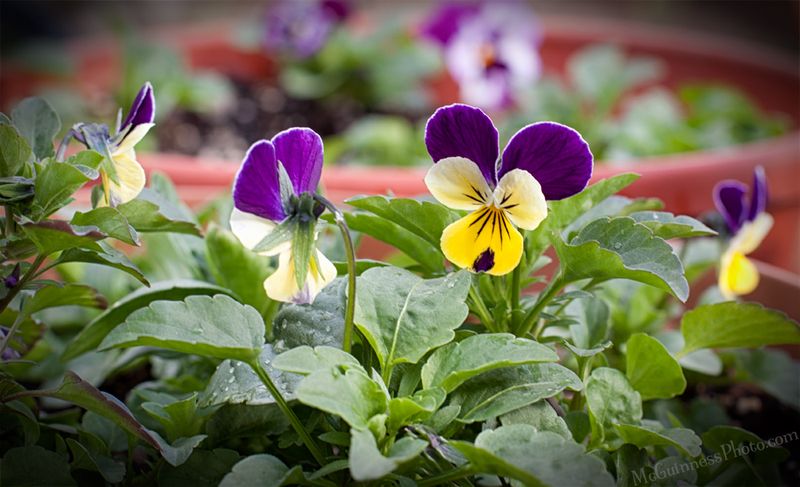
Moisture management keeps pansies blooming beautifully throughout Pennsylvania’s spring season. Soil should stay evenly moist but never waterlogged or soggy.
Check moisture by sticking your finger an inch into the soil. If it feels dry, water deeply. If it’s still moist, wait another day.
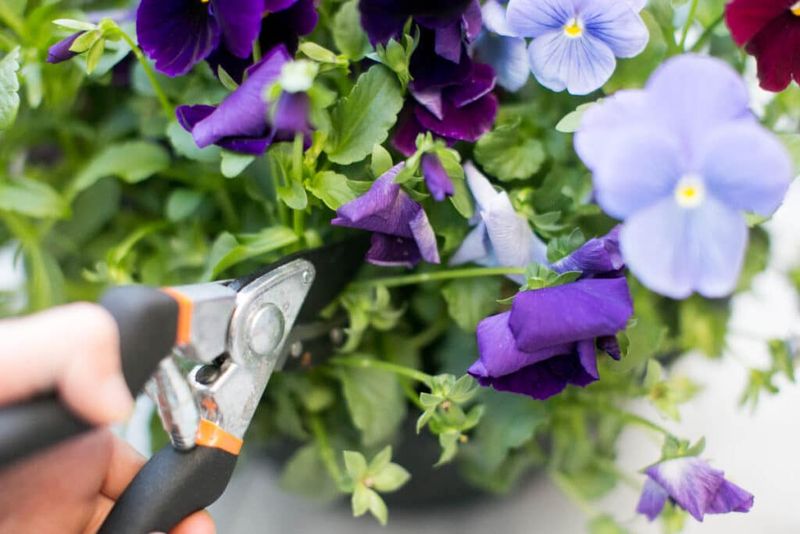
Deadheading makes a huge difference in flower production. Removing spent blooms before they form seeds tricks plants into producing more flowers.
Pinch off faded flowers every few days for continuous color. This simple task takes just minutes but extends the blooming period significantly.
Light fertilization supports healthy growth and abundant flowers. Apply a balanced, water-soluble fertilizer every two to three weeks.
Don’t overdo it – too much fertilizer produces leafy growth at the expense of blooms. Pennsylvania’s naturally fertile soils often need less fertilizer than you might think.
Mulching around pansies stabilizes soil temperature, which these flowers appreciate. A light layer of shredded bark or compost keeps roots cool as days warm up.
Mulch also helps retain moisture and reduces weeding chores. Keep mulch an inch away from pansy stems to prevent rot.
Pennsylvania’s spring weather can swing wildly from warm to cold. Pansies handle these changes well with proper care.
During unexpected warm spells, check soil moisture more frequently. After cold nights, don’t worry – your pansies will bounce back quickly.
Consistent attention to watering, deadheading, and feeding creates the spectacular spring displays that make Pennsylvania gardens the envy of the neighborhood.
6. Common Mistakes To Avoid
Waiting too long to plant ranks as the biggest mistake Pennsylvania gardeners make with pansies. Once temperatures consistently reach the 70s, pansies start struggling.
They’re cool-season flowers that perform best in spring’s chill. Late planting means you miss the prime blooming window and plants may struggle when heat arrives.
Letting soil dry out completely stresses pansies unnecessarily. These flowers need consistent moisture to keep producing blooms.
Dried-out plants often recover but lose flowers and momentum. Pennsylvania’s spring can bring dry spells between rains, so don’t assume nature will handle all watering needs.
Overcrowding tempts gardeners who want instant fullness. Planting pansies too close together creates problems with air circulation.
Poor airflow invites disease issues and prevents each plant from reaching its full potential. Give pansies proper spacing from the start for healthier, more productive plants.
Ignoring faded blooms wastes the plant’s energy and reduces future flowering. Many Pennsylvania gardeners plant pansies and then forget about them.
Regular deadheading takes minimal time but maximizes bloom production throughout the season.
Another common error involves planting in poorly drained locations. Pansies sitting in soggy soil develop root problems quickly.
Pennsylvania’s spring rains can saturate low-lying areas, making them poor choices for these flowers. Choose sites with good drainage or improve soil before planting.
Avoiding these simple mistakes helps your pansies deliver the stunning spring display that Pennsylvania gardens deserve, keeping color going strong for months.
7. How To Extend The Blooming Season?
Temperature swings challenge pansies as spring progresses in Pennsylvania. Sudden warm spells followed by cold nights can stress plants.
Protect pansies during extreme temperature changes by covering them with lightweight fabric during unexpected cold snaps. This simple step preserves blooms and keeps plants looking their best.
Partial shade becomes increasingly important as spring advances into late May and early June. Pennsylvania’s strengthening sun can fade pansy colors and shorten bloom time.
If your pansies are in full sun, consider adding temporary shade cloth or planting taller annuals nearby to provide afternoon shade.
Regular maintenance extends flowering well beyond what neglected plants achieve. Continue deadheading faithfully even when plants are blooming heavily.
Keep watering consistent as temperatures rise. These ongoing efforts keep pansies productive longer than you might expect.
Watch for signs that pansies are starting to fade as summer approaches. Blooms become smaller, plants stretch and get leggy, and flowering slows down.
This usually happens in Pennsylvania when nighttime temperatures consistently stay above 60 degrees. At this point, pansies have given their best performance.
Some Pennsylvania gardeners successfully keep pansies going into early summer with extra care. Heavy mulching keeps roots cooler.
Increased watering compensates for heat stress. Strategic placement in naturally cooler spots helps too.
However, most gardeners plan to replace spring pansies with heat-loving summer annuals when temperatures climb. Knowing when to transition keeps your Pennsylvania garden looking fresh and colorful throughout the growing season.