Add Beautiful Fragrance To Your Ohio Garden With These March-Blooming Plants
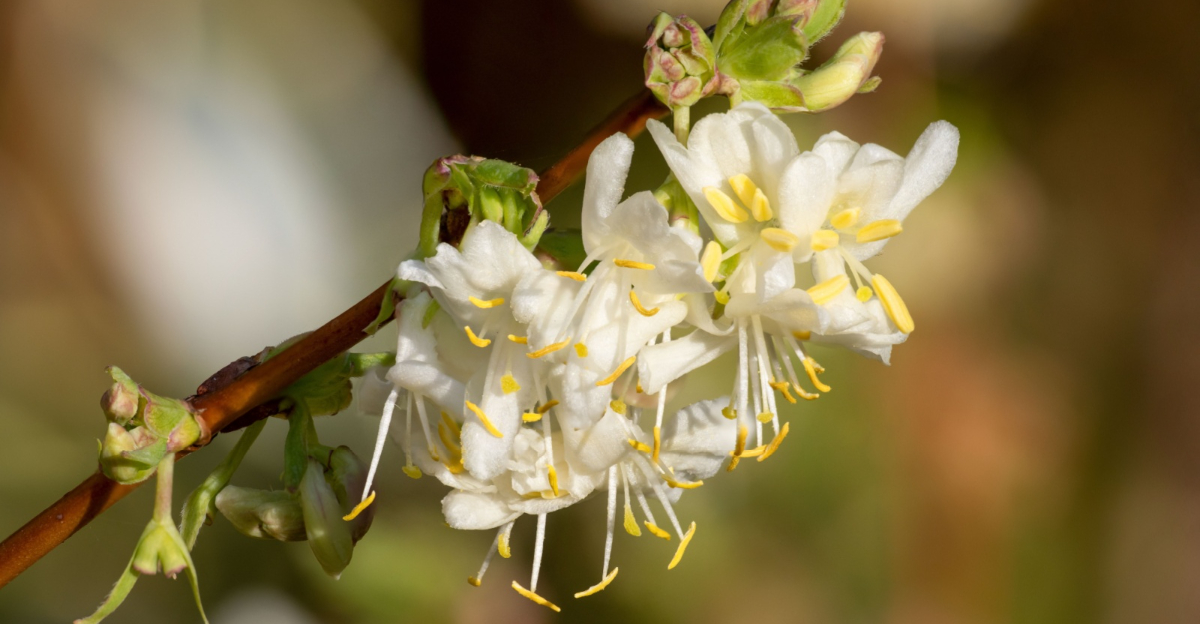
March marks the first real shift in Ohio gardens, when cold air begins to soften and early blooms push through the fading grip of winter. While color slowly returns to the landscape, fragrance often arrives even earlier, carried on mild breezes that signal the changing season.
Certain early-blooming plants release gentle, sweet scents that bring life back to quiet yards and garden paths. These blooms stand out not for size, but for the atmosphere they create, turning simple outdoor spaces into fresh, inviting environments after months of dormancy.
Early fragrance also draws the first pollinators of the season, adding movement and energy to the garden.
With the right March-blooming choices, Ohio gardeners can enjoy both beauty and scent at the very start of spring, creating a landscape that feels alive, refreshing, and full of promise long before the main wave of spring flowers begins to appear.
1. Witch Hazel Fills The Air With Fragrance
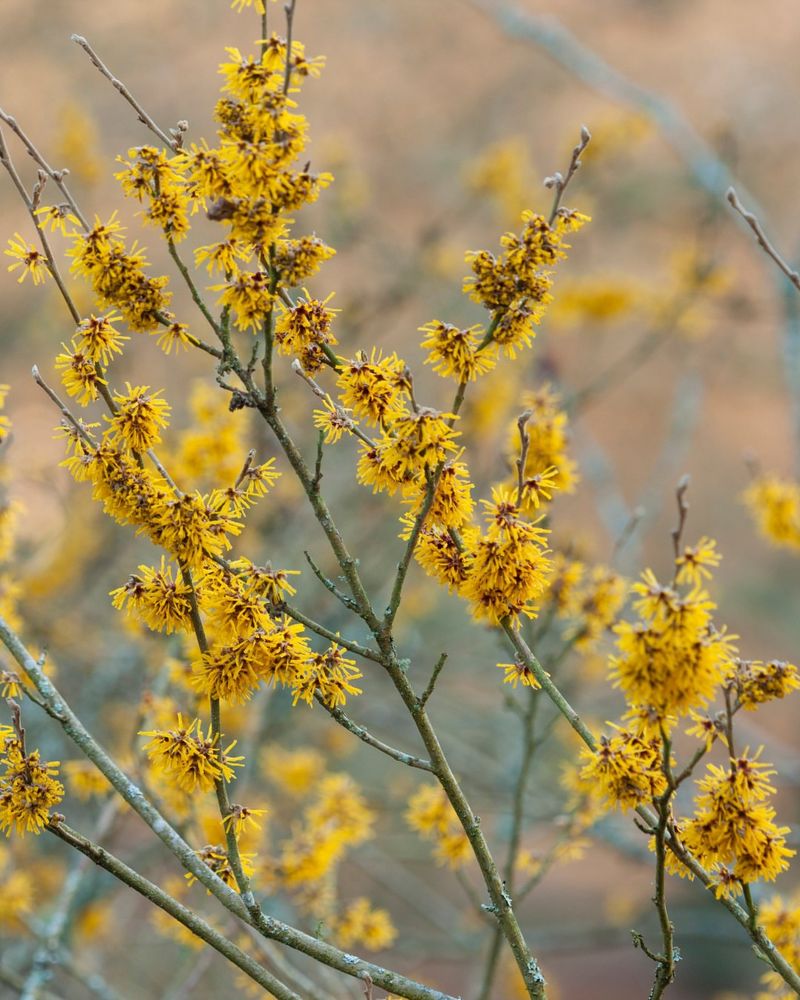
Spidery blooms that look almost magical appear on bare branches long before most plants even think about waking up. Witch hazel is one of the earliest shrubs to flower in Ohio, often starting in late February and continuing well into March.
Its ribbon-like petals in shades of yellow, orange, or red release a sweet, spicy fragrance that carries surprisingly well on cool air.
This native shrub tolerates a range of soil types and grows well in partial shade, making it a flexible choice for many garden situations. Once established, it needs little care and will reward you year after year with reliable early color and scent.
The fragrance is strongest on warmer afternoons when the sun coaxes the flowers to open fully.
Witch hazel can grow quite large over time, reaching ten to fifteen feet in height, so give it room to spread. It works beautifully as a specimen plant near a path or patio where you can enjoy the scent up close.
The fall foliage also puts on a show, turning shades of yellow and orange before dropping.
Planting witch hazel means you’ll have something to look forward to even in the coldest weeks of late winter. Its unique blooms and warm fragrance make it a standout in any Ohio garden, and it pairs well with other early bloomers like snowdrops and crocuses planted beneath its branches.
2. Winter Honeysuckle Brings Early Spring Scent
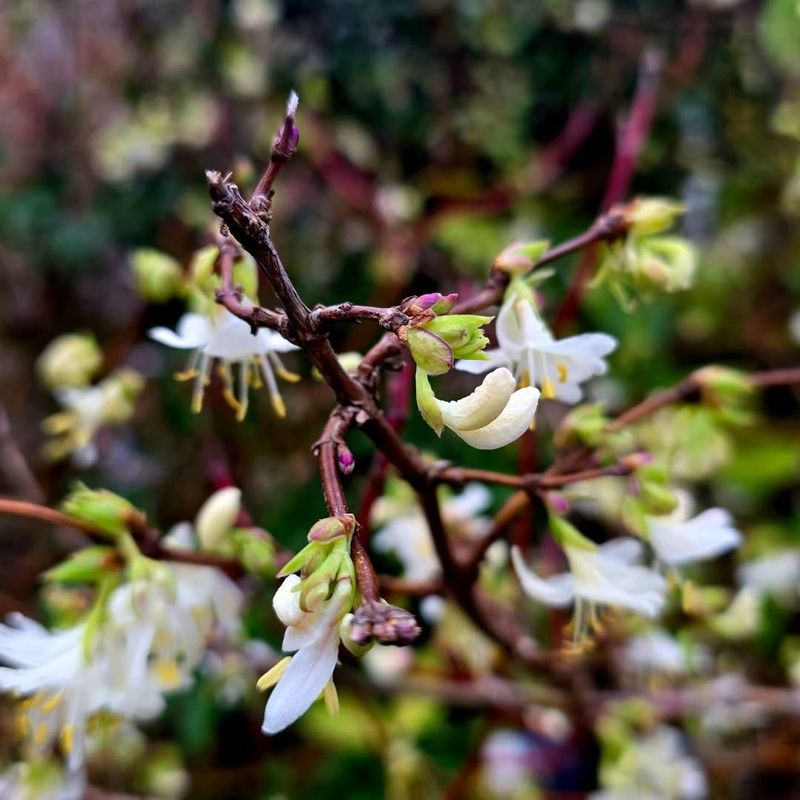
A sweet, lemony fragrance drifts across the garden weeks before most plants show any sign of life. Winter honeysuckle is a deciduous shrub that blooms in March, producing small, creamy white flowers along its arching branches.
The scent is strong enough to perfume an entire corner of the yard, especially on sunny days when temperatures climb above freezing.
This shrub grows well in Ohio’s climate and tolerates a variety of soil conditions, though it prefers a spot with good drainage. It’s not the showiest plant in terms of color, but the fragrance more than makes up for its modest appearance.
The flowers are small and tubular, and they attract early pollinators like bees looking for their first nectar sources of the season.
Your Ohio Garden Changes Every Week. Your Plan Should Too.
Gardening in Ohio changes quickly throughout the season. Every Friday you’ll receive a simple weekly plan showing exactly what to plant, prune, fertilize, harvest, and protect so you never miss the right timing.
Winter honeysuckle can reach six to ten feet tall and wide, so it’s best used as a background plant or hedge. It’s deciduous, meaning it loses its leaves in fall, but the bare branches lined with fragrant flowers in March create a striking contrast against lingering snow or brown mulch.
Pruning should be done right after flowering to maintain shape and encourage healthy growth. This plant is low maintenance once established and rarely bothers with pests or diseases.
Adding winter honeysuckle to your Ohio garden means you’ll enjoy one of the strongest and most delightful scents of early spring right outside your door.
3. Crocus Signals Spring With Light Fragrance
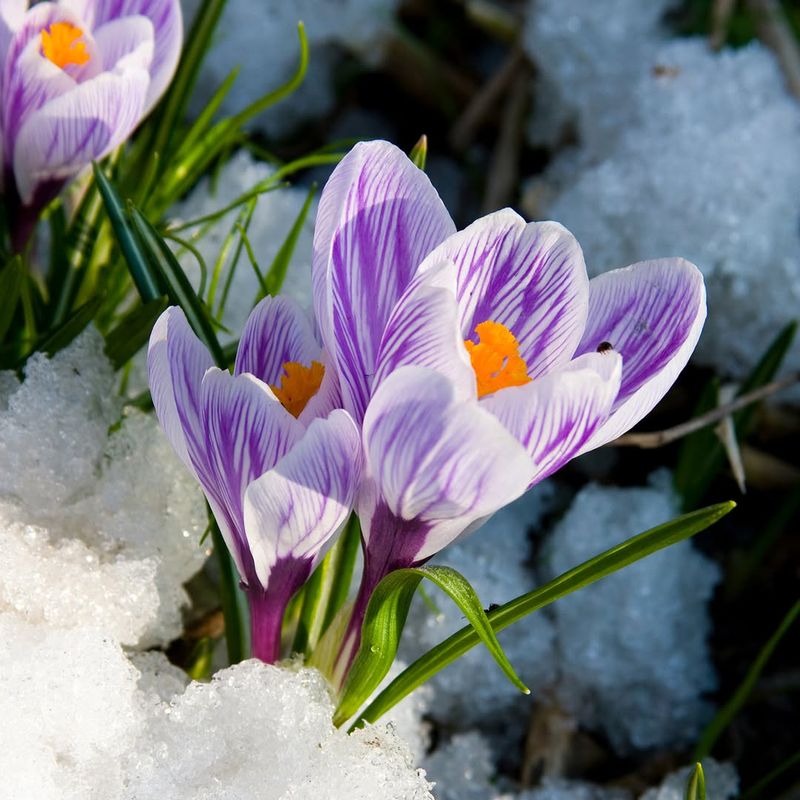
Bright cups of purple, yellow, and white push up through cold soil and sometimes even through late snow. Crocuses are among the first bulbs to bloom in Ohio, often appearing in March when the ground is still firm and chilly.
While not all varieties are strongly scented, some types release a light, honey-like fragrance that’s especially noticeable on warm afternoons.
These small bulbs are incredibly hardy and multiply over time, creating larger patches of color with each passing year. They’re perfect for planting in lawns, along walkways, or at the front of garden beds where their low height won’t be hidden.
Crocuses prefer full sun to partial shade and well-drained soil, and they naturalize easily in Ohio gardens.
The blooms last for a couple of weeks, and their cheerful colors are a welcome sight after months of gray and brown. Bees and other early pollinators visit crocus flowers eagerly, making them an important food source when little else is available.
Planting a mix of colors creates a more dynamic display and extends the bloom period slightly.
Once the flowers finish, the foliage continues to grow for a few more weeks before going dormant. It’s important to let the leaves mature fully so the bulbs can store energy for next year’s blooms.
Crocuses are inexpensive, easy to plant, and add both color and subtle fragrance to the early spring garden in Ohio.
4. Hyacinths Fill The Garden With Rich Scent
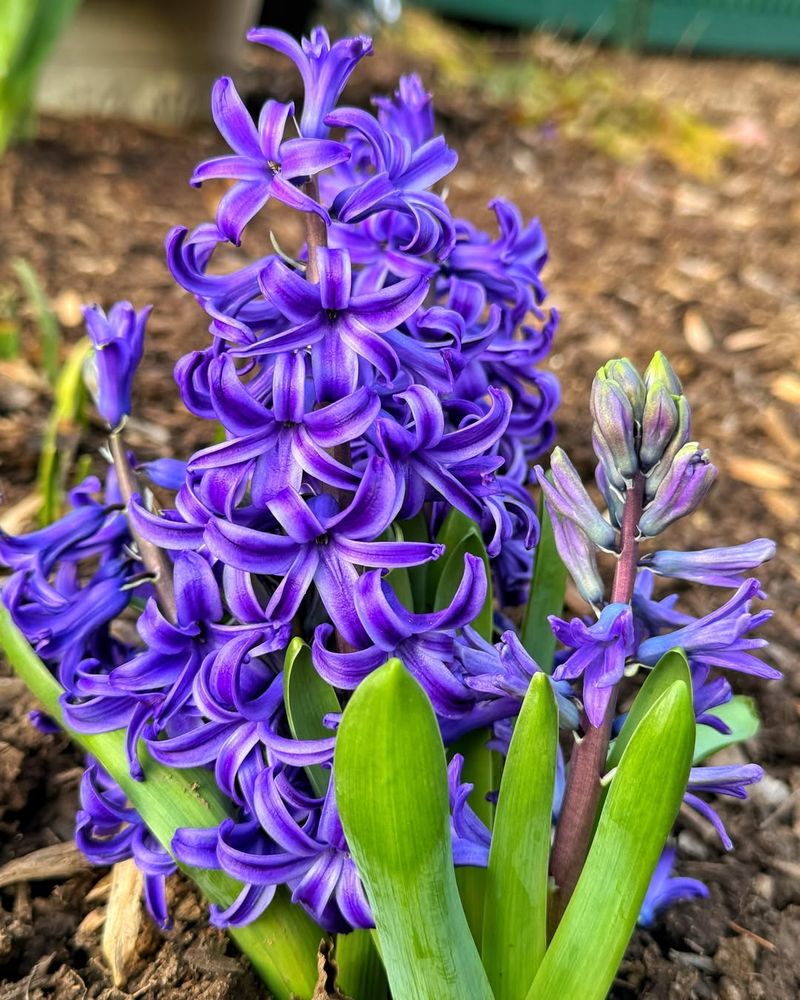
Few spring flowers can match the intense, sweet perfume that hyacinths bring to the garden. These bulbs bloom in March across Ohio, producing thick spikes packed with small, star-shaped flowers in shades of pink, purple, blue, white, and even yellow.
The fragrance is rich and heady, sometimes almost overwhelming if planted in large groups near doorways or windows.
Hyacinths prefer full sun and well-drained soil, and they perform best when planted in the fall before the ground freezes. They’re not as long-lived as some other bulbs and may need replanting every few years to maintain strong blooms.
However, their incredible scent and bold color make them worth the effort.
Each bulb produces one thick flower stalk, and planting them in clusters of five or more creates a more dramatic effect. They work well in containers, too, and can be forced indoors for even earlier blooms.
After flowering, allow the foliage to yellow and wither naturally so the bulb can recharge for the following season.
Hyacinths pair beautifully with other spring bloomers like daffodils and tulips, and their strong fragrance makes them a favorite for cutting and bringing indoors. In Ohio gardens, they signal that spring has truly arrived, filling the air with a scent that’s both nostalgic and uplifting.
Planting a variety of colors ensures a vibrant display that catches the eye as much as the nose.
5. Snowdrops Add A Soft Fresh Scent
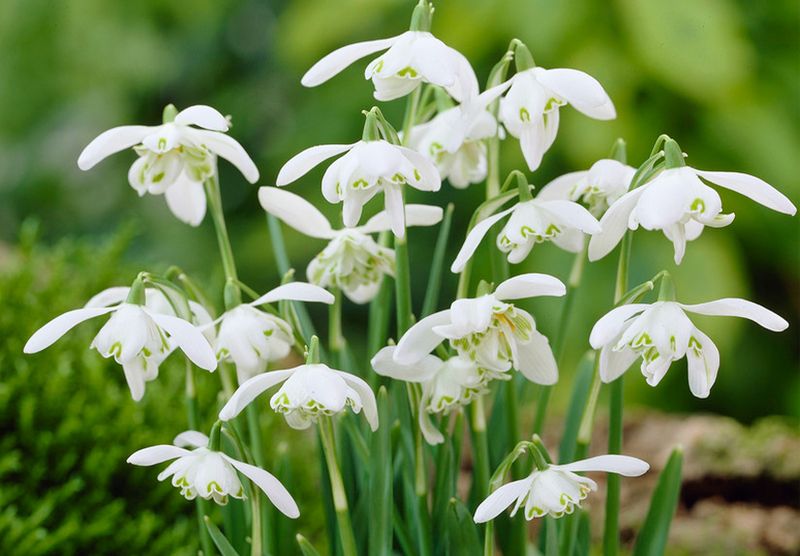
Delicate white bells nod gently in the breeze, often appearing while snow still lingers on the ground. Snowdrops are some of the earliest bulbs to bloom in Ohio, sometimes starting in late February and continuing through March.
Their flowers are small and modest, but they carry a light, fresh fragrance that’s sweet and clean, like honey mixed with green leaves.
These tiny bulbs naturalize easily and spread over time, creating drifts of white that brighten shady spots under trees and along woodland edges. Snowdrops prefer partial shade and moist, well-drained soil, and they’re particularly well-suited to areas that stay cool in early spring.
They’re also deer-resistant, which is a bonus for gardeners dealing with browsing wildlife.
Each bulb produces a single flower on a slender stem, and the blooms last for several weeks if temperatures stay cool. Snowdrops are perfect for planting in large numbers, as their impact comes from massed displays rather than individual plants.
They also pair well with other early bloomers like crocuses and winter aconites.
Once the flowers finish, the foliage continues to grow for a short time before going dormant. Snowdrops are best planted in the fall, and they prefer to be divided and moved while still in leaf rather than as dry bulbs.
In Ohio gardens, they bring a sense of hope and renewal, proving that beauty and fragrance can thrive even in the coldest weeks of the year.
6. Winter Aconite Brings A Hint Of Fragrance
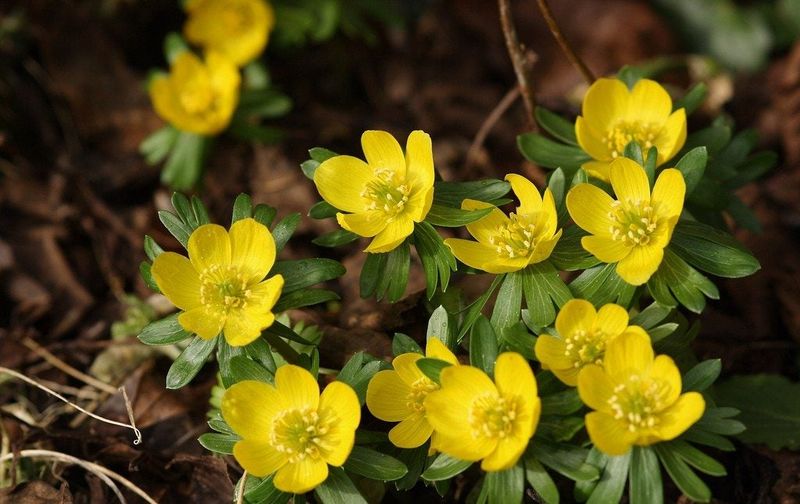
Bright yellow blooms that look like tiny buttercups appear almost overnight, often pushing through frozen ground or even snow. Winter aconite is one of the earliest bulbs to flower in Ohio, typically blooming in March and sometimes even late February.
The flowers have a subtle, light fragrance that’s easiest to detect when you kneel down close, making them a quiet but charming addition to the early spring garden.
These small tubers naturalize well and spread over time, creating carpets of sunny yellow that brighten shady areas under trees and shrubs. Winter aconite prefers partial shade and moist soil, and it’s particularly happy in spots that get dappled sunlight in early spring before trees leaf out.
The flowers are surrounded by a ruff of green, deeply cut leaves that add texture and interest.
Each tuber produces a single flower, and planting them in groups of twenty or more creates a more noticeable display. They pair beautifully with snowdrops, and the combination of white and yellow is a classic early spring pairing.
Winter aconite blooms last for a few weeks, and the foliage persists for a short time before going dormant.
These tubers are best planted in the fall, and they prefer to be soaked overnight before planting to help them rehydrate. Once established, winter aconite requires little care and will return reliably each year.
In Ohio gardens, they’re a cheerful reminder that warmer days are just around the corner, bringing both color and a hint of fragrance to the awakening landscape.
7. Early Daffodils Brighten The Garden With Scent
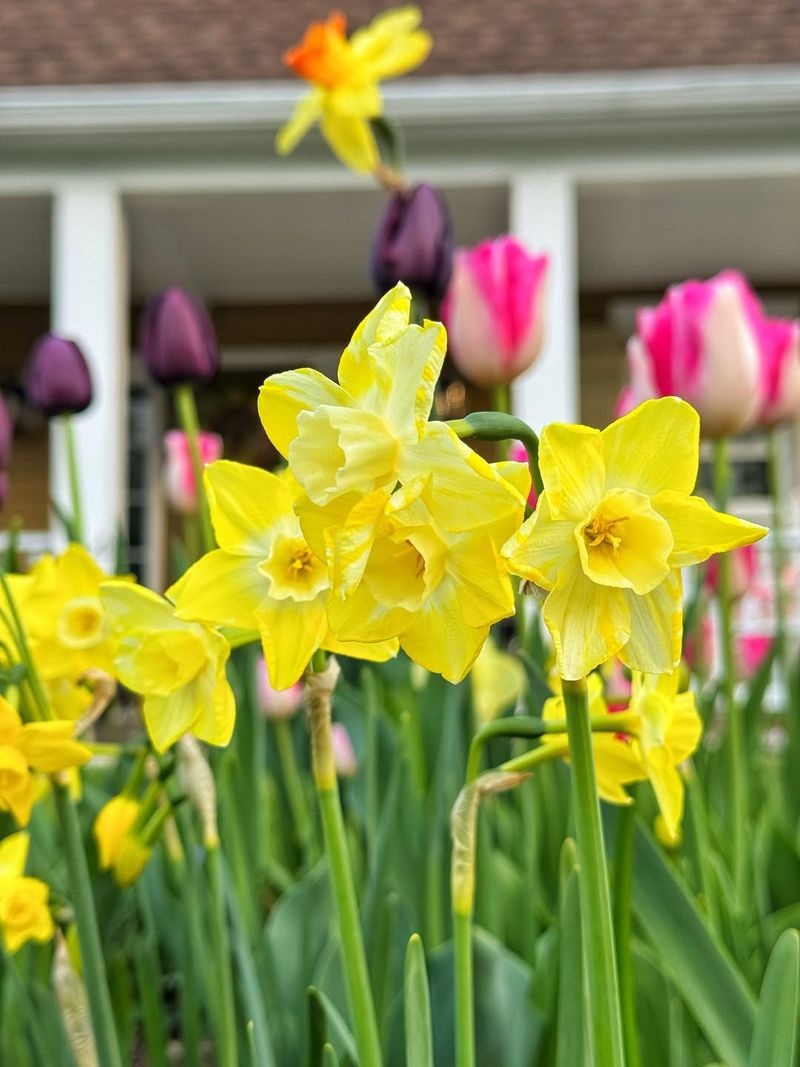
Cheerful trumpets in shades of yellow, white, and cream announce that spring has truly arrived. Early daffodil varieties begin blooming in March across Ohio, bringing both color and a light, sweet fragrance to gardens and landscapes.
Not all daffodils are strongly scented, but many early varieties have a pleasant, fresh perfume that’s especially noticeable on warm, sunny days.
Daffodils are among the easiest bulbs to grow, and they naturalize well, returning year after year with minimal care. They prefer full sun to partial shade and well-drained soil, and they’re also deer-resistant, which makes them a reliable choice for gardens where wildlife can be a problem.
Planting them in groups of ten or more creates a bold display that’s hard to miss.
Early varieties like ‘February Gold’ and ‘Tete-a-Tete’ are particularly well-suited to Ohio’s climate, blooming reliably even after late frosts. The flowers last for several weeks, and deadheading spent blooms helps keep the garden looking tidy.
However, it’s important to leave the foliage in place until it yellows naturally so the bulbs can store energy for next year.
Daffodils work well in mixed borders, naturalized in lawns, or planted in containers for portable color. Their bright blooms and light fragrance lift spirits after a long winter, and they’re one of the most beloved signs of spring.
In Ohio gardens, early daffodils are a must-have, bringing both beauty and scent to the landscape just when it’s needed most.