7 Plants Pennsylvania Gardeners Shouldn’t Prune Yet To Avoid Frost Damage
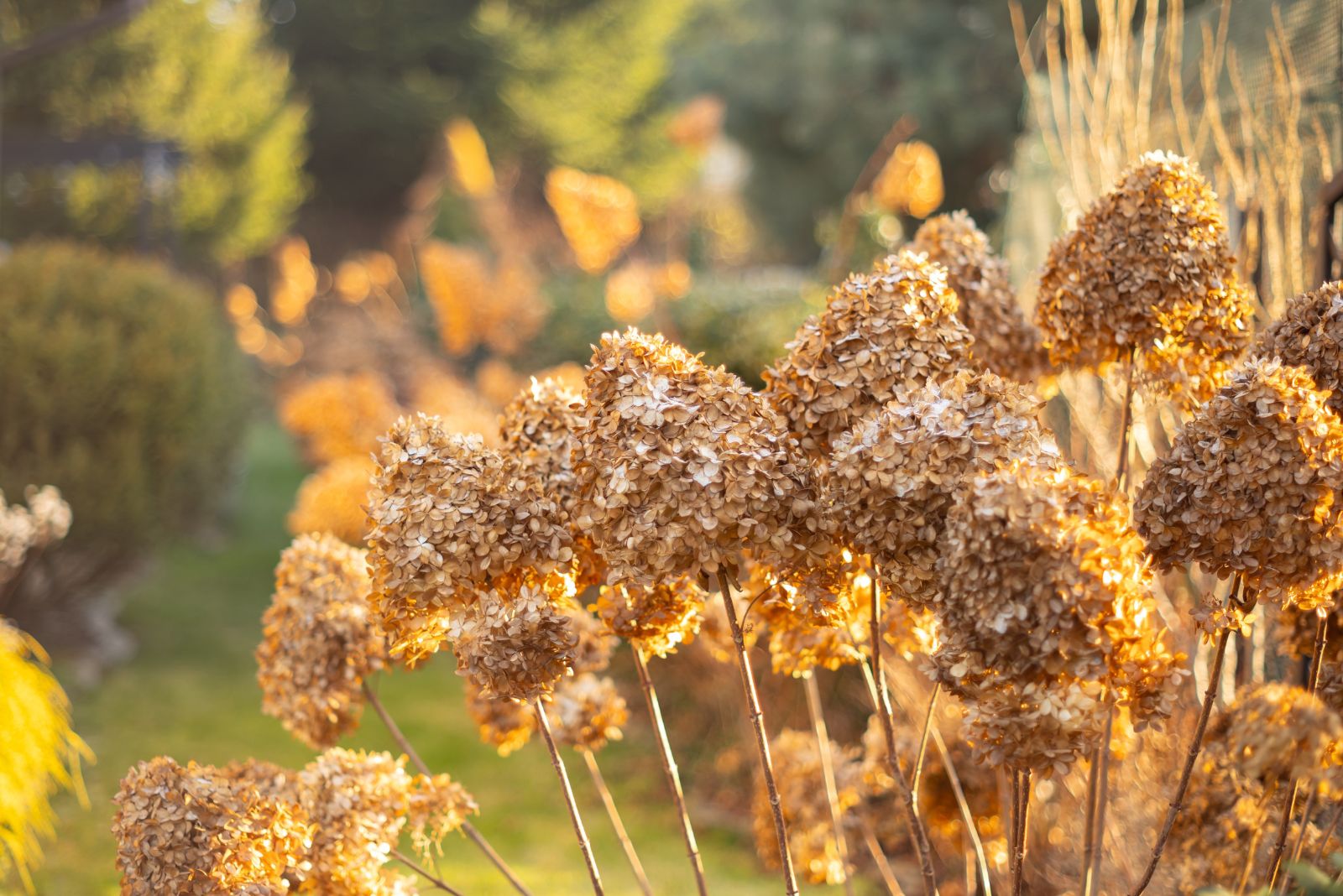
Warm hints of spring can tempt Pennsylvania gardeners to grab the pruners and start tidying up, but cutting too soon can do more harm than good.
Many plants are still vulnerable to late season cold snaps, and early pruning may expose tender growth to frost damage just when they need protection most.
Removing stems too early can also reduce flowering, weaken plants, and slow their recovery once true spring weather arrives. Some shrubs and perennials rely on their older growth as natural insulation against chilly nights, so patience often pays off.
Waiting a little longer helps preserve buds, maintain plant strength, and avoid setbacks that could affect the entire growing season. Knowing which plants should stay untouched for now can protect your garden from unnecessary stress.
Giving them a bit more time now can lead to healthier growth, stronger blooms, and far better results once consistent warmth finally arrives.
1. Hydrangea
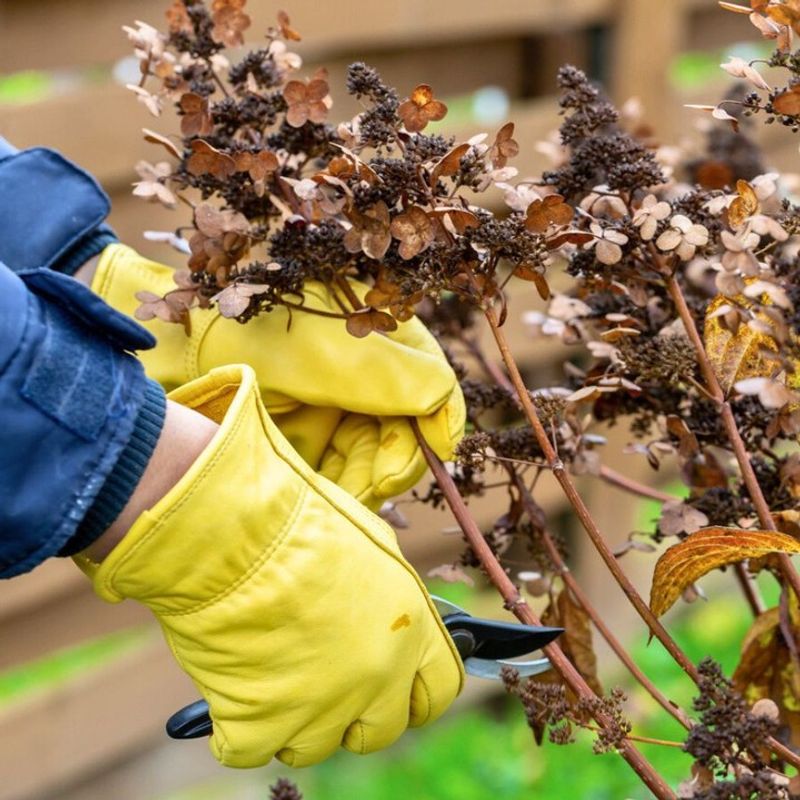
Hydrangeas are one of the most beloved flowering shrubs in Pennsylvania gardens, but they’re also one of the most misunderstood when it comes to pruning.
Many varieties bloom on old wood, which means the flower buds formed last summer and fall are already sitting on those branches waiting for warm weather. If you prune now, you’re essentially cutting off this year’s entire flower display before it even starts.
The timing makes all the difference with these plants. When you trim hydrangeas in late winter or early spring, you remove the very stems that would have produced those gorgeous blooms in just a few months.
Some gardeners learn this lesson the hard way after an enthusiastic spring cleanup leaves them with green bushes and no flowers all summer long.
Fresh pruning cuts also create another problem during Pennsylvania’s unpredictable spring weather. Those wounds are sensitive entry points for frost damage when temperatures drop unexpectedly.
A late April or early May frost can seriously harm newly cut stems, potentially affecting the plant’s overall health and vigor.
Different hydrangea types have different pruning needs, which adds to the confusion. Bigleaf hydrangeas and oakleaf hydrangeas both bloom on old wood and should never be pruned in spring.
Panicle and smooth hydrangeas bloom on new growth and can handle spring pruning better, but even they benefit from waiting until you can clearly see which stems made it through winter.
The best approach for most Pennsylvania hydrangeas is simple patience. Wait until after they finish blooming in summer, then do any shaping or cleanup you need.
This gives you flowers to enjoy and protects the plant from late-season cold snaps that can surprise even experienced gardeners in the Keystone State.
2. Rhododendron
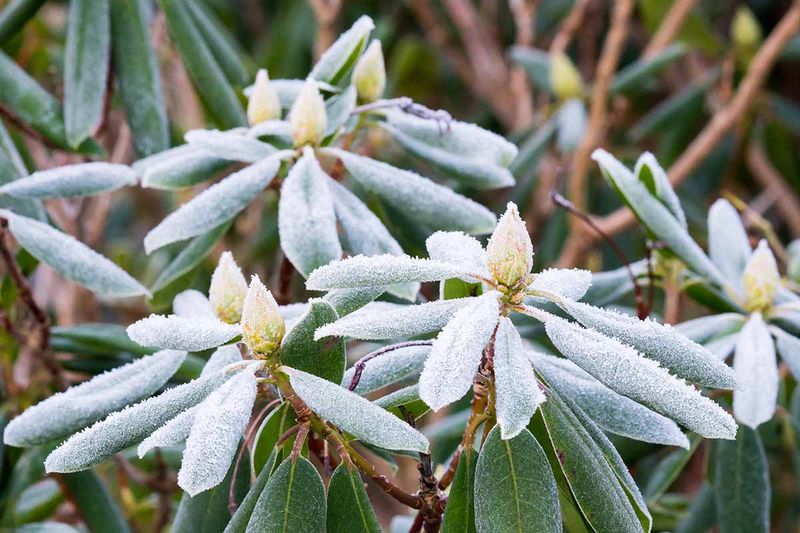
Rhododendrons put on one of spring’s most spectacular shows in Pennsylvania landscapes. These evergreen shrubs develop their flower buds during the previous growing season, spending all winter protecting those future blooms inside tight, scaled coverings.
Each of those plump buds at the branch tips contains a cluster of flowers just waiting for the right moment to open.
Your Pennsylvania Garden Changes Every Week. Your Plan Should Too.
Gardening in Pennsylvania changes quickly throughout the season. Every Friday you’ll receive a simple weekly plan showing exactly what to plant, prune, fertilize, harvest, and protect so you never miss the right timing.
Cutting branches now means you’re removing buds that took months to develop. Rhododendrons invest significant energy into creating those flower structures long before winter arrives.
When you prune in late winter or early spring, you’re essentially throwing away all that preparation and guaranteeing a flowerless spring.
Pennsylvania’s mountain laurel and rhododendrons are closely related and share similar blooming habits. Both are native to the state’s woodlands and both set their buds the year before flowering.
This evolutionary strategy helps them bloom early in spring when pollinators first become active, but it also makes them vulnerable to mistimed pruning.
The flower buds are easy to spot once you know what to look for. They’re noticeably larger and rounder than the pointed leaf buds that sit along the stems.
If you see these fat buds clustered at branch ends, that’s your signal to put the pruners away and wait.
Rhododendrons occasionally need pruning to control size or remove damaged wood, but the timing matters tremendously. The ideal window opens right after the flowers fade in late spring or early summer.
At that point, the plant has plenty of time to set next year’s buds while you get to enjoy this year’s blooms first. Pennsylvania gardeners who follow this schedule end up with healthier, more floriferous shrubs that brighten the landscape every spring without fail.
3. Forsythia
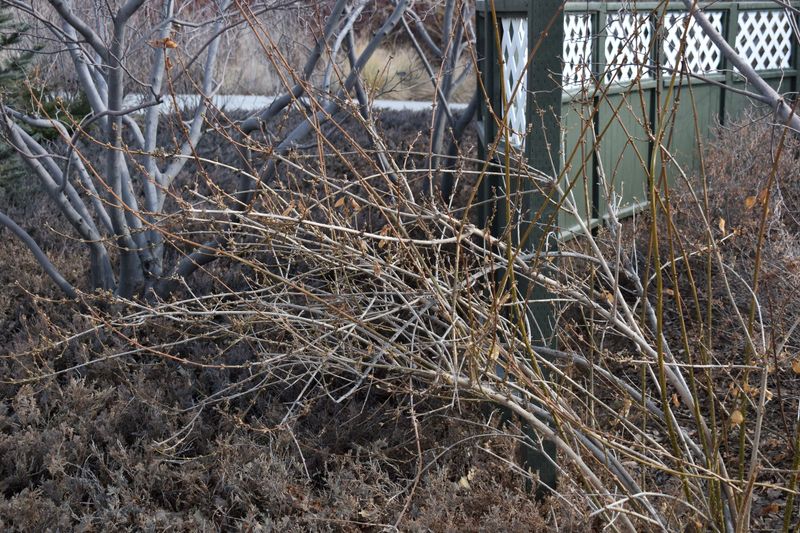
Few plants announce spring’s arrival in Pennsylvania quite like forsythia. Those brilliant yellow flowers burst open on bare branches while most other plants are still sleeping, creating splashes of sunshine across neighborhoods from Philadelphia to Pittsburgh.
The secret behind this early show is that forsythia forms all its flower buds during the previous summer and carries them through winter.
Every stem on a mature forsythia bush is covered with tiny flower buds by the time autumn arrives. These buds stay dormant through the cold months, then respond quickly to the first sustained warm temperatures in March or April.
If you prune before they bloom, you remove those buds and turn a potentially stunning display into a disappointing pile of cut sticks.
Forsythia’s growth habit makes it tempting to prune early. The long, arching branches can look unruly after winter, especially if ice or snow bent them out of shape.
However, those messy-looking stems are exactly where the flowers will appear, and they deserve a chance to perform before any trimming happens.
Pennsylvania’s variable spring weather actually helps forsythia most years. The plant needs a certain amount of chilling hours during winter to bloom well, and the state’s climate provides that perfectly.
Early warm spells might trick a few buds into opening prematurely, but most stay safely closed until conditions stabilize.
Once the yellow blooms fade and leaves start emerging, that’s your green light for pruning. Forsythia responds well to hard pruning right after flowering, and it grows vigorously enough to set plenty of new buds for next spring.
This post-bloom timing gives you the flowers you want while still allowing you to control the plant’s size and shape for the rest of the growing season.
4. Lilac
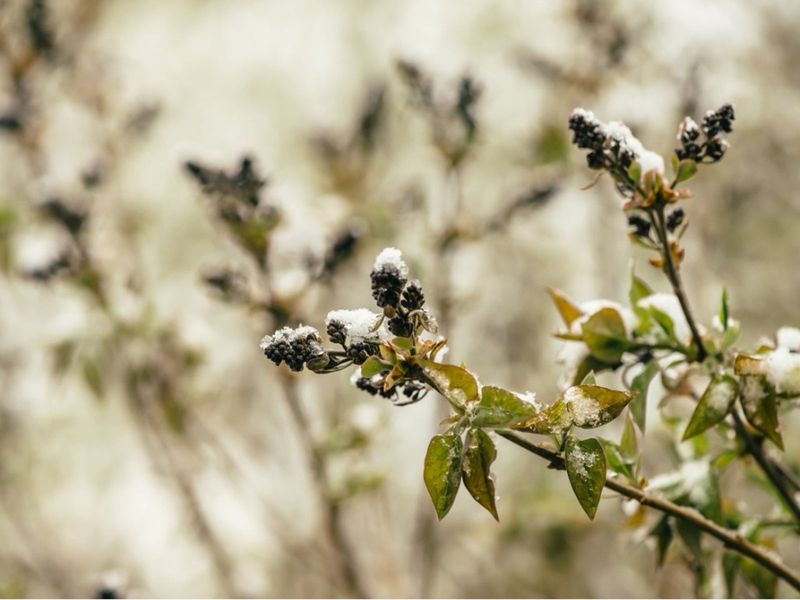
Lilacs hold a special place in Pennsylvania gardens, often planted near old farmhouses and passed down through generations.
Their intoxicating fragrance and lavish spring blooms make them garden favorites, but they’re also prime examples of plants that bloom exclusively on old wood.
Those flower buds develop on stems that grew during the previous year, making spring pruning a recipe for disappointment.
The flower clusters form at the tips of branches that matured last summer. Throughout fall and winter, those buds sit waiting, fully formed inside their protective coverings.
A lilac that looks scraggly in March is actually loaded with potential flowers, even if it doesn’t look impressive yet.
Many Pennsylvania gardeners inherit overgrown lilacs that seem like they desperately need cutting back. The impulse to prune them in early spring is strong, especially when the branches look bare and tangled.
Resist that urge completely, because every cut you make now removes clusters of flowers that would have opened in just a few weeks.
Lilacs are particularly sensitive about pruning timing because they don’t bloom again later if you remove the spring flowers.
Unlike some plants that produce multiple flushes of blooms, lilacs give you one shot per year. Miss it by pruning too early, and you wait an entire year for another chance.
The proper time to prune lilacs is immediately after flowering finishes in late spring. This gives the plant the entire summer and fall to grow new stems and set buds for next year’s display.
Pennsylvania’s long growing season provides plenty of time for this cycle to complete successfully. Older, overgrown lilacs can even be renovated gradually over several years by removing just a few of the oldest stems annually right after bloom time.
5. Dogwood (Flowering Dogwood)
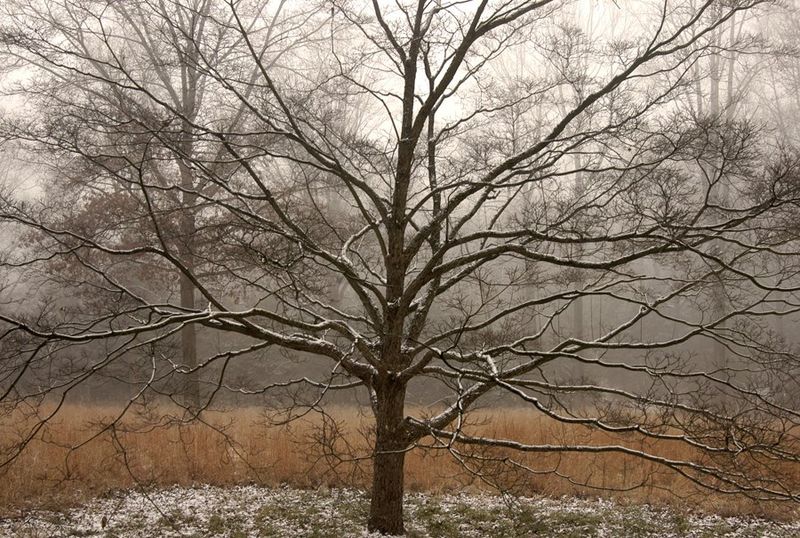
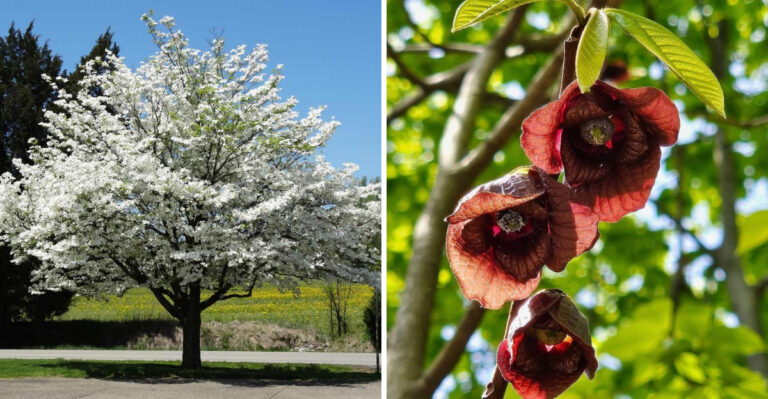
Flowering dogwoods are native Pennsylvania treasures that bloom in the understory of woodlands throughout the state. These trees produce their distinctive flowers in spring, with each bloom surrounded by four showy bracts that most people mistake for petals.
The actual flowers are small and clustered in the center, but those white or pink bracts create the memorable display that makes dogwoods so popular.
Dogwoods set their flower buds during summer and early fall, then protect them through winter inside specialized bud scales. By the time spring arrives, those buds are ready to open as soon as temperatures warm consistently.
Pruning before bloom time removes these buds and reduces the flowering display significantly.
More importantly, dogwoods are sensitive to stress from pruning, especially when combined with cold weather. Fresh cuts expose inner wood tissues that can be damaged by late frosts, which are common in Pennsylvania through mid-May in many areas.
This cold injury can lead to problems with diseases and insects that take advantage of weakened trees.
Pennsylvania’s native flowering dogwoods already face challenges from dogwood anthracnose and other diseases that have become more common in recent decades. Adding pruning stress during their vulnerable spring period makes these problems worse.
The trees need all their energy focused on flowering and leafing out, not on healing wounds.
If your dogwood needs pruning, wait until after the bracts fade and drop. Even then, dogwoods require only light pruning to remove dry or crossing branches. They naturally develop attractive shapes without much intervention.
Pennsylvania gardeners who leave their dogwoods mostly alone except for necessary maintenance after blooming end up with healthier trees that flower reliably year after year in the dappled shade where they thrive best.
6. Weigela
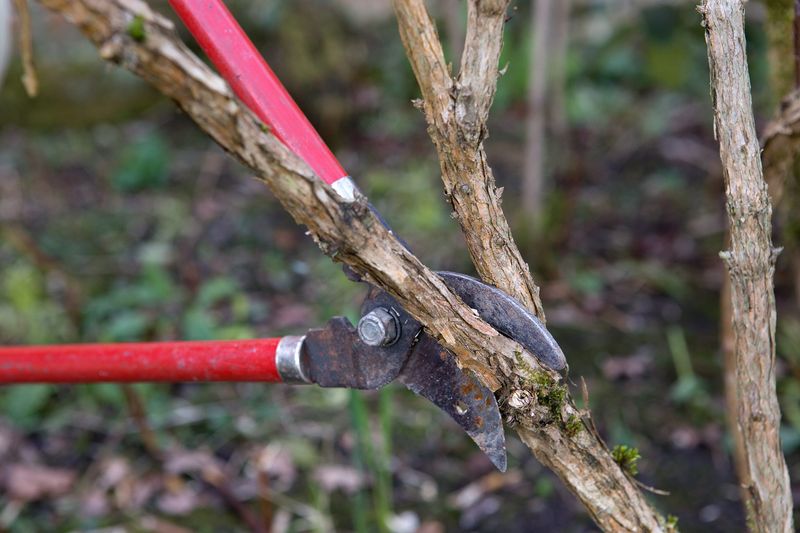
Weigela brings reliable color to Pennsylvania gardens in late spring with its abundance of tubular flowers in shades of pink, red, or white. This deciduous shrub blooms on wood that grew the previous year, following the same pattern as many other spring-flowering shrubs.
The flower buds form along stems during the growing season, then wait through winter to open when warm weather returns.
Each branch on a mature weigela carries dozens of potential flowers by the time winter ends. These buds are smaller and harder to see than those on plants like rhododendrons, but they’re there nonetheless.
Pruning in late winter or early spring removes them before they have a chance to develop into the cheerful blooms that make weigela worth growing.
Pennsylvania gardeners often plant weigela for its long blooming period and easy care requirements. The shrubs are tough and adaptable, growing well in various soil types across the state.
However, this toughness doesn’t extend to recovering from mistimed pruning. Remove the flowering wood in spring, and you simply won’t get flowers that year.
Weigela’s arching growth habit sometimes makes it look messy coming out of winter. Branches may cross each other or stick out at odd angles, tempting you to start cutting.
Those awkward-looking stems will soon be covered in flowers if you leave them alone for a few more weeks.
The best pruning time for weigela is right after the main flush of blooms finishes in early summer. At that point, you can shape the plant, remove up to a third of the oldest stems, and still give it plenty of time to grow new flowering wood for next year.
Some weigela varieties even produce a lighter second bloom in late summer on new growth, giving you extra color as a bonus for your patience in spring.
7. Magnolia (Especially Saucer Magnolia)
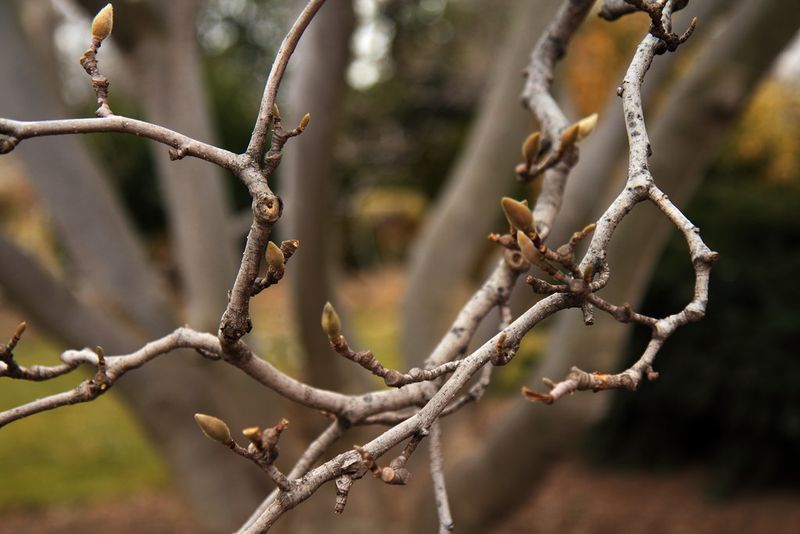
Magnolias create one of spring’s most dramatic displays in Pennsylvania, especially the popular saucer magnolia with its huge pink and white flowers. These trees bloom on bare branches before leaves appear, making the flower show even more impressive.
Like other early bloomers, magnolias set their flower buds many months before they actually open.
The large, fuzzy buds are visible on magnolia branches throughout winter. Each one contains a fully formed flower waiting for the right conditions to unfold.
These buds are particularly sensitive to damage because they’re exposed on the branch tips with no protective leaves around them.
Pruning magnolias in late winter or early spring removes these precious buds and eliminates the blooms you’ve been anticipating.
Given that young magnolias can take several years to start flowering well, losing even one year’s blooms is disappointing. Mature trees that bloom reliably also suffer when pruned at the wrong time.
Pennsylvania’s spring weather poses special challenges for magnolias. The trees often bloom in April when late frosts are still possible, and those tender flowers can be damaged by sudden cold snaps.
Adding pruning wounds to the equation increases stress and makes frost damage more likely to affect not just the flowers but the tree’s overall health.
Saucer magnolias are particularly vulnerable because they bloom earlier than some other magnolia species. Their flower buds begin swelling at the first hint of warm weather, and they’re quick to open fully.
If you prune before they bloom, you miss the entire spectacular display that makes these trees garden centerpieces.
Magnolias rarely need much pruning anyway since they naturally develop attractive shapes. When trimming is necessary, wait until after flowers fade.
Even then, prune minimally and only to remove damaged branches or correct specific problems. Pennsylvania magnolias that receive gentle care and patient timing reward their owners with breathtaking spring blooms year after year.