Top 9 Orange Flowers To Grow In Pennsylvania Gardens This Spring
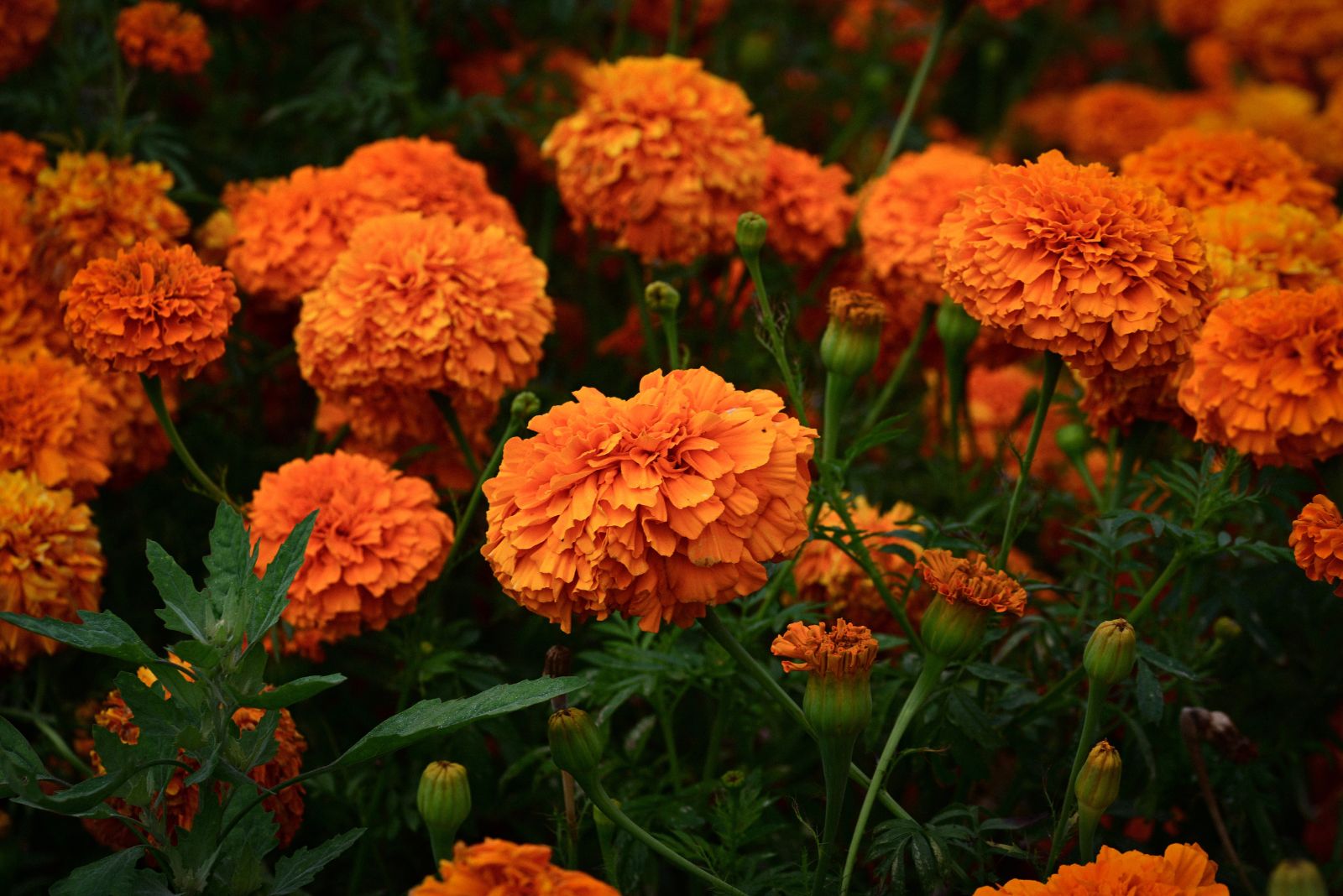
Nothing energizes a spring garden quite like the glow of bright orange flowers catching the sunlight after a long Pennsylvania winter.
These warm, vivid blooms bring instant life, contrast, and cheerful color to beds, borders, and containers just as the growing season begins.
Many orange flowering plants handle Pennsylvania’s cool spring weather well, pushing out bold blossoms while other plants are still waking up.
Their fiery tones pair beautifully with purples, blues, and fresh greens, creating a lively and balanced landscape that feels full of motion and warmth.
Beyond their beauty, many also attract pollinators, adding even more activity and life to your garden. Whether you prefer soft apricot shades or deep, sunset hues, the right orange flowers can transform your outdoor space into a bright and welcoming display.
1. Butterfly Weed (Asclepias Tuberosa)
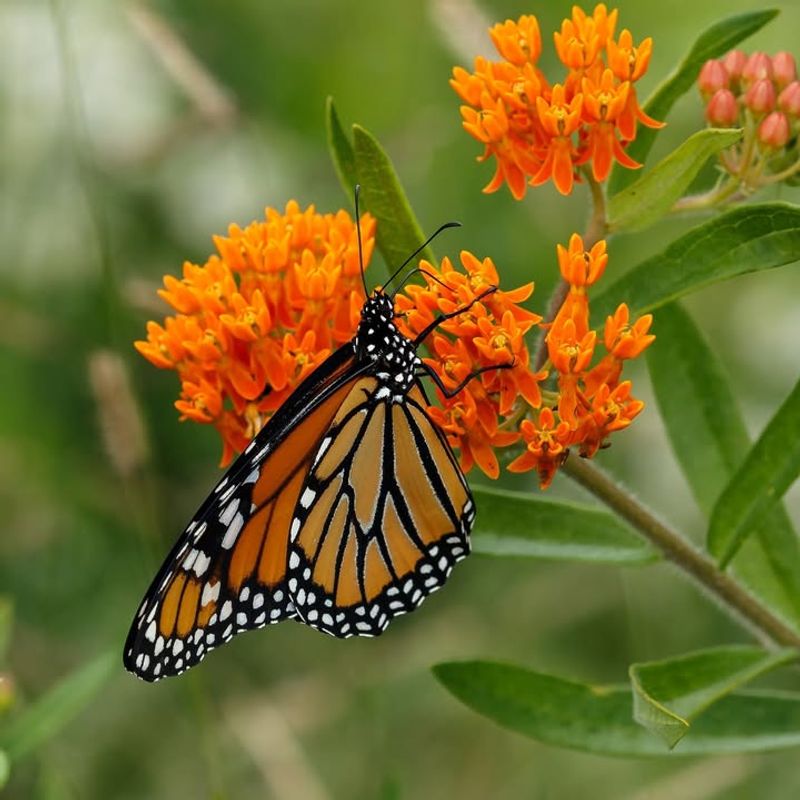
Butterfly Weed stands out as one of the toughest native plants you can grow in Pennsylvania gardens. Its clusters of brilliant orange flowers bloom from June through August, creating stunning displays that practically glow in the sunlight.
This perennial grows about two to three feet tall and spreads slowly to form attractive clumps over time.
Monarch butterflies absolutely love this plant, which is why it earned its common name. You’ll see butterflies visiting constantly throughout the blooming season, making your garden a wildlife hotspot.
The plant also serves as a host for monarch caterpillars, supporting these important pollinators throughout their life cycle.
Pennsylvania’s well-drained soils suit Butterfly Weed perfectly since it hates wet feet and prefers dry to medium moisture levels.
Once established, this tough native handles drought beautifully and rarely needs watering. It thrives in full sun and actually performs better in poor soil than rich, amended ground.
Starting Butterfly Weed from seed takes patience, but established plants reward you with years of low-maintenance beauty. The deep taproot makes transplanting tricky, so choose your planting spot carefully.
This Pennsylvania native brings vibrant orange color while supporting local ecosystems and requiring almost no care once settled in your garden.
2. Orange Daylily (Hemerocallis Fulva)
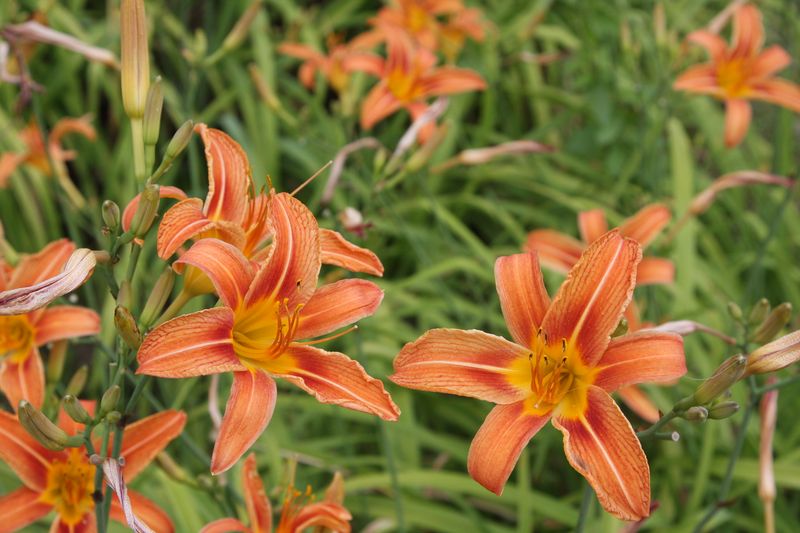
Orange Daylilies bring carefree beauty to Pennsylvania landscapes with their cheerful trumpet-shaped blooms. Each flower lasts just one day, but plants produce so many buds that the show continues for weeks.
These hardy perennials grow two to four feet tall and spread readily to fill empty spaces in your garden.
Pennsylvania gardeners appreciate how forgiving these plants are, thriving in almost any soil type and tolerating both sun and partial shade.
They handle our humid summers without complaint and bounce back quickly from spring’s occasional late frosts. Orange Daylilies multiply quickly, forming thick clumps that crowd out weeds naturally.
The grass-like foliage stays attractive even when flowers aren’t blooming, providing nice texture in garden beds. These plants rarely suffer from pests or diseases, making them perfect for beginners or anyone wanting low-maintenance color.
They tolerate drought once established but bloom more abundantly with regular moisture during Pennsylvania’s dry spells.
Dividing clumps every few years keeps plants blooming vigorously and gives you extras to share with neighbors or fill other garden spots. Orange Daylilies naturalize beautifully along roadsides and in meadow gardens throughout Pennsylvania.
Your Pennsylvania Garden Changes Every Week. Your Plan Should Too.
Gardening in Pennsylvania changes quickly throughout the season. Every Friday you’ll receive a simple weekly plan showing exactly what to plant, prune, fertilize, harvest, and protect so you never miss the right timing.
Their reliability and bright color make them garden workhorses that deliver year after year without demanding special attention or care.
3. Calendula (Calendula Officinalis)
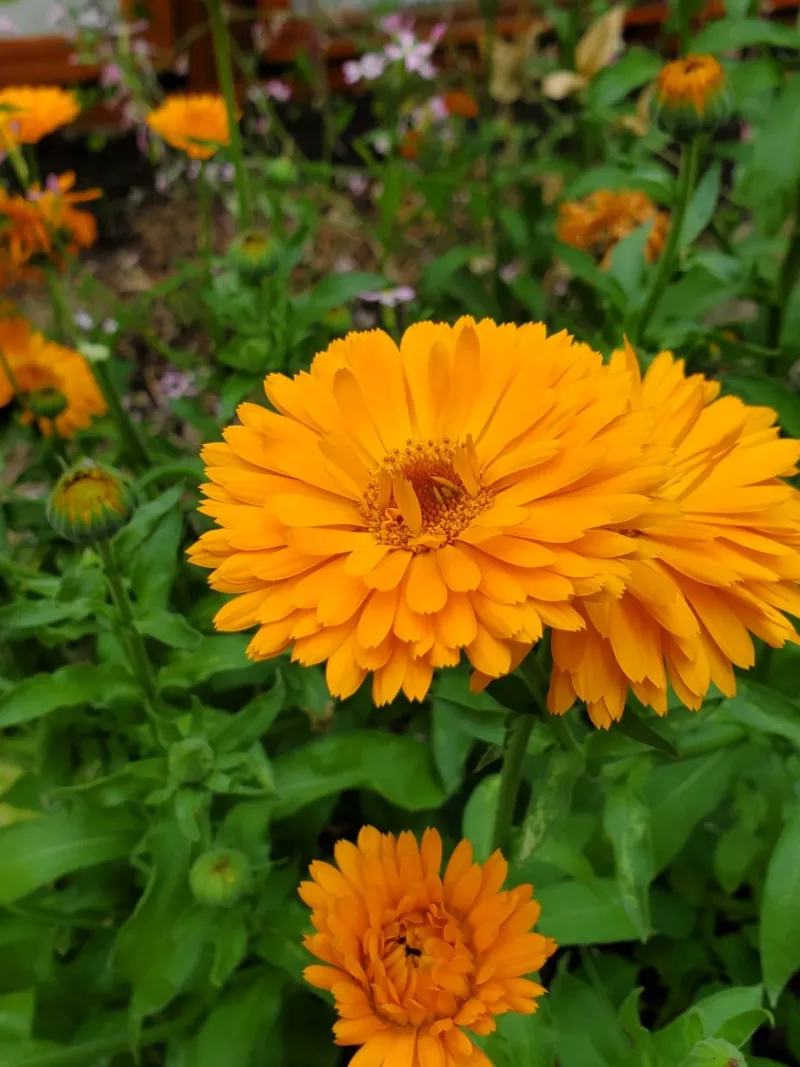
Calendula brings old-fashioned charm to Pennsylvania gardens with its cheerful daisy-like flowers in shades of bright orange. These cool-season annuals actually prefer spring’s mild temperatures and can handle light frosts that would damage more tender plants.
Blooms appear continuously from spring through early summer, covering compact plants that grow twelve to eighteen inches tall.
Gardeners across Pennsylvania value Calendula for more than just its beauty since the flowers are edible and have been used in cooking and natural remedies for centuries. The petals add color to salads and can be dried for teas.
Plants self-sow readily, coming back year after year in the same spot if you let some flowers go to seed.
These easy-going annuals grow quickly from seed sown directly in the garden after your last frost date. They prefer full sun but tolerate partial shade, especially during Pennsylvania’s hottest summer months.
Calendula thrives in average garden soil and doesn’t need fertilizer or special amendments to perform well.
Deadheading spent blooms encourages more flowers and keeps plants looking tidy throughout the growing season. Calendula handles Pennsylvania’s spring rains without rotting and continues blooming even during cool, cloudy stretches.
Their bright orange flowers attract beneficial insects while adding cheerful cottage-garden appeal to beds, borders, and cutting gardens across the state.
4. Orange Tulip (Tulipa Varieties)
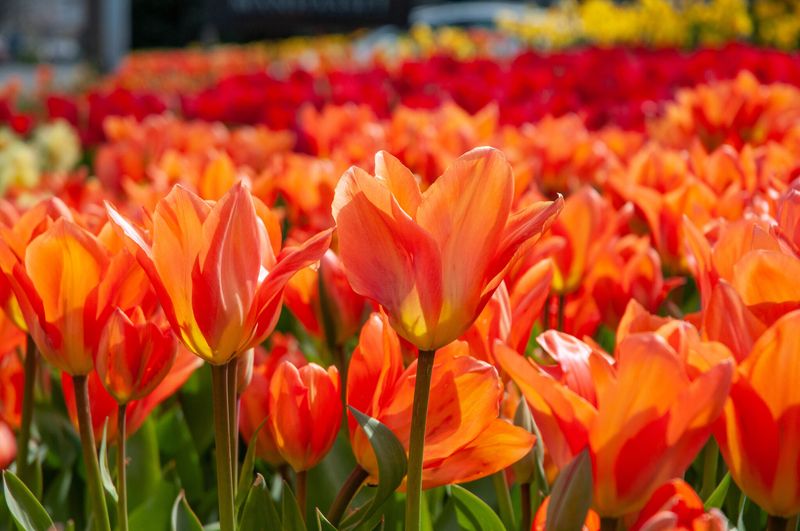
Orange Tulips announce spring’s arrival in Pennsylvania with their bold, cup-shaped blooms that stand tall above emerging perennials. These classic spring bulbs come in countless shades of orange, from soft peachy tones to intense tangerine and deep burnt orange.
Most varieties grow twelve to twenty inches tall, creating stunning displays when planted in groups or drifts.
Pennsylvania’s cold winters provide the chilling period tulip bulbs need to bloom beautifully each spring. Plant bulbs in fall, about six to eight inches deep, before the ground freezes.
They’ll emerge reliably when temperatures warm, usually blooming from April through May depending on your location in the state.
Tulips prefer well-drained soil and full sun, though they tolerate light shade from deciduous trees that haven’t leafed out yet. After blooming, let the foliage yellow naturally before removing it so bulbs can store energy for next year.
Some varieties return reliably year after year, while others perform best when treated as annuals and replanted each fall.
Combining different orange tulip varieties extends the blooming season and creates layers of color in Pennsylvania gardens. They look spectacular planted with blue forget-me-nots or purple pansies for contrasting color combinations.
Orange tulips also make excellent cut flowers, bringing spring’s vibrant energy indoors to brighten tables and rooms throughout your home.
5. Orange Poppy (Papaver Nudicaule / Iceland Poppy)
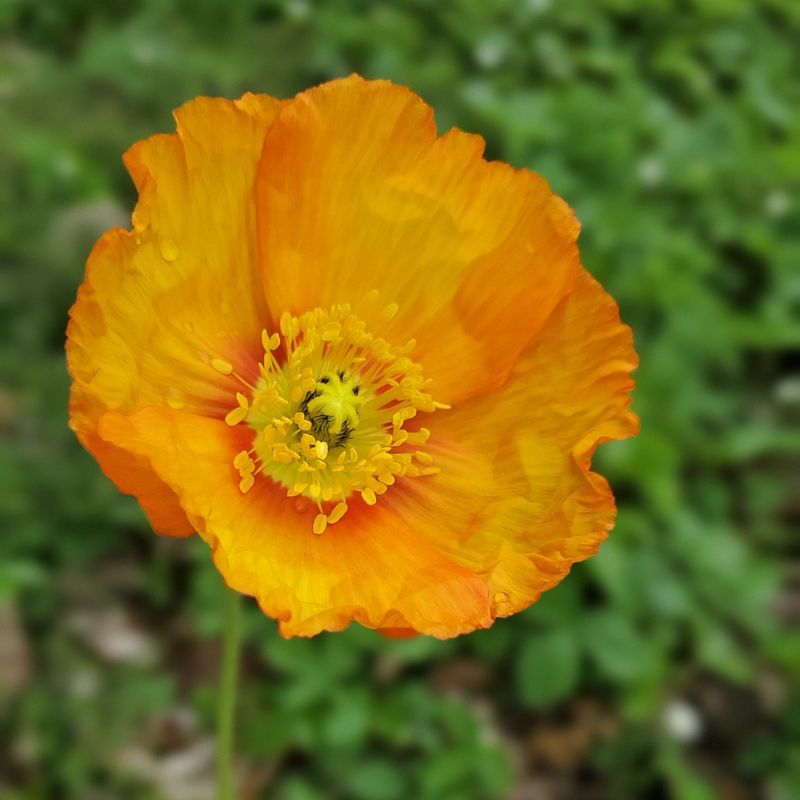
Iceland Poppies bring delicate beauty to Pennsylvania gardens with their papery orange petals that seem to glow when backlit by morning sun. These cool-season lovers bloom prolifically in spring, producing flowers on slender stems that dance in the breeze.
Plants grow twelve to eighteen inches tall with attractive ferny foliage that forms neat mounds at the base.
Pennsylvania’s spring weather suits Iceland Poppies perfectly since they thrive in cool temperatures and often struggle once summer heat arrives.
Starting plants from seed indoors in late winter or purchasing transplants in early spring gives the best results. They prefer full sun and well-drained soil that doesn’t stay soggy after spring rains.
Each flower lasts several days, and plants produce blooms continuously when you remove faded flowers regularly. The silky petals come in various shades of orange, from pale sherbet tones to vibrant tangerine.
Iceland Poppies make exceptional cut flowers, though you need to sear stem ends immediately after cutting to make them last in vases.
These poppies often behave as short-lived perennials in Pennsylvania, sometimes returning for a second year in gardens with excellent drainage. They self-sow moderately, occasionally popping up in unexpected spots the following spring.
Their delicate appearance belies surprising toughness against spring’s unpredictable weather, including light frosts and chilly winds that sweep across Pennsylvania in early season.
6. Blanket Flower (Gaillardia Pulchella)
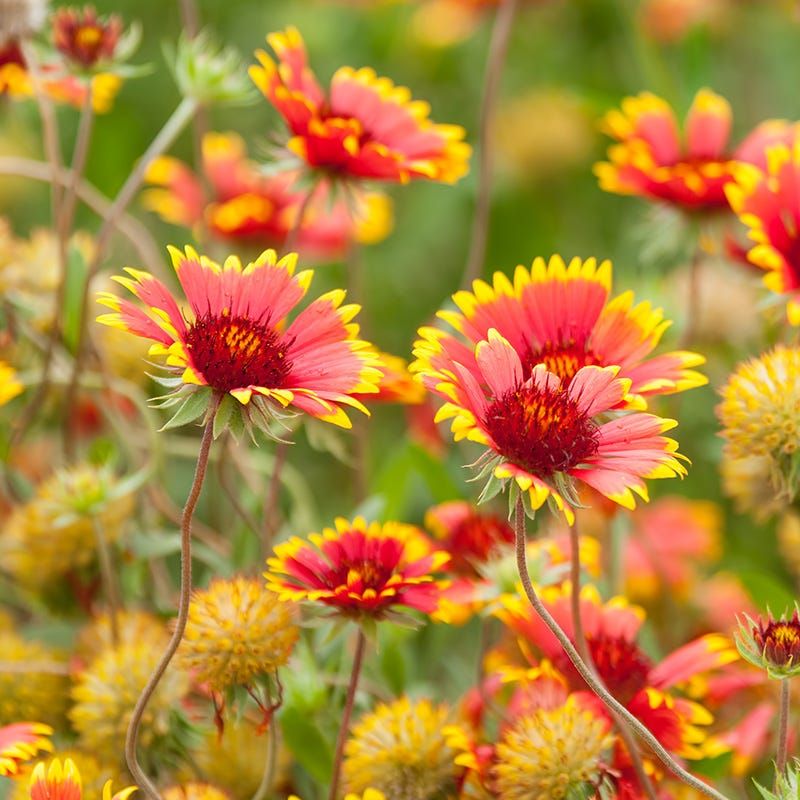
Blanket Flower earned its name from the warm colors that resemble traditional Native American blankets, with petals in fiery orange often tipped with red or yellow.
These cheerful perennials bloom from early summer through fall, providing months of color in Pennsylvania gardens.
Plants grow one to two feet tall with a bushy, mounding habit that fills spaces nicely in beds and borders.
Heat and drought don’t faze Blanket Flower, making it perfect for Pennsylvania’s sometimes unpredictable summer weather. Once established, plants need little water and actually perform better in lean soil than overly rich, amended ground.
They thrive in full sun and bloom most abundantly when given at least six hours of direct sunlight daily.
Butterflies and bees visit Blanket Flower constantly, making your Pennsylvania garden a pollinator paradise throughout the growing season. The daisy-like blooms also attract goldfinches, which feast on the seeds in late summer and fall.
Deadheading encourages more flowers, but leaving some seed heads provides food for birds during migration.
Blanket Flower handles Pennsylvania’s humid summers without developing the mildew problems that plague some other perennials. Plants sometimes behave as short-lived perennials but self-sow readily, ensuring you’ll have blooms year after year.
Their long blooming season and tough nature make them valuable additions to low-maintenance gardens throughout the state.
7. Orange Zinnia (Zinnia Elegans)
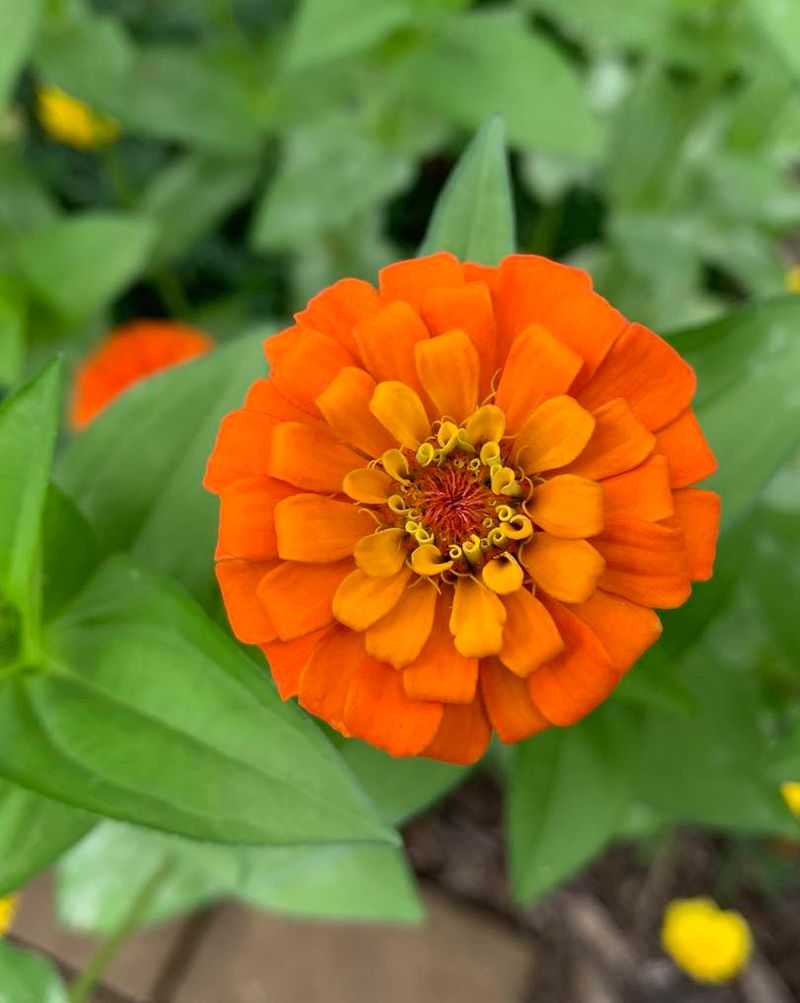
Zinnias rank among the easiest and most rewarding annuals for Pennsylvania gardeners, producing armloads of cut flowers from summer until frost. Orange varieties come in every shade imaginable, from soft apricot to vivid tangerine and deep burnt orange.
Plants range from compact six-inch dwarfs to tall three-foot giants, offering options for every garden spot and design style.
Pennsylvania’s warm summers suit zinnias perfectly since they love heat and bloom most prolifically during July and August.
Starting seeds directly in the garden after frost danger passes works beautifully, or you can purchase transplants for quicker color. Zinnias need full sun and well-drained soil but aren’t fussy about soil quality or pH levels.
Butterflies flock to zinnia flowers, making your Pennsylvania garden a constant hub of activity throughout summer. The long, sturdy stems make zinnias perfect for cutting, and flowers last over a week in vases.
Cutting blooms regularly actually encourages plants to produce more flowers, creating a wonderful cycle of continuous color and bouquets.
Powdery mildew sometimes affects zinnias during Pennsylvania’s humid summers, but choosing resistant varieties and providing good air circulation minimizes problems. Spacing plants properly and watering at soil level rather than overhead helps keep foliage healthy.
Orange zinnias combine beautifully with purple salvia, yellow marigolds, and other warm-colored annuals in beds, borders, and containers across Pennsylvania.
8. Mexican Sunflower (Tithonia Rotundifolia)
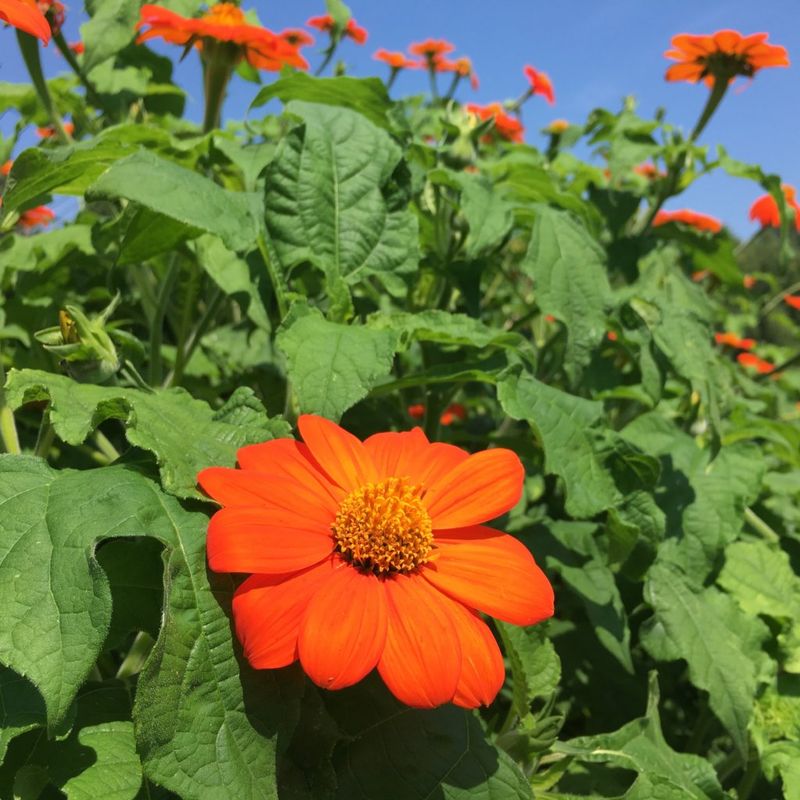
Mexican Sunflower brings tropical drama to Pennsylvania gardens with its blazing orange blooms and impressive size. These heat-loving annuals can reach four to six feet tall, creating living screens or dramatic backdrops for shorter plants.
The large, velvety leaves and sturdy stems give plants a bold, architectural presence that stands out in summer borders.
Hummingbirds go absolutely crazy for Mexican Sunflower, visiting constantly throughout the day to sip nectar from the tubular flowers. Butterflies love them too, making these plants essential for wildlife gardens across Pennsylvania.
The three-inch orange blooms appear continuously from midsummer until frost, providing reliable color during the hottest months.
Despite their tropical appearance, Mexican Sunflowers grow easily in Pennsylvania’s climate and actually prefer our hot, humid summers. They tolerate drought beautifully once established and thrive in full sun with average garden soil.
Plants grow quickly from seed sown directly in the garden after frost danger passes, often blooming within two months.
Mexican Sunflower needs space since plants grow large and bushy, but they’re perfect for filling empty corners or creating fast-growing privacy screens. The sturdy stems rarely need staking even in Pennsylvania’s summer thunderstorms.
Their bold orange flowers and tropical vibe add exotic flair to traditional gardens while supporting pollinators and creating stunning focal points that command attention from across the yard.
9. Orange Marigold (Tagetes Varieties)
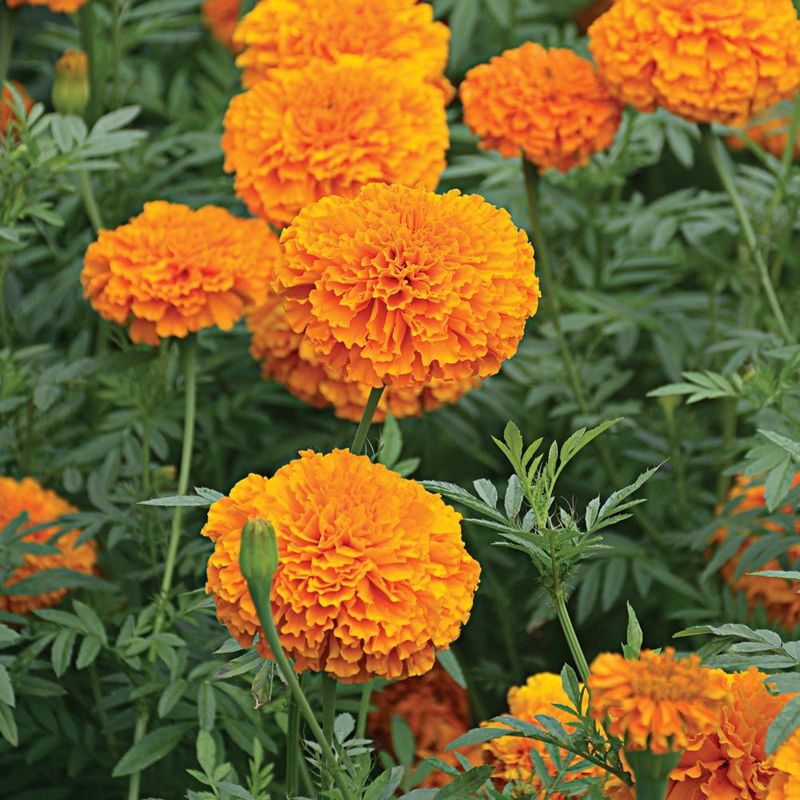
Marigolds have been garden favorites for generations, and orange varieties remain the most popular choice for Pennsylvania gardeners.
These reliable annuals bloom continuously from late spring until hard frost, covering compact plants with cheerful pom-pom or daisy-like flowers.
Varieties range from tiny six-inch edging types to substantial three-foot tall African marigolds, offering sizes for every garden need.
Pennsylvania’s summer weather suits marigolds perfectly since they love heat and bloom most abundantly during our warmest months. These easy-care annuals grow quickly from seed or transplants and start flowering within weeks of planting.
They thrive in full sun and average garden soil, requiring minimal fertilizer and tolerating brief dry spells without complaint.
Many gardeners plant marigolds throughout Pennsylvania vegetable gardens, believing their strong scent deters certain pests.
Whether this works or not, the bright orange flowers certainly attract beneficial insects and add cheerful color among tomatoes, peppers, and other crops.
Marigolds also make excellent container plants, thriving in pots on patios, porches, and balconies across the state.
Deadheading spent blooms keeps plants looking neat and encourages more flowers, though modern varieties often bloom continuously without this extra attention. Orange marigolds combine beautifully with purple petunias, white alyssum, and blue ageratum in mixed plantings.
Their dependable performance, long blooming season, and vibrant orange shades make marigolds essential annuals for Pennsylvania gardens year after year.