7 Tips To Make Your Pennsylvania Garden A Magnet For Eastern Bluebirds In Early Spring
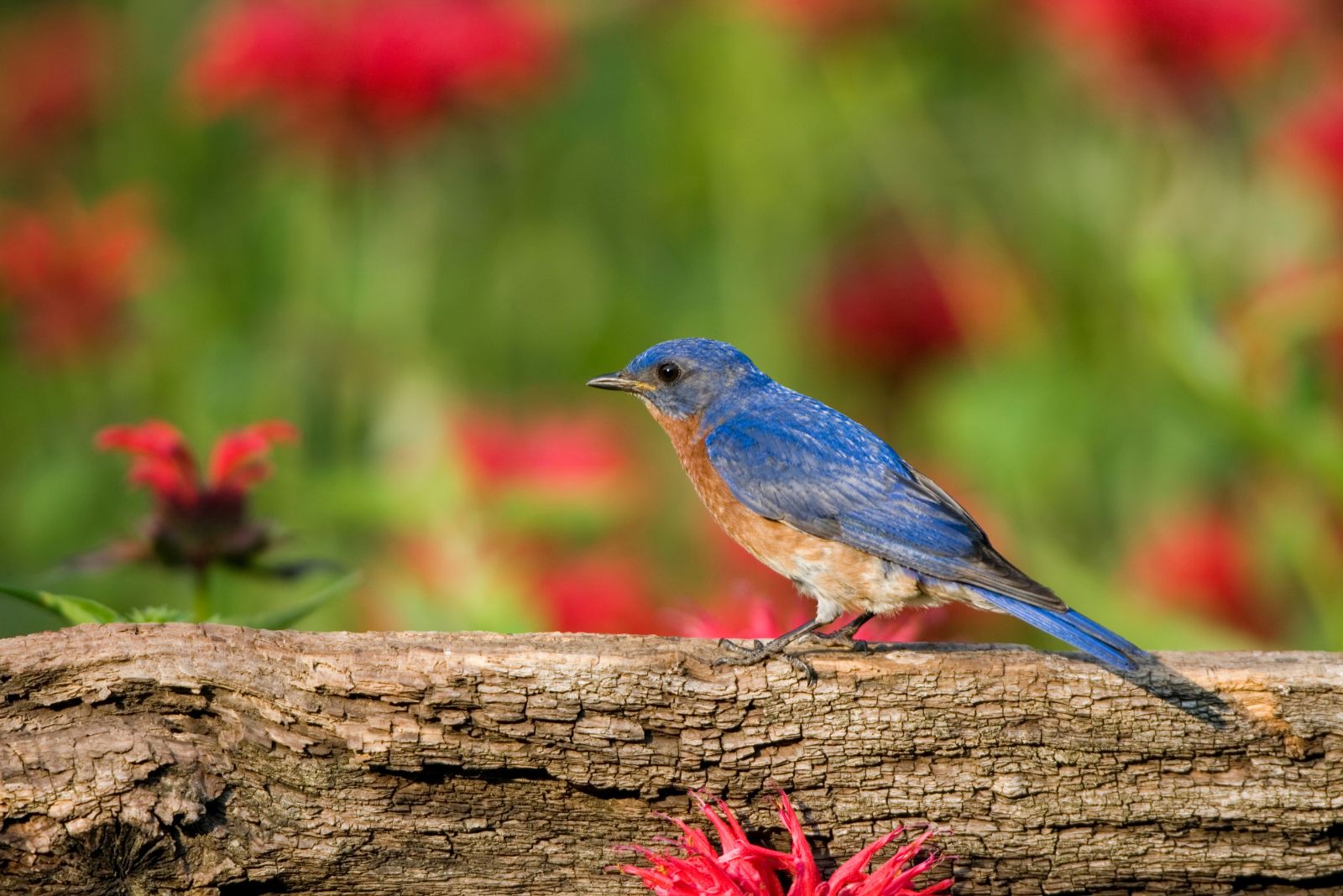
Early spring in Pennsylvania brings a welcome return of color, birdsong, and the chance to spot one of the garden’s most charming visitors.
Eastern bluebirds are beloved for their bright plumage, gentle behavior, and cheerful presence, and many gardeners hope to see them more often.
Creating a space that attracts these beautiful birds is easier than you might think. Bluebirds look for open feeding areas, safe nesting spots, fresh water, and a steady food source, especially as the season begins.
A few thoughtful adjustments can make your garden far more inviting and encourage them to visit regularly. Beyond their beauty, bluebirds help control insects and bring lively movement to the landscape.
With the right combination of habitat, shelter, and natural food sources, your Pennsylvania garden can become a welcoming haven where eastern bluebirds feel comfortable returning throughout the early spring season and beyond.
1. Install The Right Bluebird Nest Box
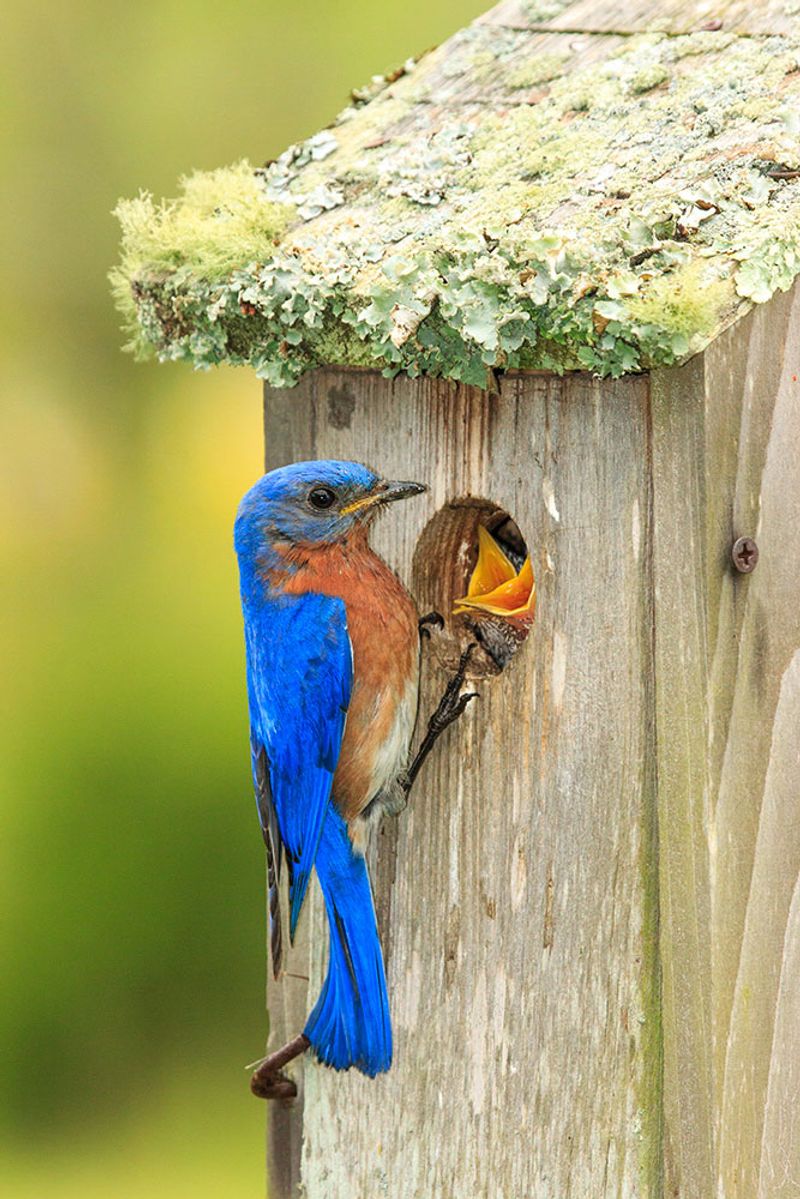
Building or buying the perfect nest box gives Eastern Bluebirds a safe place to raise their young in your Pennsylvania garden.
The entrance hole must measure exactly 1.5 inches across because this size welcomes bluebirds while keeping out larger, more aggressive birds like starlings.
Proper ventilation holes near the top and drainage holes in the bottom keep baby birds comfortable and dry during spring rains common throughout Pennsylvania.
Mount your bluebird house between four and six feet off the ground on a metal pole or wooden post. Metal poles work better because they make it harder for predators like raccoons and snakes to climb up and reach the nest.
Position the box so the entrance hole faces east or southeast, which protects the opening from strong westerly winds that blow across Pennsylvania during stormy spring weather.
Place your nest box in an open area with short grass and scattered trees rather than deep woods. Bluebirds hunt insects by watching from perches and dropping down to catch them in the grass, so they need clear space around their home.
A spot near your vegetable garden or lawn gives them perfect hunting grounds while keeping the box visible so you can enjoy watching parent birds fly back and forth feeding their chicks throughout spring and early summer in Pennsylvania.
2. Choose The Best Location For Bluebirds
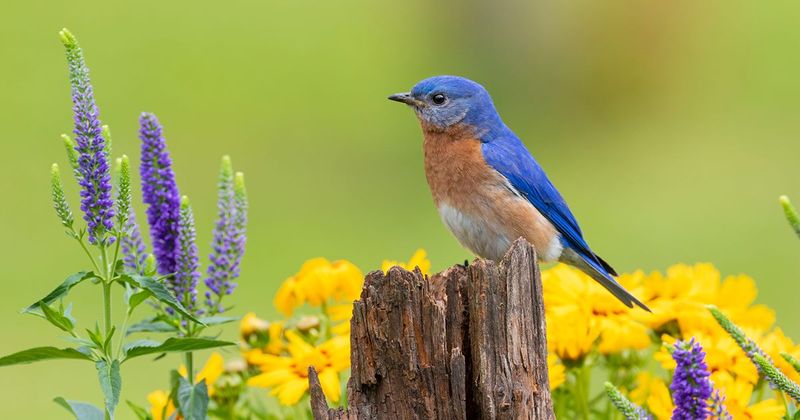
Location matters more than almost anything when attracting bluebirds to your Pennsylvania property. These birds thrive in open spaces like meadows, pastures, parks, and large lawns where they can easily spot insects moving through short grass.
They avoid thick forests and heavily wooded areas because dense trees make hunting difficult and provide too many hiding spots for predators that threaten their nests.
Your chosen spot should offer a clear flight path to the nest box without branches or obstacles blocking the entrance. Bluebirds need to see danger coming from a distance, so placing boxes near brush piles or tall shrubs makes them nervous and less likely to nest there.
Pennsylvania gardens with a mix of mowed lawn and natural areas create the perfect balance that bluebirds love for raising families.
Your Pennsylvania Garden Changes Every Week. Your Plan Should Too.
Gardening in Pennsylvania changes quickly throughout the season. Every Friday you’ll receive a simple weekly plan showing exactly what to plant, prune, fertilize, harvest, and protect so you never miss the right timing.
Keep nest boxes away from areas with heavy human activity like patios, playgrounds, or busy walkways.
While bluebirds adapt to living near people better than many wild birds, constant disturbance during nesting season causes stress that may lead parents to abandon their eggs or chicks.
Position boxes at least 100 yards apart if you install multiple houses across your Pennsylvania property.
Bluebirds are territorial and prefer their own space during breeding season, though they tolerate neighbors at reasonable distances better than many other cavity-nesting species.
3. Offer Foods Bluebirds Love
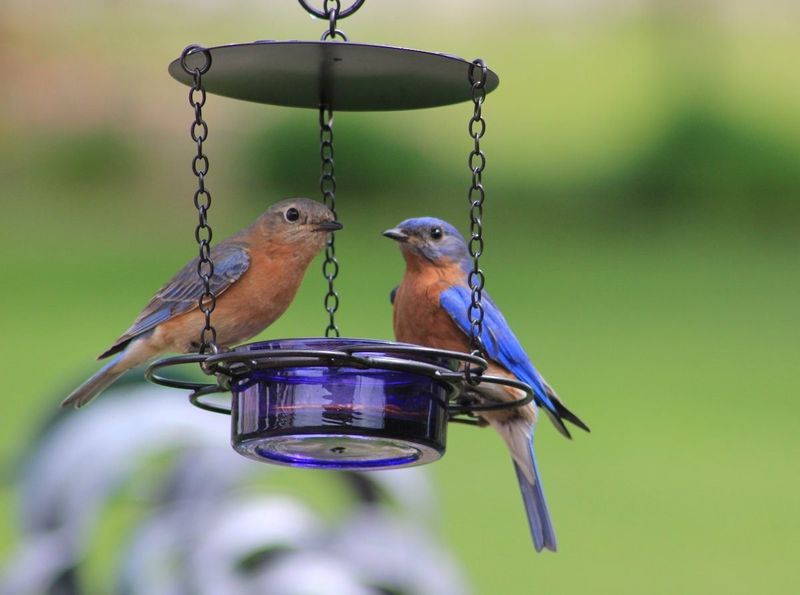
Mealworms are like candy to Eastern Bluebirds, especially during early spring when natural insects are still scarce across Pennsylvania. Live mealworms work best, but dried mealworms soaked in water for a few minutes also attract these hungry birds.
Offering mealworms in a shallow dish or platform feeder helps parent bluebirds feed their growing chicks the protein-rich food they need to develop strong feathers and healthy bodies.
Skip the traditional seed feeders because bluebirds rarely eat seeds and prefer catching live insects or eating soft fruits instead. Platform feeders placed in open areas work better than enclosed feeders because bluebirds like to see their surroundings while eating.
Place your feeding station within view of perching spots like fence posts or low branches where bluebirds can watch for danger while deciding whether to approach the food.
Natural food sources matter just as much as supplemental feeding in Pennsylvania gardens. Bluebirds hunt beetles, caterpillars, grasshoppers, and spiders from your lawn and garden beds throughout spring and summer.
Reducing or eliminating pesticide use protects the insect population that bluebirds depend on for survival.
A healthy lawn with diverse insect life provides better nutrition than any feeder. Consider leaving some areas of your Pennsylvania property a little wild to support the complete food web that keeps bluebird families well-fed and thriving from March through August.
4. Plant Native Berry-Producing Shrubs
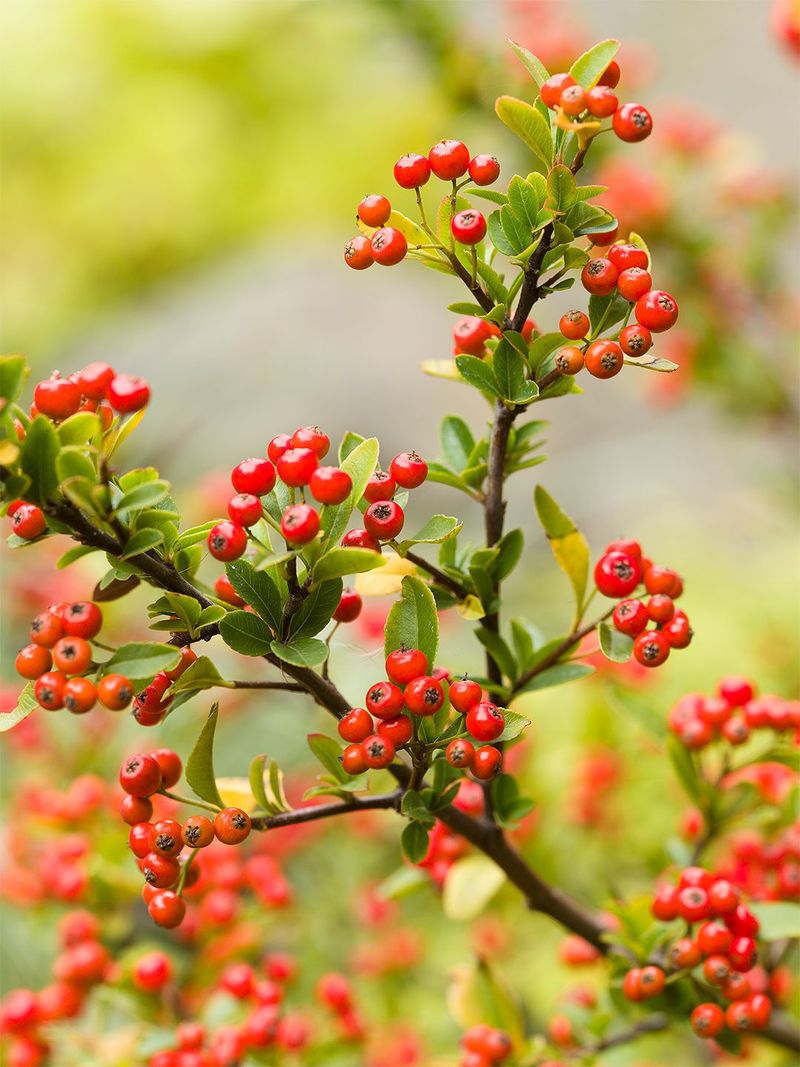
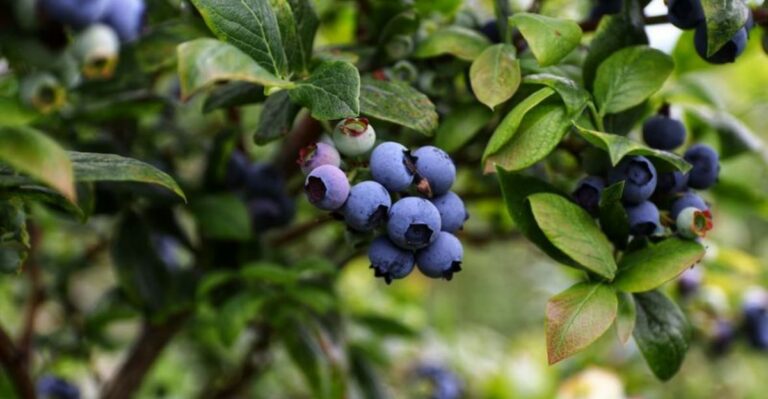
Native berry shrubs transform your Pennsylvania garden into a year-round buffet for Eastern Bluebirds and other beneficial wildlife. Dogwood trees produce bright red berries that bluebirds devour during fall and winter when insects become scarce.
Serviceberry blooms early in Pennsylvania springs with white flowers that turn into purple berries by June, providing food right when parent bluebirds are feeding hungry nestlings their second or third brood of the season.
Elderberry grows quickly and produces huge clusters of dark berries that attract bluebirds along with dozens of other bird species throughout summer and fall.
Viburnum varieties native to Pennsylvania offer berries at different times depending on the species, extending the natural food supply across multiple seasons.
These shrubs also attract the insects that bluebirds hunt, creating a complete ecosystem that supports birds throughout their entire life cycle in your garden.
Plant berry shrubs in clusters rather than single specimens because grouped plantings produce more fruit and create better habitat for insects and birds.
Space shrubs in sunny or partly sunny spots around the edges of your Pennsylvania property where they will not shade out your lawn or block flight paths to nest boxes.
Native plants require less water and care than exotic species once established, making them perfect low-maintenance choices for busy gardeners who want to help bluebirds without spending every weekend doing yard work.
5. Provide Clean Water Sources
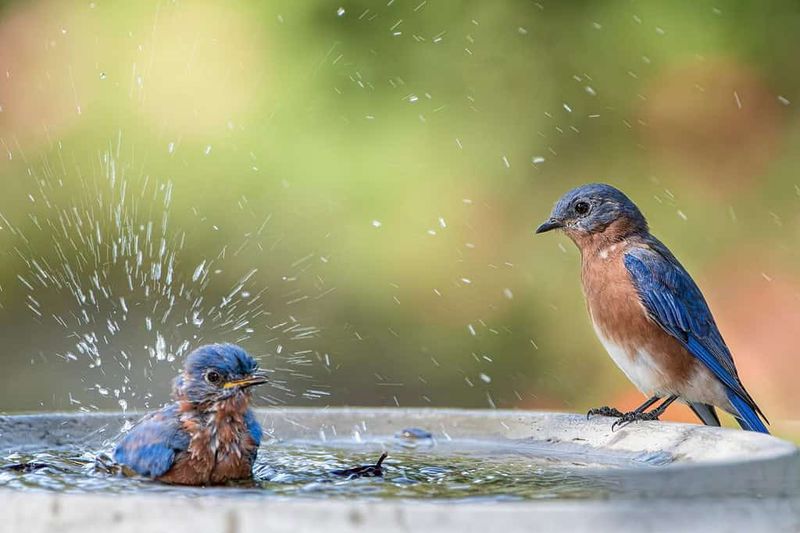
Fresh water attracts bluebirds just as powerfully as food because these birds need to drink and bathe daily to stay healthy. A shallow birdbath with water no deeper than two inches works perfectly for bluebirds, who prefer bathing in puddles rather than deep pools.
Place a few flat rocks in the water so birds have safe spots to stand while drinking, especially important for young bluebirds just learning to use birdbaths during their first spring in Pennsylvania.
Keep your birdbath clean by changing the water every two or three days and scrubbing the basin weekly with a brush and plain water. Dirty birdbaths spread diseases between birds, so regular cleaning protects the bluebird families visiting your Pennsylvania garden.
During cold early spring mornings when temperatures drop below freezing overnight, check your birdbath and break any ice that forms so birds can access water throughout the day.
Moving water attracts more birds than still water because the sound and sparkle catch their attention from greater distances.
A simple solar fountain or dripper adds motion without requiring electrical outlets or complicated installation in your Pennsylvania garden.
Position your birdbath in an open area about ten feet from shrubs or trees, which gives birds a clear view of approaching predators while providing nearby perches where they can preen and dry their feathers after bathing in the refreshing water you provide.
6. Keep Predators And Competitors Away
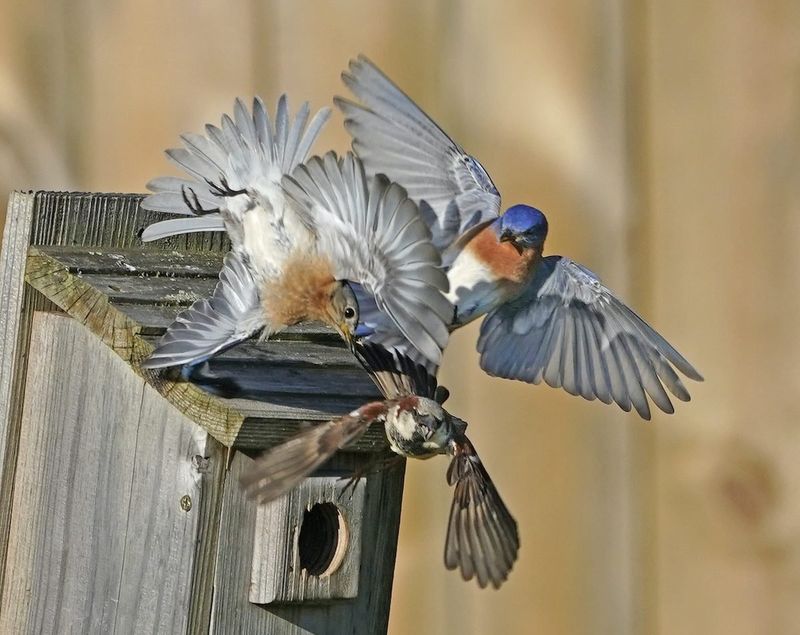
Protecting bluebird nests from predators and aggressive competitors gives your Pennsylvania birds the best chance of successfully raising their families.
Metal predator guards called baffles wrap around the pole below your nest box and prevent raccoons, cats, and snakes from climbing up to raid eggs or chicks.
These cone-shaped or cylindrical guards work much better than greasing poles or using other temporary solutions that lose effectiveness over time.
House sparrows pose a serious threat to nesting bluebirds across Pennsylvania because these invasive birds aggressively take over nest boxes and sometimes attack bluebird eggs and chicks.
Monitor your boxes weekly during nesting season and remove any house sparrow nests you find, which is legal because house sparrows are not protected under wildlife laws.
Starlings also compete for nest boxes, but the 1.5-inch entrance hole keeps these larger birds out while allowing bluebirds easy access.
Keep cats indoors or away from nesting areas because even well-fed pets hunt birds by instinct.
Outdoor cats account for billions of bird losses each year across America, and ground-feeding bluebirds are especially vulnerable when hunting insects in your Pennsylvania lawn.
Space multiple nest boxes at least 100 yards apart to reduce territorial fighting between bluebird pairs.
Installing boxes for other species like tree swallows between bluebird boxes sometimes helps because these different birds tolerate each other better than competing bluebirds do.
7. Maintain A Bird-Friendly Habitat
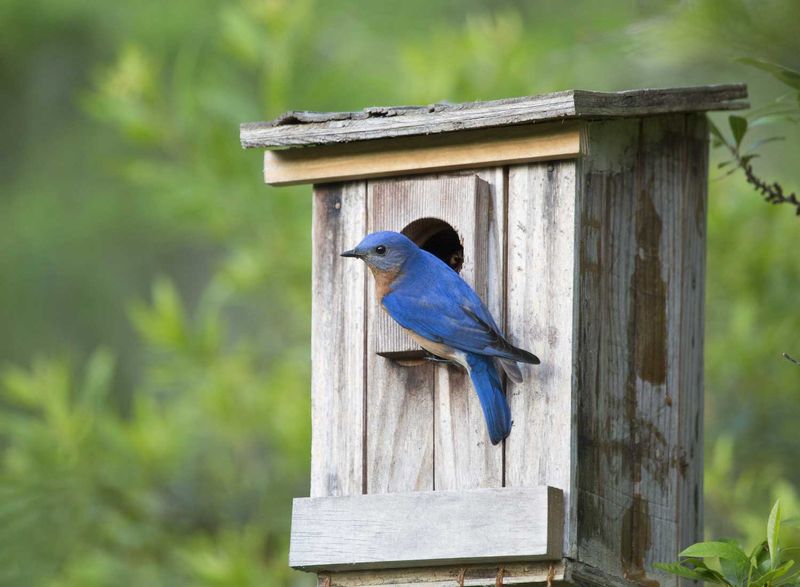
Creating a truly welcoming environment for Eastern Bluebirds in Pennsylvania means thinking beyond just nest boxes and feeders to consider your entire garden ecosystem.
Eliminating pesticides and herbicides protects the insects that bluebirds need to feed their growing families throughout spring and summer.
Chemical treatments reduce insect populations so dramatically that parent birds struggle to find enough food, which can lead to malnourished chicks that fail to thrive even when everything else seems perfect.
Leave some areas of your Pennsylvania lawn unmowed or mow less frequently to create diverse habitat where insects thrive and bluebirds can hunt easily.
Tall grass and wildflowers support more insect life than closely cropped lawns, but bluebirds also need short grass areas for hunting, so mixing mowing patterns creates the perfect balance.
Install a few wooden posts or leave dry tree snags standing as perching spots where bluebirds can watch for insects and survey their territory.
Minimize disturbance around active nest boxes during breeding season, which runs from March through August across Pennsylvania.
Avoid mowing, trimming, or doing loud projects near nesting bluebirds, especially during the two weeks after eggs hatch when chicks are most vulnerable.
Quiet observation from a distance lets you enjoy watching bluebird families without causing stress that might make parents abandon their nest, ensuring your Pennsylvania garden becomes a true sanctuary where these beautiful birds return year after year.