How To Protect Your California Garden From Rodents This Winter
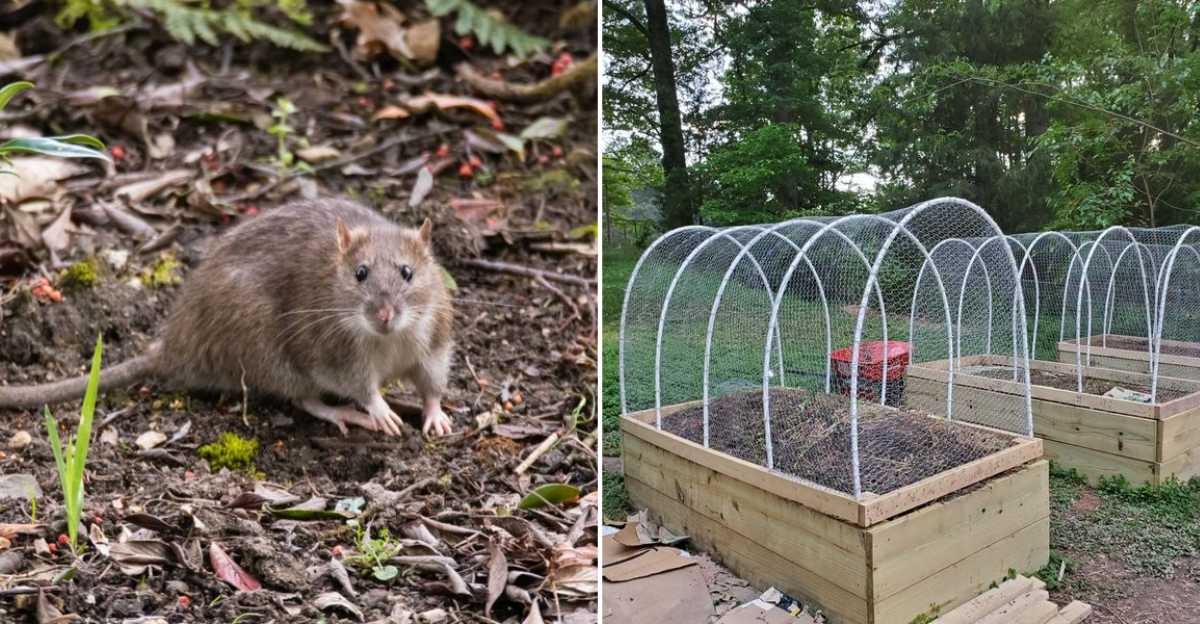
Winter turns your garden into a five star resort for sneaky little rodents. Warm soil, tucked away roots, cozy mulch… to them, it is luxury living with room service.
While your plants are trying to nap, mice and rats are busy hosting midnight snack runs and digging secret tunnels like tiny engineers. The goal is not to panic, but to ruin their vacation plans.
Take away the hiding spots, block their underground highways, and make your garden feel like the least comfortable place on the map.
A few smart moves now can stop the chewing, the digging, and the surprise spring damage before it ever starts.
1. Know Your Enemy – Gophers, Mice, Or Rats?
Before you can protect your garden effectively, you need to identify which rodent is causing the damage. Gophers create crescent-shaped mounds and feed on roots underground, often pulling entire plants down into their tunnels.
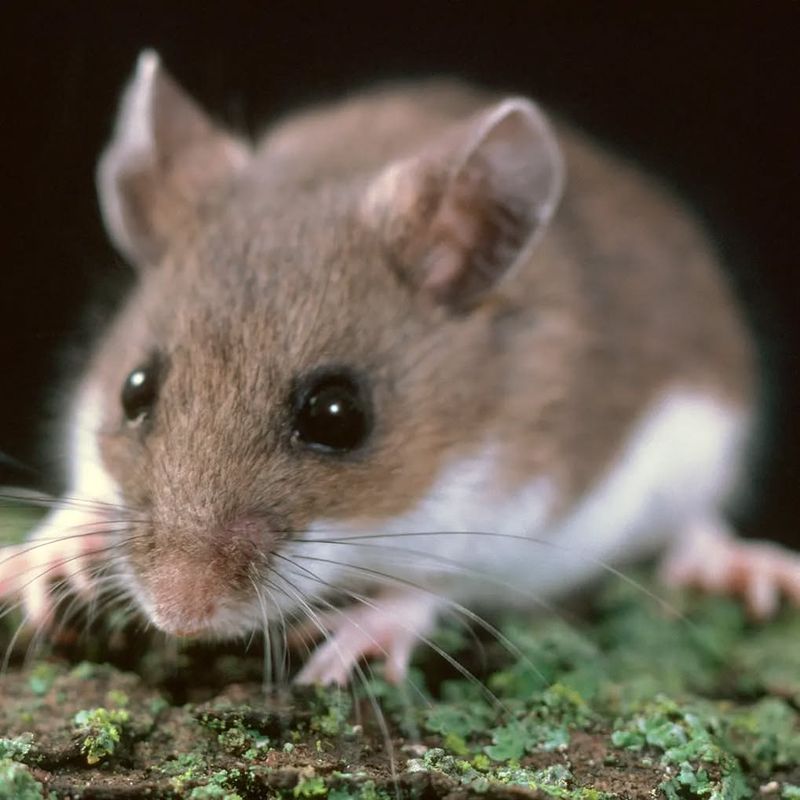
Mice leave tiny droppings and nibble on seeds, bulbs, and low-growing vegetables at ground level. Rats are larger, more aggressive, and will climb trees to reach fruit while also damaging irrigation lines and gnawing through plastic pots.
Each rodent requires different control strategies because their behaviors differ significantly. Gophers rarely come above ground and work alone in extensive tunnel systems.
Mice travel in groups and prefer dense ground cover where they feel protected from predators. Rats are opportunistic and adapt quickly, often nesting in sheds, woodpiles, or thick vegetation near your garden beds.
Walk through your garden and look for clues like tunnel openings, gnaw marks on vegetables, or tracks in soft soil. Fresh gopher mounds appear as fan-shaped piles of loose dirt, while rat burrows have smooth, worn entrances about three inches wide.
Understanding which pest you’re dealing with saves time, money, and helps you choose the most effective protection method for your specific situation.
2. Remove Hiding Spots
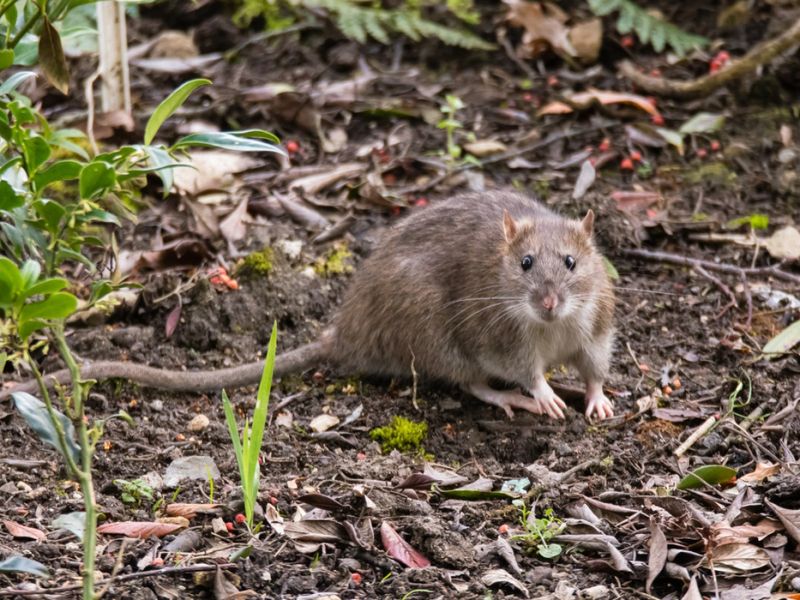
Rodents thrive in cluttered spaces where they can hide from predators and build nests undisturbed. Dense ivy, overgrown shrubs, piles of leaves, stacked lumber, and unused pots create perfect habitat for mice and rats throughout winter.
California’s mild climate means these pests stay active year-round, so eliminating shelter is one of your most powerful prevention tools.
Start by clearing fallen fruit, pruning low branches, and removing leaf litter from under trees and shrubs. Trim ground covers back so there’s visible soil beneath, which makes rodents feel exposed and vulnerable.
Move firewood at least twenty feet from your house and garden, and stack it on pallets rather than directly on the ground where mice love to nest.
Check around your garden shed, greenhouse, and compost bins for gaps or holes that could serve as entry points. Rats can squeeze through openings as small as a quarter, while mice need only a dime-sized gap.
Seal these with metal flashing or hardware cloth rather than foam or plastic, which rodents chew through easily.
Creating an open, tidy garden makes predators like hawks and owls more effective while removing the cozy hiding spots that encourage rodents to settle in and raise families near your vegetables.
Your California Garden Changes Every Week. Your Plan Should Too.
Gardening in California changes quickly throughout the season. Every Friday you’ll receive a simple weekly plan showing exactly what to plant, prune, fertilize, harvest, and protect so you never miss the right timing.
3. Protect Roots With Wire Baskets
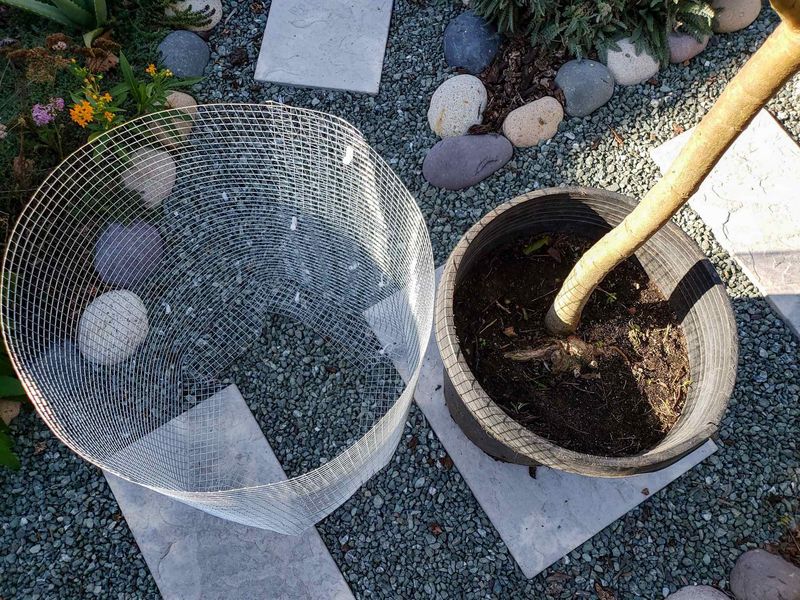
Gophers can devastate expensive plants overnight by eating roots from below, and wire baskets provide reliable physical protection. These underground cages surround the root zone completely, allowing roots to grow while keeping gophers out.
Half-inch hardware cloth or specialized gopher wire works best because gophers cannot chew through metal mesh.
When planting trees, shrubs, or perennials, dig your hole slightly larger than normal. Line the bottom and sides with wire mesh, leaving the top open so your plant can grow upward naturally.
Fold the edges up at least six inches above the root ball to prevent gophers from entering from the side.
For existing plants showing gopher damage, you can carefully excavate around them and retrofit baskets, though this requires more effort and care not to damage healthy roots.
Wire baskets work especially well for fruit trees, roses, and vegetable transplants that represent significant investment. The initial effort pays off for years as your plants grow safely without constant worry about underground attack.
Check baskets occasionally to ensure they haven’t shifted or developed gaps, and remember that extremely determined gophers may dig deeper, so bury baskets at least two feet down for valuable specimens in areas with heavy gopher pressure.
4. Hardware Cloth Barriers That Actually Work
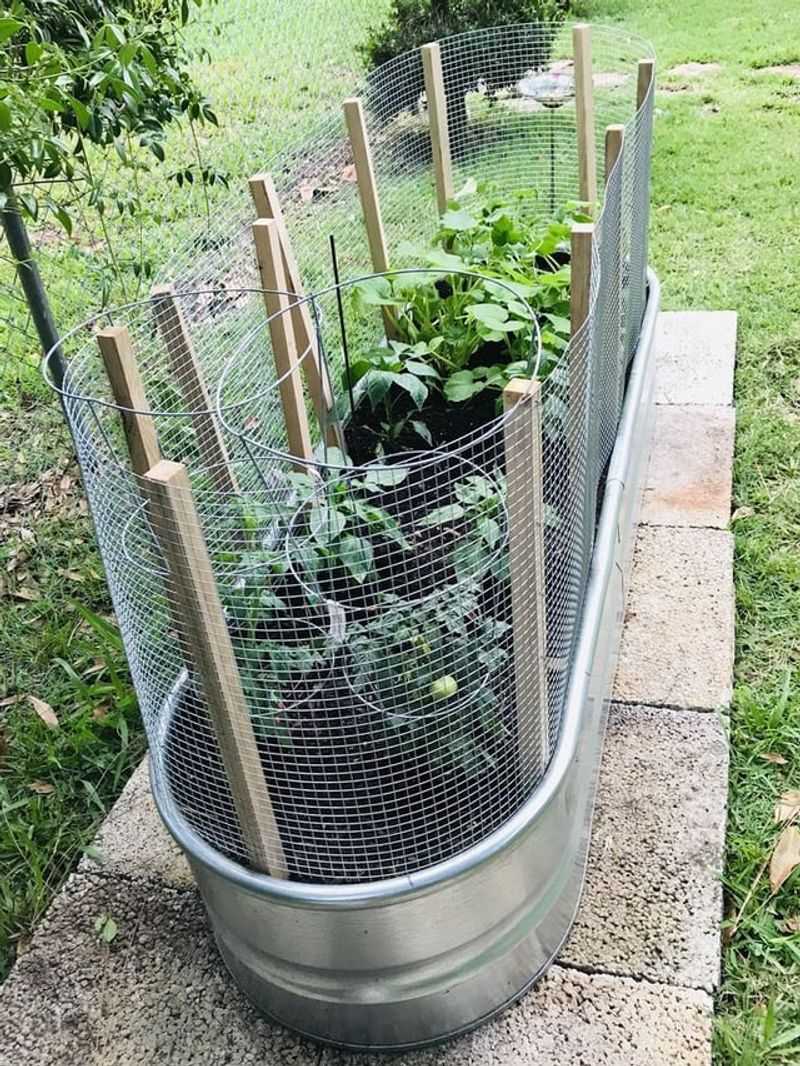
Hardware cloth creates impenetrable barriers when installed correctly, stopping both burrowing gophers and surface-feeding rodents.
Quarter-inch or half-inch galvanized wire mesh works best because it resists rust in California’s varied climates and provides small enough openings that even young mice cannot squeeze through.
Many gardeners make the mistake of using chicken wire, which rodents chew through quickly because the wire gauge is too thin.
For raised beds, line the entire bottom with hardware cloth before adding soil, then extend it six inches up the inside walls. This prevents gophers from tunneling up from below and mice from burrowing in from the sides.
Secure the mesh with heavy-duty staples or screws, overlapping seams by at least four inches to eliminate gaps.
If you’re protecting an in-ground garden, bury hardware cloth vertically around the perimeter at least eighteen inches deep and bend the bottom six inches outward in an L-shape to stop gophers from digging underneath.
The investment in quality hardware cloth pays for itself by protecting your vegetables, bulbs, and root crops throughout winter and beyond. Cheap alternatives fail quickly, forcing you to replant and reinstall barriers repeatedly.
Properly installed hardware cloth lasts many years and provides peace of mind that your garden is genuinely protected from underground and surface rodent damage.
5. Raised Beds vs Burrowers
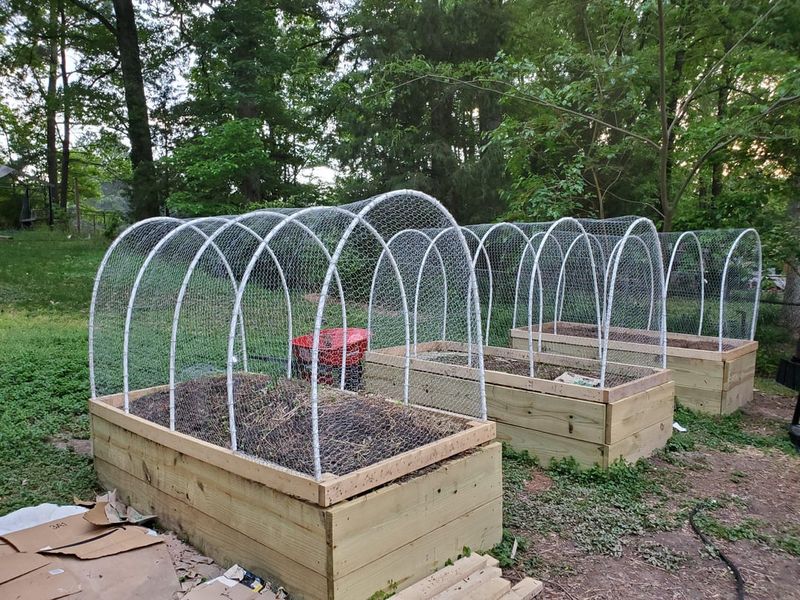
Raised beds offer significant advantages against rodents when built correctly with solid bottoms and proper height.
Elevating your soil twelve to eighteen inches makes it harder for gophers to access from below, while the defined borders help you spot and address problems quickly.
However, raised beds alone won’t stop determined rodents unless you include hardware cloth barriers on the bottom and lower sides.
The key is construction quality rather than just height. A raised bed sitting directly on bare ground with open bottoms invites gophers to tunnel underneath and pop up in the middle of your vegetables.
Instead, build your beds with hardware cloth secured across the entire base before adding soil. Extend the cloth six inches up the inside walls, then fill with quality soil that drains well.
This creates a protected growing zone that keeps roots safe while improving drainage and soil warming in California’s cooler winter months.
In-ground gardens can work too, but require more extensive barrier installation around the perimeter.
If you already have established in-ground beds and don’t want to rebuild, focus on burying hardware cloth vertically around vulnerable areas like berry patches or root vegetable sections.
Raised beds simply make barrier installation easier and more foolproof, while also offering ergonomic benefits and better soil control for year-round California gardening success.
6. Smart Trapping Strategies That Get Results
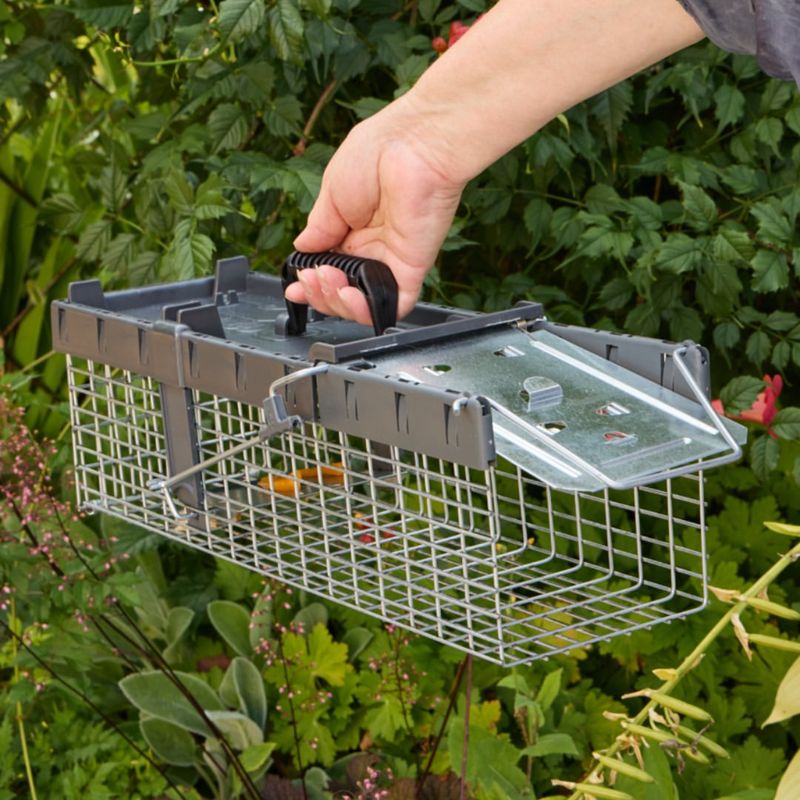
Trapping works when done consistently and correctly, targeting active tunnels and runways where rodents actually travel. For gophers, probe near fresh mounds to locate main tunnels, then place two traps facing opposite directions in the same tunnel.
Cover the opening with a board to block light, which gophers avoid. Check traps daily and move them if you don’t catch anything within forty-eight hours, as gophers quickly learn to avoid disturbed areas.
Snap traps work well for mice and rats when placed perpendicular to walls where rodents run, with the trigger end facing the wall. Use multiple traps rather than just one or two, spacing them every few feet along known travel routes.
Bait with peanut butter, dried fruit, or nuts, and secure the bait so rodents must trigger the trap to reach it. Replace traps that fail to fire properly, as rodents become trap-shy after seeing others caught.
Live traps offer a non-lethal option but require releasing captured animals far from your property, which may not solve the problem if habitat remains attractive. Whatever method you choose, persistence matters more than any single technique.
Check and reset traps regularly throughout winter, focusing efforts where you see the most activity signs like fresh droppings, gnaw marks, or new tunnel openings in your California garden beds.
7. Skip Poison
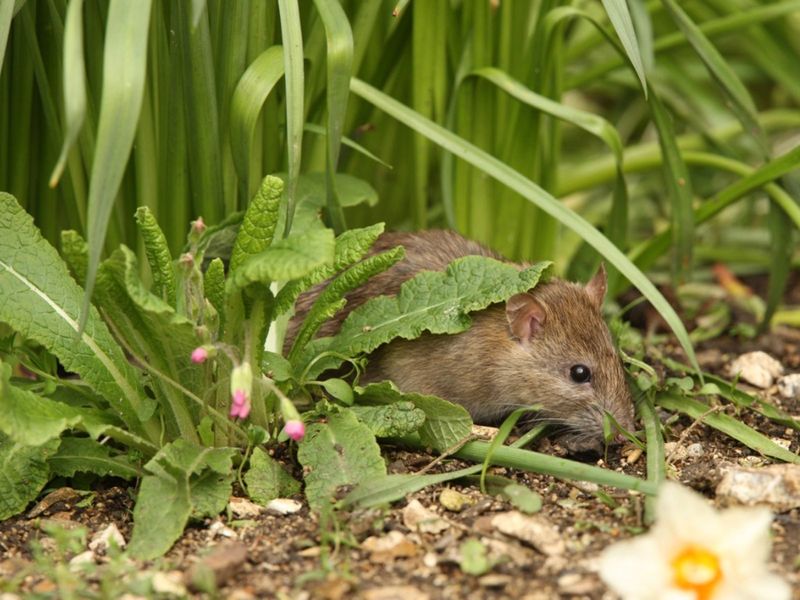
Rodent poison seems like an easy solution but creates serious risks for pets, children, and beneficial wildlife in your California garden. Poisoned rodents often die in inaccessible places like wall voids or under decks, creating terrible odors and attracting flies.
Worse, predators like hawks, owls, and even neighborhood cats can be poisoned by eating affected rodents, disrupting the natural pest control that helps keep populations in check long-term.
Second-generation anticoagulant rodenticides are particularly dangerous because they accumulate in tissues, meaning a single poisoned mouse can harm the hawk that eats it.
California has restricted some rodenticides due to wildlife impacts, but products still appear in stores.
Even if legal, these poisons represent a shortsighted approach that trades temporary reduction for ongoing ecosystem damage and potential tragedy if a child or pet finds bait stations.
Better alternatives include snap traps, electronic traps, and exclusion methods that address the root problem rather than just harming individuals. Physical barriers, habitat modification, and encouraging natural predators create lasting solutions without toxic risks.
If rodent pressure is overwhelming, consider consulting a pest control professional who uses integrated pest management rather than defaulting to poison.
Your garden, family, and local wildlife deserve protection methods that work with nature rather than against it throughout California’s year-round growing season.
8. Clean To Remove Food Sources
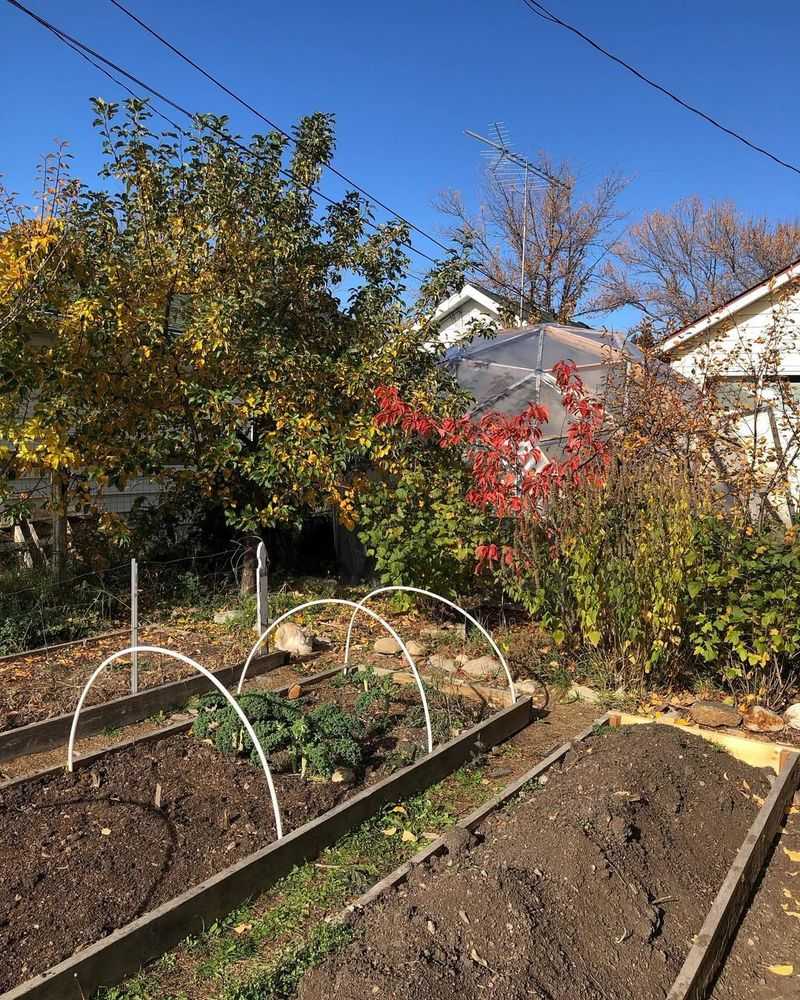
Rodents invade gardens primarily for food, so removing their meals eliminates the main attraction. Fallen fruit, unharvested vegetables, accessible compost, and scattered birdseed create an all-you-can-eat buffet that draws mice and rats from surrounding areas.
California’s mild winters mean gardens often produce year-round, giving rodents constant incentive to visit unless you stay vigilant about cleanup.
Harvest vegetables promptly when ripe rather than leaving them on plants or letting them rot on the ground. Pick up fallen citrus, apples, and persimmons daily during peak season, as even a few pieces attract dozens of rodents overnight.
Store harvested produce in rodent-proof containers, and keep your compost bin enclosed with secure lids and hardware cloth on the bottom. Avoid composting meat, dairy, or oily foods that create especially strong odors rodents find irresistible.
If you feed birds, use enclosed feeders that prevent seed from spilling onto the ground, and bring feeders inside at night when rats are most active.
Clean up any spilled seed immediately, and consider suspending bird feeding during winter months when rodent pressure peaks.
Your garden stays healthier when rodents have no reason to visit, and the effort you put into sanitation pays off with fewer pest problems, less crop damage, and reduced need for traps or barriers throughout the season.
9. Encourage Owls And Natural Predators
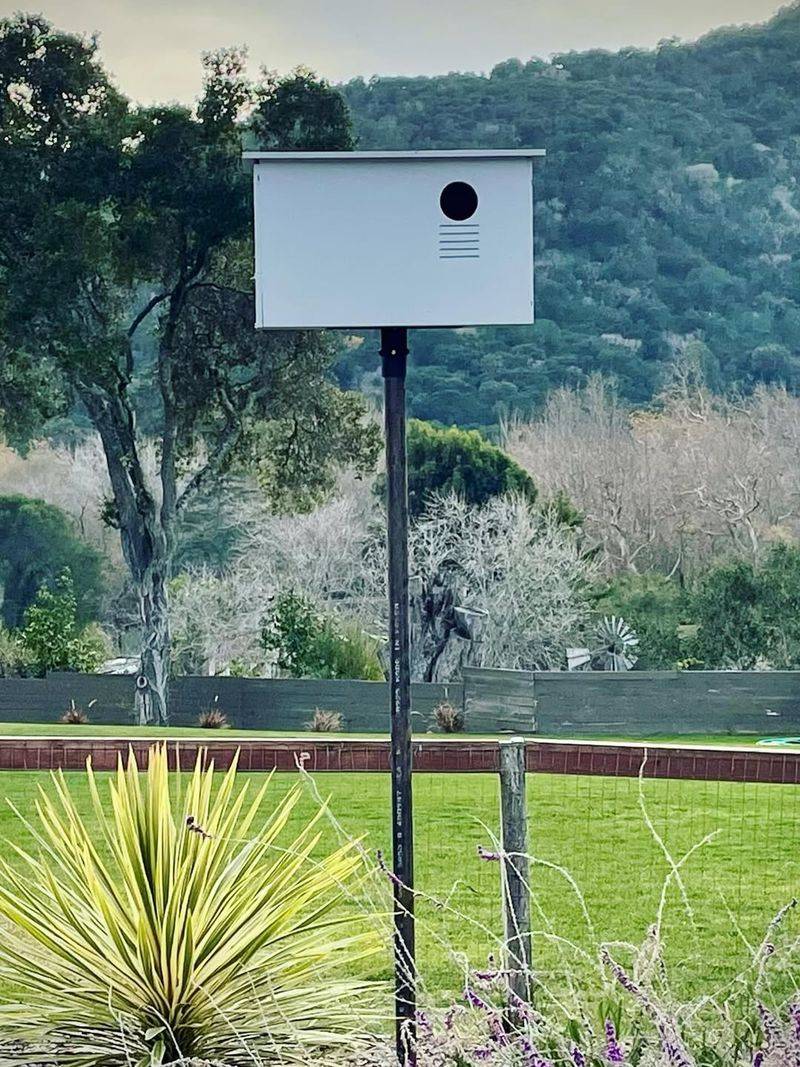
Owls, hawks, snakes, and other predators provide free, effective rodent control when given suitable habitat. A single barn owl family can consume thousands of rodents annually, making them far more efficient than any trap or barrier system.
Installing owl boxes in your yard or nearby trees attracts these natural hunters, especially in suburban and rural California areas where rodent populations support breeding pairs.
Mount owl boxes twelve to fifteen feet high on poles or buildings with clear flight paths, facing away from prevailing winds. Barn owls prefer boxes in open areas near fields or large gardens, while screech owls accept smaller boxes in wooded settings.
Avoid placing boxes where outdoor cats roam, as cats hunt both owls and the rodents you want eliminated. Keep your garden somewhat open rather than densely planted, which allows raptors to spot and catch prey more easily during hunting flights.
Beyond owls, encourage other predators by maintaining brush piles for snakes, providing water sources for beneficial wildlife, and avoiding pesticides that harm the food web.
Gopher snakes, king snakes, and even neighborhood cats contribute to rodent control when allowed to hunt naturally.
Creating a predator-friendly garden takes time to show results, but once established, this natural balance keeps rodent populations manageable without constant human intervention throughout California’s mild winters and year-round growing conditions.