Why California Gardeners Are Planting Hummingbird Sage Everywhere Right Now
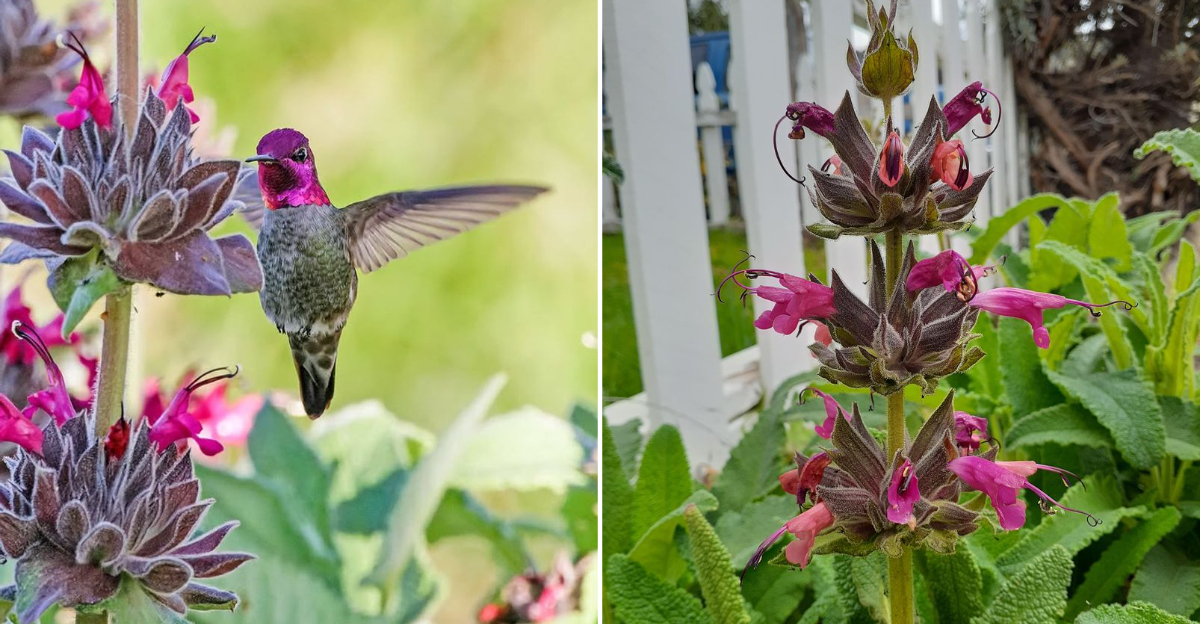
It started as a quiet favorite, and now it seems to be popping up in gardens all across California.
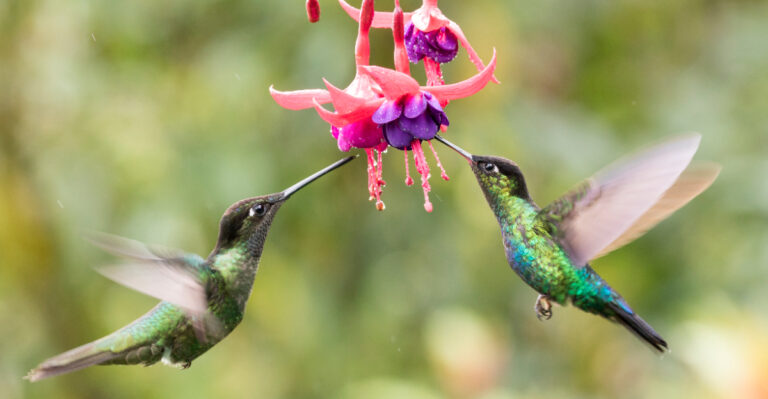
Hummingbird sage has quickly earned its spotlight thanks to its rich color, soft fragrance, and incredible ability to attract hummingbirds like a magnet.
When in bloom, the garden suddenly feels alive with movement, color, and that unmistakable flutter of tiny wings. Gardeners also love how well it handles California’s climate, thriving with little fuss once established.
Drought tolerant, pollinator friendly, and beautifully natural looking, it fits perfectly into both tidy landscapes and relaxed, wild style gardens.
As more people look for plants that are both low effort and full of life, hummingbird sage keeps proving why it deserves a place in the spotlight right now.
1. A Native Plant Hummingbirds Truly Depend On
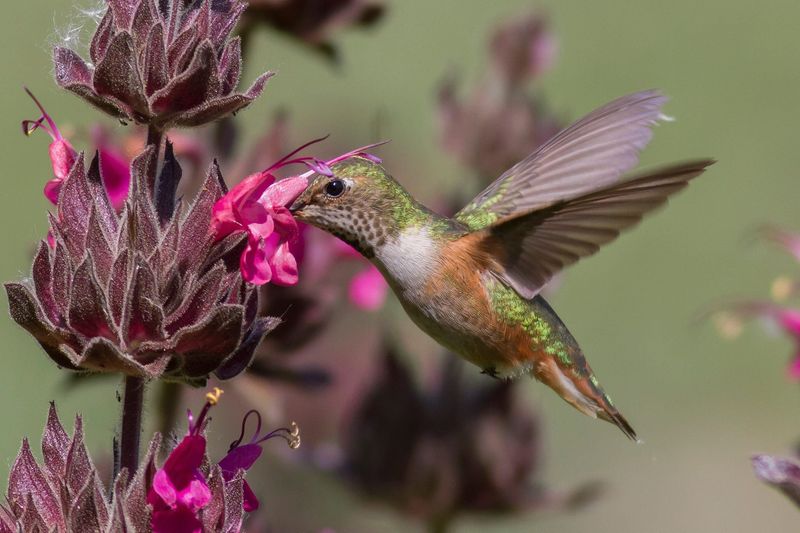
When hummingbirds return to California gardens in late winter, they’re searching for reliable nectar sources to fuel migration and nesting. Hummingbird sage delivers exactly what they need at exactly the right time.
The tubular pink or white flowers are perfectly shaped for hummingbird beaks, and the nectar inside provides essential energy during a critical season.
Many gardeners plant ornamental flowers hoping to attract hummingbirds, but non-native blooms often produce less nectar or bloom at the wrong times.
Hummingbird sage evolved alongside California’s native hummingbird species, creating a natural partnership that benefits both plant and pollinator.
This relationship means your garden becomes part of a larger ecological system rather than just decoration.
What makes this plant especially valuable is its consistency. Once established, hummingbird sage blooms reliably each spring, creating a dependable food source that hummingbirds remember and return to year after year.
You’ll notice the same birds visiting your garden repeatedly, establishing feeding territories around your sage plants.
Beyond hummingbirds, native bees and butterflies also visit the flowers, increasing overall pollinator activity in your yard. This ripple effect supports healthier gardens and contributes to local biodiversity in ways that go far beyond a single pretty plant.
2. Built For California’s Climate Extremes
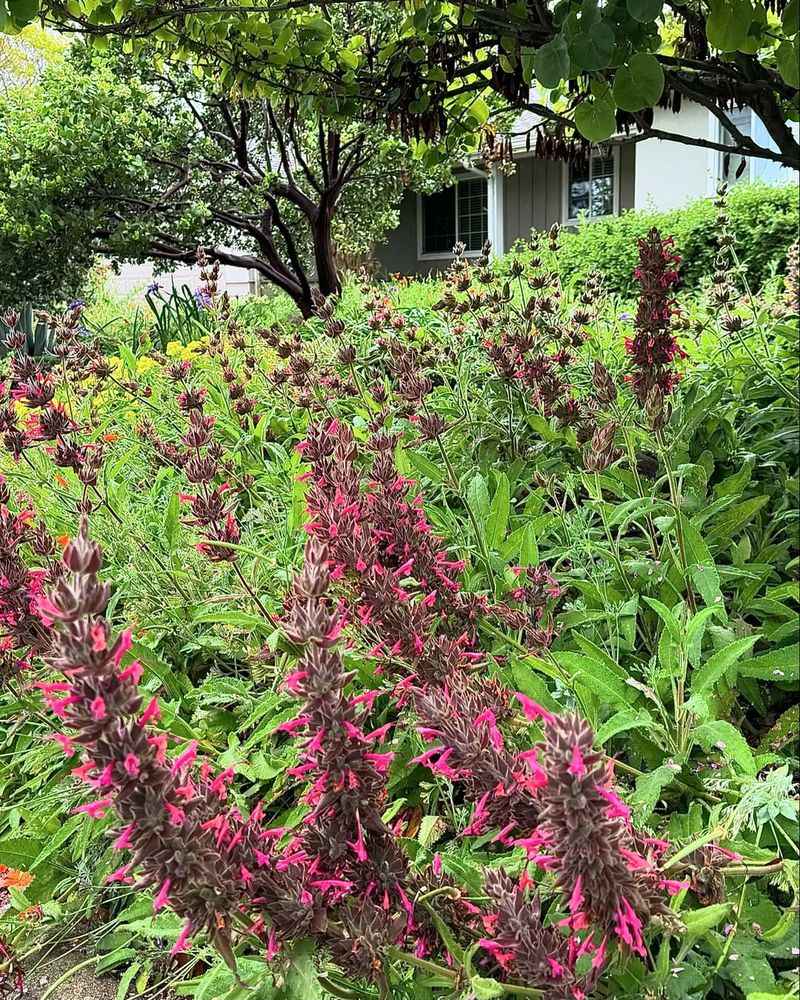
California’s climate throws challenges at gardeners that few other regions experience. Summer temperatures can soar above 100 degrees inland while coastal areas stay cool and foggy.
Winter brings occasional hard frosts in some zones while others barely see a freeze. Most plants struggle with these extremes, but hummingbird sage handles them with ease.
This native shrub developed its toughness over thousands of years adapting to California’s Mediterranean climate. The gray-green leaves have a slightly fuzzy texture that helps reduce water loss during hot, dry months.
The root system grows deep rather than spreading shallowly, allowing the plant to access moisture and stay anchored during occasional winter storms.
Many gardeners make the mistake of babying their hummingbird sage with too much water or fertilizer, thinking they’re helping. Actually, this plant performs best when you let it adapt naturally to your specific microclimate.
Coastal gardens provide cooler temperatures and more moisture, while inland plants develop even tougher characteristics to handle heat. The key is matching your watering to establishment phase versus mature growth.
Your California Garden Changes Every Week. Your Plan Should Too.
Gardening in California changes quickly throughout the season. Every Friday you’ll receive a simple weekly plan showing exactly what to plant, prune, fertilize, harvest, and protect so you never miss the right timing.
Young plants need consistent moisture for the first year, but once established, hummingbird sage becomes remarkably self-sufficient, requiring minimal intervention even during California’s notoriously unpredictable weather patterns.
3. Drought-Tough Once Established
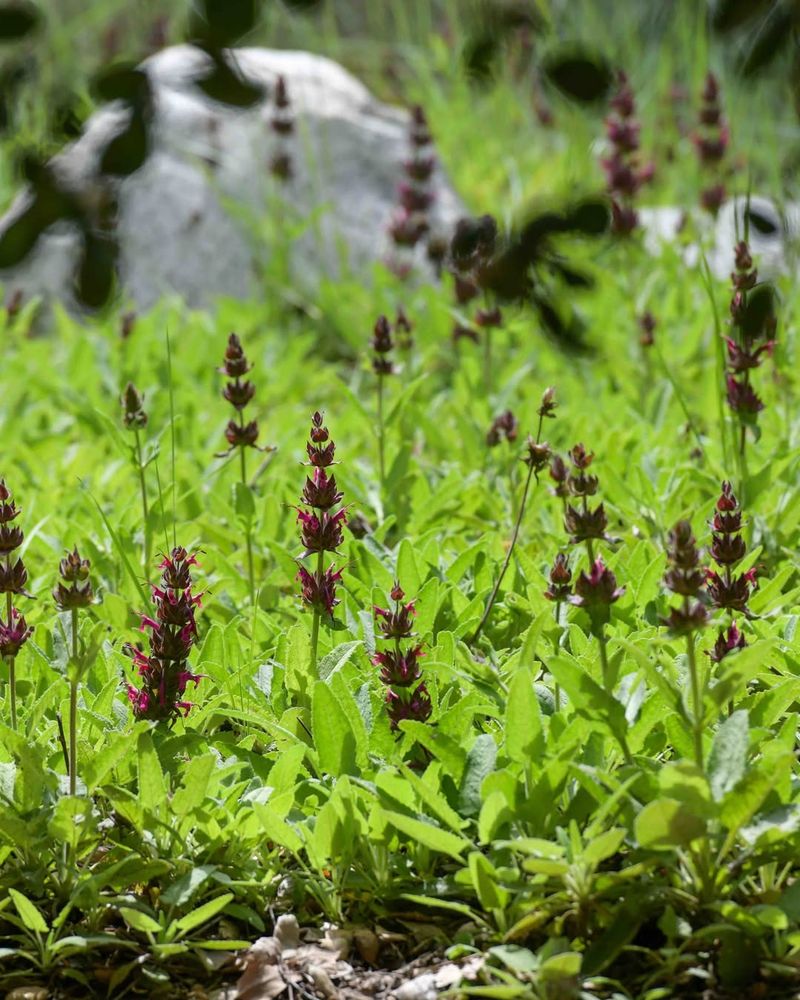
Water bills keep climbing across California, and mandatory conservation measures return whenever drought conditions worsen. Hummingbird sage offers a practical solution that doesn’t sacrifice beauty for water savings.
After its first year in the ground, this plant requires little to no supplemental irrigation during typical California summers.
The secret lies in how the roots develop. During that crucial first year, hummingbird sage sends roots deep into the soil, sometimes reaching three feet down or more.
These deep roots tap into moisture that remains available even when surface soil dries out completely. This adaptation allows the plant to survive California’s long, rainless summers without constant watering.
Gardeners often worry when the leaves look slightly droopy on hot afternoons, but this is normal summer behavior. The plant conserves moisture by reducing leaf surface exposure during peak heat, then perks back up in cooler evening temperatures.
Overwatering in response to this natural drooping actually weakens the plant and encourages shallow root growth.
Smart placement helps maximize drought tolerance. Plant hummingbird sage where it receives morning sun but afternoon shade in hottest inland areas, or full sun in cooler coastal zones.
Mulch around the base helps retain soil moisture during establishment, then the plant largely takes care of itself once those deep roots develop fully.
4. Early Nectar When Wildlife Needs It Most
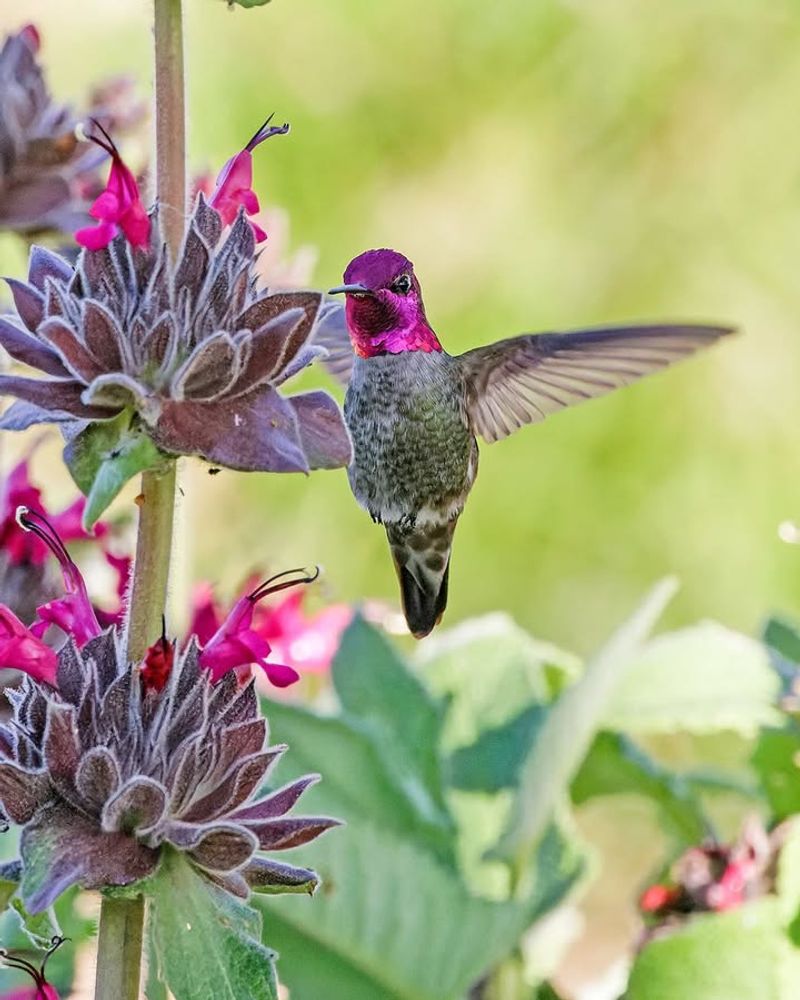
February and March can feel quiet in California gardens, with many plants still dormant or just beginning to wake up.
Hummingbird sage breaks this pattern by blooming earlier than most natives, sometimes starting in late winter when pollinators desperately need food sources.
This early timing makes it invaluable for supporting wildlife through a lean season.
Hummingbirds migrating north or establishing breeding territories arrive before many flowering plants have opened. Without adequate nectar sources, these birds struggle to maintain the high metabolism that keeps them alive.
A single hummingbird sage plant can provide enough nectar to support several birds during this critical transition period.
The bloom period typically extends from late winter through late spring, offering months of continuous nectar production rather than a brief flowering burst.
This extended season means your garden remains a reliable stop for hungry pollinators throughout their most demanding time.
Early-emerging native bees also benefit, gathering pollen and nectar when few other sources exist.
Many gardeners focus on summer and fall blooms, creating gaps in early-season food availability. Adding hummingbird sage fills this gap naturally, creating a more complete habitat that supports wildlife year-round.
You’ll notice increased bird activity throughout your entire garden as hummingbirds use your sage plants as anchor points for their territories.
5. Thrives In Shade Where Others Struggle
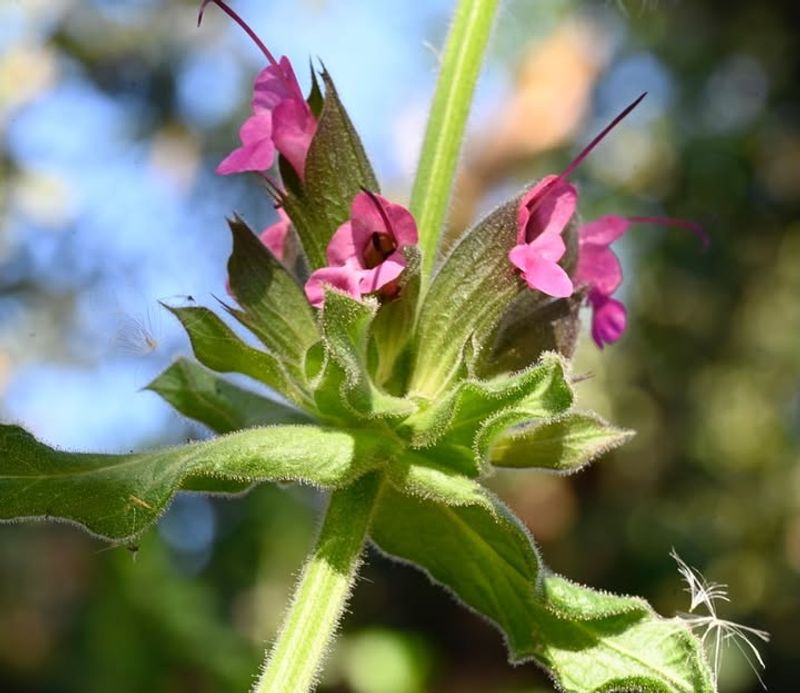
Most California gardens have that difficult shady spot where nothing seems to grow well. Maybe it’s under mature trees, along a north-facing wall, or in the shadow of your house most of the day.
Hummingbird sage actually prefers these challenging locations, especially in hotter inland areas where afternoon shade becomes essential for plant survival.
While many drought-tolerant natives demand full sun, hummingbird sage evolved growing on shaded slopes and under oak canopies throughout California’s foothills and coastal ranges.
This natural habitat preference makes it perfect for layering beneath existing trees or filling spaces that receive only morning sun.
The plant still blooms abundantly in partial shade, unlike sun-loving natives that become leggy and sparse without direct light.
Gardeners often assume shade-tolerant means moisture-loving, but hummingbird sage breaks this rule. It handles both shade and dry soil simultaneously, a rare combination that solves multiple garden challenges at once.
This makes it ideal for planting under water-thrifty trees like oaks, where competition for moisture is intense and supplemental watering can actually harm the tree.
The amount of shade tolerance varies slightly by region. Coastal gardens can grow hummingbird sage in quite deep shade, while inland plants perform best with morning sun and afternoon protection from intense heat.
Experiment with placement to find the sweet spot in your specific microclimate.
6. Spreads Naturally, Fills Space Beautifully
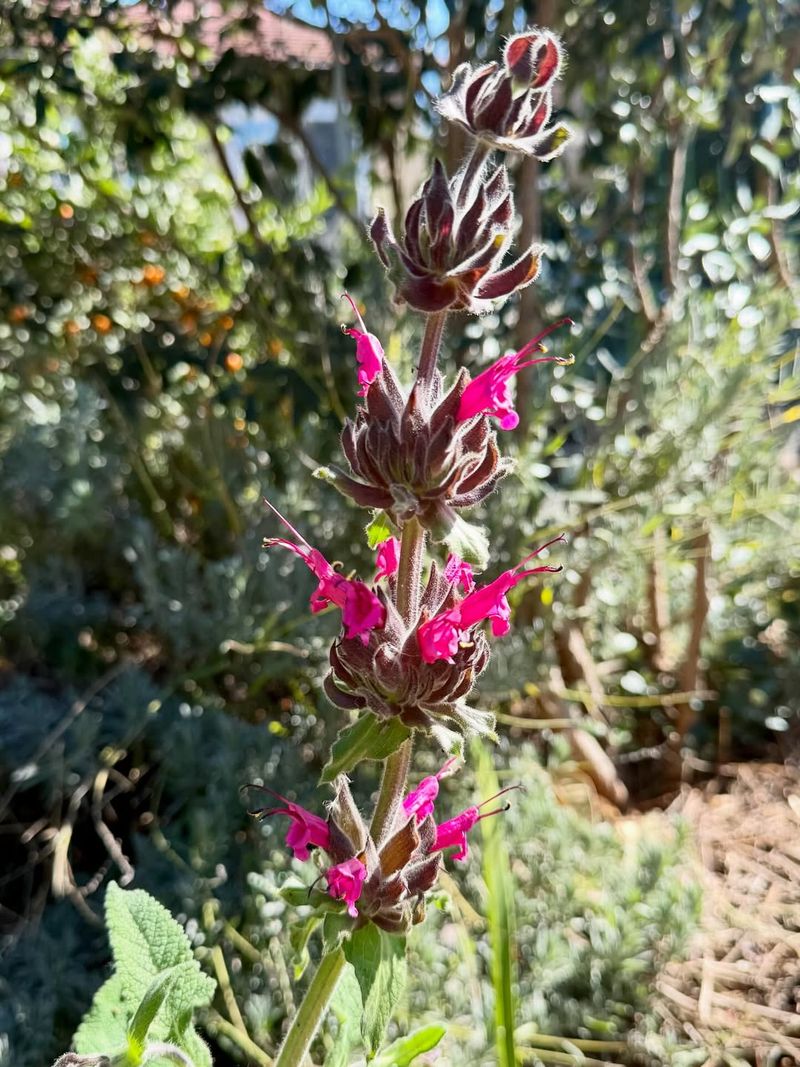
Bare spots in the garden feel unfinished, but filling them with thirsty plants defeats the purpose of water-wise landscaping.
Hummingbird sage solves this problem by spreading gradually through underground stems, creating natural-looking colonies that cover ground without becoming invasive.
This growth habit helps you fill space while maintaining a cohesive, intentional design.
The spreading happens slowly enough that you maintain control, unlike aggressive spreaders that take over entire beds. Each year, new shoots emerge near the parent plant, gradually expanding the colony outward.
This creates a soft, informal look that works beautifully in naturalistic gardens while still fitting into more structured landscapes when needed.
Many gardeners appreciate this spreading habit because it reduces the need for additional plants. Start with one or two hummingbird sage plants, and within three to four years, you’ll have a substantial patch that looks established and mature.
The spreading also helps suppress weeds naturally as the sage fills in gaps where unwanted plants might otherwise grow.
If you need to control size, simply remove unwanted shoots in early spring before new growth accelerates. The plant responds well to this editing without becoming stressed or damaged.
You can even dig up offsets and transplant them to other areas, essentially propagating free plants from your original investment while shaping the colony to fit your design vision.
7. Low-Maintenance, High Ecological Value
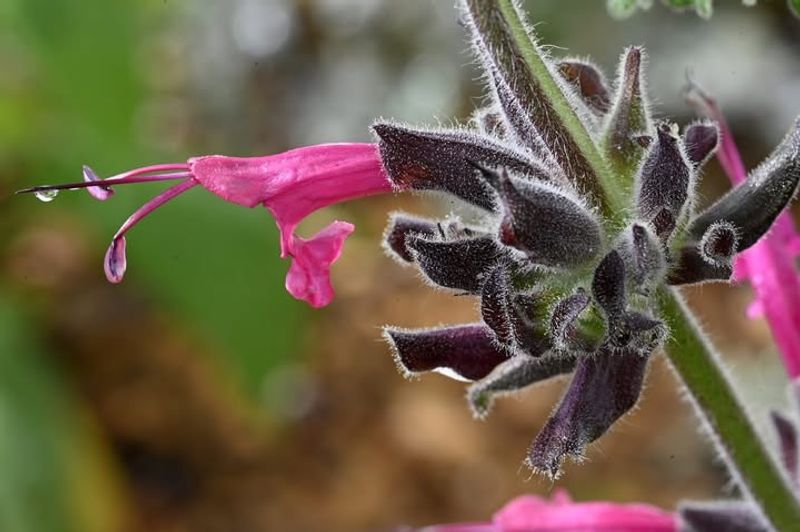
Garden maintenance eats up weekends that could be spent actually enjoying your outdoor space. Hummingbird sage requires almost no attention once established, yet it delivers significant ecological benefits that justify the minimal effort.
This combination of low input and high output makes it ideal for busy homeowners who want beautiful, functional gardens without constant work.
Unlike hybrid ornamentals that need regular deadheading, fertilizing, and pest management, hummingbird sage largely takes care of itself.
The plant doesn’t require deadheading to continue blooming, though you can remove spent flower stalks for appearance if desired.
No fertilizer is necessary or even recommended, as native California soils already contain the nutrients this plant evolved to use.
Pest problems are virtually nonexistent. Native insects that might nibble the foliage are part of the ecosystem and rarely cause significant damage.
Deer usually avoid hummingbird sage due to its aromatic foliage, solving another common California garden challenge without requiring fencing or repellents.
The main maintenance task is an annual pruning in late fall or early winter after blooming finishes. Cut plants back by about one-third to maintain shape and encourage fresh growth the following spring.
This takes maybe fifteen minutes per plant once a year, a tiny investment for a plant that supports hummingbirds, bees, butterflies, and overall garden health throughout the growing season.
8. Deer-Resistant And Garden-Friendly
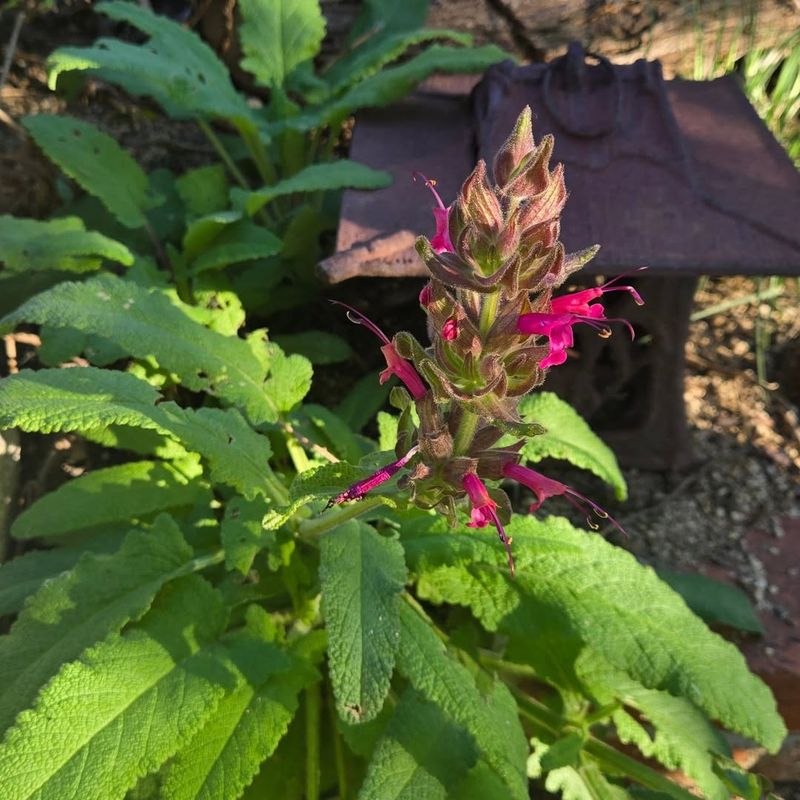
Deer pressure frustrates California gardeners from suburban hillsides to rural properties. These browsers can demolish a garden overnight, eating expensive plants down to nubs and destroying months of work.
Hummingbird sage offers relief because deer typically avoid its aromatic foliage, leaving your plants intact while they munch on less fortunate neighbors’ gardens.
The leaves contain volatile oils that give them a pleasant fragrance when brushed but taste unpleasant to deer.
This natural defense mechanism means you don’t need ugly fencing, expensive repellent sprays, or motion-activated deterrents around your hummingbird sage.
The plant protects itself through chemistry rather than thorns or toxins, making it safe for gardens where children and pets play.
This deer resistance becomes even more valuable during drought years when hungry deer expand their usual menu to include plants they’d normally ignore. Even under pressure, hummingbird sage remains low on their preference list.
Gardeners in high-deer areas often use it as a border or barrier plant, creating a fragrant hedge that deer pass by rather than through.
The same aromatic oils that deter deer also contribute to the plant’s drought tolerance by reducing water loss from leaves. It’s a win-win adaptation that makes your garden more resilient to both wildlife pressure and water restrictions.
Plant hummingbird sage confidently knowing it will likely survive and thrive regardless of local deer populations.
9. A True California Garden Staple
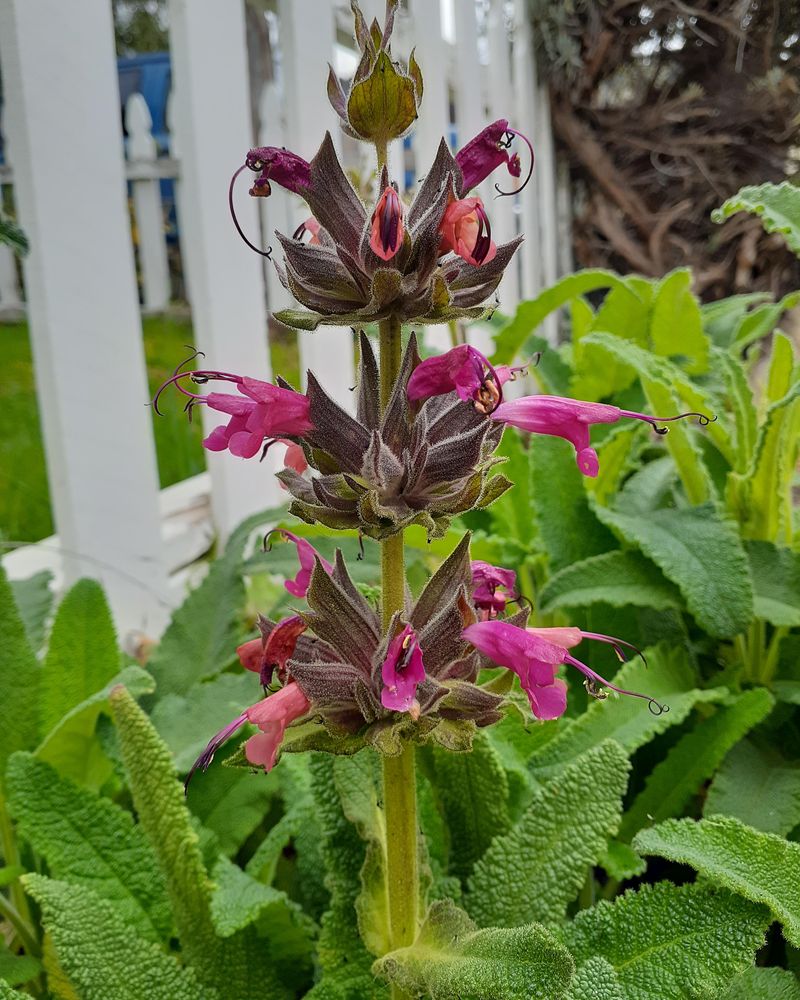
Some plants come and go as trends shift, but hummingbird sage has earned permanent status in California gardens for good reasons.
It combines beauty, toughness, wildlife value, and water efficiency in a package that works across diverse microclimates and garden styles.
This versatility explains why landscape designers, restoration ecologists, and home gardeners all rely on it as a foundational plant.
The plant fits equally well in formal designs and wild, naturalistic landscapes. Its soft gray-green foliage provides year-round structure and color, while spring blooms add seasonal interest without overwhelming the overall composition.
Hummingbird sage pairs beautifully with other California natives like ceanothus, manzanita, and native grasses, creating cohesive plant communities that look and function like natural ecosystems.
As California faces ongoing water challenges and increasing awareness of native habitat loss, plants like hummingbird sage become more important rather than less.
They represent a shift toward gardens that support regional ecology while still meeting homeowner needs for attractive, functional outdoor spaces.
Growing hummingbird sage means participating in a larger movement toward sustainable landscaping that benefits both people and wildlife.
Starting with even one plant begins transforming your garden into habitat. Watch hummingbirds claim territory around your sage, notice increased bee activity, and observe how the plant settles into your specific conditions.
That’s the real value of this California garden staple, proven over time and across countless yards throughout the state.