9 Orange Flowers That Thrive In Arizona’s Intense Sun
Arizona sun does not forgive weak plants, and when summer temperatures climb past triple digits, only the toughest blooms keep their color without fading or burning out.
If you want bold orange flowers that actually handle intense sunlight instead of collapsing by July, choosing heat-loving varieties makes all the difference in your yard.
The right orange bloom can handle dry air, blazing afternoons, and reflected heat from gravel without losing its glow. In Arizona, bright color is not about luck, it is about smart plant selection that respects the desert climate.
These orange flowers thrive under full sun and keep showing off when everything else starts to look tired. Once you plant varieties built for extreme heat, your yard holds onto that fiery, sunset-inspired color long after spring fades.
1. Desert Honeysuckle Handles Blazing Heat Without Fading
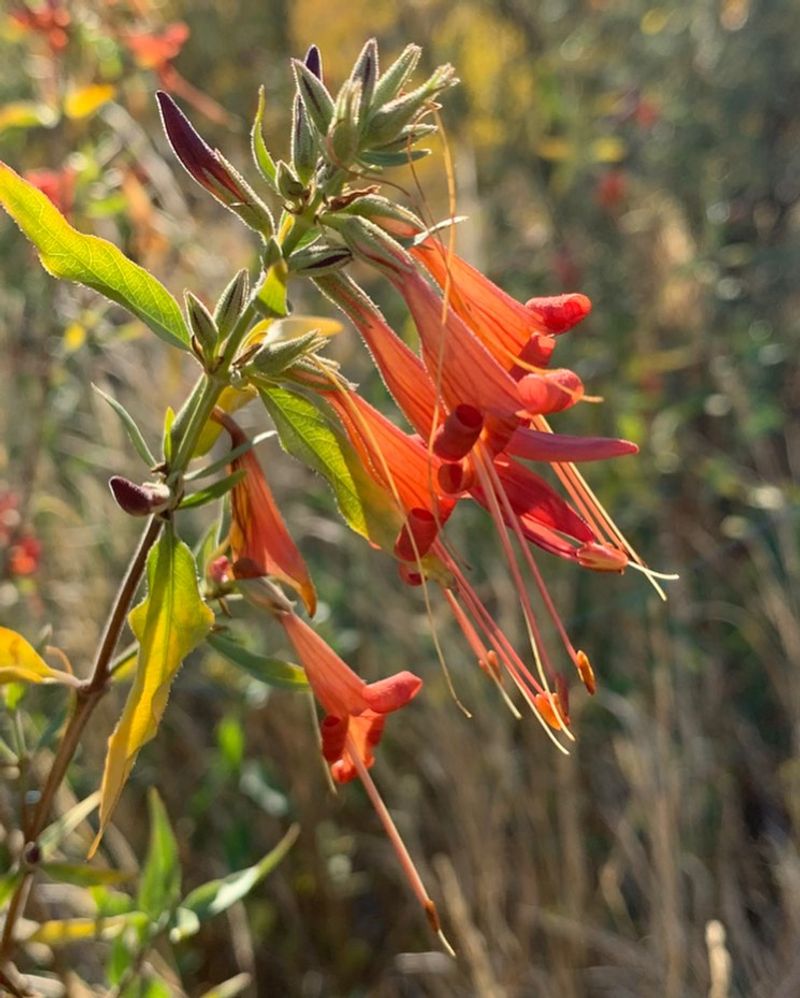
Bright orange tubular blooms cover this Arizona native from spring through fall, attracting hummingbirds like crazy. Desert Honeysuckle doesn’t mind if you forget to water it for weeks because it’s built for drought.
Once established in your yard, it basically takes care of itself.
This shrub grows about four to five feet tall and wide, making it perfect for filling empty corners or creating natural privacy screens. The flowers keep coming back even when summer temperatures hit their peak.
You won’t see this plant wilting in the afternoon sun like so many others do.
Planting Desert Honeysuckle in Arizona couldn’t be easier since it loves our native soil. Just dig a hole, drop it in, and give it occasional deep watering until roots spread out.
After that, monsoon rains and your regular landscape watering will keep it happy.
Butterflies and bees also love visiting these orange blossoms, so your garden gets extra life and movement. Prune it lightly after blooming seasons to keep the shape tidy.
This tough plant rarely has pest problems and doesn’t need fertilizer to thrive in Arizona’s intense sun.
Even during long dry spells, its foliage stays fresh and green without constant attention. If you want a bold splash of color that handles heat without drama, this is one shrub that truly earns its place in an Arizona landscape.
2. Desert Globemallow Glows Bright Even In Harsh Afternoon Sun
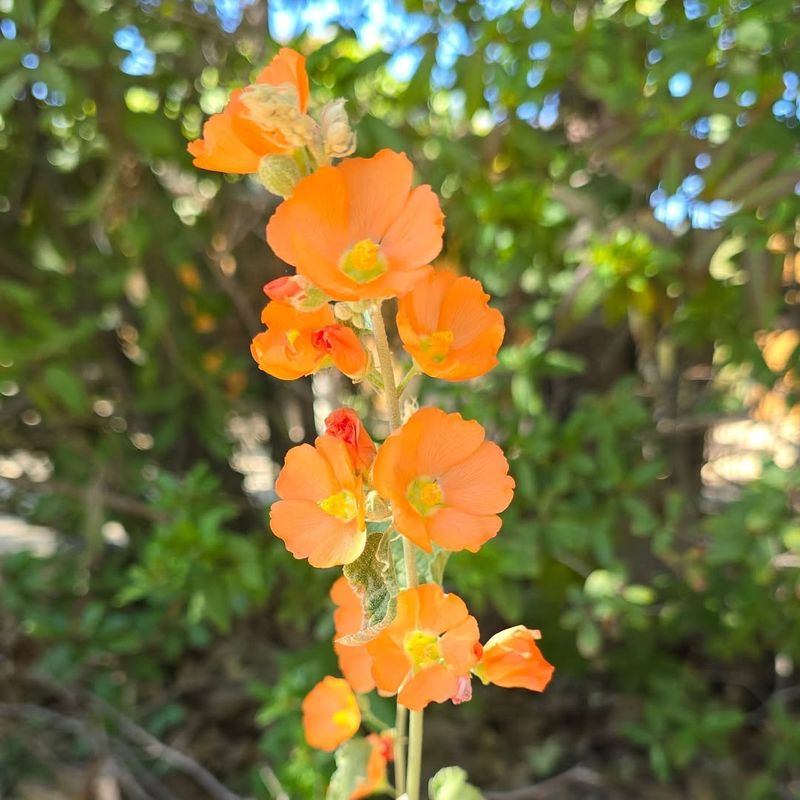
Walking past a patch of Desert Globemallow feels like spotting flames dancing across the desert floor. These cheerful orange flowers pop up on fuzzy gray-green leaves that actually reflect heat instead of absorbing it.
That’s why they stay so vibrant when other plants start looking tired.
Globemallow spreads easily and reseeds itself, so you get more color each year without replanting. It grows low to the ground, usually staying under two feet tall, which makes it great for borders or filling in rocky areas.
Arizona’s wild spaces are full of this plant because it genuinely loves our climate.
Bees go absolutely wild for Globemallow nectar, making your yard a buzzing hub of activity during bloom time. The flowers appear mainly in spring but can surprise you with second blooms after summer rains.
Your Arizona Garden Changes Every Week. Your Plan Should Too.
Gardening in Arizona changes quickly throughout the season. Every Friday you’ll receive a simple weekly plan showing exactly what to plant, prune, fertilize, harvest, and protect so you never miss the right timing.
Watering needs are minimal once roots establish themselves in your soil.
You can start Globemallow from seeds or small plants from local nurseries that specialize in native Arizona species. It handles reflected heat from walls and pavement better than most flowers.
Deer usually leave it alone, and it never needs pampering to deliver those brilliant orange blooms year after year.
Its soft, silvery foliage adds texture even when it is not in bloom, so the plant never looks bare or unfinished. Cut it back lightly after the main flush of flowers, and it often responds with fresh growth that keeps the display going longer.
3. Arizona Poppy Lights Up Dry Soil With Bold Color
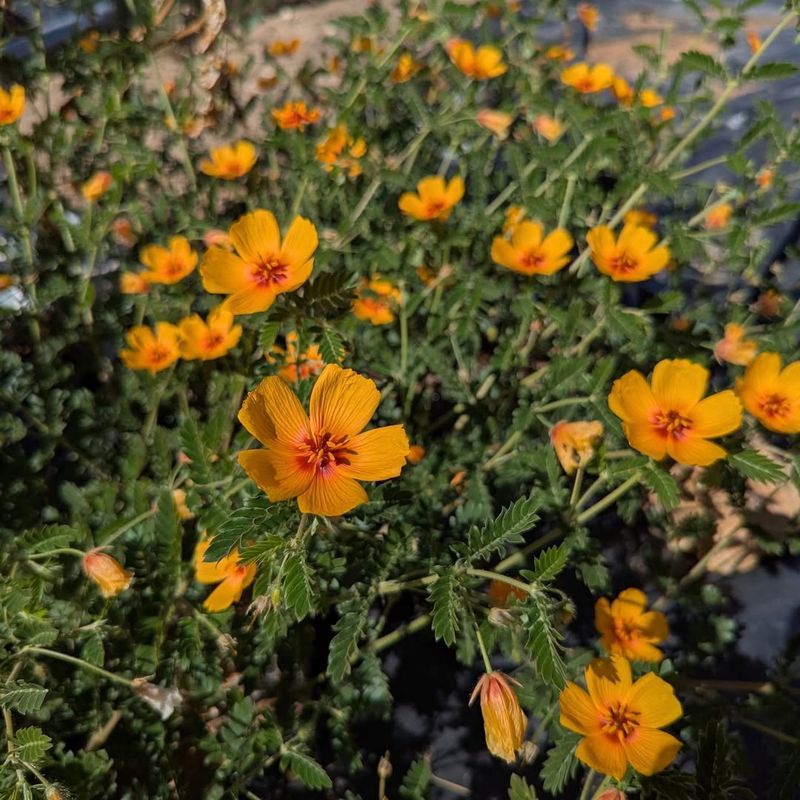
Delicate-looking petals fool you into thinking Arizona Poppy needs babying, but this flower laughs at heat and drought. Blooms open wide in brilliant orange shades that practically glow against our desert landscape.
Each flower only lasts a day or two, but new ones keep opening for weeks.
Arizona Poppy grows wild across our state, proving it’s perfectly adapted to intense sun and poor soil. Plants stay compact, reaching about one to two feet in height with feathery foliage.
Spring brings the heaviest flowering, though you might see scattered blooms into early summer.
Seeds scatter naturally, so you’ll likely find new plants popping up nearby each year without any effort. This poppy doesn’t compete well with aggressive plants, so give it space where it won’t get crowded out.
Water sparingly because too much moisture actually causes more problems than drought ever will.
Pollinators visit these orange beauties throughout the day, especially native bees that have evolved alongside them. Arizona Poppy works beautifully in rock gardens or naturalized desert landscapes.
Once you plant it, step back and let nature do the work because this flower thrives on neglect in our Arizona sun.
Deadheading is not necessary, but removing spent flowers can tidy the plant and sometimes encourage a lighter second flush.
If you want a wildflower that looks striking without turning into extra work, Arizona Poppy fits right into a low-maintenance desert plan.
4. Orange Jubilee Delivers Nonstop Blooms Through Long Hot Months
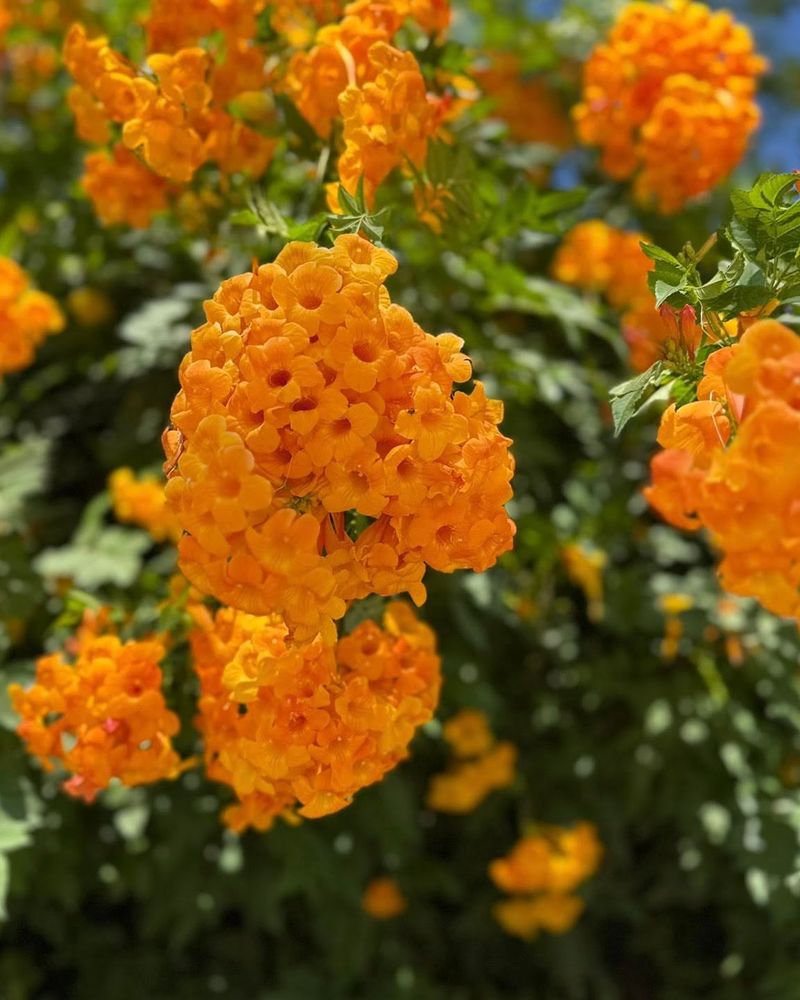
Trumpet-shaped orange flowers explode across this vigorous shrub from late spring straight through fall in Arizona. Orange Jubilee doesn’t slow down when temperatures soar past 110 degrees.
Instead, it seems to bloom even harder, covering itself in color when you need it most.
This fast-growing plant can reach eight to twelve feet tall if you let it, though regular trimming keeps it more compact. Hummingbirds can’t resist those tubular blooms and will defend your Orange Jubilee like it’s their personal property.
The deep green foliage provides nice contrast to the bright flowers.
Arizona gardeners love Orange Jubilee because it fills large spaces quickly without demanding constant attention. Plant it in full sun with decent drainage, and you’re basically done with the hard work.
Monthly deep watering during the hottest months keeps blooms coming strong.
Frost can damage this plant in winter, but it usually bounces back quickly when warm weather returns to Arizona
5. Shrubby Purslane Spreads Fast And Loves Reflective Desert Heat
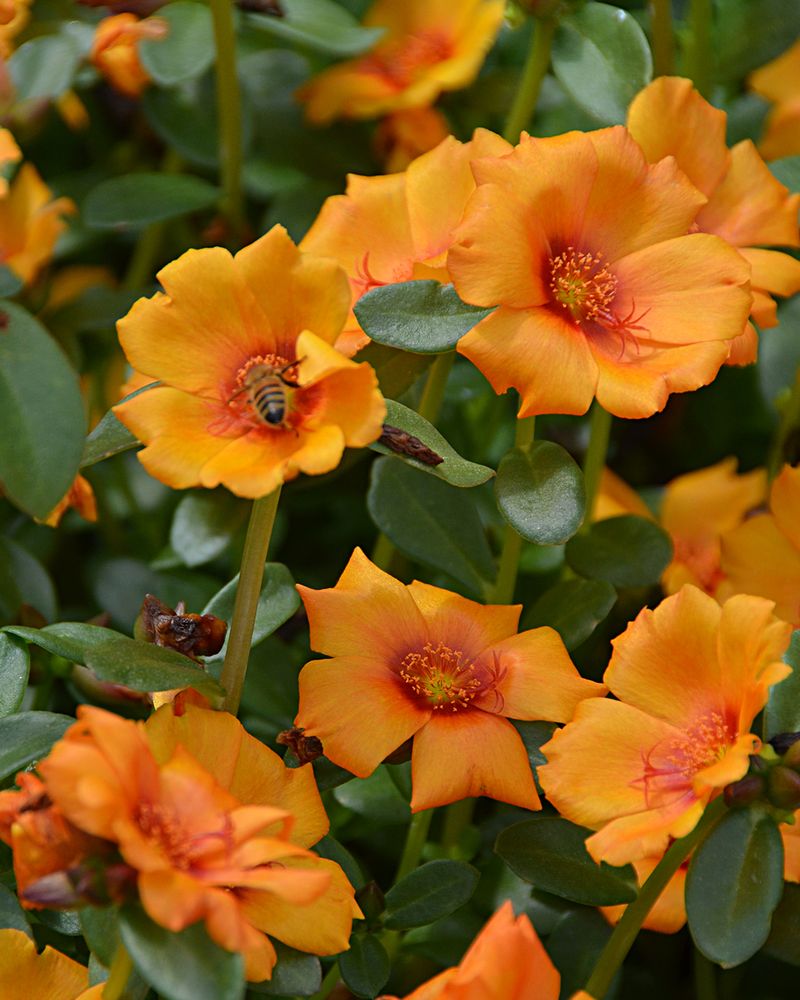
Small orange blooms cover this low-growing succulent like confetti scattered across thick, fleshy leaves. Shrubby Purslane actually prefers the hottest, sunniest spots in your Arizona yard where other plants struggle.
Heat reflecting off walls, driveways, and rocks makes it bloom even more enthusiastically.
Stems spread outward rather than upward, creating a colorful ground cover that fills bare spots fast. This plant stores water in its leaves, so it can go weeks without irrigation once established.
You’ll find it blooming from spring through fall, with peak color during our hottest months.
Shrubby Purslane works perfectly in containers, hanging baskets, or as a spillover plant along pathways. It tolerates poor soil and doesn’t care about Arizona’s high pH levels that trouble so many other flowers.
Occasional trimming keeps growth tidy and encourages fresh blooms.
Butterflies visit regularly, adding movement and interest to your landscape throughout the day. This plant needs almost zero maintenance beyond occasional watering during extreme heat.
Overwatering causes more problems than underwatering ever will, so err on the dry side.
Shrubby Purslane proves that tough Arizona conditions bring out the best in truly adapted plants.
6. Desert Milkweed Stands Strong In Full Sun And Poor Soil
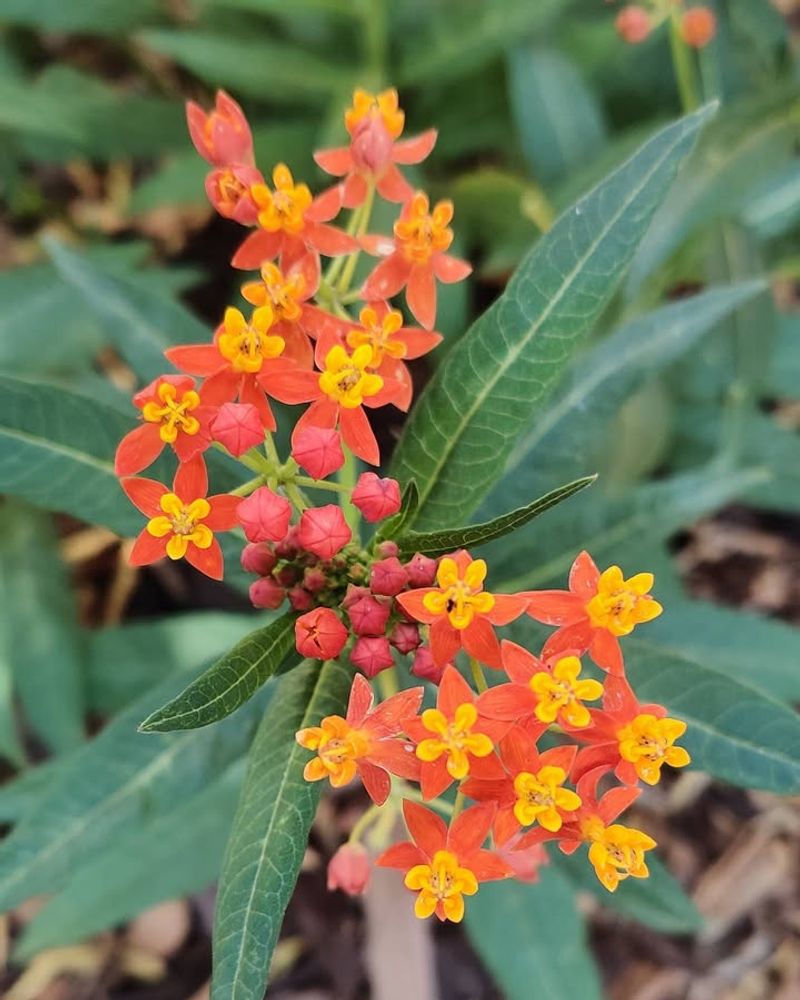
Clusters of orange-red flowers top sturdy stems that rise two to three feet above the ground each spring. Desert Milkweed doesn’t just tolerate Arizona’s brutal sun and terrible soil.
It actually prefers these conditions over pampered garden settings where it often struggles.
Monarch butterflies depend on milkweed species for survival, making this plant essential for supporting their migration through Arizona. The nectar feeds adult butterflies while leaves provide food for caterpillars.
Watching monarchs flutter around your Desert Milkweed makes the whole garden feel magical.
This native perennial goes dormant in winter, with stems browning back to the ground before returning in spring. Don’t worry when it disappears because roots are just resting underground until warmer weather arrives.
Mark the spot so you don’t accidentally dig it up during the dormant season.
Desert Milkweed spreads slowly through underground roots and self-seeding, gradually creating larger patches over time. It handles reflected heat and full sun exposure without any complaints.
Water needs are minimal, especially once plants mature and develop deep root systems.
This orange-blooming Arizona native asks for almost nothing while giving back so much to local wildlife and your landscape.
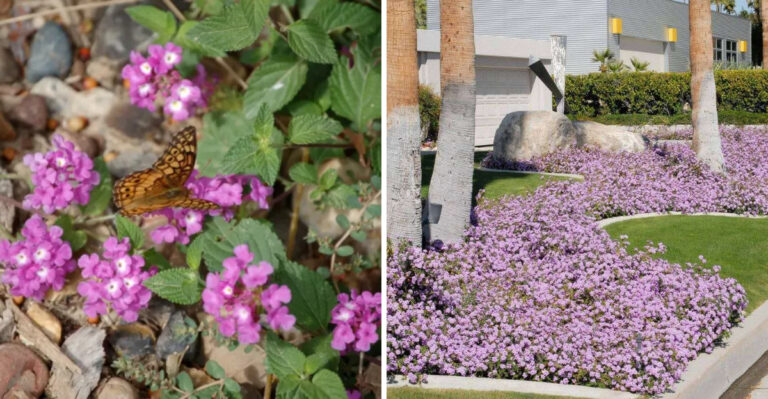
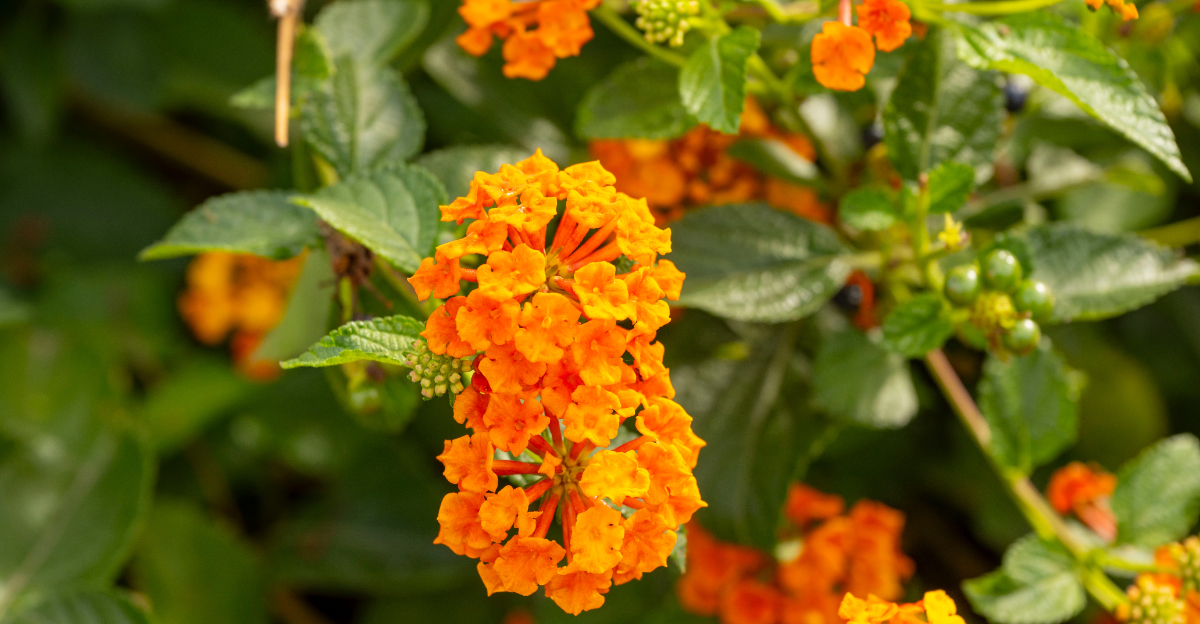
7. Orange Lantana Keeps Blooming When Temperatures Soar
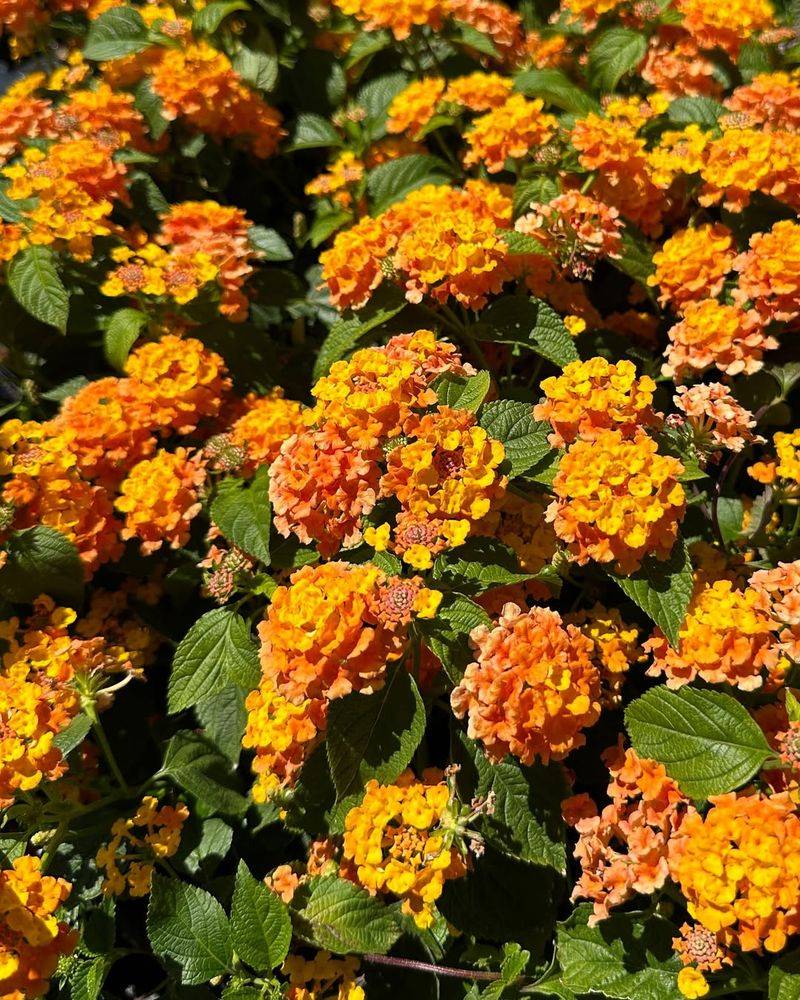
Clusters of tiny flowers in shades of orange, yellow, and red create spectacular color combinations that change as blooms age. Orange Lantana thrives in heat that would wilt most other flowers, making it perfect for Arizona summers.
Butterflies mob this plant from sunrise to sunset, creating constant motion and life in your yard.
Growth stays compact at two to three feet tall and wide, though some varieties spread wider if you let them. Lantana blooms continuously from spring through the first hard freeze, giving you months of reliable color.
The rough-textured leaves release a distinctive scent when brushed against.
Planting Lantana in Arizona’s full sun brings out the most intense flower colors and heaviest blooming. It tolerates our alkaline soil without amendments and doesn’t need fertilizer to perform beautifully.
Water deeply but infrequently once roots establish themselves in your landscape.
Hummingbirds also visit Lantana regularly, adding another layer of entertainment to your outdoor space. Prune lightly throughout the growing season to encourage bushier growth and more flower clusters.
This plant rarely suffers from pest problems and bounces back quickly from any minor damage.
Orange Lantana delivers consistent performance through Arizona’s toughest weather without asking for special treatment or constant care.
8. Red Bird Of Paradise Thrives In Extreme Heat Without Complaint
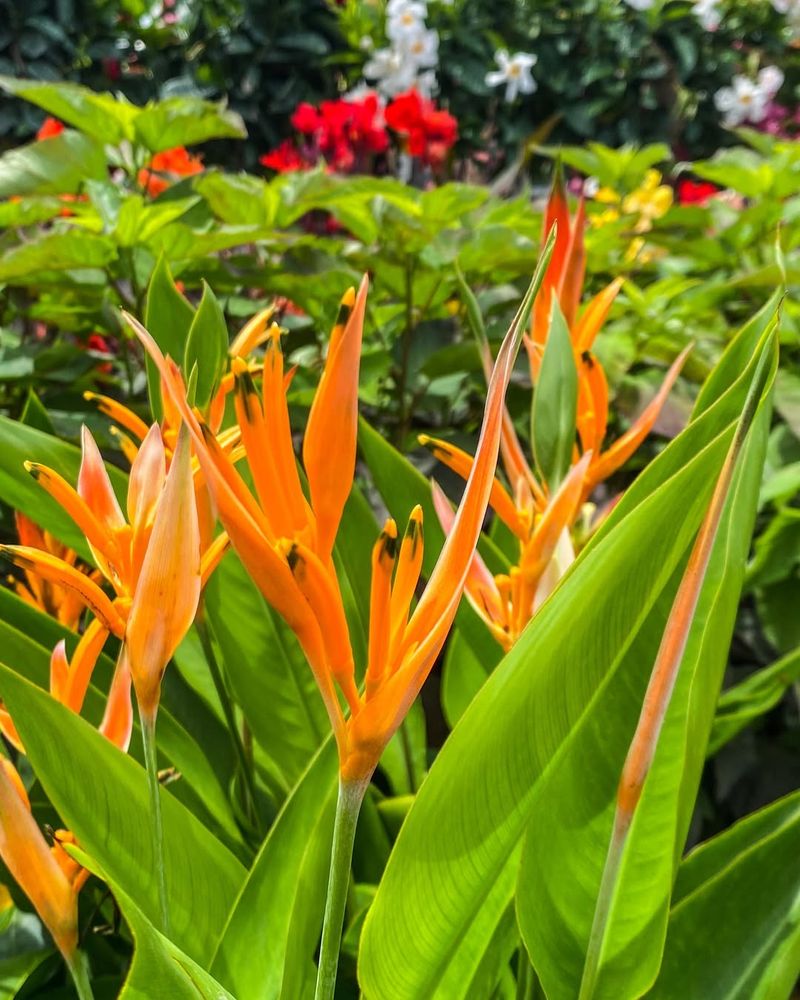
Stunning orange-red flowers with long red stamens create a tropical look that seems impossible in Arizona’s desert climate. Red Bird of Paradise actually loves our intense heat and blooms most heavily during the hottest months.
Each flower resembles a exotic bird in flight, giving this plant its memorable name.
This shrub can grow quite large, reaching eight to ten feet tall and wide in ideal conditions. Fast growth means you get a mature-looking plant within just a couple of years.
The feathery foliage stays attractive even when flowers take occasional breaks between bloom cycles.
Hummingbirds treat Red Bird of Paradise like an all-you-can-eat buffet, visiting constantly throughout the day. Plant it where you can watch from windows or patios to enjoy the show.
Arizona’s full sun and reflected heat from buildings or hardscapes don’t bother this tough plant at all.
Water regularly during establishment, then back off to occasional deep watering once roots spread. Red Bird of Paradise rarely needs fertilizer and resists most common pests.
This spectacular bloomer proves that Arizona gardens can rival tropical landscapes for color and drama.
9. Cape Honeysuckle Climbs And Blooms In Relentless Sun
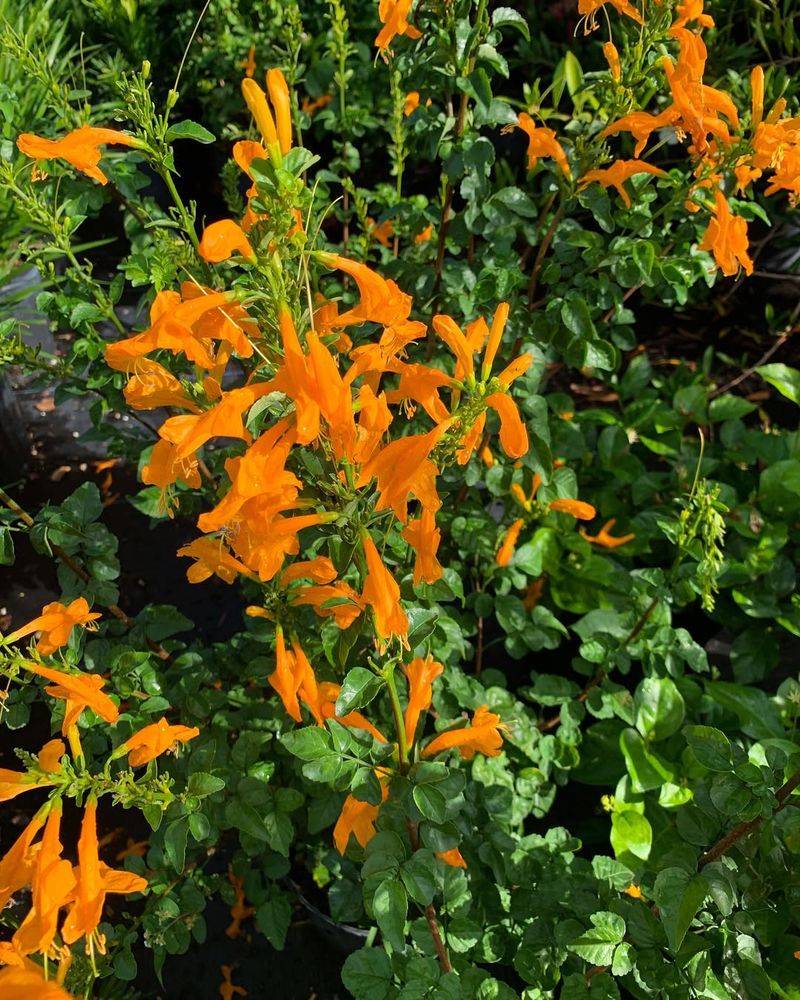
Bright orange tubular flowers cascade from vigorous vines that can climb walls, fences, or trellises throughout Arizona. Cape Honeysuckle blooms heaviest in fall and spring but often flowers year-round in warmer parts of our state.
Hummingbirds become regular visitors once they discover this generous nectar source.
Vines grow quickly, sometimes adding several feet in a single growing season when conditions suit them. You can train Cape Honeysuckle to climb upward or let it sprawl as a colorful ground cover.
The glossy green leaves create nice texture even between major bloom periods.
Full sun brings out the most intense flower color and encourages the heaviest blooming in Arizona landscapes. This plant tolerates our alkaline soil and doesn’t need amendments to thrive.
Regular watering keeps growth vigorous, though established vines handle some drought without major problems.
Prune Cape Honeysuckle as needed to control size and shape throughout the growing season. It can become aggressive in ideal conditions, so give it space or plan to trim regularly.
Frost may damage tender growth in winter, but plants usually recover quickly when warm weather returns.
Cape Honeysuckle provides vertical color in Arizona gardens where few other orange bloomers can match its sun tolerance and reliable performance.