The Right Time To Cut Cold Damaged Plants In Arizona Without Causing More Harm
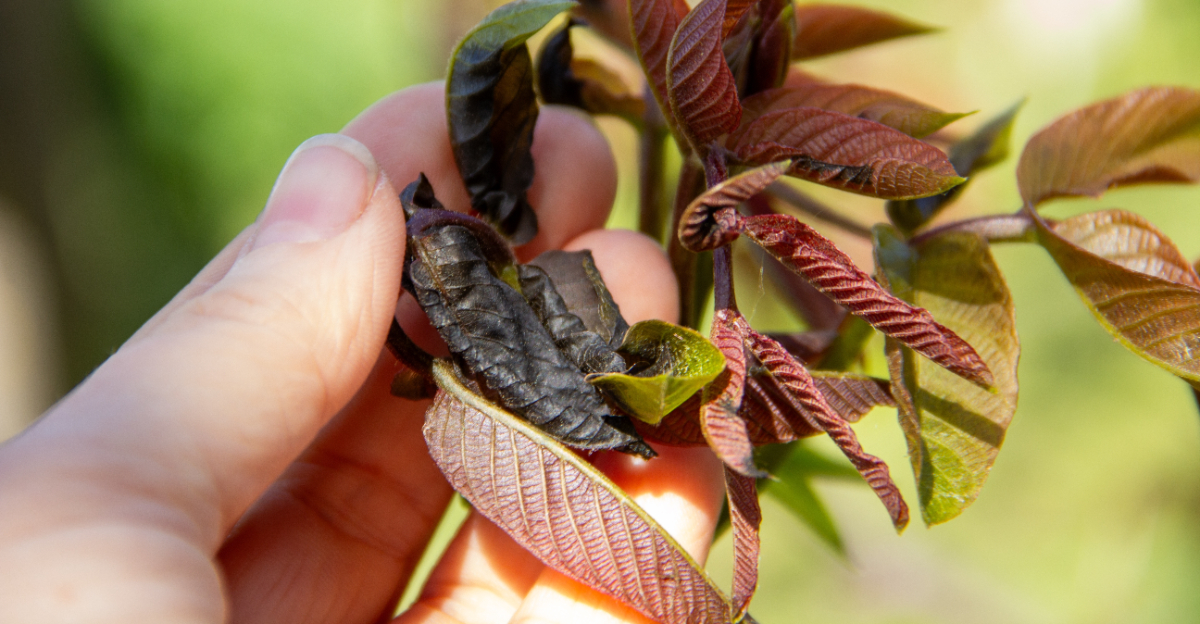
Cold damage in Arizona can make plants look completely finished, with blackened leaves and drooping stems that feel impossible to fix. The urge to prune right away is strong, but early cutting often causes more stress than the freeze itself.
New growth can be triggered too soon, and another cold night can burn it back again. The smarter move is to wait for steady warm days and visible fresh green shoots before removing anything.
That new growth clearly shows what survived and what truly needs to go. Patience gives roots time to recover and keeps the plant from wasting energy on growth it cannot protect.
A short delay now often leads to stronger regrowth and a much healthier plant heading into spring.
1. Late February Or After Your Final Frost In Arizona Is When You Should Prune
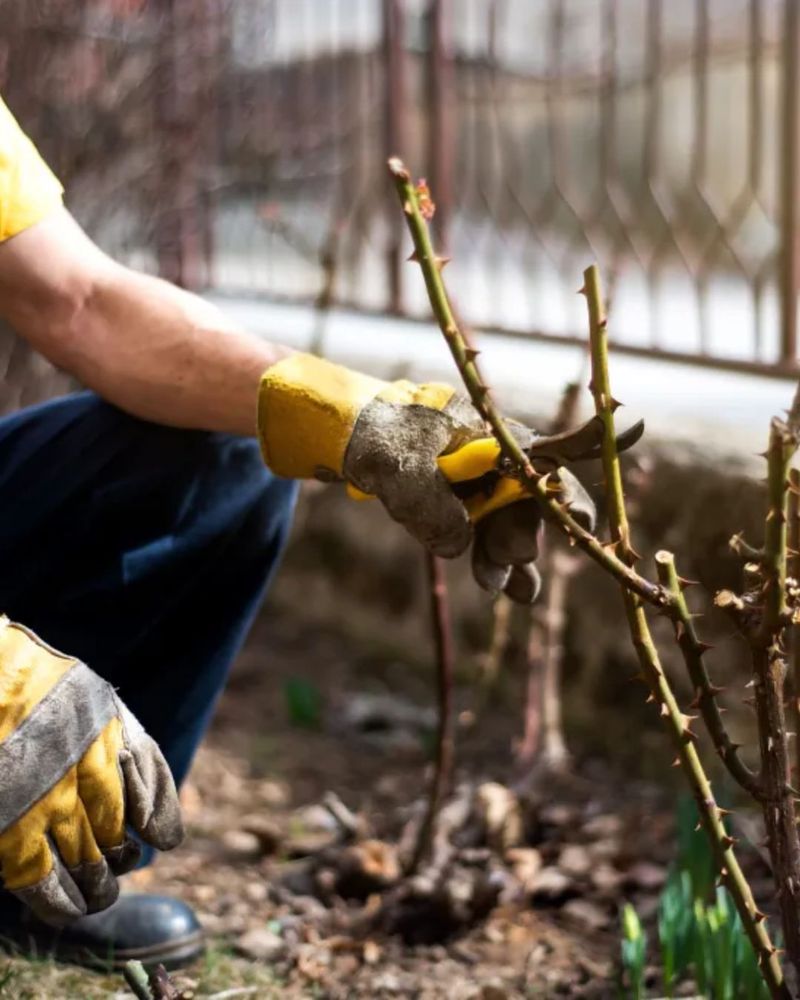
Timing your pruning work correctly starts with knowing when Arizona’s frost season actually ends in your specific area.
Different regions across the state experience their last freeze anywhere from mid-February in lower desert areas to early March in higher elevations.
Checking historical frost dates for your zip code gives you a reliable baseline for planning your pruning schedule.
Jumping the gun by even a week or two can expose fresh cuts and new growth to another damaging freeze. Plants respond to pruning by pushing out tender new shoots that have zero cold tolerance compared to older, hardened tissue.
When those vulnerable new leaves get hit by a late frost, you end up with twice the damage and a plant that has wasted precious energy on growth it cannot keep.
Arizona gardeners in Phoenix and Tucson typically mark late February as their safe pruning window, while those in Flagstaff or Prescott might wait until mid-March.
Watching weather forecasts for your area helps you confirm that nighttime temperatures are consistently staying above freezing.
Even one predicted cold night should make you delay your pruning plans.
Patience during this waiting period pays off tremendously because plants begin their natural recovery process once warm weather stabilizes.
You will notice signs of new growth emerging from stems that looked completely brown and lifeless just weeks earlier.
Waiting until these signals appear gives you clear visual confirmation that your plant has survived and is ready for cleanup work without the risk of additional cold damage setting back its recovery efforts.
2. Cutting Too Early Can Trigger New Growth That Gets Burned Again
Plants operate on biological signals that tell them when to grow and when to rest, and pruning sends a powerful wake-up call through their entire system.
Removing damaged branches stimulates dormant buds below the cuts to break and push out fresh leaves and stems.
This response happens automatically regardless of whether the weather is truly safe for new growth or just experiencing a temporary warm spell between cold fronts.
Fresh growth emerging in January or early February in Arizona faces serious danger because the plant cannot harden off this tender tissue before the next freeze arrives.
Your Arizona Garden Changes Every Week. Your Plan Should Too.
Gardening in Arizona changes quickly throughout the season. Every Friday you’ll receive a simple weekly plan showing exactly what to plant, prune, fertilize, harvest, and protect so you never miss the right timing.
Young leaves contain high water content and lack the protective compounds that mature foliage develops over time.
When temperatures drop below freezing, ice crystals form inside these delicate cells and rupture them completely, turning promising new growth into blackened mush overnight.
The cycle of premature pruning followed by freeze damage can repeat multiple times if you keep cutting back damaged tissue too early. Each round weakens the plant further as it burns through stored energy reserves trying to regrow.
Some plants eventually exhaust themselves completely and fail to recover at all, even though they might have survived perfectly well if left alone initially.
Watching weather patterns carefully before making any cuts protects your plants from this exhausting cycle. Arizona’s winter weather can fool you with several warm days in a row, making it seem like spring has arrived for good.
Waiting until you have at least two full weeks of frost-free nights predicted gives new growth enough time to begin hardening before any possible late-season cold snap arrives.
3. Wait Until You See Fresh Green Shoots Before Removing Stems
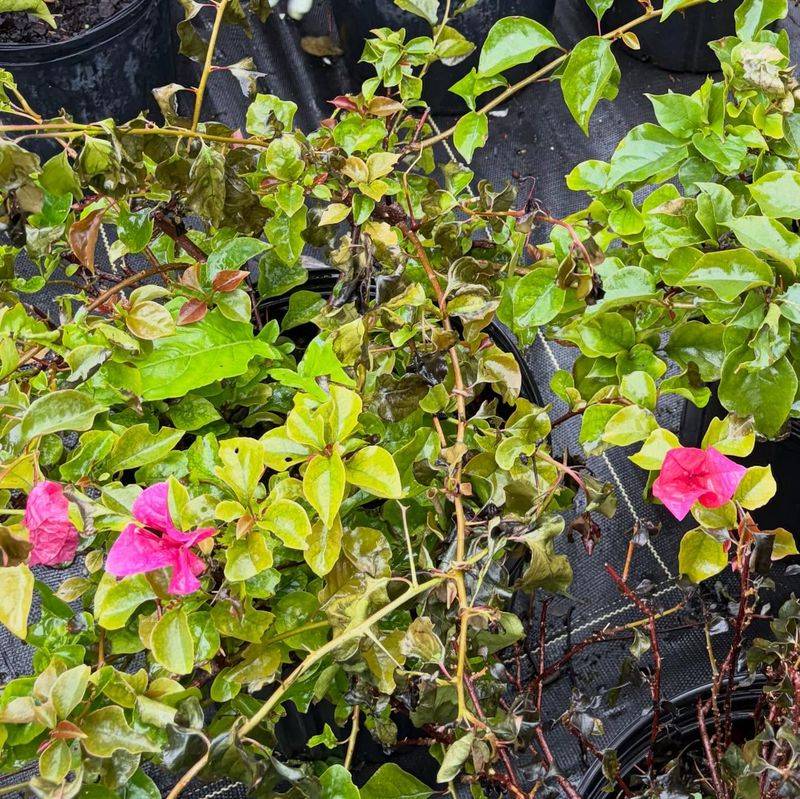
Your plants will tell you exactly when they are ready for pruning if you know what signs to look for during the recovery period.
Fresh green growth pushing through brown bark provides clear evidence that the plant has survived the cold and is actively growing again.
These new shoots emerge from buds that stayed protected inside the stem, and they show you precisely where living tissue ends and truly damaged wood begins.
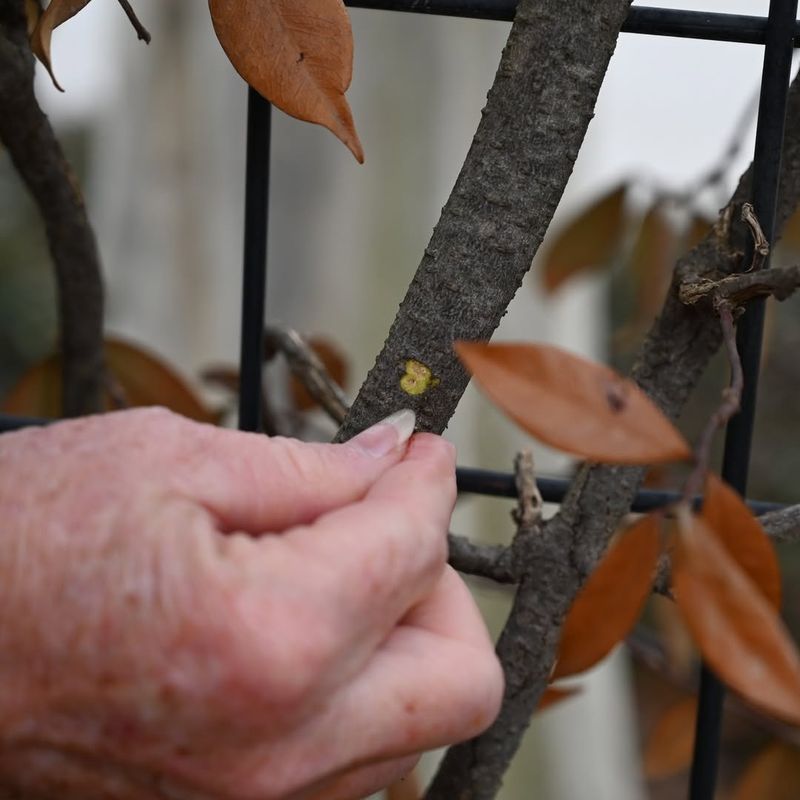
Scraping back a small section of bark with your thumbnail reveals important information about what is happening inside the stem.
Green or cream-colored tissue underneath means that section is still alive and capable of supporting leaves, while brown or gray tissue indicates that portion has been compromised beyond recovery.
Starting at the tips and working your way down the branch helps you locate the exact point where living tissue begins.
Many Arizona gardeners make the mistake of cutting all the way back to the ground when they see extensive brown foliage, but this aggressive approach removes viable wood that could support new growth.
Stems that look completely brown on the outside often have living tissue running through their centers, especially on woody plants like lantana, bougainvillea, and desert bird of paradise.
Those interior sections will sprout new branches once warm weather returns consistently.
Waiting for visible green shoots takes patience, sometimes requiring six to eight weeks after the last frost date in Arizona. The wait feels long when your yard looks terrible, but those emerging shoots provide a perfect roadmap for your pruning work.
You can confidently cut just above the new growth, removing only the portions that show no signs of recovery while preserving every bit of living tissue that will support the plant going forward.
4. Frost-Damaged Plants Often Recover More Than They First Appear
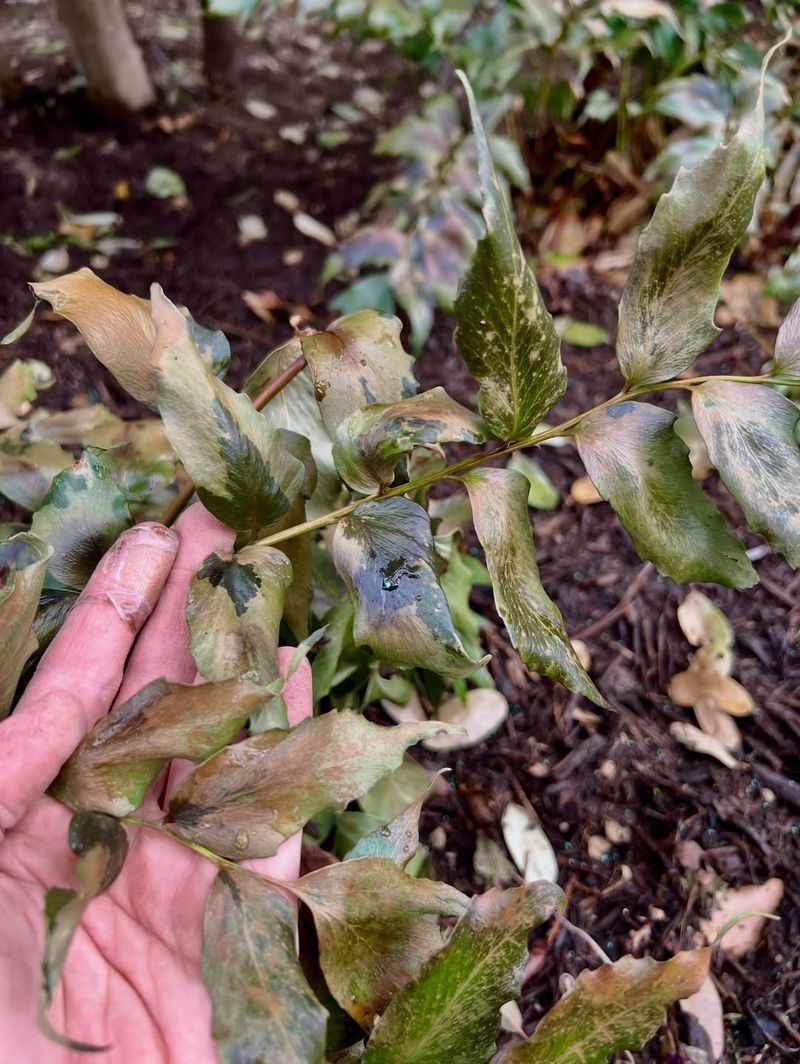
Appearances immediately after a freeze can be genuinely deceiving, making damage look far worse than it actually turns out to be.
Leaves and soft stems blacken dramatically when ice crystals burst their cells, creating a shocking visual change that makes plants look completely destroyed.
However, the woody structure underneath often survives just fine, protected by bark and stored sugars that lower the freezing point of internal fluids.
Arizona’s native and adapted plants have built-in ways to handle brief cold snaps. Even if frost damages everything above ground, many can regrow completely from their roots.
Others compartmentalize cold injury, sacrificing outer tissue while protecting their core structure and growing points deep inside branches.
Giving plants adequate time to show their true condition prevents you from removing specimens that would have recovered beautifully on their own.
Eight to twelve weeks after the last frost gives you an accurate picture of what survived and what needs replacement.
Some plants that looked completely brown in February will be covered in fresh green growth by April, while others that seemed fine initially may show delayed decline as damaged roots fail to support their canopy.
Homeowners in Phoenix and Tucson often say the plants they almost pulled out turned into their strongest growers by summer.
Bougainvillea can look completely ruined after a hard freeze, dropping every leaf and appearing lifeless, then burst back with fast growth and heavy blooms once the heat returns.
Patience costs nothing except some temporary ugliness in your landscape, while premature removal means losing established plants and starting over with small replacements that take years to reach the same size.
5. Citrus And Bougainvillea Should Not Be Trimmed Immediately After Cold
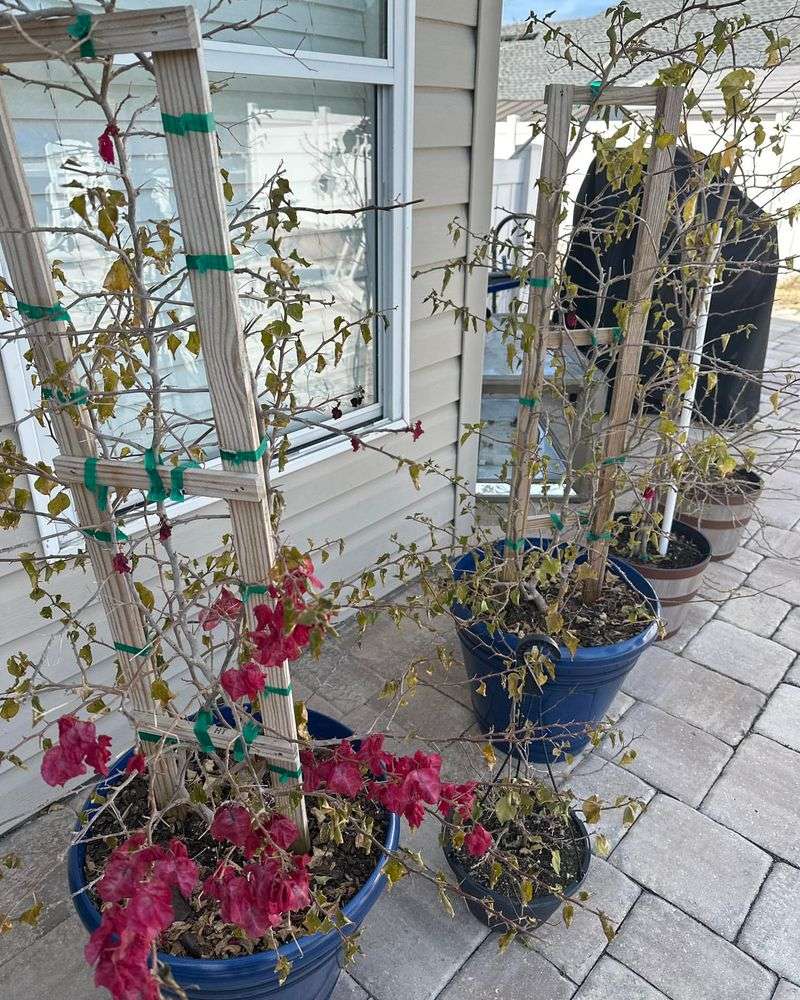
Certain popular Arizona landscape plants require extra patience after cold damage because they have specific growth patterns that make early pruning particularly risky.
Citrus trees store enormous amounts of energy in their wood and can push new growth from surprisingly old branches, but they need time to redirect resources and activate dormant buds.
Cutting back damaged citrus too quickly removes wood that could have sprouted new fruiting branches and leaves you with a smaller, less productive tree.
Bougainvillea is a special case because these vigorous vines often look completely destroyed after a freeze, dropping every leaf and leaving stems dry and lifeless.
These resilient plants frequently regrow from their base or from protected buds along main stems, eventually covering themselves in growth and blooms again.
Both plants benefit from waiting well into spring before heavy pruning. For Arizona citrus, delaying until April or May shows which branches are truly alive and which are permanently damaged.
The same timeline works for bougainvillea, though these fast growers often show signs of recovery earlier than citrus does.
Light cleanup can begin once you are sure freezing nights are over, but major pruning should wait until the plant’s recovery is clear.
Trim only the obviously damaged tips and leave uncertain wood in place, giving the plant every chance to show its resilience and strong regrowth as warm weather settles in.
6. Remove Only Fully Blackened Or Mushy Tissue At First
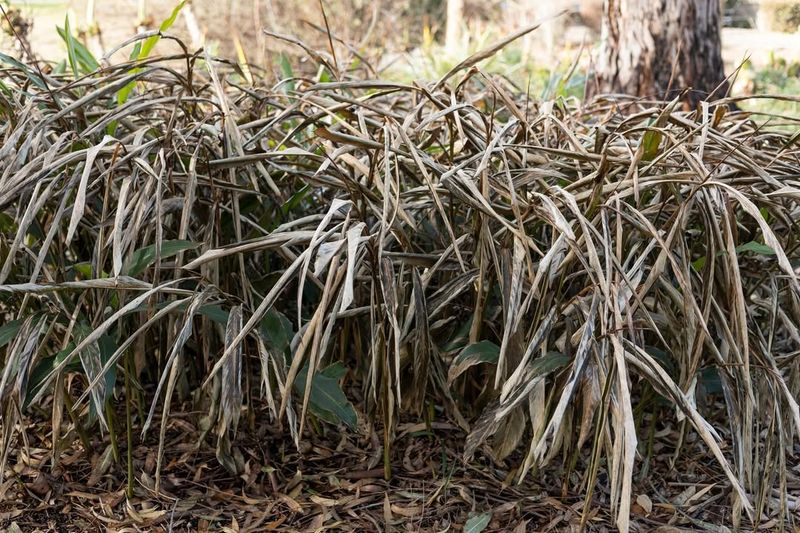
Early recovery pruning should stay conservative, removing only the clearly damaged material while keeping anything that might survive. Tissue that is completely black and feels soft or mushy has suffered damage that will not recover.
These sections can harbor fungal problems and should be removed carefully to prevent disease from spreading into healthy wood below.
Make cuts just above the point where soft, damaged tissue meets firm wood to protect the plant while removing the worst areas. Sterilize pruning tools between cuts to avoid spreading disease from injured sections to healthy growth.
A quick wipe with rubbing alcohol or a diluted bleach solution takes only seconds but provides important protection for your plants.
Stems that look brown but still feel firm should be left alone during initial cleanup work because they may contain living tissue that will sprout new growth.
Arizona’s intense sun can make bark appear worse than the interior wood actually is, especially on plants that have dropped their leaves.
What looks like a completely damaged branch may have perfectly viable cambium layer and active buds waiting for the right conditions to break.
This selective approach means plants may look partly cleaned up but still uneven for a few weeks after pruning. Accepting that temporary mess protects important growing points and energy reserves the plant needs to recover.
You can always remove more wood later once new growth clearly appears. You cannot replace branches that were cut too aggressively in the first weeks after a freeze in your Arizona landscape.
7. Steady Warm Days Matter More Than A Single Sunny Afternoon
Weather stability matters far more than any single day’s temperature when deciding whether your plants are ready for pruning work.
One warm, sunny afternoon in January can push temperatures into the comfortable 70s across Arizona, making it feel like spring has arrived and pruning season has opened.
However, that same week might include nighttime lows in the mid-30s or even another brief freeze that damages any new growth your pruning stimulates.
Track daytime highs and nighttime lows for at least two weeks before pruning to confirm a stable pattern. When nighttime temperatures stay consistently above 40 degrees, the risk of damaging frost has likely passed in your area.
Daytime temperatures reaching into the 60s and 70s regularly show that plants have enough warmth to support active growth and wound closure after pruning cuts are made.
Arizona’s desert climate can swing dramatically between day and night temperatures even during the same 24-hour period.
A beautiful 75-degree afternoon can be followed by a 35-degree night that creates frost in low-lying areas and shaded spots.
These temperature swings stress plants trying to recover from earlier cold damage and make the timing of pruning work much trickier than in climates with more gradual seasonal transitions.
Consulting long-range weather forecasts before starting major pruning projects helps you avoid getting caught by surprise cold snaps.
Waiting for a stable warm pattern that extends at least ten days into the future gives your plants time to respond to pruning and begin hardening new growth before any possible temperature drops.
This careful approach to timing turns weather from a gamble into a manageable factor in your post-freeze recovery strategy for Arizona landscapes.