This Is The Right Time To Cut Cold Damaged Plants In Georgia
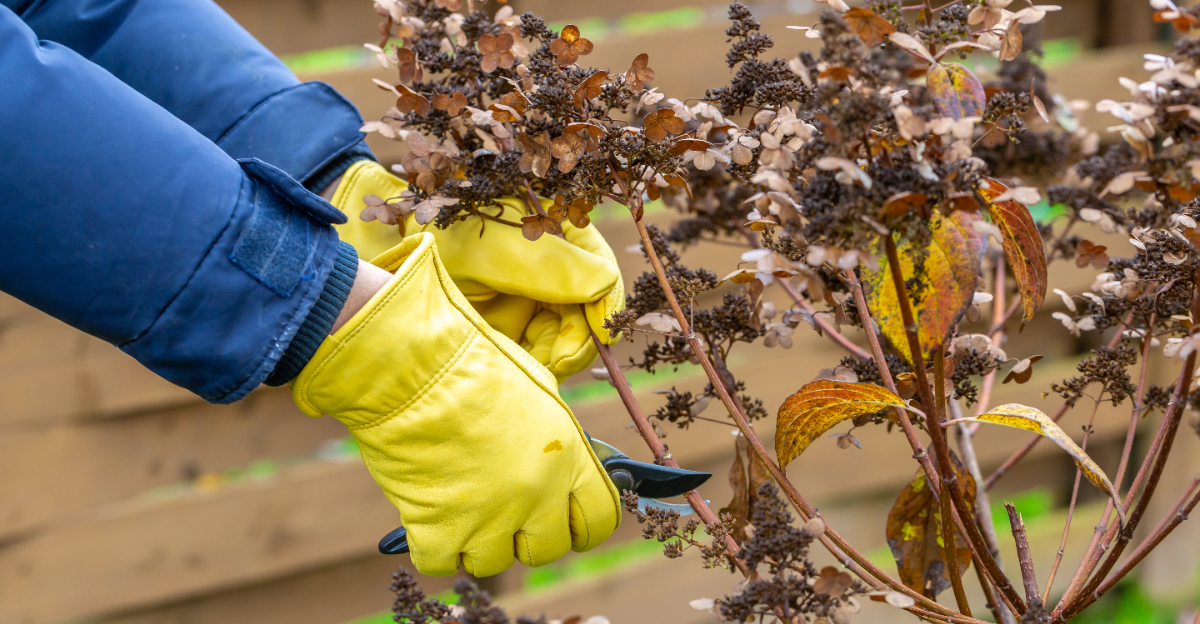
After a hard freeze in Georgia, it is easy to look at blackened leaves and drooping stems and assume the damage is permanent, especially when the plant that looked healthy a week ago suddenly seems lifeless.
The urge to cut everything back right away feels productive, but this is where timing truly matters.
In Georgia, the right time to cut cold damaged plants is after the risk of another hard freeze has passed and new growth starts to appear. That fresh green growth clearly shows what survived and where pruning should actually happen.
Cutting too early can expose living tissue to another cold snap and make the setback worse than the original damage.
If you are unsure whether to prune now or wait, let new growth guide you, because patience is often what allows a Georgia garden to recover fully and come back stronger.
1. Wait Until Georgia’s Last Expected Frost Has Passed Before Pruning
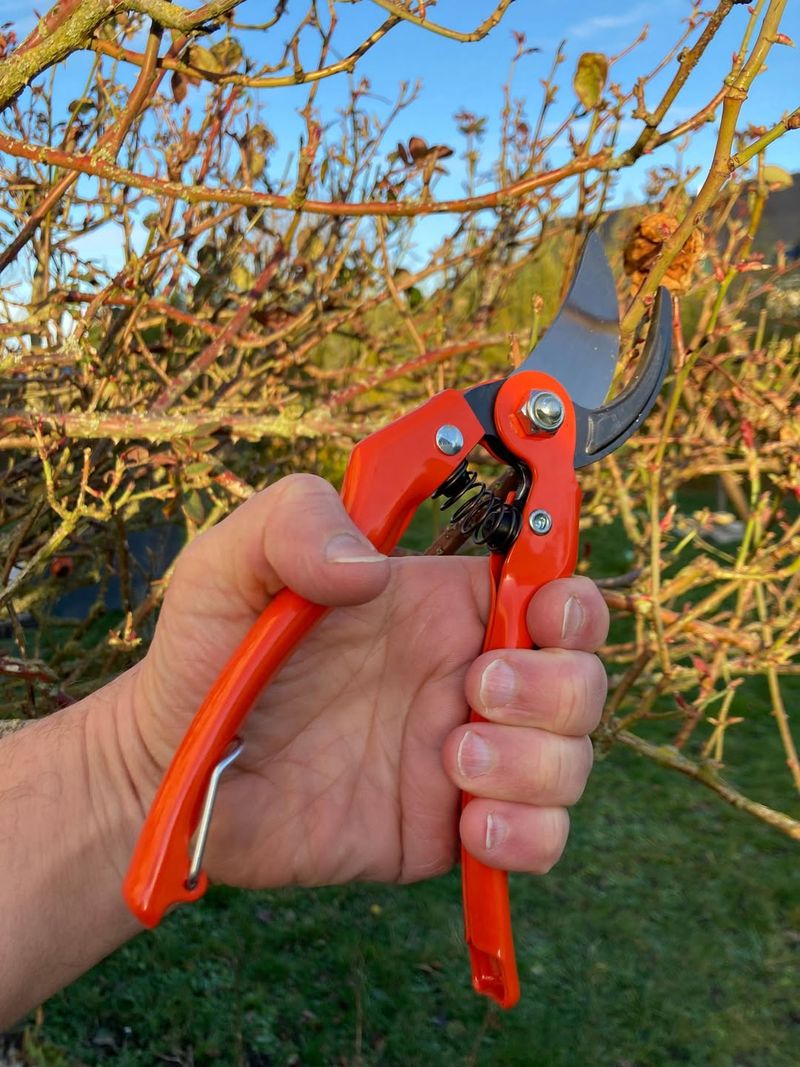
Patience pays off when dealing with frost-damaged plants across Georgia.
North Georgia typically sees its last frost around mid-April, while central areas like Atlanta usually clear by early April, and southern regions near Savannah often finish with freezing temperatures by late March.
Cutting too soon exposes tender new tissue that cold weather can damage all over again.
Your plant might look terrible right now, but those brown leaves actually provide protection. They act like a blanket shielding the living parts underneath from any surprise late freezes that Georgia springs love to throw at us.
Removing that damaged foliage early strips away this natural insulation and leaves vulnerable growth exposed to whatever Mother Nature decides to do next.
Waiting feels hard when your yard looks rough. Neighbors might already be tidying up their gardens, making you feel behind schedule.
Resist that pressure because premature pruning forces plants to push out new growth before conditions stabilize. That tender new foliage becomes an easy target for late cold snaps that can set your plants back even further than the original damage did.
Check your local county extension office for specific frost date information in your Georgia area. They track historical weather patterns and can give you reliable guidance for your zip code.
Mark that date on your calendar and add two weeks as a safety buffer before you start any serious cutting back of cold-damaged plants in your landscape.
2. Look For Swelling Buds Or Fresh Green Growth Before Cutting
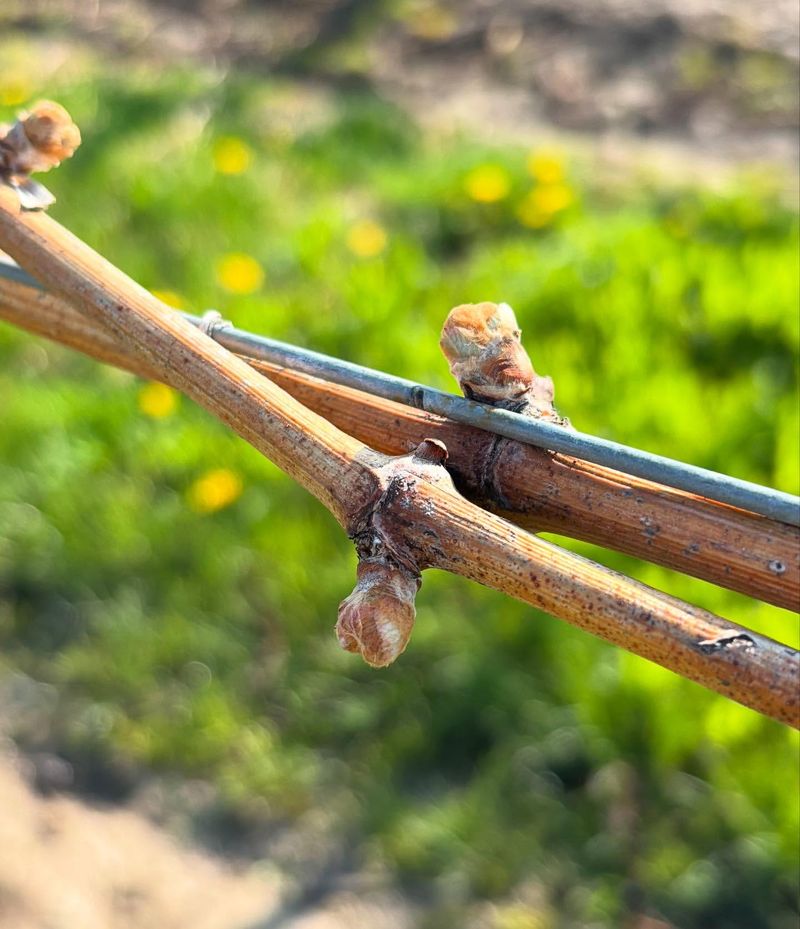
Plants tell you exactly when they’re ready for pruning if you know what to watch for. Small bumps along stems start to swell and push outward as warmth returns to Georgia.
These buds signal that sap is flowing again and your plant has decided conditions are safe enough to wake up from winter dormancy. Wait for these clear signs before making any cuts.
Fresh green shoots emerging from the base or along branches give you even better confirmation. This new growth shows exactly where the plant still has living tissue and where it plans to focus its energy for the coming season.
Your Georgia Garden Changes Every Week. Your Plan Should Too.
Gardening in Georgia changes quickly throughout the season. Every Friday you’ll receive a simple weekly plan showing exactly what to plant, prune, fertilize, harvest, and protect so you never miss the right timing.
Pruning before you see these indicators means you’re guessing about what’s alive and what isn’t underneath all that brown damage.
Different plants wake up on different schedules across Georgia landscapes. Forsythia and quince often show life early, while hibiscus and lantana take their sweet time and might not break dormancy until May.
Some gardeners panic when their crape myrtles still look bare in April, but these popular Southern plants naturally leaf out later than many other species.
Walk your garden every few days once temperatures consistently stay above fifty degrees. Look closely at branch tips and along main stems for any signs of swelling or green tissue trying to push through.
Take notes on which plants are responding first so you can develop a pruning schedule that works with each plant’s natural timeline rather than against it.
3. Scratch The Stem To Check For Green Tissue Under The Bark
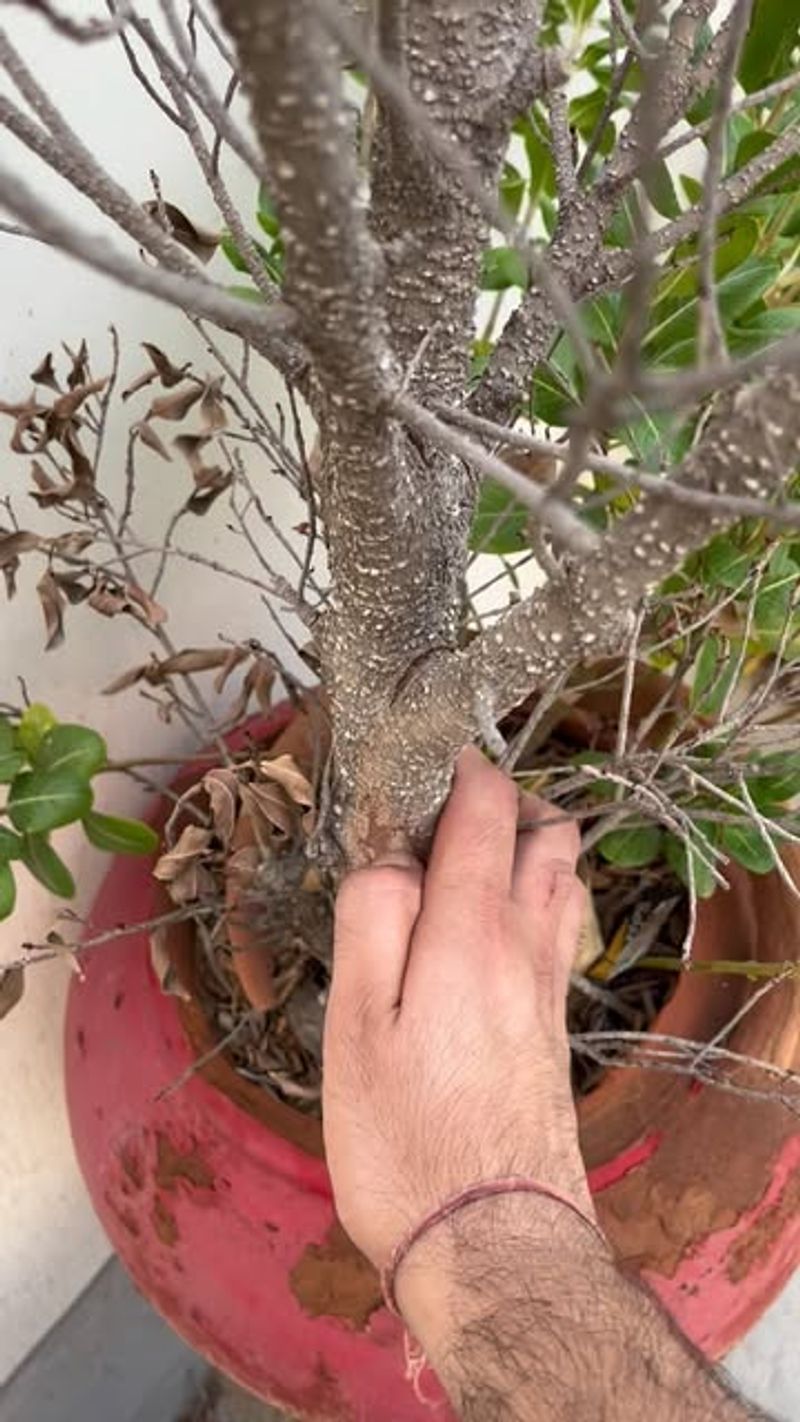
A simple scratch test reveals secrets hiding beneath damaged bark. Use your fingernail or a small knife to gently scrape away a tiny bit of outer bark on stems that look questionable.
Green tissue underneath means that section is still alive and capable of recovery. Brown or tan coloring all the way through tells you that particular stem has no life left in it.
Start testing at the tips of branches and work your way down toward the main trunk or base. You’ll often find that the ends suffered the most damage while lower portions stayed protected and viable.
This methodical approach helps you figure out exactly where to make your cuts without removing more than necessary from your Georgia plants.
The green layer you’re looking for is called cambium, and it’s the living tissue that transports water and nutrients throughout the plant. When cold temperatures freeze this layer, it turns brown and stops functioning.
However, cambium further down the stem often survives even when tips and outer branches got hit hard by freezing weather.
Mark the spots where green tissue stops and brown begins using small pieces of colored tape or ribbon. This gives you a visual map of where to prune once you’re ready to start cutting.
You might find that some branches are completely gone while others only need their tips removed. This information helps you make precise cuts that preserve every bit of living tissue possible on each plant in your landscape.
4. Cut Back Only To Strong Green Growth
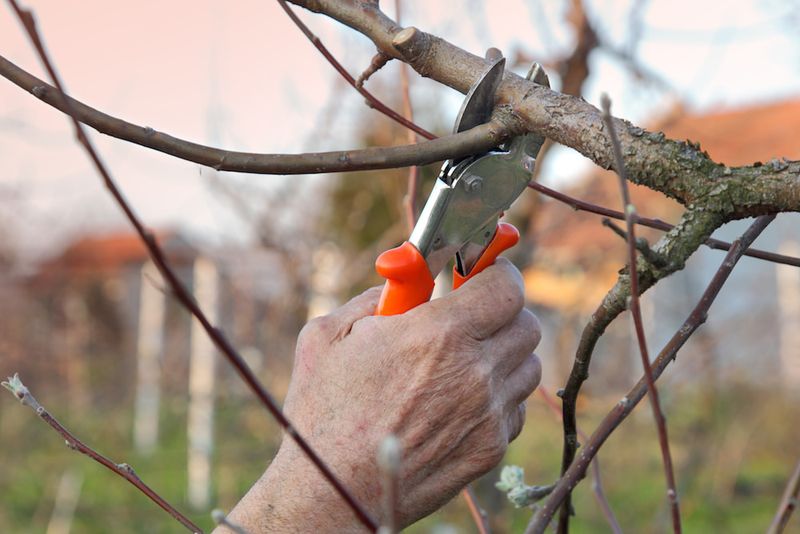
Making cuts in the right location determines how well your plants recover. Always prune just above a node or bud that shows clear signs of life with green tissue visible.
Cutting too high leaves ugly stubs that invite disease and pests. Cutting too low removes growth points the plant needs to rebuild itself after winter damage.
Angle your cuts at roughly forty-five degrees sloping away from the bud or node. This helps water run off instead of pooling on the cut surface where it could promote rot.
Use clean, sharp pruning tools that make smooth cuts rather than ragged tears that take longer to heal and create entry points for problems.
Some Georgia gardeners worry about cutting back too much, so they leave partially damaged stems hoping they’ll recover. Those half-alive sections rarely produce good growth and often become weak spots that break later in the season.
Better to make a clean cut back to fully healthy tissue even if it means removing more length than you originally planned.
Step back frequently while you work to assess the overall shape you’re creating. Cold damage rarely affects plants evenly, so you might need to cut some branches shorter than others to maintain a balanced appearance.
Focus on creating an attractive form while removing all the damaged wood. Your plants will fill in surprisingly quickly once Georgia’s warm weather arrives and growing conditions improve throughout spring and early summer.
5. Leave Slight Damage Alone Until Temperatures Stay Warm
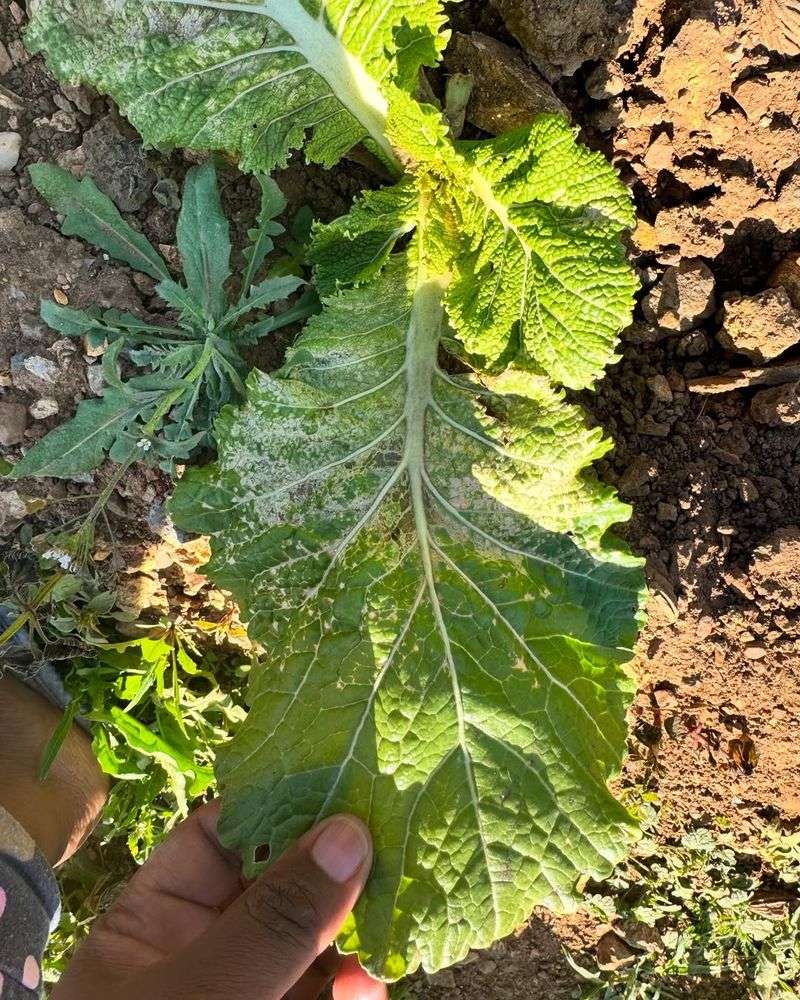
Not every brown leaf requires immediate attention or removal. Minor damage on leaf edges or slight discoloration often corrects itself as plants push out fresh growth.
Trying to clean up every imperfection keeps you constantly pruning and can stress plants more than simply letting them recover naturally. Save your energy for the seriously damaged sections that clearly won’t bounce back on their own.
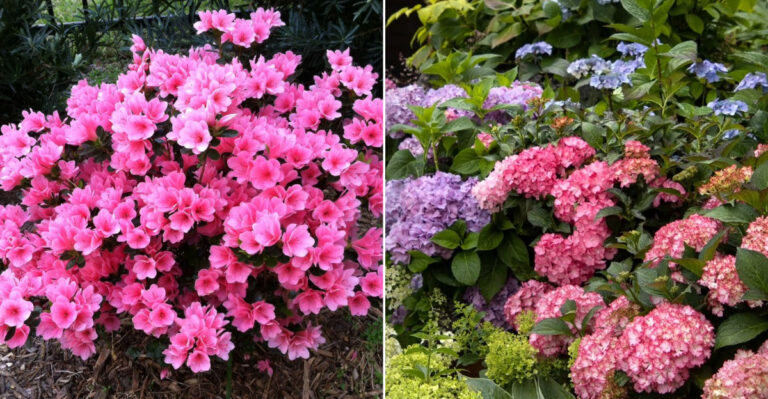
Evergreen shrubs like azaleas and camellias commonly show some leaf browning after cold snaps in Georgia. These plants typically drop the damaged foliage on their own schedule and replace it with new leaves as temperatures warm up.
Pulling off partially damaged leaves before the plant is ready to shed them can actually slow down the recovery process.
Watch how your plants respond over several weeks before making final decisions about what needs cutting.
You might be surprised to see brown leaves green up from the base or damaged stems suddenly push out healthy new growth from points you thought were finished.
Georgia’s variable spring weather means plants sometimes take longer than expected to show their true condition.
Focus your pruning efforts on branches that are clearly broken, completely brown all the way through, or showing signs of disease or pest activity. Leave the questionable stuff alone until you have clear evidence that it won’t recover.
This conservative approach prevents you from accidentally removing tissue that could have contributed to your plant’s recovery and future growth throughout the growing season.
6. Do Not Push New Growth Too Early In Spring
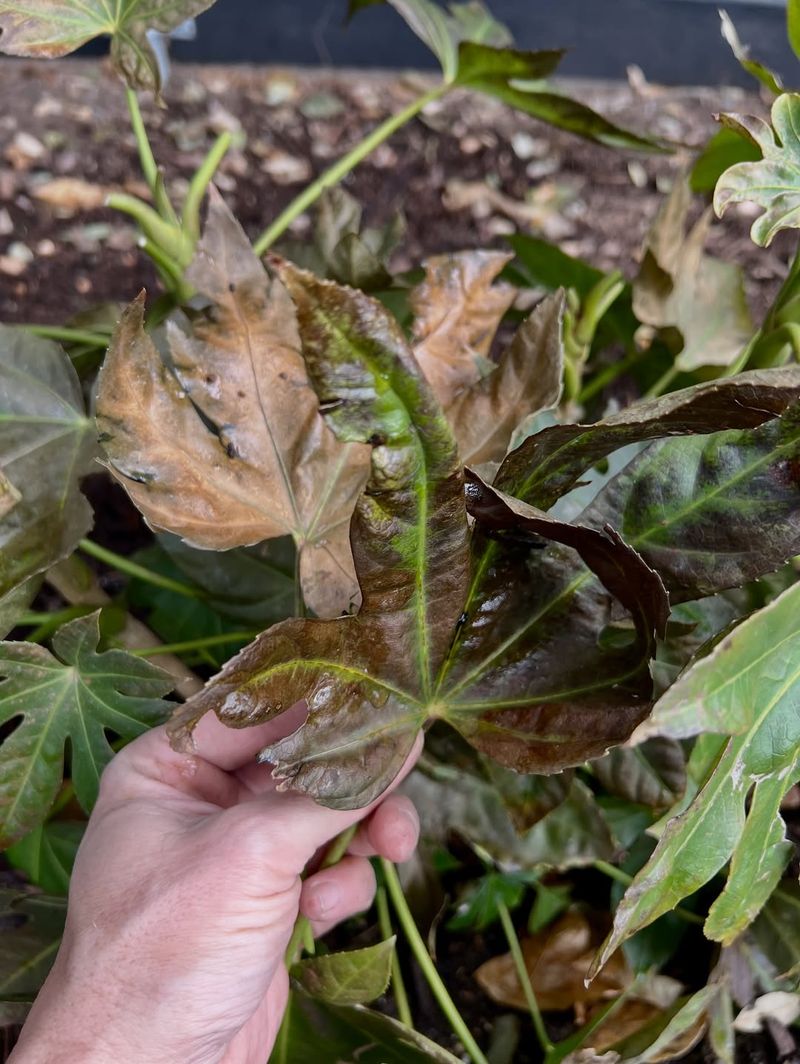
Fertilizing damaged plants too soon creates more problems than it solves. Your first instinct might be to feed plants heavily to help them recover faster, but this approach backfires.
Heavy fertilization forces tender new growth to emerge before Georgia weather has truly settled into consistent warmth. That fresh foliage becomes vulnerable to any late cold weather that might still arrive.
Cold-damaged plants need time to assess their situation and rebuild their root systems before pushing out lots of top growth. Roots often suffer damage that isn’t visible above ground, and they need to repair themselves first.
Adding fertilizer redirects the plant’s energy toward making leaves and stems instead of fixing its foundation, which sets up the whole plant for poor performance all season long.
Let your plants recover at their own pace for at least four to six weeks after the last expected frost in your Georgia area. Watch for natural new growth to appear and become well established before you think about supplementing with any fertilizers.
This patience allows plants to stabilize and strengthen themselves using their own stored energy reserves.
When you do see strong new growth emerging, start with a light application of balanced fertilizer rather than a heavy dose. Too much nitrogen especially pushes rapid, weak growth that’s prone to pest problems and disease issues.
Slow and steady recovery produces stronger, healthier plants that will serve your Georgia landscape well for years to come rather than quick but fragile growth that struggles through summer heat.
7. Start Feeding Only After Steady New Growth Appears
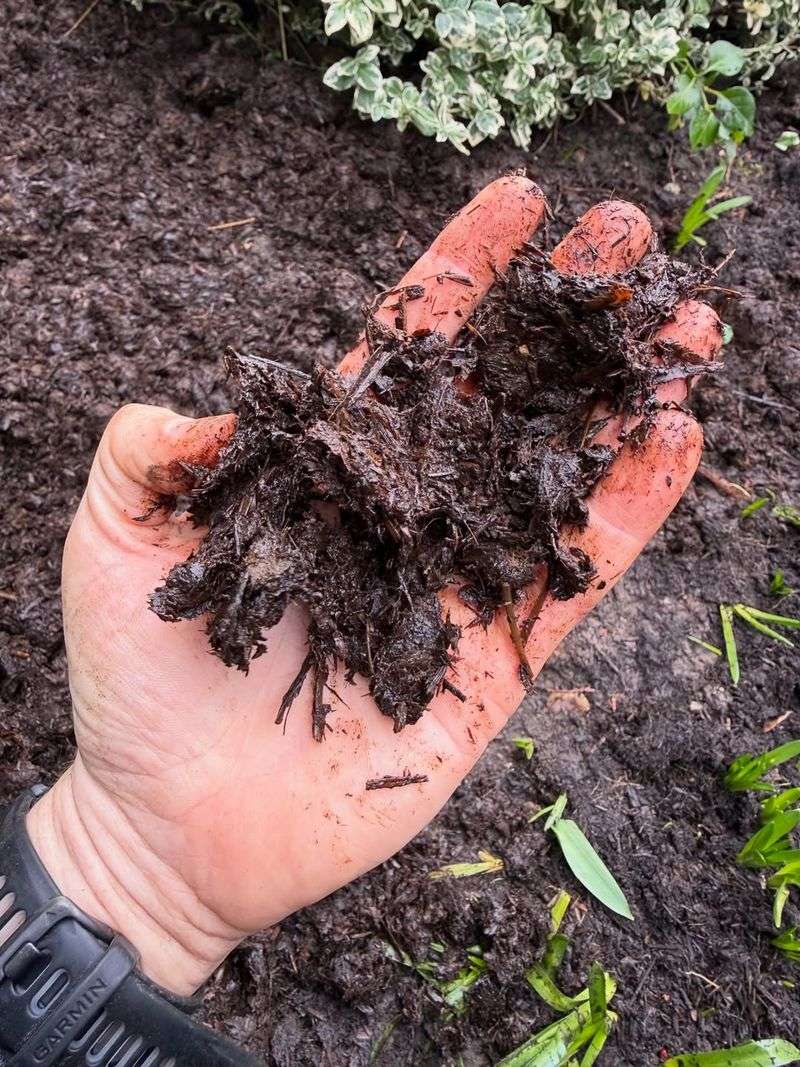
Recognizing when your plants are truly ready for fertilizer makes all the difference in recovery success. Steady new growth means you’re seeing multiple sets of leaves emerging and expanding over several weeks, not just one or two small shoots.
Plants showing this kind of consistent activity have repaired their systems enough to actually use the nutrients you provide rather than wasting them or suffering from fertilizer burn.
Choose a balanced fertilizer with equal or similar amounts of nitrogen, phosphorus, and potassium for the first feeding after cold damage.
These three major nutrients support overall plant health rather than pushing excessive leafy growth that could be weak and problematic.
Organic options like compost or well-aged manure work beautifully for Georgia gardens because they release nutrients slowly and improve soil structure at the same time.
Apply fertilizer at half the rate recommended on the package for the first application. Your plants are still in recovery mode and can’t process full-strength feeding yet.
Too much fertilizer at this stage can actually damage roots that are still healing from winter stress. You can gradually increase to normal feeding rates as plants continue showing strong, healthy growth throughout late spring and into summer.
Water thoroughly after applying any fertilizer to help it move into the root zone where plants can access it. Georgia’s clay soils can be tricky, so make sure water is actually soaking in rather than running off.
Consistent moisture combined with appropriate nutrition gives recovering plants the best possible conditions for rebuilding themselves into the beautiful specimens you want filling your landscape.