The Best Places To See Spring Flowers On A Georgia Road Trip
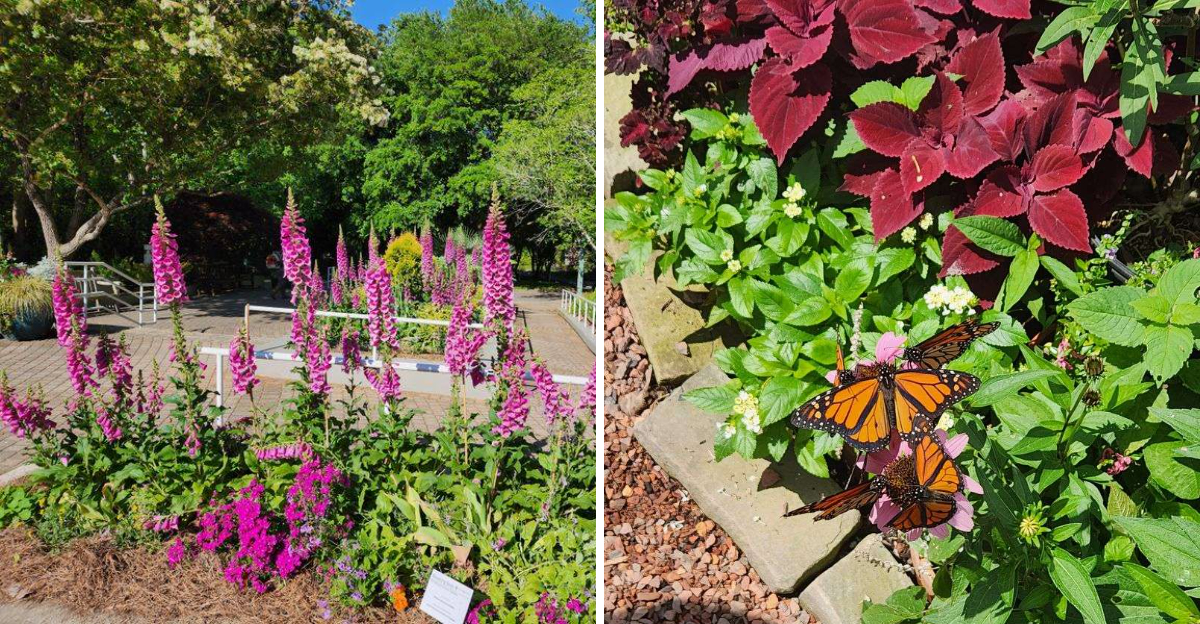
Have you ever taken a spring drive through Georgia and suddenly felt like everything bloomed at once?
One week the trees look quiet and bare, and the next the highways are lined with pink blossoms, golden daffodils, and entire hills glowing with azaleas.
Spring here does not unfold slowly. It shows up fast and turns ordinary roads into flower tunnels.
A well-timed road trip can give you more color in one weekend than months of waiting at home. Instead of guessing where to go, you can plan stops that are known for massive blooms, long trails, and gardens designed to peak at just the right moment.
If you are ready for a drive that actually feels worth your time, these are the best places to see spring flowers across Georgia.
1. Callaway Gardens Offers Waves Of Azaleas And Spring Color
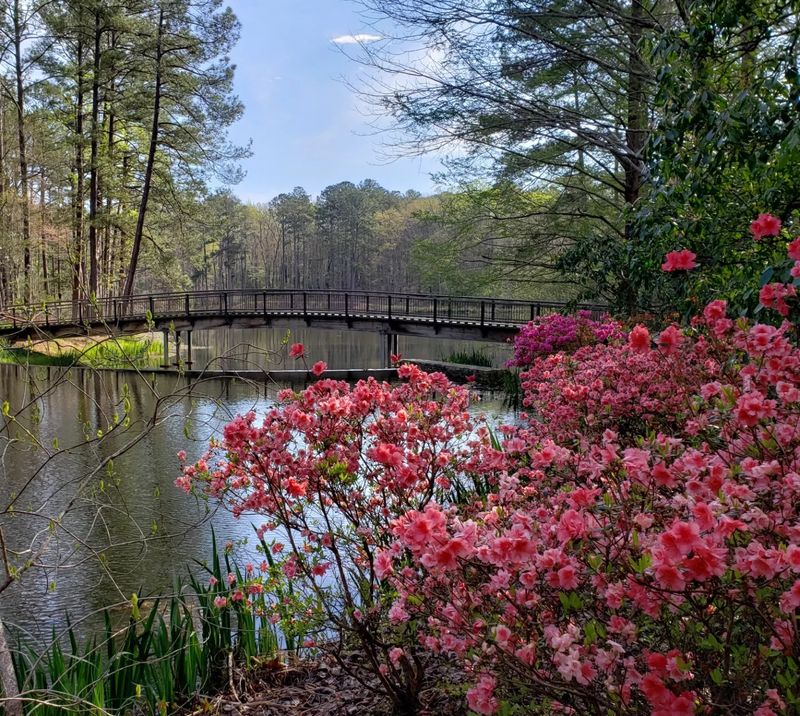
Nestled in the rolling hills of Pine Mountain, Callaway Gardens in Pine Mountain transforms into a breathtaking canvas of color each spring.
With thousands of azaleas bursting into bloom, the landscape becomes a painter’s dream of pinks, purples, reds, and whites. The gardens stretch across thousands of acres, offering visitors countless opportunities to wander through nature’s springtime masterpiece.
What makes this destination truly special is the incredible variety of blooms beyond just azaleas. Daffodils carpet meadows in golden waves, while dogwoods create delicate white canopies overhead.
Tulips add bold splashes of color to formal garden beds, and crabapple trees shower petals like confetti along walking paths.
The gardens feature distinct areas, each offering unique perspectives on spring beauty. The Azalea Trail winds through naturalistic plantings that look like they’ve grown wild for centuries.
Meanwhile, manicured garden spaces showcase carefully designed color combinations that demonstrate expert horticultural planning.
Families appreciate the accessible pathways and numerous spots perfect for picnicking among the flowers. Photography enthusiasts find endless subjects, from grand landscape vistas to intimate close-ups of individual blooms.
The gardens also host special events during peak bloom times, including guided walks led by knowledgeable horticulturists.
Planning your visit for late March through April ensures you’ll catch the most spectacular displays. The gardens maintain a bloom calendar on their website, helping visitors time their trips perfectly.
Beyond the flowers, the property includes lakes, woodlands, and even a butterfly conservatory, making it a full-day destination that celebrates nature’s renewal in every corner.
2. Atlanta Botanical Garden Brings Art To Life With Living Sculptures
Right in the heart of Atlanta’s bustling Midtown neighborhood, the 30-acre Atlanta Botanical Garden along Piedmont Avenue in Atlanta explodes with springtime color.
This urban garden proves that spectacular floral displays don’t require rural settings.
Cherry blossoms create clouds of pink and white against the city skyline, while magnolias unfurl their enormous fragrant blooms in shades from pure white to deep magenta.
The Fuqua Conservatory stands as a crown jewel, housing one of America’s largest orchid collections. During spring, thousands of these exotic beauties bloom simultaneously, creating a tropical paradise that contrasts beautifully with the temperate gardens outside.
Your Georgia Garden Changes Every Week. Your Plan Should Too.
Gardening in Georgia changes quickly throughout the season. Every Friday you’ll receive a simple weekly plan showing exactly what to plant, prune, fertilize, harvest, and protect so you never miss the right timing.
The high-altitude house showcases plants from mountainous regions, many flowering in brilliant colors.
Daffodils naturalize throughout the grounds, popping up in unexpected places and bringing cheerful yellow hues to shaded woodland areas.
The Japanese Garden becomes particularly enchanting during cherry blossom season, with traditional stone lanterns and bridges framing the delicate pink flowers.
Visitors often describe feeling transported to another country entirely.
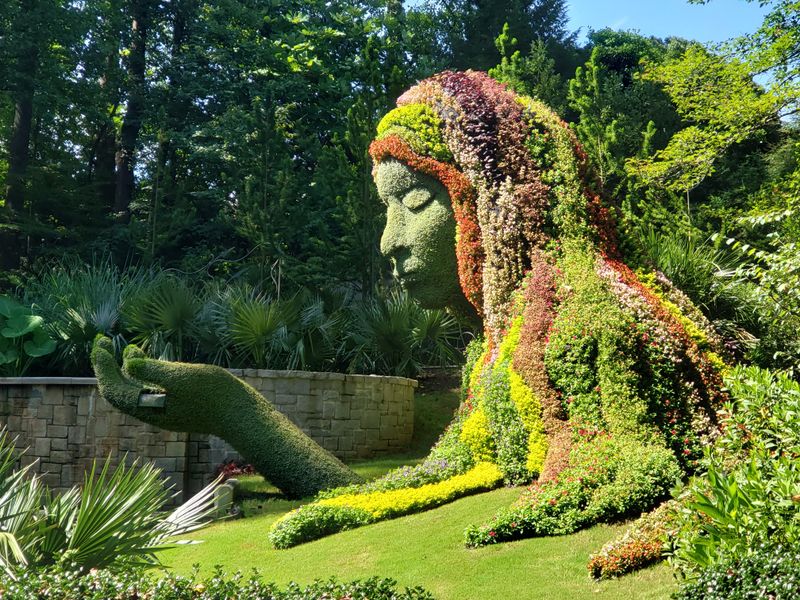
What sets this garden apart is how it blends horticultural excellence with artistic installations. Large-scale sculptures dot the landscape, creating interesting focal points among the flower beds.
The Canopy Walk, a suspended bridge through the treetops, offers bird’s-eye views of blooming trees below.
Spring weekends can get crowded, so arriving early morning provides the most peaceful experience. Members enjoy extended hours, allowing evening strolls when golden hour light makes the flowers glow.
The garden regularly updates social media with bloom reports, helping visitors plan their trips around peak flowering times for their favorite plants.
3. State Botanical Garden Of Georgia Lets You Explore 313 Acres Of Native Flora
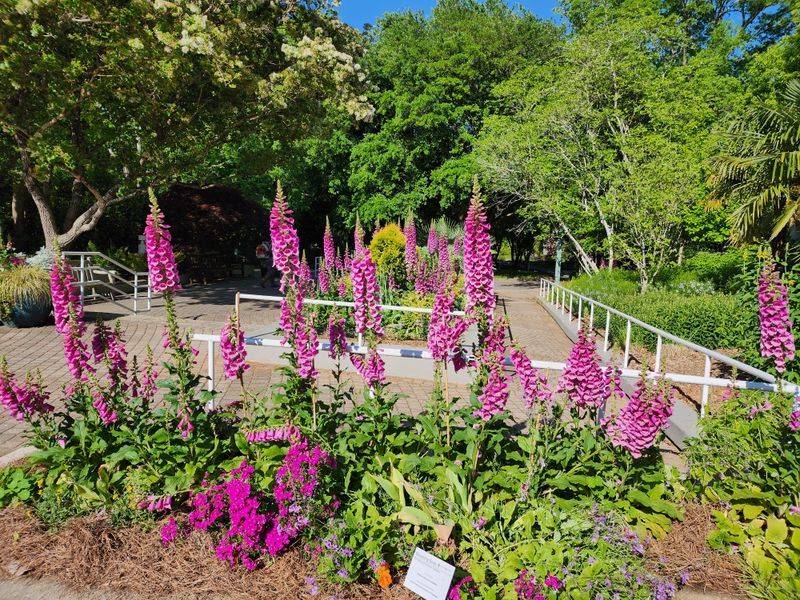
Connected to the University of Georgia, the State Botanical Garden of Georgia sits on 2450 S Milledge Ave in Athens and is a 313-acre living laboratory celebrating native plants and sustainable gardening practices.
Spring visitors discover how Georgia’s indigenous flora creates stunning displays without requiring the pampering that exotic species demand.
Trilliums carpet the forest floor, their three-petaled flowers ranging from white to deep burgundy.
The International Garden showcases how different cultures approach spring gardening. A Chinese garden features peonies and flowering plums, while a Mediterranean section displays early-blooming bulbs adapted to similar climates.
These comparative displays teach valuable lessons about plant selection and garden design.
Woodland trails wind through natural areas where native azaleas bloom in softer, more subtle colors than their showier Asian cousins. Bloodroot pushes up through leaf litter, its pure white petals surrounding golden centers.
Mayapples create umbrella-like canopies, hiding delicate white flowers underneath their broad leaves.
Educational programs run throughout spring, teaching propagation techniques, native plant identification, and sustainable landscaping methods.
Garden staff members passion for conservation shows through every interaction, inspiring visitors to incorporate more native plants into their home landscapes.
Children particularly enjoy the discovery garden, where they can touch, smell, and closely examine different plants.
The garden emphasizes accessibility, with paved paths suitable for wheelchairs and strollers alongside more rugged natural trails for adventurous hikers. Benches positioned at scenic overlooks invite contemplation and rest.
Free admission makes this destination budget-friendly for families planning multiple stops on their flower-viewing road trip. The visitor center offers maps highlighting which areas currently show peak blooms, maximizing your springtime experience.
4. Gibbs Gardens Reveals Millions Of Daffodils Across Rolling Hills
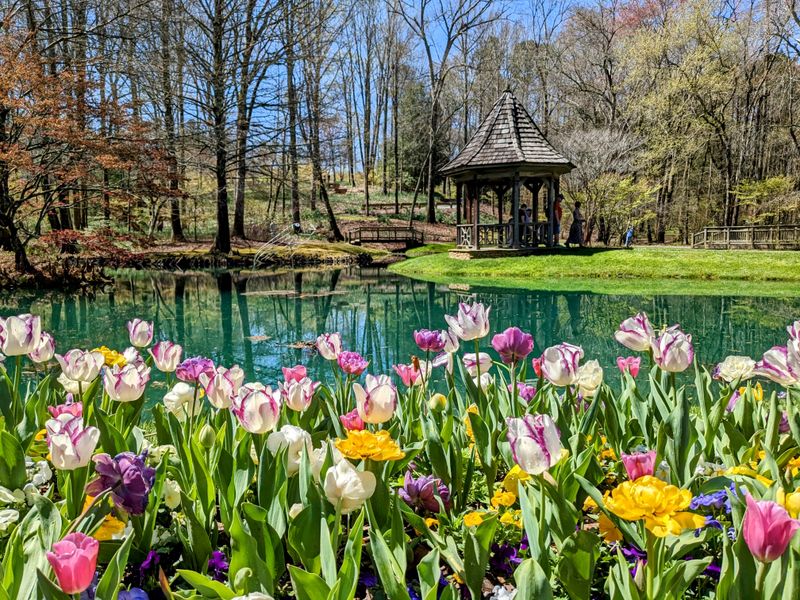
Prepare to have your breath taken away by more than 20 million daffodils blooming across rolling hillsides at Gibbs Gardens, Ball Ground.
This privately-owned estate opens to the public seasonally, and spring represents its most spectacular showing.
The Daffodil ColorFest kicks off the season, with waves of yellow, white, and orange flowers creating patterns visible from elevated viewpoints throughout the property.
Jim Gibbs spent decades developing these gardens, and his vision included ensuring continuous bloom from early spring through late autumn. After daffodils fade, tulips take center stage with carefully coordinated color schemes.
Then Japanese maples leaf out in bronze and burgundy tones while dogwoods bloom white against the emerging green landscape.
The property includes 16 distinct garden areas, each with its own character and plant palette. The Manor House Gardens feature formal plantings with geometric beds and classical statuary.
Meanwhile, the Waterlily Gardens showcase aquatic plants beginning their growing season, with early-blooming marsh marigolds adding golden accents to pond edges.
Cherry trees bloom throughout the property, their timing coordinated so different varieties extend the flowering season for weeks.
Visitors walking the same path multiple times during spring see completely different displays as one type finishes and another begins. This thoughtful planning ensures every visit offers something new.
Photography rules permit tripods and serious equipment, acknowledging that many visitors come specifically to capture the spectacular blooms. The gardens maintain active social media accounts with current bloom updates and photo contests.
Comfortable walking shoes are essential, as the terrain includes hills and the property spans over 220 acres of cultivated gardens plus additional natural areas worth exploring.
5. Smith-Gilbert Gardens Combines Whimsical Art With Intimate Blooms
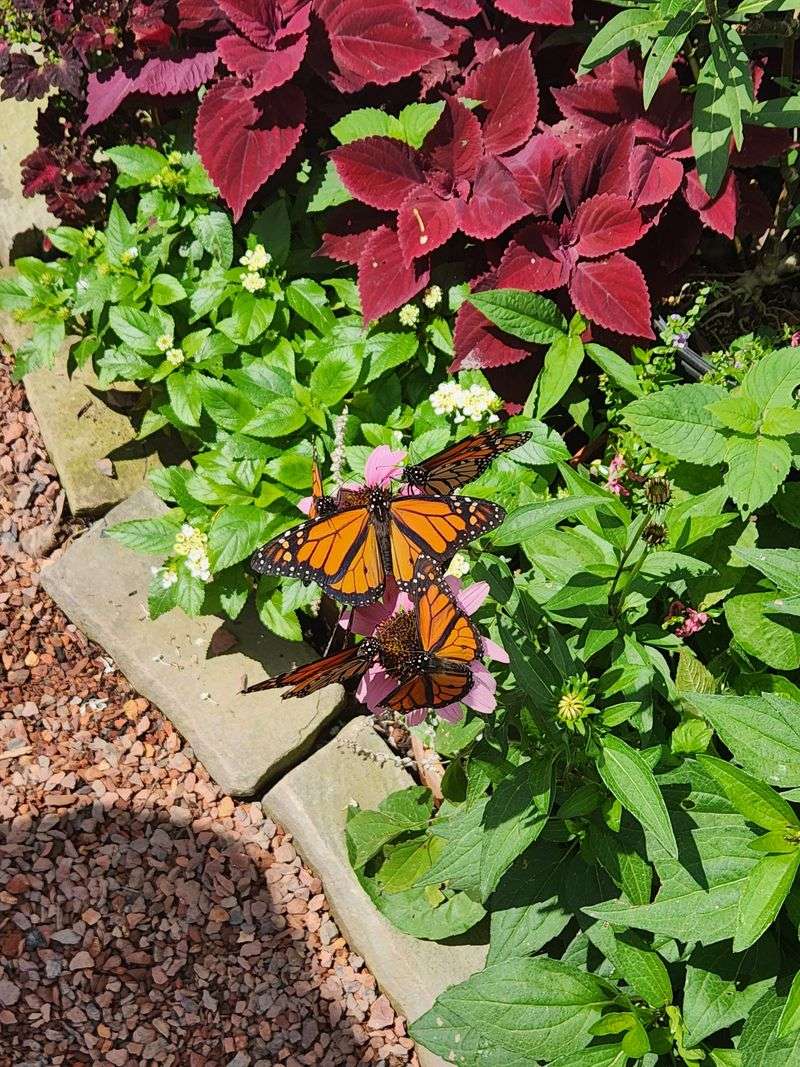
Sometimes the most memorable garden experiences come in smaller packages. This 16-acre property at 2382 Pine Mountain Rd, Kennesaw combines serious horticulture with whimsical art, creating an atmosphere that feels both sophisticated and playful.
Spring bulbs emerge around quirky sculptures, making every turn of the path reveal unexpected delights.
The gardens began as a private collection and retain that personal, intimate feeling even after transitioning to public status.
Owners Richard and Carolyn Smith-Gilbert collected both plants and art throughout their travels, and their eclectic taste shows everywhere.
Bronze frogs peek from behind hostas, while abstract sculptures provide modern contrast to traditional flower borders.
Bonsai enthusiasts find particular treasure here, as the collection includes specimens shaped over decades. Spring brings fresh growth and flowering to these miniature trees, demonstrating that even tiny plants can create major impact.
The bonsai pavilion offers shaded seating where visitors can study these living artworks up close.
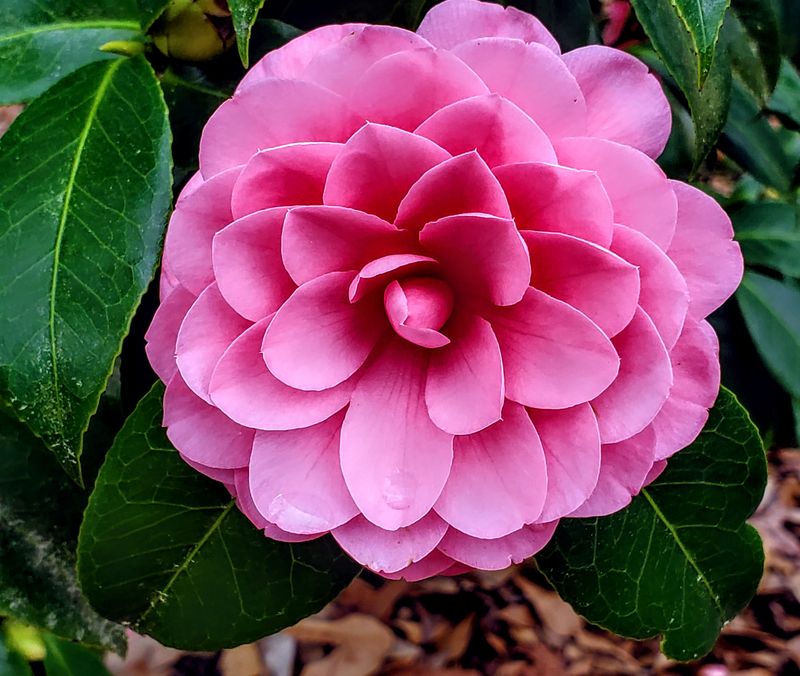
Camellia blooms bridge late winter and early spring, their waxy petals defying cold snaps that would damage more delicate flowers. The property includes over 100 varieties, from simple single-petaled forms to elaborate doubles resembling roses.
Hellebores bloom alongside them, their nodding flowers in shades of white, pink, purple, and even near-black.
Educational programs run regularly, covering topics from basic gardening to advanced propagation techniques. The intimate size allows instructors to provide personalized attention, and participants often leave with plant cuttings or seeds.
Volunteers maintain the gardens with obvious pride, and they’re usually happy to answer questions or share their favorite spots. Admission fees remain reasonable, and the gardens offer memberships for those who want to visit throughout the year.
6. Massee Lane Gardens Features Spectacular Camellias In Spring
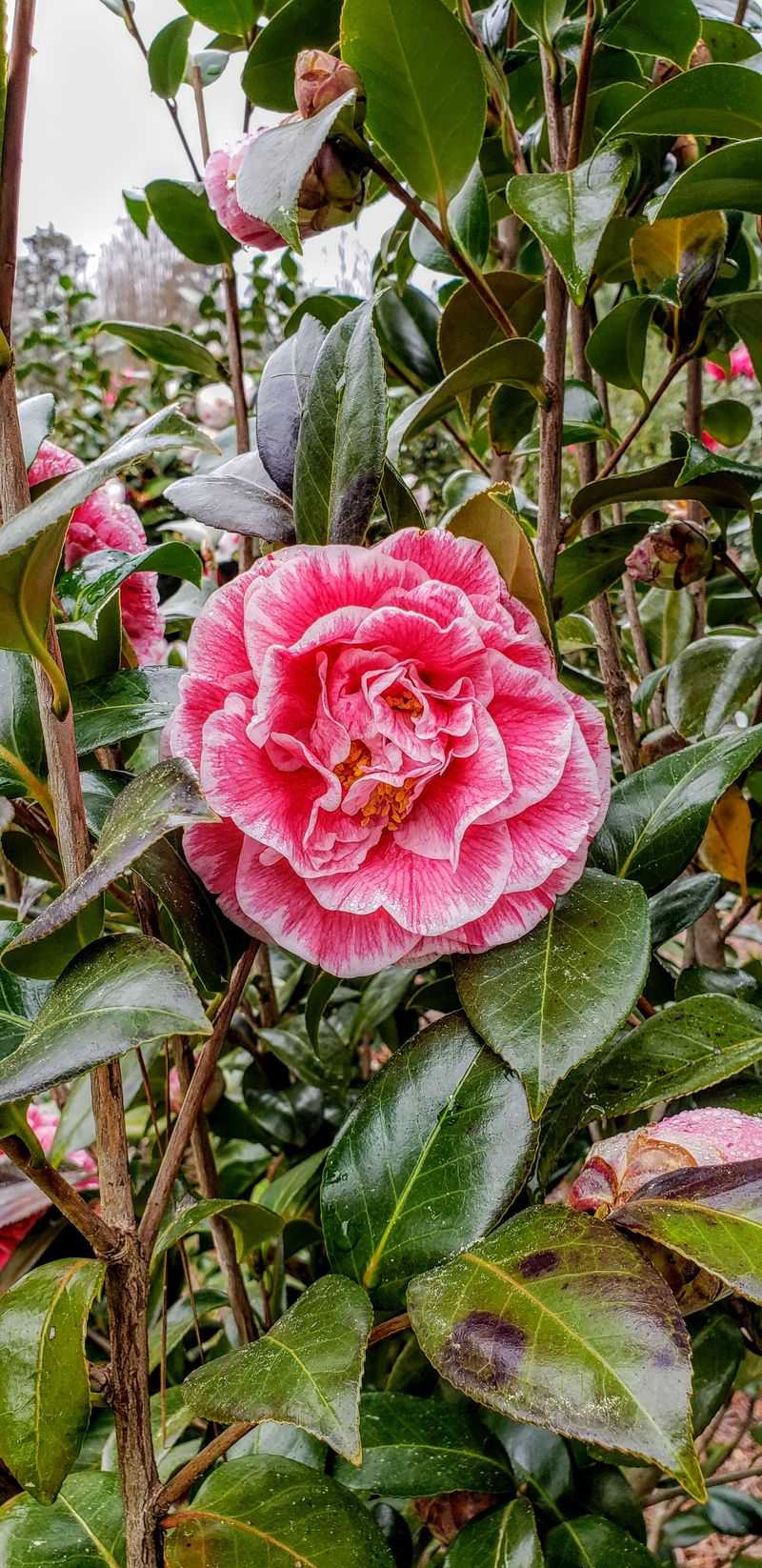
Camellias reign supreme at Massee Lane Gardens, located at 100 Massee Ln, Fort Valley, GA, home to the American Camellia Society headquarters.
While most people associate camellias with winter blooming, many varieties flower well into spring, their glossy green leaves providing perfect backdrop for blooms ranging from pure white to deepest red.
Some flowers measure six inches across, resembling exotic tropical blooms rather than cold-hardy shrubs.
The collection includes rare varieties you won’t find at typical garden centers. Plant breeders have developed camellias with yellow blooms, fragrant flowers, and even variegated petals striped with multiple colors.
Walking through the gardens becomes an education in just how diverse this plant genus can be.
Beyond camellias, the property showcases other spring-blooming woody plants. Azaleas add their bright colors to the mix, while flowering cherries and crabapples bloom overhead.
The combination creates layers of flowers at different heights, making the gardens feel full and lush even early in the season.
The historic Annabelle Lundy Fetterman Educational Museum houses an extensive collection of porcelain flowers, offering interesting comparison between artistic interpretations and living blooms outside.
Visitors often move between museum and gardens, appreciating both versions of floral beauty.
The museum also contains historical information about camellia cultivation and the society’s role in promoting these plants.
Spring represents ideal timing for visiting, as temperatures remain comfortable for extended walking and most camellias still show blooms.
The gardens maintain a relaxed, unhurried atmosphere that encourages lingering on benches and really observing individual flowers.
Knowledgeable volunteers staff the visitor center, offering insights about camellia care and answering questions about specific varieties. The gift shop sells plants, allowing visitors to take home starts of their favorite camellias.
7. Coastal Georgia Botanical Gardens Shows Coastal Landscapes and Native Habitats
Spanish moss drapes from ancient live oaks, framing spring blooms at Coastal Georgia Botanical Gardens, 2 Canebrake Rd, Savannah.
This 51-acre garden demonstrates how coastal conditions influence what blooms and when. Azaleas thrive in the humid air, while camellias benefit from mild winters that rarely bring hard freezes.
The Children’s Garden becomes particularly magical in spring when everything seems to wake up simultaneously. Kids discover flowers emerging from bulbs they might have helped plant during fall programs.
Interactive exhibits teach plant life cycles, and the whimsical design encourages exploration and discovery.
Native plant areas showcase Georgia’s coastal flora, including species adapted to sandy soils and salt spray. These tough plants prove that beautiful gardens don’t require constant watering or fertilizing.
Spring brings blooms to native azaleas, Carolina jessamine vines, and numerous wildflowers that attract butterflies and hummingbirds.
The Rose Garden begins its long season in spring, with early varieties opening fragrant blooms. While peak rose season comes later, these first flowers generate excitement and anticipation.
Gardeners appreciate seeing which varieties bloom earliest, informing their own planting decisions for home landscapes.
Camellia collections show off spring-blooming varieties, their flowers particularly impressive in the soft coastal light. The garden’s proximity to Savannah makes it easy to combine a flower-viewing visit with exploring the historic city.
Many visitors spend mornings in the gardens when light is best for photography, then head downtown for lunch and sightseeing.
Educational programs focus on coastal gardening challenges and solutions, teaching techniques applicable to home gardens throughout the region. The garden store stocks plants proven to perform well in local conditions.
Free admission on certain days makes this accessible to everyone, though donations help support ongoing maintenance and educational programming.