This Is Why You’re Seeing More Hawks In Your Michigan Yard
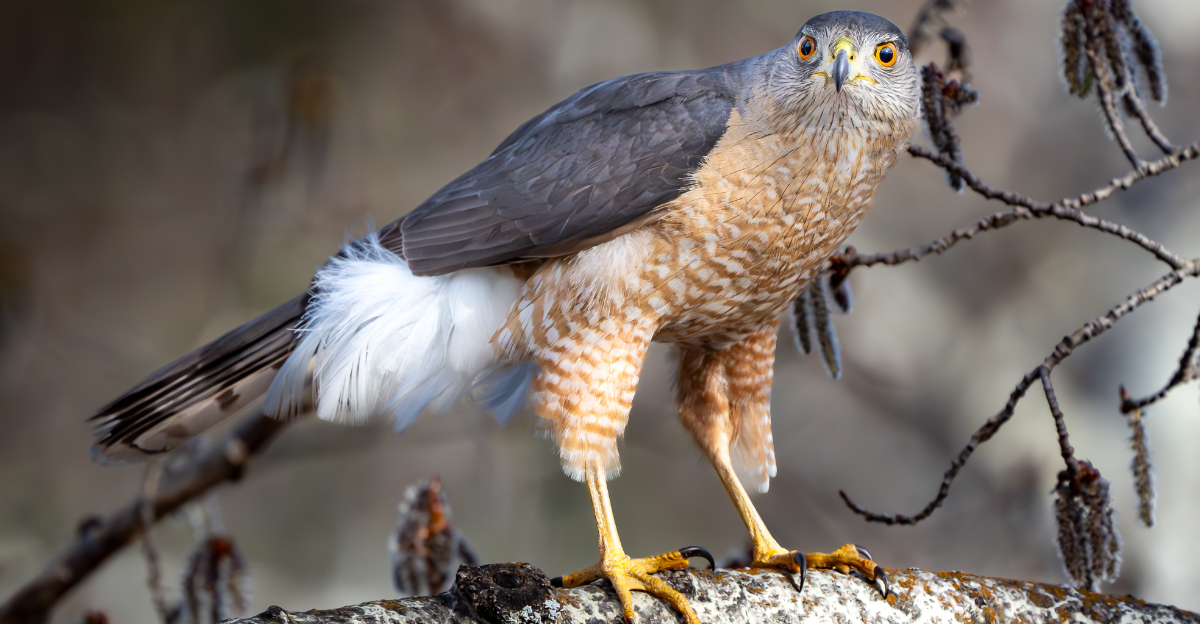
Have you been spotting large hawks circling above your yard or resting quietly in nearby trees? Many Michigan residents are noticing the same thing, and these powerful birds often capture attention the moment they appear.
Their sharp eyes, wide wings, and silent glide make them one of the most impressive visitors a backyard can receive. But why are hawks showing up more often, and what draws them to certain areas?
Changes in habitat, food availability, and seasonal movement all play a role in these sightings. Instead of being random, their presence often signals a healthy, balanced environment.
Learning what attracts hawks and how they use your landscape can turn surprise encounters into something even more meaningful. With a little understanding, you can appreciate these remarkable raptors and see your backyard from a whole new perspective.
Seasonal Migration Brings Hawks Closer
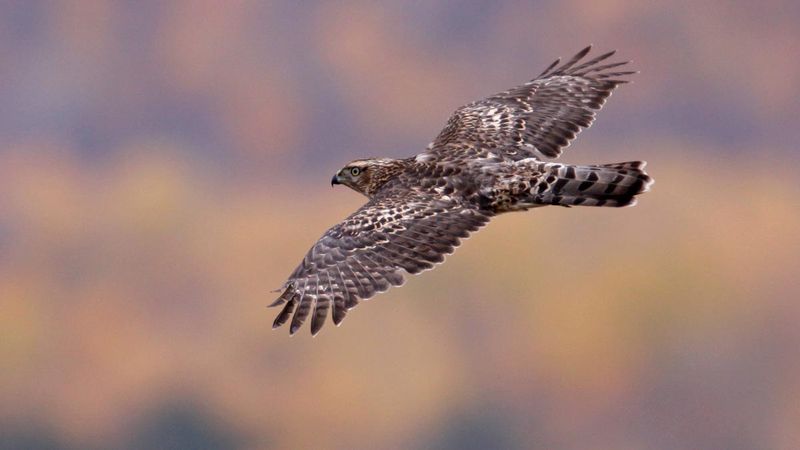
Spring and fall transform Michigan into a major highway for traveling raptors. Red-tailed hawks, broad-winged hawks, and sharp-shinned hawks pass through the state by the thousands.
Your yard becomes a convenient rest stop along their journey. These magnificent birds need places to hunt and recharge during long flights. Open yards with good visibility offer perfect hunting grounds for tired travelers.
They scan lawns for mice, voles, and other small creatures moving through grass. Migration timing varies by species and weather patterns each year. Some hawks move through quickly while others linger for days or weeks.
Cold fronts and wind patterns concentrate migrating birds along certain routes, making sightings more likely.
Your property might sit along a natural migration corridor without you realizing it. Lakes, rivers, and forest edges guide hawks on their seasonal journeys.
Watching for migrating raptors in March through May and September through November increases your chances of spotting these travelers.
Peak migration days can bring dozens of hawks through a single area. Weather watchers and bird enthusiasts track these movements throughout Michigan.
Your backyard observations contribute to understanding these amazing natural phenomena that happen twice yearly across the Great Lakes region.
Abundant Small Mammals
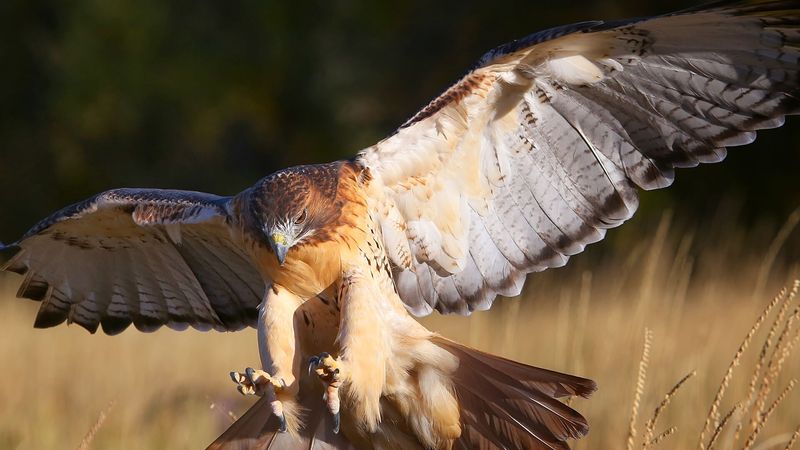
Rodent populations have exploded in many Michigan neighborhoods recently. Mice, voles, shrews, and chipmunks thrive in suburban landscapes with plenty of food and shelter.
Hawks notice these abundant prey animals immediately. A single hawk can consume several small mammals daily. Healthy rodent numbers mean reliable meals for hunting raptors.
Your yard’s ecosystem supports more prey than you might realize, especially under bird feeders and near gardens.
Voles create extensive tunnel systems beneath lawns and mulch beds. These active little creatures move around during daylight hours, making them visible to sharp-eyed hawks overhead.
Ground squirrels and chipmunks also provide substantial meals for larger raptor species. Hawks patrol areas where prey is plentiful and easy to catch. Open lawns allow raptors to spot movement from high perches or while soaring.
Tall trees surrounding your property give hawks perfect observation posts for hunting. Natural predator-prey cycles influence hawk presence throughout the year. When rodent numbers peak, more hawks arrive to take advantage.
Your Michigan Garden Changes Every Week. Your Plan Should Too.
Gardening in Michigan changes quickly throughout the season. Every Friday you’ll receive a simple weekly plan showing exactly what to plant, prune, fertilize, harvest, and protect so you never miss the right timing.
This natural balance keeps small mammal populations in check while providing essential food for raptors. Your yard becomes part of this fascinating ecological relationship that benefits both predators and the overall environment.
Urban And Suburban Adaptation
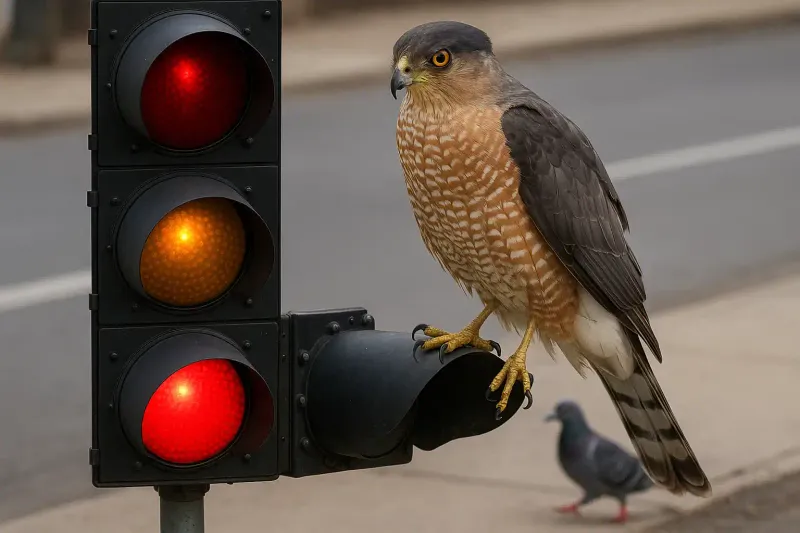
Hawks have become surprisingly comfortable living near people in recent decades. Suburban neighborhoods offer everything these adaptable birds need to thrive.
Trees for nesting, open spaces for hunting, and abundant prey make residential areas attractive.
Cooper’s hawks and red-tailed hawks lead the way in urban adaptation. These species now nest regularly in city parks and residential neighborhoods. They’ve learned that humans generally ignore them, allowing them to hunt undisturbed.
Your backyard likely resembles natural hawk habitat more than you think. Scattered trees mimic forest edges where many raptors traditionally hunt. Lawns provide the open visibility hawks need to spot prey moving below.
Reduced human fear of hawks has helped these birds expand into new areas. People now appreciate having natural pest control in their yards. Hawks help manage rodent and rabbit populations without chemicals or traps.
Younger hawks especially explore suburban areas while learning to hunt. These inexperienced birds find easier prey in yards than in wild forests.
Bird feeders, compost piles, and gardens all attract small animals that hawks target. Residential areas have become prime real estate for many raptor species across Michigan, changing where we expect to see these magnificent hunters on a regular basis.
Breeding Season Increases Activity
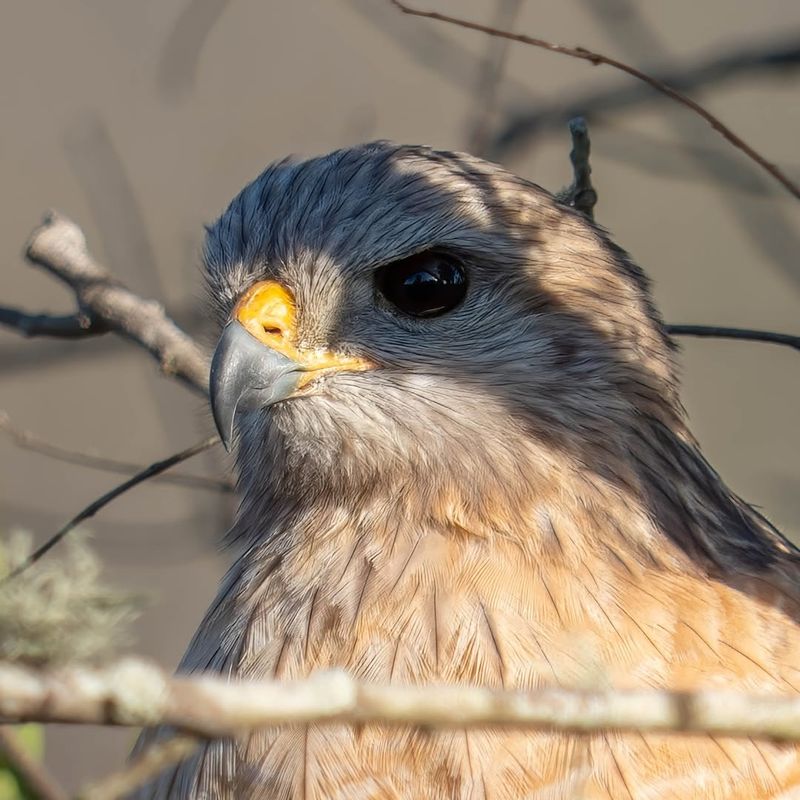
Springtime brings dramatic changes in hawk behavior across Michigan. Mating pairs establish territories and defend them vigorously against intruders.
You’ll notice increased calling, aerial displays, and frequent flights through your neighborhood.
Parent hawks hunt constantly to feed growing chicks in the nest. A single nest of young raptors requires substantial food daily.
Adult birds make multiple hunting trips, becoming highly visible throughout their territory. Territorial disputes create spectacular aerial shows during breeding season. Hawks chase rivals away with loud calls and aggressive flight patterns.
Your yard might sit within a breeding pair’s territory, explaining increased sightings from March through July.
Nest building and maintenance also increase hawk visibility in spring. Birds carry sticks and materials to nest sites in tall trees. They perch prominently while surveying their domain, making them easy to spot.
Young hawks remain dependent on parents for weeks after leaving the nest. Family groups hunt together throughout summer, multiplying the number of birds you see.
Juvenile hawks practice hunting skills in your yard, often landing on fences, sheds, or low branches. This extended family period means more hawks visiting your property during breeding season than any other time of year across Michigan’s diverse habitats.
Removal Of Larger Predators
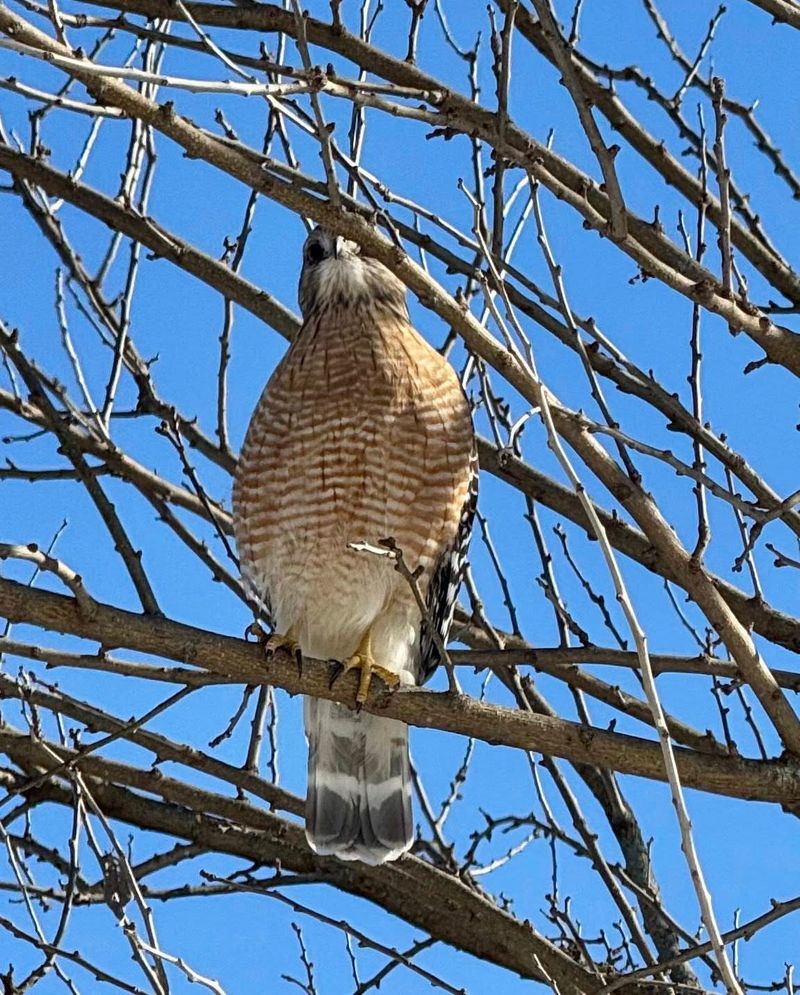
Coyote and fox numbers have shifted in many Michigan communities. Some suburban areas see fewer of these medium predators than in past decades.
This change affects the entire local food web in surprising ways. When larger carnivores decline, smaller predators often expand their range. Hawks face less competition for prey and territory.
They move into areas previously dominated by ground-dwelling hunters. Prey animals also change their behavior when predator populations shift. Rabbits and squirrels that once hid from foxes now move more openly.
This increased visibility makes hunting easier for hawks watching from above. Urban development has fragmented habitats that once supported diverse predator communities. Hawks adapt more easily to these changes than many ground predators.
Raptors thrive where forests meet open spaces, exactly what suburban areas provide. Conservation efforts have boosted hawk populations while some mammal predators face different challenges. The result is a rebalanced ecosystem with more visible raptors.
Your observations reflect these broader ecological shifts happening across Michigan. Understanding these predator dynamics helps explain changing wildlife patterns in your neighborhood.
Hawks fill ecological roles that benefit the entire community by controlling rodent populations and maintaining natural balance in increasingly human-dominated landscapes throughout the state.
Increased Bird Feeder Use
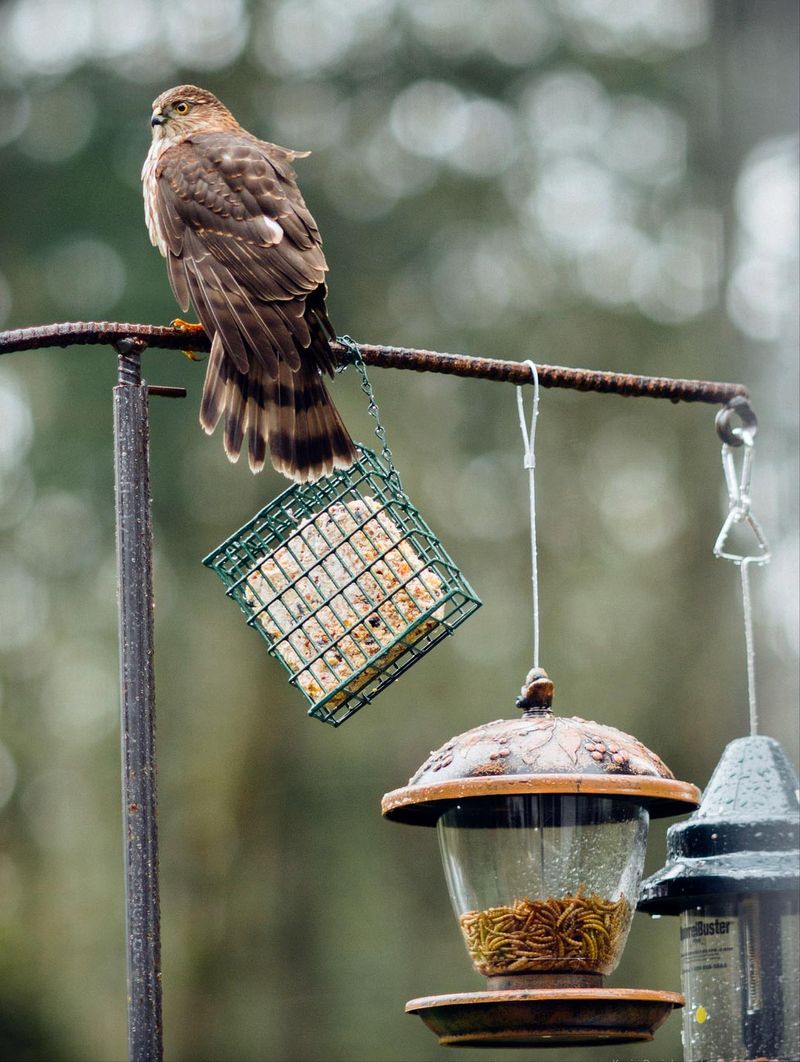
Bird feeding has become incredibly popular across Michigan in recent years. Millions of residents now maintain feeders year-round for chickadees, finches, and other songbirds.
This hospitality creates unexpected consequences that bring hawks to your yard. Feeders concentrate small birds in predictable locations throughout the day. Hawks quickly learn where songbirds gather regularly.
Cooper’s hawks and sharp-shinned hawks especially target feeder areas for easy hunting opportunities.
Spilled seed beneath feeders attracts mice, voles, and other ground-feeding animals. These rodents provide additional prey for larger hawk species. Your generous bird feeding inadvertently creates a complete hawk cafeteria.
Some people feel conflicted when hawks visit their feeding stations. Remember that raptors are also birds that deserve our appreciation. They’re simply following natural instincts by hunting where prey is abundant.
Feeder placement can influence hawk hunting success in your yard. Open areas around feeders give hawks clear flight paths. Dense shrubs nearby offer songbirds escape cover, creating more balanced conditions.
Winter feeding especially attracts hawks when natural food becomes scarce. Songbirds concentrated at feeders during cold months make tempting targets.
This natural drama unfolds in countless Michigan backyards, connecting us to predator-prey relationships that have existed for thousands of years in the wild.
Conservation Success Stories
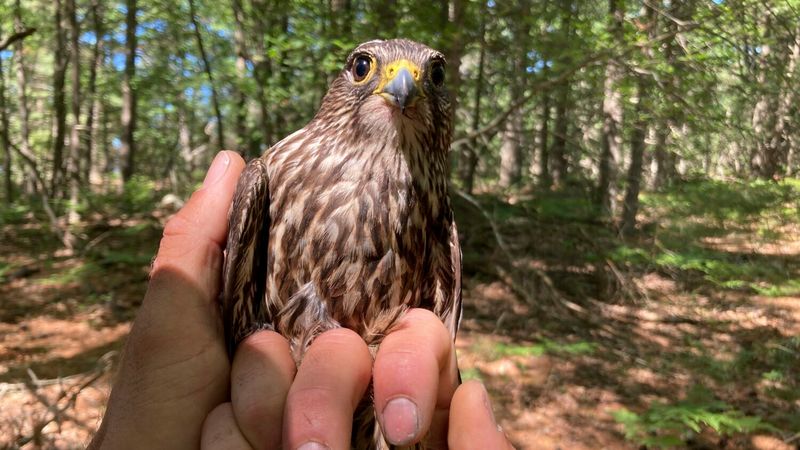
Environmental protection efforts have achieved remarkable results for Michigan’s raptors. DDT bans in the 1970s allowed hawk populations to recover from devastating declines. Today’s abundant hawks represent one of conservation’s greatest triumphs.
Protected nesting sites and habitat preservation have given hawks safe places to raise families. State and federal regulations prevent disturbance of active nests. These protections have helped raptor numbers climb steadily for decades.
Reduced pesticide use means healthier prey populations for hunting hawks. Contaminated rodents once poisoned raptors throughout the food chain. Cleaner ecosystems now support robust hawk populations across Michigan.
Public education has transformed attitudes toward predatory birds over recent generations. People now celebrate hawk sightings rather than viewing raptors as threats. This cultural shift has reduced persecution and supported conservation efforts.
Rehabilitation centers across Michigan care for injured hawks and return them to the wild. These facilities have saved countless individual birds while raising awareness. Released hawks often remain in areas near rehabilitation sites.
Monitoring programs track hawk populations and migration patterns throughout the state. Scientists document increasing numbers of many raptor species.
Your backyard sightings contribute to this conservation success story that continues growing stronger each year as more people appreciate these magnificent birds in their neighborhoods.
Open Yards And Lawn Landscapes
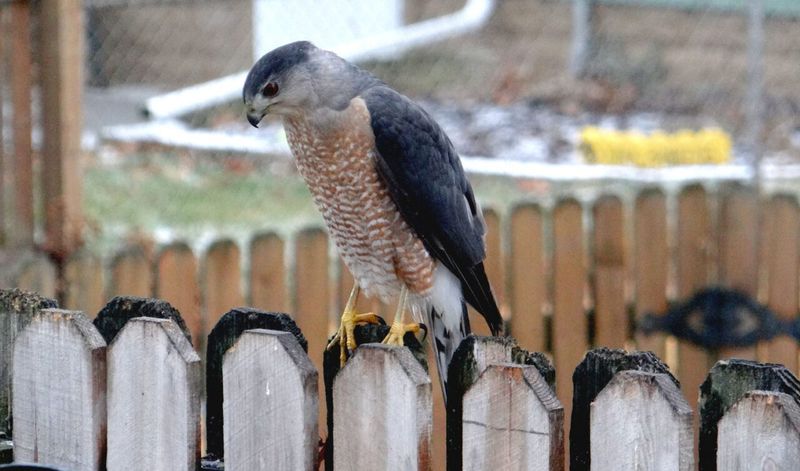
Modern landscaping trends favor open lawns over dense vegetation in many neighborhoods. These manicured landscapes create perfect hunting conditions for hawks. Short grass allows raptors to spot even small movements from high above.
Hawks hunt most successfully in areas with clear sightlines to the ground. Tall weeds and thick undergrowth hide prey animals from aerial predators. Your well-maintained lawn inadvertently provides ideal hunting terrain.
Scattered trees in open yards give hawks convenient perches for surveillance. They can watch large areas while conserving energy between hunting flights. Fence posts, utility poles, and roof peaks also serve as observation points.
Natural meadows and prairies once provided similar hunting conditions for Michigan’s hawks. Suburban lawns now replicate these open habitats across the landscape. Raptors have adapted to using residential areas just like traditional grasslands.
Ground cover choices significantly affect hawk hunting success in your yard. Minimal mulch and sparse plantings let prey remain visible. Dense gardens and thick groundcovers provide more cover for small animals.
Lawn care practices influence prey availability throughout the year. Regular mowing keeps grass short enough for hawks to hunt effectively.
Your yard maintenance decisions shape whether raptors find your property attractive for hunting activities on a daily basis throughout every season.
Young Birds Exploring New Territories
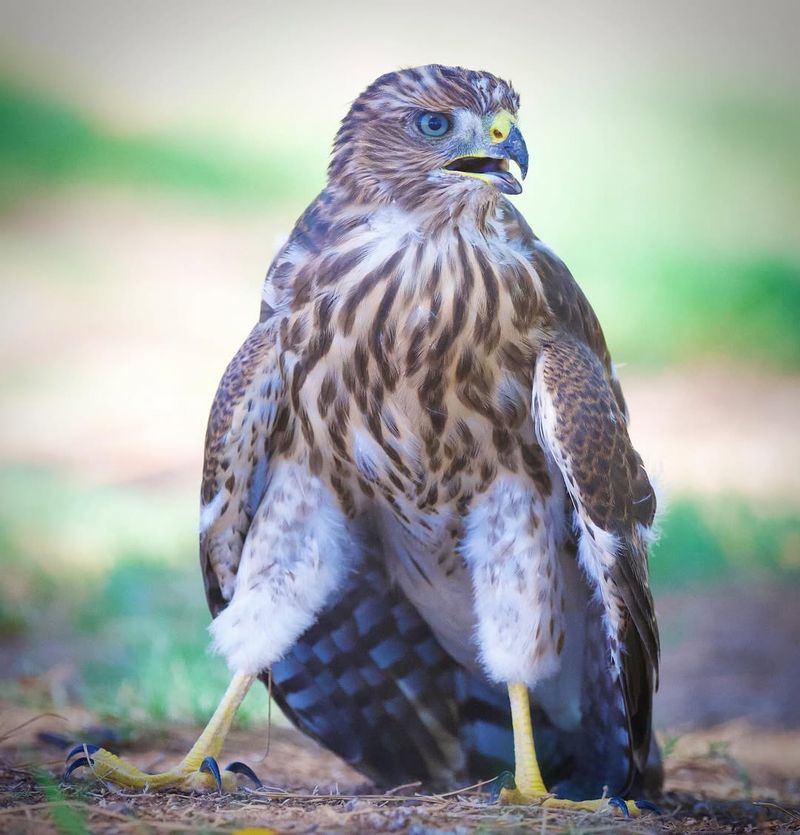
Summer and fall bring waves of young hawks into Michigan neighborhoods. Juvenile raptors leave their parents’ territories to find their own hunting grounds.
These inexperienced birds often appear in unexpected places, including residential backyards.
Young hawks lack the hunting skills of experienced adults initially. They spend more time perched and visible while learning.
Their awkward hunting attempts and loud begging calls make them especially noticeable. Dispersing juveniles explore widely before settling in permanent territories. Your yard might receive visits from several different young hawks.
These temporary residents move on after days or weeks of exploration. Juvenile plumage differs from adult feathering, creating identification challenges for observers. Young red-tailed hawks show heavily streaked breasts rather than the characteristic belly band.
Learning these age-related differences helps you understand what you’re seeing. Some young hawks don’t survive their first year due to inexperience. They face challenges finding food, avoiding dangers, and competing with established adults.
Those that succeed eventually claim territories of their own. Peak dispersal happens from July through October across Michigan. This timing explains increased hawk sightings during late summer and fall.
Young birds testing new areas contribute significantly to the overall number of raptors people observe in residential settings throughout this critical learning period.
Winter Foraging Patterns
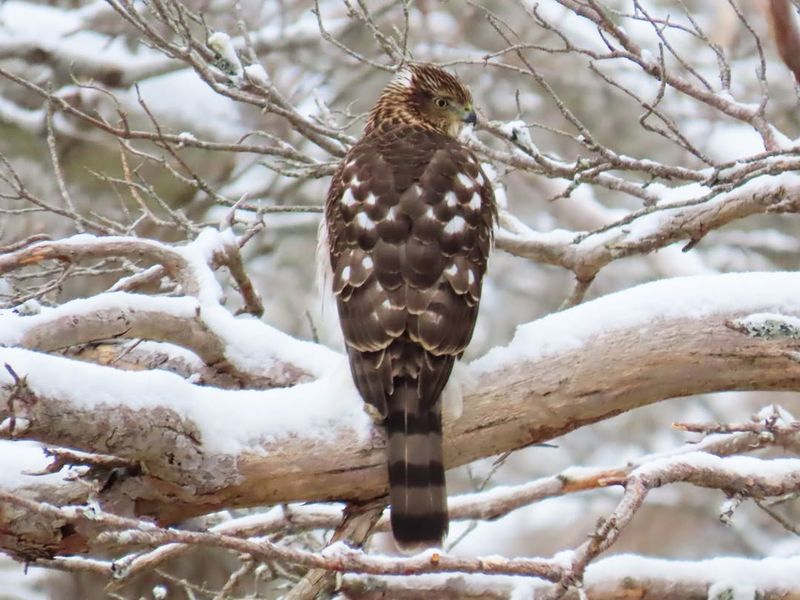
Cold Michigan winters force hawks to adjust their hunting strategies significantly. Some species remain year-round rather than migrating south.
Cooper’s hawks, red-tailed hawks, and rough-legged hawks all winter in various parts of the state.
Snow cover changes prey behavior and availability throughout winter months. Small mammals create visible trails across white landscapes. Hawks spot these movement patterns easily from perches or while soaring overhead.
Winter concentrates both predators and prey in areas with reliable food sources. Your yard might offer better hunting than surrounding frozen fields.
Bird feeders continue attracting songbirds that hawks target during lean months. Resident hawks become more visible in winter when bare trees provide less cover. You can spot perched raptors more easily without summer foliage blocking views.
Their hunting flights stand out against snowy backgrounds. Energy conservation becomes critical during cold weather for all birds. Hawks spend more time perched in sheltered spots, making them easier to observe.
They hunt during midday warmth when prey is most active. Some northern hawk species move into Michigan only during winter months. Rough-legged hawks arrive from Arctic breeding grounds seeking better food supplies.
These seasonal visitors add to resident hawk populations, increasing total numbers you might see in your yard throughout the coldest months of the year.