The Hydrangea Pruning Mistake Many Ohio Gardeners Make Every Spring
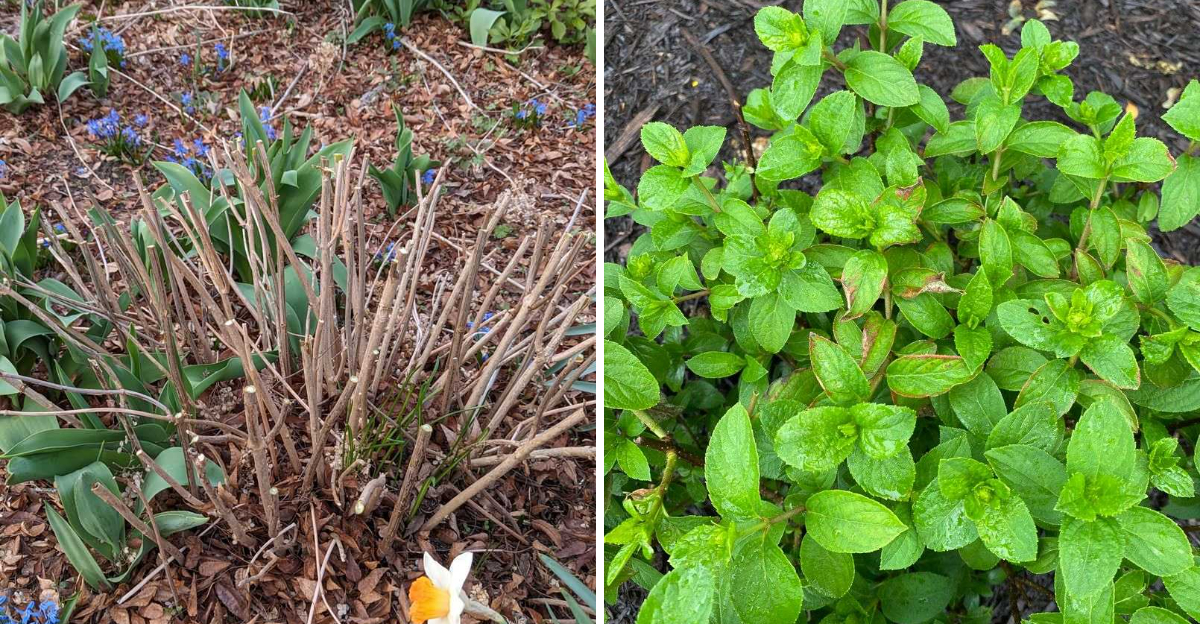
In Ohio, spring wakes the garden with urgency, color, and high hopes. Hydrangeas stand ready to steal the show, yet one widespread habit quietly ruins the display before summer even begins.
Many gardeners act with confidence, shears in hand, certain they help their shrubs thrive. The result often shocks them months later.
Lush leaves appear, plants look healthy, yet the signature blooms never arrive. Frustration grows, guesses multiply, and the real cause stays hidden in plain sight. This single misstep repeats across neighborhoods every year, passed along as good advice, trusted and rarely questioned.
Healthy plants suffer, seasons disappoint, and beauty slips away. A small shift in approach changes the entire outcome.
Timing, observation, and a few precise choices make the difference between empty green bushes and breathtaking flowers that define an Ohio summer garden.
The secret sits closer than most expect, waiting for a smarter spring ritual.
1. Do Not Cut Too Early In Spring
March sunshine can fool anyone into thinking winter is over. Those first warm days make gardeners eager to clean up their yards, and hydrangea stems often become the first target.
However, cutting these shrubs before the real threat of frost has passed creates problems that last all season long.
Ohio’s climate zone means freezing temperatures can strike well into April and sometimes even early May. Early pruning removes stems that protect dormant buds from late freezes.
Late cold snaps can damage exposed buds, especially if protective stems were removed too soon.
The bigger issue involves removing stems that already carry this year’s flower buds. Most popular hydrangea varieties, including the beloved mopheads and lacecaps, set their blooms on the previous year’s growth.
Those brown stems from last summer hold the promise of June and July flowers.
Wait until you see green leaf buds beginning to swell before touching your pruning tools. In northern Ohio, this usually happens in late April.
Southern parts of the state might see activity a week or two earlier. Let the plant tell you when it is ready rather than following a calendar date.
2. One Cut Can Cost Blooms
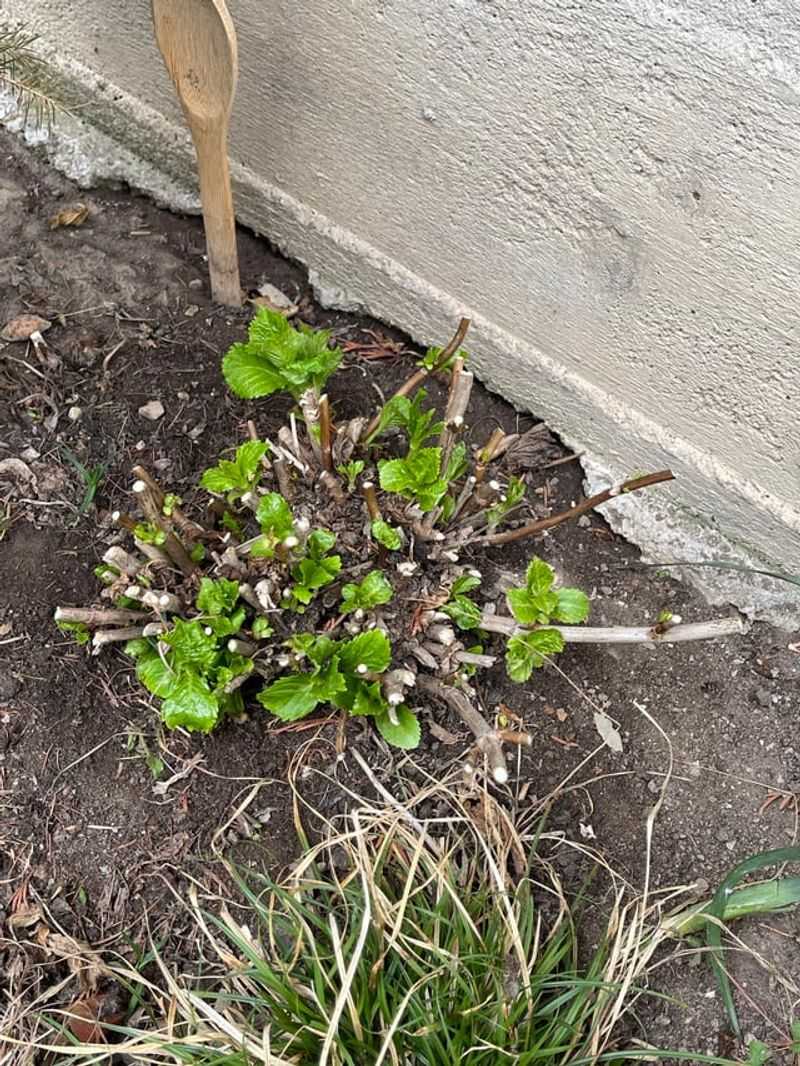
A single pruning mistake does not just remove one flower. Each stem often carries one or more flower buds near the tips.
When you cut away what looks like withered wood, you might actually be removing a dozen potential blooms from that one branch alone.
Think about the entire shrub and multiply that loss across every stem you trim. A plant with thirty stems could lose hundreds of flowers from one overeager spring pruning session.
The visual impact becomes obvious by mid-June when neighboring hydrangeas burst into color while your pruned plant shows only leaves.
These plants invest tremendous energy into forming flower buds during the previous growing season. By late summer, those buds are already developed and simply waiting for spring warmth to open.
Cutting them away means the plant must start over, and most varieties cannot produce new flower buds quickly enough to bloom the same year.
Your Ohio Garden Changes Every Week. Your Plan Should Too.
Gardening in Ohio changes quickly throughout the season. Every Friday you’ll receive a simple weekly plan showing exactly what to plant, prune, fertilize, harvest, and protect so you never miss the right timing.
Some newer reblooming types can recover and produce flowers on new growth, but even these perform better when you preserve the old wood. The first flush of blooms always comes from buds that overwintered on existing stems, giving you earlier and more abundant color.
3. Know Your Hydrangea First
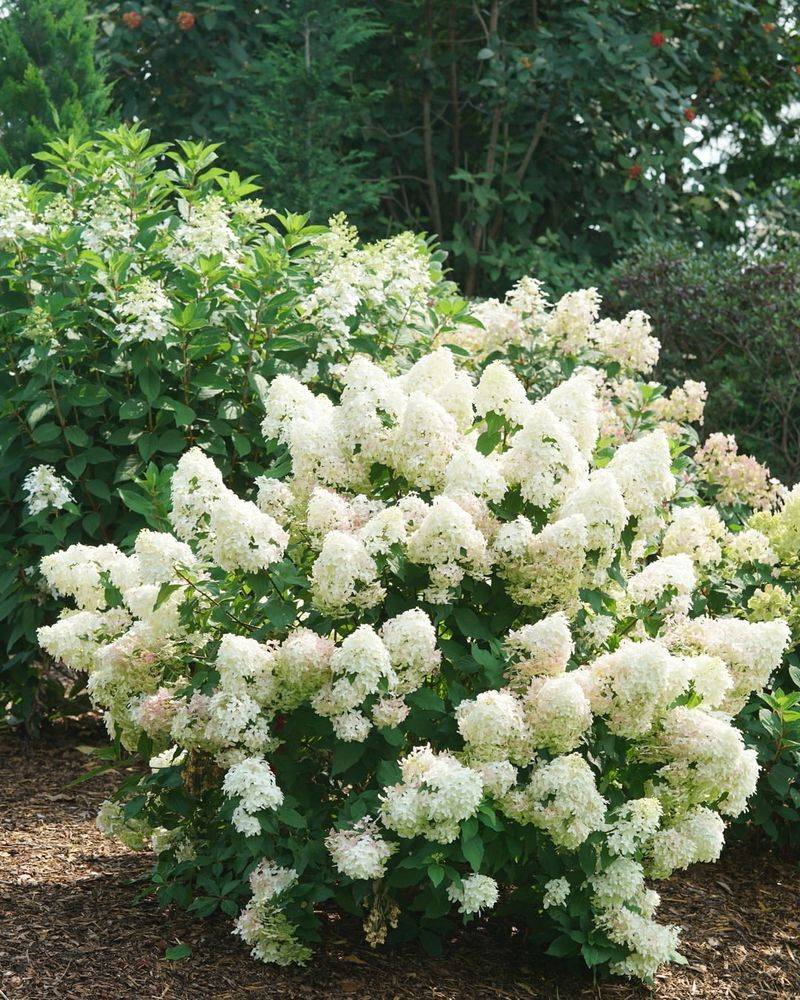
Not all hydrangeas follow the same rules. Walking up to your shrub with pruning shears requires knowing exactly which type grows in your yard.
The pruning timing that works perfectly for one variety will completely ruin the bloom cycle of another.
Bigleaf hydrangeas, the ones with big round mophead flowers or flat lacecap blooms, need the most careful treatment. These bloom on old wood and should barely be pruned at all in spring.
Oakleaf hydrangeas follow similar rules and also flower on the previous year’s stems.
Panicle hydrangeas with their cone-shaped white flowers can handle spring pruning because they bloom on new wood grown the same season. Smooth hydrangeas, which produce white snowball flowers, also bloom on current-season growth and tolerate early cutting.
These two types give Ohio gardeners much more pruning flexibility.
Check your plant’s flower shape and leaf style to identify the variety. Bigleaf types have smooth-edged leaves and round or flat flower clusters.
Panicle varieties show cone-shaped blooms and pointed leaves. Oakleaf hydrangeas have distinctively lobed leaves resembling oak trees.
Smooth hydrangeas produce rounded white flowers and have oval leaves with serrated edges.
4. Hidden Buds Already Waiting
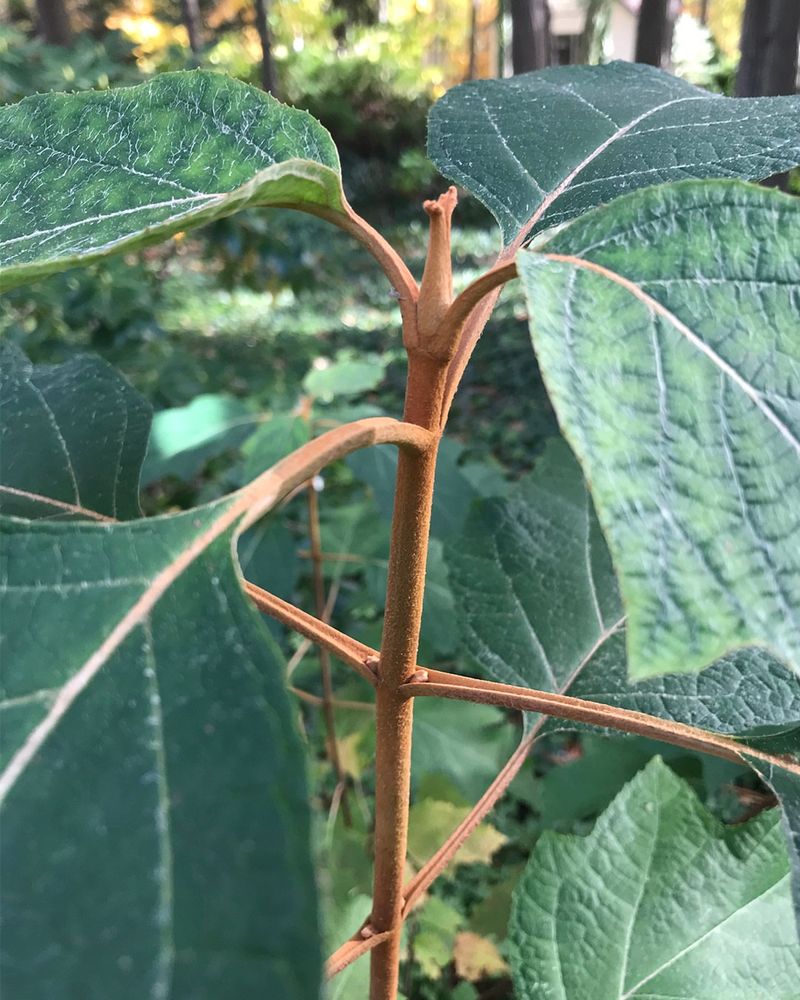
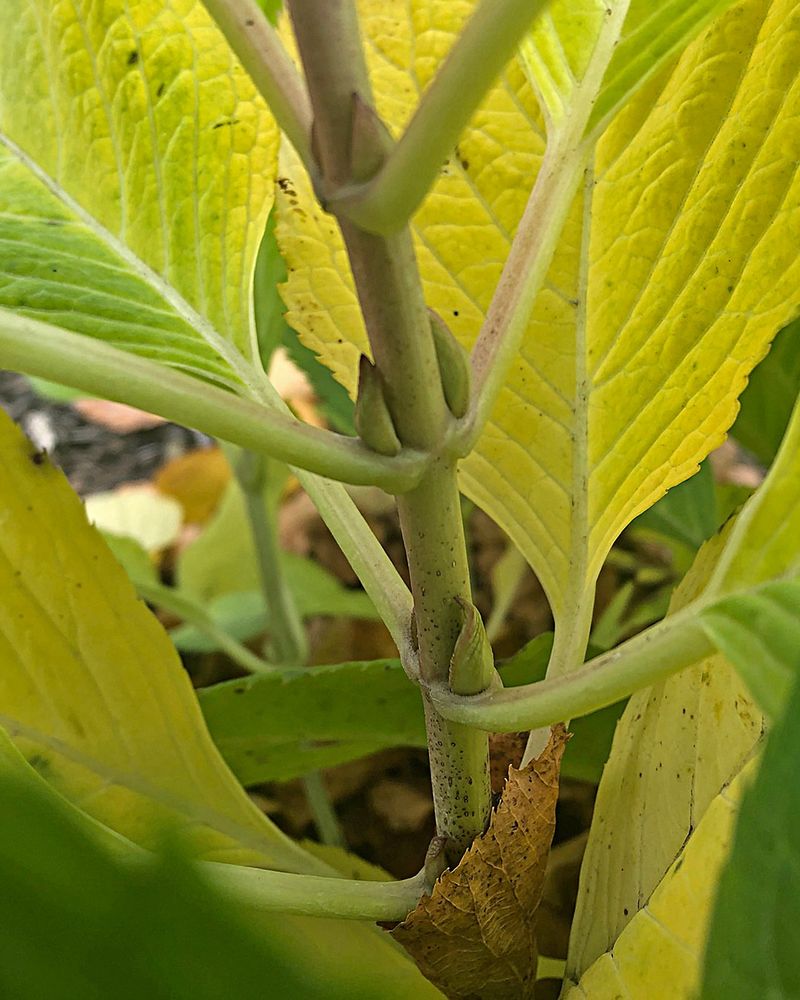
Look closely at your hydrangea stems in early spring and you will notice small bumps along the branches. These swollen areas are not random growths or damage.
Each bump represents a bud that formed last year and sat dormant through winter, waiting for warm weather to trigger its opening.
On many hydrangeas, the largest buds near the stem tips become flowers. Smaller buds lower on the branches typically develop into leaves.
Both types are essential for the plant’s success, but those terminal buds at the ends of stems are your flower factories.
Cold-climate gardeners in Ohio sometimes see these buds turn brown or black after harsh winters. This winter damage happens when temperatures drop too low for too long, or when plants lack adequate moisture going into winter.
Damaged buds will not open, but healthy green or reddish buds show promise for summer blooms.
Before making any cuts, examine your stems carefully. Scratch a tiny bit of bark with your fingernail to check if the wood underneath looks green and alive.
Green tissue means the stem survived winter and should be left alone. Brown or gray wood throughout indicates the stem passed its useful life and can be removed.
5. Early Pruning Steals Flowers
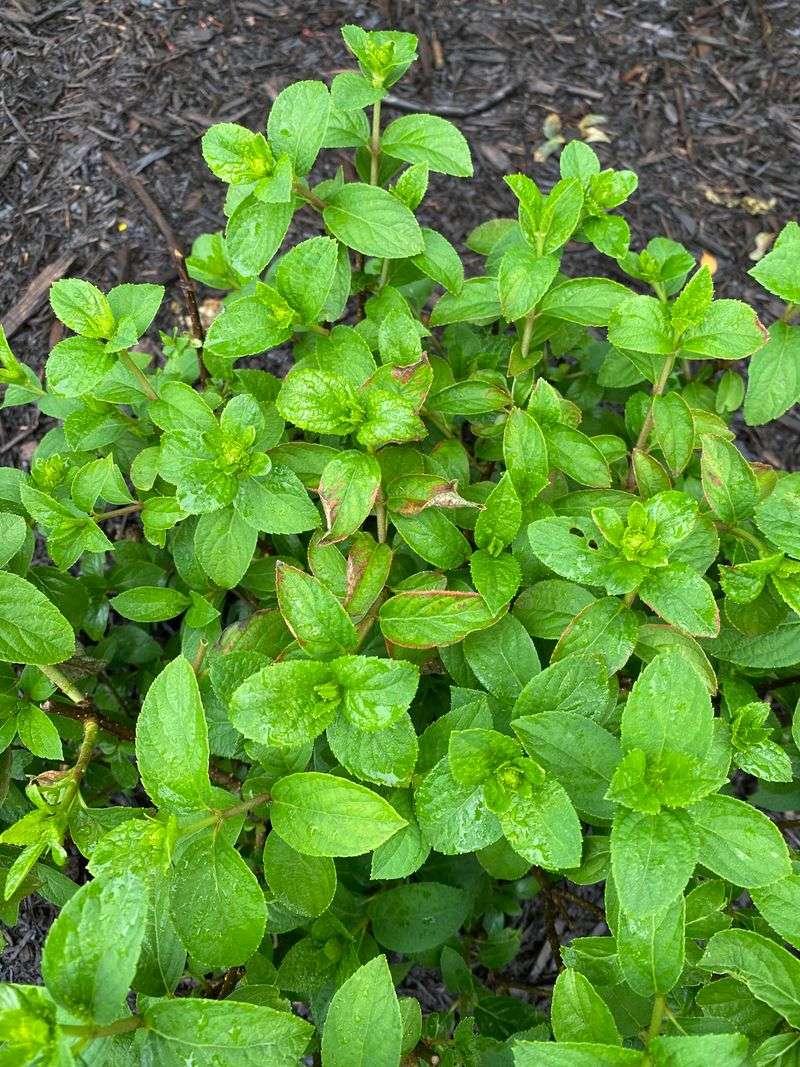
Removing stems in March or early April feels productive and makes your garden look tidy. The immediate satisfaction of a cleaned-up yard comes at a steep price when summer arrives without the flower show you expected.
Those cut stems cannot grow fast enough to produce blooms before fall.
Bigleaf hydrangeas begin forming next year’s flower buds in mid to late summer, developing them at the tips of stems that grew earlier in the season.
These buds mature through fall, go dormant in winter, and finally open the following June or July.
When you prune in early spring, you force the plant to start completely over. New stems must grow from the base, develop leaves, build energy reserves, and only then begin thinking about flower production.
Most varieties cannot complete this entire cycle in one season, leaving you with a leafy green shrub instead of a flowering showpiece.
The timing problem becomes even worse in Ohio’s climate because the growing season is relatively short. Plants have limited time between the last spring frost and the first fall frost to accomplish everything.
Asking a hydrangea to grow new stems and produce flowers in the same season is simply too much.
6. Timing Makes Or Breaks Blooms
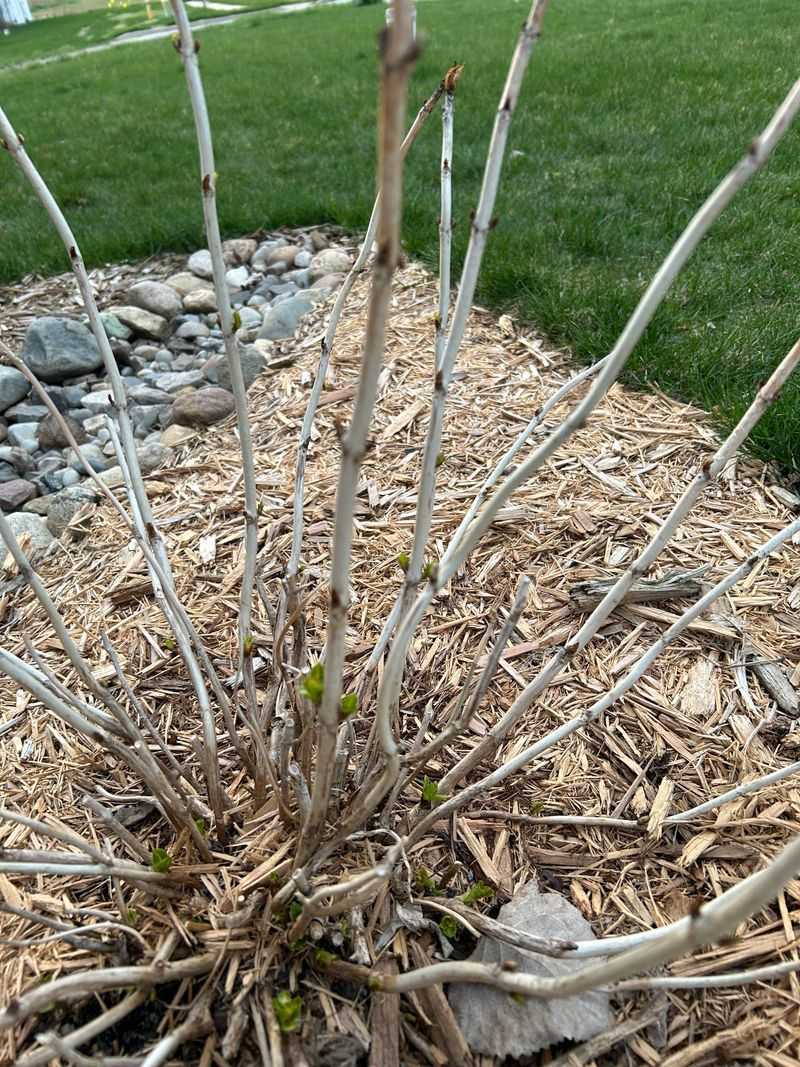
Success with hydrangeas comes down to patience and observation. Instead of rushing out with pruning tools the first nice day of spring, wait until your plants show clear signs of new growth.
This approach protects flower buds while still allowing you to clean up any truly damaged wood.
Watch for leaf buds to swell and begin opening, usually happening in late April or May across most of Ohio. Once you can clearly see which buds are alive and growing, you can safely remove any stems that show no signs of life.
Withered wood becomes obvious when everything else starts greening up around it.
The safest pruning window for bigleaf and oakleaf hydrangeas is actually right after they finish blooming in mid to late summer. At this point, you can shape the plant and remove spent flowers without risking next year’s bloom cycle.
The plant still has time to set new buds on the stems you leave behind.
For panicle and smooth hydrangeas that bloom on new wood, early spring pruning works fine because these varieties create flowers on stems grown the same year. Cut them back in March or April and they will still produce plenty of blooms by summer on fresh new growth.
7. This Is How To Rescue An Overcut Plant
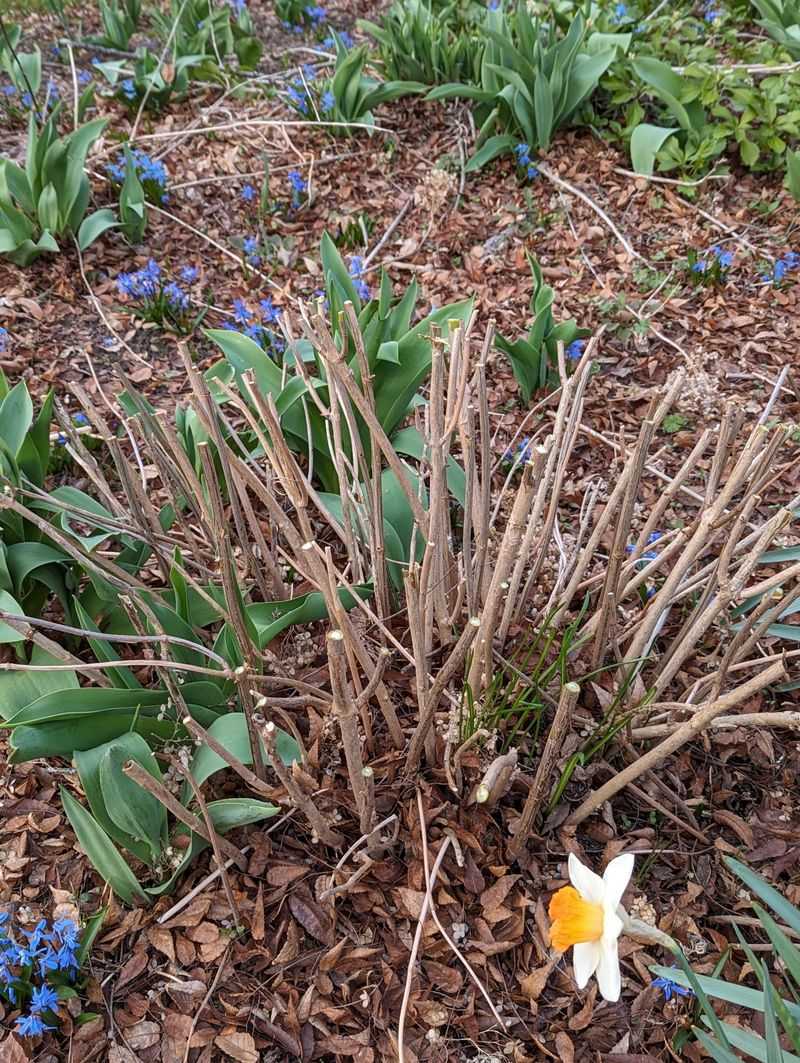
Realizing you pruned too aggressively can feel devastating, but the situation is not hopeless. Hydrangeas are remarkably resilient plants that can recover from pruning mistakes with proper care and patience.
Your plant will survive even if it skips blooming for one season.
Focus on helping the shrub grow strong new stems that will carry next year’s flowers. If soil is poor, apply a light balanced fertilizer.
Water consistently throughout summer, providing about an inch of moisture per week if rainfall does not deliver enough. Mulch around the base to keep roots cool and retain soil moisture.
Resist the urge to fertilize heavily or use high-nitrogen products that push excessive leaf growth. Too much nitrogen creates lush foliage at the expense of flower bud formation.
A balanced formula with equal parts nitrogen, phosphorus, and potassium supports overall plant health without throwing growth out of balance.
Allow all the new stems to grow without any additional pruning. These stems need to mature through the entire growing season and into fall when flower buds naturally form.
Protect the plant going into winter by watering well before the ground freezes. Consider adding extra mulch or burlap wind protection in exposed locations where harsh Ohio winters might damage those precious developing buds.
8. Strong Blooms Start With Smart Cuts
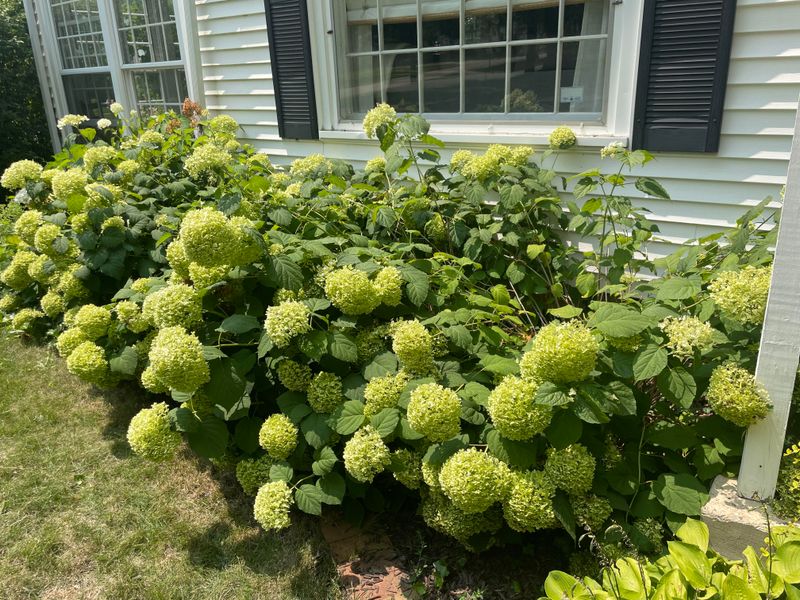
Building a pruning strategy based on your specific hydrangea variety transforms your results. Once you understand which type grows in your garden, you can confidently make the right decisions at the right time without second-guessing yourself every spring.
For bigleaf and oakleaf types, minimal pruning produces maximum blooms. Remove only stems that are clearly damaged or completely brown throughout.
Cut these back to healthy wood or down to the ground if necessary. Leave all other stems alone except for removing spent flowers after blooming ends in summer.
Panicle and smooth hydrangeas benefit from more aggressive spring pruning that encourages strong new growth and larger flowers. Cut these varieties back by one-third to one-half in March or early April before new growth begins.
This pruning creates a sturdier framework that supports the heavy flower heads these types produce.
Keep your pruning tools sharp and clean to make smooth cuts that heal quickly. Ragged cuts from dull blades invite problems and stress the plant unnecessarily.
Make clean cuts just above a bud or branch junction. This angling helps water run off the cut surface rather than pooling where it might encourage rot or disease in Ohio’s humid summer climate.