10 Low Maintenance Herbs You Only Have To Plant Once, Perfect For Michigan Gardens
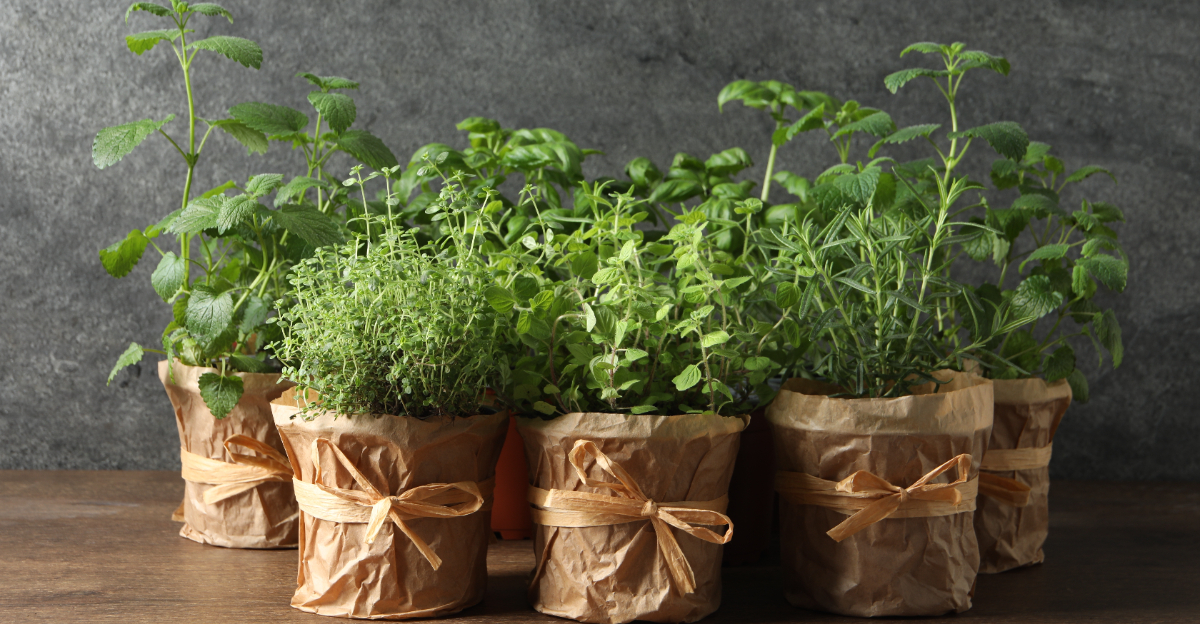
Imagine stepping into your garden each year and finding fresh herbs already growing, ready to pick without replanting a thing.
Many Michigan gardeners are discovering the power of hardy perennial herbs that return season after season, bringing steady flavor with far less effort.
These resilient plants are built to handle cold winters, bounce back in spring, and keep producing through the warmer months. Once established, they quietly fill your garden with fragrance, soft blooms, and leaves perfect for cooking, teas, and fresh recipes.
Instead of starting over every year, you build a living herb patch that grows fuller and more productive with time.
With the right choices, your garden becomes easier to manage and far more rewarding, offering dependable harvests and natural beauty year after year in Michigan’s changing climate.
1. Rosemary (Rosmarinus officinalis)
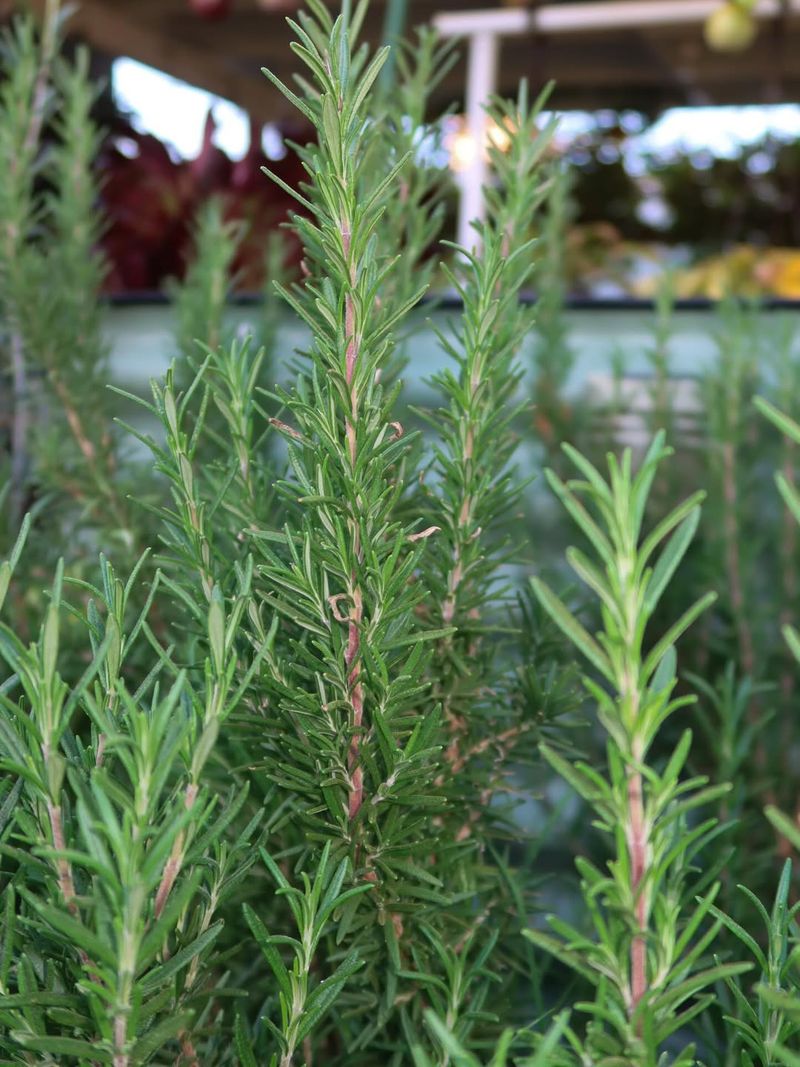
Rosemary brings a Mediterranean flair right to your Michigan backyard. This woody perennial loves basking in full sun and won’t tolerate soggy roots.
Plant it in well-drained soil, and it’ll reward you with fragrant needles perfect for roasting potatoes or seasoning chicken.
Cold-hardy varieties can survive Michigan winters when you add a thick layer of mulch around the base. The extra insulation protects the roots from freezing temperatures.
Some gardeners even wrap burlap around their rosemary plants for added protection during harsh cold snaps.
Once established, rosemary needs very little watering. It actually prefers drier conditions, so don’t overdo it with the hose.
Pruning lightly after flowering keeps the plant bushy and productive. You can snip sprigs anytime you need fresh herbs for cooking. The best part? Rosemary can live for many years in the same spot.
It develops a woody stem over time, becoming more like a small shrub. Position it near your kitchen door for easy access. The piney scent alone makes it worth growing.
If you’re worried about winter hardiness, try varieties like ‘Arp’ or ‘Hill Hardy.’ These cultivars handle cold better than standard types. With minimal effort, you’ll have fresh rosemary available year after year without replanting.
2. Thyme (Thymus vulgaris)
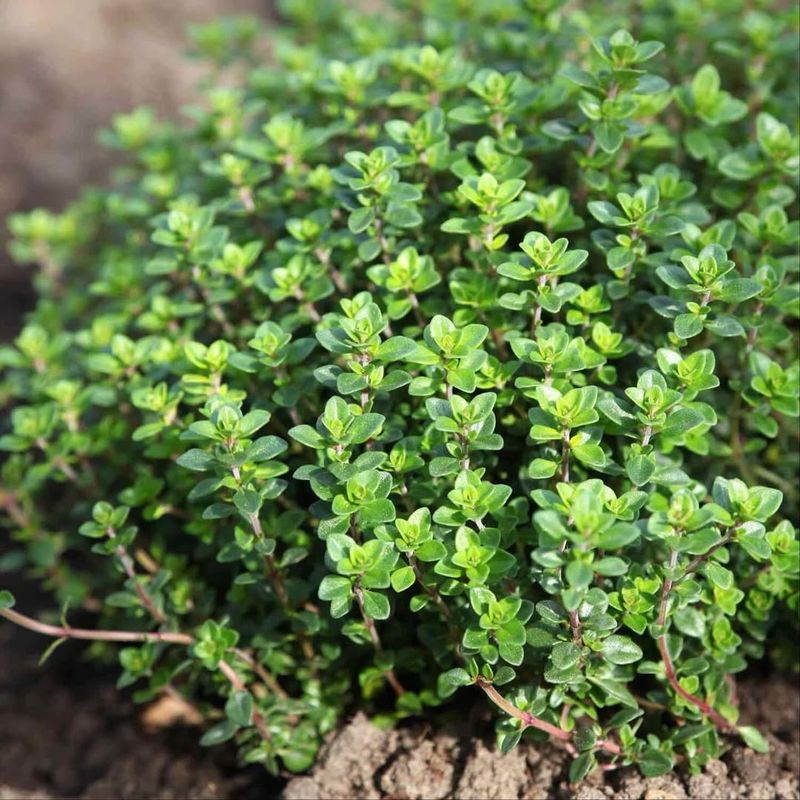
Thyme forms a gorgeous carpet of tiny leaves that release an earthy aroma when brushed. This perennial herb thrives in full sun and doesn’t mind poor soil as long as drainage is excellent.
Sandy or rocky spots work beautifully. Thyme actually struggles in rich, heavy soil that holds too much moisture.
After the first season, thyme becomes incredibly self-sufficient. It spreads slowly but steadily, filling in gaps between stones or along pathway edges.
Watering becomes almost unnecessary once roots establish themselves. The plant’s shallow root system adapts well to dry conditions.
Harvest sprigs throughout the growing season for soups, stews, and marinades. The flavor intensifies when leaves dry out slightly.
Thyme also produces delicate flowers that attract beneficial pollinators like bees and butterflies. These blooms add a lovely purple hue to your garden in early summer.
Winter rarely bothers established thyme plants. They go dormant but bounce back vigorously each spring.
Trim back any woody stems in early spring to encourage fresh, tender growth. This simple maintenance step keeps plants looking neat and productive.
Your Michigan Garden Changes Every Week. Your Plan Should Too.
Gardening in Michigan changes quickly throughout the season. Every Friday you’ll receive a simple weekly plan showing exactly what to plant, prune, fertilize, harvest, and protect so you never miss the right timing.
Creeping thyme varieties work wonderfully as ground covers between stepping stones. They tolerate light foot traffic and release fragrance when stepped on.
Once planted, thyme keeps delivering fresh herbs for years without demanding much attention.
3. Sage (Salvia officinalis)
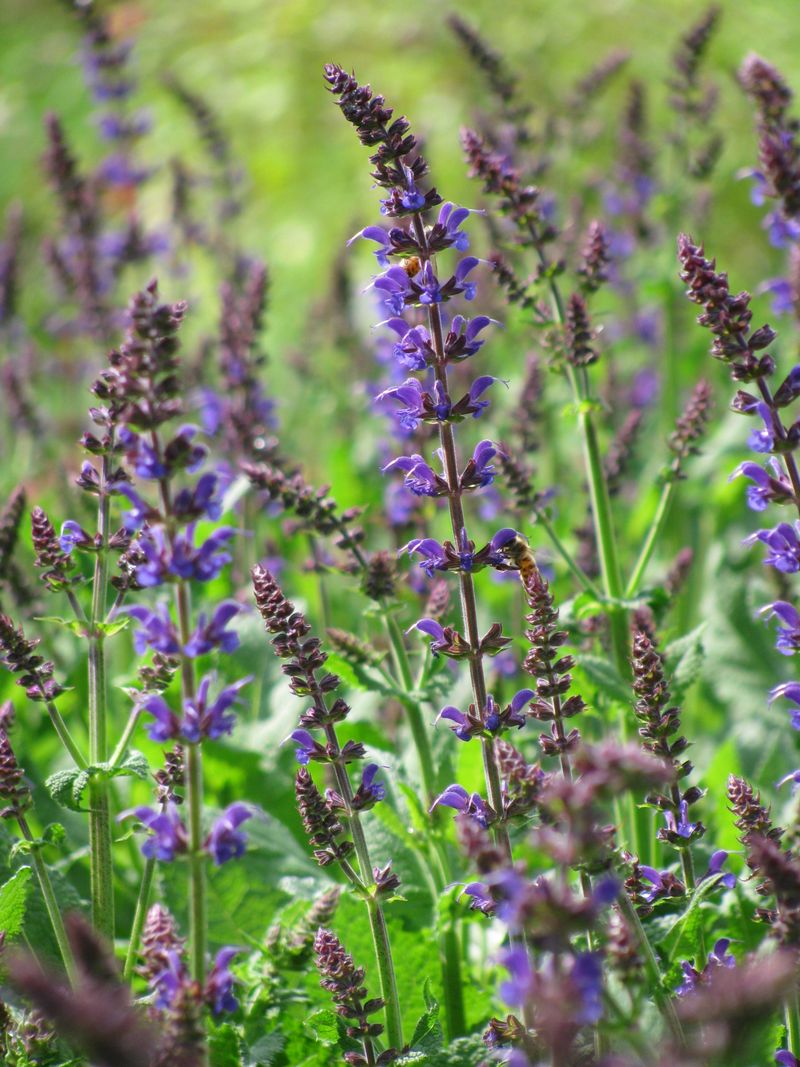
Sage’s silvery leaves bring both beauty and flavor to Michigan gardens. This hardy perennial prefers sunny spots with soil that drains quickly.
Heavy clay or waterlogged conditions cause problems, so amend your soil with sand or compost if needed. Sage tolerates drought much better than excess moisture.
Northern climates suit sage perfectly. The plant handles Michigan winters without much fussing, though a light mulch layer helps in especially cold years.
Sage grows into a small shrub over time, developing woody stems at the base. The soft, fuzzy leaves have a distinct savory taste that enhances poultry dishes and stuffing.
Pruning extends sage’s productive life considerably. Cut back about one-third of the plant each spring before new growth emerges.
This prevents the center from becoming too woody and encourages fresh, flavorful leaves. Avoid cutting into old wood, as sage struggles to regenerate from those areas.
Flowering stems appear in early summer, covered in purple-blue blooms. Pollinators adore these flowers, making sage a valuable addition for supporting beneficial insects.
You can harvest leaves anytime, but flavor peaks just before flowering begins. Dry extra leaves for winter use in teas and cooking.
A single sage plant provides plenty of leaves for most households. It keeps producing year after year without needing division or replanting.
Just give it sun, good drainage, and occasional trimming to enjoy fresh sage indefinitely.
4. Chives (Allium schoenoprasum)
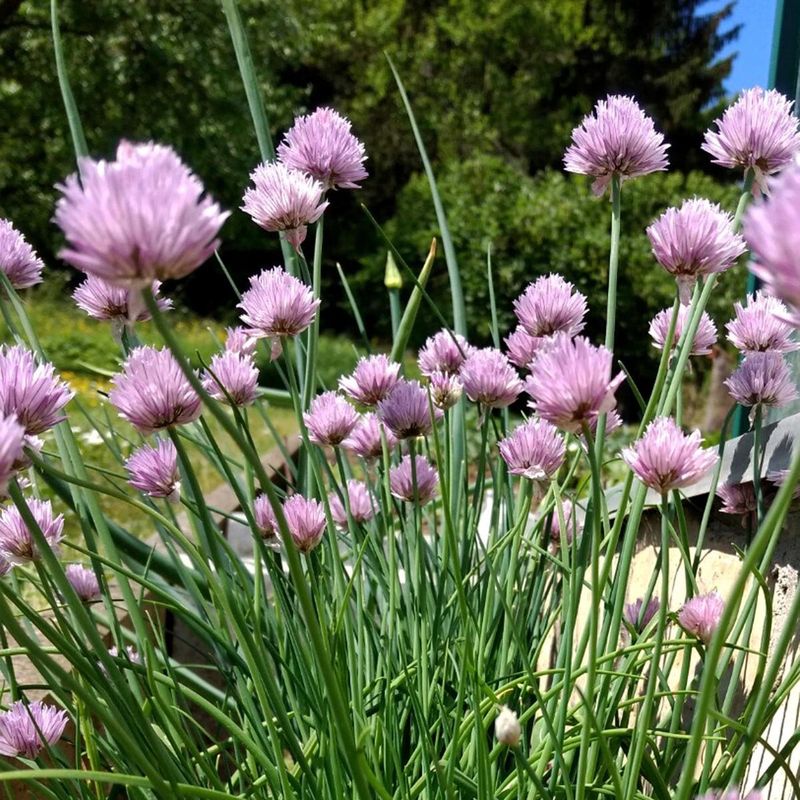
Chives pop up reliably every spring like clockwork. These grass-like herbs tolerate a range of light conditions, from full sun to partial shade.
They’re incredibly forgiving and adapt to various soil types. Even beginner gardeners succeed with chives because they’re nearly impossible to mess up.
The hollow, tubular leaves have a mild onion flavor perfect for garnishing baked potatoes, soups, and salads. Snip them close to the base, and new growth appears within days.
Chives keep producing throughout the growing season if you harvest regularly. The plant divides naturally, forming larger clumps each year.
Purple globe-shaped flowers emerge in late spring, adding ornamental value to herb gardens. These blooms are edible too, with a slightly stronger onion taste than the leaves.
Butterflies and bees visit chive flowers frequently, making them excellent pollinator plants. Deadheading spent flowers prevents excessive self-seeding if you prefer controlled growth.
Division becomes necessary every few years when clumps grow too dense. Simply dig up the entire clump in early spring or fall, separate it into smaller sections, and replant.
This rejuvenates older plants and gives you extras to share with friends or plant elsewhere. Chives handle Michigan winters without protection. They go dormant when temperatures drop but return vigorously when soil warms up.
No replanting, no special care, just reliable fresh chives year after year. They’re truly the ultimate low-maintenance herb for any garden.
5. Oregano (Origanum vulgare)
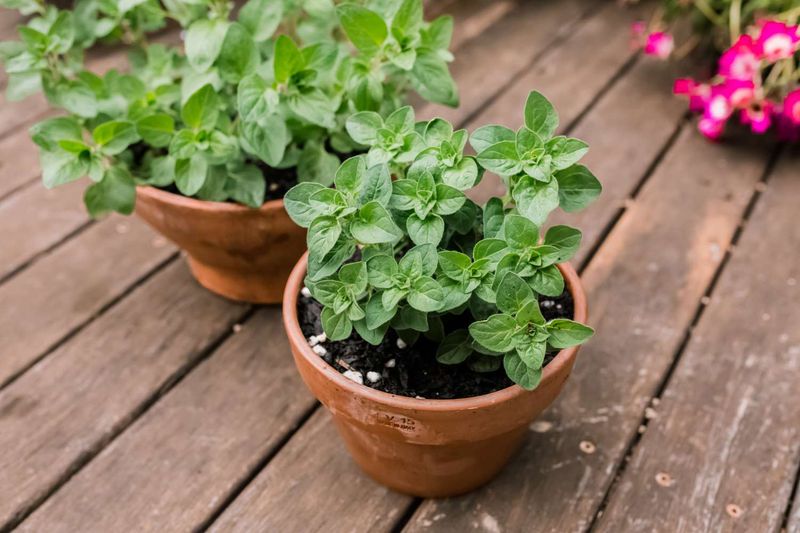
Oregano spreads enthusiastically once it finds a spot it likes. This vigorous perennial loves sunny locations with soil that drains well.
It tolerates poor soil better than rich, fertile ground. Too much nitrogen actually reduces the essential oils that give oregano its distinctive flavor.
Michigan winters don’t faze established oregano plants. A layer of mulch provides extra insurance against extreme cold, but many gardeners skip this step entirely.
The plant goes dormant in winter and emerges fresh each spring. New shoots appear as soon as the soil temperature rises.
Harvest oregano leaves anytime during the growing season. The flavor intensifies when plants receive plenty of sunlight and experience slight drought stress.
Water sparingly once oregano establishes itself. Overwatering dilutes the taste and can lead to root problems in heavy soils.
Trimming oregano regularly keeps it bushy and prevents it from becoming leggy. Cut back stems by about half after the first flush of growth.
This encourages branching and produces more harvestable leaves. Oregano also produces small white or pink flowers that attract beneficial insects to your garden.
One plant quickly becomes several as oregano spreads through underground runners. Some gardeners contain it within borders to prevent it from taking over.
Others embrace its spreading nature as a fragrant ground cover. Either way, you’ll have plenty of fresh oregano for pizza, pasta sauce, and Mediterranean dishes without replanting.
6. Mint (Mentha spp.)
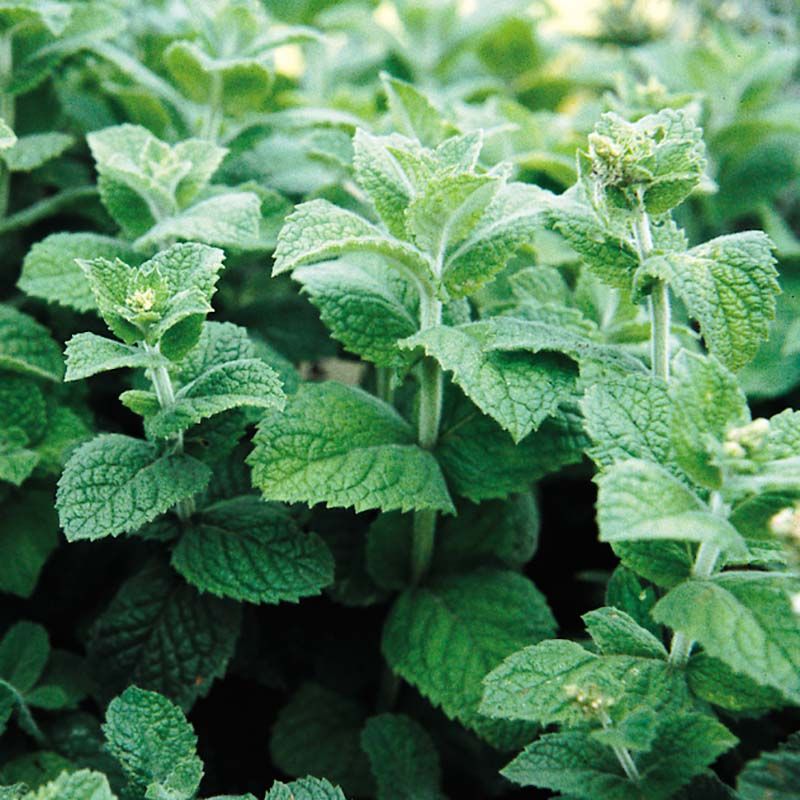
Mint’s reputation for aggressive spreading is well-deserved. This hardy perennial will take over your entire garden if given the chance.
Planting mint in containers or using underground barriers keeps it under control. Sinking a large pot into the ground works perfectly for containing mint’s wandering roots.
Dozens of mint varieties offer different flavors beyond basic peppermint and spearmint. Chocolate mint, apple mint, and orange mint each bring unique tastes to beverages and desserts.
All types grow vigorously in Michigan’s climate. They prefer consistently moist soil and tolerate partial shade better than most herbs.
Harvesting mint regularly actually improves plant quality. Frequent cutting encourages bushier growth and prevents flowering.
Once mint flowers, leaf production slows and flavor diminishes. Pinch off flower buds as they appear to keep plants focused on producing flavorful leaves.
Michigan winters send mint into dormancy, but roots survive frozen ground easily. The plant dies back completely, then re-emerges with vigor each spring.
No protection needed. Divide overgrown mint clumps every few years to maintain plant health and share with neighbors.
Fresh mint elevates so many dishes and drinks. Muddle it into mojitos, steep it for tea, or chop it into fruit salads.
The cooling sensation comes from menthol compounds in the leaves. With proper containment, mint provides endless harvests year after year. Just remember to keep it confined unless you want a mint-scented lawn.
7. Lemon Balm (Melissa officinalis)
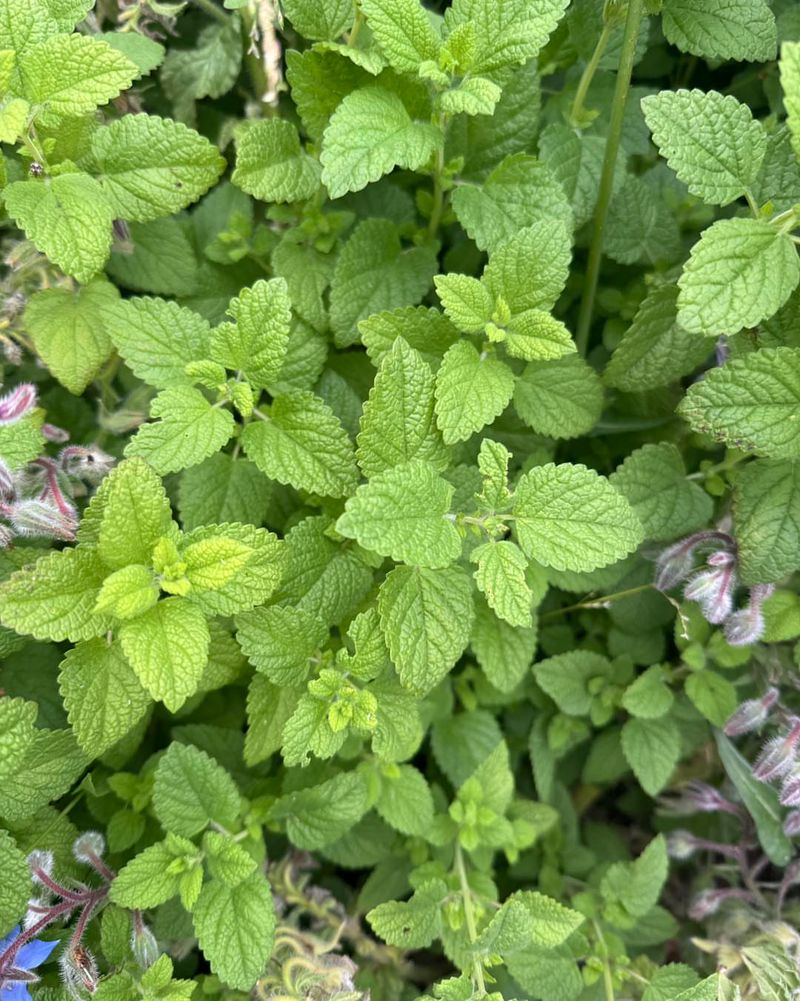
Lemon balm fills your garden with a bright citrus scent when you brush against its leaves. This cheerful perennial adapts to various light conditions, thriving in both full sun and partial shade.
It’s less aggressive than mint but still spreads steadily through self-seeding. Removing flower heads before they mature controls unwanted spreading.
The crinkled leaves make excellent tea that’s naturally caffeine-free. Steep fresh or dried leaves in hot water for a calming beverage.
Lemon balm also adds a lemony note to salads, fish dishes, and fruit desserts. The flavor is more subtle than lemon verbena but still distinctly citrusy.
Established lemon balm requires minimal care. Water during extended dry periods, but the plant tolerates some drought once roots develop.
It grows quickly, reaching two to three feet tall by midsummer. Cutting it back by half in midsummer promotes fresh, tender growth and prevents the center from becoming woody.
Michigan winters rarely harm lemon balm. The plant dies back to the ground but returns reliably each spring.
Mulching isn’t necessary unless you’re in the coldest regions. New shoots emerge early, often before many other perennials wake up.
Bees absolutely adore lemon balm flowers, which explains its botanical name Melissa, meaning honeybee in Greek. The small white blooms appear in summer and attract pollinators from all around.
Plant it near vegetable gardens to encourage pollination. Once established, lemon balm keeps producing fragrant leaves for years without replanting or fussing.
8. Tarragon (Artemisia dracunculus – French variety)
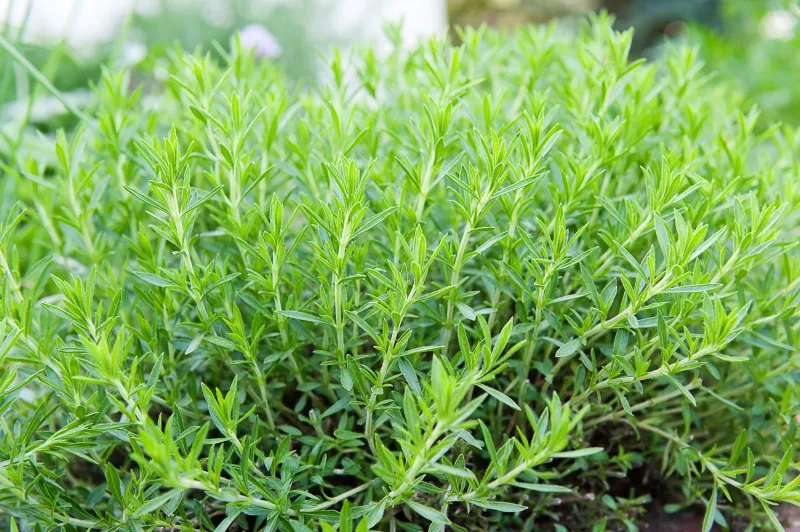
French tarragon brings an elegant anise flavor to Michigan herb gardens. This perennial prefers sunny spots with excellent drainage.
Heavy, wet soil causes root rot, so amend clay soils with sand and compost before planting. Raised beds work wonderfully for tarragon if your garden tends toward moisture retention.
Unlike Russian tarragon, the French variety offers superior flavor and aroma. Unfortunately, French tarragon doesn’t produce viable seeds, so you’ll need to start with a plant or root division.
Once established, it persists for many years in the same location. The narrow, dark green leaves have a distinctive licorice-like taste that’s essential in French cooking.
Harvest tarragon leaves throughout the growing season by snipping stems. The flavor is most concentrated before flowering begins.
Tarragon pairs beautifully with chicken, fish, eggs, and creamy sauces. It’s a key ingredient in béarnaise sauce and fines herbes blends. Dry extra leaves for winter use, though fresh tarragon has a brighter flavor.
Michigan winters can challenge tarragon, but proper site selection improves survival. Plant it in a protected spot, perhaps against a south-facing wall.
A thick mulch layer provides root insulation. Some gardeners pot up tarragon in fall and overwinter it indoors, though this isn’t necessary with good mulching. Divide tarragon every three to four years to maintain vigor. Spring is the best time for division.
Simply dig up the plant, separate the roots into sections, and replant. This refreshes older plants and gives you extras to expand your herb garden or share.
9. Lavender (Lavandula angustifolia – cold-hardy varieties)
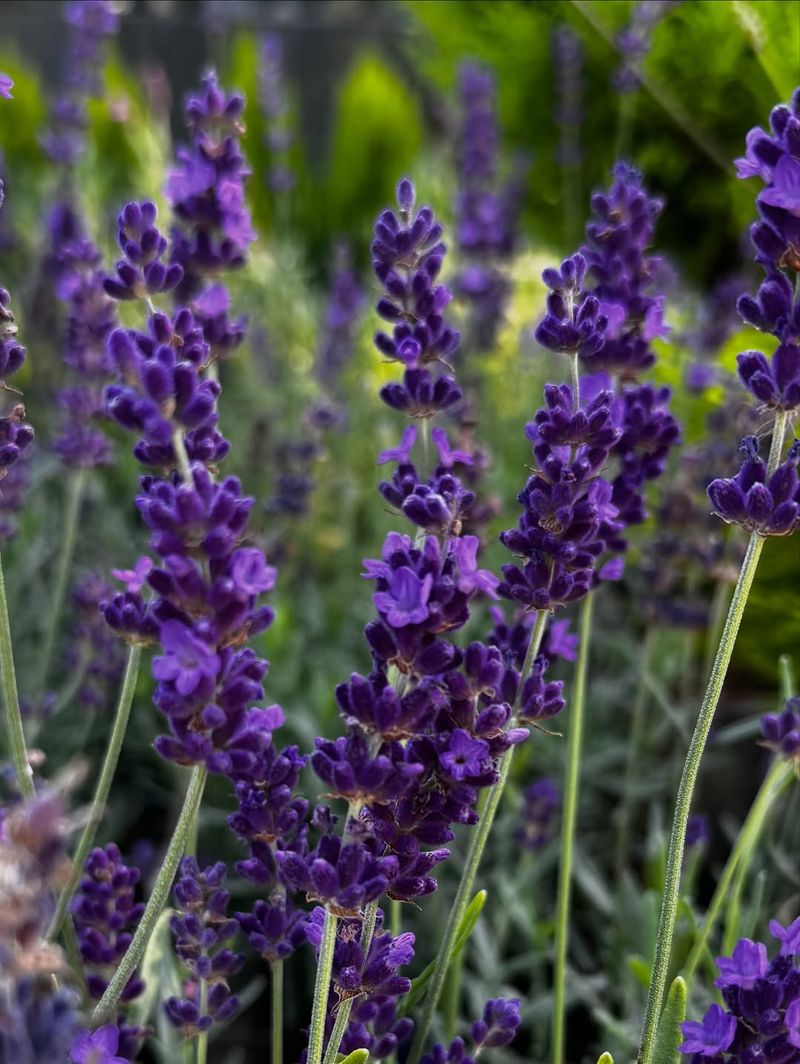
Lavender’s purple spikes and soothing fragrance make it a garden favorite. Not all lavender survives Michigan winters, but cold-hardy varieties like ‘Munstead’ and ‘Hidcote’ handle freezing temperatures beautifully.
The key is choosing English lavender (Lavandula angustifolia) rather than tender Spanish or French types.
Excellent drainage is absolutely critical for lavender success. This Mediterranean native despises wet feet and will decline quickly in heavy, moisture-retentive soil.
Plant lavender in raised beds or amend your soil generously with sand and gravel. Full sun exposure is equally important for flower production and winter hardiness.
Prune lavender annually to maintain its compact shape and encourage blooming. Cut back stems by about one-third in early spring, just as new growth emerges.
Avoid cutting into old, woody stems, as lavender struggles to regenerate from bare wood. Light pruning after flowering also helps maintain plant form.
Harvest lavender stems when flowers first open for the strongest fragrance. Bundle stems and hang them upside down in a dry, dark place.
Dried lavender retains its scent for months and works beautifully in sachets, crafts, and baking. Fresh flowers also attract countless pollinators to your garden.
With proper siting and variety selection, lavender thrives for years in Michigan gardens. It needs minimal watering once established and actually prefers lean soil over rich, fertilized conditions.
A gravel mulch around the base improves drainage and reflects heat, which lavender appreciates. Plant it once and enjoy fragrant blooms for many seasons.
10. Lovage (Levisticum officinale)
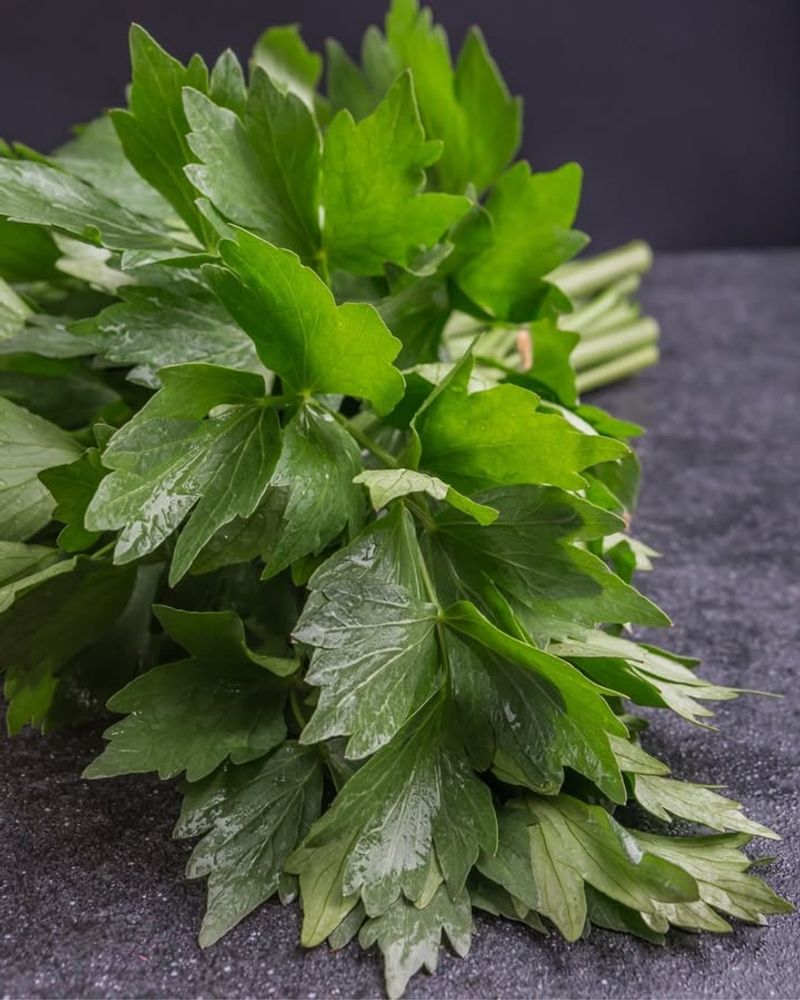
Lovage towers over other herbs, reaching five to six feet tall when happy. This impressive perennial tastes like intense celery with a hint of anise.
Every part is edible, from the leaves and stems to the seeds and roots. It’s an underappreciated herb that deserves more attention in American gardens.
Full sun to partial shade suits lovage well. It appreciates consistently moist soil, unlike many Mediterranean herbs.
Plant it where soil doesn’t dry out completely between waterings. Lovage tolerates heavier soils better than rosemary or lavender. Its deep taproot helps it access moisture during dry spells.
Harvest lovage leaves anytime during the growing season. The flavor is strong, so use it sparingly at first until you gauge your preference.
Chop leaves into soups, stews, and stocks for a savory depth. The hollow stems can be candied like angelica or used as drinking straws for Bloody Marys. Seeds have a celery-like flavor perfect for breads and crackers.
Michigan winters don’t faze established lovage plants. The foliage dies back completely, but roots survive frozen ground easily.
New shoots emerge vigorously each spring, quickly reaching impressive heights. Divide large clumps every few years if they outgrow their space.
One lovage plant produces more than most households can use. It’s incredibly productive once established.
The plant requires minimal care beyond occasional watering during drought. No pests or diseases typically bother it.
Plant lovage once and harvest fresh celery-flavored leaves for decades without replanting or fussing.