Ohio Homeowners Are Replacing These Popular Plants For A Reason
In Ohio, plant choices rarely change without a good reason. When something performs well, people keep it.
When it disappoints year after year, patience runs out. Across the state, more homeowners now take a hard look at familiar landscape staples that no longer justify the space they occupy.
Some grow messy, some demand constant work, some fail to match the pace of modern yards. Quietly, shovel by shovel, long-standing favorites come out and new selections go in.
This shift does not come from impulse or fashion. It comes from practical thinking, shared experience, and the simple desire for a yard that pulls its weight.
Walk through any neighborhood and you will notice the pattern. Certain plants appear less often, replaced by options chosen with sharper judgment.
The change may seem subtle, yet it reflects a broader rethink of what truly belongs in an Ohio landscape today.
1. Bradford Pear Breaks Easily
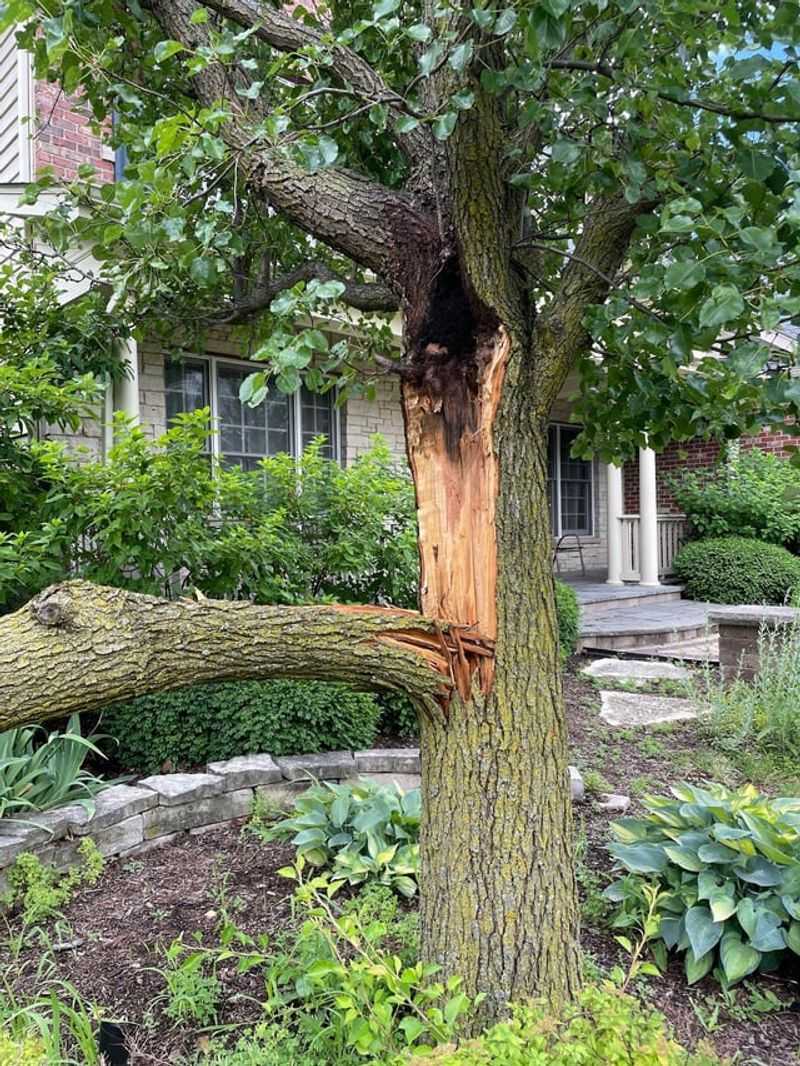
Storms roll through Ohio every spring and summer, and when they do, Bradford pears are often the first trees to suffer. Their branches snap under heavy winds or ice, leaving jagged stumps and dangerous debris scattered across lawns.
Homeowners quickly learn that this tree’s fast growth comes at a cost.
The wood is weak and brittle. As the tree matures, its narrow branch angles create stress points that cannot support the weight of the canopy.
A single thunderstorm can reduce a mature Bradford pear to a mangled mess.
Beyond structural problems, this tree is also invasive. It spreads aggressively into natural areas, crowding out native species and disrupting local ecosystems.
Ohio now classifies Callery pear, including Bradford pear, as an invasive species and has banned its sale and planting.
Homeowners are turning to better alternatives like serviceberry, redbud, or native crabapples. These trees offer spring blooms, fall color, and sturdy branches that hold up through Midwestern weather.
They also support pollinators and birds, adding ecological value to your yard.
Removing a Bradford pear might seem like a big project, but the long-term benefits are worth it. You gain a safer, healthier landscape that requires less cleanup and supports local wildlife.
2. Purple Loosestrife Spreads Aggressively
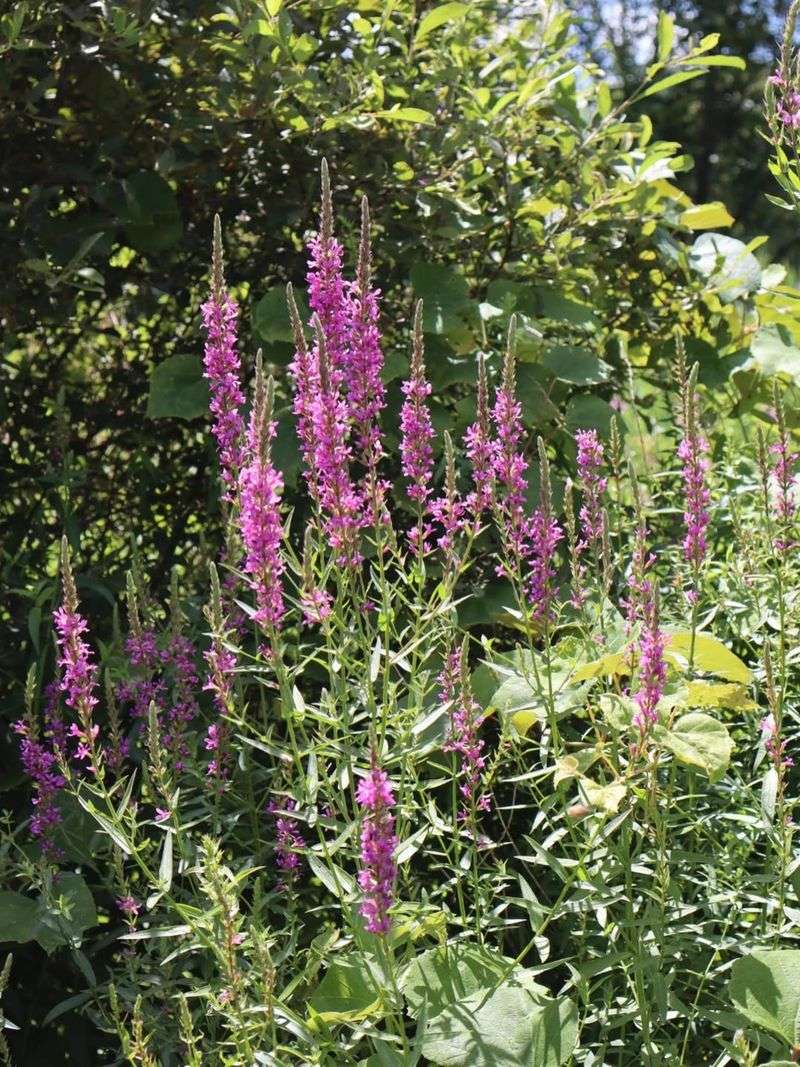
Walk along any Ohio wetland in midsummer and you might spot tall spikes of magenta flowers swaying in the breeze. They look beautiful from a distance, but purple loosestrife is anything but harmless.
This plant spreads so quickly that it chokes out native wetland vegetation, leaving little room for anything else.
Each plant produces thousands of seeds that travel by water, wind, and wildlife. Once established, purple loosestrife forms dense colonies that are nearly impossible to remove without persistent effort.
Wetlands lose diversity, and the animals that depend on native plants lose habitat.
In Ohio, purple loosestrife is listed as a prohibited invasive species, and planting or selling it is illegal. The impact on ecosystems is simply too great to ignore.
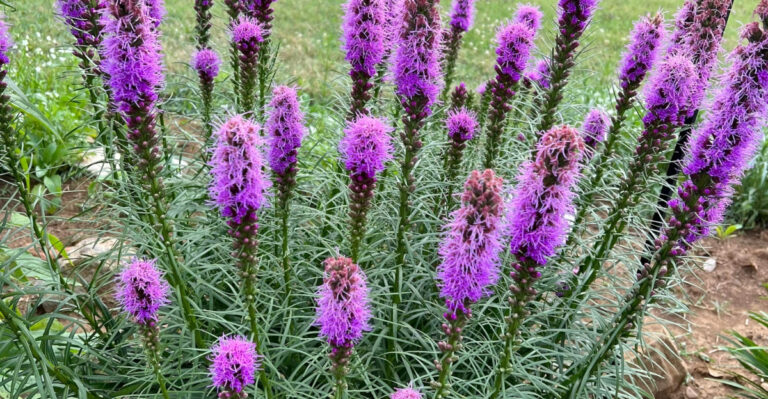
Gardeners who love the look of tall purple blooms can choose native alternatives like blazing star or ironweed. Both thrive in moist soils, attract pollinators, and stay where you plant them.
Your Ohio Garden Changes Every Week. Your Plan Should Too.
Gardening in Ohio changes quickly throughout the season. Every Friday you’ll receive a simple weekly plan showing exactly what to plant, prune, fertilize, harvest, and protect so you never miss the right timing.
They bring the same visual appeal without the ecological damage.
Replacing purple loosestrife helps restore balance to local habitats. It is a small change that makes a real difference for Ohio’s wetlands and the creatures that call them home.
3. Burning Bush Turns Invasive
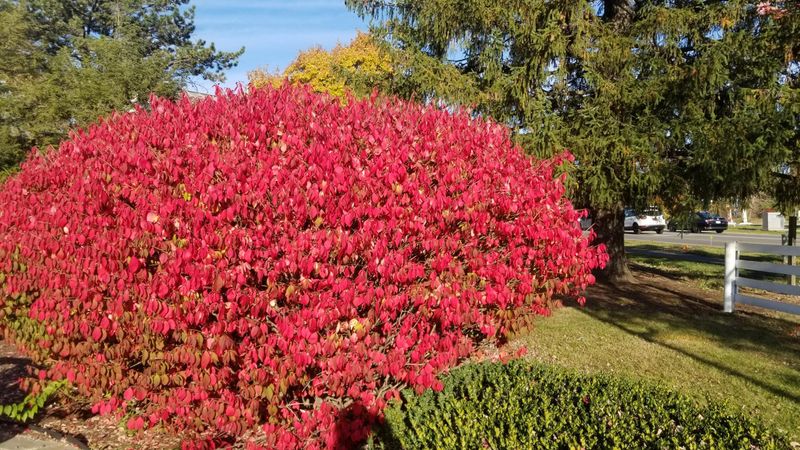
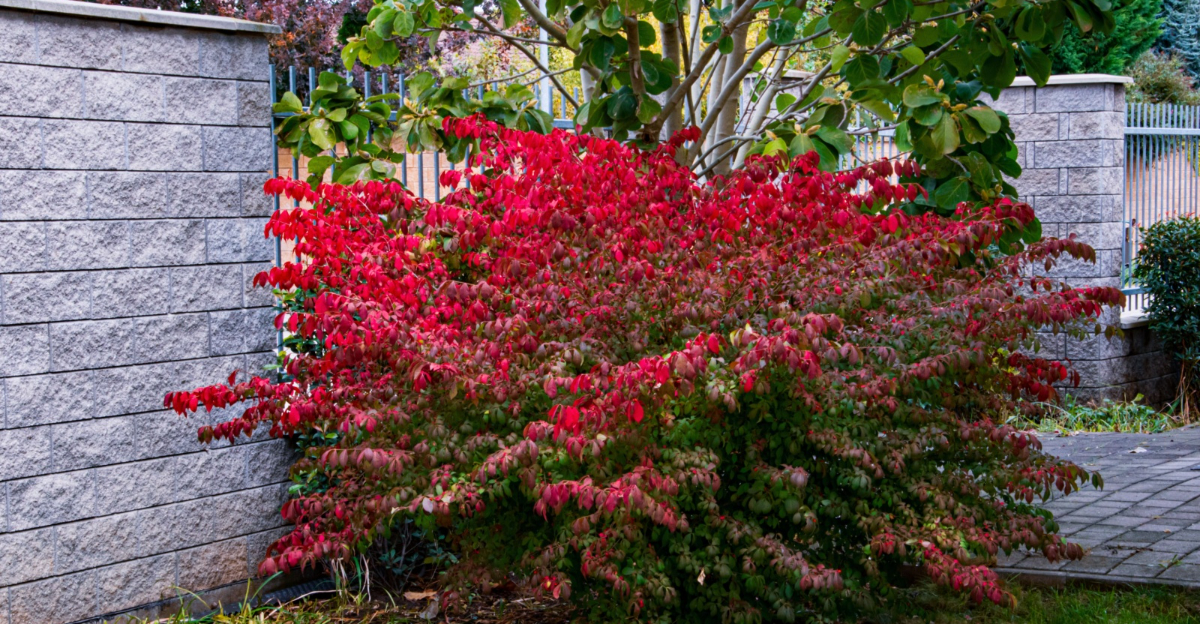
Few shrubs put on a fall show like burning bush. Its fiery red leaves light up the landscape in October, making it a favorite for hedges and foundation plantings.
But that beauty hides a serious problem that Ohio gardeners are finally recognizing.
Burning bush spreads into forests and natural areas through seeds carried by birds. Once there, it outcompetes native understory plants, reducing biodiversity and altering habitat structure.
What starts as a single ornamental shrub can become a dense thicket in wild spaces.
Ohio does not yet ban burning bush statewide, but many conservation groups and extension offices recommend against planting it. The ecological cost is too high, especially when better options exist.
Homeowners are starting to listen and make different choices.
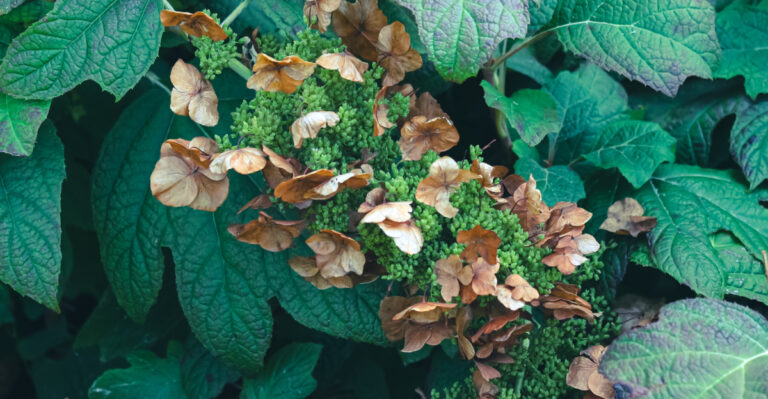
Native alternatives like oakleaf hydrangea, chokeberry, or ninebark offer stunning fall color without the invasive behavior. These shrubs support native insects and birds, making your yard part of a healthier ecosystem.
They also adapt well to Ohio’s clay soils and variable weather.
Swapping out burning bush might feel like giving up a favorite, but the replacement options are just as attractive. You get the same seasonal drama with none of the guilt or long-term problems.
4. English Ivy Takes Over
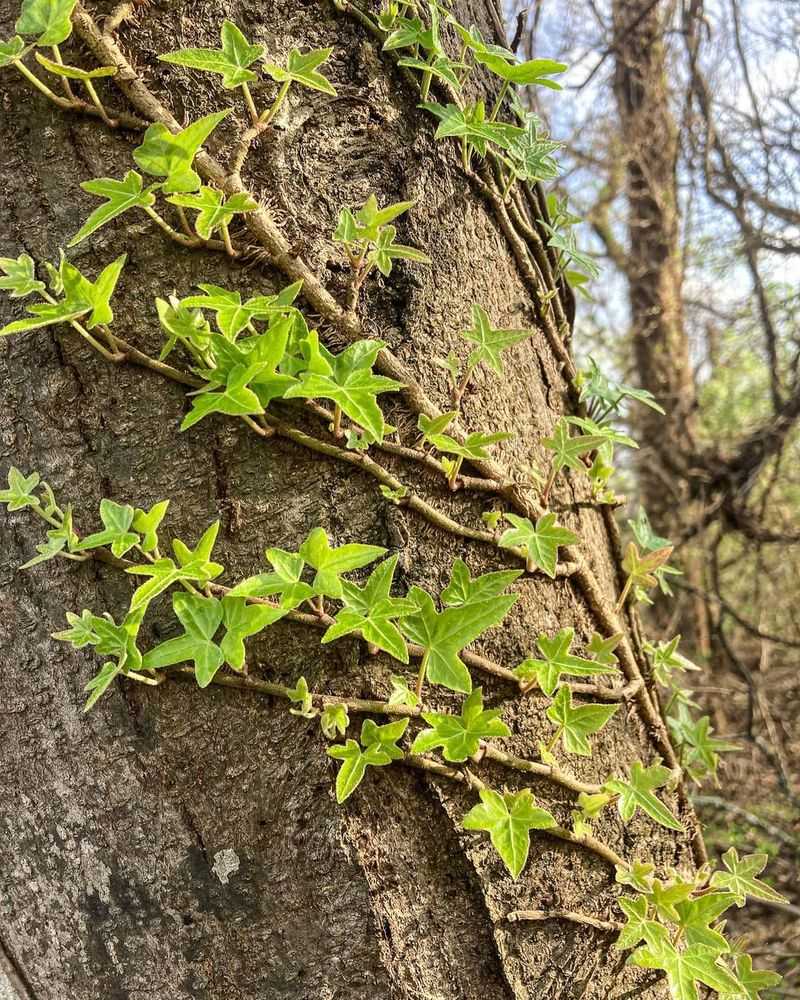
Groundcovers are supposed to stay on the ground, but English ivy has other plans. This evergreen vine creeps across lawns, climbs trees, and smothers everything in its path.
What begins as a tidy border planting quickly becomes an uncontrollable green blanket.
English ivy damages trees by adding weight to branches and blocking sunlight from reaching the bark. It suppresses native plants and can harbor pests while stressing trees.
In Ohio forests, it forms dense mats that prevent tree seedlings from establishing, threatening long-term forest health.
Removing English ivy is labor-intensive. The roots cling tightly to soil and surfaces, and any piece left behind can resprout.
Many homeowners find themselves battling it year after year, wishing they had never planted it in the first place.
Native groundcovers like wild ginger, foamflower, or Pennsylvania sedge offer better solutions. They stay where you plant them, require less maintenance, and support local pollinators and insects.
These plants thrive in shade and adapt to Ohio’s soil conditions with ease.
Choosing native groundcovers means less work and more peace of mind. You avoid the constant battle with an aggressive invader and create a landscape that truly supports the environment around you.
5. Japanese Barberry Brings Ticks
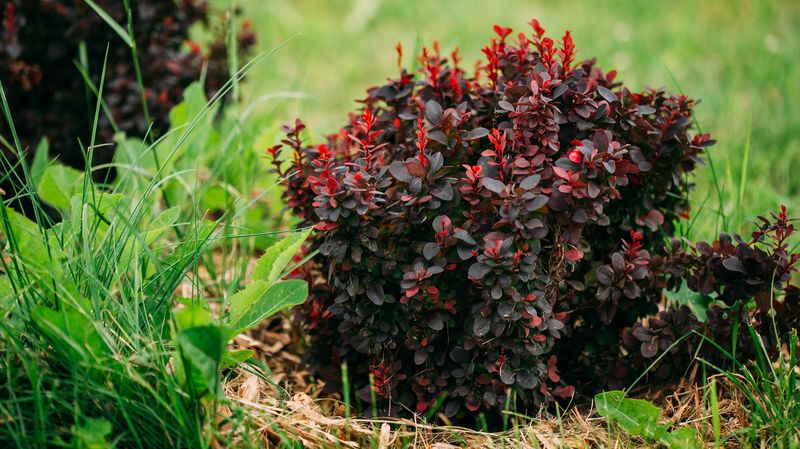
Compact, colorful, and deer-resistant, Japanese barberry seemed like the perfect shrub for Ohio landscapes. Homeowners planted it in masses for its burgundy foliage and low maintenance needs.
But recent research has revealed a disturbing connection between this shrub and tick populations.
Studies show that areas with dense Japanese barberry have significantly higher numbers of blacklegged ticks, the species that carries Lyme disease. The shrub’s dense, low-growing structure creates ideal humidity and shelter for ticks to thrive.
White-footed mice, which carry Lyme disease, also favor these habitats.
Ohio has seen a steady increase in Lyme disease cases, and dense Japanese barberry thickets create favorable habitat for ticks. Removing these shrubs reduces tick habitat and lowers the risk of tick-borne illnesses for families and pets.
Native shrubs like fragrant sumac, New Jersey tea, or dwarf fothergilla offer similar compact growth without the health risks. They provide better wildlife value, support pollinators, and adapt well to Ohio’s climate.
Many also offer beautiful fall color and interesting textures.
Swapping out Japanese barberry is not just about aesthetics. It is about protecting your family’s health and creating a safer outdoor space.
The peace of mind alone makes the change worthwhile.
6. Norway Maple Chokes Out Natives
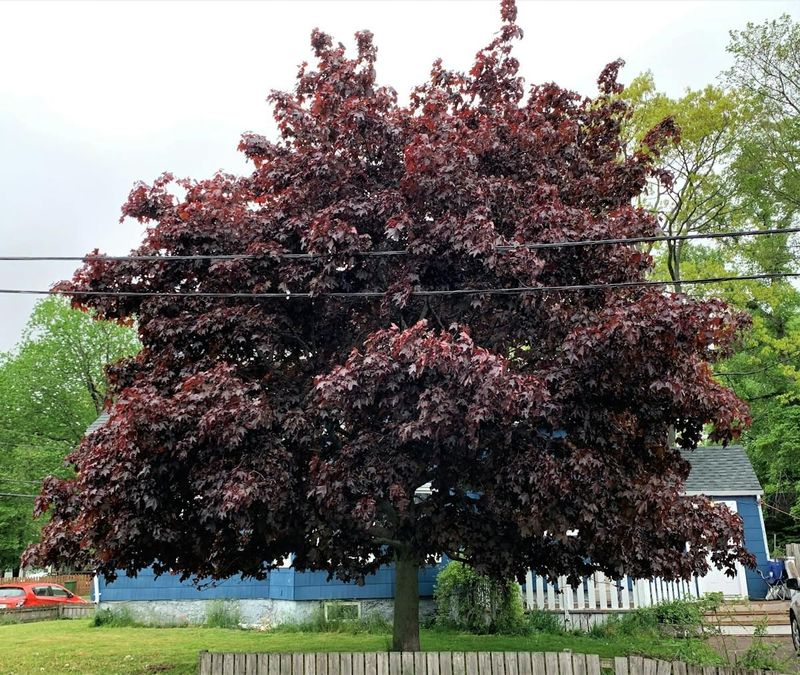
Shade is valuable in any yard, but Norway maple casts too much of it. This European import grows quickly and spreads aggressively, crowding out native trees and creating a dense canopy that blocks sunlight from reaching the forest floor.
The result is a barren understory with little plant diversity.
Dense shade and aggressive roots make it difficult for other plants to grow beneath it. Seeds germinate readily, and seedlings pop up everywhere, from flower beds to wild areas.
Homeowners find themselves constantly pulling maple seedlings from places they do not belong.
Ohio’s natural areas suffer when Norway maples invade. Native wildflowers, shrubs, and tree seedlings cannot compete, leading to simplified ecosystems that support fewer insects, birds, and other wildlife.
The long-term ecological impact is significant.
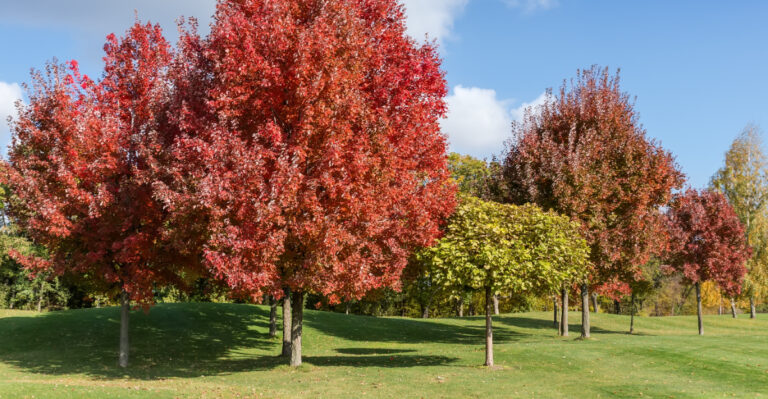
Native maples like sugar maple or red maple provide excellent shade without the invasive behavior. They support hundreds of native insect species, which in turn feed birds and other wildlife.
Their fall color is just as stunning, and they fit naturally into Ohio’s ecosystems.
Replacing Norway maple with a native species strengthens your landscape and the environment. You gain a tree that works with nature instead of against it, creating a healthier, more vibrant outdoor space.
7. Bamboo Spreads Out Of Control
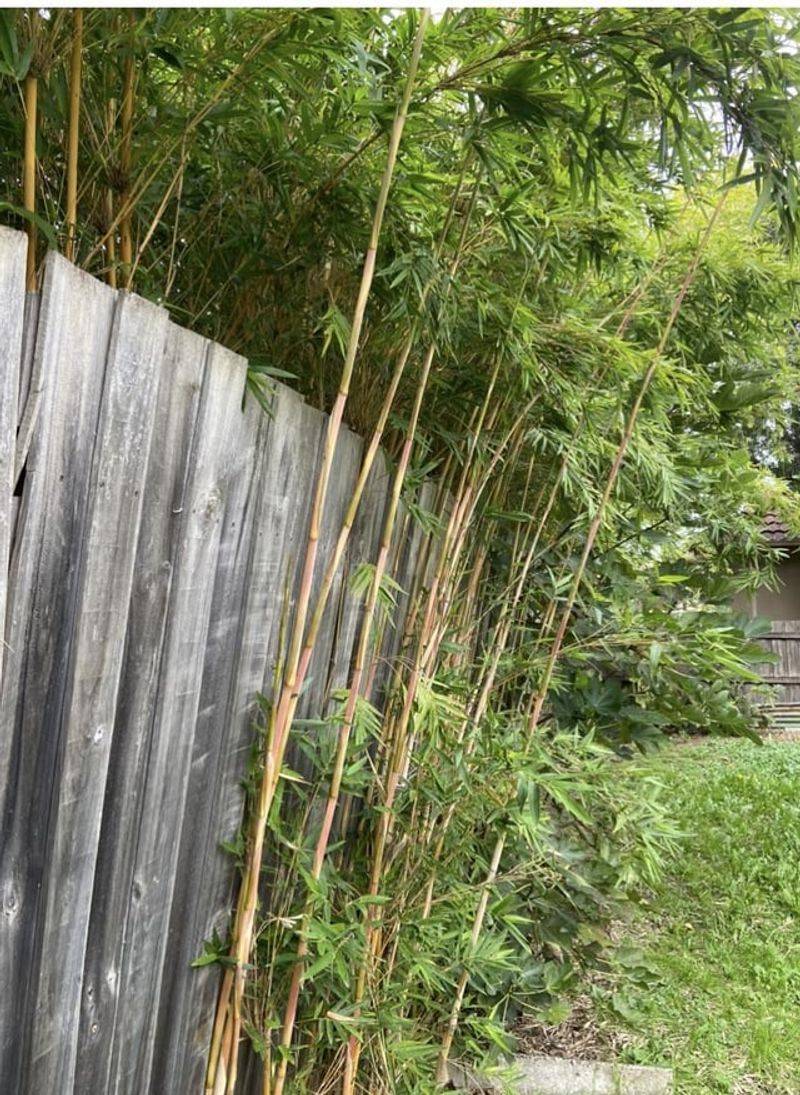
Exotic and fast-growing, bamboo appeals to gardeners looking for quick privacy screens or tropical flair. But running bamboo has a dark side that most homeowners discover too late.
Its underground rhizomes spread rapidly, popping up in flower beds, lawns, and even neighboring yards.
Controlling bamboo requires constant vigilance. Rhizomes travel several feet underground, and missing even a small piece during removal allows the plant to rebound.
Many homeowners resort to professional help or repeated herbicide applications, neither of which guarantees success.
Running bamboo can push into cracks in hardscape and spread into unwanted areas. What starts as a small clump quickly becomes a major landscape problem that affects property values and neighbor relations.
Clumping bamboo varieties are less aggressive, but native alternatives like switchgrass, river birch, or American arborvitae offer better long-term solutions for privacy and screening. These plants stay manageable, support local wildlife, and thrive in Ohio’s climate without causing headaches.
Avoiding running bamboo saves you years of frustration and expense. Native plants provide the same benefits without the risk of takeover, making them the smarter choice for any Ohio landscape.
8. Hybrid Tea Roses Are Too Fussy
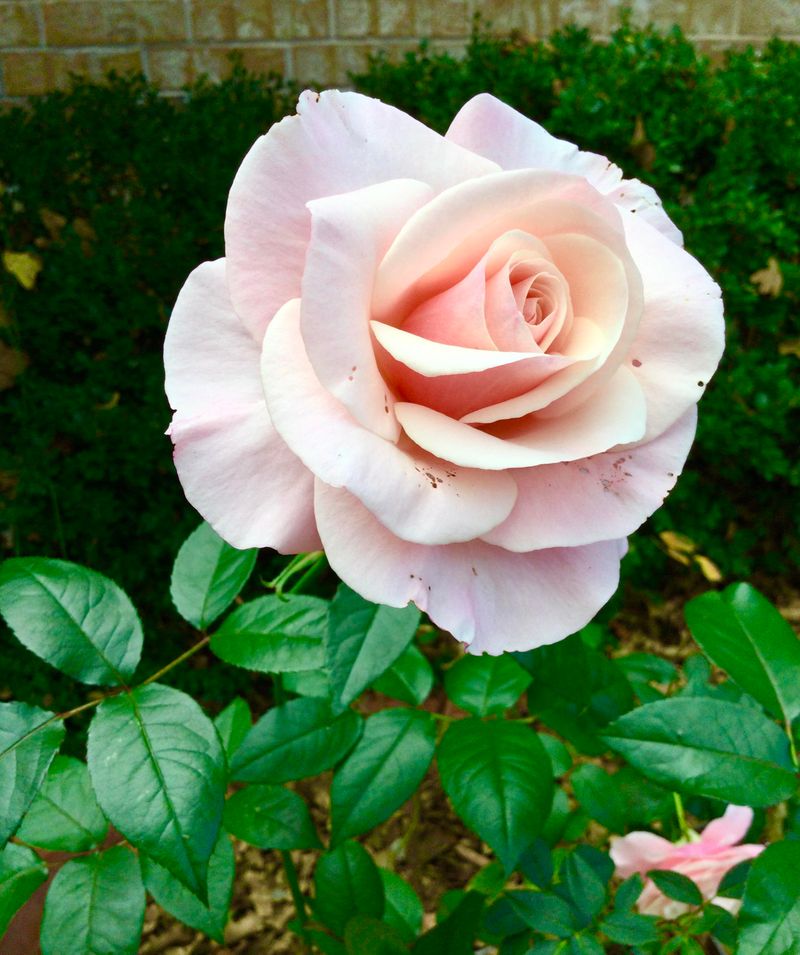
Roses have long symbolized elegance and romance in gardens, but hybrid tea roses demand more attention than most Ohio homeowners want to give. These plants require regular fertilizing, frequent spraying for diseases and pests, and precise pruning to perform well.
Miss a step, and the blooms suffer.
Blackspot, powdery mildew, and Japanese beetles plague hybrid teas in Ohio’s humid summers. Fungicides and insecticides become routine, adding cost and environmental concerns to an already demanding maintenance schedule.
Many gardeners grow tired of the constant care these roses require.
Winter protection is another challenge. Hybrid teas often struggle through Ohio’s cold snaps and need heavy mulching or covering to survive.
Even with protection, some plants weaken over time, requiring replacement every few years.
Shrub roses like Knock Out varieties or native roses like Carolina rose offer much easier care. They resist disease, tolerate Ohio’s weather extremes, and bloom reliably without constant intervention.
Many also provide hips that feed birds through winter.
Switching to low-maintenance roses frees up time and reduces chemical use in your yard. You still enjoy beautiful blooms, but without the frustration and expense that come with hybrid teas.
It is a change that makes gardening more enjoyable.
9. Boxwood Faces Blight Problems
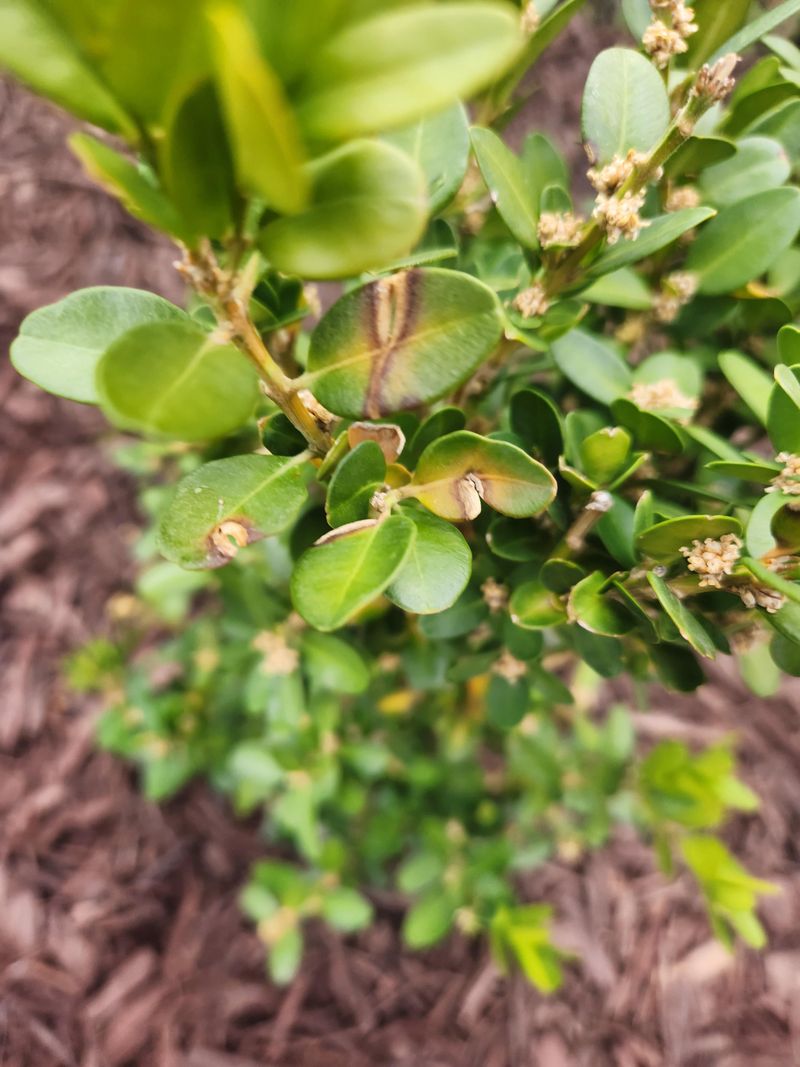
Formal hedges and foundation plantings often feature boxwood for its dense, evergreen foliage and neat appearance. But boxwood blight has changed the game for Ohio gardeners.
This fungal disease causes rapid defoliation and plant decline, turning once-pristine hedges into patchy eyesores.
Boxwood blight spreads quickly through water, tools, and contaminated plants. Once it arrives, controlling it is nearly impossible.
Infected plants must be removed entirely, and the pathogen can persist in fallen leaves and plant debris for years. The emotional and financial toll on homeowners is significant.
Even without blight, boxwoods face other challenges in Ohio. Winter damage, insect pests like boxwood leafminer, and poor drainage can all weaken plants over time.
What was once considered a reliable landscape staple now feels like a risky investment.
Native shrubs like inkberry holly, American yew, or dwarf fothergilla offer similar structure and evergreen interest without the disease risk. These plants tolerate Ohio’s climate better and support local wildlife.
They also require less fussing and fewer chemical treatments.
Replacing boxwood with resilient native alternatives protects your landscape investment and reduces maintenance stress. You gain plants that thrive naturally in your region, creating a more sustainable and worry-free garden.