Plant This Native Shrub During Early Spring In Pennsylvania For Stunning Bloom
Early spring in Pennsylvania is the perfect moment to refresh your garden and set the stage for beautiful seasonal color. Cool soil, gentle sunlight, and steady moisture create ideal conditions for planting shrubs that will soon burst into bloom.
One standout native choice rewards gardeners with vibrant flowers, strong growth, and reliable performance once warmer weather arrives.
This hardy shrub adapts well to local soil and climate, needs minimal care once established, and attracts pollinators that bring life and movement to your garden.
Planting early gives roots time to settle before the growing season accelerates, leading to fuller foliage and more impressive flowering. Its natural resilience makes it a great option for both new and experienced gardeners.
Plan early and your Pennsylvania landscape can soon feature rich color, healthy growth, and a striking seasonal display that brightens your outdoor space as spring unfolds.
1. Why Spicebush Is Perfect For PA Gardens?
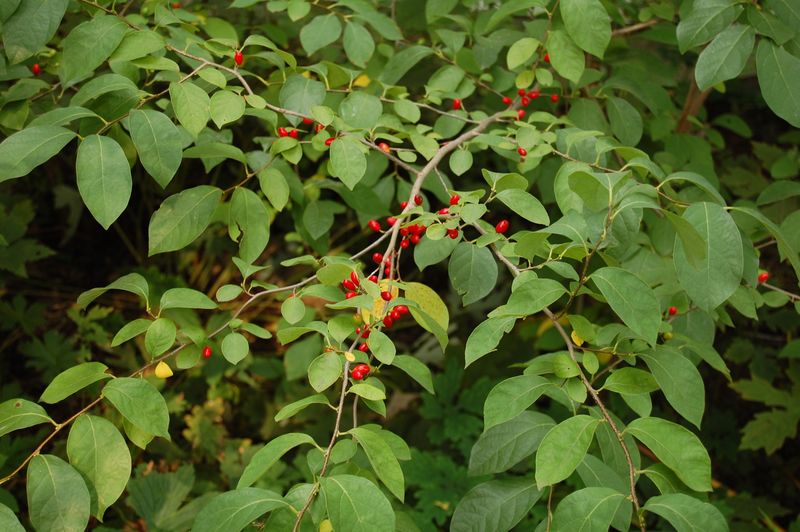
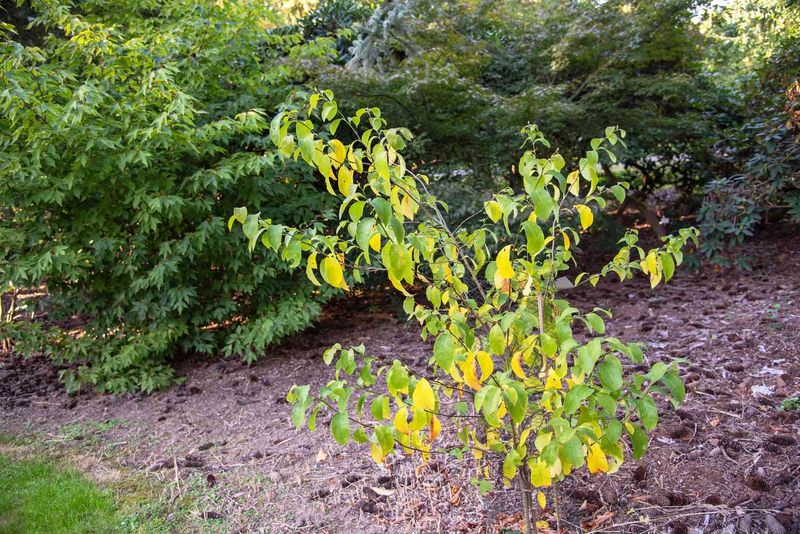
Spicebush belongs in every Pennsylvania garden that celebrates native plants. This deciduous shrub, known scientifically as Lindera benzoin, reaches heights between six and twelve feet when fully grown.
The plant earned its common name from the spicy fragrance released when you crush its leaves or break a twig.
Early spring brings clusters of tiny yellow flowers before any leaves appear on the branches. These blooms arrive when most other plants still sleep through late winter. The cheerful color brightens shady spots and woodland edges throughout Pennsylvania.
Wildlife benefits make Spicebush especially valuable for ecological gardeners. Butterflies visit the flowers for nectar.
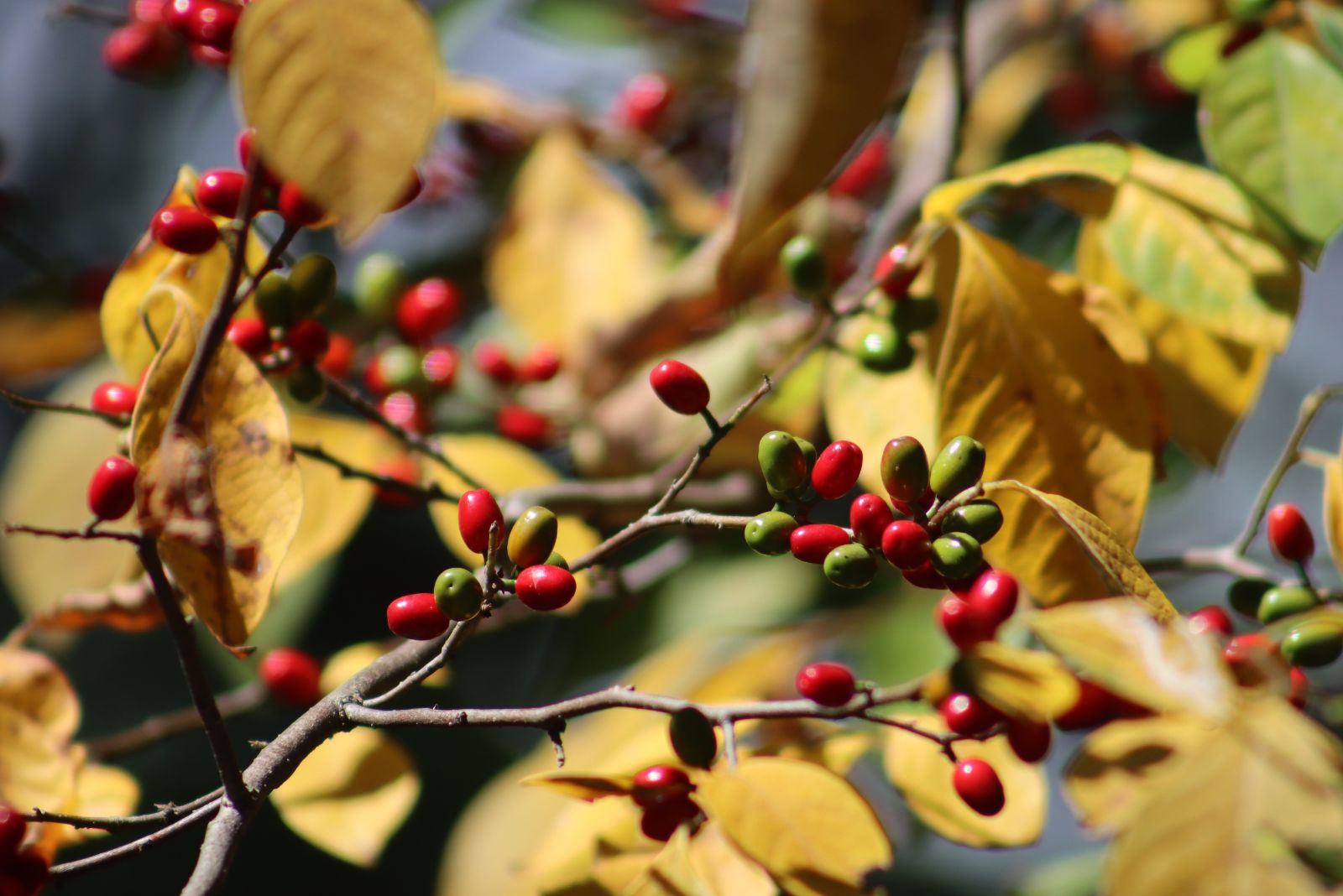
Birds feast on the bright red berries that develop in fall. The Spicebush Swallowtail butterfly depends entirely on this plant as a host for its caterpillars.
Maintenance requirements stay remarkably low once the shrub establishes itself. Pennsylvania gardeners appreciate plants that thrive without constant attention.
Spicebush fits that description perfectly. It tolerates various light conditions and adapts to typical Pennsylvania soils.
Native plants like Spicebush evolved alongside local wildlife over thousands of years. These relationships create balanced ecosystems in home landscapes.
Gardens become more than just pretty spaces when they support the creatures that belong in Pennsylvania.
The shrub grows naturally throughout much of the eastern United States, including Pennsylvania. This native status means it handles local weather patterns, soil types, and seasonal changes without struggle.
Gardeners avoid the disappointment that comes with plants poorly suited to regional conditions.
Spicebush offers four-season interest beyond its spring bloom. Summer brings glossy green foliage.
Fall transforms leaves to bright yellow before they drop. Even winter reveals attractive branching structure worth admiring.
2. Ideal Planting Conditions
Light requirements for Spicebush remain flexible, which helps Pennsylvania gardeners with different yard situations.
Full sun works fine, though the plant actually prefers some shade during the hottest part of the day. Partial shade mimics the woodland edges where Spicebush grows naturally.
Morning sun with afternoon shade creates perfect conditions. This lighting pattern provides enough energy for good flowering without stressing the plant during Pennsylvania summers.
Gardens with dappled shade under tall trees also work beautifully. Soil quality matters more than most beginners realize. Spicebush thrives in moist, well-drained soil enriched with organic matter.
Your Pennsylvania Garden Changes Every Week. Your Plan Should Too.
Gardening in Pennsylvania changes quickly throughout the season. Every Friday you’ll receive a simple weekly plan showing exactly what to plant, prune, fertilize, harvest, and protect so you never miss the right timing.
The plant tolerates clay soils common throughout Pennsylvania as long as water does not sit around roots for extended periods.
Adding compost before planting improves almost any soil type. This organic material helps clay soils drain better while helping sandy soils hold moisture longer. Pennsylvania gardeners should work several inches of compost into the planting area.
Moisture tolerance gives Spicebush an advantage in Pennsylvania landscapes. The shrub handles wetter conditions better than many other plants.
Low spots that stay damp after rain pose no problem. Stream banks and pond edges make excellent planting locations.
Soil pH preferences lean slightly acidic, which matches naturally occurring Pennsylvania soils perfectly. Most gardeners need not worry about adjusting pH levels. The shrub adapts to a wide range from acidic to slightly alkaline conditions.
Drainage becomes critical only in extreme situations. Standing water that persists for weeks creates problems for roots.
Simple solutions include building slight mounds for planting or adding more organic material to improve soil structure.
Pennsylvania’s natural climate suits Spicebush completely. Cold winters and warm summers match the conditions this native plant expects. No special protection becomes necessary during typical weather patterns.
3. When And How To Plant In Early Spring?
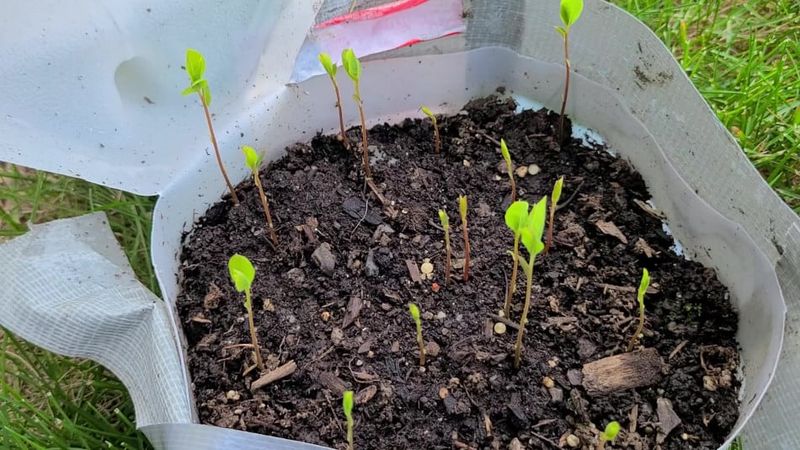
Timing makes a real difference when planting Spicebush in Pennsylvania gardens. Early spring offers the best window for establishing new shrubs.
Wait until soil can be worked easily, which usually happens sometime between mid-March and late April depending on your specific location.
Frost still visits Pennsylvania during early spring, but this does not harm newly planted Spicebush. The shrub handles cold temperatures without trouble.
Getting plants in the ground early gives roots maximum time to grow before summer heat arrives.
Spacing decisions affect how your garden looks years later. Each Spicebush needs room to reach its natural size without crowding.
Allow six to twelve feet between plants when creating a grouping. Single specimens need similar clearance from buildings, fences, and other shrubs.
Container-grown plants from nurseries transplant easily in early spring. Remove the pot carefully and examine roots before planting.
Gently loosen any roots circling the container. This encourages them to grow outward into surrounding soil.
Bare-root Spicebush sometimes becomes available through native plant sales in Pennsylvania. These plants cost less but require extra care during planting.
Keep roots moist and plant immediately. Soak roots in water for several hours before putting them in the ground.
Dig planting holes twice as wide as the root ball but no deeper. The top of the root ball should sit level with the surrounding ground. Planting too deep causes problems that show up months later.
Backfill the hole with the original soil mixed with compost. Avoid adding fertilizer during planting.
Native plants like Spicebush do not need the nutrient boost that can actually harm them. Water thoroughly after planting to settle soil around roots and eliminate air pockets.
4. Care And Maintenance
Watering schedules during the first growing season help Spicebush establish strong roots. Pennsylvania springs usually bring adequate rainfall, but dry spells require attention.
Water deeply once or twice weekly when rain does not fall. Shallow, frequent watering encourages weak root systems.
Check soil moisture by sticking your finger two inches down. Dry soil at that depth means watering time has arrived.
Moist soil means you can wait another day or two. This simple test prevents both underwatering and overwatering.
Established Spicebush tolerates dry periods much better than newly planted shrubs. After the first year, Pennsylvania rainfall typically provides enough moisture. Supplemental watering becomes necessary only during unusually dry summers.
Mulching offers multiple benefits that make this task worth the effort. Spread two to three inches of organic mulch around the base of each plant.
Wood chips, shredded bark, or leaf compost all work well. Keep mulch a few inches away from the stems to prevent rot.
Mulch moderates soil temperature throughout the year. Cool soil in summer reduces stress on roots.
Warmer soil in winter protects roots from extreme cold. Pennsylvania’s temperature swings make this moderation valuable.
Moisture retention improves dramatically under a good mulch layer. Water soaks into soil instead of running off or evaporating quickly.
This benefit matters most during establishment but continues helping throughout the shrub’s life.
Pruning requirements stay minimal for Spicebush grown in Pennsylvania gardens. The natural form looks attractive without shaping.
Remove only dry, damaged, or crossing branches. Late winter or very early spring works best for any necessary pruning.
Avoid heavy pruning that removes flowering wood. Blooms appear on old growth, so cutting back branches eliminates next spring’s flower display. Light shaping maintains size without sacrificing blooms.
5. Wildlife And Garden Benefits
Spicebush Swallowtail butterflies depend completely on this native shrub for survival. Female butterflies lay eggs only on Spicebush and a few related plants.
Caterpillars hatch and feed on the leaves throughout summer. Pennsylvania gardens with Spicebush become butterfly nurseries.
These caterpillars look remarkable in their later stages. They develop large false eyespots that make them resemble small snakes.
This clever disguise protects them from birds and other predators. Watching this transformation fascinates gardeners of all ages.
Early spring flowers provide crucial nectar when few other food sources exist. Native bees emerge from winter dormancy hungry and searching.
Spicebush blooms offer exactly what these important pollinators need. Pennsylvania gardens support local bee populations by including early-blooming natives.
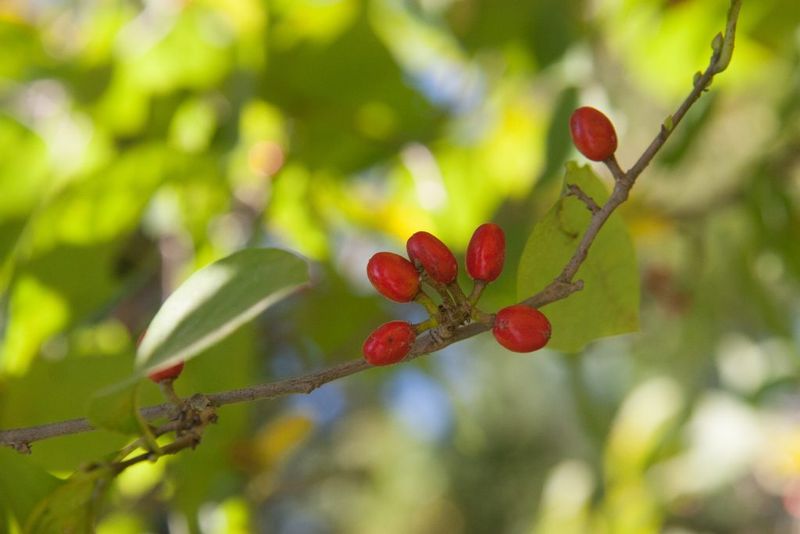
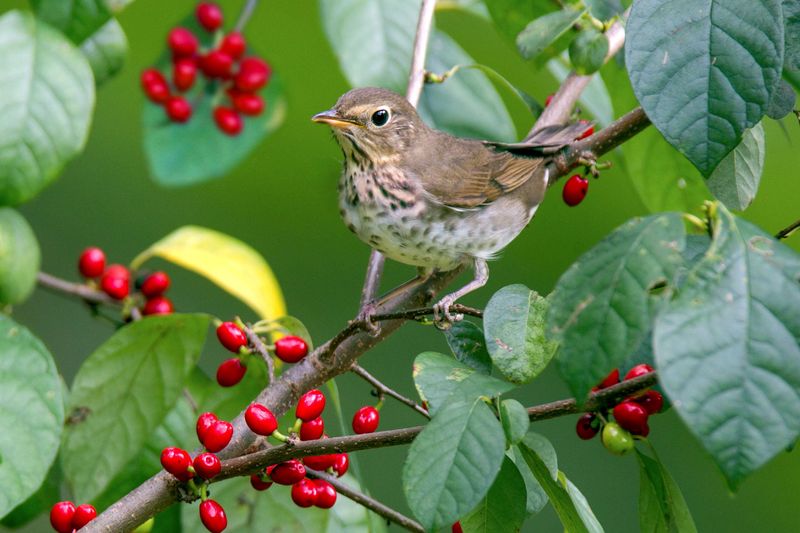
Fall berries attract numerous bird species to Pennsylvania gardens. The bright red fruits ripen in September and October.
Thrushes, vireos, and other migratory birds feast on these lipid-rich berries before continuing their journey south.
Resident birds also appreciate the food source. Cardinals, catbirds, and mockingbirds visit regularly during berry season.
Female plants produce the most fruit, but male plants must grow nearby for pollination to occur.
Biodiversity increases when gardens include native plants like Spicebush. Complex food webs develop as insects, birds, and other creatures interact. Pennsylvania yards become miniature ecosystems rather than sterile landscapes.
Naturalized garden styles gain authenticity from native plantings. Spicebush fits perfectly into woodland gardens, rain gardens, and wildlife habitats. The informal growth habit looks right at home in these settings.
Deer browse Spicebush occasionally but rarely cause serious damage. The spicy foliage does not appeal to them as much as many other plants. Pennsylvania gardeners dealing with deer pressure find this resistance helpful.
6. What To Expect: Bloom And Seasonal Interest
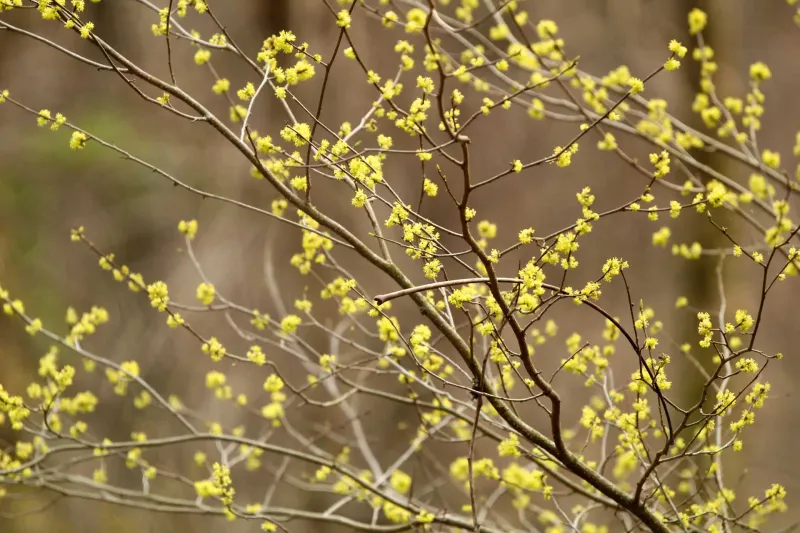
Yellow flowers appear in late March or early April across most of Pennsylvania. Exact timing varies with weather patterns and location within the state.
Northern regions bloom slightly later than southern areas. The flowers emerge before leaves, creating maximum visual impact.
Each tiny blossom measures only about a quarter inch across. The impact comes from sheer numbers as clusters cover every twig.
The soft yellow color glows in early morning or late afternoon light. Overcast days make the blooms appear even more vibrant.
Flowering lasts approximately two weeks under normal conditions. Cool spring weather extends the display.
Warm spells shorten bloom time but bring leaves out faster. Pennsylvania gardeners enjoy this early color regardless of duration.
Summer foliage provides a lush backdrop for other garden plants. The leaves emerge bright green and deepen as they mature.
Each leaf grows three to five inches long with a distinctive oval shape and smooth edges. The glossy surface catches light beautifully.
Aromatic compounds in the leaves become noticeable when you brush against the plant. The spicy, citrus-like scent adds another dimension to the garden experience.
Some Pennsylvania gardeners plant Spicebush along paths where people naturally touch the foliage.
Fall transforms Spicebush into a golden beacon. Leaves turn clear yellow, sometimes with hints of chartreuse.
The color develops reliably each autumn in Pennsylvania. Bright red berries create stunning contrast against yellow foliage.
Maximizing bloom display requires proper siting and care. Plants receiving morning sun produce more flowers than those in deep shade.
Adequate moisture during the previous growing season also improves flowering. Avoid heavy fertilization, which promotes leafy growth over blooms.
Pennsylvania gardeners patient enough to grow both male and female plants see the best berry production. The shrubs look identical until flowering reveals their gender.