Do This In Your California Garden Before February Is Over
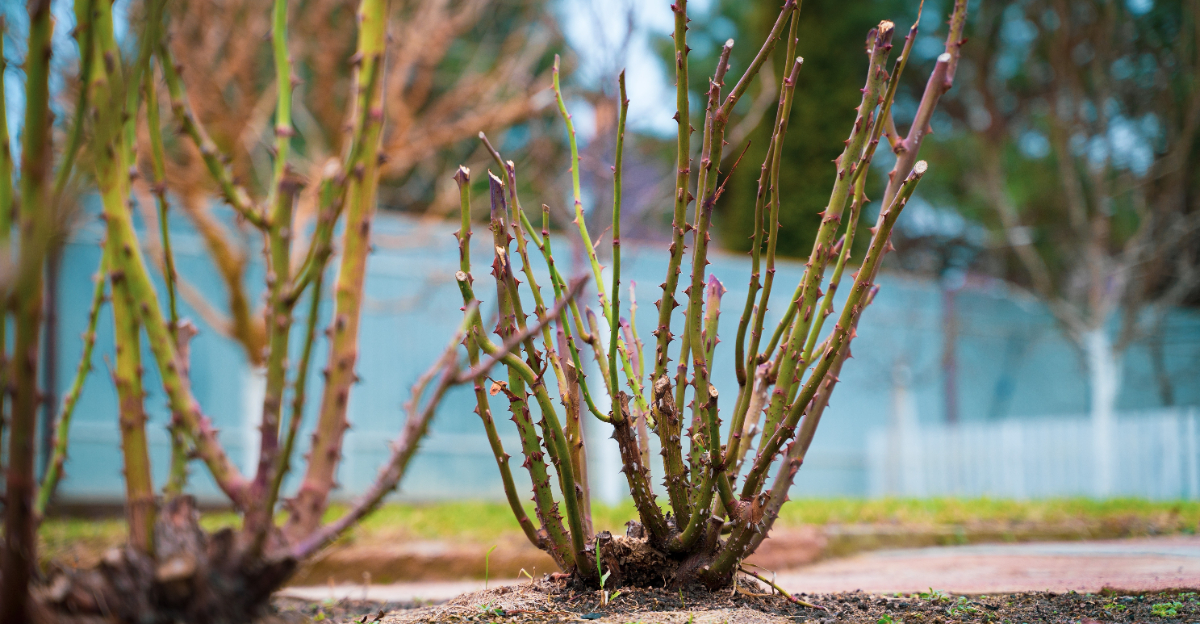
February in California feels like a quiet pause between winter rain and spring fireworks, and your garden is secretly gearing up for a burst of life. Before that show begins, tackle one essential task: late winter pruning.
This is prime time while many trees and shrubs are dormant, energy tucked safely in their roots, and crisp cuts encourage vigorous growth, brighter blooms, and healthier plants. Slip on your gloves, grab sharp pruners, and head outside into the cool, fresh air.
A quick trim now keeps branches neat, improves airflow, and helps prevent pests and disease later.
Spend an hour or two now and spring will reward you with color, fragrance, and lush growth that feels almost magical in every sunny corner. Your garden will look healthier, happier, and full of promise this season.
1. Why Late-Winter Pruning Matters
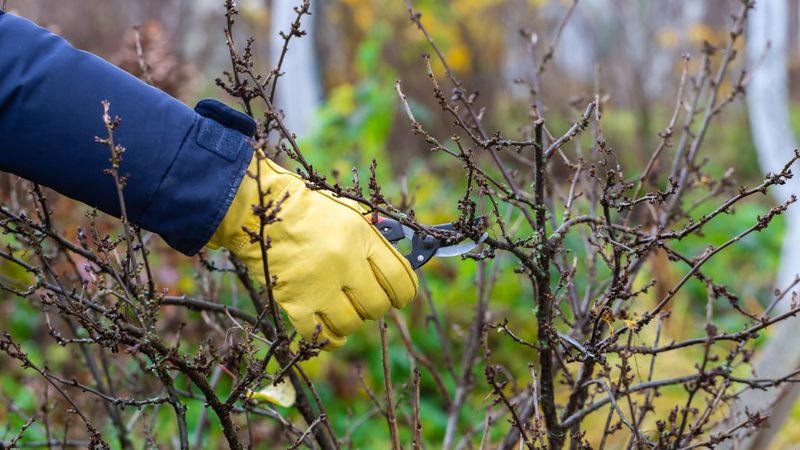
Late winter offers a window of opportunity that won’t come around again until next year. Your plants are dormant, which means they’re not actively growing or pushing energy into new leaves and flowers.
When you prune during this quiet time, the plant can heal quickly without wasting resources on damaged tissue.
California’s mild climate makes February ideal because freezing weather is mostly behind us. You won’t risk exposing fresh cuts to damaging cold snaps that could harm the plant.
At the same time, spring growth hasn’t started yet, so you’re not removing new buds or tender shoots that the plant just invested energy into creating.
Pruning now also helps you see the plant’s structure clearly. Without leaves in the way, you can spot crossing branches, dead wood, and problem areas that need attention.
This clarity makes your work more effective and helps you make better decisions about what to cut and what to keep.
Waiting too long means you’ll be fighting against the plant’s natural growth cycle. Once buds swell and leaves emerge, pruning becomes stressful for the plant and less effective for shaping its future growth.
2. Prune Roses Before Spring Growth
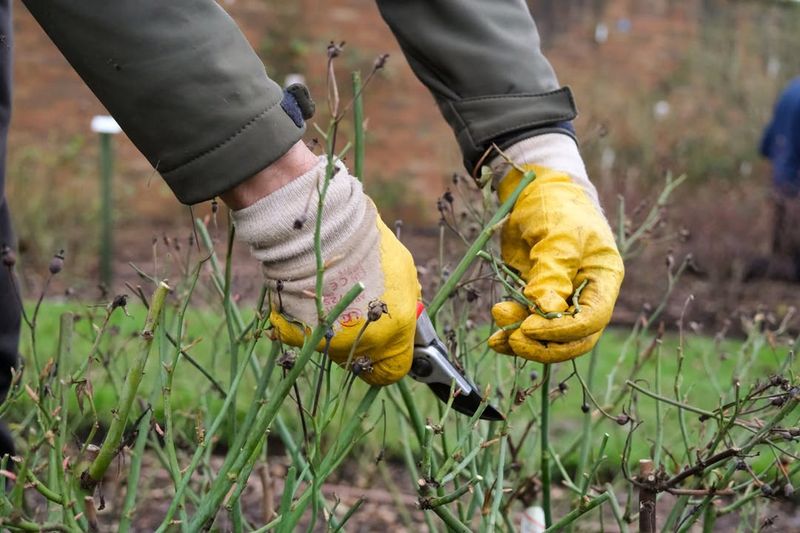
Walk past your rose bushes on a cool February morning and you’ll notice the canes are bare and still. This dormant period is your best friend when it comes to rose pruning.
Roses respond beautifully to a good haircut before they wake up for spring, and the results show up in stronger stems and bigger blooms come April and May.
Start by removing any dead or damaged canes completely. Cut them back to the base where they meet healthy wood, which you’ll recognize by its green color inside.
Then focus on opening up the center of the plant by removing canes that cross or rub against each other, since these create wounds that invite disease.
For hybrid teas and floribundas, cut the remaining healthy canes back to about 18 to 24 inches tall. Make your cuts at a 45-degree angle just above an outward-facing bud.
This encourages the plant to grow outward instead of creating a tangled center that traps moisture and pests.
Your California Garden Changes Every Week. Your Plan Should Too.
Gardening in California changes quickly throughout the season. Every Friday you’ll receive a simple weekly plan showing exactly what to plant, prune, fertilize, harvest, and protect so you never miss the right timing.
Climbing roses need lighter pruning. Remove old, woody canes and thin out crowded areas, but keep the main framework intact so the plant can spread across your trellis or fence.
3. Finish Dormant Fruit Tree Pruning
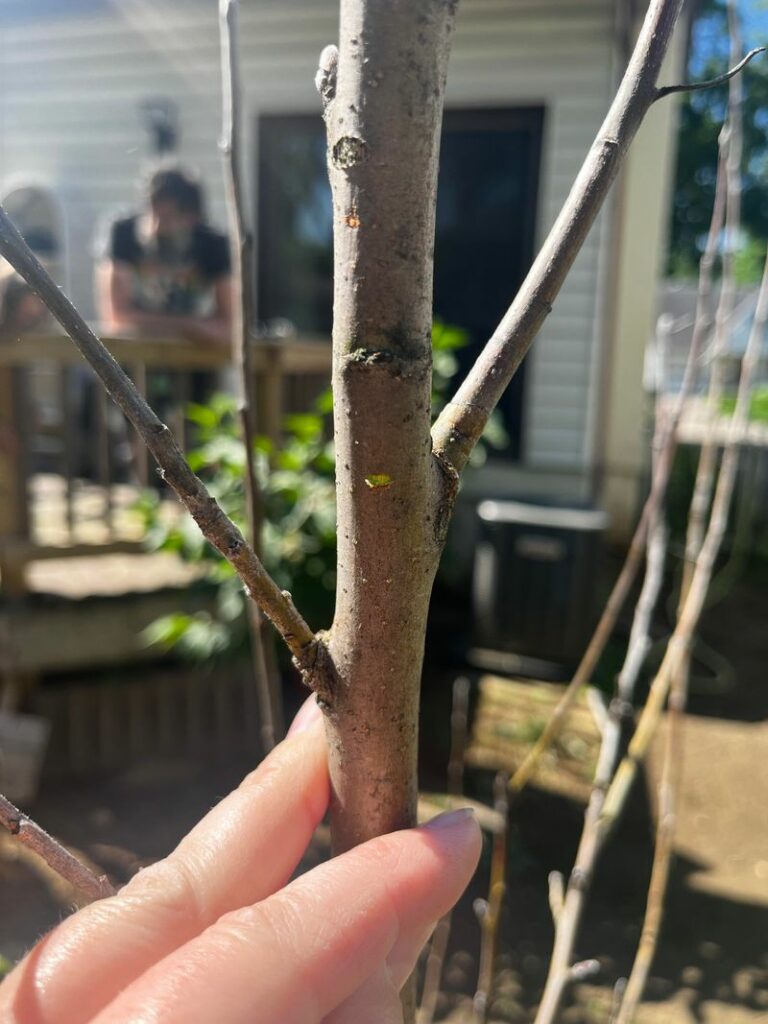
Your fruit trees have been bare for weeks now, and that naked look is exactly what you want when it’s time to prune. February is your last chance to shape these trees before they start pushing out blossoms and leaves.
Once that growth begins, pruning becomes much harder on the tree and less effective for you.
Apples, pears, peaches, plums, and apricots all benefit from dormant pruning. The goal is to create an open center or modified leader shape that allows sunlight to reach all parts of the tree.
Sunlight means better fruit development and fewer disease problems, since air can circulate freely through the branches.
Start by removing any dead, diseased, or broken branches. Then look for branches that grow straight up or straight down, since these rarely produce good fruit.
Remove branches that cross through the center of the tree or rub against other branches, creating wounds that invite pests and disease.
Don’t be afraid to make substantial cuts. Fruit trees grown in California’s generous climate can handle aggressive pruning and will reward you with vigorous new growth.
Just remember to step back frequently and look at the overall shape you’re creating.
4. What To Remove, What To Keep
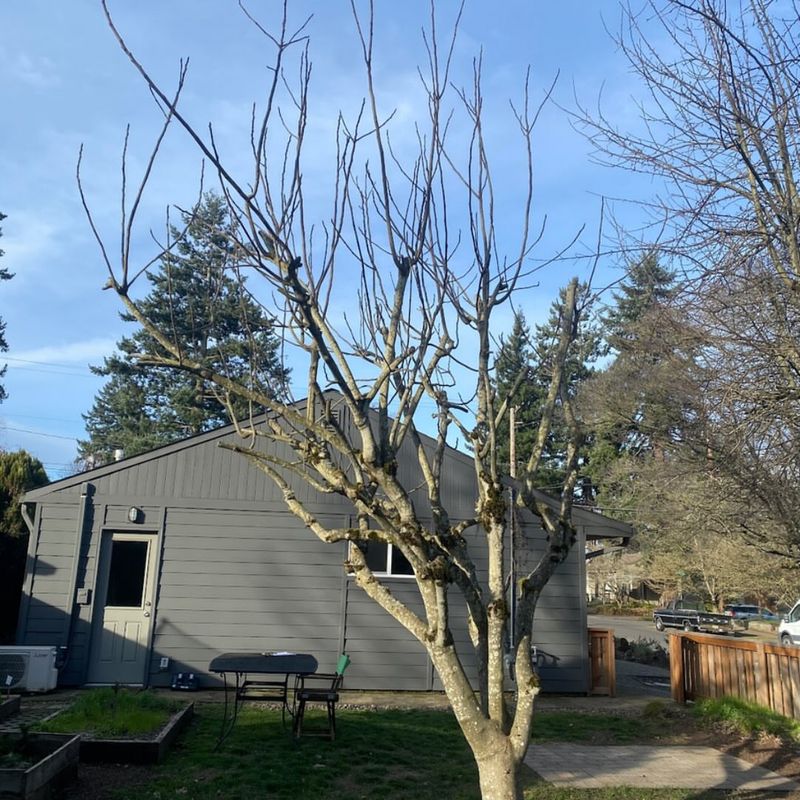
Standing in front of a tree or shrub with pruning shears in hand can feel overwhelming. Where do you start?
What stays and what goes? Learning to read your plant’s structure makes these decisions much easier and helps you prune with confidence instead of guessing.
Always remove the “three Ds” first: diseased, damaged, and deranged wood. Dead branches are obvious, usually gray or brown with no green inside.
Diseased wood shows discoloration, cankers, or unusual growth. Damaged branches have splits, tears, or broken bark.
Deranged branches grow in odd directions, like straight down or through the center of the plant.
Next, look for branches that compete with the main leader or central trunk. These competing branches steal energy and create weak attachment points that can break under the weight of fruit or during windy weather.
Remove them cleanly at their base.
Keep branches that grow at 45 to 60-degree angles from the trunk, since these produce the most fruit and have the strongest attachment.
Also keep branches that are evenly spaced around the tree, creating a balanced crown that won’t tip or become lopsided as it grows.
5. Prune For Light And Airflow
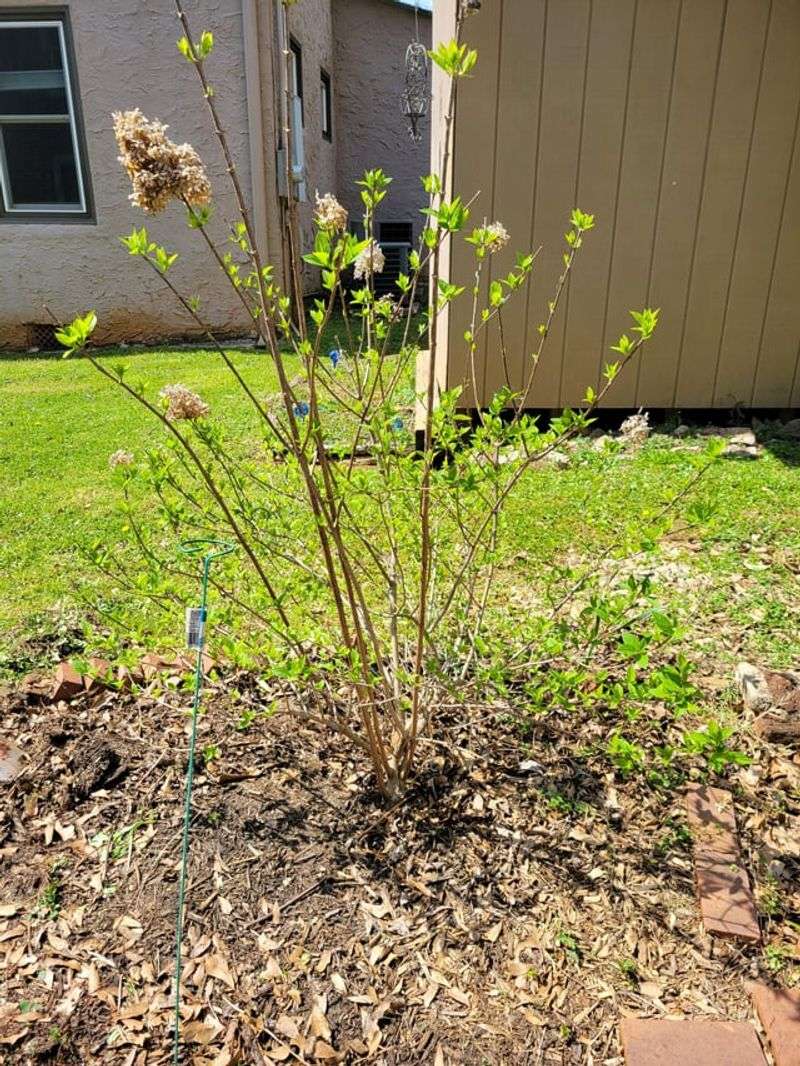
Imagine sunlight trying to reach the center of a crowded tree. If branches are tangled and overlapping, that light gets blocked, and the inner parts of the tree stay shaded and damp.
This creates perfect conditions for fungal diseases and reduces fruit production, since fruit needs sun to ripen properly and develop good flavor.
When you prune for light and airflow, you’re essentially creating windows through the tree’s canopy. Remove branches that grow toward the center, since these block light and trap moisture.
Focus on opening up the middle so air can move freely through the branches, drying off morning dew and reducing the humidity that fungi love.
California’s dry summers help with disease control, but spring can bring morning fog and occasional rain. Good pruning now means your trees will dry out quickly after these moisture events, giving diseases less opportunity to take hold.
This is especially important for peaches and nectarines, which are prone to leaf curl and brown rot.
Step back frequently as you work and look at the tree from different angles. You should be able to see through the canopy in several places.
If it looks like a solid wall of branches, keep pruning.
6. Avoid These Pruning Mistakes
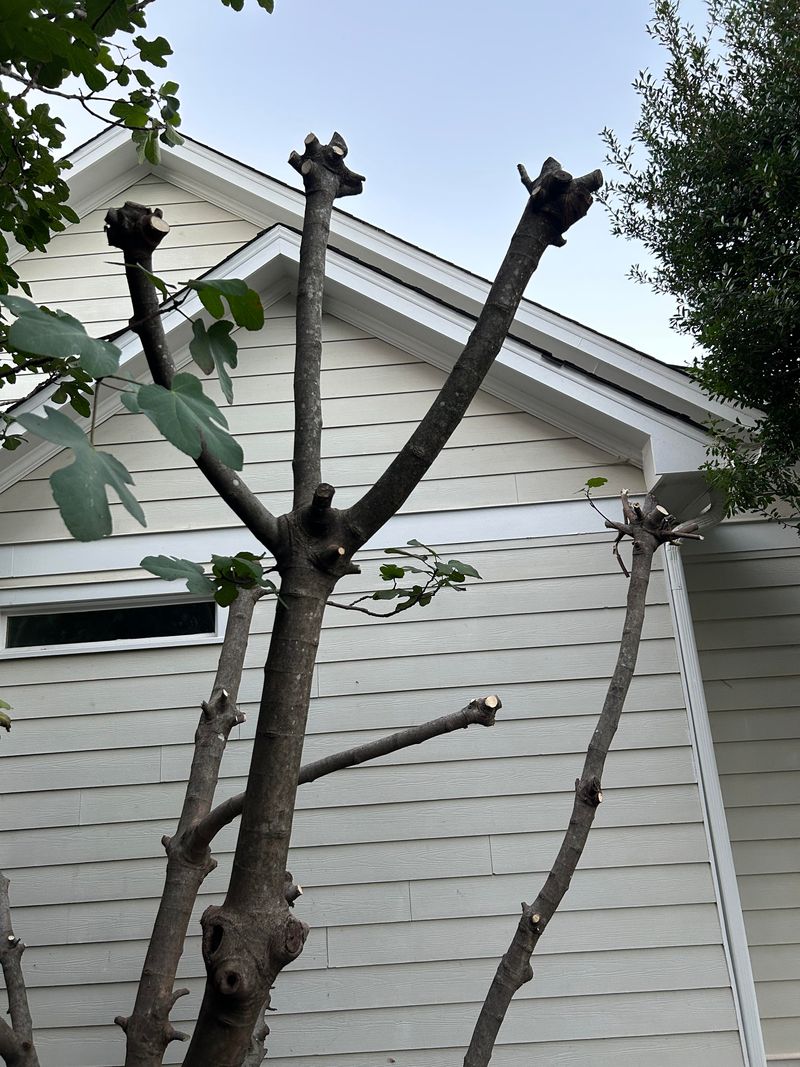
Even experienced gardeners sometimes make cuts that hurt more than they help. One common mistake is cutting too close to the trunk, removing the branch collar where healing tissue forms.
This flush cut prevents proper healing and creates an entry point for decay. Leave the slight swelling at the branch base intact when you prune.
Another problem is leaving stubs, which are short pieces of branch that stick out after cutting. Stubs can’t heal properly because there’s no living tissue to close over the wound.
They eventually die back and rot, creating disease problems. Always cut back to a lateral branch or bud, not to empty space.
Many gardeners also prune at the wrong time of year. Spring-blooming shrubs like lilacs and forsythia should be pruned right after they flower, not in February.
If you prune them now, you’ll remove all the flower buds and get no blooms this spring. Know your plant’s blooming schedule before you start cutting.
Topping trees is perhaps the worst mistake. This involves cutting off the top of a tree to reduce its height, which creates weak, fast-growing shoots and ruins the tree’s natural shape.
If a tree is too tall, it’s better to remove it than to top it.
7. Use The Right Tools And Cuts
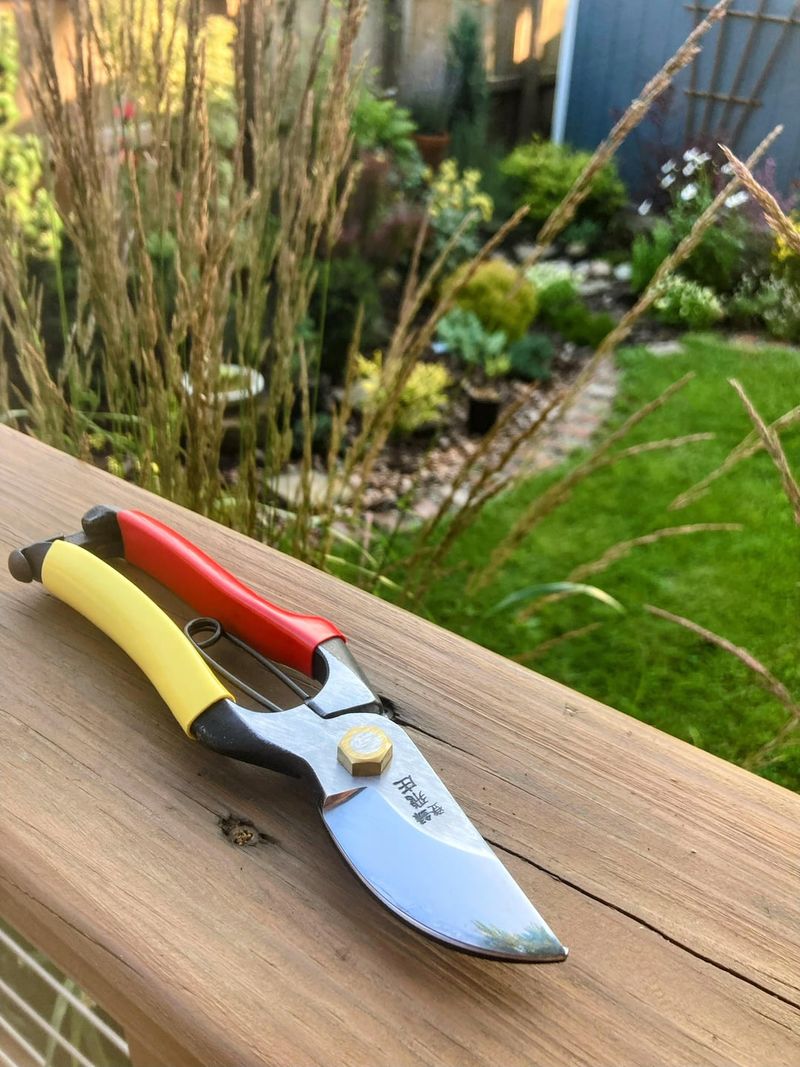
Sharp tools make all the difference between clean cuts that heal quickly and ragged tears that invite disease. Bypass pruners work best for branches up to three-quarters of an inch thick.
These scissors-style tools make clean cuts when the blades are sharp, but they crush and tear when dull. If you have to squeeze hard or the cut looks ragged, it’s time to sharpen your pruners.
For branches between three-quarters of an inch and two inches thick, loppers give you the extra leverage you need. Choose bypass loppers over anvil style, since bypass blades make cleaner cuts.
The long handles let you reach higher branches and give you more cutting power without straining your hands and arms.
Pruning saws handle anything thicker than two inches. A curved blade works better than a straight one, cutting on the pull stroke instead of the push.
This gives you more control and makes cleaner cuts with less effort. Keep the saw blade clean and sharp for best results.
Make your cuts at a slight angle, about 45 degrees, just above a bud or lateral branch. The angle helps water run off instead of pooling on the cut surface.
Position the cut about a quarter inch above the bud, not right against it or far above it.
8. How February Pruning Pays Off
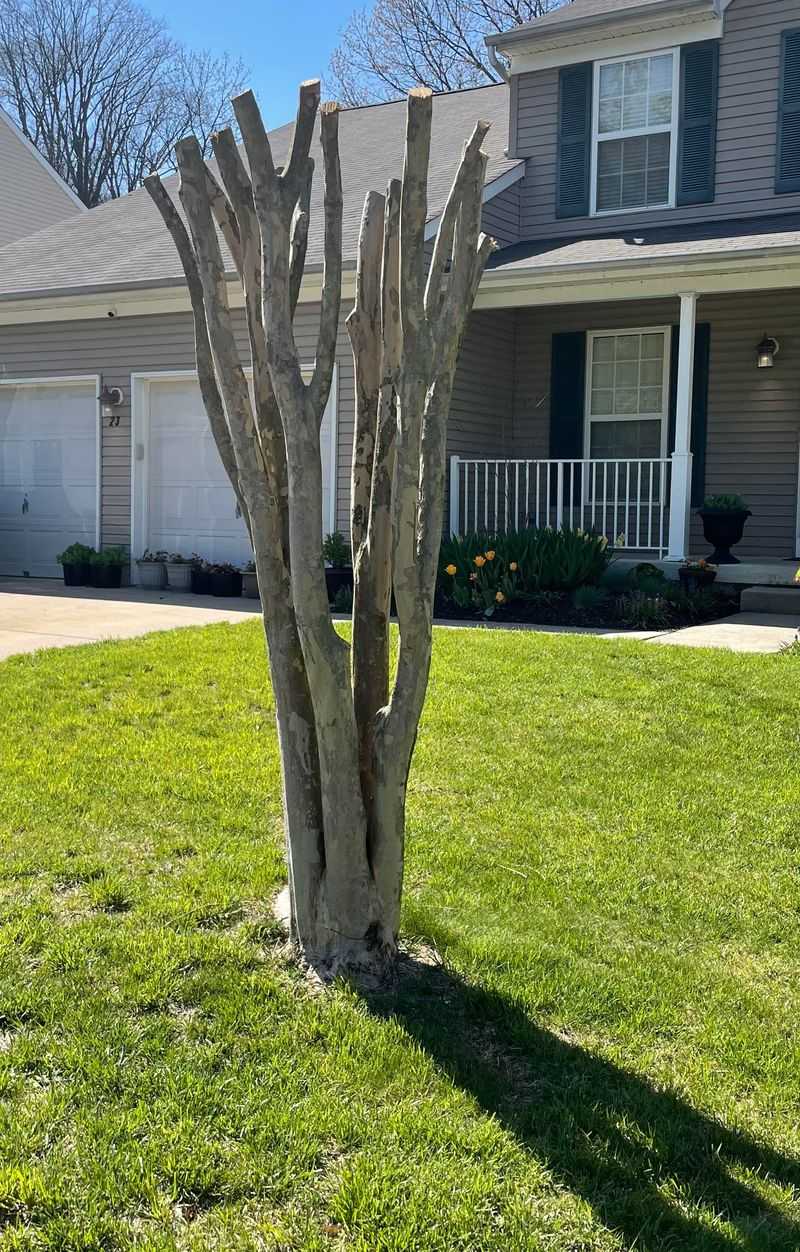
The work you do this month sets the stage for everything that follows. When March arrives and temperatures warm up, your pruned plants will respond with vigorous, healthy growth.
Instead of wasting energy on crowded, weak branches, they’ll focus on producing strong stems, abundant leaves, and plenty of flowers or fruit.
Roses that get proper February pruning produce larger blooms on longer stems, perfect for cutting and enjoying indoors.
The open structure you create allows better air circulation, which means fewer problems with powdery mildew and black spot during the growing season.
You’ll spend less time fighting diseases and more time enjoying beautiful flowers.
Fruit trees reward winter pruning with better fruit production and easier harvests. The open canopy you create allows sunlight to reach developing fruit, improving flavor and color.
Branches are better spaced, so fruit doesn’t crowd together and create conditions for rot. Harvesting becomes simpler when you can reach fruit without fighting through tangled growth.
Perhaps most importantly, February pruning helps your plants stay healthy and vigorous for years to come.
You’re not just improving this year’s growth; you’re shaping the plant’s long-term structure and ensuring it remains productive and attractive throughout its life in your garden.