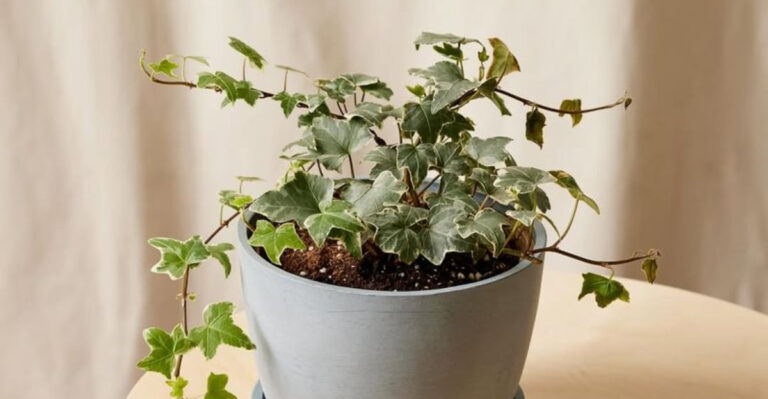
How Long To Wait Before Cutting Cold Damaged Plants In Pennsylvania
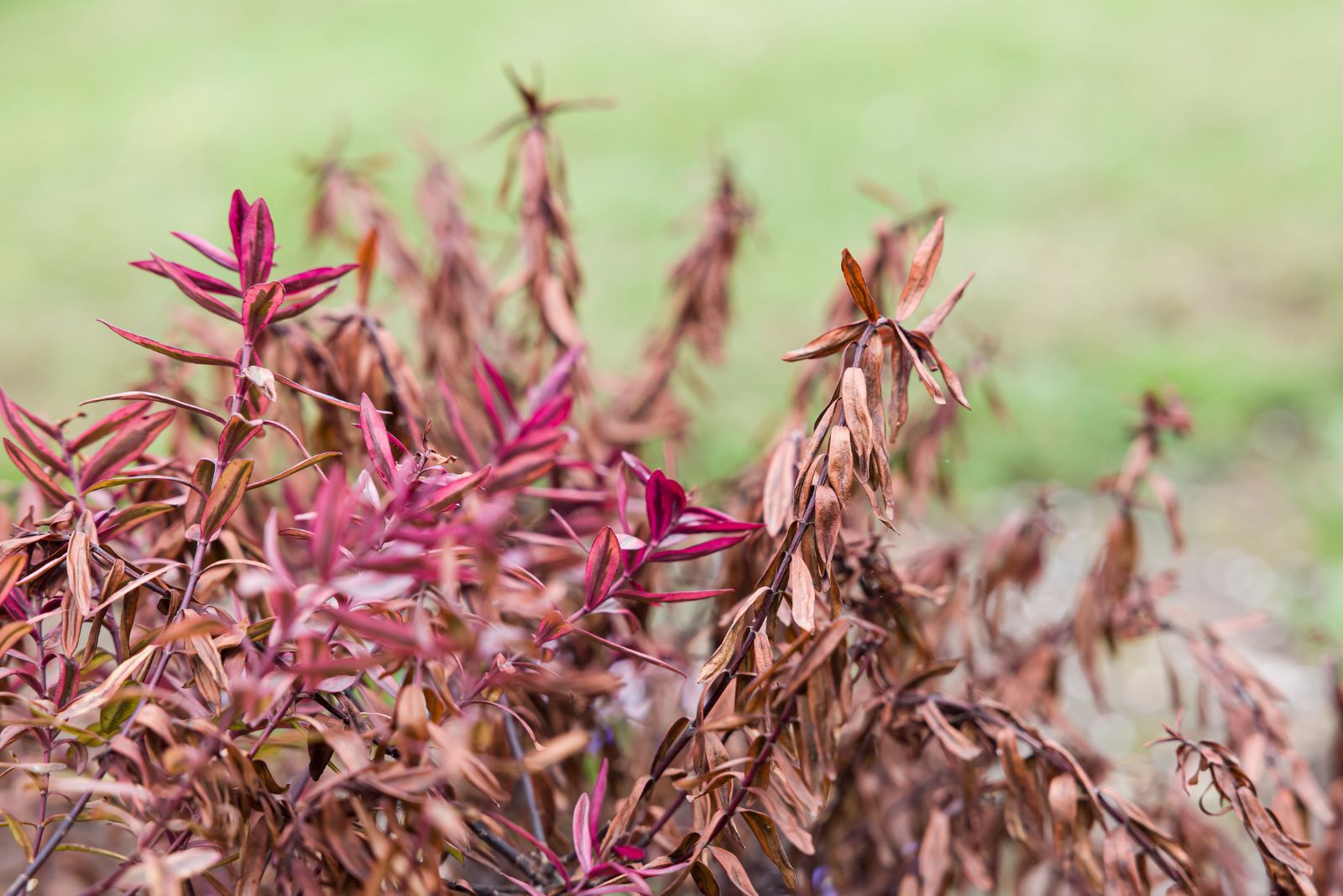
After a harsh Pennsylvania winter, many plants emerge looking tired, browned, or partially damaged, leaving gardeners wondering whether it is time to start trimming. Acting too quickly, however, can sometimes do more harm than good.
Cold damaged stems and leaves may look lifeless at first, yet parts of the plant can still be alive and slowly recovering beneath the surface. Pruning too early can remove growth that might have bounced back once warmer temperatures return.
Patience allows you to see which areas truly failed and which are simply delayed by the cold. As spring progresses, new buds and fresh shoots begin to reveal the plant’s true condition, making it easier to prune wisely.
Knowing how long to wait helps protect healthy tissue, reduce stress, and support stronger recovery. With careful timing, your Pennsylvania garden can regain its strength and return to healthy, vibrant growth as the season moves forward.
1. Why Timing Matters?
Cutting damaged plants too quickly after a cold snap creates serious problems for your garden. Plants enter a vulnerable state after freezing temperatures, and their natural defenses are already working overtime to protect living tissue.
When you prune before the plant has time to recover, you expose fresh wounds that become entry points for diseases and pests.
Pennsylvania winters often bring multiple freeze-thaw cycles that confuse both gardeners and plants. What looks completely damaged on the outside might have perfectly healthy tissue underneath.
Many shrubs and perennials sacrifice their outer branches and leaves to protect their core structure and root system.
Premature pruning removes these protective layers too soon. The damaged foliage actually acts like a blanket, shielding the inner parts of the plant from additional cold snaps that often happen in March and early April across Pennsylvania.
Once you cut away this protection, late frosts can damage tissue that would have otherwise survived.
Your plants also need time to redistribute their stored energy. After cold damage, they assess which parts can be saved and which parts need to be abandoned.
This process takes weeks, not days. Cutting too early interrupts this natural assessment and forces the plant to heal pruning wounds instead of focusing on regrowth.
Patience pays off in gardening. Waiting allows you to see exactly where new growth emerges, so you know precisely where to make your cuts.
This targeted approach means less stress on the plant and faster recovery times. Your Pennsylvania garden will thank you for holding back and letting nature reveal its plans first.
2. Understanding Cold Damage
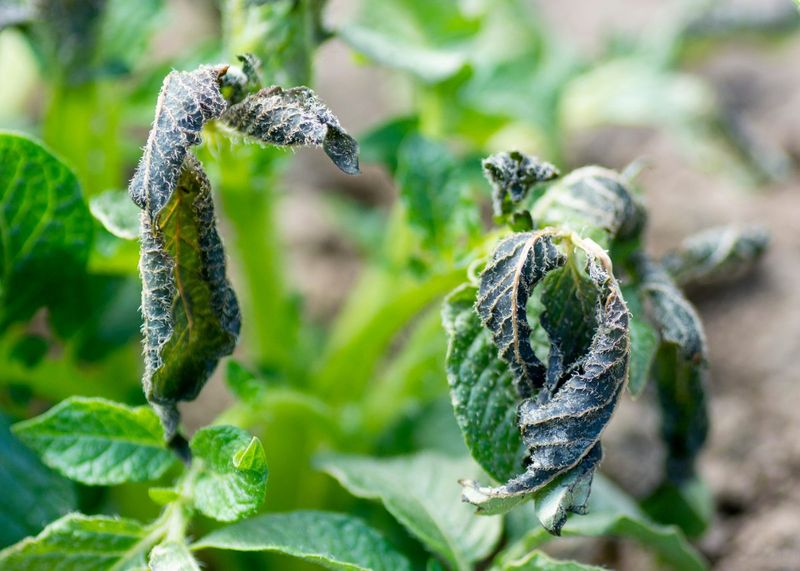
Cold damage shows up in several distinct ways on Pennsylvania plants. Frost burn appears as browning along leaf edges and tips, creating a scorched appearance even though no heat was involved.
This happens when ice crystals form inside plant cells and rupture their walls. The damage looks alarming but often affects only the outermost tissue.
Blackened leaves signal more severe freezing injury. Entire leaves turn dark brown or black and hang limply from branches.
This type of damage typically occurs during sudden temperature drops when plants haven’t had time to harden off properly.
Your Pennsylvania Garden Changes Every Week. Your Plan Should Too.
Gardening in Pennsylvania changes quickly throughout the season. Every Friday you’ll receive a simple weekly plan showing exactly what to plant, prune, fertilize, harvest, and protect so you never miss the right timing.
Pennsylvania’s unpredictable spring weather causes this problem frequently, especially on plants that started growing during warm February or March days.
Stem dieback represents the most serious form of cold injury. Branches turn brown from the tips downward, and the bark may split or peel away from the wood underneath.
Young growth and tender shoots suffer first, but extreme cold can damage even mature woody stems.
Some plants handle Pennsylvania winters better than others. Broadleaf evergreens like rhododendrons and boxwoods are particularly vulnerable because they keep their leaves all winter long.
These leaves lose moisture through transpiration even in freezing weather, leading to winter burn. Herbaceous perennials usually fare better because their tops naturally go dormant.
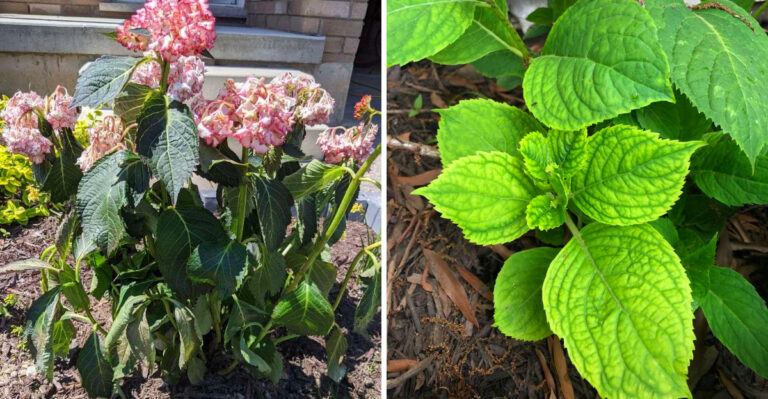
Tender perennials like hydrangeas often show tip damage on their branches. Roses can experience significant dieback, especially hybrid teas that aren’t fully hardy in Pennsylvania’s climate zones.
Native plants and those rated for zones 5 and 6 typically bounce back more reliably than marginally hardy varieties.
3. Assessing Plant Health
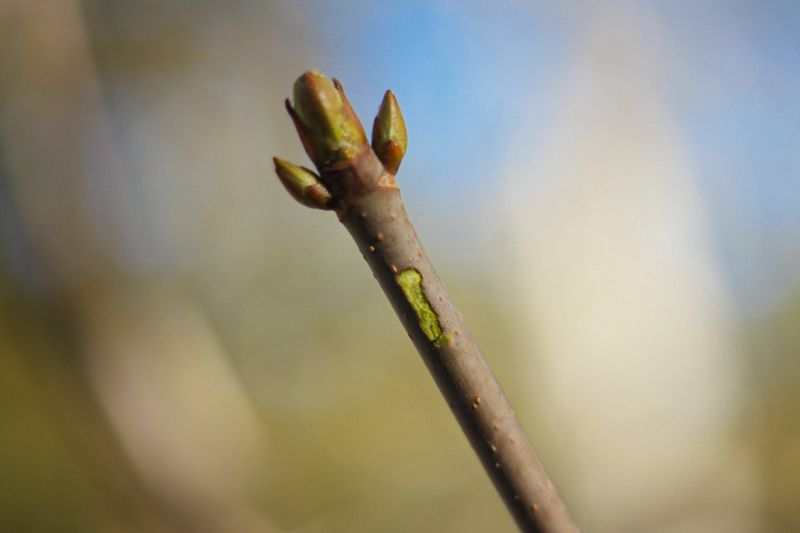
Figuring out what’s alive and what’s truly gone requires some detective work. Your eyes alone can’t always tell the difference between dormant tissue and damaged tissue.
The scratch test gives you reliable answers. Use your thumbnail or a sharp knife to gently scrape away a small section of bark on questionable stems.
Green tissue underneath the bark means that section is still alive and capable of recovery. Brown or gray tissue indicates the stem has been compromised and won’t produce new growth.
Start your scratch test at the tips of branches and work your way down toward the base until you find green tissue. Flexibility offers another clue about plant health. Gently bend small twigs and branches.
Living wood flexes and springs back, while damaged wood snaps cleanly with a brittle break. This test works especially well on shrubs and small trees throughout Pennsylvania gardens.
Check the cambium layer, which sits just beneath the bark. This thin green layer transports nutrients and water throughout the plant.
If the cambium looks healthy and moist, the branch can recover even if the outer bark looks rough. Dry, brown cambium means that section won’t come back.
Wait for spring growth to show you exactly where life remains. Buds will swell and break on living tissue, making your pruning decisions obvious.
Pennsylvania’s growing season typically starts in April for most plants, though some take until May to show clear signs. Mark questionable branches with colored tape or string so you can monitor them over several weeks.
This patient observation prevents you from cutting away parts that might still recover on their own.
4. Recommended Waiting Periods
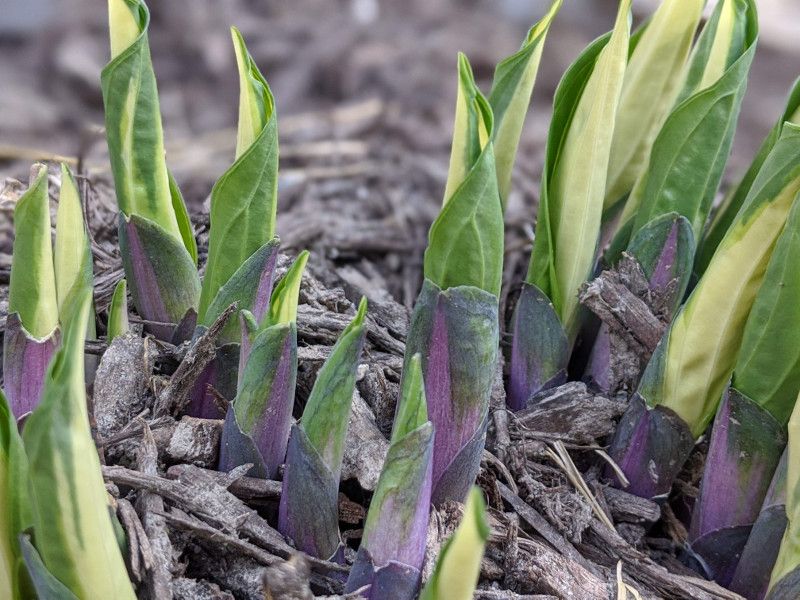
Perennials need the shortest waiting period after cold damage. Most herbaceous perennials in Pennsylvania should be left alone until mid to late April.
By this time, you’ll see new shoots emerging from the crown at ground level. Cut back the damaged tops to just above these new shoots.
Plants like hostas, daylilies, and coneflowers typically show clear growth patterns by tax day.
Shrubs require more patience than perennials. Wait until mid-May before pruning cold-damaged shrubs in Pennsylvania.
How Long To Wait Before Cutting Cold Damaged Plants In Pennsylvania
Trees need the longest observation period. Hold off on pruning damaged tree branches until late May or even early June across Pennsylvania.
Trees move slowly compared to other plants, and their buds take time to swell and break. This extended waiting period also lets you assess the full extent of damage before making permanent cuts to your valuable tree specimens.
Species-specific considerations matter greatly. Forsythia and lilac bloom on old wood, so damaged branches won’t flower this year but might recover for next season.
Crape myrtles bloom on new wood and can be cut back hard once you see growth starting from the base. Evergreens like yews and junipers rarely recover from brown foliage, but wait until June to be certain.
Spring growth serves as your ultimate guide. Once you see active growth beginning, wait another two weeks before pruning.
This ensures the plant has committed its resources to specific areas and won’t waste energy on abandoned sections.
5. Safe Pruning Practices
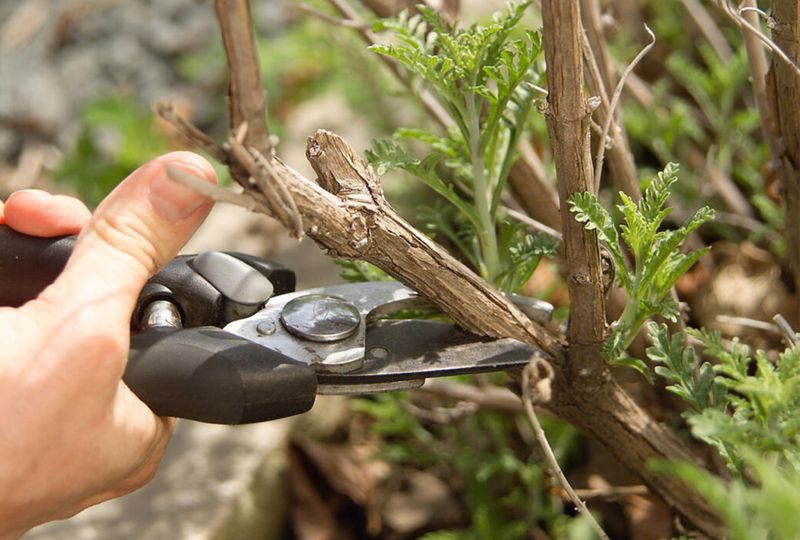
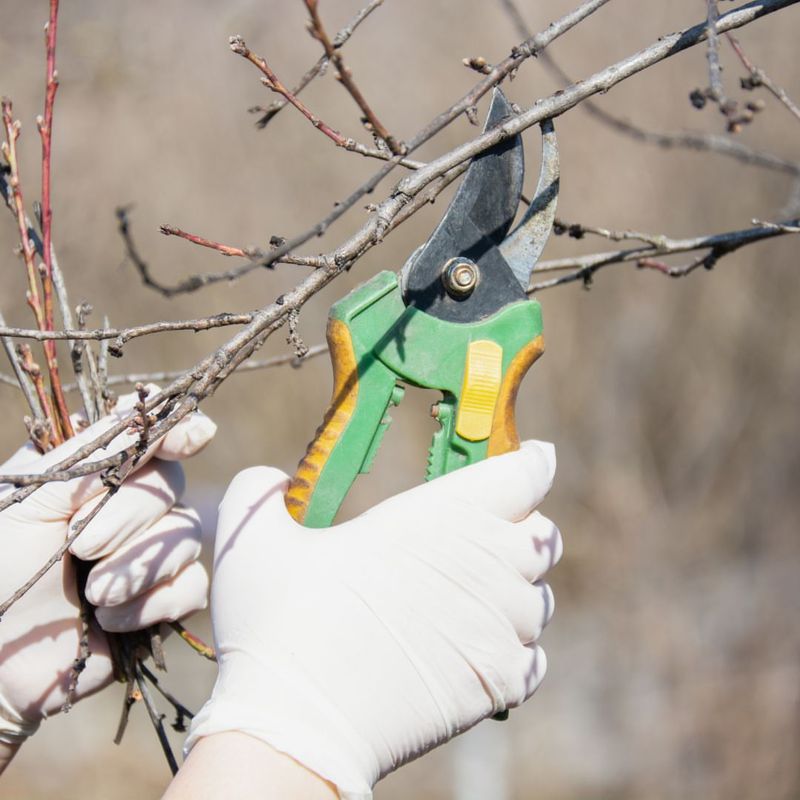
Sharp, clean tools make all the difference when pruning cold-damaged plants. Dull blades crush stems instead of making clean cuts, creating ragged wounds that heal slowly and invite disease.
Clean your pruning shears, loppers, and saws with rubbing alcohol or a bleach solution between cuts, especially when moving from one plant to another.
Make your cuts at a 45-degree angle just above a healthy bud or branch junction. This angled cut allows water to run off instead of pooling on the cut surface.
Cut about a quarter inch above the bud, not right against it. Cutting too close damages the bud, while cutting too far away leaves a stub that can rot.
Remove damaged wood back to healthy tissue. Your scratch test already showed you where green tissue begins.
Cut into this living zone rather than leaving brown stems behind. For large branches on trees, use the three-cut method to prevent bark from tearing down the trunk.
Avoid excessive pruning even when damage looks severe. Pennsylvania plants need foliage to produce energy through photosynthesis.
Removing more than one-third of a plant’s total growth in a single season stresses it significantly. If damage is extensive, spread your pruning over two seasons to give the plant time to recover between cuts.
Apply a two to three inch layer of organic mulch around pruned plants. Shredded bark, compost, or leaf mold helps retain soil moisture and moderates soil temperature.
Keep mulch a few inches away from plant stems to prevent rot. Water deeply after pruning to help plants recover from the stress of both cold damage and cutting.
6. Encouraging Recovery And Regrowth

Fertilization helps cold-damaged plants rebuild their strength, but timing and type matter. Wait until you see active new growth before applying any fertilizer in your Pennsylvania garden.
Feeding dormant or barely recovering plants wastes nutrients and can even cause additional stress. Once new leaves are expanding, apply a balanced, slow-release fertilizer according to package directions.
Water consistently but don’t overdo it. Cold-damaged plants have reduced root systems and can’t process excessive moisture.
Check soil moisture by sticking your finger two inches into the ground. Water deeply when the top inch feels dry.
Pennsylvania’s spring rains usually provide adequate moisture, but dry spells require supplemental watering.
Watch for secondary problems that target weakened plants. Aphids, scale insects, and spider mites often attack stressed plants because their natural defenses are compromised.
Check new growth weekly for signs of pest activity. Fungal diseases also take advantage of wounded tissue, so inspect for spots, mildew, or unusual discoloration.
Patience becomes your most valuable tool during recovery. Many plants that look terrible in April transform into healthy specimens by July.
Pennsylvania’s growing season provides enough warm weather for most plants to produce substantial new growth. Resist the urge to replace plants that seem slow to recover unless they show absolutely no signs of life by mid-June.
Support regrowth with proper care throughout the season. Deadhead spent flowers to redirect energy into leaf and stem production.
Avoid heavy pruning or shaping until the following year. Let recovering plants focus entirely on rebuilding their structure.
Most cold-damaged plants return to normal appearance within one to two growing seasons with proper care and patience.