8 Spring Flowers In Ohio That Are Toxic For Cats (An Essential Pet Safety Guide)
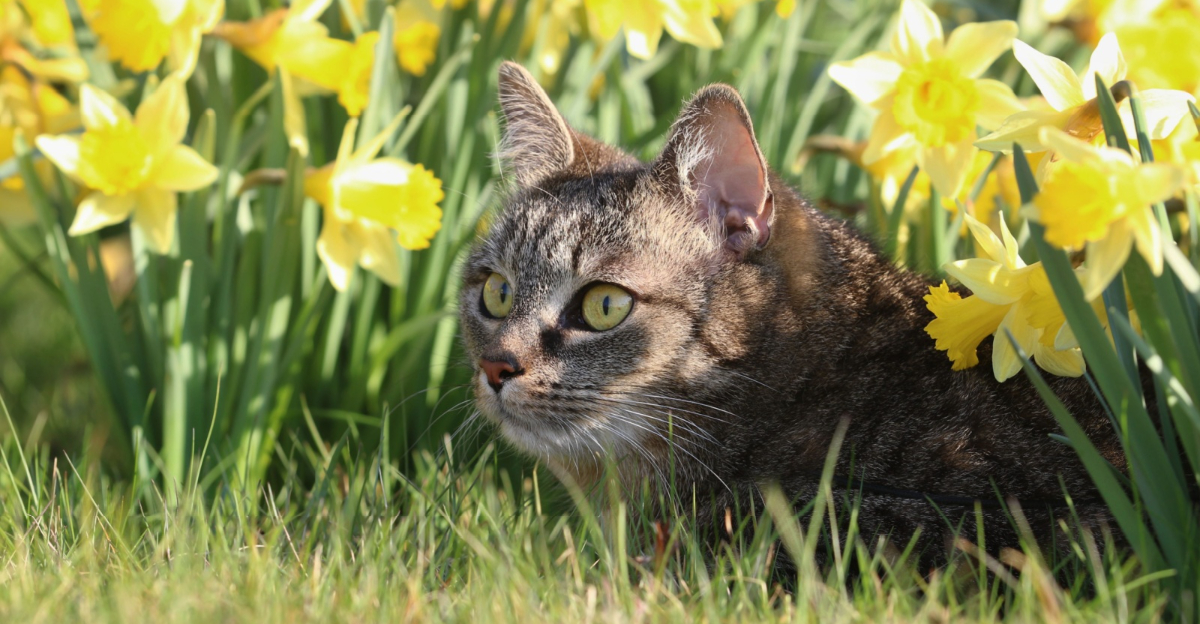
Spring in Ohio brings color back to the garden, fresh blooms lining walkways, patios, and windowsills. For cat owners, this beautiful season carries a hidden risk that often goes unnoticed.
Many popular spring flowers found in yards, bouquets, and neighborhood landscapes can pose serious danger to curious cats.
A single nibble, a brush against pollen, or even exposure to fallen petals can lead to consequences few pet owners expect. Each year, many people discover this risk too late, after symptoms appear and questions begin.
Awareness becomes the first and most important layer of protection. Before filling your garden or home with early season color, it helps to know which flowers require caution.
Some of the most familiar spring blooms in Ohio also rank among the most harmful to cats, making informed plant choices an essential step for a safe and pet friendly season.
1. Lily Is Extremely Toxic To Cats
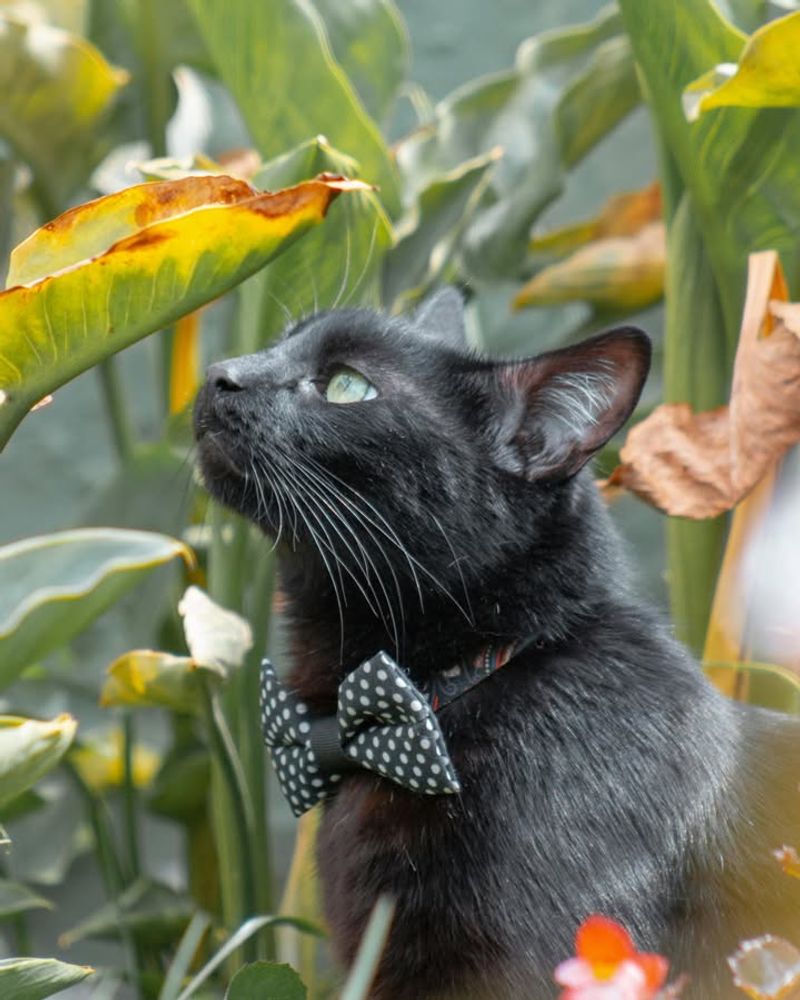
Every part of true lilies presents a serious threat to cats, from the petals and pollen to the leaves and stems. Even a tiny nibble or a brush against the flower that transfers pollen to fur can lead to rapid health complications.
Ohio gardeners often plant Easter lilies, tiger lilies, and Asiatic varieties without realizing the danger these beautiful blooms pose to indoor and outdoor cats.
The toxic compounds in lilies target kidney function specifically in felines. Within hours of exposure, cats may show decreased appetite, increased thirst, or unusual lethargy.
Vomiting often appears as an early warning sign. Without prompt veterinary intervention, kidney damage can progress quickly.
Prevention starts with keeping lilies completely out of homes with cats. If you receive a floral arrangement during spring holidays, check carefully for lily varieties and remove them immediately.
Outdoor plantings should be fenced off or replaced with safer alternatives. Cat owners in Ohio should consider planting roses, zinnias, or sunflowers instead.
Always contact your veterinarian or the ASPCA Animal Poison Control Center right away if you suspect lily exposure. Time matters significantly with this particular plant.
Quick action and professional care provide the best chance for a positive outcome when a cat encounters any part of a lily plant.
2. Daffodil Is Dangerous If Ingested
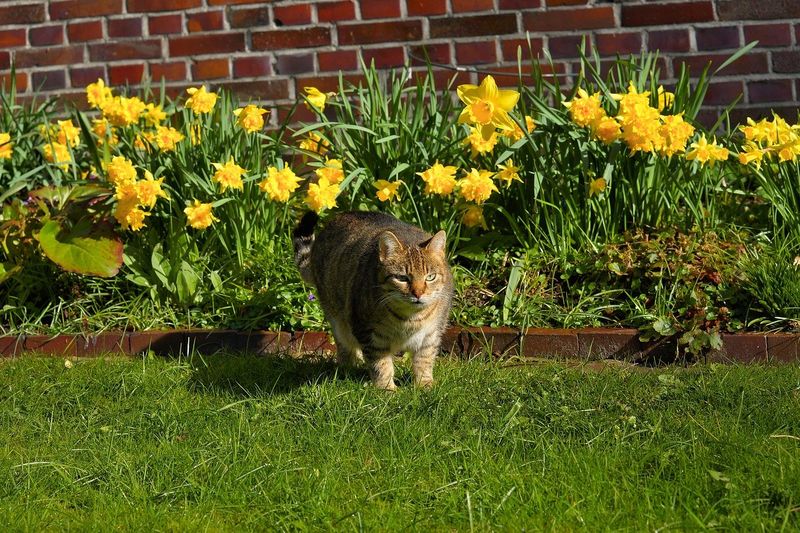
Daffodils bring cheerful yellow blooms to Ohio yards each spring, but these harbingers of warmer weather contain lycorine and other alkaloids throughout the entire plant. The highest concentration of these toxic compounds sits in the bulbs, which curious cats sometimes dig up or encounter during garden preparation.
Homeowners planting new beds in March and April should keep cats indoors during bulb installation.
When cats chew or ingest any part of a daffodil, the alkaloids irritate the mouth and digestive tract. Common symptoms include drooling, nausea, vomiting, and abdominal discomfort.
Larger amounts may cause more concerning signs like irregular heartbeat, breathing changes, or tremors. The severity depends on how much plant material the cat consumed.
Garden safety involves strategic placement of spring bulbs. Plant daffodils in areas your cat cannot access, such as fenced sections or raised beds with protective barriers.
Your Ohio Garden Changes Every Week. Your Plan Should Too.
Gardening in Ohio changes quickly throughout the season. Every Friday you’ll receive a simple weekly plan showing exactly what to plant, prune, fertilize, harvest, and protect so you never miss the right timing.
Store unused bulbs in secure containers inside sheds or garages where pets cannot reach them. Clean up any bulb fragments or plant debris after gardening sessions.
If your cat shows interest in daffodils or exhibits symptoms after spending time near these plants, reach out to your veterinarian promptly. Bring a sample of the plant if possible to help with identification and treatment planning.
3. Tulip Can Cause Poisoning
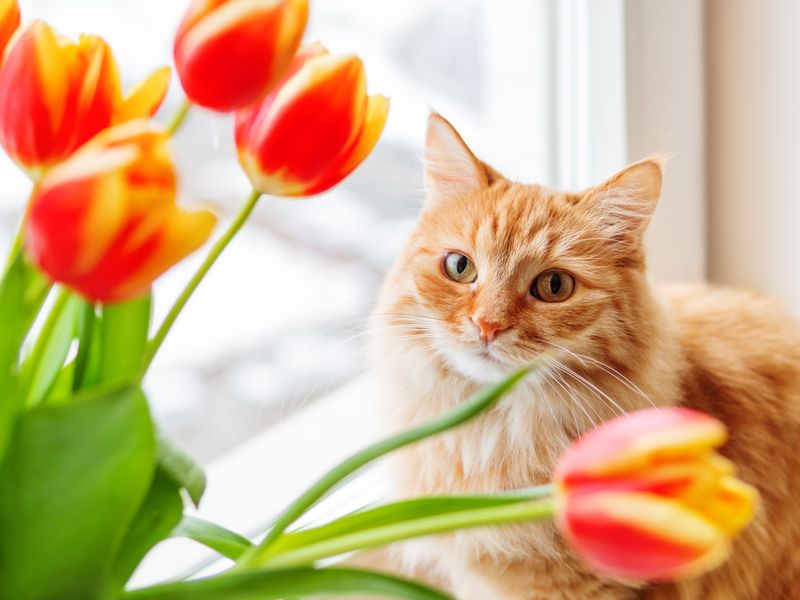
Tulips rank among Ohio’s most beloved spring flowers, with thousands of bulbs planted each fall for April and May displays. The bulbs contain irritant compounds called tulipalin A and tulipalin B that protect the plant from pests but create problems for cats who dig or chew them.
Fresh plantings in spring soil often attract feline attention, especially in newly turned garden beds.
Most tulip poisoning cases involve the bulbs rather than the flowers or leaves, though all parts contain some level of toxins. Cats who bite into bulbs typically experience immediate mouth irritation, leading to excessive drooling and pawing at the face.
Digestive symptoms follow, including vomiting, diarrhea, and reduced appetite. Some cats develop increased heart rate or breathing difficulties.
Creating a cat-safe spring garden means covering tulip beds with chicken wire or decorative fencing until plants establish strong root systems. Mulching heavily around tulips discourages digging behavior.
Consider planting tulips in containers placed on elevated surfaces where cats cannot reach them. Always supervise outdoor time during spring planting season.
Watch for behavioral changes after your cat spends time in areas where tulips grow. Contact your veterinarian if you notice drooling, vomiting, or unusual lethargy.
Early veterinary assessment helps manage symptoms effectively and prevents complications from developing.
4. Hyacinth Is Toxic To Cats
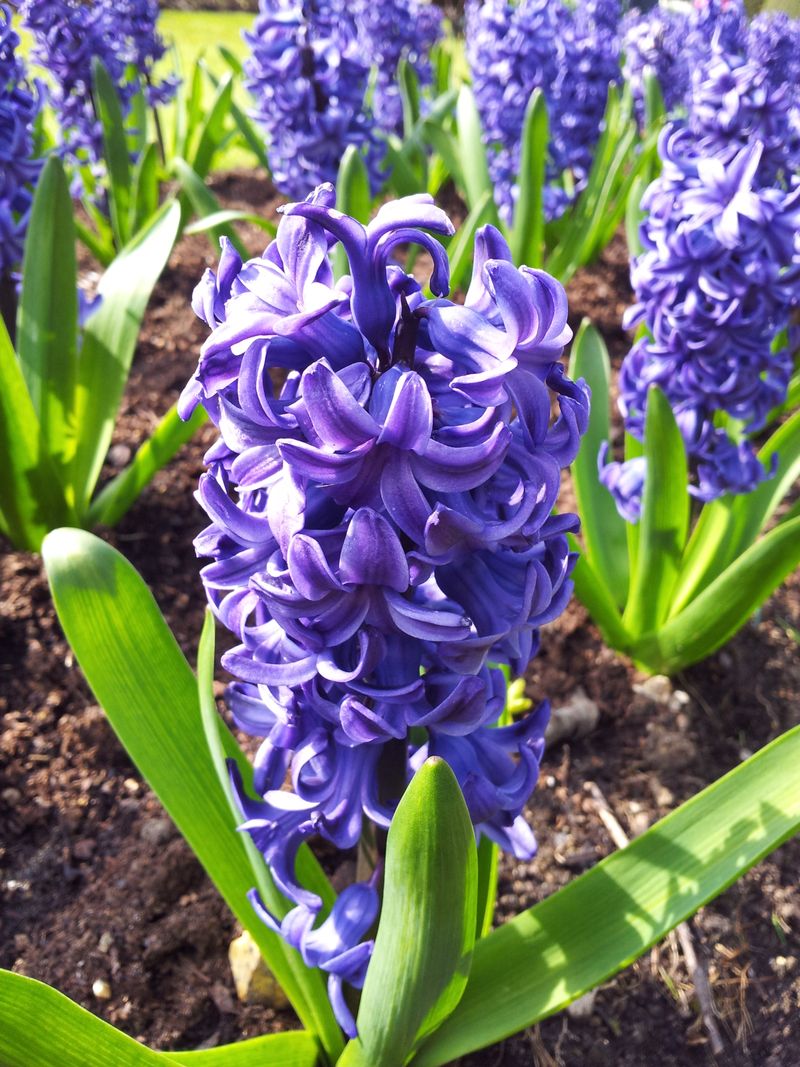
The sweet fragrance of hyacinths fills Ohio gardens in early spring, but hyacinth bulbs contain irritating toxins, and the bulbs are the most dangerous part for cats. Cats may encounter these bulbs during garden exploration or when homeowners leave them exposed during planting projects.
Chewing hyacinth bulbs can trigger intense mouth irritation, drooling, and digestive upset. Affected cats often paw at their mouths, refuse food, and may vomit or develop diarrhea within hours.
Symptoms can be more severe if larger amounts of bulb material are consumed. Strategic garden design helps minimize hyacinth exposure.
Plant these bulbs in dedicated flower beds away from areas where your cat typically roams or rests. Use physical barriers like decorative edging or low fencing to create clear boundaries.
Store unplanted bulbs in sealed containers within locked storage spaces. Handle bulbs with gloves and wash hands before touching your cat.
Symptoms requiring veterinary attention include persistent drooling, difficulty swallowing, or refusal to eat. Your veterinarian can provide supportive care to manage mouth irritation and digestive symptoms.
Keep the poison control hotline number readily available during spring planting season for quick access to expert guidance.
5. Crocus Can Be Harmful To Pets
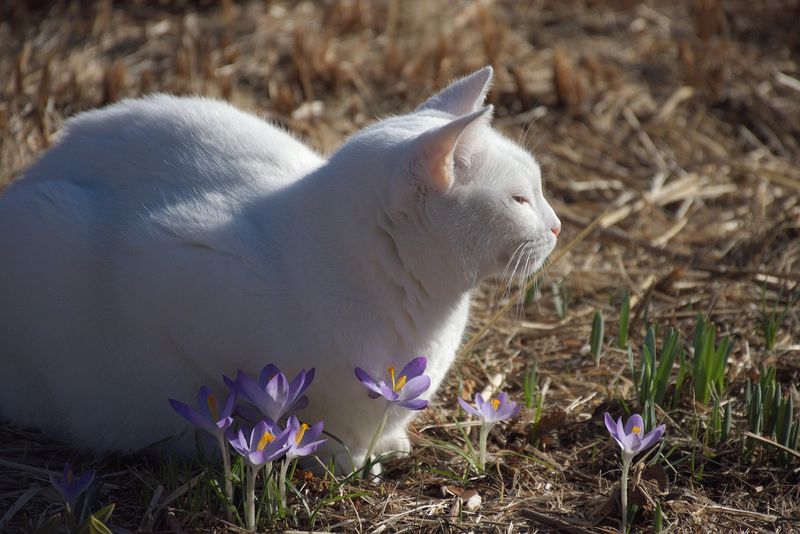
Spring crocus varieties emerge as some of Ohio’s earliest bloomers, often pushing through late winter snow with cheerful purple, yellow, and white flowers. These early spring bulbs contain compounds that cause mild to moderate toxicity in cats.
While less dangerous than their autumn-blooming cousins, spring crocuses still warrant caution in homes with curious felines.
The autumn crocus, also called meadow saffron, contains colchicine and poses severe risks, but this plant blooms much later in the year. Spring crocus species cause primarily digestive irritation rather than organ damage.
Cats who nibble spring crocus may experience vomiting, diarrhea, and drooling. Large quantities can lead to more concerning symptoms, though serious cases remain uncommon.
Ohio pet owners should still exercise reasonable caution with spring crocus plantings. These low-growing flowers often appear in lawn areas where cats walk and explore.
Consider planting them in rock gardens or borders where cats are less likely to investigate. Supervise outdoor cats during early spring when crocuses first emerge and curiosity runs high.
If your cat samples spring crocus, monitor for digestive upset over the next several hours. Most cases resolve with supportive care at home, but persistent vomiting or unusual behavior warrants a veterinary check.
Document what your cat ate and when symptoms started to help your veterinarian assess the situation accurately and recommend appropriate next steps.
6. Hellebore Is Poisonous To Cats
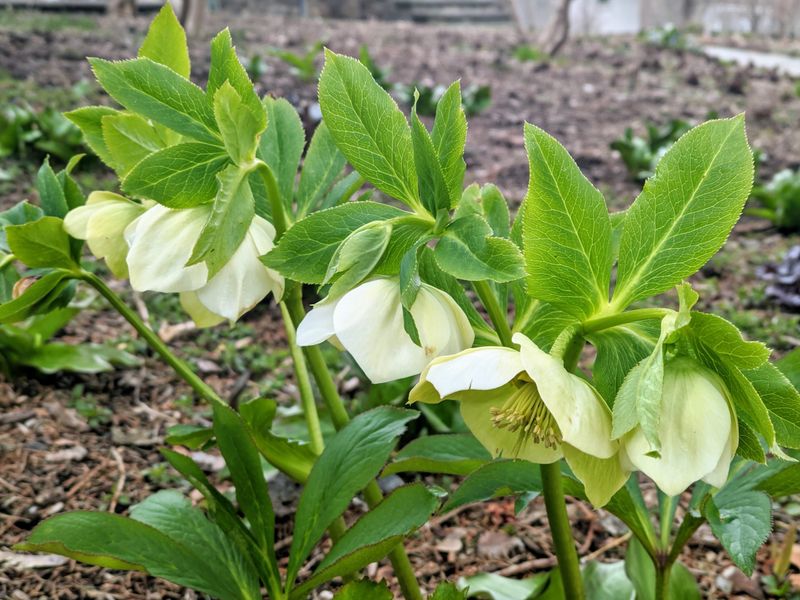
Hellebores bloom remarkably early in Ohio, sometimes appearing in February when snow still covers the ground. These evergreen perennials contain cardiac glycosides and saponins throughout all plant parts.
The toxic compounds affect heart function and cause significant digestive irritation. Gardeners value hellebores for shade tolerance and early color, but cat owners need to weigh these benefits against safety concerns.
Cats rarely seek out hellebores due to their bitter taste, but accidental exposure can occur during garden exploration. Symptoms typically begin with excessive drooling and mouth discomfort.
Digestive signs follow, including vomiting, diarrhea, and abdominal pain. In more serious cases, the cardiac glycosides may affect heart rhythm or cause weakness and collapse.
Safe gardening practices include planting hellebores in areas completely inaccessible to cats. These shade-lovers work well in enclosed courtyards, fenced side yards, or areas behind barriers.
Remove spent flowers and damaged leaves promptly to reduce the chance of plant material ending up where cats can reach it. Wear gloves when handling hellebores and wash thoroughly afterward.
Seek veterinary care immediately if your cat shows symptoms after hellebore contact. The cardiac effects require professional monitoring and treatment.
Your veterinarian may recommend blood work and heart monitoring to assess your cat’s condition fully. Providing plant identification helps veterinary staff determine the best treatment approach for your specific situation.
7. Snowdrop Contains Toxic Compounds

Snowdrops rank among the first flowers to appear in Ohio each year, often blooming while frost still threatens. These delicate white flowers contain galantamine and other alkaloid compounds in their bulbs and foliage.
While snowdrops rarely cause severe poisoning, they can make cats quite uncomfortable if ingested. The small size and early emergence of these plants sometimes leads to accidental exposure during outdoor adventures.
Alkaloid toxins in snowdrops primarily affect the digestive system. Cats who chew snowdrop leaves or dig up bulbs may experience nausea, vomiting, diarrhea, and reduced appetite.
The symptoms usually remain mild to moderate, though individual cats may react more strongly. Drooling and abdominal discomfort often accompany the digestive signs.
Ohio gardeners can enjoy snowdrops safely by planting them in naturalized areas away from main cat pathways. These woodland natives thrive under deciduous trees and in shaded corners where cats typically do not spend much time.
Mulch heavily around snowdrop plantings to discourage digging. Consider companion planting with cat-safe ground covers that create physical barriers.
Monitor your cat for digestive upset if snowdrops grow in accessible areas of your yard. Most cases resolve within 24 hours with rest and access to fresh water.
Contact your veterinarian if vomiting persists, your cat refuses food for more than a day, or you notice signs of dehydration or severe discomfort.
8. Iris Can Irritate And Poison Cats

Iris plants bring stunning purple, blue, yellow, and white blooms to Ohio gardens from late spring into early summer. The rhizomes contain irritating compounds and carry the highest concentration of toxins.
While the showy flowers themselves pose less risk, cats who dig in garden beds may encounter the toxic rhizomes just below the soil surface. Newly planted iris divisions present particular concern during spring installation.
The resinous compounds in iris rhizomes cause significant mouth and digestive tract irritation. Affected cats typically drool heavily and may paw at their mouths or faces.
Vomiting and diarrhea commonly develop within a few hours of exposure. Some cats experience abdominal cramping that causes restlessness or unusual postures.
The severity correlates with how much plant material the cat consumed.
Protecting cats from iris exposure involves thoughtful garden placement and maintenance. Plant iris in perennial borders with clear edges or in raised beds that discourage feline investigation.
Cover exposed rhizomes with soil and mulch to reduce visibility and accessibility. Clean up divided rhizomes promptly during spring and fall garden work.
Store any extra divisions in closed containers until you can plant or share them.
Veterinary care helps manage iris poisoning symptoms effectively. Your veterinarian may recommend medications to control vomiting and support hydration.
Most cats recover fully with appropriate care, though comfort measures speed the process and prevent complications from dehydration or electrolyte imbalances.