How To Keep Citrus Trees Healthy During California’s Late Winter
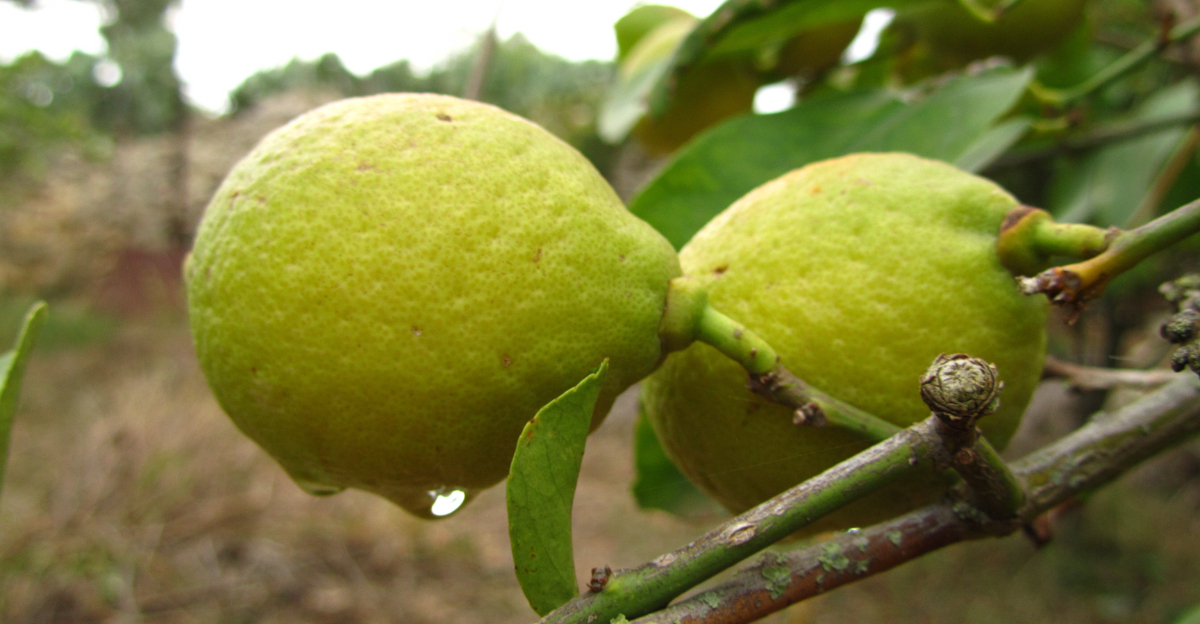
Late winter is a turning point for citrus trees across California, and a little care right now can make a big difference in the months ahead.
Cool nights, occasional rain, and the first hints of spring growth create the perfect moment to give orange, lemon, and lime trees some extra attention.
Step outside and take a close look at those glossy leaves and developing fruit. This is the season for gentle feeding, smart watering, light pruning, and a quick pest check before vigorous spring growth begins.
Healthy citrus trees reward good timing with fragrant blossoms, vibrant foliage, and juicy harvests later in the year. Spend a little time now refreshing mulch, clearing debris, and supporting strong roots while the weather is still mild.
Your trees will head into spring balanced, energized, and ready to produce the bright, flavorful fruit that makes California gardens feel truly special.
1. Why Late Winter Is Critical For Citrus Health
February and March mark a quiet but powerful shift in your citrus trees. Root activity picks up as soil temperatures climb, even though the canopy might still look calm.
This underground awakening sets the stage for everything that follows: flowering, fruiting, and vigorous new growth.
Many gardeners assume winter means rest for all plants, but citrus trees in California don’t fully shut down. They slow, yes, but they’re far from dormant.
Late winter is when they start mobilizing stored nutrients and gearing up for bloom. Miss this window, and you might find yourself dealing with weak flowers or sparse fruit set come spring.
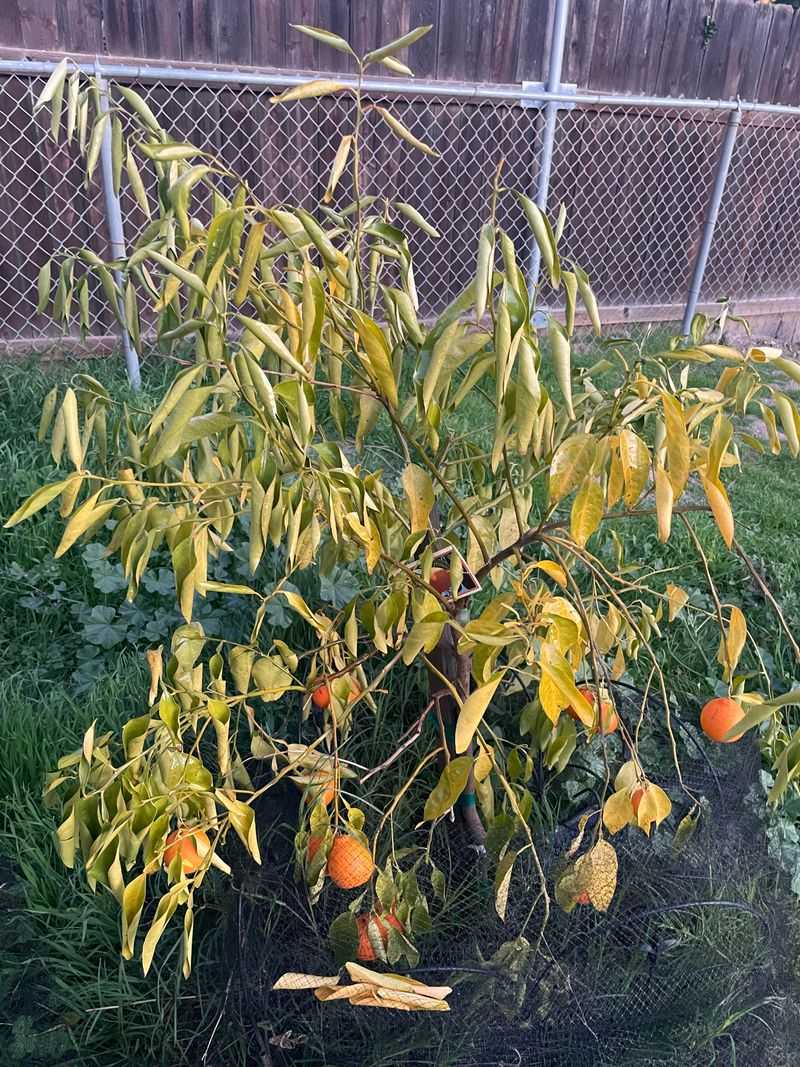
This is also the time when stress from earlier cold snaps or neglect starts to show. Yellowing leaves, branch dieback, or sluggish growth often surface now.
Catching these signs early lets you correct course before the tree invests energy into blooming. A healthy tree going into spring has a much better shot at producing abundant, flavorful fruit.
Pay attention to your tree’s overall appearance. Is the foliage dense and green, or sparse and pale?
Are branches flexible or brittle? These visual cues tell you whether your citrus is thriving or struggling as it prepares for the busiest season ahead.
2. When And How To Fertilize Citrus Trees
Citrus trees are hungry feeders, and late winter is one of the best times to give them a nutritional boost. As roots wake up and start absorbing nutrients more actively, a well-timed application of fertilizer supports strong spring growth and flower development.
Timing matters more than most people realize.
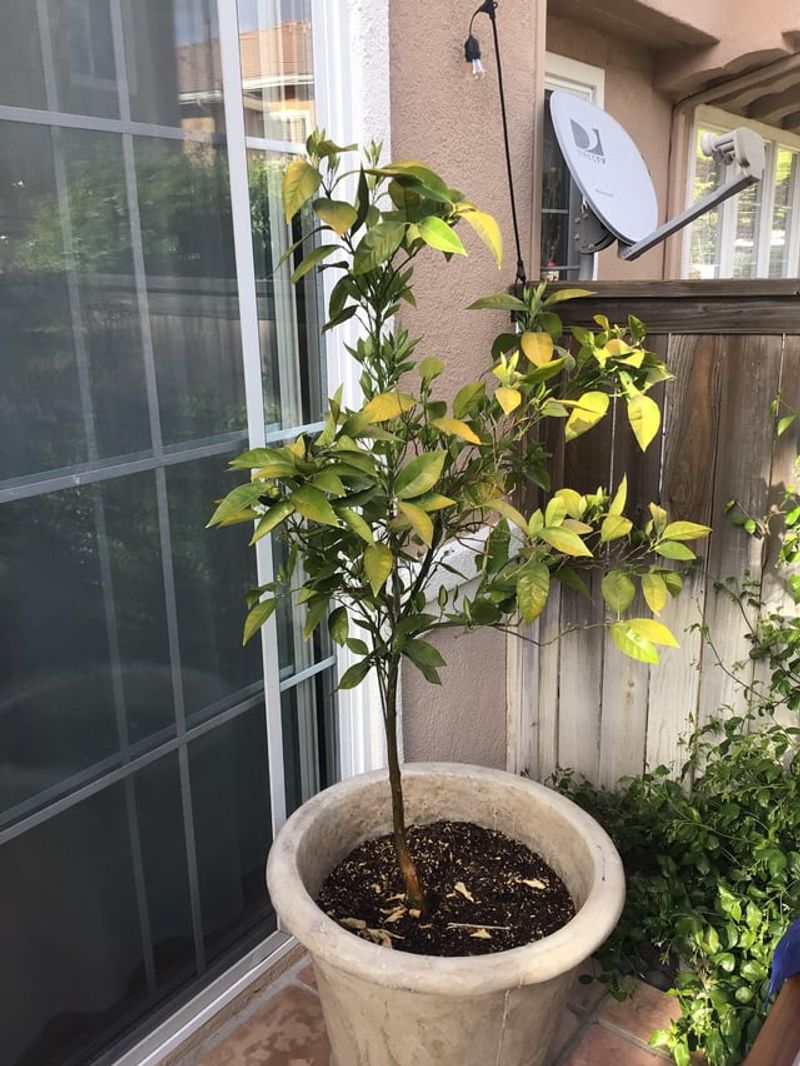
Use a citrus-specific fertilizer or a balanced formula with micronutrients like iron, zinc, and manganese. California soils often lack these trace elements, and deficiencies show up as yellowing leaves or poor fruit quality.
Granular slow-release formulas work well because they feed the tree steadily over several weeks. Apply fertilizer evenly around the drip line, not right against the trunk, and water it in thoroughly.
Avoid fertilizing too early, especially if frost is still a possibility in your area. A sudden flush of tender new growth can be damaged by late cold snaps.
Your California Garden Changes Every Week. Your Plan Should Too.
Gardening in California changes quickly throughout the season. Every Friday you’ll receive a simple weekly plan showing exactly what to plant, prune, fertilize, harvest, and protect so you never miss the right timing.
Wait until nighttime temperatures consistently stay above 50 degrees. For most California regions, mid-February through early March is ideal.
Inland areas prone to frost should wait a bit longer.
Don’t overdo it. Too much nitrogen pushes leafy growth at the expense of flowers and fruit.
Follow label rates carefully, and split your annual feeding into two or three applications rather than dumping it all at once.
3. Watch For Frost And Cold Damage
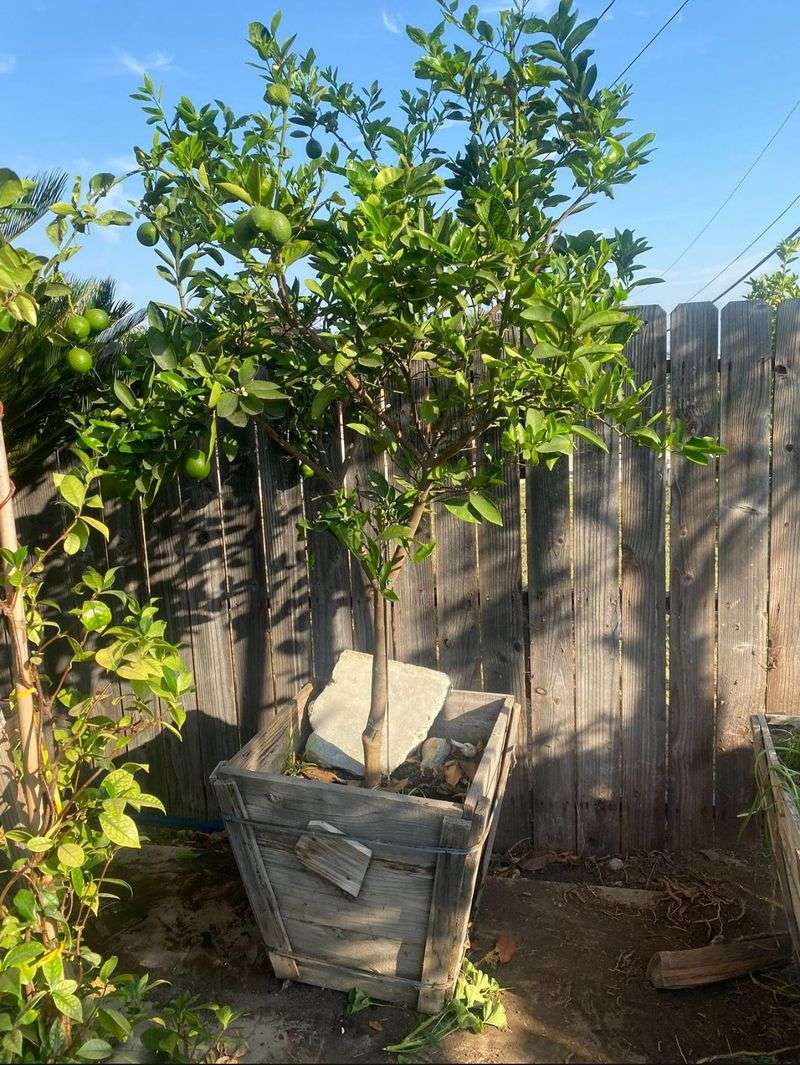
Even in California, late winter can surprise you with a cold snap. Citrus trees, especially tender varieties like limes and lemons, are vulnerable to frost damage when temperatures dip below 28 degrees.
Damage might not show up immediately, but within days you’ll notice browning leaves, blackened branch tips, or fruit that turns mushy and drops.
If frost is forecast, take action the night before. Cover smaller trees with frost cloth or old bedding, draping it all the way to the ground to trap heat rising from the soil.
Avoid plastic, which can cause more harm than good if it touches the foliage. For larger trees, string outdoor lights (the old incandescent kind, not LEDs) through the canopy.
The heat they generate can raise temperatures just enough to prevent damage.
After a frost event, resist the urge to prune right away. Wait until new growth emerges in spring so you can see exactly which branches are damaged and which are still viable.
Cutting too soon can remove wood that’s actually alive, and it exposes the tree to additional stress.
Location matters too. Citrus planted near walls, patios, or under eaves often fare better because these structures radiate stored heat at night.
If you’re planning to add more citrus, choose your planting site with microclimates in mind.
4. Pruning Tips For Strong Spring Growth
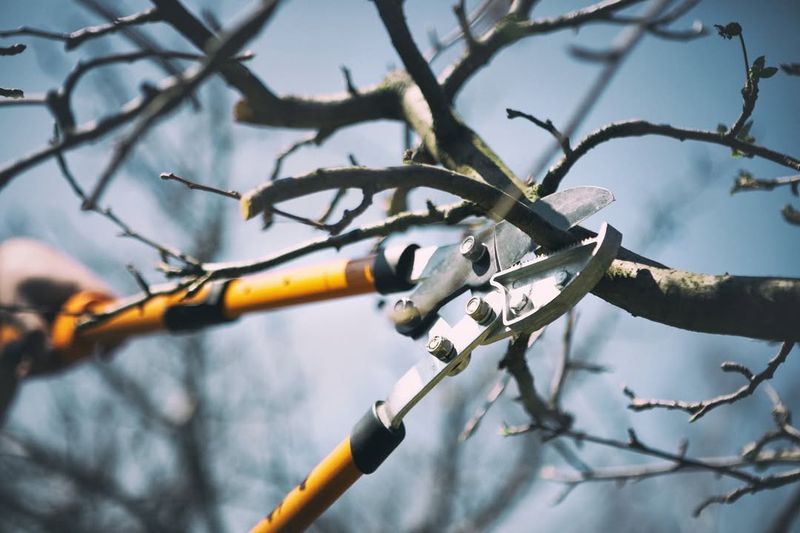
Late winter is an excellent time to prune citrus trees, but only if you know what to remove and what to leave. Pruning too aggressively can reduce your harvest, while ignoring it altogether leads to crowded, unproductive canopies.
The goal is to open up the tree for better light and air circulation without sacrificing fruiting wood.
Start by removing damaged or crossing branches. These serve no purpose and can harbor pests or disease.
Next, thin out any suckers growing from the base or along the trunk below the graft union. These shoots steal energy and won’t produce quality fruit.
If your tree has a dense interior, selectively remove some of the inward-facing branches to let sunlight reach the center.
Avoid heavy shaping or topping. Citrus trees fruit on older wood, so cutting back too much eliminates your crop.
Light, thoughtful pruning is all most trees need. Use clean, sharp tools to make smooth cuts just above a bud or branch junction.
Ragged cuts invite disease and heal poorly.
Timing is key. Prune after the last expected frost but before new growth takes off.
This gives the tree time to heal and redirect energy into the remaining branches. For most California gardeners, late February or early March hits that sweet spot perfectly.
5. Check For Pests And Winter Leaf Issues
Winter might seem like a pest-free season, but citrus trees can still host troublemakers even in cooler months. Scale insects, aphids, and citrus leafminer often persist year-round in California’s mild climate.
Late winter is a smart time to inspect your trees closely and address problems before they explode in spring.
Look for sticky honeydew on leaves, sooty mold, or tiny bumps along stems and leaf undersides. These are telltale signs of scale or aphids.
A strong spray of water can dislodge many pests, and horticultural oil applied on a calm, overcast day smothers insects without harming beneficial predators. Avoid spraying in bright sun or when temperatures are above 85 degrees.
Yellowing leaves are common in late winter, but they don’t always mean pests. Nutrient deficiencies, especially iron chlorosis, show up as yellow leaves with green veins.
This is particularly common in alkaline soils. A chelated iron supplement can correct the issue quickly.
Overwatering or poor drainage also causes yellowing, so check soil moisture before assuming it’s a feeding problem.
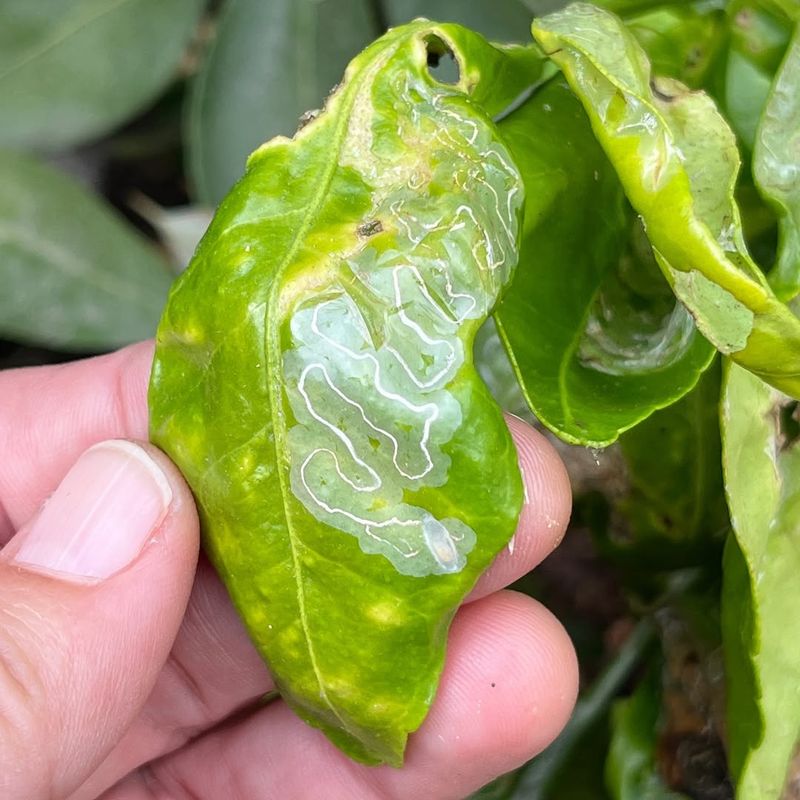
Leafminer damage looks like squiggly trails etched into young leaves. It’s mostly cosmetic and doesn’t seriously harm mature trees, but it’s unsightly.
Remove affected leaves and avoid heavy nitrogen fertilization, which encourages the tender new growth leafminer loves. Healthy, balanced trees usually outgrow minor pest issues without much intervention.
6. Watering Wisely During Cooler Months
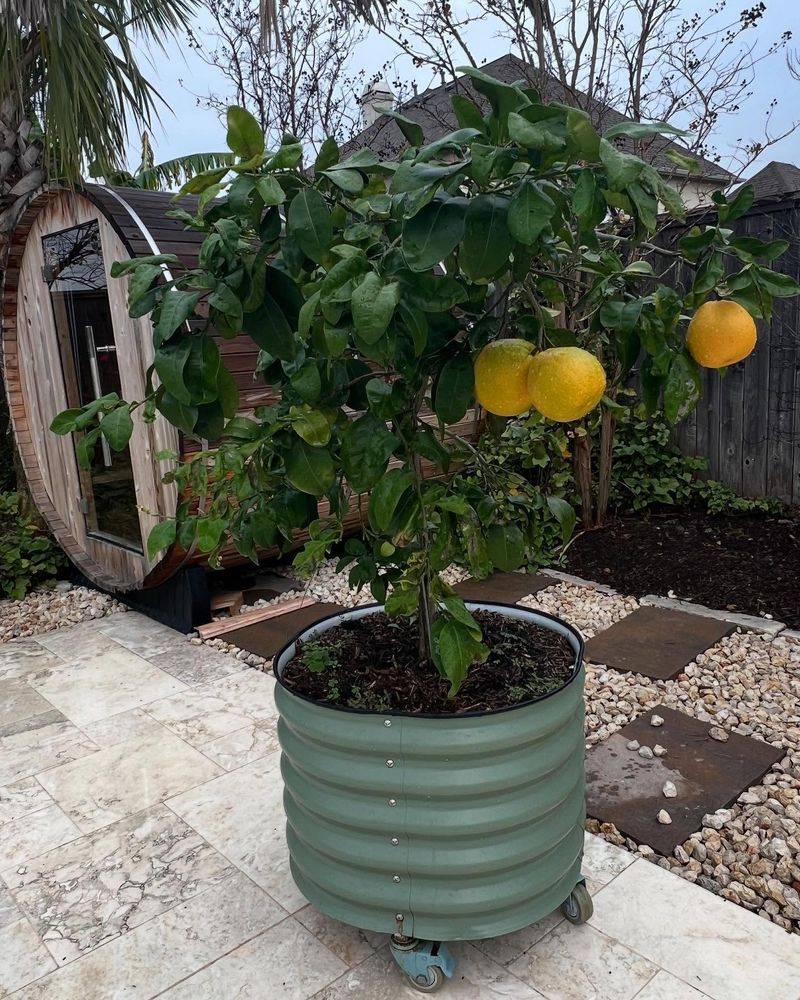
Watering citrus trees in late winter feels counterintuitive. Rain might be falling, temperatures are cool, and the tree isn’t actively growing much.
But citrus roots are still working, and inconsistent moisture can lead to problems down the line, especially as the weather warms and the tree ramps up for spring.
The key is to water deeply but infrequently. Citrus trees prefer their soil to dry out slightly between waterings.
Constantly soggy soil suffocates roots and invites root rot, a serious and often fatal condition. Check moisture levels by digging down a few inches near the drip line.
If the soil feels damp, wait. If it’s dry, water thoroughly until moisture reaches at least 12 inches deep.
Adjust your irrigation schedule based on rainfall and weather patterns. If you’ve had a wet winter, you might not need to water at all.
But if it’s been dry, don’t assume cooler temperatures mean the tree doesn’t need moisture. Young trees and those in containers dry out faster and need more frequent attention.
Mulch is your friend. A 2- to 3-inch layer of wood chips or compost around the base (but not touching the trunk) helps regulate soil moisture, keeps roots cool, and reduces evaporation.
It also suppresses weeds that compete for water and nutrients. Proper watering now sets your tree up for a strong, productive spring.
7. Preparing Citrus Trees For Spring Bloom
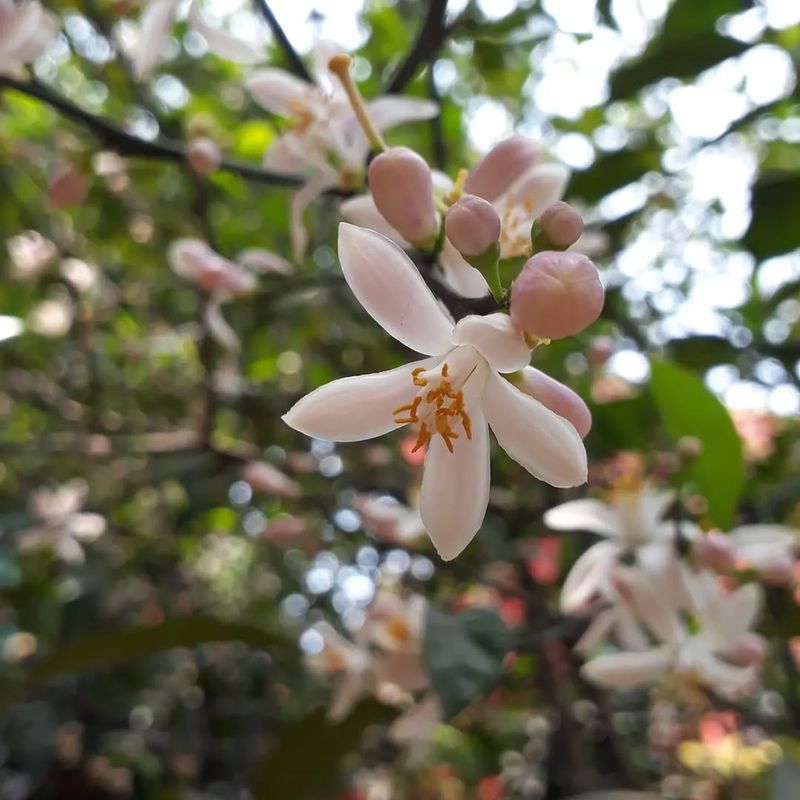
Spring bloom is the highlight of the citrus year, and late winter is when your tree quietly prepares for that show. Flower buds form in response to lengthening days and warming soil, but the tree’s overall health determines how abundant and successful that bloom will be.
A little preparation now pays off in fragrant blossoms and a heavy fruit set.
Make sure your tree has everything it needs: balanced nutrition, consistent moisture, and protection from stress. A citrus tree that’s struggling with pests, poor soil, or erratic watering won’t bloom well, even if conditions seem right.
Address any lingering issues now, while the tree is still gearing up rather than in full bloom mode.
Consider thinning crowded branches if you haven’t already. Better light penetration means more flowers and better pollination.
Citrus trees are self-fertile, but good airflow helps bees and other pollinators do their job. Avoid heavy pruning once buds start to swell, as you’ll be cutting off potential fruit.
Keep an eye on the weather. A late frost can devastate emerging blooms, so be ready to protect your tree if temperatures threaten to drop.
Once flowers open, resist the urge to fertilize heavily. Too much nitrogen at bloom time can cause flowers to drop before they set fruit.
Patience and consistency are your best tools as your tree transitions into its most beautiful and productive season.