Avoid Transplant Shock By Hardening Off Seedlings The Right Way In Michigan
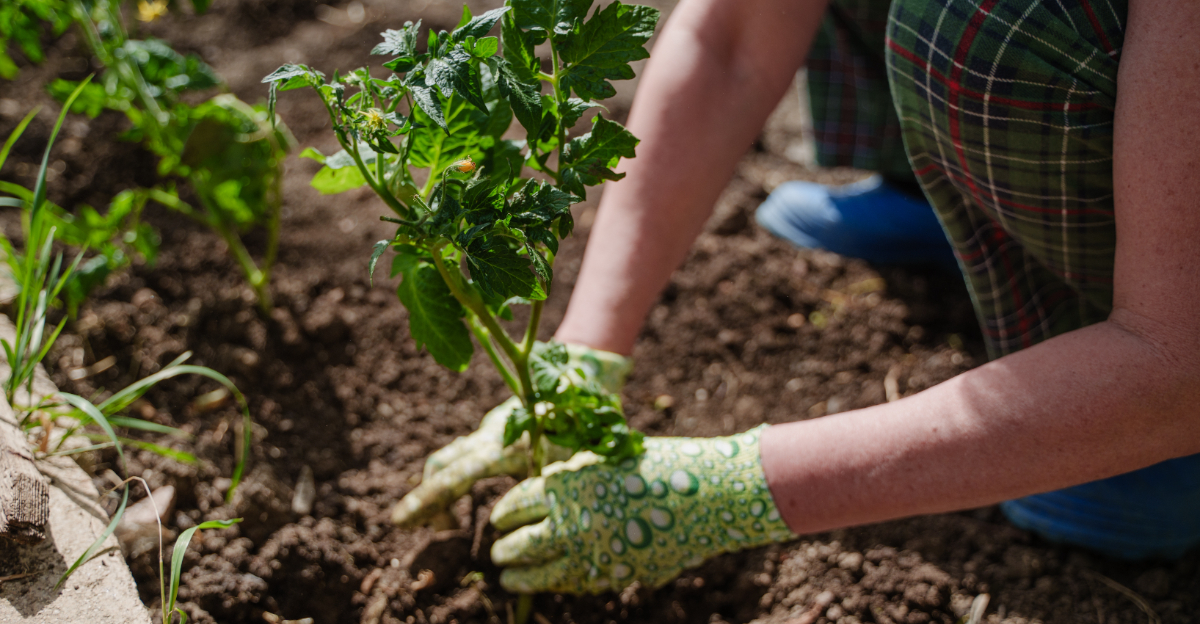
Taking seedlings from a warm windowsill to the wild swings of Michigan weather can feel like a risky move. Indoors, plants grow in calm, protected conditions, but outside they suddenly face bright sun, cool nights, wind, and unpredictable temperature shifts.
Without preparation, many young plants react quickly. Leaves can scorch, stems may weaken, and growth often slows just when you want it to take off.
This is where hardening off becomes essential. Instead of a sudden shock, seedlings are gradually introduced to outdoor conditions, giving them time to strengthen and adapt.
The process is simple, yet it makes a dramatic difference in how plants perform after transplanting.
With proper hardening off, seedlings grow sturdier, recover faster, and handle Michigan’s changing spring weather with confidence, setting the stage for healthier growth and a far more successful garden season.
Start Hardening Off Before The Last Frost
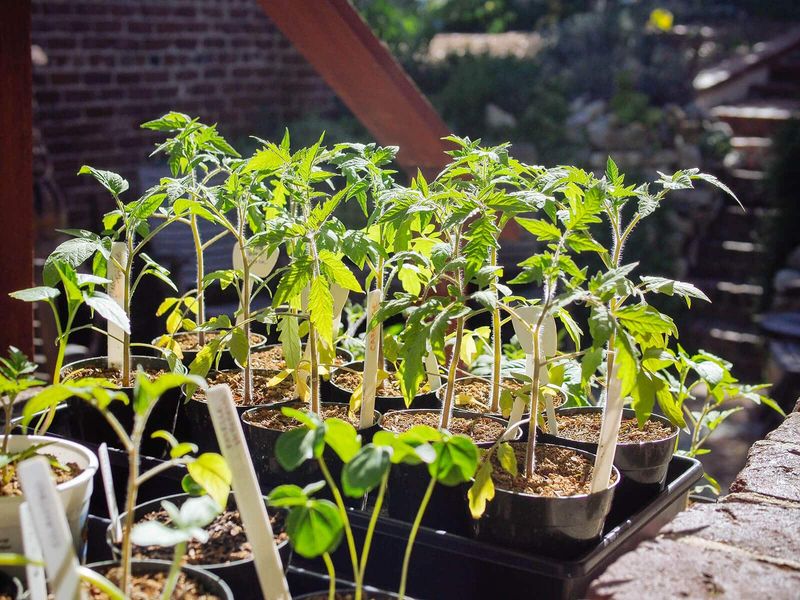
Timing can make or break your entire growing season. Michigan gardeners know that spring weather loves to play tricks, swinging from warm sunshine to surprise frosts overnight.
Starting your hardening off process one to two weeks before the expected last frost date gives your seedlings the buffer they need.
This early start lets plants adjust slowly without rushing. Your seedlings get to experience cooler temperatures in controlled doses rather than facing a sudden shock.
Most Michigan regions see their last frost between late April and mid-May, depending on whether you live in the southern Lower Peninsula or farther north.
Check your local frost dates using Michigan State University Extension resources for accuracy. These dates serve as guidelines, not guarantees, since weather patterns shift yearly.
By beginning early, you create wiggle room for unexpected cold snaps. Your seedlings will develop tougher cell structures during this period. The gradual exposure triggers natural defense mechanisms that indoor growing never activates.
This biological preparation strengthens stems and thickens leaf cuticles, making plants far more resilient when they finally move to permanent garden spots outdoors in Michigan soil.
Gradually Increase Outdoor Exposure
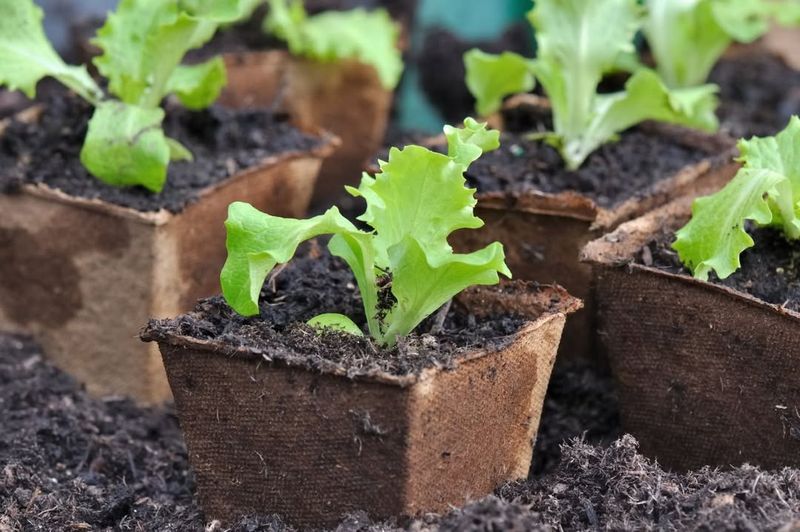
Patience pays off when introducing tender plants to outdoor life. Begin with just one or two hours in a shaded, protected spot on day one.
Your seedlings need to meet the outdoors gently, like making a new friend slowly rather than rushing into things.
Each day, add another hour or two of exposure time. Move plants from full shade to dappled light, then gradually toward brighter conditions.
This slow progression prevents the leaf scorching that happens when indoor plants suddenly face intense sunlight.
Watch how your seedlings respond to each increase. Some plants might show slight wilting at first, which is normal as they adjust.
If leaves start turning pale or developing brown edges, you are moving too fast and should dial back the exposure.
Michigan’s spring weather can be unpredictable, so flexibility matters. On particularly windy or cold days, keep exposure shorter or skip outdoor time entirely.
The entire hardening off process typically takes seven to fourteen days, depending on plant type and weather cooperation.
Your Michigan Garden Changes Every Week. Your Plan Should Too.
Gardening in Michigan changes quickly throughout the season. Every Friday you’ll receive a simple weekly plan showing exactly what to plant, prune, fertilize, harvest, and protect so you never miss the right timing.
By the final days, your seedlings should handle full days outdoors comfortably. This gradual approach builds the stamina plants need for permanent outdoor living in Michigan gardens.
Protect From Wind And Harsh Weather
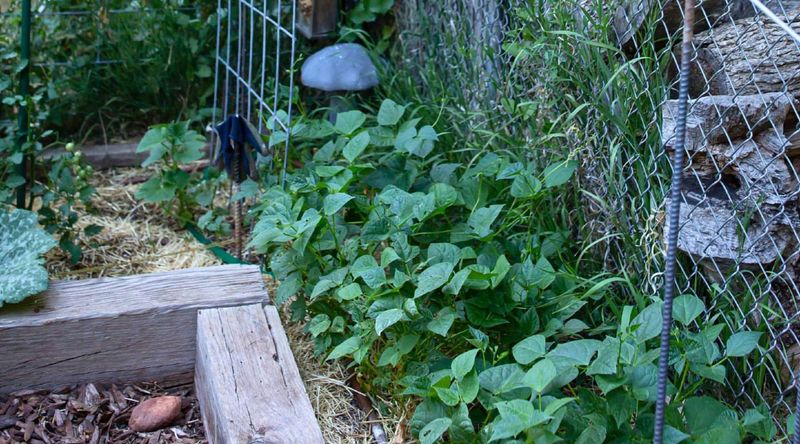
Wind often gets overlooked as a hardening off challenge. Even gentle breezes can strip moisture from tender leaves faster than roots can replace it.
Young seedlings have delicate stems that bend and sometimes break under wind pressure, causing damage that sets back growth considerably.
Find a sheltered location like a covered porch, patio corner, or alongside your house. Fences and garden walls create excellent windbreaks that reduce air movement without blocking light completely.
These protected spots let seedlings experience outdoor conditions while minimizing stress from harsh elements.
Cold frames offer ideal hardening off environments in Michigan. You can adjust ventilation gradually by opening the lid wider each day.
The frame shields plants from wind while still exposing them to temperature changes and natural light patterns.
Michigan spring storms can blow in quickly with little warning. Always check weather forecasts before leaving seedlings outside for extended periods.
Bring plants indoors or move them to maximum protection when strong winds or severe weather approaches.
Desiccation from wind causes more transplant failures than many gardeners realize. Leaves lose water through tiny pores, and wind accelerates this process dramatically.
Proper wind protection during hardening off helps seedlings develop thicker leaf surfaces that naturally resist moisture loss in open garden spaces.
Keep Seedlings Moist But Not Waterlogged
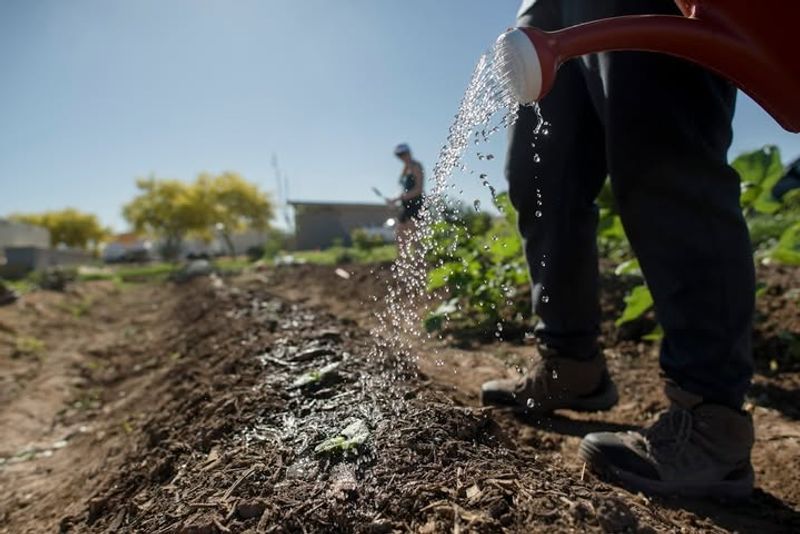
Watering becomes trickier during the hardening off phase. Indoor seedlings grow accustomed to consistent moisture levels, but outdoor conditions change that dynamic completely.
Your goal is finding the sweet spot between bone dry and soggy. Let soil dry slightly between waterings as plants acclimate. This encourages roots to grow deeper and stronger while searching for moisture.
Outdoor air circulation dries soil faster than indoor environments, so check moisture levels more frequently than you did inside.
Stick your finger about an inch into the soil to test dampness. If it feels dry at that depth, water thoroughly until excess drains from container bottoms. Shallow, frequent watering creates weak root systems that struggle after transplanting.
Avoid leaving seedlings sitting in water-filled trays during hardening off. While this method works indoors, outdoor temperature swings combined with standing water can promote root rot.
Empty drainage trays after watering to prevent this problem. Michigan’s spring weather brings both dry, sunny days and damp, rainy periods. Adjust your watering schedule based on conditions rather than following a rigid routine.
On rainy days, skip watering entirely and provide extra drainage if needed. Slightly drier conditions during hardening off actually help seedlings develop the resilience they need for thriving in Michigan garden beds.
Reduce Fertilizer Application
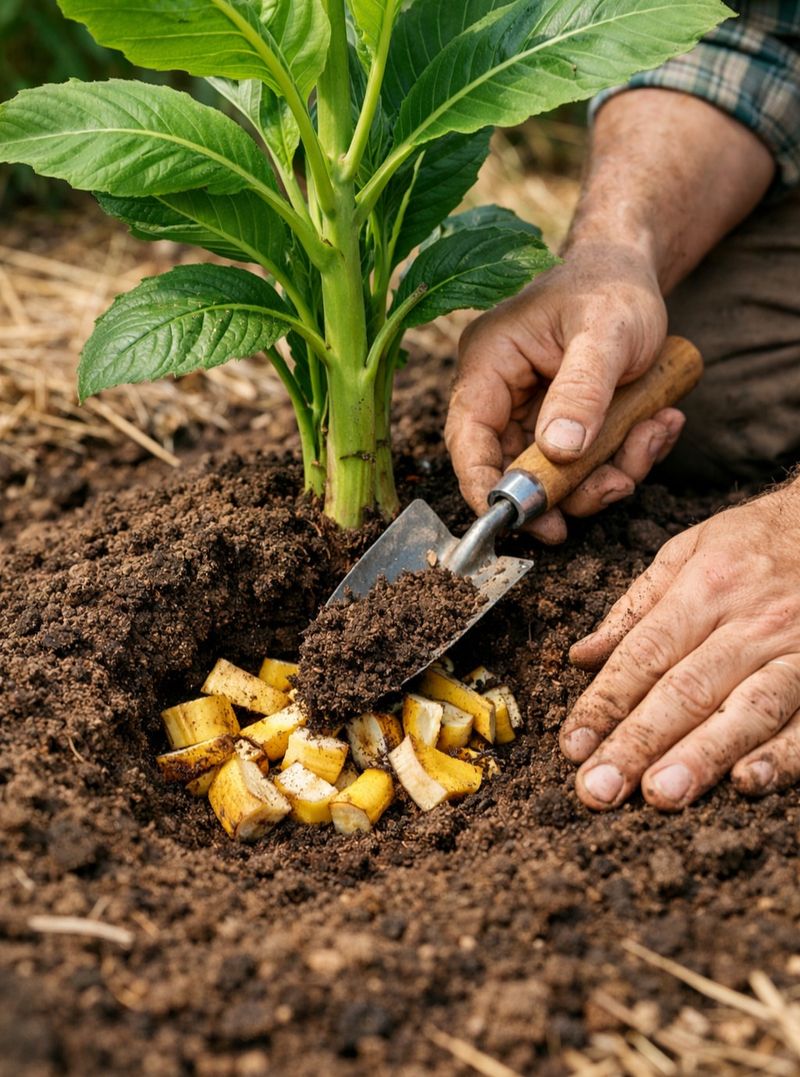
Cutting back on nutrients might seem counterintuitive when trying to strengthen plants. However, excess fertilizer during hardening off actually works against your goals.
Rich feeding produces lush, soft growth that lacks the toughness needed for outdoor survival.
Stop or dramatically reduce fertilizing about two weeks before hardening off begins. This nutritional shift signals plants to toughen up rather than pushing out tender new leaves.
The slightly stressed state encourages development of stronger cell walls and more compact growth.
If your seedlings show signs of severe nutrient deficiency like yellowing lower leaves, use a very diluted fertilizer solution. Mix it at quarter strength compared to normal recommendations.
This provides minimal support without encouraging the soft, vulnerable growth that leads to transplant shock.
Michigan soil typically provides adequate nutrition once seedlings transplant to garden beds. Plants that received heavy feeding indoors often struggle to adjust to normal soil nutrient levels.
By reducing fertilizer during hardening off, you help bridge this transition smoothly. Focus on building plant structure rather than size during this critical period.
Stocky, slightly slower-growing seedlings with thick stems outperform tall, leggy ones that received constant feeding.
The temporary nutrient reduction creates tougher plants that handle Michigan’s variable spring weather with remarkable resilience after transplanting to permanent garden locations.
Acclimate To Full Sun Gradually
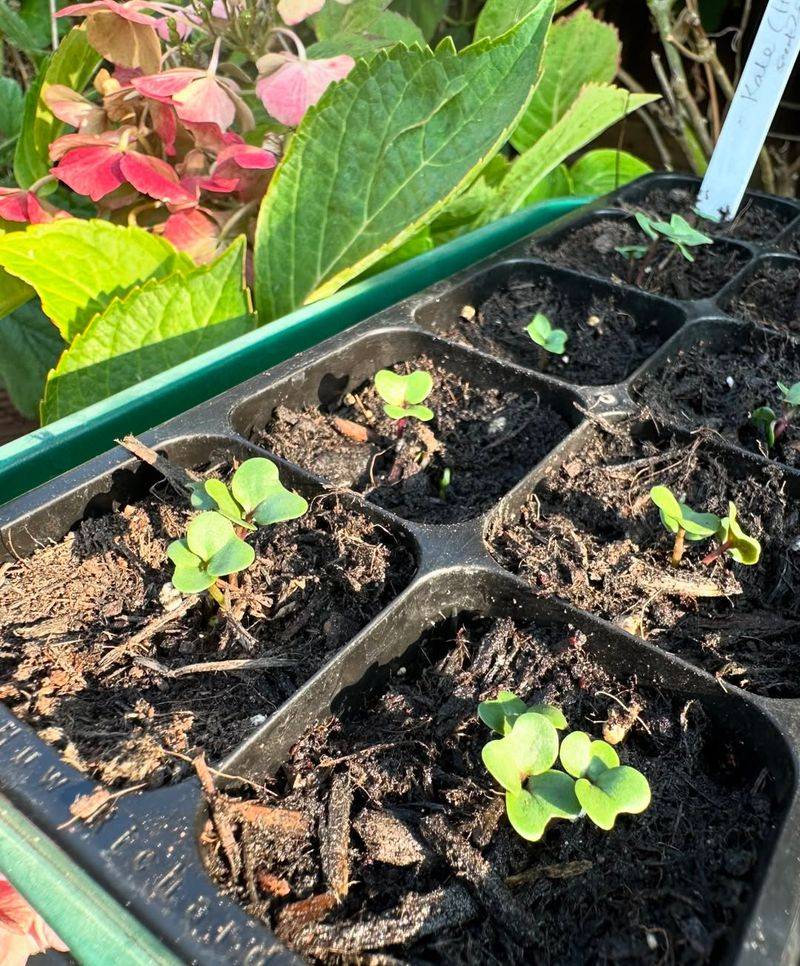
Sunlight intensity outdoors exceeds anything indoor grow lights provide. Even bright windowsills cannot match the power of direct Michigan sunshine.
Your seedlings need gradual introduction to prevent the leaf bleaching and burning that happens with sudden exposure.
Start in full shade or during cloudy days for initial outdoor sessions. After several days, move plants to morning sun, which is gentler than harsh afternoon rays.
Morning light provides beneficial exposure without the intensity that causes damage. Increase sun exposure by one to two hours daily as plants adjust. Watch for signs of stress like pale leaves, brown spots, or wilting during sunny periods.
These signals mean you are progressing too quickly and should slow down. Different plants have varying sun tolerance levels.
Tomatoes, peppers, and other sun lovers need full exposure eventually, while lettuce and other cool-season crops prefer some afternoon shade.
Tailor your hardening schedule to match the final growing conditions each plant type will experience.
By the end of hardening off, sun-loving seedlings should handle six to eight hours of direct light comfortably.
This preparation prevents the leaf damage and growth setbacks that plague seedlings moved directly from indoor spaces to full sun Michigan garden spots without proper acclimation to intense natural light conditions.
Harden Off In Protected Microclimates
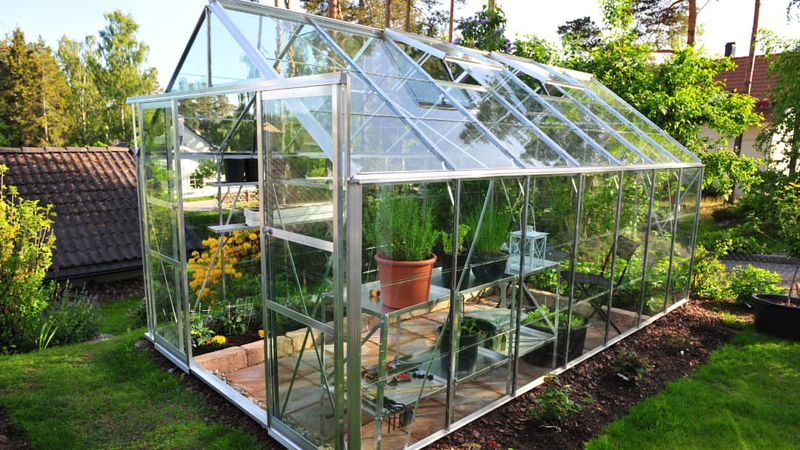
Smart placement makes hardening off easier and more effective. Your yard contains multiple microclimates with different temperature, wind, and light characteristics.
South-facing walls absorb heat during the day and radiate it back at night, creating warmer zones perfect for tender seedlings.
Brick or stone surfaces provide extra warmth through thermal mass. Position seedlings near these features during hardening off to buffer against temperature swings.
The stored heat helps prevent stress during cool Michigan evenings while still exposing plants to outdoor conditions.
Covered areas like porches or overhangs offer protection from intense midday sun and unexpected rain. These spots let you control exposure more precisely than open garden areas.
You can move plants in and out of coverage as needed throughout the day. Fenced corners and foundation plantings create sheltered pockets with reduced wind.
These protected zones help seedlings adjust to outdoor life without facing the full force of Michigan spring breezes. The gentler conditions reduce moisture loss and physical stress on stems.
Experiment with different locations in your yard to find the best hardening off spots. Each microclimate offers unique advantages that can smooth the transition process.
Using these naturally protected areas reduces transplant shock significantly compared to placing seedlings in exposed, harsh locations during their vulnerable acclimation period.
Monitor Temperature Fluctuations
Michigan spring temperatures can drop dramatically after sunset. Daytime warmth lulls gardeners into false confidence, then overnight lows dip dangerously close to freezing.
Monitoring these swings protects your hardening seedlings from unexpected cold damage. Keep a close eye on weather forecasts during the entire hardening off period. Pay special attention to overnight low predictions rather than just daytime highs.
Many tender seedlings can handle cool days but suffer when temperatures drop below 40 degrees Fahrenheit at night.
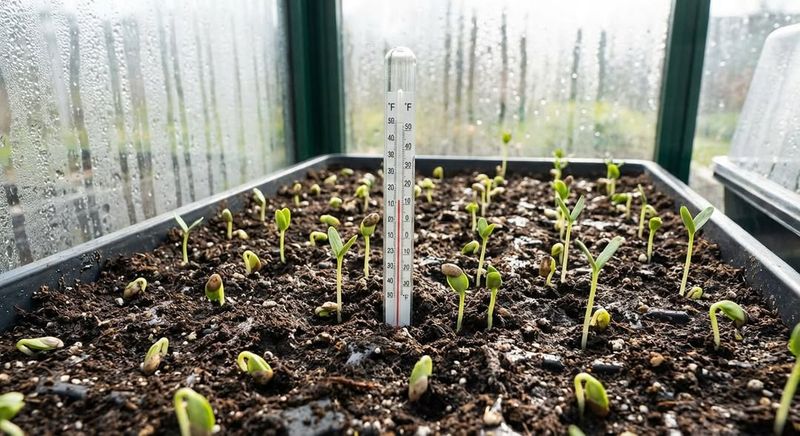
Invest in a simple outdoor thermometer placed near your hardening off area. This gives accurate readings for the specific microclimate where your seedlings sit.
Conditions can vary significantly across your property, making localized temperature data valuable.
Bring seedlings indoors or into a garage during unexpected cold snaps. Even if plants have been hardening off successfully for a week, a sudden freeze can undo all that progress. Better safe than sorry when frost threatens your tender transplants.
Cold-sensitive plants like tomatoes, peppers, and basil need extra vigilance. These warmth lovers can suffer damage even from temperatures in the high 30s.
Michigan gardeners should wait until nighttime temperatures consistently stay above 50 degrees before leaving these seedlings outside overnight or transplanting them to garden beds permanently.
Rotate Seedlings For Even Exposure
Uneven exposure creates lopsided plants that struggle after transplanting. Seedlings naturally lean toward light sources, and outdoor hardening off amplifies this tendency.
Wind from consistent directions can also cause one-sided stress and development. Rotate your seedling trays or individual pots daily during hardening off. A simple 180-degree turn ensures all sides receive equal sun, wind, and weather exposure.
This practice promotes balanced growth and prevents the leaning, curved stems that result from directional growing conditions.
Plants on the edges of trays often receive more intense exposure than those in the center. Swap positions every few days so all seedlings experience similar conditions.
This attention to detail creates uniformly strong plants ready for transplanting. Rotating also helps you spot problems early. As you handle plants daily, you will notice pest issues, disease symptoms, or stress signs before they become serious.
This regular inspection catches concerns when they are still easy to address. Michigan’s sun angle changes as spring progresses toward summer. What starts as gentle morning light might become intense afternoon sun as days lengthen.
Regular rotation helps all parts of each plant develop the toughness needed to handle varying light intensities.
This simple practice takes just minutes but significantly improves transplant success rates by creating evenly hardened seedlings ready for Michigan garden conditions.
Plant Only When Seedlings Are Fully Hardened
Patience at the finish line prevents disappointing setbacks. After investing weeks growing seedlings and days hardening them off, rushing the final step wastes all that effort.
Fully hardened seedlings show clear physical signs that they are ready for permanent outdoor life.
Look for stocky stems that feel firm rather than soft and flexible. Hardened plants develop noticeably thicker stems compared to their indoor appearance.
Leaves should have a slightly tougher texture and deeper color than the tender, pale foliage of indoor-grown seedlings.
Test readiness by leaving seedlings outside for a full 24-hour period in their final hardening location. Plants that handle this extended exposure without wilting or showing stress are ready for transplanting.
Those that struggle need a few more days of gradual acclimation. Watch how seedlings respond to full sun during the hottest part of the day. Ready plants maintain their posture and color even during peak afternoon heat.
Leaves should not droop significantly or show signs of scorching. Michigan weather can turn quickly even in late spring. Wait for a stretch of mild, stable weather before transplanting when possible.
Overcast days or late afternoon timing reduces initial stress on newly transplanted seedlings. Fully hardened plants combined with good transplanting conditions give your Michigan garden the best possible start for a productive growing season ahead.