What A Warm Spell In Late Winter Really Means For Michigan Plants
After weeks of cold and snow, a sudden warm spell in late February or March can feel like a gift in Michigan. The air softens, patches of green appear, and it almost seems like spring has arrived ahead of schedule.
But for your garden, these early warm days can be confusing. Plants that sense rising temperatures may begin to wake too soon, pushing tender buds or new growth that remain vulnerable when cold weather returns.
What looks like progress can quickly turn into damage if another freeze follows. Understanding how these brief warm periods affect soil, roots, and dormant plants helps you avoid costly mistakes.
With the right awareness, you can protect sensitive growth, manage early activity, and guide your garden safely toward the true start of the growing season, keeping plants stronger and better prepared for the months ahead.
Dormancy Can Be Partially Broken
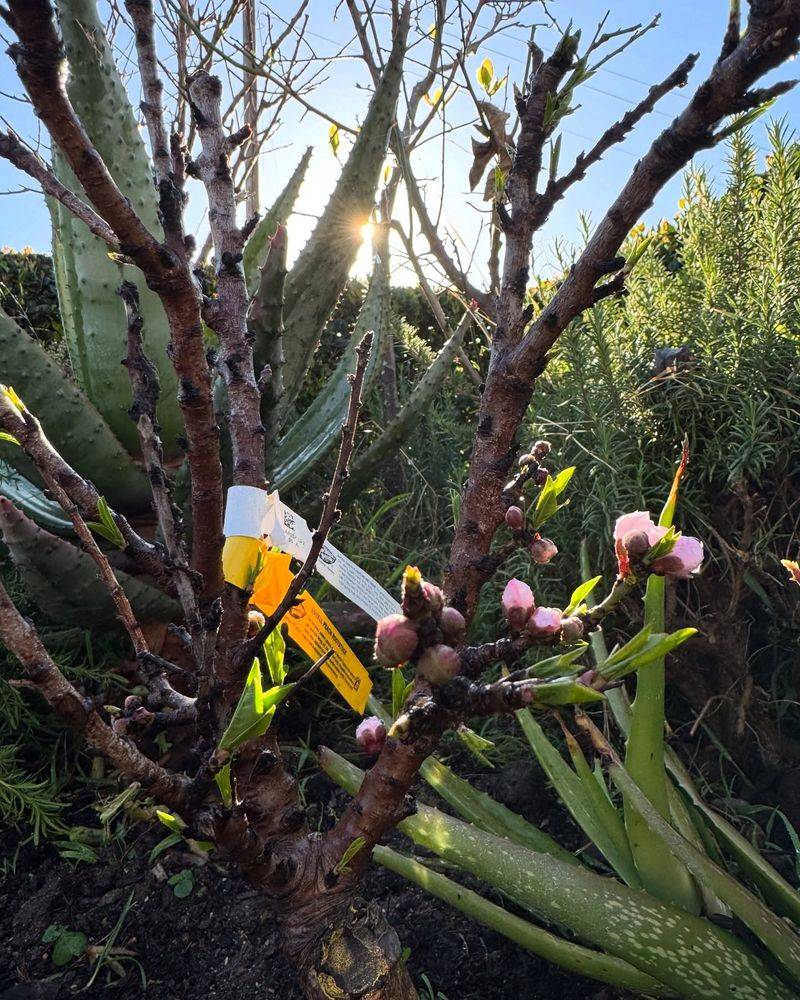
Plants have built-in clocks that help them survive harsh winters. When temperatures drop in fall, most Michigan plants enter a resting phase called dormancy.
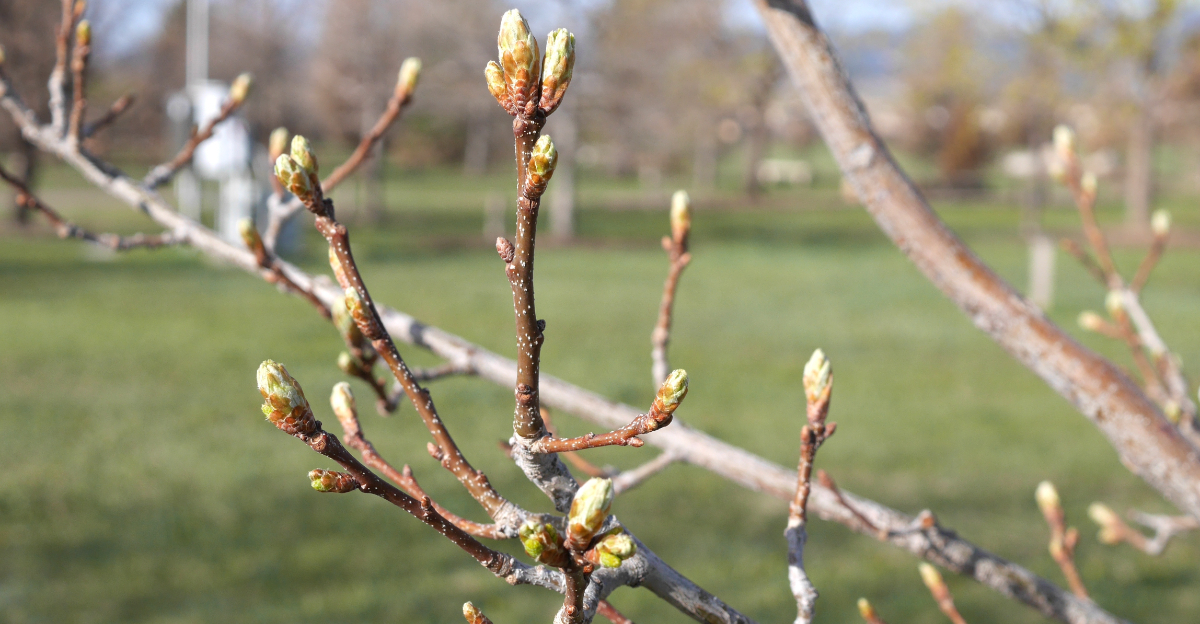
This protective state keeps them safe from freezing damage throughout the coldest months. A sudden warm spell can confuse these natural timers. As temperatures rise, buds start to swell and soften.
The plant begins preparing for spring growth, even though winter isn’t truly over yet. This process happens gradually at first, with internal changes you can’t see right away.
Once buds start swelling, they become more vulnerable to temperature swings. The protective layers that kept them safe all winter begin to loosen.
Nutrients start moving through the plant again, and cells become more active. You might notice buds looking plumper or slightly different in color.
This partial awakening isn’t necessarily bad if temperatures stay mild. However, Michigan weather is unpredictable in late winter.
A warm week can easily be followed by bitter cold. When that happens, the partially awakened plant parts face serious challenges.
The key is understanding that once dormancy starts breaking, your plants are in a more delicate state until consistent spring weather arrives for good.
Early Bud Break Increases Frost Risk
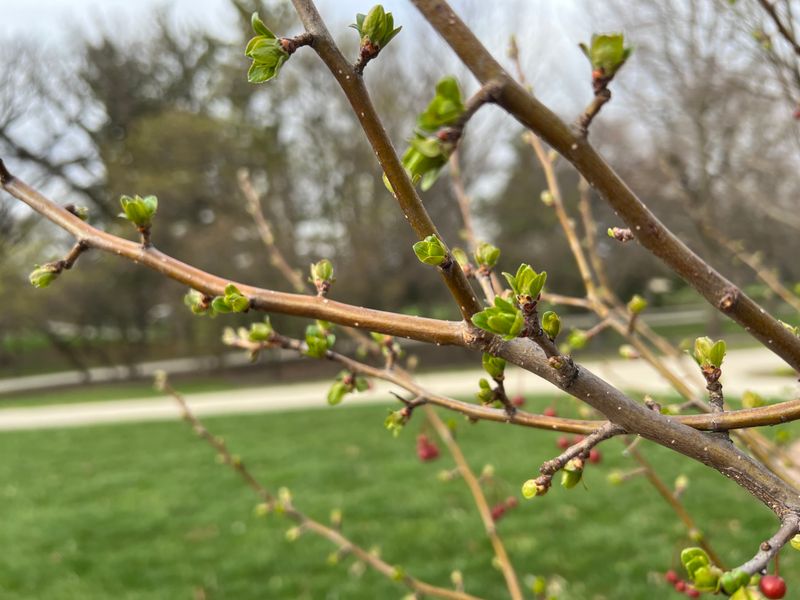
Timing is everything when it comes to plant survival. Michigan plants have evolved to break dormancy at just the right moment, typically when frost danger has passed.
When warm weather arrives too early, this careful timing gets disrupted. Buds that open prematurely expose tender tissues that can’t handle freezing temperatures.
Think of it like opening your windows on a warm winter day. If a cold snap returns overnight, you’ll wish you’d kept them closed.
Plants face a similar problem when buds open too soon. The delicate flowers and young leaves inside are designed for spring weather, not winter cold.
Frost damage to early buds can affect your garden in multiple ways. Fruit trees that bloom too early might lose their flowers, meaning no apples or cherries later.
Ornamental shrubs could miss their spring flower show entirely. Even vegetable gardens can suffer if perennial crops start growing too soon.
Your Michigan Garden Changes Every Week. Your Plan Should Too.
Gardening in Michigan changes quickly throughout the season. Every Friday you’ll receive a simple weekly plan showing exactly what to plant, prune, fertilize, harvest, and protect so you never miss the right timing.
The damage often appears as brown, withered edges on flowers or leaves. Sometimes entire buds turn black and drop off. This isn’t just about appearance either.
Plants that lose their first round of buds might produce fewer flowers or fruits all season long, affecting both beauty and harvest.
Root Activity May Resume
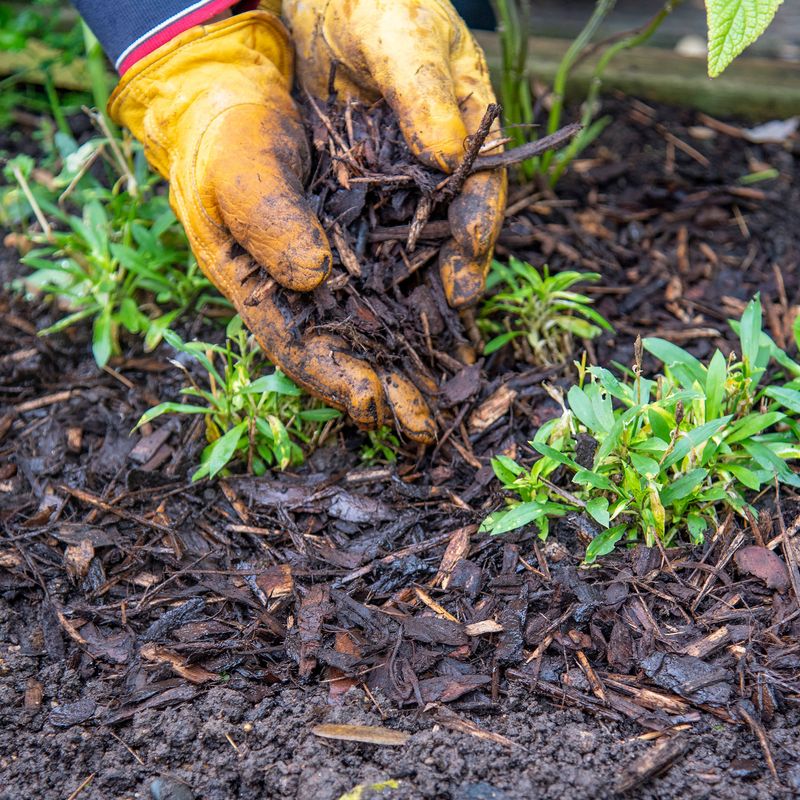
While we focus on what happens above ground, important changes occur beneath the surface too. Roots respond quickly to soil temperature changes.
When the ground warms up during a late winter heat wave, roots sense it immediately. They start absorbing water and nutrients again, preparing to support new growth up top.
Soil temperature matters more than air temperature for root activity. Even when the air feels warm, frozen ground keeps roots dormant.
Once soil thaws and warms past a certain point, usually around 40 degrees Fahrenheit, roots spring into action. This can happen faster than you’d expect during a prolonged warm spell.
Active roots can actually benefit plants if conditions remain favorable. The extra nutrients they absorb help strengthen the plant for spring.
Root growth also improves the plant’s overall structure. However, this early activity uses energy reserves the plant was saving for true spring.
Problems arise when cold returns after roots have activated. The roots themselves usually stay protected underground, but the plant has already committed resources to growth.
If freezing temperatures return above ground and damage new shoots, the plant has wasted valuable energy.
This can weaken overall plant health and slow down proper spring growth when it finally arrives.
Early Flowering In Some Species
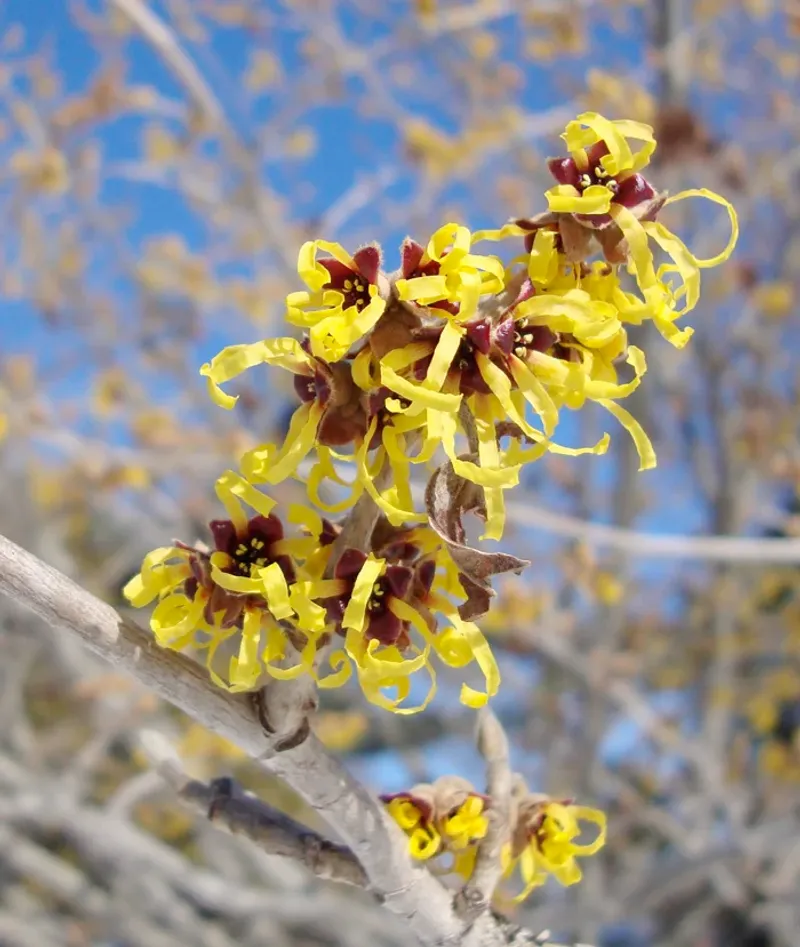
Some Michigan plants are naturally programmed to bloom very early. Crocuses push through snow, snowdrops live up to their name, and witch hazel flowers in the coldest months.
These brave bloomers add welcome color when the landscape looks bare. A warm spell can bring them out even earlier than usual, creating a stunning but risky display.
These early bloomers have strategies for cold weather survival. Their flowers can often tolerate light frosts.
However, they’re still vulnerable to hard freezes. When temperatures plunge after they’ve opened, even tough flowers can suffer.
Petals might turn brown, and the flowering period gets cut short.
The visual impact of early blooms is wonderful for gardeners eager for spring. Seeing purple crocuses or white snowdrops brightens the spirit after a long winter.
Pollinators benefit too, as early flowers provide crucial food sources. Bees and other insects that emerge on warm days need nectar and pollen.
The trade-off is increased vulnerability. Plants that flower during a warm spell might not bloom again if cold returns and damages them.
You could miss out on the full spring show. Still, these hardy early bloomers usually recover and return next year, even if one season’s display gets shortened by unpredictable weather patterns.
Perennials May Shoot Too Soon

Perennials are garden favorites because they return year after year. They spend winter underground as roots or bulbs, waiting for spring signals.
Warm late winter weather can trick them into thinking it’s time to grow. Hostas, daylilies, and other perennials might send up shoots weeks earlier than normal.
These early shoots look healthy and green when they first appear. Gardeners often feel excited to see signs of life in the garden.
The tender new growth seems like a promise that spring has arrived. Unfortunately, this premature growth is extremely vulnerable to cold damage.
Young shoots are mostly water and soft tissue. They haven’t developed the protective layers that mature plants have.
When temperatures drop below freezing, ice crystals form inside the cells. This causes the tissue to collapse and turn mushy.
The damage often looks like the shoots have melted or become translucent. Most perennials can recover from early shoot damage. The plant will send up new growth once true spring arrives.
However, this recovery takes energy and time. Plants that lose their first shoots often bloom later or less abundantly.
Some might skip flowering entirely for that season while they rebuild their strength. Protecting vulnerable perennials with mulch or covers during cold snaps helps prevent this setback.
Increased Pest And Disease Activity
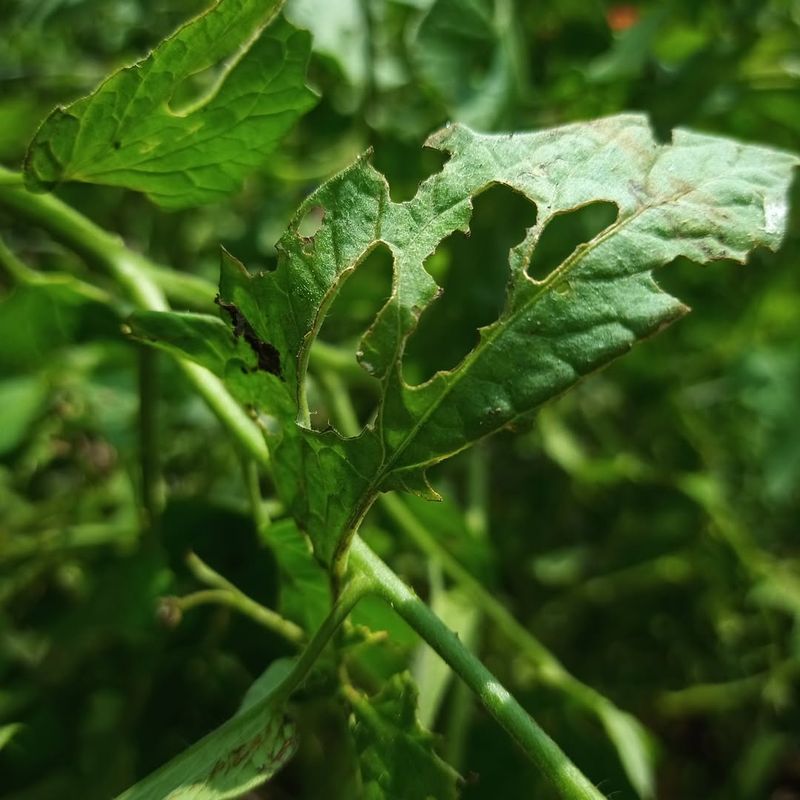
Winter cold isn’t just tough on plants. It also keeps pests and diseases in check. Many insects overwinter as eggs or dormant adults, while fungal spores wait in the soil or on plant debris. Cold temperatures keep these problems inactive.
When a warm spell arrives, these unwanted garden visitors can wake up early too. Soil warming triggers activity in many overwintering pests. Grubs, beetles, and other insects sense the temperature change.
They become active and start feeding or moving around. Fungal spores also respond to warmth and moisture, beginning to grow and spread. This early activity gives pests and diseases a head start.
The problem intensifies because plants are vulnerable during this transition period. Early shoots and swollen buds make perfect targets for hungry insects.
Fungal diseases can establish themselves before gardeners even think about prevention. By the time you notice the problem, pests might already be well established.
This early pest activity doesn’t mean your garden is doomed. However, it does mean you should stay alert.
Check plants for signs of insect damage or disease spots. Look under leaves and around stems. Early detection makes treatment much easier. Consider applying dormant oils or other preventive treatments if you notice problems starting.
Being proactive during warm spells protects your plants when growing season truly begins.
Soils Can Dry Out Faster

Winter usually means plenty of moisture in the form of snow and ice. This frozen water slowly melts throughout spring, providing consistent moisture as plants wake up.
A warm spell changes this pattern dramatically. Snow melts quickly, and warm air causes rapid evaporation. Soil that should be moist can actually become quite dry.
The speed of moisture loss surprises many gardeners. Warm temperatures combined with wind can dry out the top layers of soil in just a few days.
This is especially true in sandy soils that don’t hold water well. Even clay soils can develop a dry crust on top.
Dry soil creates stress for plants just when they’re starting to grow. Remember, roots become active during warm spells and need water to function.
If soil moisture is lacking, plants can’t absorb the nutrients they need. This weakens them right at a critical time.
New growth might wilt or struggle to develop properly. You can help by monitoring soil moisture during late winter warm spells. Stick your finger into the soil near plant roots.
If it feels dry an inch or two down, consider watering. Focus on newly planted trees and shrubs, which are most vulnerable.
Established plants usually have deeper roots that can find moisture, but they still appreciate help during unusually dry periods.
Deciduous Trees May Lose Cold Hardiness
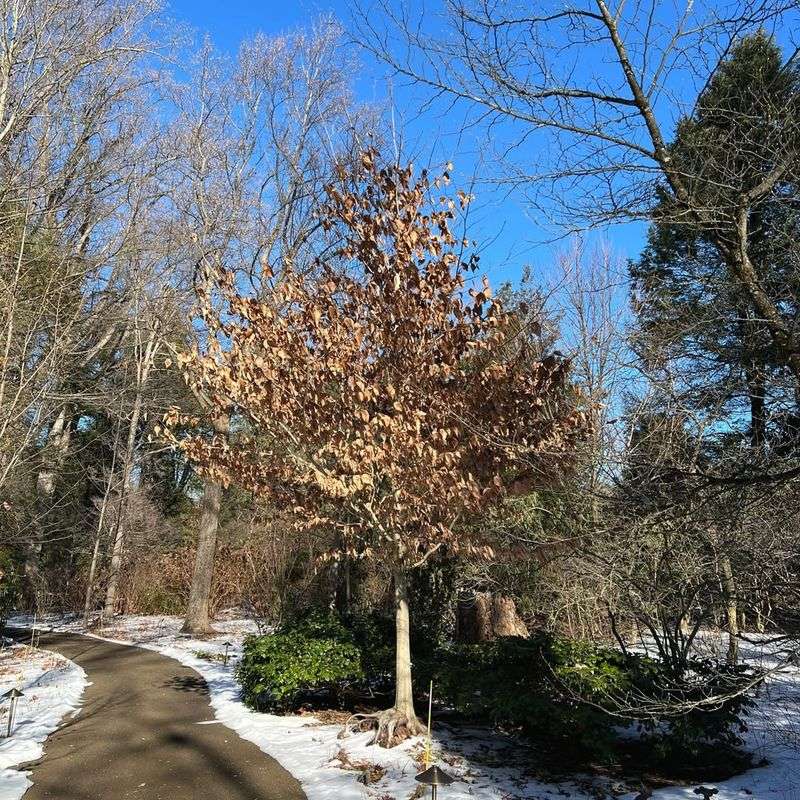
Deciduous trees drop their leaves in fall and develop impressive cold tolerance through winter. This hardiness allows them to survive temperatures far below freezing without damage.
The process that creates this toughness is called cold acclimation, and it takes weeks to fully develop. Unfortunately, warm weather can reverse it much faster than it formed.
When temperatures stay warm for several days, trees begin losing their cold hardiness. The cells that were protected against freezing start changing back to their growing-season state.
This happens on a cellular level, affecting how much cold the tree can tolerate. A tree that could handle zero degrees in January might be damaged by 20 degrees in March.
The loss of hardiness puts trees at serious risk if cold returns. Branches, buds, and even trunk tissue can suffer freeze damage.
You might see bark splitting, dead branch tips, or buds that turn brown and fail to open. Young trees are especially vulnerable because they haven’t developed thick protective bark yet.
Mature trees usually survive these temperature swings, but they may show reduced growth or flowering. Fruit trees are particularly susceptible since their buds are crucial for the harvest.
There’s not much you can do to prevent hardiness loss, but understanding the risk helps you avoid pruning or other activities that might stress trees further during uncertain weather periods.
Evergreen Foliage Can Be Stressed
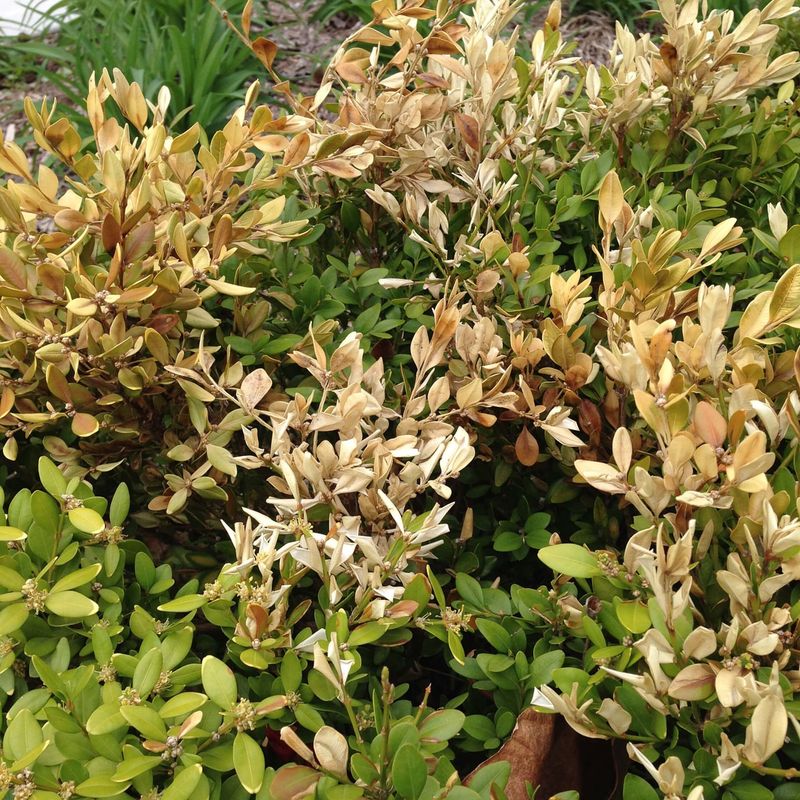
Evergreen plants keep their leaves all winter, which creates unique challenges. Broadleaf evergreens like rhododendrons, hollies, and boxwoods are particularly vulnerable during temperature swings.
They face a tricky situation where warm air encourages water loss through leaves, but frozen soil prevents roots from replacing that moisture.
This process is called winter desiccation or winter burn. During a warm spell, the sun shines brightly and temperatures rise.
Leaves respond by opening their pores slightly and losing water through transpiration. This is normal during the growing season when roots can absorb water to replace what’s lost.
In late winter, though, the ground might still be frozen solid several inches down. The result is leaves that gradually dry out and turn brown. The damage typically appears on the side facing prevailing winds or receiving the most sun.
Leaves become crispy and papery. Sometimes entire branches turn brown. The plant isn’t truly harmed at its core, but the damaged foliage looks terrible and won’t recover.
You can reduce this stress by watering evergreens thoroughly before the ground freezes in fall. During late winter warm spells, water them again if the soil has thawed. Anti-desiccant sprays applied to leaves can also help reduce moisture loss.
Burlap screens or temporary shade structures protect vulnerable plants from wind and excessive sun exposure during these challenging transition periods.
Signals Time To Plan Early Spring Tasks
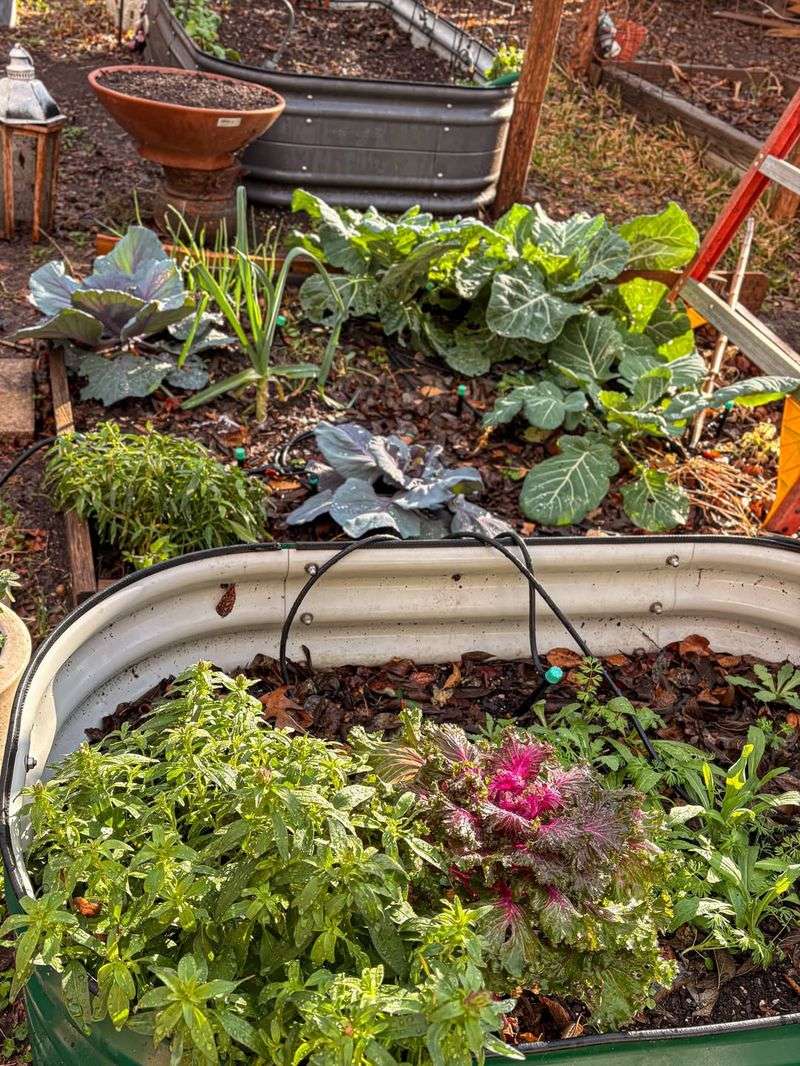
Every challenge brings opportunity, and late winter warm spells are no exception. While you need to watch for potential plant problems, these mild periods also provide perfect opportunities for garden preparation.
Use the comfortable weather to get ahead on tasks that will make your spring easier and more successful.
Start by inspecting your garden thoroughly. Walk around and look for winter damage to trees and shrubs.
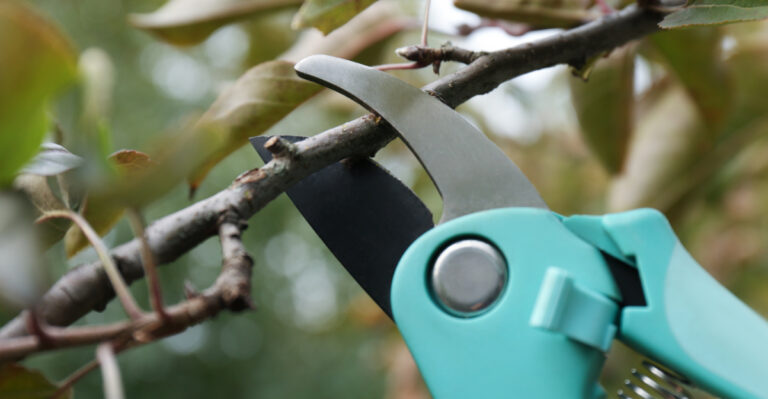
Check for broken branches, animal damage, or signs of disease. This is an excellent time to prune away problem areas before new growth starts. Clean cuts heal better when made before buds swell significantly.
Tool maintenance becomes much more pleasant in warm weather. Sharpen pruners, clean shovels, and oil wooden handles.
Check your garden hoses for leaks and make sure irrigation systems survived winter. Organize seeds you’ve saved or purchased. Plan your garden layout and decide what you’ll plant where.
Consider starting seeds indoors for plants that need a long growing season. Tomatoes, peppers, and some flowers benefit from early starts.
However, don’t rush to plant anything outdoors yet. Use the warm spell for preparation, not planting.
Protect vulnerable plants with mulch or covers if cold weather is forecast. Clean up any debris that appeared as snow melted.
These productive activities turn unpredictable weather into valuable garden time while keeping your plants safe from potential temperature swings ahead.