Do These Things And Your Pennsylvania Hydrangea Will Bloom More
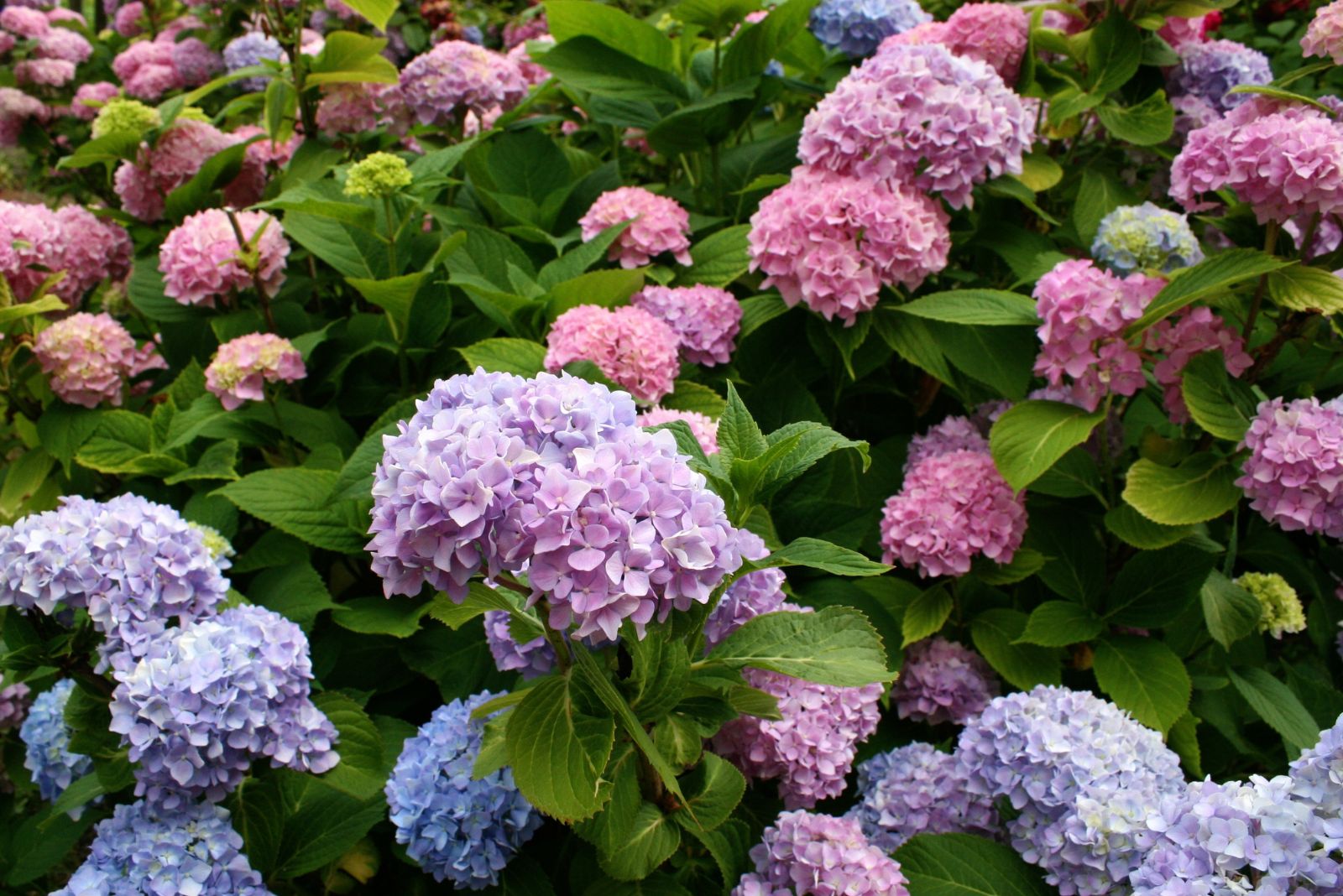
Few garden moments are as satisfying as seeing hydrangeas covered in full, colorful blooms during the Pennsylvania growing season. Yet many gardeners wonder why their plants produce fewer flowers than expected, even when they seem healthy.
The secret often comes down to timing, care, and a few small habits that make a big difference.
Hydrangeas respond well to proper pruning, balanced feeding, consistent moisture, and protection from harsh conditions, all of which help encourage stronger flowering.
Even simple adjustments in sunlight or watering can lead to noticeably fuller blooms. Understanding how these plants grow and what they need throughout the year allows you to support bud development and prevent common setbacks.
With a little attention and the right approach, your hydrangea can produce more blossoms, richer color, and a far more impressive display. A few smart steps can turn an average shrub into a stunning focal point in your Pennsylvania garden.
1. Choose The Right Hydrangea For Pennsylvania Climate
Not all hydrangeas are created equal, especially when it comes to surviving Pennsylvania winters. The type you plant will directly affect how many blooms you get each year.
Some varieties set their flower buds in late summer or fall, and if those buds get damaged by cold weather, you won’t see any flowers the following season.
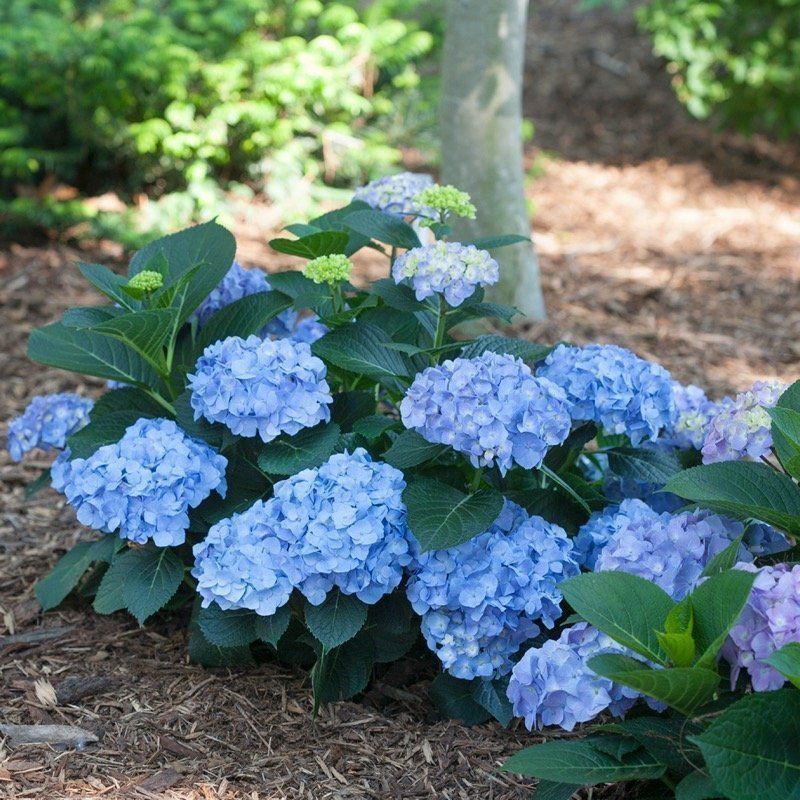
Bigleaf hydrangeas are the most popular type with their big round or flat flower clusters. However, they’re also the most vulnerable to Pennsylvania’s freezing temperatures.
Many gardeners in the state plant these and then wonder why they never bloom. The buds simply don’t survive our harsh winters in many areas.
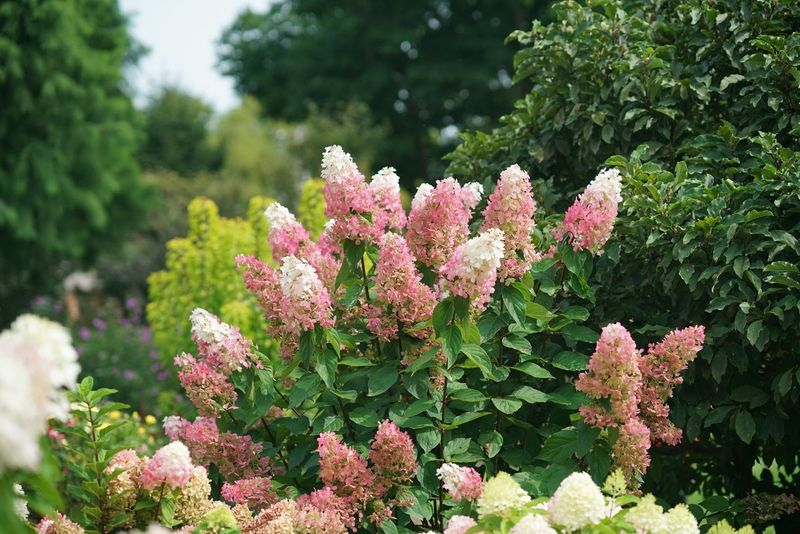
Panicle hydrangeas are much more reliable bloomers for Pennsylvania gardens. They produce cone-shaped white flowers that gradually turn pink.
These tough plants set buds on new growth each spring, so winter cold doesn’t affect their flowering. Smooth hydrangeas are another excellent choice for Pennsylvania, producing large white snowball blooms on new wood.
Oakleaf hydrangeas offer beautiful oak-shaped leaves and white cone flowers, plus they bloom on old wood but tend to be more cold-hardy than Bigleaf types. When selecting your hydrangea, consider your specific location in Pennsylvania.
Gardens in warmer southeastern areas might successfully grow Bigleaf varieties, while northern and western regions should stick with Panicle and Smooth types.
Also think about your garden’s sun exposure and available space. Some hydrangeas grow quite large and need room to spread.
Matching the right plant to your specific Pennsylvania garden conditions sets you up for blooming success from the start.
2. Give Them The Right Amount Of Sunlight
Finding the perfect spot for your hydrangea in Pennsylvania means understanding their sunlight needs. Most people assume hydrangeas need full shade, but that’s actually a common mistake.
Too much shade will give you a beautiful green shrub with hardly any flowers at all. The plant puts all its energy into producing leaves instead of blooms.
The ideal location for most hydrangeas in Pennsylvania is a spot that gets morning sun and afternoon shade. Morning light is gentler and helps the plant photosynthesize without causing stress.
Your Pennsylvania Garden Changes Every Week. Your Plan Should Too.
Gardening in Pennsylvania changes quickly throughout the season. Every Friday you’ll receive a simple weekly plan showing exactly what to plant, prune, fertilize, harvest, and protect so you never miss the right timing.
Afternoon shade protects the shrub from Pennsylvania’s hot summer sun, which can scorch leaves and reduce flowering.
Bigleaf hydrangeas are especially sensitive to too much sun in our state. They prefer about four to six hours of morning light.
If planted in full afternoon sun, their leaves will wilt, and the plant will struggle to produce quality blooms. Panicle hydrangeas are more sun-tolerant and can actually handle six to eight hours of direct light in Pennsylvania gardens.
The eastern side of your house or under high tree canopy works well. This provides bright light without intense heat.
Avoid planting hydrangeas on the south or west side of buildings where they’ll bake in afternoon sun.
If your hydrangea is already planted in the wrong spot, you might notice signs like leaf burn, wilting during the day, or disappointing flower production. In Pennsylvania’s variable climate, getting the light balance right makes a tremendous difference.
A well-placed hydrangea will reward you with abundant blooms while a poorly placed one will constantly struggle no matter how well you care for it otherwise.
3. Prune At The Correct Time (This Affects Blooms The Most)
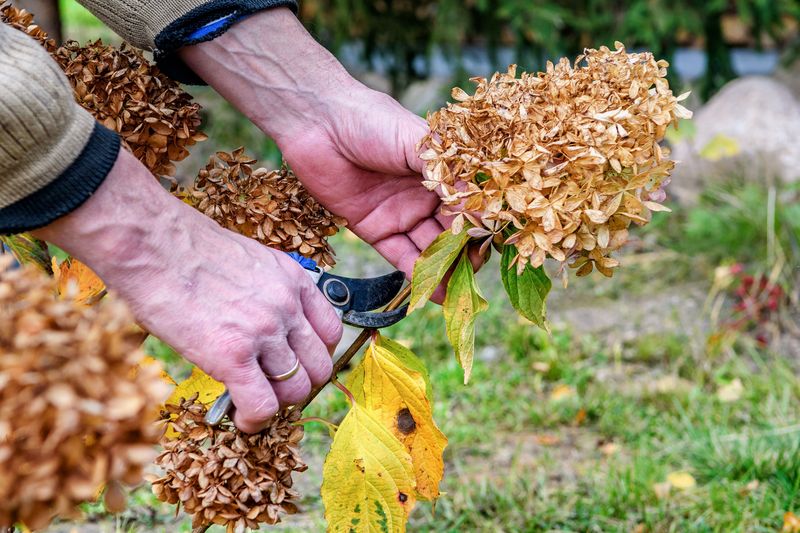
Pruning mistakes cause more bloom failures than almost anything else with Pennsylvania hydrangeas.
Many gardeners unknowingly cut off all their flower buds by pruning at the wrong time. Understanding when to prune is absolutely critical for getting blooms.
Hydrangeas fall into two categories: old wood bloomers and new wood bloomers. Old wood bloomers set their flower buds in late summer or fall on stems that grew the previous year.
If you prune these in fall, winter, or early spring, you’re cutting off all the buds that would have become this year’s flowers.
Bigleaf and Oakleaf hydrangeas bloom on old wood. For these types in Pennsylvania, only prune right after they finish flowering in summer.
Remove dry wood anytime, but never do major pruning in fall or spring. Even tidying up in autumn can remove next year’s blooms.
Panicle and Smooth hydrangeas bloom on new wood, meaning they set buds on stems that grow in the current spring. These Pennsylvania-friendly varieties should be pruned in late winter or early spring before new growth starts.
You can cut them back quite hard, and they’ll still produce plenty of flowers because they bloom on fresh growth.
If you’re unsure which type you have, don’t prune at all for a year and observe when it blooms. Many Pennsylvania gardeners have hydrangeas that haven’t flowered in years simply because they’ve been pruning at the wrong time.
Once you match your pruning schedule to your plant’s bloom cycle, you’ll finally see the abundant flowers you’ve been missing. This single change can transform a non-blooming shrub into a showstopper.
4. Improve Soil And Add The Right Nutrients
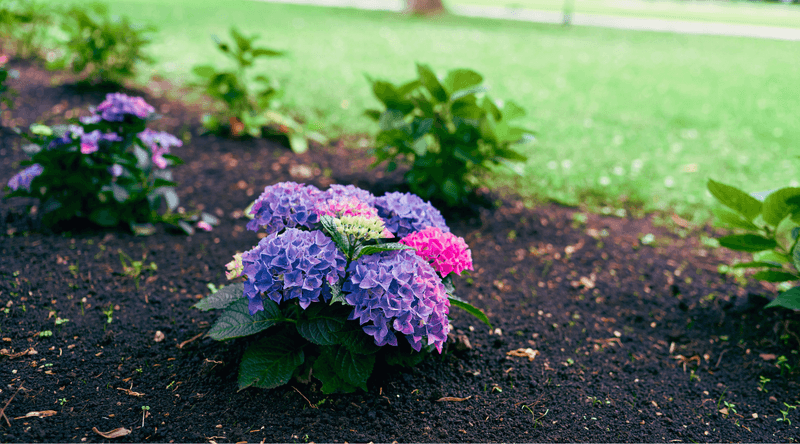
Hydrangeas are heavy feeders that need rich, nutrient-dense soil to produce their spectacular blooms. Pennsylvania soils vary widely across the state, and many areas have clay-heavy or nutrient-poor ground that won’t support vigorous flowering.
Improving your soil is one of the best investments you can make for better blooms.
Start by working compost into the soil around your hydrangeas each spring. Compost adds organic matter that improves soil structure, helps retain moisture, and slowly releases nutrients.
A two to three inch layer worked into the top few inches of soil makes a noticeable difference in bloom production.
Fertilizing hydrangeas in Pennsylvania should happen in early spring as new growth emerges. Use a balanced fertilizer or one formulated for blooming shrubs.
Avoid fertilizers high in nitrogen, which promote leaf growth at the expense of flowers. Look for formulations with higher phosphorus numbers, as this nutrient specifically supports bloom development.
Apply fertilizer according to package directions, being careful not to overdo it. Too much fertilizer can actually reduce blooming and may damage roots.
One or two applications per growing season is usually sufficient for Pennsylvania hydrangeas.
Soil pH affects Bigleaf hydrangea flower color but not bloom quantity. Acidic soil produces blue flowers while alkaline soil creates pink blooms.
Most Pennsylvania soils are naturally slightly acidic. If you want to adjust color, soil amendments can shift pH, but focus first on overall soil health and nutrition for maximum flowering.
Healthy, well-fed hydrangeas in nutrient-rich soil will always outperform plants struggling in poor, depleted ground.
5. Water Deeply And Consistently
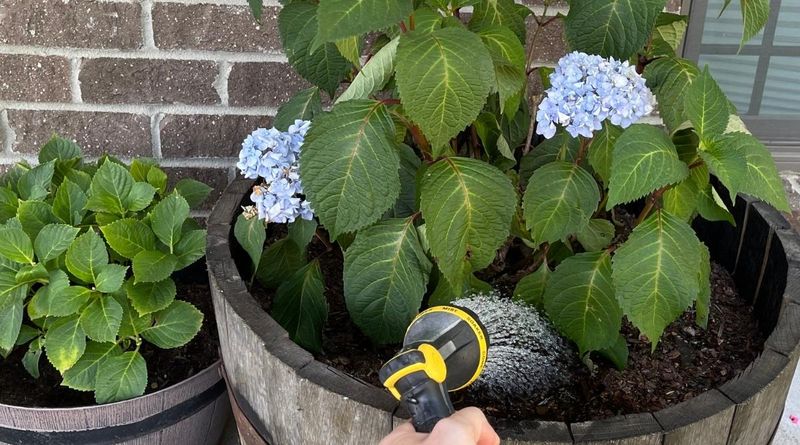
The name hydrangea literally refers to water, and these plants definitely live up to it. Consistent moisture is essential for producing abundant, full-sized blooms in Pennsylvania gardens.
When hydrangeas experience drought stress, they respond by producing fewer flowers and smaller blooms than they would with adequate water.
Pennsylvania summers can be quite humid but also surprisingly dry during certain periods. Even a week or two without rain during the growing season can stress your hydrangeas.
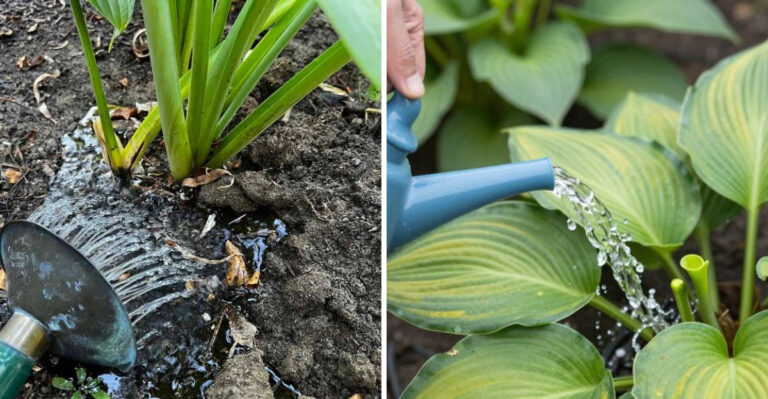
The key is deep, thorough watering rather than frequent shallow sprinkles. Deep watering encourages roots to grow down into the soil where moisture is more stable.
Water your hydrangeas slowly and thoroughly, allowing water to soak down at least six to eight inches. A soaker hose or drip irrigation works perfectly for this.
If hand watering, let the hose run slowly at the base of the plant for several minutes rather than just giving it a quick spray.
How often you water depends on your soil type and weather. Sandy soils drain quickly and need more frequent watering.
Clay soils in many Pennsylvania areas hold moisture longer. During hot, dry periods, check soil moisture every few days by sticking your finger into the ground near the plant.
Mulching around your hydrangeas helps tremendously with moisture retention. Apply two to three inches of organic mulch like shredded bark or compost around the base, keeping it a few inches away from the stems.
Mulch keeps soil cooler, reduces evaporation, and moderates soil temperature fluctuations common in Pennsylvania’s variable climate. Well-watered hydrangeas with good mulch coverage will bloom far more profusely than drought-stressed plants.
6. Protect Flower Buds From Pennsylvania Winter Damage
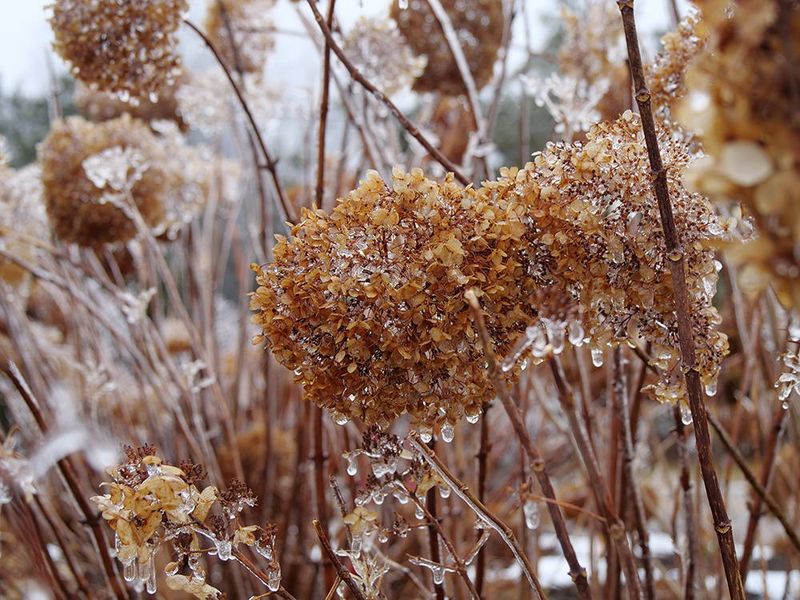
Pennsylvania winters can be brutal on hydrangeas, especially the varieties that set their flower buds in fall.
When temperatures drop below zero or when we experience those freeze-thaw cycles common in our state, flower buds can be damaged or destroyed completely. Protecting buds through winter is crucial for spring and summer blooms.
Bigleaf hydrangeas are most vulnerable to winter bud damage in Pennsylvania. Even though the plant itself survives, the flower buds often don’t make it through our coldest months.
This explains why many Pennsylvania gardeners have healthy green hydrangeas that never bloom. The buds simply freeze before they can open.
Winter protection starts with location. Plant hydrangeas in spots sheltered from harsh northwest winds.
The east or northeast side of your house provides natural protection from the worst winter weather. Avoid exposed, windy locations where cold air settles.
For extra protection, apply a thick layer of mulch around the base of the plant after the ground freezes in late fall. Four to six inches of shredded leaves, straw, or wood chips insulate roots and help moderate soil temperature.
Some Pennsylvania gardeners build wire cages around their Bigleaf hydrangeas and fill them with leaves for added protection.
Burlap wrapping can shield buds from wind and extreme cold. Wrap loosely to allow air circulation but provide a buffer against harsh conditions.
Remove wrapping in early spring before new growth starts. Never prune hydrangeas in late fall, as this removes the very buds you’re trying to protect.
The best long-term solution for Pennsylvania gardeners is choosing cold-hardy varieties like Panicle and Smooth hydrangeas that bloom on new wood and aren’t affected by winter damage.