The Ultimate Arizona Native Desert Plants Road Trip You Need To Take This Year
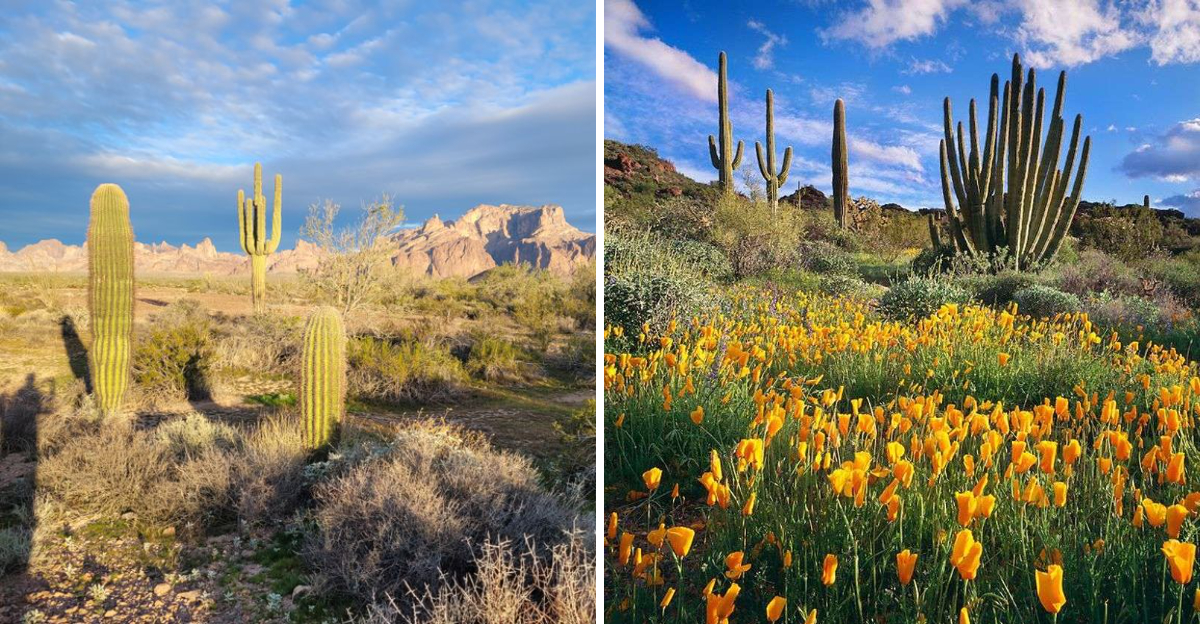
Arizona’s desert reveals its real beauty when you take the time to explore it, and the right road trip can turn any weekend into something unforgettable.
Each stop reveals plants perfectly adapted to the desert, from spiny giants to low-growing blooms that thrive under the harsh sun.
Arizona’s landscapes are dramatic and diverse, from wide-open vistas to hidden pockets of color. Knowing where to go turns a simple drive into a journey full of discovery and unforgettable views.
Following this route brings you face-to-face with Arizona’s most iconic native plants, making your trip unforgettable while giving your own yard inspiration straight from the desert.
1. Saguaro National Park East Showcases Towering Native Cactus Forests
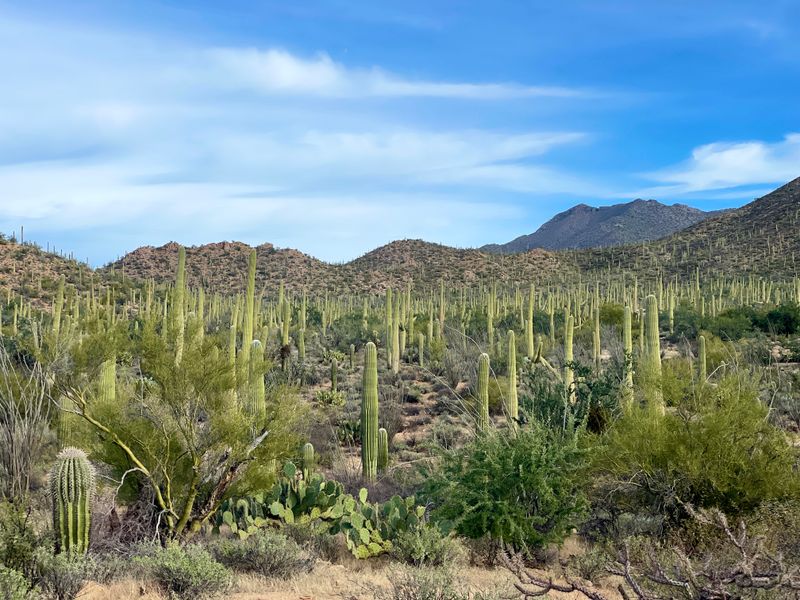
At 3693 S Old Spanish Trail, Tucson, AZ 85730, the Rincon Mountain District of Saguaro National Park rises in every direction like a forest of living sculptures.
Thousands of mature saguaros rise from the rocky slopes, some reaching heights of forty feet with a dozen arms stretching skyward.
Many of these cacti are well over a century old, their ribbed trunks storing hundreds of gallons of water to survive the brutal summer months.
Palo verde and mesquite trees play a critical role here as nurse plants, providing shade and protection for young saguaros during their vulnerable early years.
Without these smaller trees, seedlings would bake under the relentless sun before their roots could establish.
Once a saguaro matures, it no longer needs the nurse tree and often outlives its protector by decades. Spring transforms this landscape when winter rains trigger brief wildflower blooms across the bajadas.
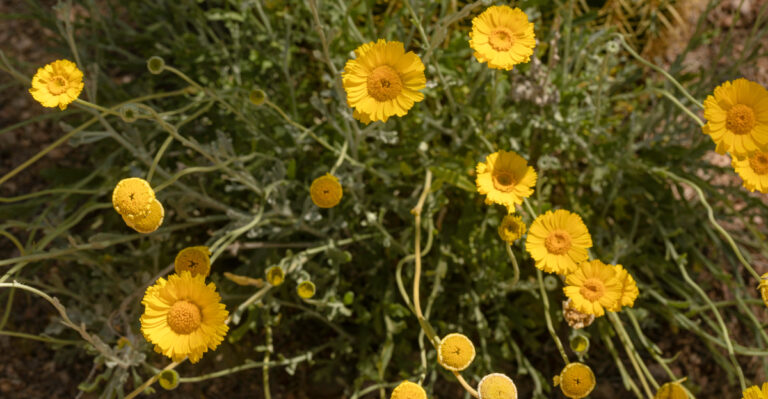
Brittlebush, desert marigold, and lupine add splashes of yellow and purple between the cacti, attracting pollinators and adding softness to the rugged terrain.
This ecosystem sustains itself through careful timing, with plants flowering, fruiting, and going dormant in sync with rainfall patterns.
The variety of plant ages creates a living timeline, from tiny saguaro seedlings barely visible beneath shrubs to ancient specimens that stood here before Arizona became a state.
Barrel cacti, cholla, and hedgehog cacti fill the spaces between larger plants, each species claiming its niche. Every visit reveals how this desert community functions as a tightly connected web where each plant supports the survival of others.
2. Organ Pipe Cactus National Monument Protects Rare Sonoran Species
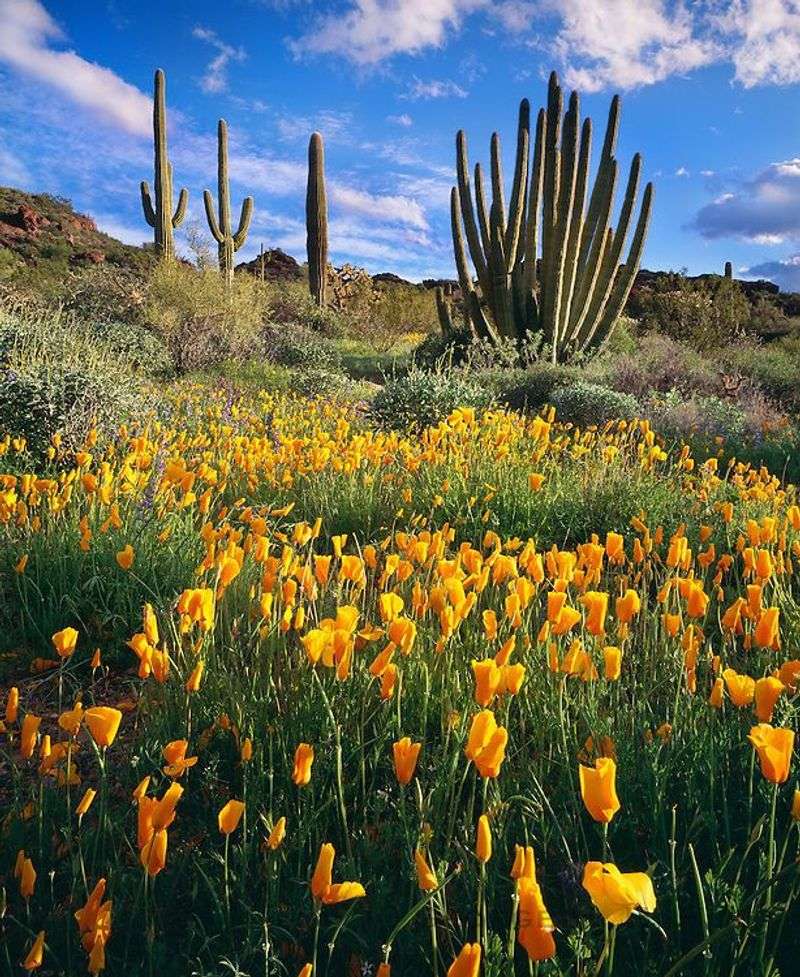
Organ pipe cactus grows naturally in only one place in the entire United States, and at 10 Organ Pipe Dr, Ajo, AZ 85321, Organ Pipe Cactus National Monument protects that precious habitat.
The multi-stemmed cacti rise from a central base like the pipes of a massive organ, each stem capable of photosynthesis and water storage.
Unlike saguaros, these cacti branch from the ground up rather than growing a main trunk, an adaptation that helps them survive in even harsher conditions.
Senita cactus adds to the rarity of this location, with its distinctive gray whiskers of spines covering the tops of mature stems.
These cacti depend on a single species of moth for pollination, creating a relationship so specific that both plant and insect rely entirely on each other.
Your Arizona Garden Changes Every Week. Your Plan Should Too.
Gardening in Arizona changes quickly throughout the season. Every Friday you’ll receive a simple weekly plan showing exactly what to plant, prune, fertilize, harvest, and protect so you never miss the right timing.
Ocotillo punctuates the landscape with tall, spiny stems that burst into green leaves within days of rainfall, then drop them just as quickly when the soil dries.
The Sonoran landscape here remains raw and untouched, with fewer visitors than more accessible parks. Temperatures regularly exceed 110 degrees in summer, pushing every plant to its survival limits.
Creosote bushes space themselves evenly across the flats, their roots releasing chemicals that prevent other plants from growing too close and competing for precious moisture.
This environment showcases evolution in action, where only the most specialized species can thrive. Every plant has developed unique strategies for extreme heat tolerance, from waxy coatings that reflect sunlight to root systems that spread wide rather than deep.
The monument preserves not just rare cacti but an entire ecosystem found nowhere else on Earth.
3. Ironwood Forest National Monument Preserves Native Cactus And Ironwood
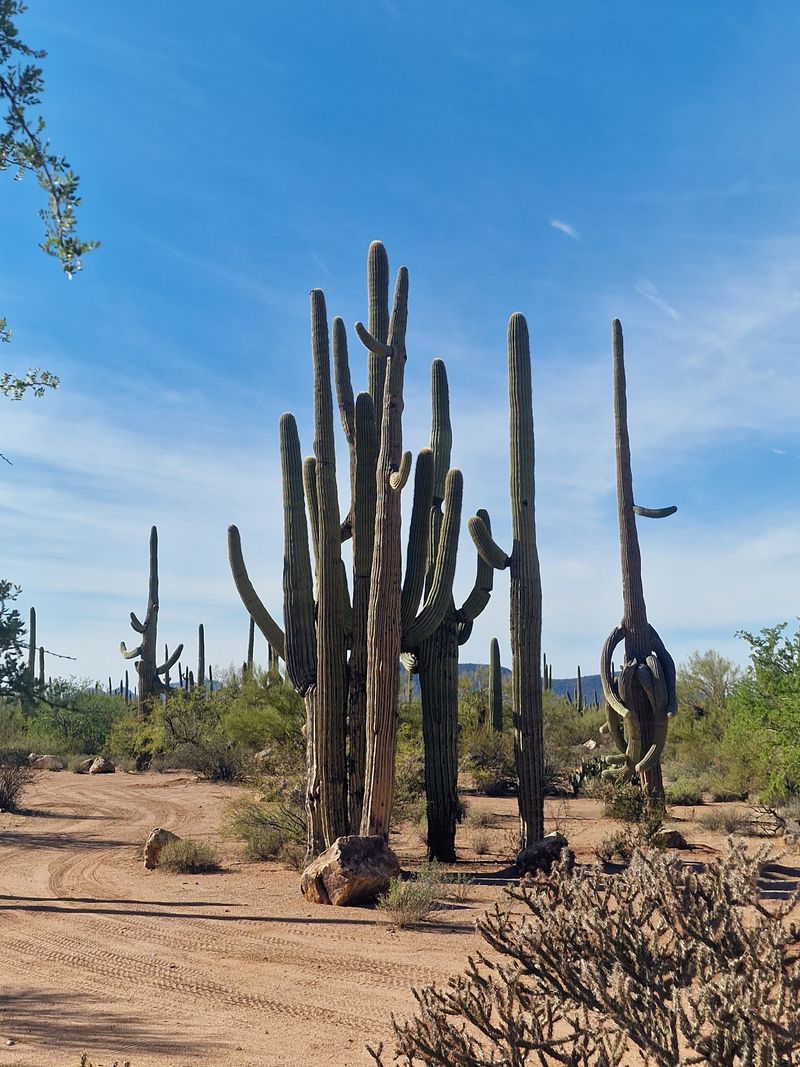
About 25 miles northwest of Tucson, Ironwood Forest National Monument stretches across rugged desert terrain where ancient ironwood trees anchor the entire ecosystem.
These slow-growing trees can live for eight hundred years, creating islands of shade that become nurseries for cactus seedlings.
Young saguaros cluster beneath ironwood canopies, protected from frost in winter and scorching sun in summer until they grow tall enough to survive on their own.
Barrel cacti also benefit from ironwood protection, their rounded forms storing water like living reservoirs. The relationship works both ways, as fallen ironwood leaves enrich the soil and create better growing conditions for all nearby plants.
Creosote bushes fill the spaces between trees, their resinous leaves giving off a distinctive smell after rain that signals the desert coming back to life.
Brittlebush adds bright yellow flowers in spring, its silver-gray leaves reflecting heat and reducing water loss.
These shrubs often grow in rings around the drip line of ironwood trees, taking advantage of the extra moisture that runs off the canopy.
The monument protects these interconnected relationships rather than just individual species, recognizing that desert plants survive through cooperation.
Walking through this landscape reveals layers of interdependence most people never notice.
Cholla cacti provide nesting sites for birds, which spread seeds in their droppings. Palo verde trees fix nitrogen in the soil, enriching it for neighboring plants.
Every species plays a role in maintaining the whole community, creating a web of relationships that has sustained itself for thousands of years without human intervention.
4. Kofa National Wildlife Refuge Reveals Ocotillo And Creosote Plains
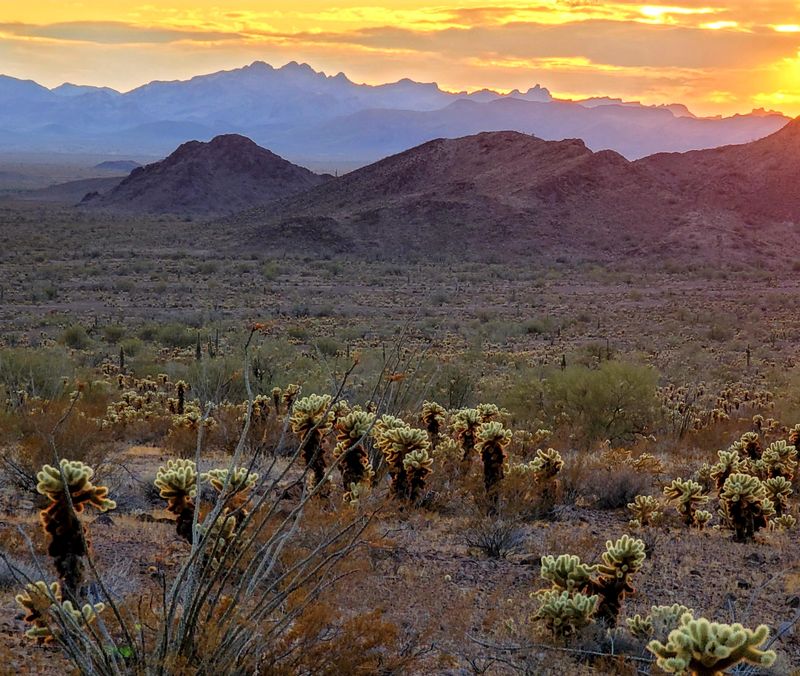
Located between Yuma and Quartzsite in southwestern Arizona, Kofa National Wildlife Refuge stretches across vast creosote flats and rugged mountain ranges.
These hardy shrubs dominate because almost nothing else can survive on less than five inches of annual rainfall.
Each creosote bush spaces itself precisely from its neighbors, creating an almost geometric pattern across the plains that reveals intense competition for every drop of moisture.
Ocotillo rises above the creosote like natural sculptures, their spiny stems appearing lifeless most of the year. After even a modest rain, these plants perform an amazing transformation, sprouting thousands of tiny leaves within forty-eight hours.
Bright red tubular flowers cap each stem, attracting hummingbirds before the plant drops its leaves again and returns to dormancy.
Scattered cholla stands break up the monotony, their chain-fruit variety creating small forests of branching cacti.
The fuzzy-looking spines are actually wickedly sharp, detaching easily to hitch rides on passing animals and spread to new locations.
These cacti bloom in shades of yellow, pink, and magenta depending on the species, adding brief color to the austere landscape.
No irrigation reaches this remote refuge, so every plant survives entirely on natural rainfall and adaptation. The harsh climate eliminates less hardy species, leaving only the toughest survivors.
Summer temperatures often exceed 115 degrees, while winter nights occasionally dip below freezing, creating extreme temperature swings that few plants can tolerate.
Yet the native shrubs thrive here, proving that success in the desert comes from efficiency rather than size or showiness.
5. Catalina State Park Blends Riparian And Sonoran Desert Plants
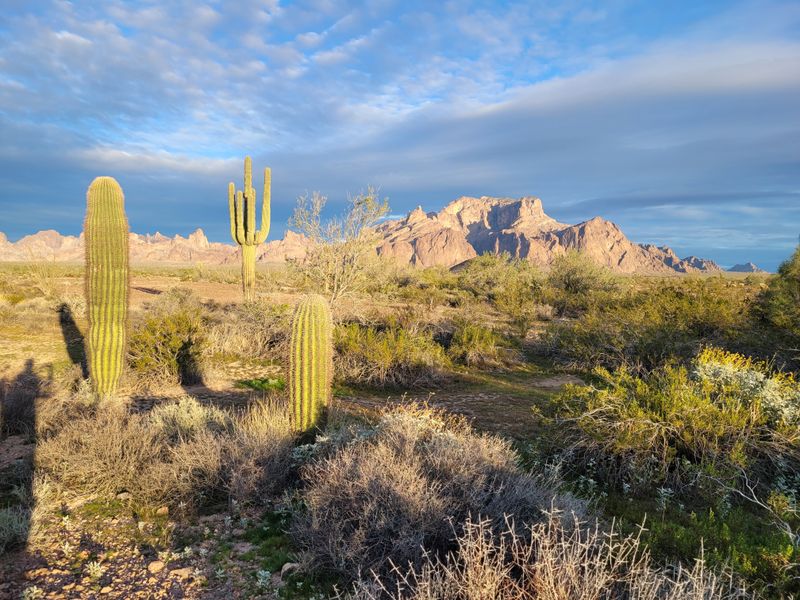
Within a few dozen yards of 11570 N Oracle Rd, Tucson, AZ 85737, the landscape inside Catalina State Park shifts dramatically from dry washes to rising foothills.
Cottonwood trees line the seasonal streams, their roots tapping into underground water that flows even when the surface is bone dry.
These riparian corridors create ribbons of green through the tan desert, supporting entirely different plant communities than the slopes just above. Saguaros dominate the rocky hillsides where water is scarce and soil is thin.
Prickly pear cacti sprawl across the lower slopes, their flat pads storing moisture and spreading to form dense patches.
Desert grasses including three-awn and bush muhly grow in clumps between cacti, their deep roots accessing moisture that surface-dwelling plants cannot reach. The contrast reveals how water access completely shifts which plants can survive.
Mesquite trees grow along wash edges, their roots sometimes extending fifty feet down to find reliable moisture.
Farther from water, brittlebush and desert marigold replace moisture-loving species, their drought adaptations allowing survival on rainfall alone.
Spring brings different bloom times to each zone, with riparian plants leafing out earlier thanks to consistent water. Desert species wait for sufficient rainfall before investing energy in flowers and seeds.
This layering of plant communities within a small area makes the park an excellent place to understand how tiny changes in water availability create dramatic differences in plant life.
Birds and insects move between zones throughout the day, connecting the ecosystems and spreading pollen and seeds between them.
6. Agua Fria National Monument Highlights Native Grasslands And Agave
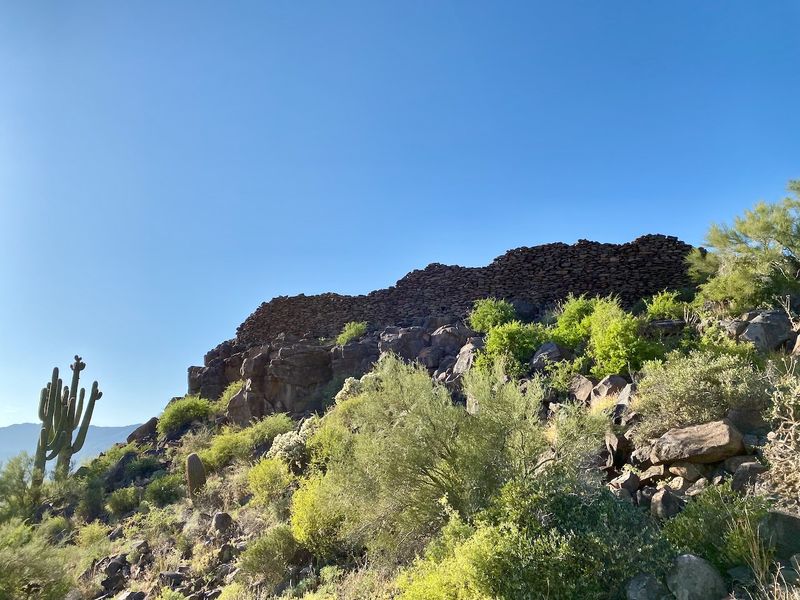
Elevation makes all the difference at Agua Fria National Monument in Black Canyon City, AZ 85324, where grasslands gradually replace cacti as the dominant vegetation.
Native grasses including grama, muhly, and three-awn create a golden carpet across rolling hills, their seeds feeding countless birds and small mammals.
These grasslands represent a transition zone between lower Sonoran desert and higher elevation woodlands, creating unique plant combinations. Agave clusters punctuate the grasslands, their thick leaves arranged in perfect rosettes.
These plants can survive for decades before sending up a single tall flowering stalk, then using all their stored energy to produce thousands of seeds before the plant expires.
Century plants and Palmer’s agave both grow here, their sharp leaf tips and fierce spines protecting them from browsing animals.
Juniper trees appear in pockets where soil depth and moisture allow, their twisted trunks and aromatic foliage adding texture to the landscape.
These evergreens provide year-round shelter for wildlife and mark the transition toward higher elevation plant communities. One-seed juniper dominates, its berries actually modified cones that birds eat and spread across the monument.
The ecological shift from cactus-dominated desert to grass-dominated savanna happens gradually over a thousand feet of elevation gain.
Cooler temperatures and slightly higher rainfall at elevation allow different species to compete successfully.
Soapweed yucca adds vertical elements to the grasslands, its tall flower stalks rising above the grasses each summer.
This monument protects an often-overlooked ecosystem that many people associate more with prairies than deserts.
7. Usery Mountain Regional Park Features Classic Lower Sonoran Flora
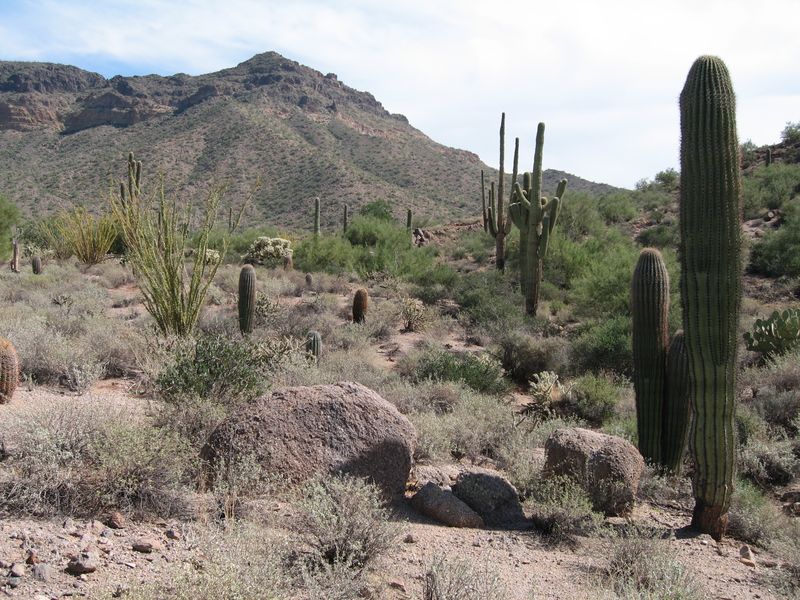
Inside Usery Mountain Regional Park at 3939 N Usery Pass Rd, Mesa, AZ 85207, the landscape doubles as a perfect outdoor classroom for learning Lower Sonoran plant identification.
Every classic desert species grows here in dense concentrations, making it easy to compare saguaros, chollas, prickly pears, and barrel cacti side by side.
The rocky slopes create ideal drainage that these cacti require, while southern exposure maximizes sun exposure and heat accumulation. Saguaros of all ages dot the hillsides, from tiny seedlings to massive multi-armed adults.
Teddy bear cholla creates hazardous but beautiful patches, their dense golden spines glowing in afternoon light.
Brittlebush covers lower slopes with silver-green foliage and bright yellow daisy-like flowers that bloom prolifically after winter rains.
Hedgehog cacti grow in tight clumps, their magenta flowers appearing in spring and lasting several weeks.
These smaller cacti often nestle against rocks or beneath shrubs, taking advantage of any extra moisture or shade.
Creosote, triangle-leaf bursage, and white-thorn acacia fill spaces between cacti, creating the layered structure typical of healthy Sonoran Desert. The park’s accessibility and clear trails make it excellent for studying plant adaptations up close.
You can observe how saguaro pleats expand and contract with water content, or how cholla joints detach to spread the plant.
Palo verde trees provide the classic green bark that allows photosynthesis even after leaves drop during drought.
Every plant here represents textbook examples of desert adaptation, from waxy coatings and reduced leaf surface to shallow widespread roots and water storage tissues that define success in this harsh environment.
8. Hassayampa River Preserve Protects Native Riparian Plant Communities
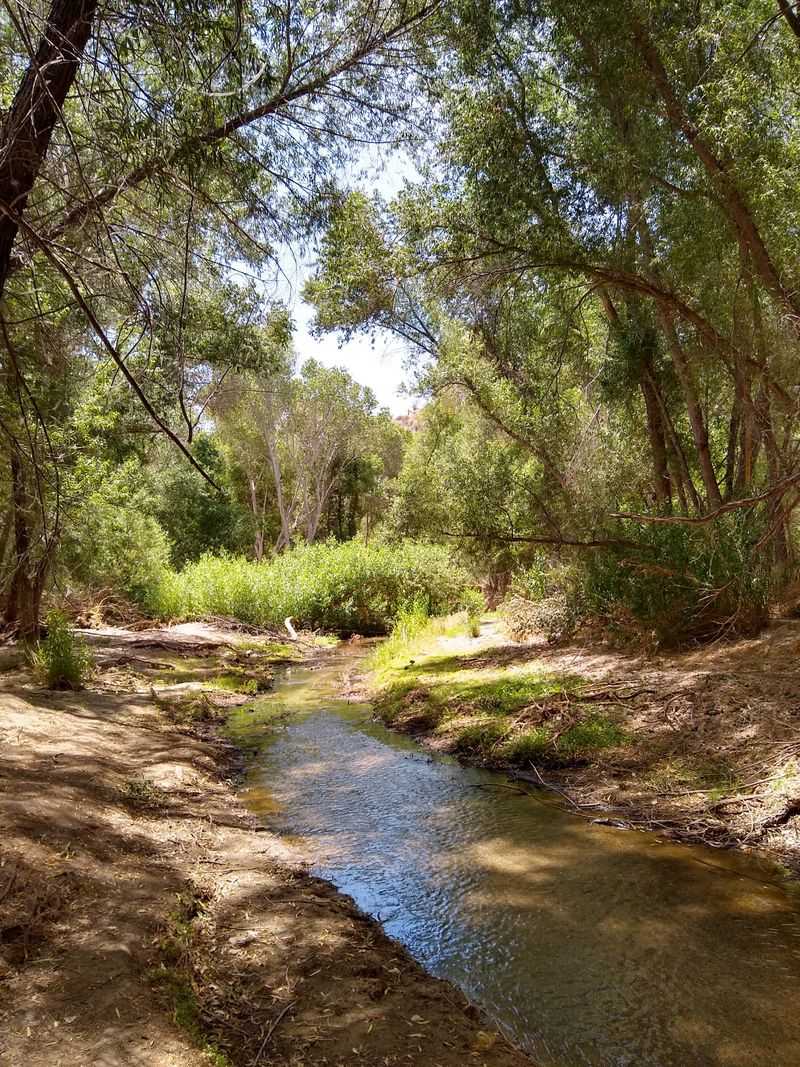
Permanent water changes everything at Hassayampa River Preserve, located at 49614 U.S. Hwy 60 89, Wickenburg, AZ 85390.
Fremont cottonwood trees tower overhead, their heart-shaped leaves rustling in the breeze and casting dappled shade across the riverbanks.
These massive trees can live over a century, their thick trunks and spreading branches dominating the riparian corridor.
Goodding’s willow grows in dense thickets along the water’s edge, its long narrow leaves and flexible branches adapted to periodic flooding.
These willows stabilize banks and create habitat for countless birds and insects.
Arizona sycamore adds to the tree diversity, its white-barked branches and large leaves creating an almost non-desert atmosphere near the water.
Mesquite thrives in the transition zone between permanent water and surrounding desert. These trees send roots both deep and wide, accessing moisture other plants cannot reach.
Their nitrogen-fixing ability enriches soil and benefits neighboring plants, while their beans provide food for wildlife and were historically harvested by indigenous people.
Walking away from the river reveals how quickly plant communities shift as water becomes scarce. Arrowweed and seep-willow dominate the immediate wetland edges, giving way to salt bush and desert broom in drier zones.
Within a hundred yards, riparian species disappear entirely and typical desert plants take over.
This preserve shows how precious permanent water is in Arizona and how it shapes which plants can grow, creating a green ribbon of life through the desert that supports hundreds of species.