8 Essential Tips For Growing Zinnias In Arizona’s Intense Heat
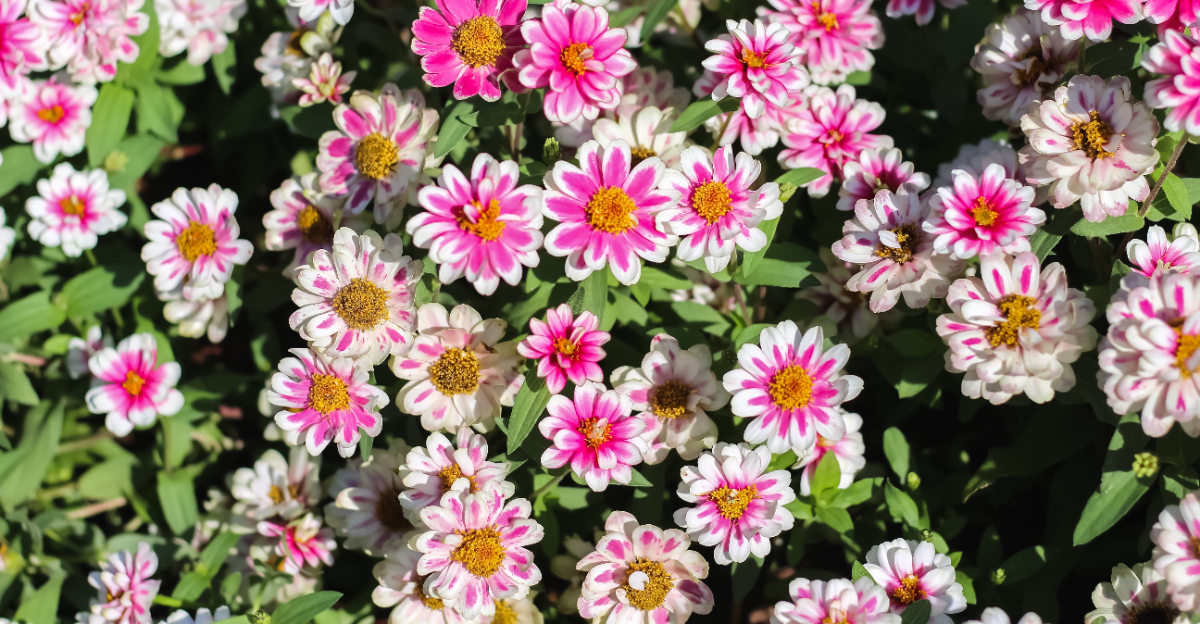
Zinnias are often praised as heat lovers, yet Arizona’s intense summer can still overwhelm them when basic details are overlooked. Bright blooms and strong stems are possible even under relentless sun, but success depends on thoughtful preparation rather than luck.
Many gardens start the season full of color, only to fade fast once temperatures climb.
Desert conditions demand more than simple watering and hope. Soil structure, airflow, planting depth, and timing all shape how well zinnias handle extreme heat.
Strong roots create resilient plants, and resilient plants continue blooming long after other flowers give up.
A few smart decisions early in the season can mean the difference between short-lived color and months of steady blooms. These essential tips focus on practical steps that help zinnias stay sturdy, vibrant, and productive through Arizona’s toughest heat.
1. Choose Heat-Tolerant Zinnia Varieties
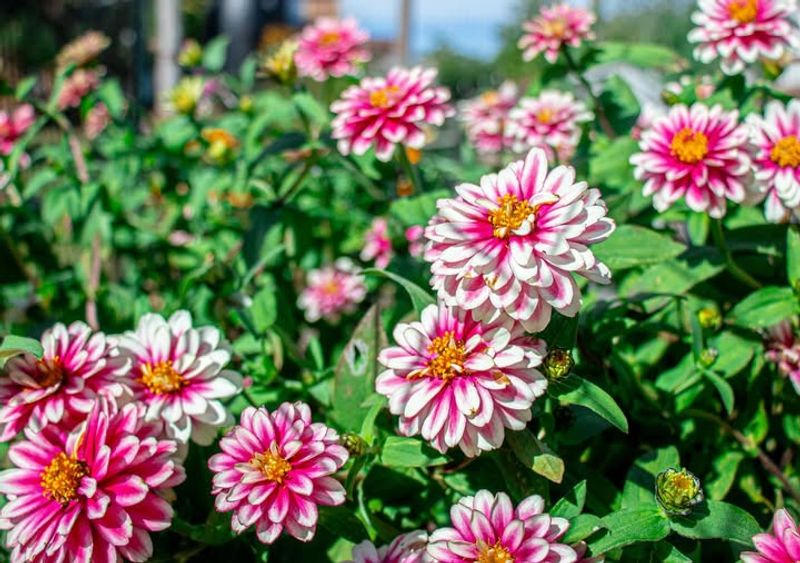
Not all zinnias are created equal when it comes to surviving Arizona’s brutal summer heat. The Zahara series stands out as a champion for desert gardens.
These compact plants were specifically bred to handle intense sun and resist powdery mildew, which can plague zinnias in less-than-ideal conditions.
Zahara zinnias grow about 12 to 18 inches tall and spread nicely without getting leggy. They produce single or semi-double flowers in colors ranging from coral and orange to white and yellow.
What makes them perfect for Arizona is their ability to keep blooming even when temperatures climb above 105 degrees.
Other heat-loving varieties worth considering include the Profusion series and Magellan series. Both offer excellent heat tolerance and disease resistance.
Profusion zinnias stay smaller, making them ideal for containers or border plantings. Magellan varieties grow taller with large dahlia-like blooms that make stunning cut flowers.
Avoid older heirloom varieties in Arizona unless you have afternoon shade. Many traditional zinnias were developed for cooler climates and struggle with our intense heat.
They often develop leaf scorch, stop blooming during peak summer, or become susceptible to fungal issues when stressed by extreme temperatures.
Stick with proven heat-tolerant varieties and you’ll enjoy continuous color throughout the growing season in your Arizona garden.
2. Plant In Full Sun With Morning Exposure
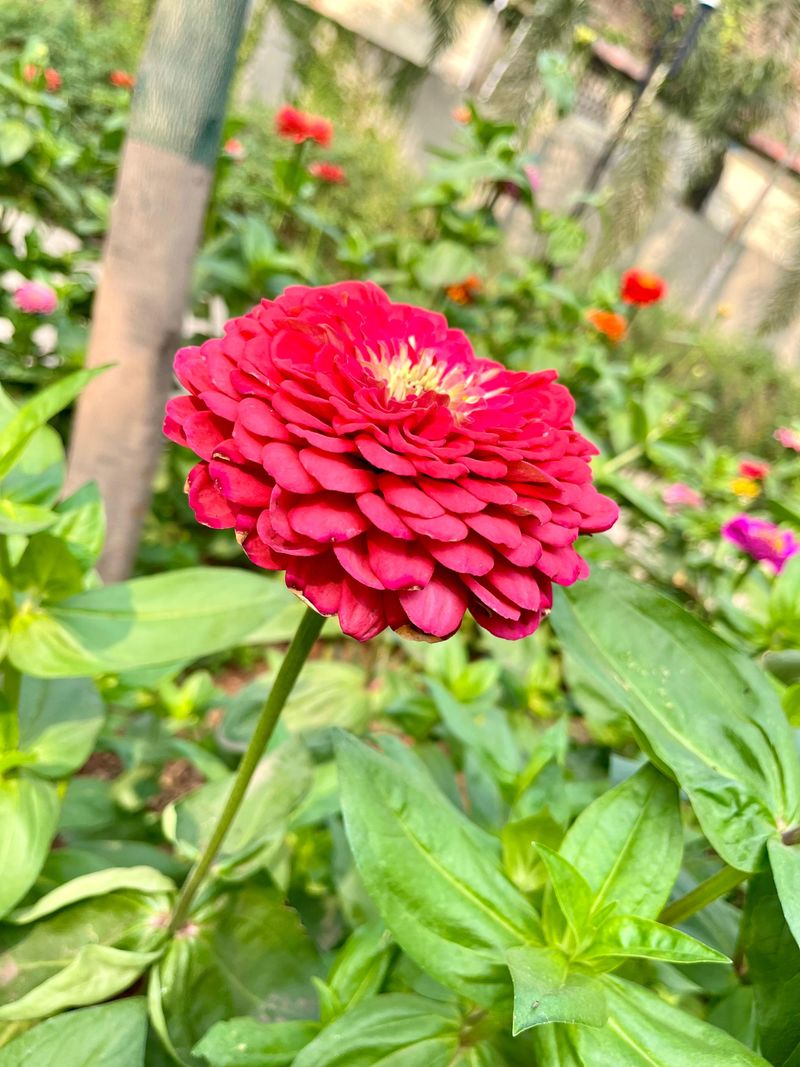
Zinnias crave sunlight, and in most climates, full sun means six to eight hours of direct light. Arizona is different.
Here, full sun can be overwhelming even for sun-loving plants. The key is timing and positioning your zinnia beds to maximize morning light while providing some relief during the most brutal afternoon hours.
Morning sun in Arizona is powerful but less scorching than afternoon rays. When zinnias receive strong morning exposure, they photosynthesize efficiently without the stress of 3 p.m. heat.
If possible, position your zinnia beds on the east or northeast side of your property where they’ll catch sunrise and morning light.
Don’t confuse this advice with planting in shade. Zinnias still need at least six hours of direct sunlight.
In Phoenix, Tucson, and other low-desert areas, east-facing locations often provide full morning sun followed by filtered afternoon light from nearby structures or trees.
Your Arizona Garden Changes Every Week. Your Plan Should Too.
Gardening in Arizona changes quickly throughout the season. Every Friday you’ll receive a simple weekly plan showing exactly what to plant, prune, fertilize, harvest, and protect so you never miss the right timing.
This arrangement gives zinnias the light they need without constant exposure to 115-degree temperatures reflecting off walls and pavement.
If you only have south or west-facing areas available, consider planting zinnias where taller plants or structures cast late afternoon shadows. Even two hours of shade during peak heat can significantly reduce plant stress.
Watch how sunlight moves across your yard throughout the day before choosing your planting spot for the best Arizona zinnia success.
3. Use Well-Draining Soil To Prevent Root Rot
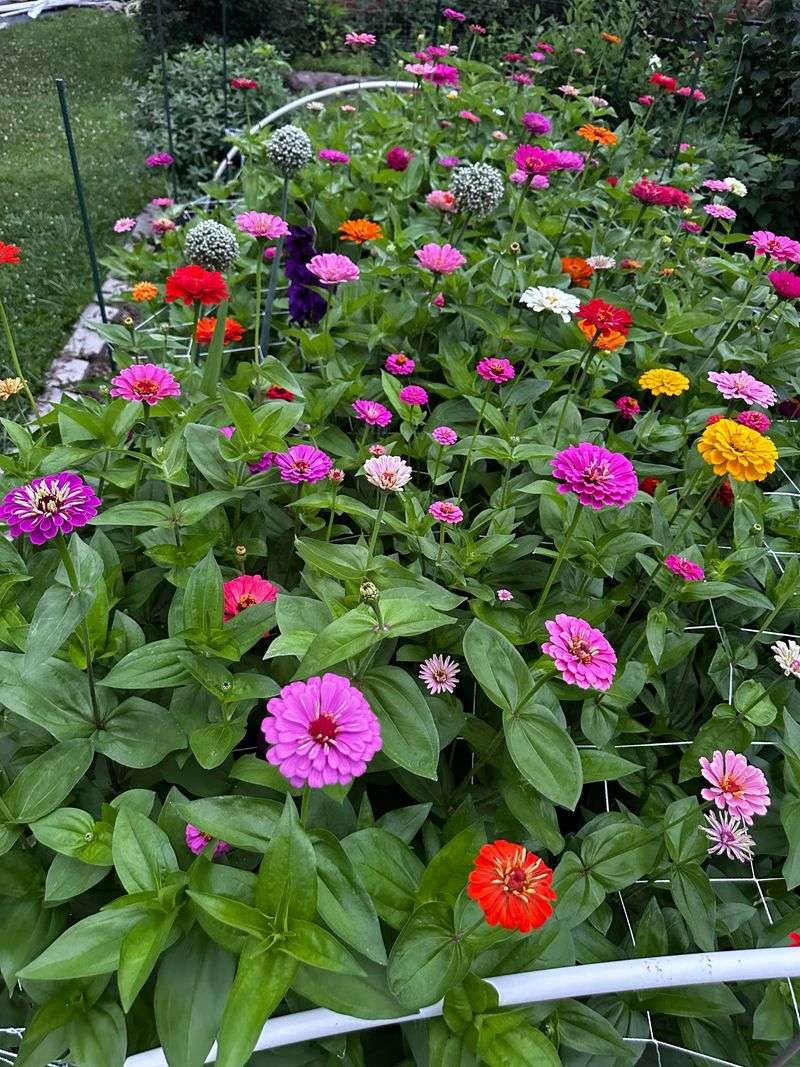
Arizona’s native soil presents unique challenges for zinnia cultivation. Most desert soils are either heavy clay that holds water too long or pure sand that drains too quickly.
Zinnias need something in between: soil that drains well but retains enough moisture to support healthy root growth.
Clay soil becomes a major problem during Arizona’s monsoon season when sudden downpours can saturate the ground. Waterlogged roots quickly develop rot, especially in hot weather.
Before planting zinnias, test your soil drainage by digging a hole about 12 inches deep, filling it with water, and seeing how long it takes to drain. If water sits for more than four hours, you need to improve drainage.
Amend heavy clay soil with coarse sand, perlite, or pumice to increase drainage. Add compost or aged manure to improve soil structure and provide nutrients.
For sandy soil common in many Arizona areas, work in plenty of compost to help retain moisture without creating soggy conditions. Aim for a loose, crumbly texture that water moves through steadily.
Raised beds work exceptionally well for zinnias in Arizona. Building beds 8 to 12 inches high with quality soil mix ensures proper drainage while giving you complete control over soil composition.
This approach also warms soil faster in spring, allowing earlier planting. Whether using raised beds or ground-level plantings, proper drainage is non-negotiable for healthy zinnias in the desert climate.
4. Space Plants Properly To Ensure Air Circulation
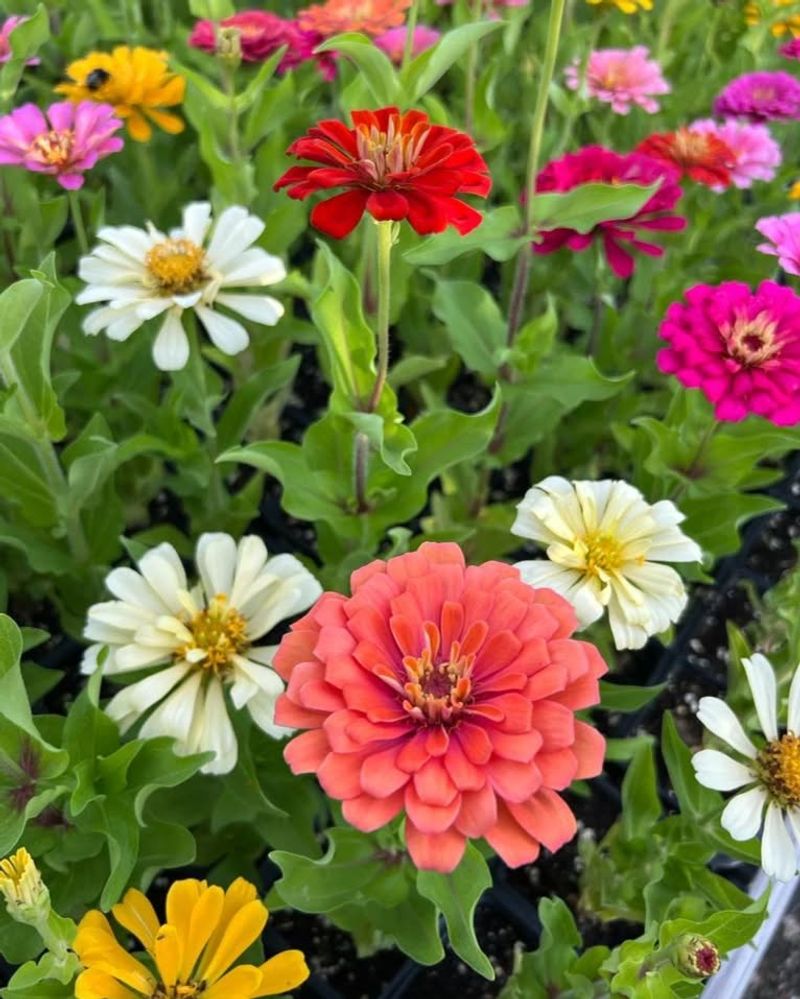
Crowded zinnias spell trouble in Arizona’s climate. When plants grow too close together, air can’t circulate freely between them.
This creates humid microclimates where fungal diseases thrive, even in our typically dry desert air. Proper spacing isn’t just about giving roots room to grow; it’s about keeping foliage dry and healthy.
Space zinnia plants 12 to 18 inches apart depending on the variety. Compact types like Zahara can handle 12-inch spacing, while larger varieties need the full 18 inches.
This might seem excessive when you’re planting small seedlings, but zinnias fill out quickly once established. Resist the temptation to squeeze in extra plants.
Good air circulation becomes especially critical during Arizona’s monsoon season from July through September. Afternoon thunderstorms bring humidity spikes and moisture that lingers on leaves.
When zinnias are properly spaced, breezes dry foliage quickly after rain or morning watering. Crowded plants stay damp longer, inviting powdery mildew and other fungal problems that can spread rapidly through your garden.
Consider the mature size of your chosen variety when planning spacing. Read seed packets or plant tags carefully.
If you’re planting in rows, space rows at least 24 inches apart to allow easy access for maintenance and good cross-ventilation.
In Arizona’s intense heat, that extra space helps each plant access maximum airflow, reducing stress and keeping your zinnias blooming strong throughout the season.
5. Water Deeply But Infrequently
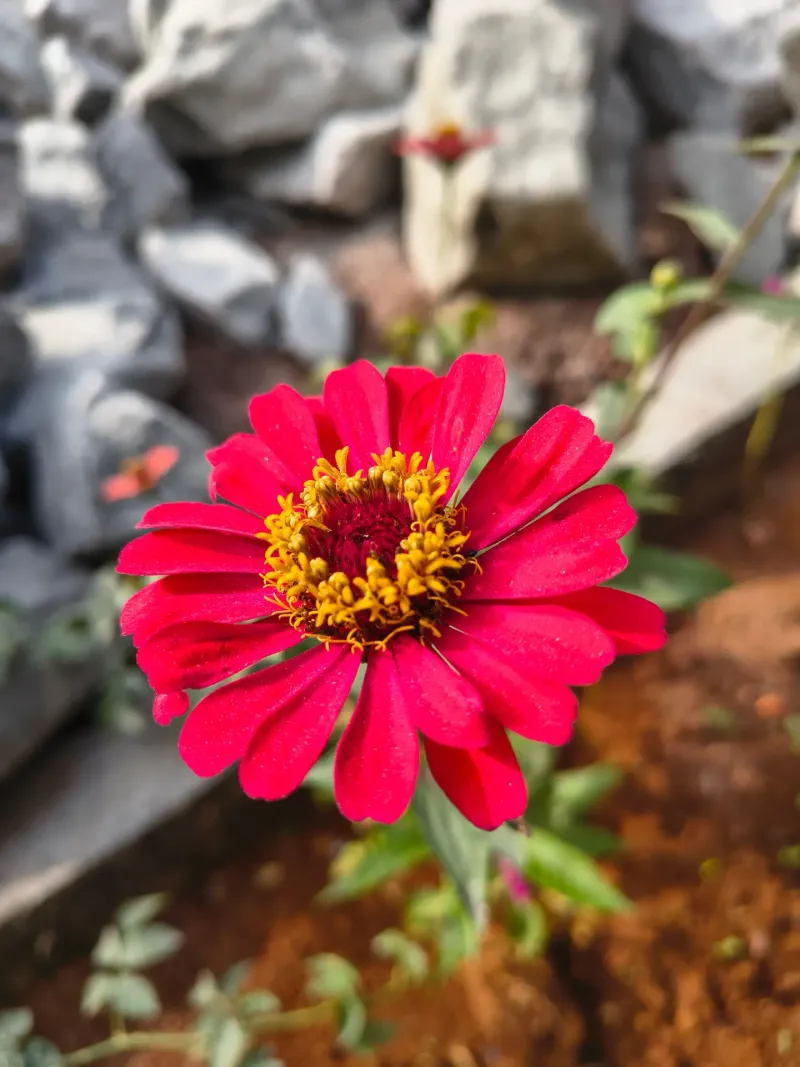
Watering zinnias in Arizona requires a complete mindset shift from traditional gardening advice. Frequent shallow watering creates weak, surface-level roots that can’t access deeper soil moisture.
Instead, water deeply but less often to encourage strong root systems that help plants survive extreme heat.
Newly planted zinnias need consistent moisture until established, usually two to three weeks. Water every other day, soaking the soil 6 inches deep.
Once established, switch to deep watering twice weekly during spring and fall. In summer’s peak heat, you might need to water every other day again, but always water deeply rather than giving plants frequent light sprinkles.
Deep watering means applying enough water to penetrate 8 to 12 inches into the soil. This encourages roots to grow downward where soil stays cooler and retains moisture longer.
Shallow watering keeps roots near the hot soil surface where they’re more vulnerable to heat stress. Check soil moisture by pushing your finger several inches into the ground near plants.
If it feels dry below 3 inches, it’s time to water.
Always water at soil level rather than overhead. Drip irrigation or soaker hoses work perfectly for zinnias in Arizona.
Overhead watering wastes water through evaporation in our dry climate and wets foliage, inviting disease problems. Water early morning so any moisture on leaves dries quickly.
Deep, infrequent watering builds resilient zinnias that bloom beautifully through Arizona’s toughest weather.
6. Mulch To Retain Moisture And Reduce Soil Temperature
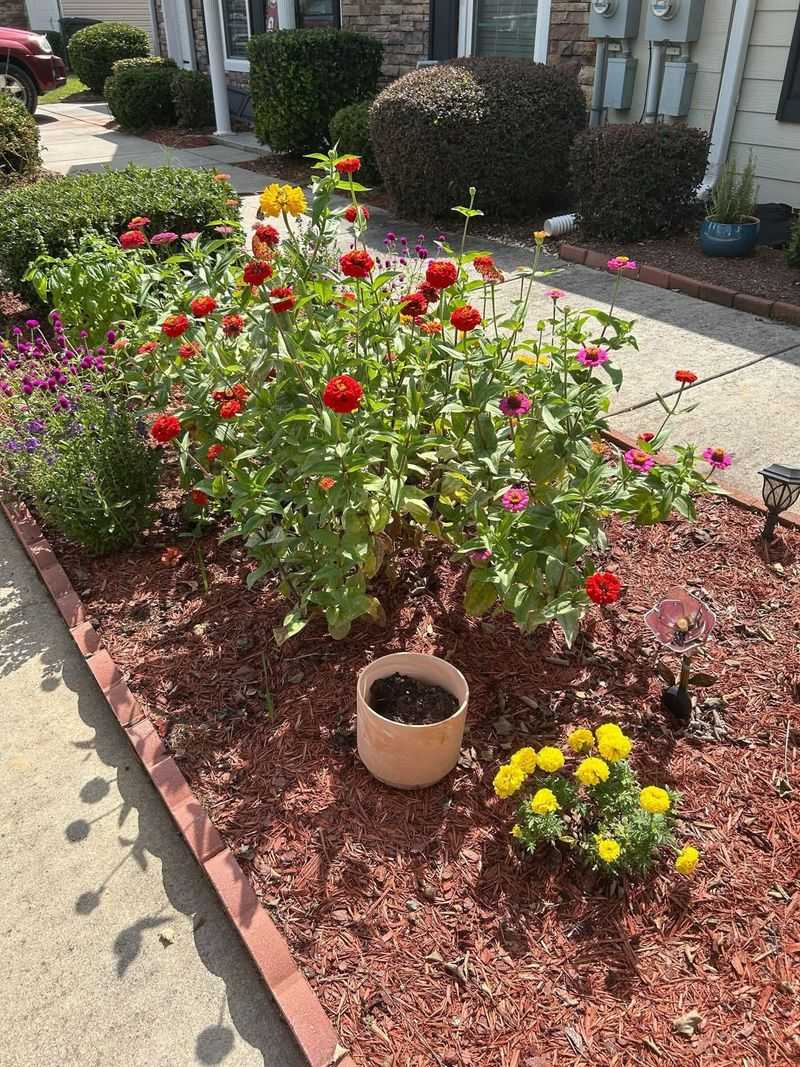
Bare soil in Arizona gardens is a recipe for disaster. Summer sun heats exposed soil surface temperatures to 150 degrees or higher, essentially cooking plant roots from below.
Mulch acts as insulation, keeping soil cooler while dramatically reducing water loss through evaporation. For zinnias growing in intense Arizona heat, mulch isn’t optional; it’s essential.
Apply 2 to 3 inches of organic mulch around your zinnias after planting. Wood chips, shredded bark, or composted leaves all work well.
Keep mulch pulled back about 2 inches from plant stems to prevent moisture buildup against the crown, which can cause stem rot. Organic mulches gradually break down, improving soil quality while protecting roots.
Mulch can reduce soil temperature by 10 to 20 degrees compared to bare ground. This cooling effect helps zinnias maintain healthy root function even during 110-degree days.
Mulch also reduces watering needs by up to 50 percent by slowing evaporation. In Arizona’s arid climate where water conservation matters, this benefit alone makes mulching worthwhile.
Refresh mulch layers mid-season as material decomposes or gets displaced by wind and rain. Avoid piling mulch too thickly, which can prevent water from reaching roots.
The goal is a consistent layer that covers soil without smothering plants. Light-colored mulches reflect heat better than dark ones, though any mulch is better than none.
Properly mulched zinnias in Arizona gardens stay healthier, bloom longer, and require less maintenance throughout the growing season.
7. Deadhead Flowers To Encourage Continuous Blooms
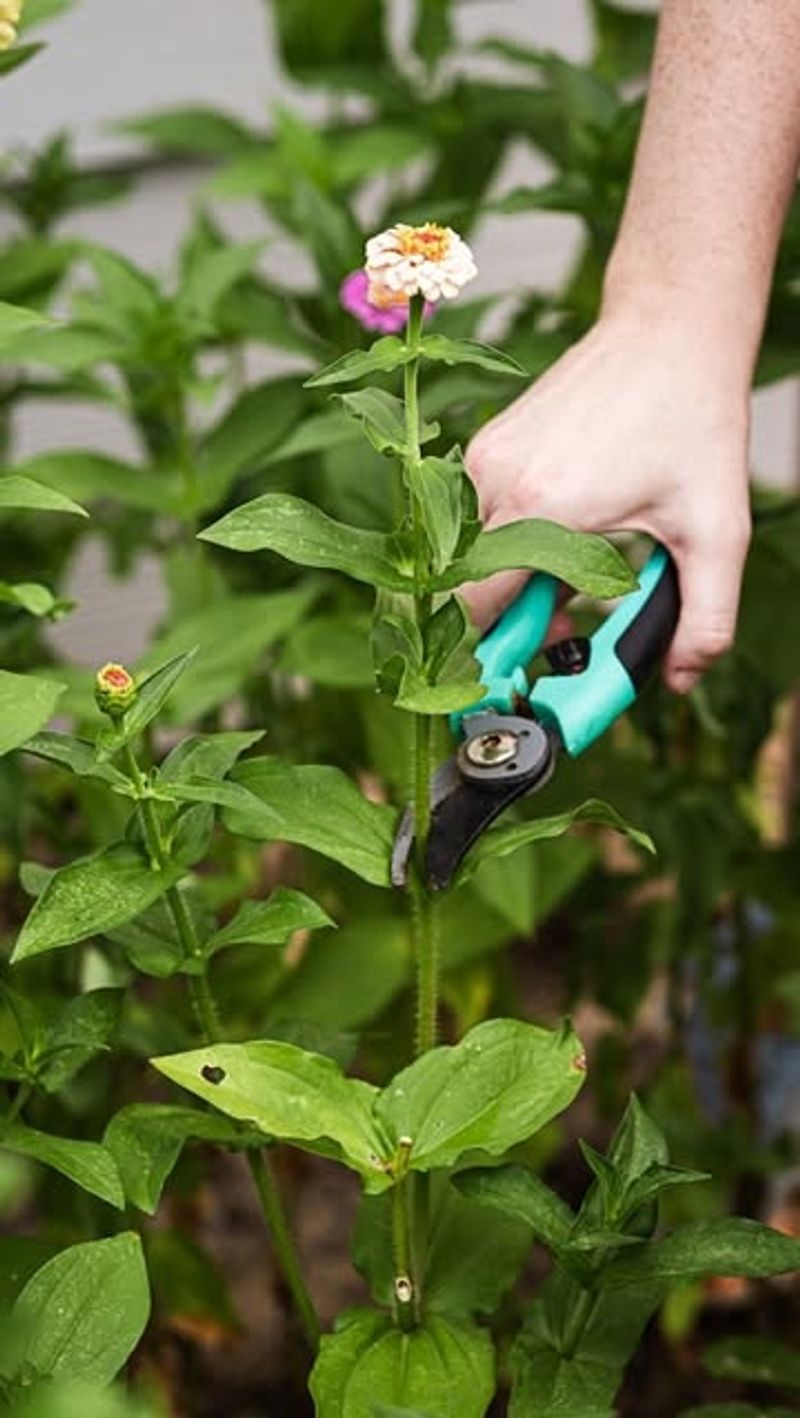
Zinnias are prolific bloomers, but they need your help to keep producing flowers throughout Arizona’s long growing season. Deadheading, the practice of removing spent blooms, signals plants to produce more flowers instead of setting seed.
This simple maintenance task keeps your zinnias colorful from spring through fall.
Check your zinnias every few days and remove spent blooms. Use clean pruning shears or simply pinch off faded flowers with your fingers.
Cut or pinch just above the next set of leaves or buds on the stem. This encourages branching and more flower production from lower nodes.
Don’t just pull off the flower head; remove the entire stem back to a leaf junction for best results.
In Arizona’s heat, zinnias can cycle through blooms quickly. A flower that opens Monday might be spent by Friday, especially during summer’s peak.
Regular deadheading prevents plants from putting energy into seed production. When zinnias sense they’ve successfully reproduced through seeds, they slow or stop blooming.
By removing flowers before seeds fully develop, you trick plants into continuous bloom production.
Deadheading also keeps your garden looking tidy. Spent zinnia flowers turn brown and papery, detracting from the fresh blooms around them.
This maintenance becomes especially important if you’re growing zinnias in visible front-yard areas or containers near patios. Plan to spend 10 to 15 minutes weekly deadheading for a continuous display of vibrant zinnia color in your Arizona landscape.
8. Monitor For Pests And Treat Early
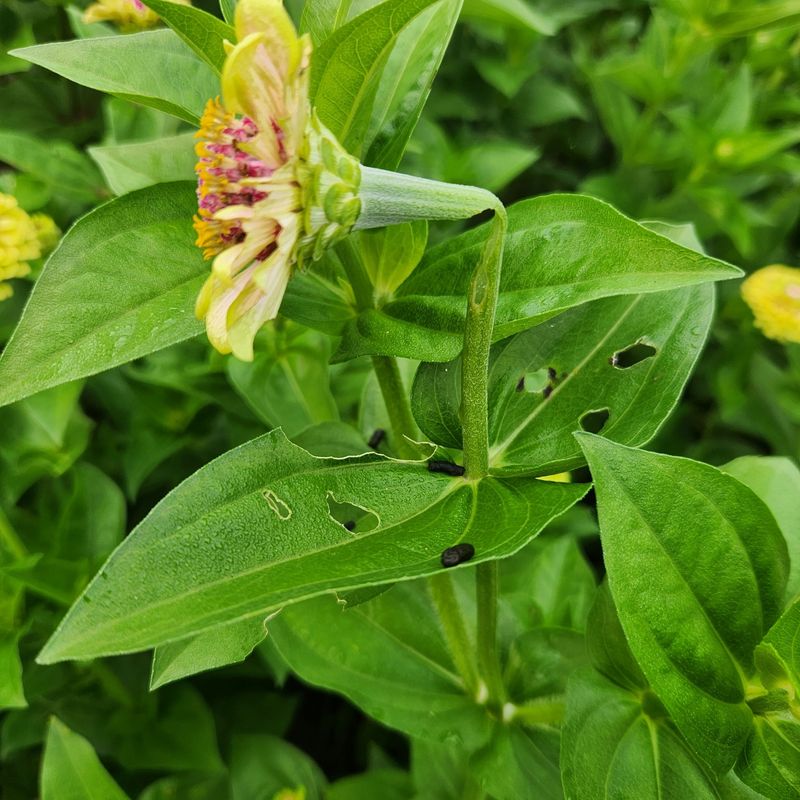
Arizona’s warm climate extends growing seasons for plants and pests alike. Zinnias generally resist serious pest problems, but several insects find these flowers irresistible.
Early detection and quick action prevent minor pest issues from becoming garden disasters that weaken or destroy your zinnia display.
Aphids top the list of zinnia pests in Arizona. These tiny green, black, or brown insects cluster on new growth and flower buds, sucking plant juices.
Check the undersides of leaves and stem tips weekly. A strong spray from your garden hose often dislodges aphids before populations explode.
For heavier infestations, insecticidal soap works effectively without harming beneficial insects.
Spider mites become problematic during hot, dry stretches common in Arizona. These microscopic pests cause stippling on leaves that appears as tiny yellow or white dots.
Severe infestations produce fine webbing on leaf undersides. Spider mites thrive in dusty conditions, so hosing off plants weekly helps prevent problems.
Neem oil or insecticidal soap controls established mite populations.
Grasshoppers may also munch zinnia leaves during monsoon season. Row covers protect young plants, though established zinnias usually tolerate some grasshopper damage.
Regular inspection catches pest problems early when solutions are simplest and most effective for maintaining healthy, beautiful zinnias in your Arizona garden.
Desert heat can also stress plants enough to make them more vulnerable to pest pressure, so keeping zinnias well watered and properly spaced reduces risk. Healthy, vigorous plants naturally resist infestations better than weak or overcrowded ones.