10 Garden Tasks North Carolina Homeowners Should Finish Before March
The quiet days of late winter hold a powerful secret for gardeners ready to get ahead of the season.
In North Carolina, as the last chill begins to fade, this short window before spring bursts forth offers the perfect chance to prepare your garden for months of healthy growth and vibrant beauty.
A little effort now can make a remarkable difference, turning ordinary beds into thriving spaces once warmer weather settles in. Clearing, pruning, refreshing soil, and planning ahead all help create the strong foundation every successful garden needs.
North Carolina’s unique climate rewards those who act early, giving plants the best start possible while reducing future work and stress.
Whether you have years of gardening experience or are just beginning your journey, focusing on a few key tasks now can transform your outdoor space.
These ten essential steps will help your North Carolina yard flourish, grow stronger, and welcome spring with energy, color, and lasting vitality.
1. Clean Up Winter Garden Debris
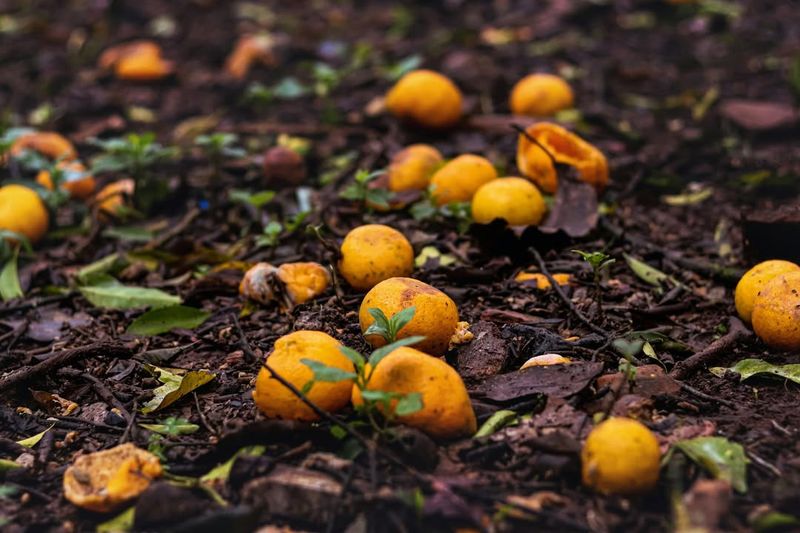
Your garden has accumulated quite a bit of clutter over the cold months. Fallen branches, dried-out annuals, and layers of leaves have piled up in beds and corners.
Now is the time to grab your rake and gloves and clear it all away. Removing this debris does more than just make your yard look tidy. It prevents mold and fungal growth that can harm plants as temperatures rise.
Old leaves and plant material can harbor pests and diseases that will spread quickly once spring warmth arrives.
Start by walking through your garden and picking up larger branches and sticks. Then rake out compacted leaves from around perennials and shrubs.
Pay special attention to areas where water tends to collect, as excess moisture combined with decaying plant matter creates problems.
Don’t toss everything in the trash. Healthy plant material can go into your compost pile where it will break down into valuable soil amendment.
Just avoid composting anything that looks diseased or pest-infested. This simple task takes just a few hours but makes a significant difference. Your plants will have better air circulation and sunlight exposure.
You’ll also get a clear view of what survived winter and what needs replacing. A clean garden is a healthy garden ready for spring growth.
2. Test And Prepare Garden Soil
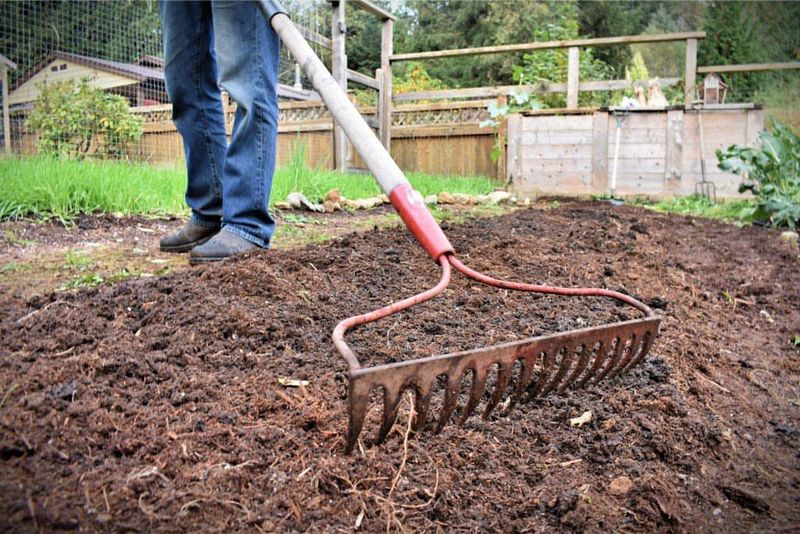
Soil is the foundation of every successful garden. Without knowing what’s happening beneath the surface, you’re essentially gardening blind.
Late winter in North Carolina gives you the perfect opportunity to test and improve your soil before planting season begins.
A simple soil test reveals pH levels and nutrient content. Your local cooperative extension office offers affordable testing services that provide detailed results and recommendations.
You can also purchase home testing kits from garden centers if you prefer immediate results.
Collect samples from several spots in your garden, mixing them together for an average reading. Dig down about six inches and take soil from that depth.
Follow the testing instructions carefully for accurate results. Once you know what your soil needs, you can add amendments accordingly. Most North Carolina gardens benefit from organic matter like compost or aged manure.
Your North Carolina Garden Changes Every Week. Your Plan Should Too.
Gardening in North Carolina changes quickly throughout the season. Every Friday you’ll receive a simple weekly plan showing exactly what to plant, prune, fertilize, harvest, and protect so you never miss the right timing.
These additions improve soil structure, drainage, and nutrient availability. Spread amendments over your beds and work them into the top several inches of soil. This gives them time to integrate before you start planting.
The soil microbes will begin breaking down organic matter, making nutrients available to plant roots.
Well-prepared soil means stronger plants, better yields, and fewer problems throughout the growing season. This investment of time now pays dividends all year long.
3. Prune Dormant Trees And Shrubs

Late winter pruning might seem counterintuitive, but it’s actually one of the smartest moves you can make. Trees and shrubs are still dormant, which means they’re not actively growing.
This dormancy makes pruning less stressful for the plants and gives you a clear view of their branch structure.
Without leaves in the way, you can easily spot crossing branches, awkward growth patterns, and damaged wood. Removing these problem areas now encourages better growth when spring arrives.
The plant directs its energy into healthy branches rather than wasting resources on damaged or poorly positioned ones.
Focus on removing branches that rub against each other, as this friction creates wounds where diseases can enter. Cut away any branches growing inward toward the center of the plant.
Good air circulation through the canopy helps prevent fungal problems during humid North Carolina summers.
Use sharp, clean tools to make smooth cuts that heal quickly. Jagged cuts take longer to close and invite problems.
Make your cuts just above a bud or branch junction at a slight angle. Not every plant benefits from late winter pruning, though. Spring-blooming shrubs like azaleas and forsythia should wait until after they flower.
Otherwise, you’ll cut off this year’s blooms. Most other woody plants respond well to dormant season pruning and will reward you with vigorous spring growth.
4. Plant Bare-Root Trees And Shrubs
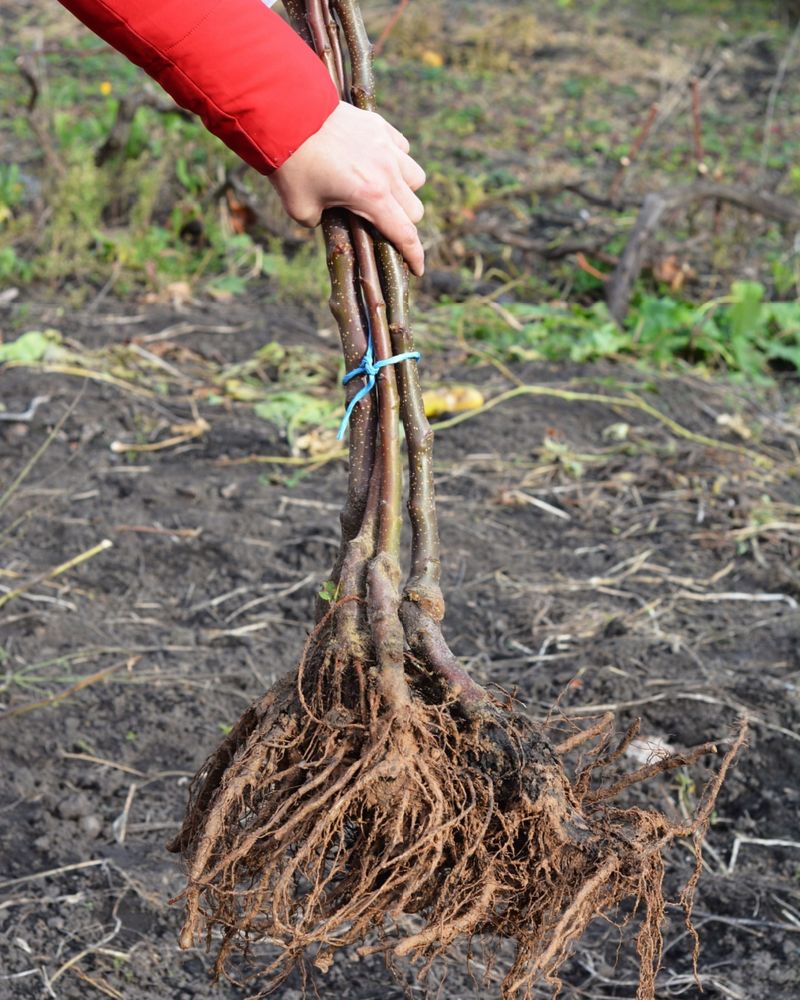
Bare-root plants arrive without soil around their roots, looking almost lifeless. But don’t let their appearance fool you.
These dormant plants are ready to establish themselves quickly once you get them in the ground. Late winter is your window of opportunity in North Carolina.
Nurseries ship bare-root stock while plants are dormant, making them lighter and less expensive than container-grown options. You’ll find fruit trees, roses, berry bushes, and many ornamental shrubs available in bare-root form.
They establish faster than potted plants because their roots don’t have to transition from container soil to garden soil.
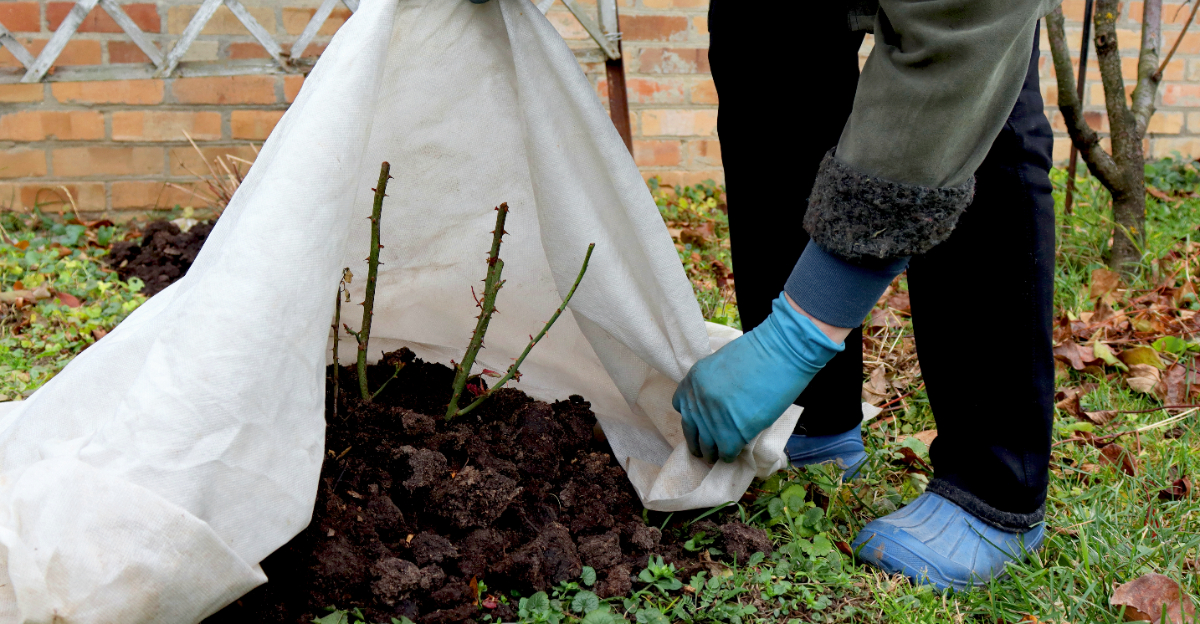
Plant them as soon as possible after purchase. If you must wait, keep roots moist and store plants in a cool location.
Never let the roots dry out completely, as this can severely damage or eliminate the plant. Dig a hole wide enough to spread roots naturally without bending or crowding them. The hole should be deep enough that the plant sits at the same level it grew in the nursery.
Look for the soil line on the stem as your guide. Backfill with native soil, firming it gently around roots to eliminate air pockets. Water thoroughly after planting.
The cool, moist conditions of late winter help roots establish before hot weather arrives. By the time summer heat hits, your new plants will have developed strong root systems ready to support vigorous growth.
5. Start Cool-Season Vegetables
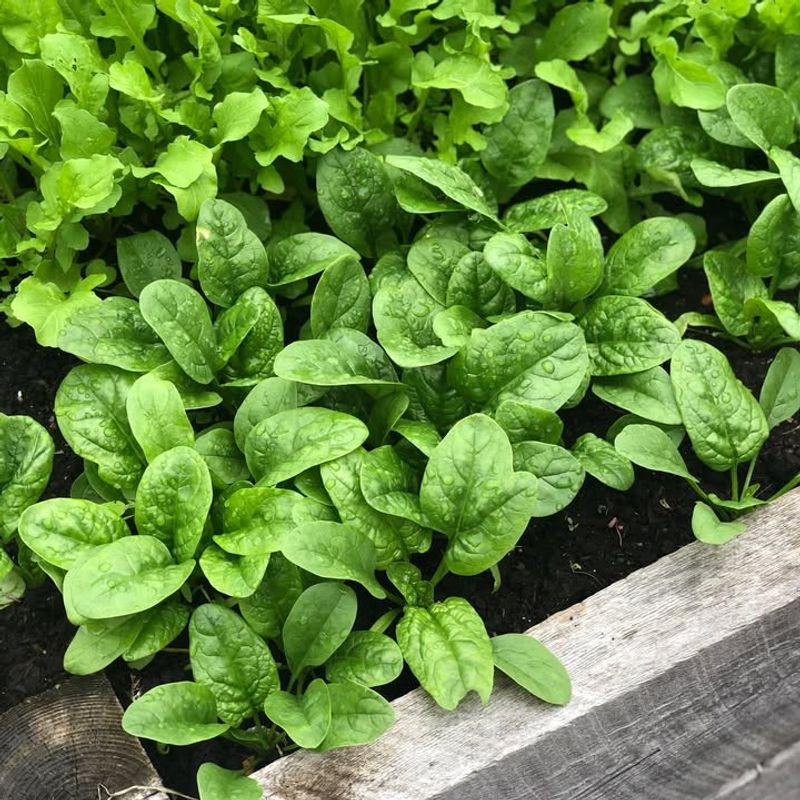
Spring vegetables need a head start to produce before summer heat arrives. Many cool-season crops actually prefer the moderate temperatures of late winter and early spring in North Carolina.
Getting them in the ground now means harvests before the weather turns too warm. Lettuce, spinach, peas, and other cold-hardy vegetables thrive in cooler conditions. They bolt and turn bitter when temperatures climb too high.
Planting them in late winter gives you the longest possible harvest window. You can direct-seed many cool-season crops right into prepared garden beds. Peas, radishes, and carrots germinate well in cool soil.
Other crops like broccoli, cabbage, and cauliflower benefit from transplants started indoors several weeks earlier or purchased from garden centers.
Check your local frost dates to time plantings appropriately. North Carolina’s diverse climate means significant variation across the state.
Coastal areas warm earlier than mountain regions. Your county extension office provides specific recommendations for your area.
Protect young seedlings from unexpected cold snaps with row covers or cloches. These simple barriers trap warmth and shield plants from frost damage. Remove covers during warm days to prevent overheating, including tree covers
Cool-season vegetables grow relatively quickly, with many ready to harvest in just six to eight weeks.
You’ll enjoy fresh salads and stir-fries while your neighbors are just starting their summer gardens. This early production also frees up garden space for warm-season crops later.
6. Divide And Transplant Perennials

Perennials don’t stay perfectly sized forever. Over several years, many spread outward, forming large clumps that become crowded and less productive.
Late winter offers an ideal time to divide these overgrown plants before new growth emerges.
Dividing perennials rejuvenates them, creating multiple plants from one. The process stimulates fresh growth and often improves flowering.
You’ll have extras to fill other garden areas or share with friends. Look for perennials that have developed hollow centers or that bloom less than they used to. These signs indicate overcrowding.
Hostas, daylilies, ornamental grasses, and many other common perennials benefit from division every three to five years.
Dig up the entire plant carefully, preserving as much root as possible. Use a sharp spade or knife to cut through the root mass, creating several sections. Each division should have both roots and shoots or growth buds.
Replant divisions immediately at the same depth they grew before. Space them appropriately, remembering they’ll expand over time. Water thoroughly to help roots establish in their new locations.
The cool, moist conditions of late winter minimize transplant shock. Plants have time to settle in before they must support active top growth.
By the time spring arrives in earnest, your divided perennials will be ready to grow vigorously. You’ll notice improved performance and more abundant blooms this season.
7. Apply Fresh Mulch To Garden Beds
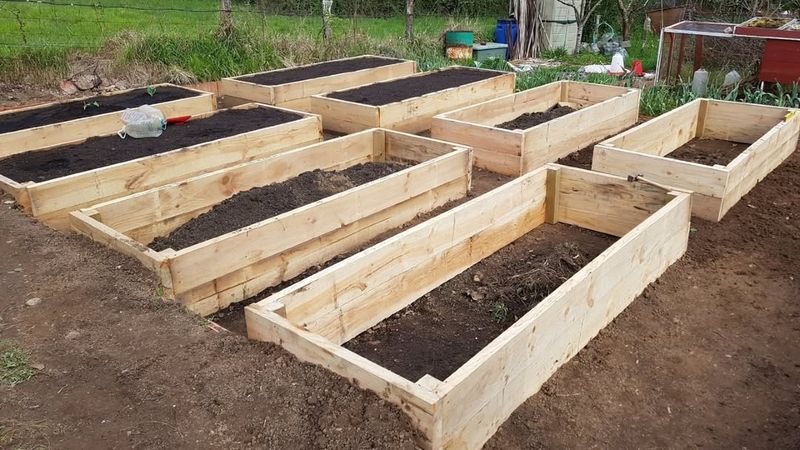
Mulch does far more than make your garden look polished. This protective layer regulates soil temperature, conserves moisture, and suppresses weeds.
Late winter is an excellent time to refresh mulch in North Carolina gardens before spring growth accelerates.
Over time, mulch breaks down and thins out. What started as a three-inch layer may have decomposed to barely an inch.
This breakdown is actually beneficial, adding organic matter to soil. But the thinning means mulch no longer provides adequate protection.
Choose organic mulches like shredded hardwood, pine bark, or pine straw. These materials break down gradually, improving soil structure as they decompose.
Avoid piling mulch against plant stems and tree trunks, as this can cause rot and pest problems.
Apply a two to three-inch layer over bare soil in beds and around trees and shrubs. Pull mulch back slightly from plant crowns to allow air circulation. Fresh mulch creates a neat appearance while providing practical benefits.
Mulched soil stays cooler in summer and warmer in winter. This temperature moderation protects plant roots from extremes.
Mulch also reduces water evaporation, meaning you’ll spend less time with the hose during dry spells.
Weed seeds struggle to germinate through a good mulch layer. Those that do sprout are easier to pull from the loose mulch surface.
You’ll spend less time weeding and more time enjoying your garden. This simple task provides benefits all season long.
8. Check And Maintain Garden Tools
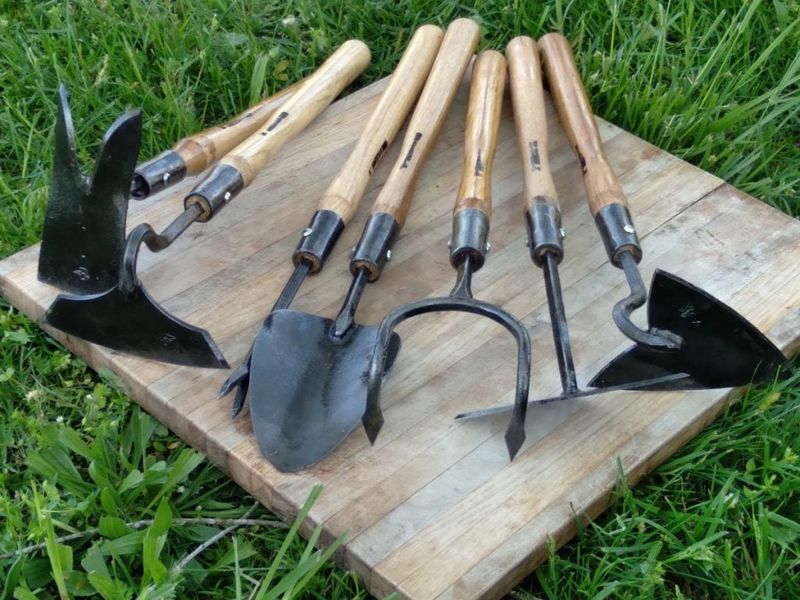
Your garden tools have sat idle through winter, possibly dirty and damp. Before the busy spring season begins, take time to inspect, clean, and repair your equipment. Well-maintained tools work better and last longer.
Start by cleaning soil and plant residue from all surfaces. Dried mud and sap can harbor disease organisms that spread to healthy plants.
Use a wire brush and soapy water to scrub metal parts thoroughly. Dry everything completely to prevent rust.
Check cutting tools for sharpness. Dull blades tear plant tissue rather than making clean cuts, creating wounds that heal slowly.
Use a file or sharpening stone to restore keen edges on pruners, shears, and hoes. Sharp tools make gardening easier and less tiring.
Inspect wooden handles for splinters and cracks. Sand rough spots smooth to prevent blisters.
Apply linseed oil to wooden handles to prevent drying and cracking. This simple treatment extends handle life significantly.
Lubricate moving parts on pruners and loppers with a light machine oil. Work the joints to distribute oil evenly. This prevents rust and keeps tools operating smoothly.
Replace broken or worn-out tools rather than struggling with inadequate equipment. Quality tools are investments that pay off in easier, more efficient work.
Store clean, maintained tools in a dry location where they’ll stay ready for action throughout the growing season ahead.
9. Plan Spring Planting And Garden Layout
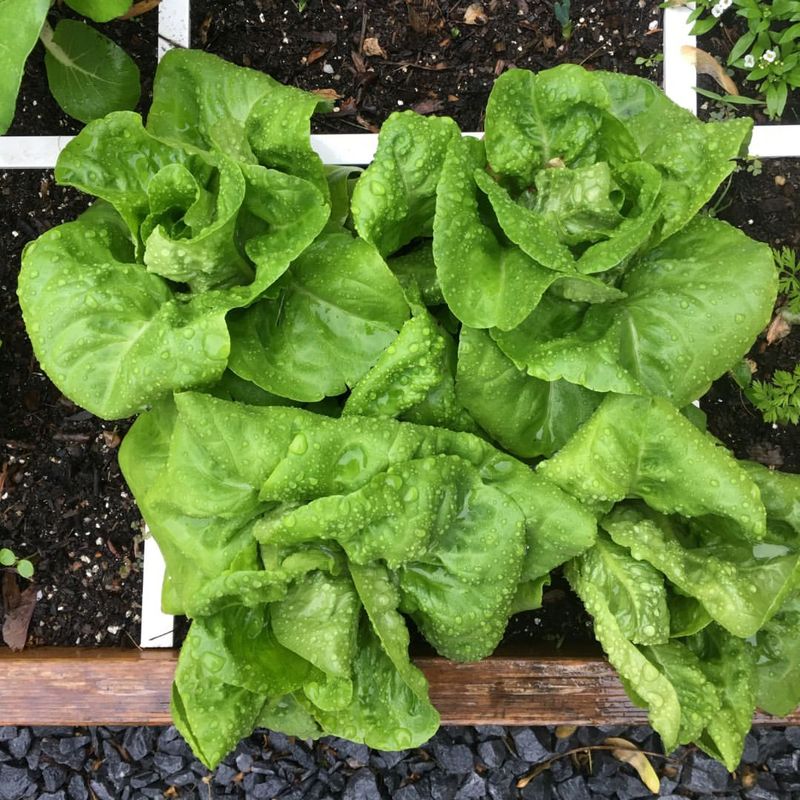
Successful gardens don’t happen by accident. They result from thoughtful planning that considers space, timing, and plant needs.
Late winter gives you quiet time to map out your spring garden before the planting rush begins. Start by reviewing last year’s garden notes. What worked well? What disappointed? Which pests caused problems?
Learning from experience helps you make better choices this year. If you didn’t keep notes before, start now for future reference.
Sketch your garden layout on paper, noting sun exposure and dimensions. Consider crop rotation if you’re growing vegetables.
Moving plant families to different beds each year reduces pest and disease buildup in the soil.
Browse seed catalogs and nursery websites to select varieties suited to North Carolina’s climate. Pay attention to days to maturity, ensuring you choose varieties that will produce before summer heat or fall frost.
Read descriptions carefully to match plants with your garden conditions. Create a planting schedule that staggers crops for continuous harvest rather than everything maturing at once.
Succession planting works especially well for quick-growing crops like lettuce and beans. Order seeds and supplies now before popular varieties sell out. Many heirloom and specialty seeds have limited availability.
Having everything on hand when planting time arrives eliminates last-minute scrambles. A solid plan reduces stress and increases success. You’ll know exactly what goes where and when.
This preparation lets you enjoy the gardening process rather than making rushed decisions in the moment.
10. Inspect Plants For Winter Damage
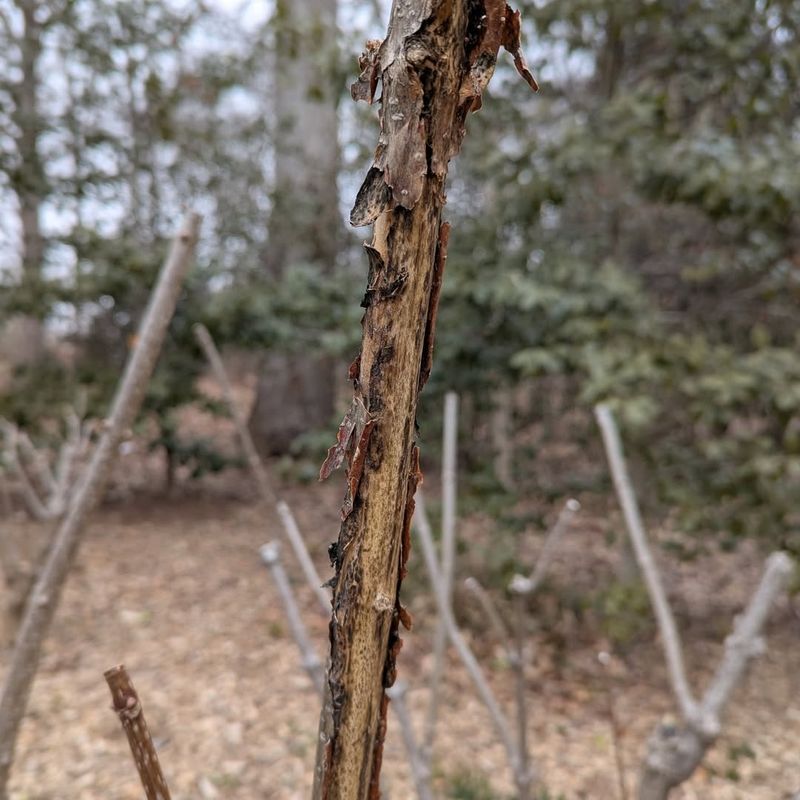
Winter weather takes its toll on plants, even in relatively mild North Carolina. Before spring growth begins, walk through your garden and carefully inspect trees, shrubs, and perennials for damage.
Early detection helps you address problems before they worsen. Look for broken or cracked branches that could provide entry points for diseases. Ice and wind can snap limbs, leaving jagged wounds.
These damaged areas need pruning back to healthy wood to heal properly. Check evergreens for browning or scorched foliage. Winter winds and sun can desiccate needles and leaves, especially on exposed plants.
Some browning may recover, but severely damaged sections might need removal. Examine the base of plants for signs of rodent damage. Voles and mice sometimes gnaw bark during winter when other food is scarce.
Girdled stems may not survive. Catch these problems early to decide whether plants can recover or need replacement.
Push gently on plants that seem loose or tilted. Freeze-thaw cycles can heave roots out of the ground. Firm soil back around exposed roots and stake plants if necessary until roots re-establish.
Don’t rush to prune plants that look questionable. Sometimes what appears damaged will push out new growth once warm weather returns.
Wait until you see clear signs of new growth before removing sections that might still be viable. Patience often reveals that plants are tougher than they first appear.