This Tall Native Oregon Flower Can Transform A Boring Fence Fast
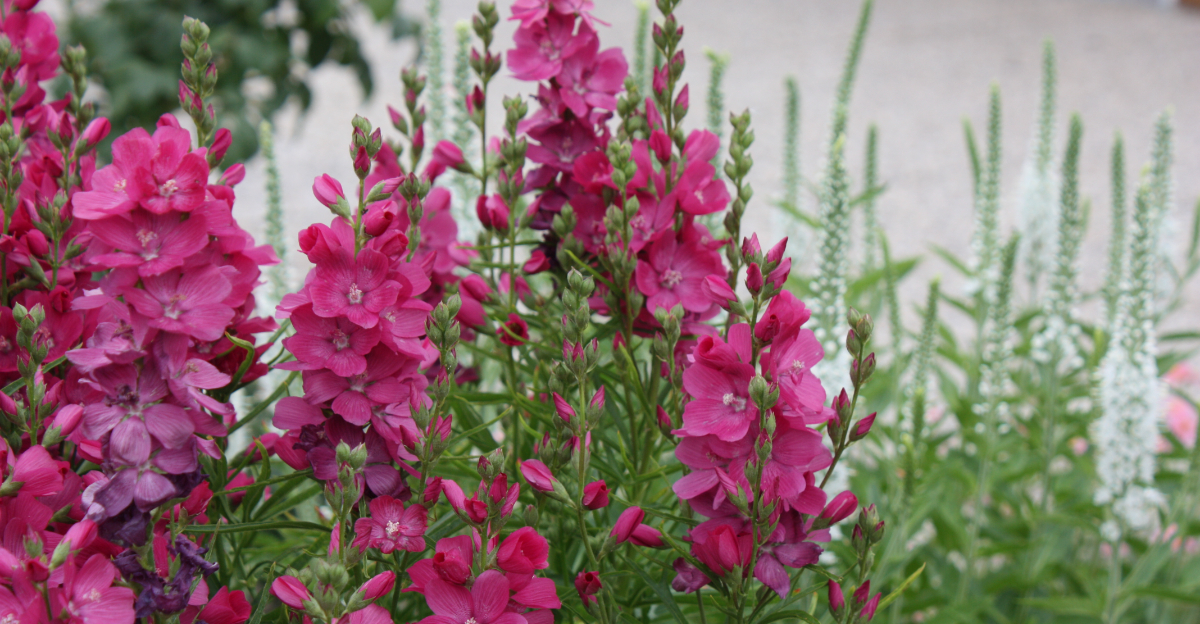
Ever look at a plain fence and wish it had a little more life? Maybe a splash of color, a touch of nature, something that makes you smile when you pass by? That’s where Oregon Checkermallow quietly shines.
This lovely native Oregon flower has a soft, natural charm that doesn’t try too hard. It grows with ease, brings gentle beauty, and somehow makes a simple fence feel warm and welcoming.
Have you ever noticed how a few flowers can change the whole mood of a space? If you enjoy plants that feel friendly, relaxed, and a little bit cheerful, Oregon Checkermallow might be just the thing for your garden corner.
Meet Oregon’s Native Checkermallow
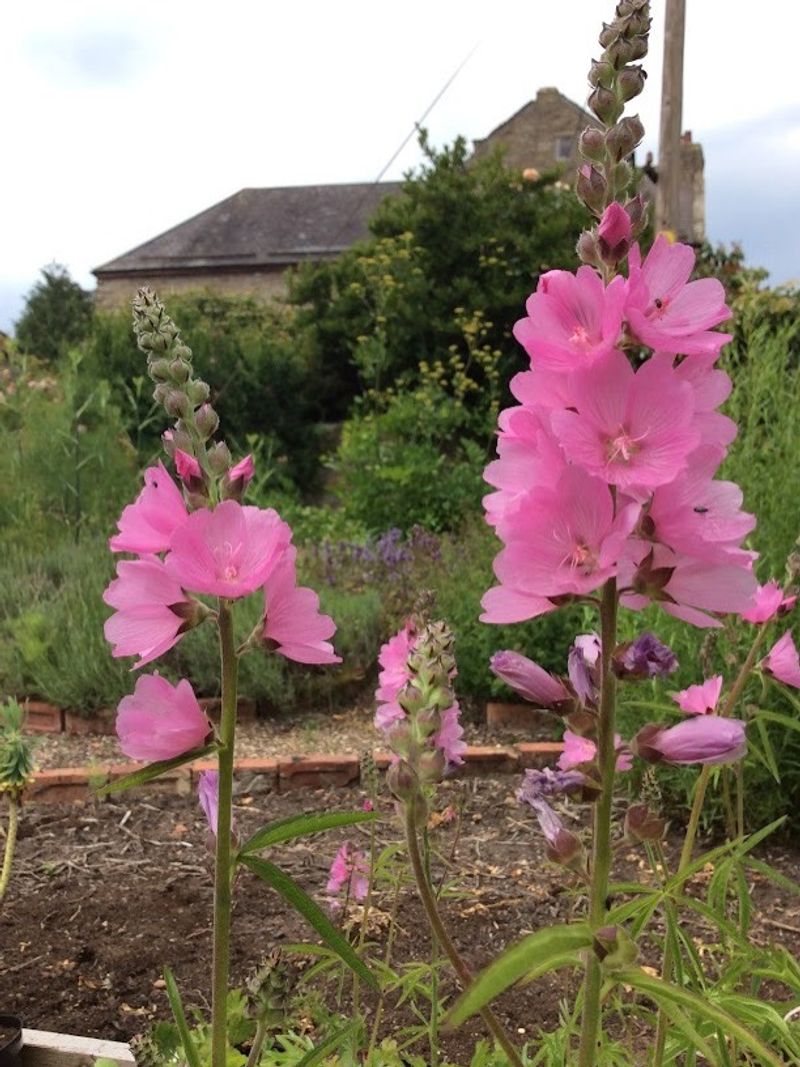
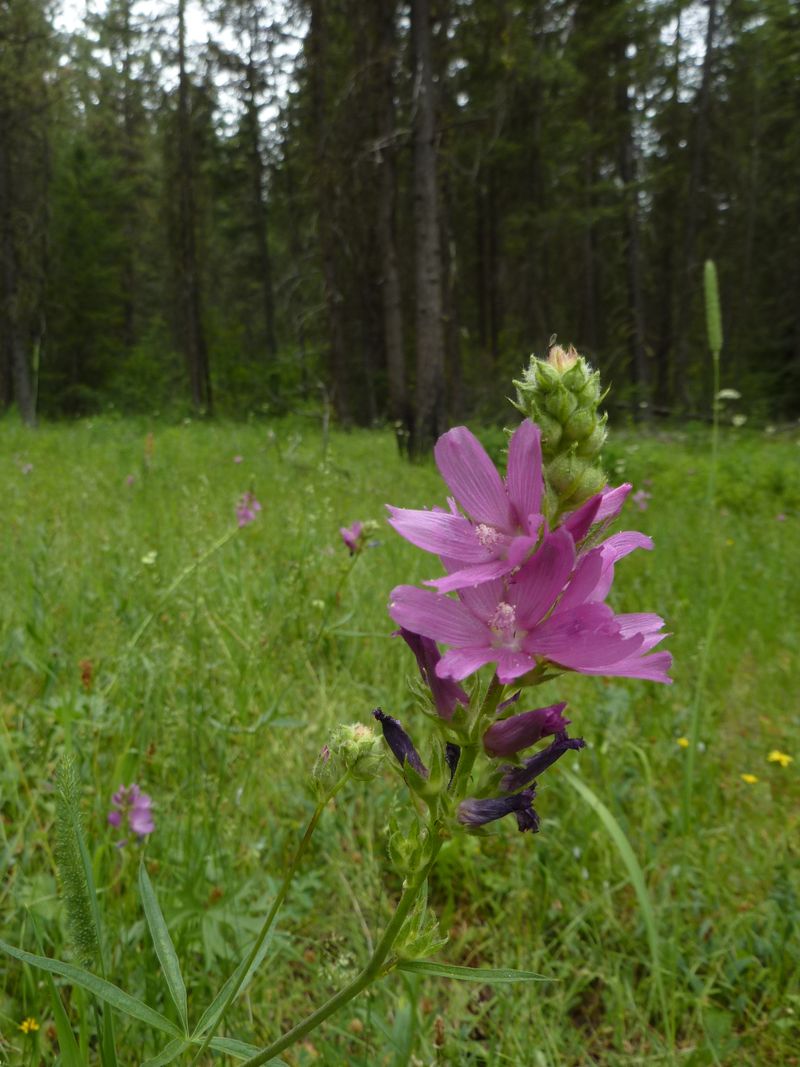
When you walk through Oregon’s wild spaces in late spring, you might spot tall stalks covered in cheerful pink blooms rising above grasses and shrubs. That’s checkermallow, a Pacific Northwest native that’s been quietly thriving here long before any of us planted our first garden.
Sidalcea oregana grows naturally from the Willamette Valley to coastal meadows, adapting beautifully to our wet winters and dry summers.
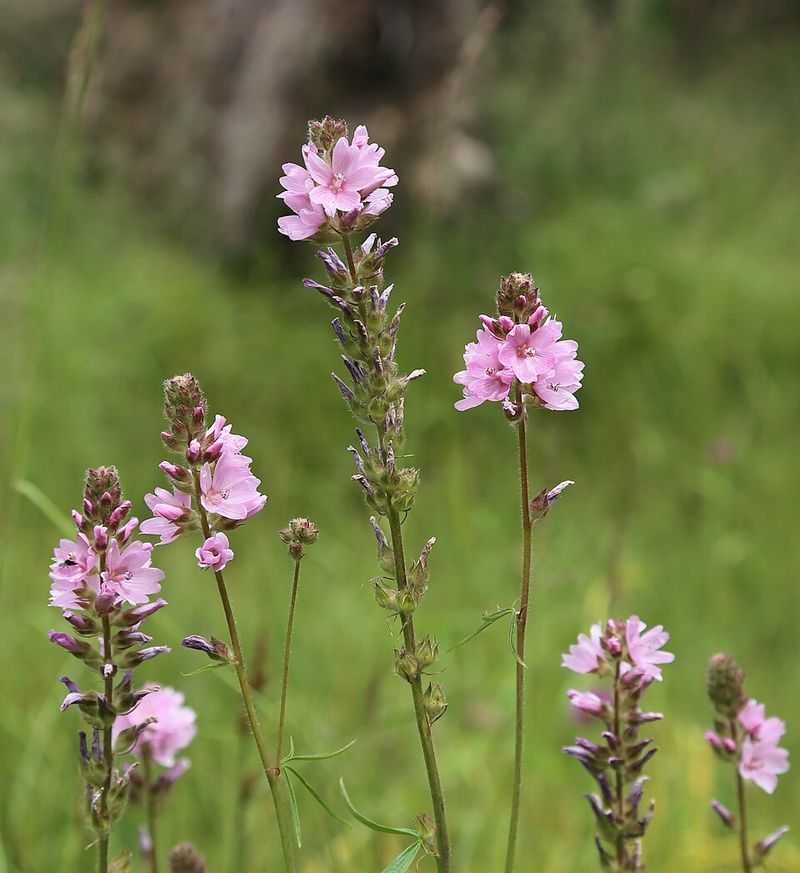
What makes this plant special is how it behaves once established. It sends up multiple stems each year that can reach four to six feet tall, creating a vertical screen of green leaves topped with flower spikes.
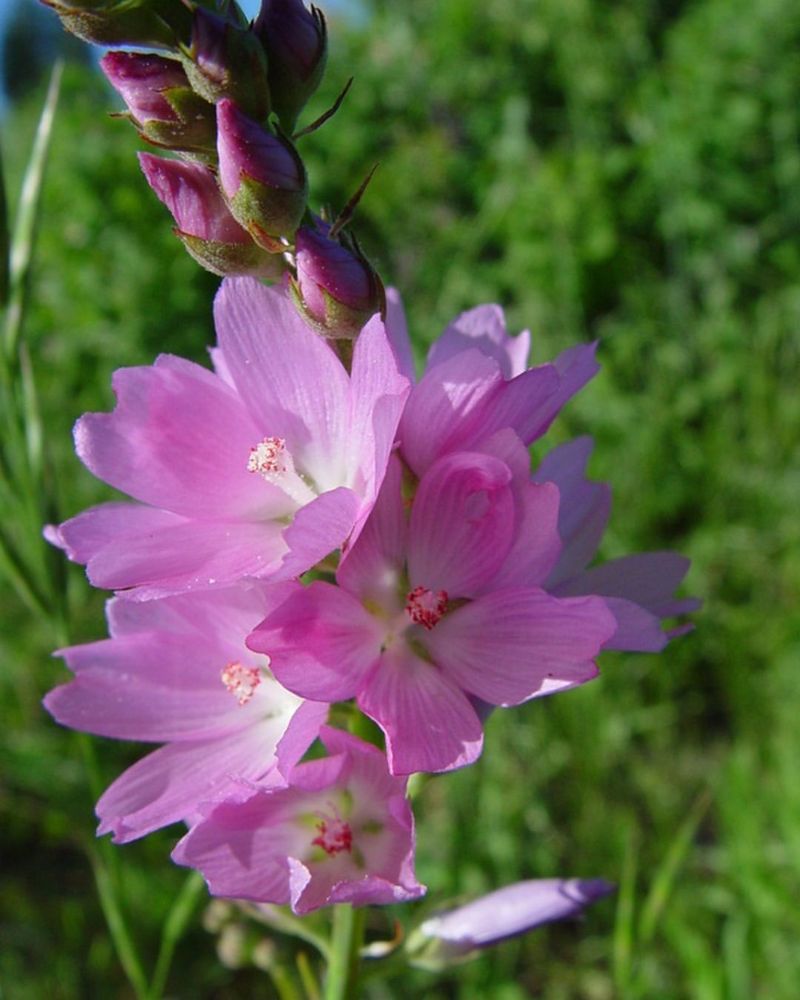
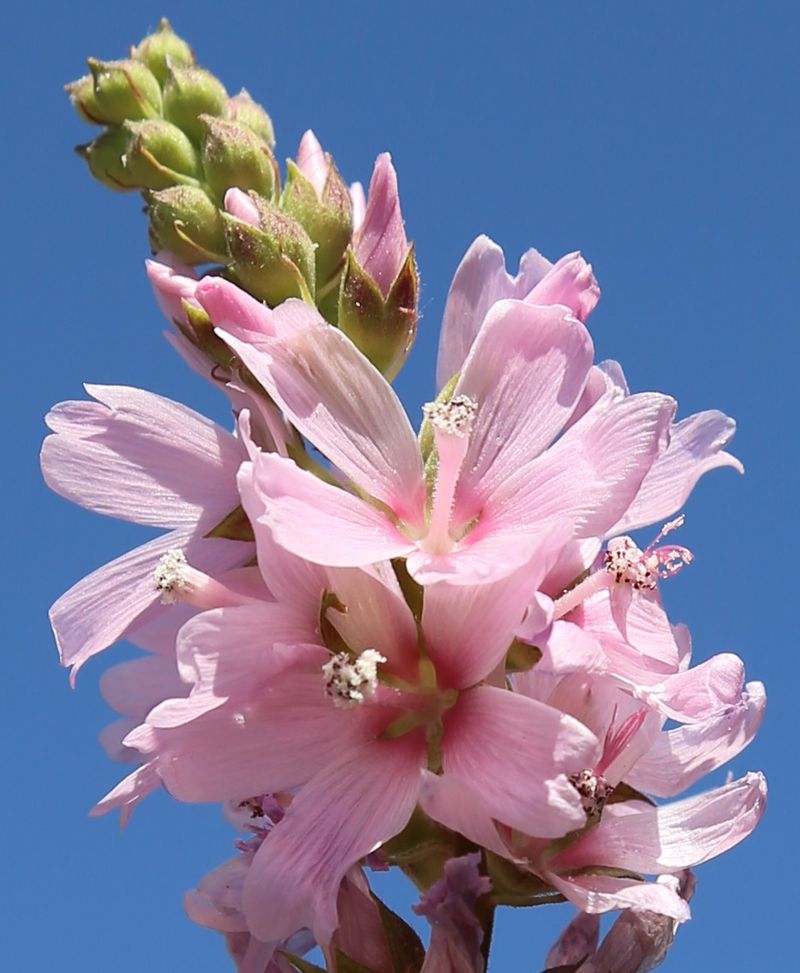
The blooms themselves look like miniature hollyhocks, which makes sense since they’re cousins in the mallow family.
Gardeners often overlook natives when planning fence coverage, assuming they need something exotic or fast-growing from a catalog. But checkermallow offers exactly what most fence situations need: height, color, and the kind of toughness that comes from evolving right here in Oregon’s conditions.
It spreads through rhizomes underground, gradually filling in bare patches without becoming aggressive or invasive. Once you see how it transforms a dull fence into a blooming backdrop, you’ll wonder why more people don’t use it.
Why It’s Perfect For Fence Lines
Fences create tricky growing conditions that frustrate a lot of gardeners. You’ve got limited root space, often poor soil that’s been compacted during construction, and sometimes awkward sun patterns depending on which direction the fence faces.
Many popular climbing plants either grow too aggressively or need constant support and training to look decent.
Checkermallow solves these problems naturally. Its root system doesn’t mind the narrow planting strip most fences offer, and it actually prefers the kind of drainage that often exists along fence foundations.
The plant doesn’t need elaborate trellising because it grows upright on its own sturdy stems rather than twining or clinging. You simply plant it, and it does its thing.
Another benefit that homeowners appreciate is how checkermallow creates privacy without blocking airflow. The foliage is dense enough to screen views during the growing season but not so heavy that it traps moisture against wooden fence boards.
This matters in Oregon, where trapped moisture leads to mildew, rot, and moss buildup. The plant falls back in winter, giving your fence a chance to dry out completely before spring growth returns.
Your Oregon Garden Changes Every Week. Your Plan Should Too.
Gardening in Oregon changes quickly throughout the season. Every Friday you’ll receive a simple weekly plan showing exactly what to plant, prune, fertilize, harvest, and protect so you never miss the right timing.
Fast Color Without Fuss
There’s something satisfying about planting something in April and seeing real results by July. Checkermallow delivers that kind of gratification without asking for much in return.
Once the soil warms and spring rains taper off, new shoots emerge quickly and reach blooming height within weeks. By midsummer, you’ll have flower spikes opening their pink blooms in succession, keeping color going for several weeks.
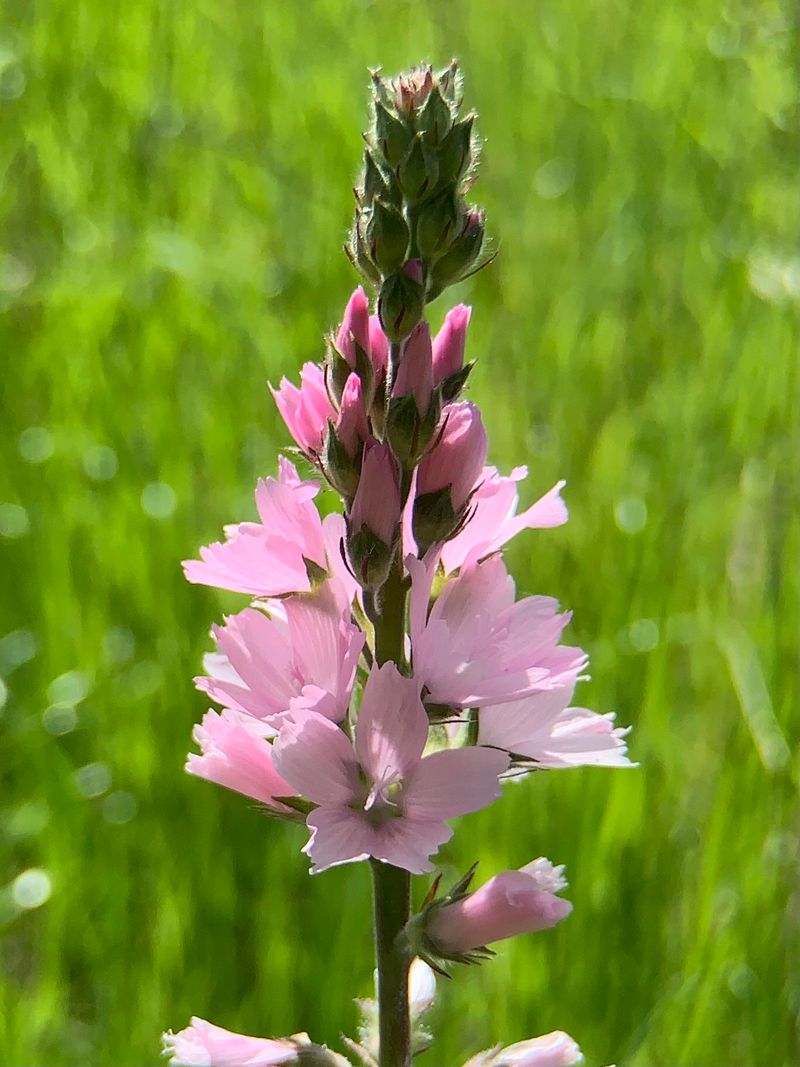
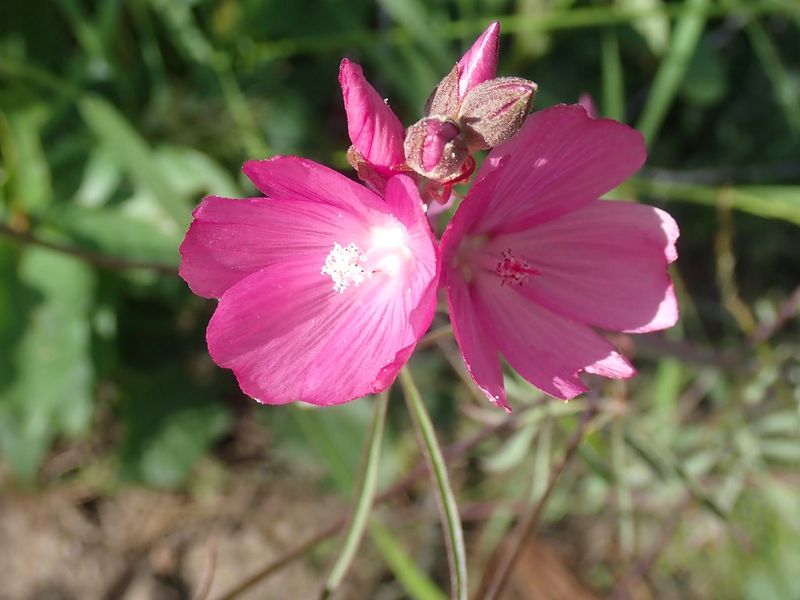
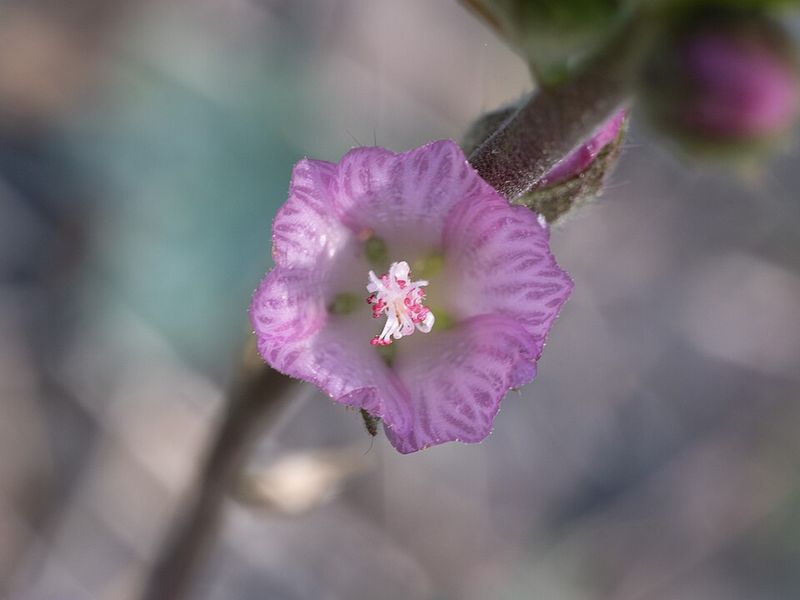
The flowers themselves are worth waiting for. Each bloom measures about an inch across with five delicate petals in shades ranging from soft rose to deeper magenta, depending on the variety.
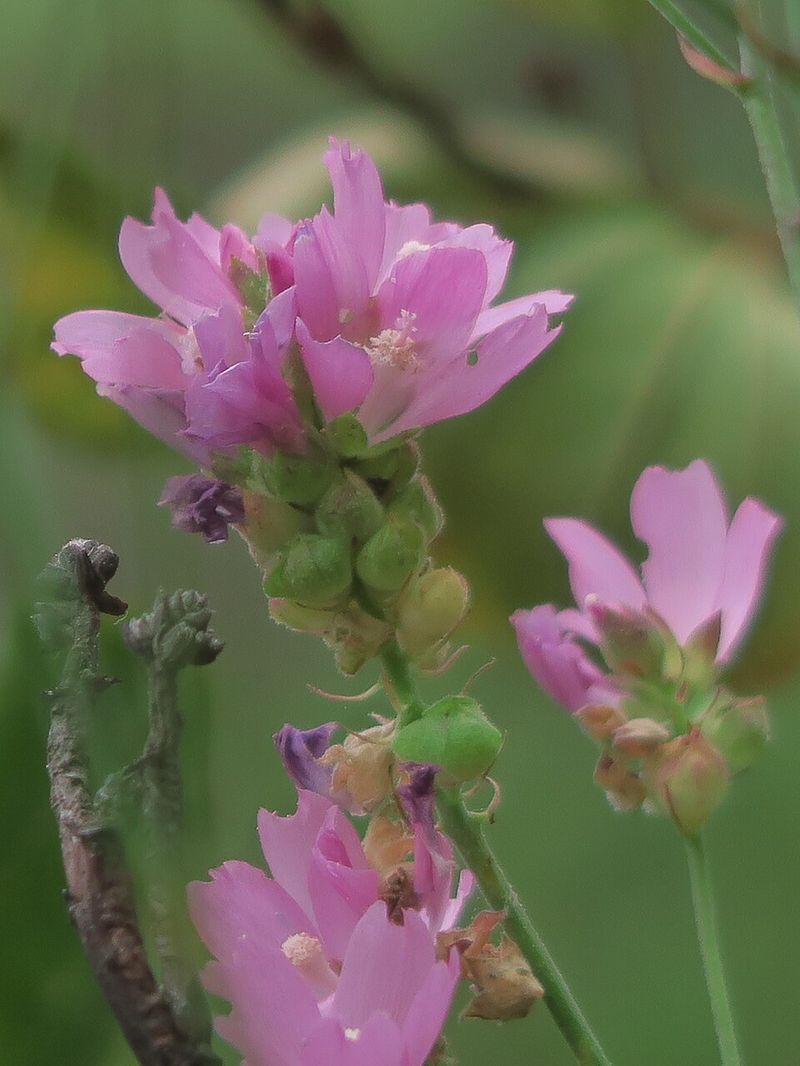
They open from bottom to top along each spike, so you get this gradual unfurling effect that keeps things interesting. Even after individual flowers fade, new spikes keep emerging from the base if conditions stay favorable.
What’s nice about this timeline is how it fills the gap between spring bulbs and late summer perennials. Your fence goes from bare to beautiful right when you’re actually outside enjoying your yard.
And because checkermallow is a perennial, it returns stronger each year, gradually expanding its coverage until you have a continuous band of color along the entire fence line.
Built For Oregon’s Climate
Plenty of garden plants look great in catalogs but struggle once they meet Oregon’s reality of wet springs, dry summers, and unpredictable frost timing. Checkermallow skips all that drama because it evolved here.
It knows exactly what to expect from our climate and responds accordingly.
During our rainy season, checkermallow stays dormant underground, avoiding the root rot issues that plague less adapted plants. When temperatures warm in spring, it emerges right on schedule without needing you to fuss over hardening off or frost protection.
The plant’s natural cycle matches Oregon’s seasons perfectly.
Summer drought doesn’t faze established checkermallow either. Those deep rhizomes store moisture and energy, allowing the plant to keep blooming even when you forget to water.
This doesn’t mean you should neglect it completely, but it does mean you won’t find wilted stems every time we go a week without rain. The foliage has a slightly fuzzy texture that helps reduce moisture loss, another clever adaptation to our dry summers.
Even our occasional surprise cold snaps don’t cause problems. Checkermallow is fully winter hardy throughout Oregon, from the coast to the Cascades.
You don’t need to mulch heavily or worry about dieback beyond the normal seasonal dormancy.
A Pollinator Magnet In Bloom
Walk past blooming checkermallow on a sunny afternoon and you’ll notice the buzz of activity before you even see the flowers. Native bees, bumblebees, and various butterfly species treat these blooms like an all-day buffet.
The flowers produce abundant nectar and pollen, making them valuable food sources during peak summer when pollinators are raising their young.
What makes checkermallow especially useful for pollinators is its bloom timing. It flowers when many spring bloomers have finished but before fall asters and goldenrod take over.
This helps fill what pollinator experts call the summer nectar gap, a period when food sources can be scarce. Your fence line essentially becomes a pollinator highway, supporting the insects that keep your vegetable garden and fruit trees productive.
The flower structure itself is perfectly designed for bee access. The open face and accessible center let different bee species feed easily, unlike some flowers that require specific tongue lengths or behaviors.
Even smaller native bees that struggle with complex blooms can work checkermallow flowers successfully.
If you’ve been wanting to support pollinators but weren’t sure where to start, planting checkermallow along your fence is a simple, effective step that delivers visible results.
How To Plant For Full Coverage
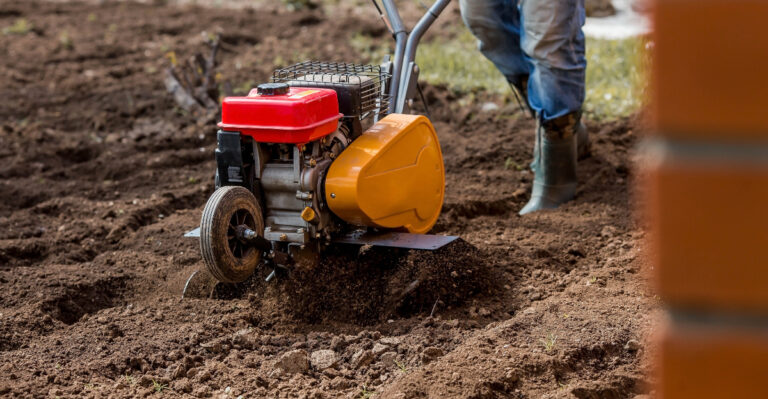
Getting checkermallow established correctly from the start saves you time and gives better results than trying to fix problems later. Begin by preparing the soil along your fence line in early spring, once the ground isn’t waterlogged anymore.
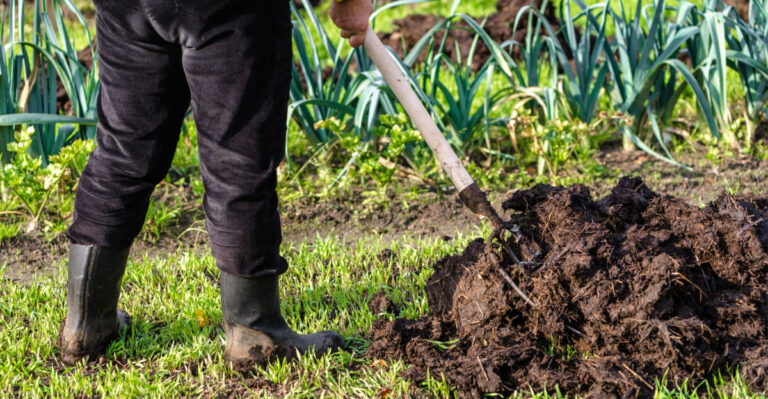
You don’t need perfect soil, but loosening compacted areas and mixing in some compost helps young plants get established faster.
Space plants about two to three feet apart if you want relatively quick coverage. This might seem wide at first, but checkermallow spreads underground and fills in gaps naturally within a couple of seasons.
Closer spacing works too if you’re impatient, but you’ll eventually need to divide clumps as they mature. Plant at the same depth they were growing in their containers, firm the soil gently, and water thoroughly to settle roots.
Timing matters more than you might think. Spring planting gives checkermallow our entire growing season to establish before winter, which means better blooms the following year.
Fall planting can work but doesn’t offer the same advantage. After planting, add a two-inch layer of mulch around each plant, keeping it pulled back slightly from the stems.
This conserves moisture during summer and suppresses weeds that would compete with young plants.
Care Tips For Strong Growth
Once checkermallow settles in, it needs surprisingly little attention compared to most flowering perennials. The first growing season requires regular watering to help roots establish, especially during dry stretches.
Water deeply once or twice weekly rather than light daily sprinklings, which encourages roots to grow downward where moisture stays more consistent.
After that first year, you can back off significantly. Established plants handle our dry summers with occasional deep watering every couple of weeks if rain doesn’t show up.
They’ll look better with consistent moisture but won’t collapse if you forget. Avoid overhead watering if possible since wet foliage in our humid climate can encourage mildew on the leaves, though it rarely affects overall plant health seriously.
Fertilizing isn’t necessary with natives like checkermallow, but a light application of compost in early spring gives plants a gentle boost without the excessive growth that chemical fertilizers cause. Too much nitrogen creates floppy stems that need staking, which defeats the point of using a sturdy native.
In late fall after frost harms the foliage, cut stems down to a few inches above ground. This tidies things up and removes places where pests might overwinter, though checkermallow rarely has serious pest problems anyway.
When It Blooms Best
Understanding bloom timing helps set realistic expectations and lets you plan complementary plantings. In most Oregon gardens, checkermallow starts showing flower buds in late June or early July, depending on spring temperatures and your specific location.
Coastal gardens might bloom slightly later due to cooler conditions, while Willamette Valley and southern Oregon gardens often see earlier flowers.
Peak bloom typically runs from mid-July through August, giving you six to eight weeks of color when many other perennials are taking a break. Individual flower spikes last about two weeks, but because plants produce multiple spikes in succession, the overall display continues much longer.
Deadheading spent spikes encourages more flowers, though it’s not absolutely necessary if you don’t have time.
By September, blooming naturally slows as plants start preparing for dormancy. You might get occasional late flowers if conditions stay mild, but the main show is over.
This timing works well for creating seasonal interest along your fence. Pair checkermallow with spring bulbs that bloom early and wither back, then let the checkermallow take over for summer.
Add some fall-blooming asters or sedum in front for color after checkermallow finishes, and you’ll have something interesting happening along that fence from March through October.
Why Gardeners Love It
After growing checkermallow for a season or two, most gardeners develop genuine appreciation for how this plant fits into Oregon gardens. It doesn’t demand constant attention or create problems that need solving.
You plant it, it grows, it blooms, and it comes back stronger next year. That reliability matters when you’re juggling everything else that gardens require.
The combination of height, color, and pollinator value in one tough package is hard to beat. You’re not compromising or settling when you choose checkermallow.
You’re getting legitimate beauty and function from a plant that actually wants to grow here. It won’t sulk through wet springs or collapse during summer heat.
It simply does its job year after year without complaint.
Perhaps the best part is watching your fence transform from an afterthought into an actual garden feature. What was once just a property boundary becomes a backdrop of color and life, softening hard edges and creating habitat simultaneously.
Neighbors notice and ask what you planted. Bees and butterflies show up in numbers you didn’t see before.
And you get to enjoy all of this without spending your weekends on maintenance or worrying whether the plant will survive another Oregon winter. That’s why gardeners love it.