4 Food-Safe Garden Containers In Pennsylvania And 4 You Should Avoid
Choosing the right containers for growing fruits, vegetables, and herbs in Pennsylvania can make a bigger difference than many gardeners expect.
Not every pot or recycled container is suitable for edible gardening, especially when some materials may break down or release unwanted substances over time.
Safe containers help protect soil quality, support healthy plant growth, and ensure your harvest stays safe to enjoy.
Some options are durable, non toxic, and well suited for growing food, while others may seem convenient but can create hidden risks as seasons pass.
Understanding which containers are reliable and which should be avoided gives you more confidence when planning your garden. The right choices support strong plants, healthy soil, and a productive harvest you can trust.
With a little awareness, your Pennsylvania container garden can remain safe, successful, and full of fresh, homegrown flavor throughout the growing season.
1. Terra Cotta
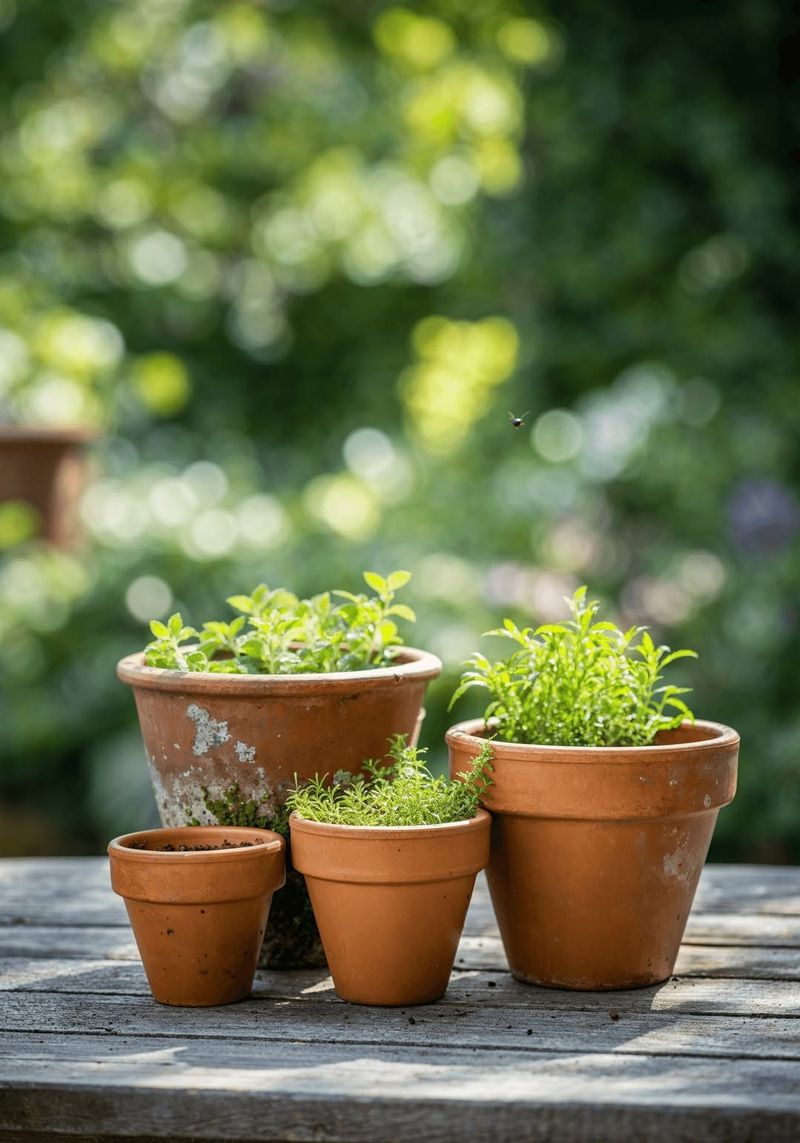
Clay pots have been used for thousands of years because they work beautifully for growing plants. Terra cotta containers are made from natural clay that gets baked at high temperatures without any chemical coatings or treatments.
Pennsylvania gardeners love these classic pots because they allow air and moisture to move through the walls, which helps prevent root rot and keeps soil healthy.
The porous nature of terra cotta means your plants breathe better and excess water evaporates through the sides.
This feature is especially helpful during Pennsylvania’s humid summer months when too much moisture can cause problems. Your tomatoes, peppers, and herbs will develop stronger root systems in these containers.
One thing to remember is that terra cotta pots dry out faster than plastic ones, so you’ll need to water more frequently during hot weather.
They can also crack during Pennsylvania winters if left outside with wet soil that freezes and expands. Bringing them indoors or storing them empty in a shed solves this problem.
These pots come in countless sizes and styles, from tiny herb containers to large planters perfect for growing lettuce or kale.
The natural clay color looks attractive in any garden setting and develops a nice weathered patina over time. For food safety, terra cotta is one of your best choices.
2. Stainless Steel
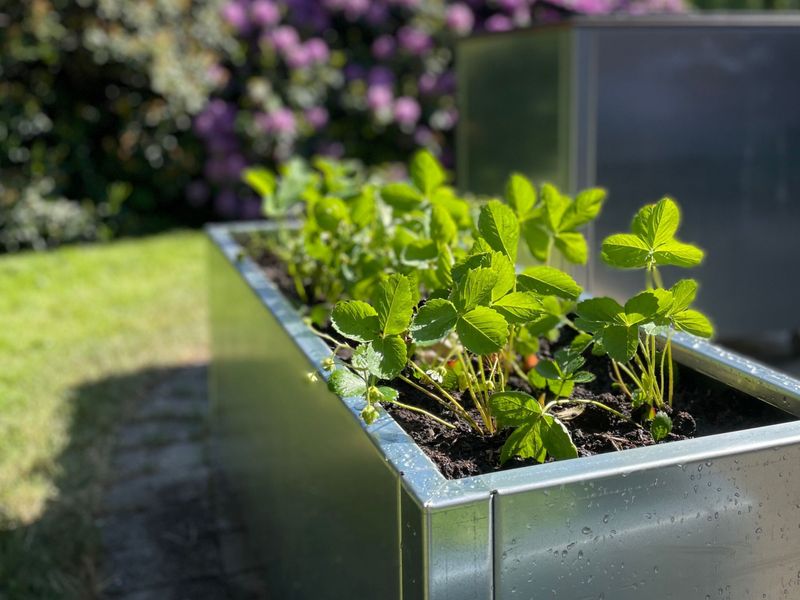
Metal containers might seem unusual for gardening, but stainless steel is actually one of the safest materials you can use. Unlike other metals, stainless steel doesn’t rust or corrode, which means it won’t leach any harmful substances into your soil.
Pennsylvania’s changing weather conditions, from rainy springs to snowy winters, won’t damage these durable containers.
Stainless steel planters are becoming more popular because they last forever and look sleek and modern. They work perfectly for rooftop gardens, patios, and contemporary outdoor spaces throughout Pennsylvania.
You can grow everything from strawberries to spinach without worrying about chemical contamination.
These containers heat up quickly in direct sunlight, which can be both good and bad. During cool Pennsylvania spring mornings, the warmth helps seeds germinate faster.
However, on hot summer days, the soil temperature can rise too high and stress plant roots. Placing them in partial shade or using a liner helps manage this issue.
Your Pennsylvania Garden Changes Every Week. Your Plan Should Too.
Gardening in Pennsylvania changes quickly throughout the season. Every Friday you’ll receive a simple weekly plan showing exactly what to plant, prune, fertilize, harvest, and protect so you never miss the right timing.
Stainless steel containers cost more upfront than plastic or ceramic options, but they never need replacing. They’re easy to clean between growing seasons and don’t harbor diseases or pests.
Many Pennsylvania gardeners invest in a few quality stainless steel planters for their favorite vegetables and herbs. The investment pays off with decades of safe, reliable use for growing healthy food.
3. Food-Safe Ceramic
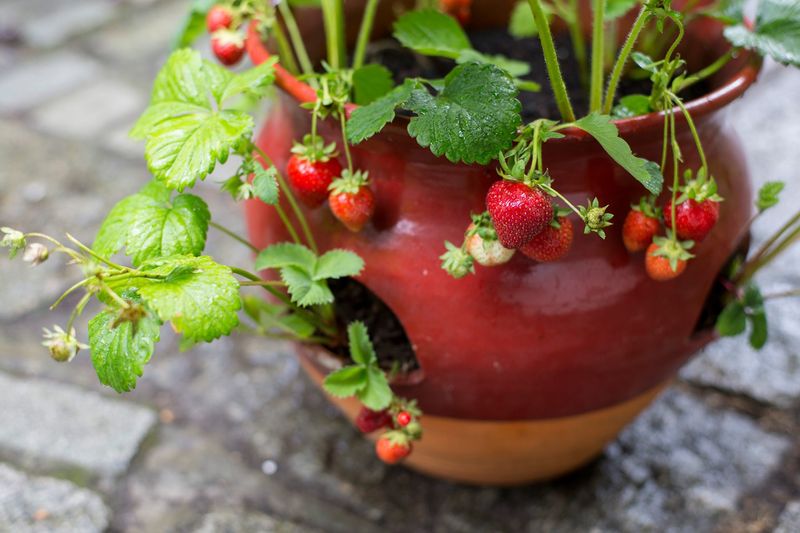
Ceramic pots with food-safe glazes offer both beauty and safety for your edible garden. Not all ceramic containers are created equal though.
You need to look for pots specifically labeled as food-safe or lead-free. Many decorative ceramics from craft stores or imported sources contain lead in their glazes, which can contaminate your soil over time.
Pennsylvania garden centers increasingly stock ceramic containers that meet food safety standards. These pots come in gorgeous colors and patterns that brighten up any garden space.
The glazed surface doesn’t allow moisture to pass through like terra cotta does, so plants stay hydrated longer during our summer heat.
High-quality food-safe ceramic holds up well through Pennsylvania’s freeze-thaw cycles if you choose frost-resistant varieties. The glaze protects the clay underneath from absorbing water that could expand and crack the pot.
Always check the product description or ask staff to confirm the ceramic is rated for outdoor use in cold climates.
These containers work wonderfully for herbs, salad greens, and compact vegetables. Their weight provides stability for taller plants that might tip over in lighter pots.
The non-porous glazed surface also makes them easy to clean thoroughly between plantings. Just avoid vintage or handmade ceramics unless you can verify they’re lead-free and food-safe for growing edibles in Pennsylvania gardens.
4. Untreated Wood (Cedar)
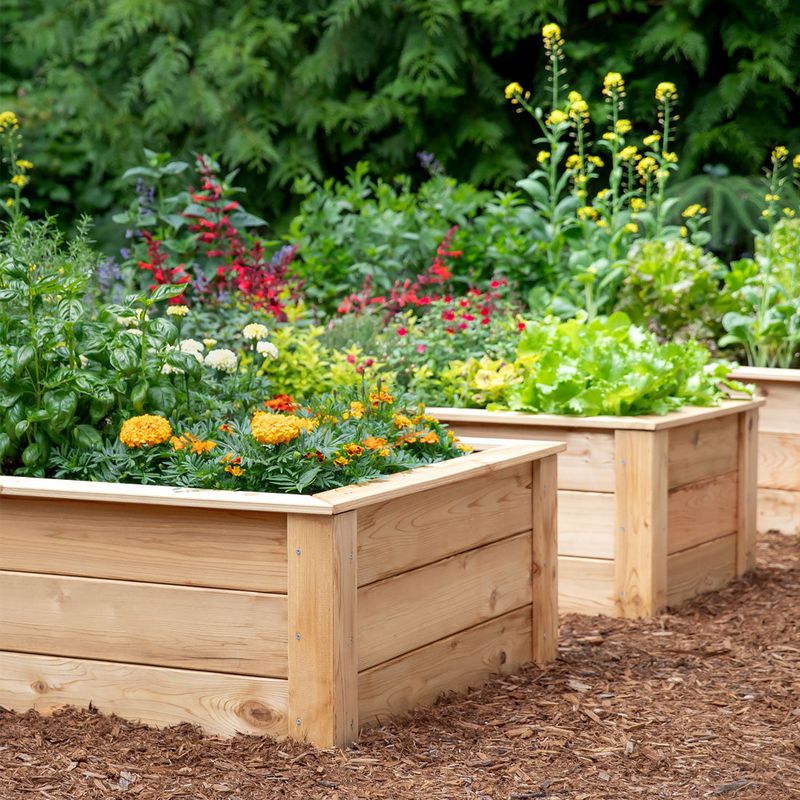
Cedar stands out as the best wood choice for food gardening because it naturally resists rot without any chemical treatments.
Pennsylvania’s humid climate can quickly decay most woods, but cedar contains natural oils that protect it from moisture and insects. These same oils are safe for growing edibles and won’t contaminate your soil or plants.
Building or buying cedar containers gives you flexibility in size and shape. Many Pennsylvania gardeners construct custom raised beds from cedar boards that last ten to fifteen years.
The wood develops a beautiful silver-gray color as it weathers, adding rustic charm to your garden space.
Cedar costs more than pressure-treated lumber, but this expense is worth it when growing food. The natural rot resistance means you don’t need toxic preservatives that could leach into your vegetables.
Your tomatoes, cucumbers, and squash will grow in clean, safe soil throughout the growing season.
These wooden containers work especially well for deeper-rooted crops that need more soil depth. The wood provides good insulation, keeping soil temperatures more stable during Pennsylvania’s hot days and cool nights.
Cedar also breathes slightly, allowing excess moisture to escape while maintaining good soil structure.
Whether you choose pre-made cedar planters or build your own raised beds, this natural material offers excellent durability and complete safety for growing healthy food in Pennsylvania gardens.
5. Old Tires
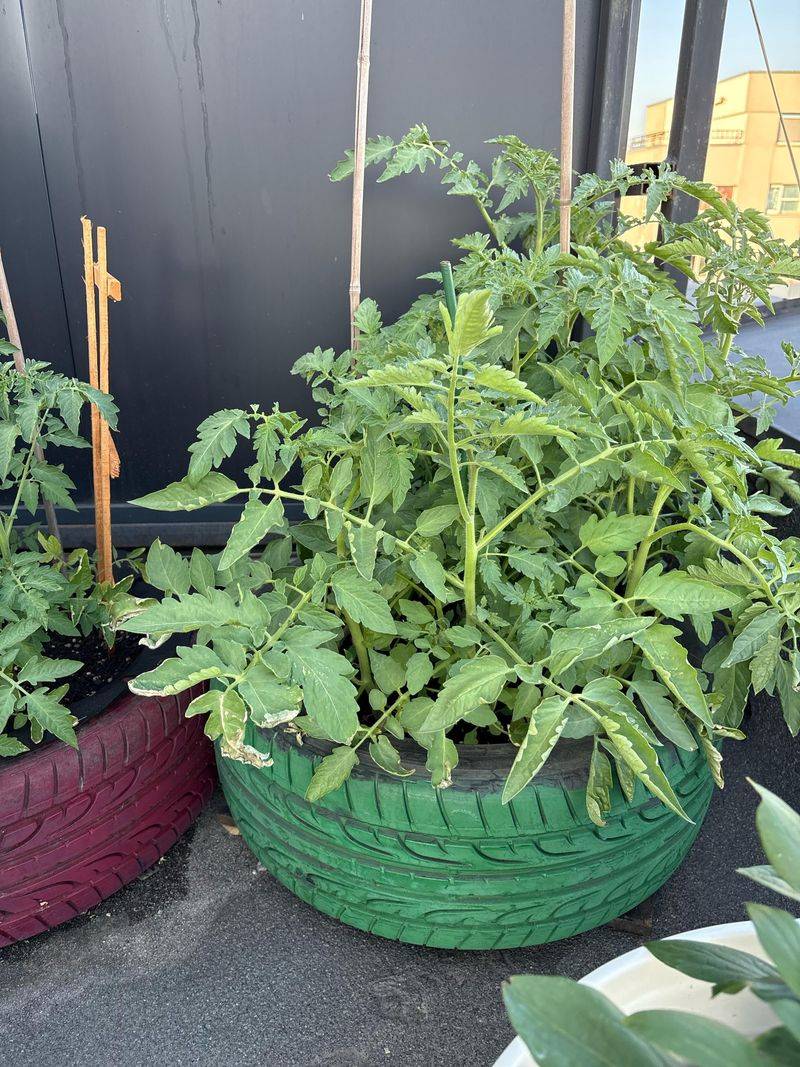
You might see old tires used as planters in gardens around Pennsylvania, but this practice poses serious health risks. Tires contain numerous toxic chemicals including heavy metals, petroleum products, and synthetic compounds that break down over time.
When exposed to sun, rain, and soil moisture, these substances leach into the growing medium.
Pennsylvania summers can get quite hot, and dark rubber tires absorb and hold heat intensely. This heating process accelerates the breakdown of tire materials and increases chemical leaching.
Studies have found concerning levels of zinc, lead, and other contaminants in soil from tire planters. These toxins get absorbed by plant roots and concentrate in the vegetables you eat.
Some people argue that tires are free and readily available, making them tempting for budget-conscious gardeners. However, the potential health consequences far outweigh any cost savings.
Your family’s wellbeing is worth investing in proper containers. Pennsylvania has many affordable alternatives that won’t compromise food safety.
The rubber also creates drainage problems because it doesn’t allow water to escape through the sides. This traps excess moisture and can lead to root diseases.
Additionally, tires are difficult to move once filled with soil, and they look unattractive in most garden settings. Skip this option entirely and choose one of the safe container materials instead for growing your Pennsylvania vegetables and herbs.
6. Treated Wood
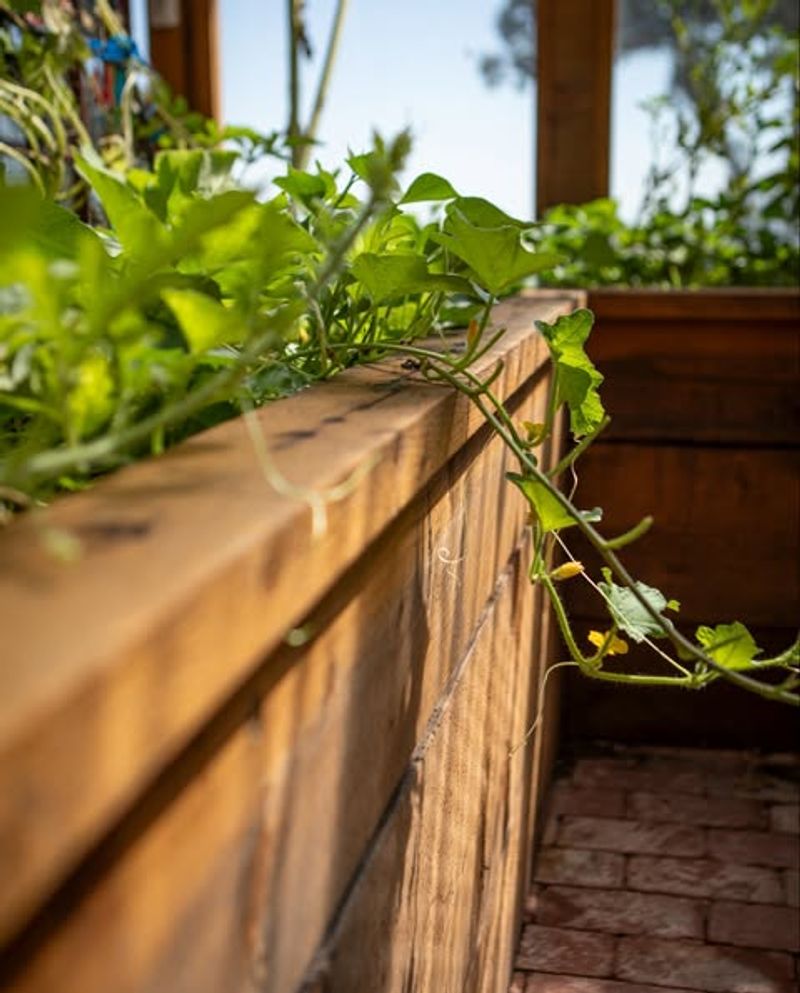
Pressure-treated lumber seems like a practical choice because it resists rot and lasts for decades. However, this wood gets its durability from chemical preservatives that make it unsafe for food gardens.
Even newer treatments marketed as safer still contain copper and other compounds that leach into soil over time. Pennsylvania gardeners should avoid this material completely for edible plants.
Older pressure-treated wood contained chromated copper arsenate, which included arsenic. While this formula was banned for residential use in 2003, plenty of old treated lumber still exists in yards across Pennsylvania.
Even touching this wood regularly can expose you to harmful chemicals, and growing food in it is definitely dangerous.
The current treatment formulas use copper-based preservatives that still pose risks. Copper builds up in soil and can become toxic to plants at high concentrations.
Your vegetables may absorb these metals, which then enter your body when you eat them. Pennsylvania’s acidic soils can actually increase the rate of copper leaching from treated wood.
Some retailers and websites claim that lining treated wood containers with plastic makes them safe. This approach doesn’t work reliably because liners tear, shift, or degrade over time.
The chemicals can also volatilize into the air around your plants. Save treated lumber for projects like fences, decks, or sheds where it won’t contact food.
For your Pennsylvania vegetable garden, stick with untreated cedar or other genuinely safe container materials.
7. Painted Pots
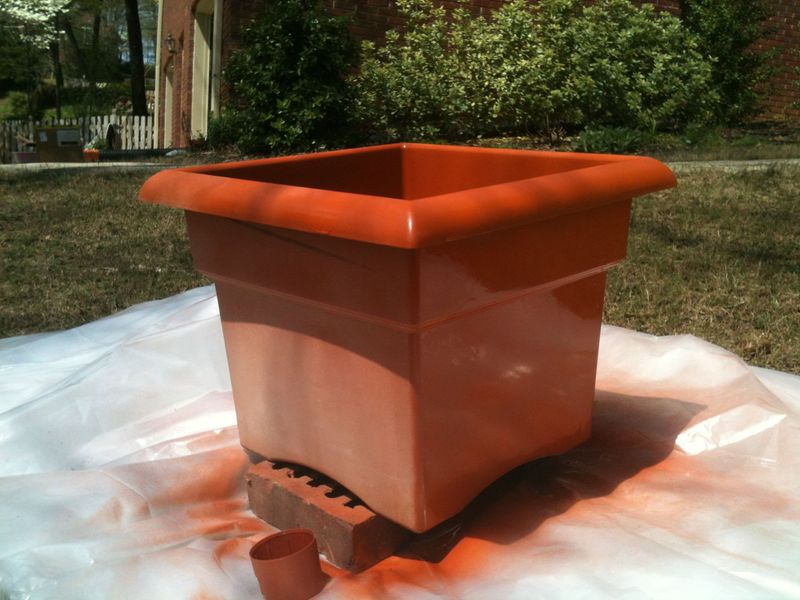
Decorative painted containers look charming and let you express creativity in your Pennsylvania garden. Unfortunately, many paints contain heavy metals, volatile organic compounds, and other chemicals that aren’t safe for growing food.
Even paints labeled as non-toxic for crafts may not be food-safe when in constant contact with moist soil.
Old painted pots are especially risky because they might contain lead-based paint. Before 1978, lead was commonly used in household paints, and vintage containers could have dangerous coatings.
As paint chips and weathers through Pennsylvania’s seasonal changes, these toxins mix into your soil. Lead is particularly concerning because it accumulates in the body and causes serious health problems.
Modern acrylic and latex paints are generally safer than old formulas, but they still aren’t designed for food contact. The paint creates a barrier that can trap moisture against the container surface, leading to mold and degradation.
As the coating breaks down, chemicals enter the soil where your vegetables are growing. Pennsylvania’s freeze-thaw cycles accelerate this breakdown process.
If you love the look of decorated containers, consider using naturally safe materials like terra cotta or ceramic and leaving them unpainted for edibles. You can paint containers for ornamental flowers instead.
Another option is to use food-safe sealers specifically designed for gardening, though plain unpainted containers remain the safest choice. Your Pennsylvania vegetable garden deserves the cleanest growing environment possible.
8. Metal Containers
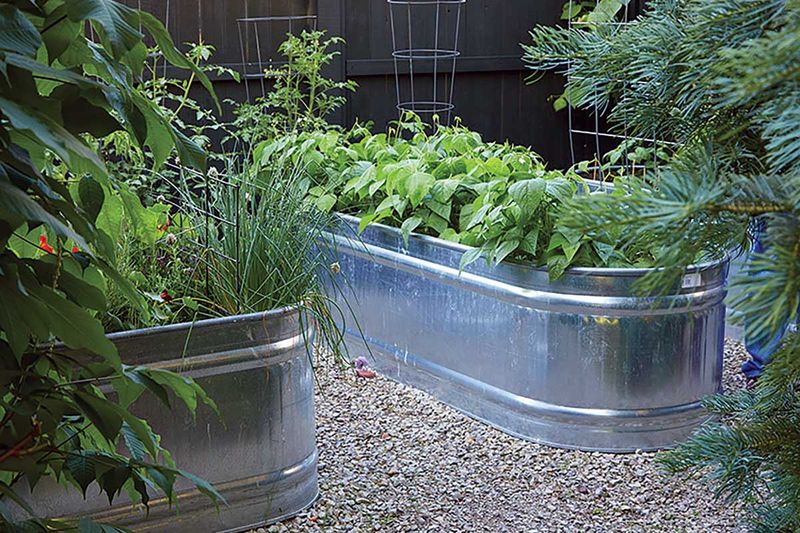
Metal containers other than stainless steel present various safety concerns for food gardening. Galvanized steel buckets and tubs are popular because they’re inexpensive and widely available at hardware stores throughout Pennsylvania.
However, the zinc coating used in galvanization can leach into acidic soil and contaminate your plants. High zinc levels interfere with plant growth and can be harmful if consumed regularly.
Aluminum containers also pose problems despite being lightweight and rust-resistant. Aluminum can dissolve in acidic conditions, which describes most Pennsylvania garden soils.
This metal accumulates in plant tissues and may contribute to health issues with long-term exposure. The soft metal also dents easily and degrades quickly when exposed to weather.
Old metal drums, cans, or industrial containers are particularly risky because you don’t know what they previously held. Residues from chemicals, petroleum products, or other substances can remain in the metal even after cleaning.
These contaminants will leach into your soil throughout the growing season. Pennsylvania gardeners should never use mystery metal containers for edibles.
Rusting metals create additional concerns as iron oxide and other corrosion products mix with your soil. While small amounts of iron aren’t necessarily harmful, rusty containers often have rough edges that can injure you during planting and harvesting.
If you already have metal containers, reserve them for ornamental plants and invest in food-safe options like stainless steel, ceramic, or terra cotta for your Pennsylvania vegetable garden instead.