12 Pro Tips For Growing Big Juicy Strawberries At Home In North Carolina
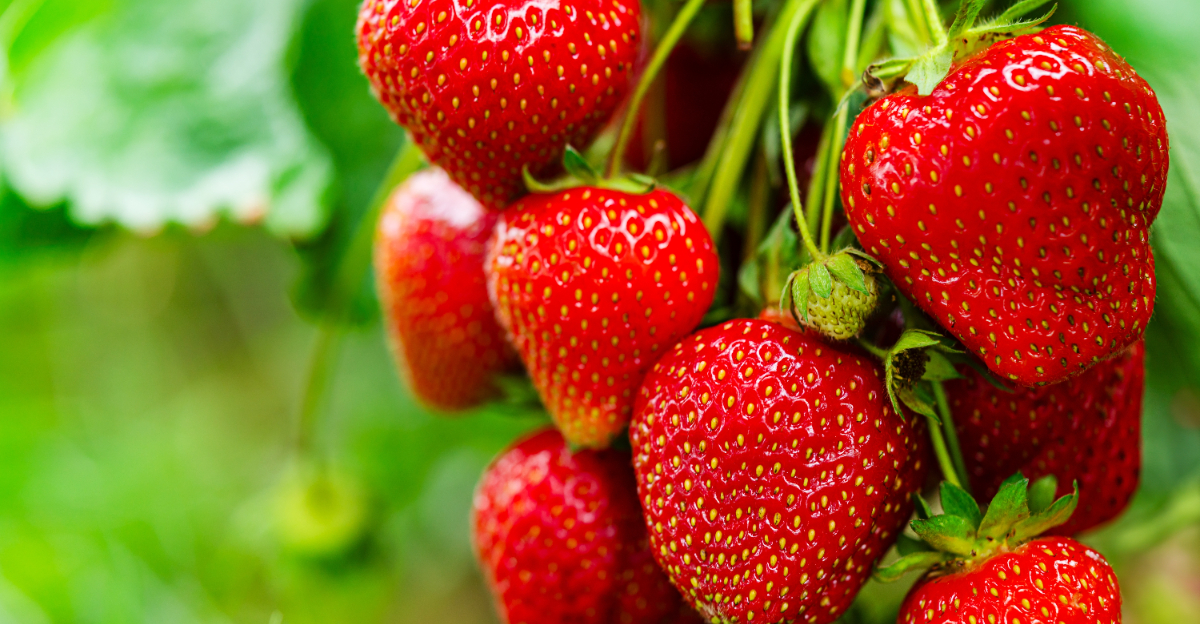
The taste of a freshly picked strawberry, warm from the sun and bursting with sweetness, is one of the simple pleasures that makes gardening truly rewarding.
In North Carolina, growing your own strawberries can be surprisingly easy when you understand how to work with the state’s unique climate and seasonal rhythms.
With the right care, preparation, and timing, your garden can produce generous harvests of bright, flavorful berries each spring.
North Carolina offers excellent conditions for strawberry plants, though success comes from knowing how to manage soil, sunlight, watering, and plant health throughout the growing season.
A thoughtful approach not only improves fruit size and flavor but also helps plants stay productive and strong year after year.
Whether you are planting your first patch or hoping to improve last season’s results, these twelve practical tips will guide you toward growing the biggest, juiciest strawberries your North Carolina garden can produce.
1. Start With Strawberry Varieties That Thrive In North Carolina
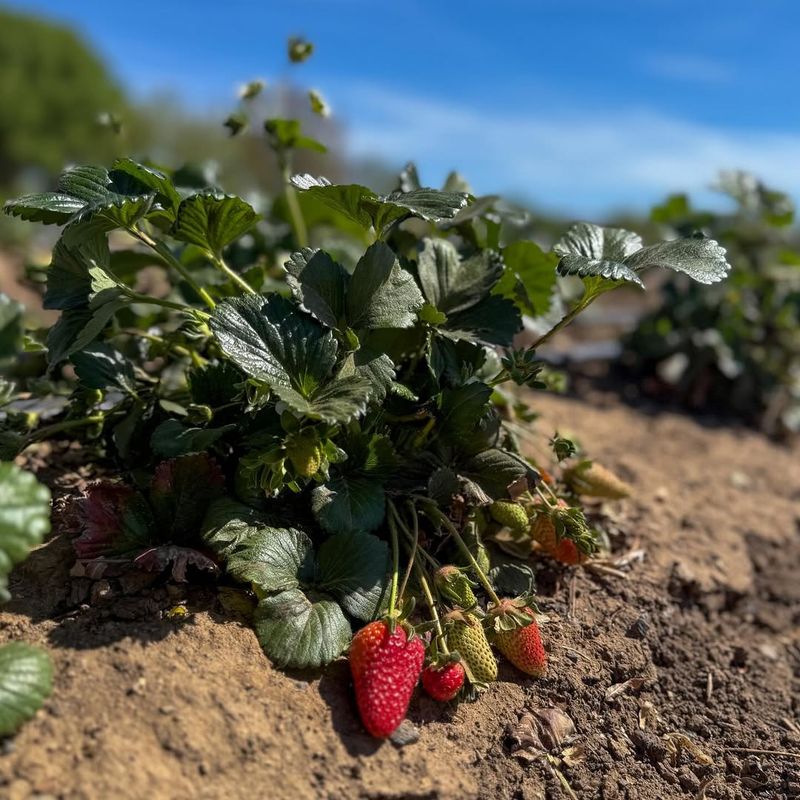
Picking varieties that love North Carolina’s weather makes everything easier from planting to harvest. June-bearing types produce one large crop each spring, while everbearing varieties give you fruit throughout the growing season.
Day-neutral strawberries ignore day length and focus on temperature instead. Chandler strawberries adapt well to our climate and produce large, flavorful fruit.
Camarosa varieties handle our warm springs beautifully and deliver excellent yields. Sweet Charlie plants start producing earlier than many other types, giving you berries before your neighbors even see flowers.
Festival strawberries resist common diseases found in humid southeastern climates. Their firm texture makes them perfect for fresh eating and preserving. Albion varieties offer consistent production throughout warmer months when conditions stay favorable.
Research which varieties perform best in your specific county or region. Local agricultural extension offices provide free information about tested varieties.
Many experienced growers recommend trying two or three different types to see which ones your garden likes most.
Choosing adapted varieties reduces frustration and increases your chances of success. Plants that match your climate require less babying and bounce back faster from weather challenges.
Starting with the right varieties sets the foundation for everything else you do in your strawberry patch.
2. Plant At The Right Time For Strong Spring Growth
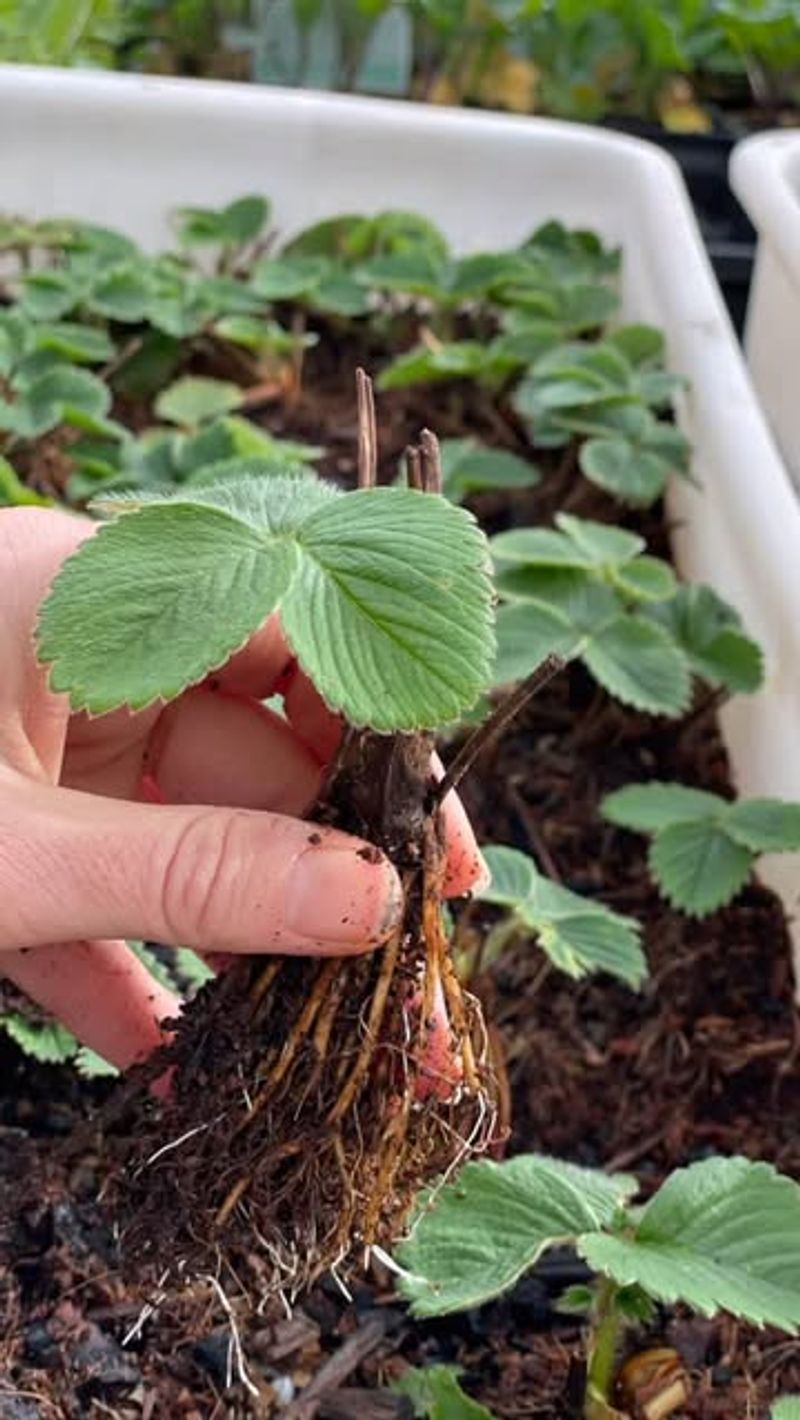
Timing your planting correctly gives strawberries the best chance to establish strong roots before summer heat arrives.
Late winter through early spring offers the ideal window for most North Carolina gardeners. Coastal areas can often plant earlier than mountain regions due to milder temperatures.
February through March works well for many parts of the state. Your specific planting date depends on your last expected frost and local soil conditions. Waiting until the ground thaws and drains properly prevents root problems.
Early planting allows roots to develop while temperatures stay cool and moisture remains abundant. Strong root systems help plants survive hot weather later in the season. Plants put in too late struggle to establish before heat stress begins.
Fall planting works in some areas, giving plants extra time to develop before their first fruiting season.
Your North Carolina Garden Changes Every Week. Your Plan Should Too.
Gardening in North Carolina changes quickly throughout the season. Every Friday you’ll receive a simple weekly plan showing exactly what to plant, prune, fertilize, harvest, and protect so you never miss the right timing.
This approach requires careful winter protection in colder regions. Many growers prefer spring planting because it feels more natural and requires less worry about winter damage.
Watch your local weather patterns rather than following rigid calendar dates. Soil temperature matters more than air temperature for root development. Your plants will tell you through their growth whether you timed things right.
3. Give Strawberries Full Sun For Better Fruit Production
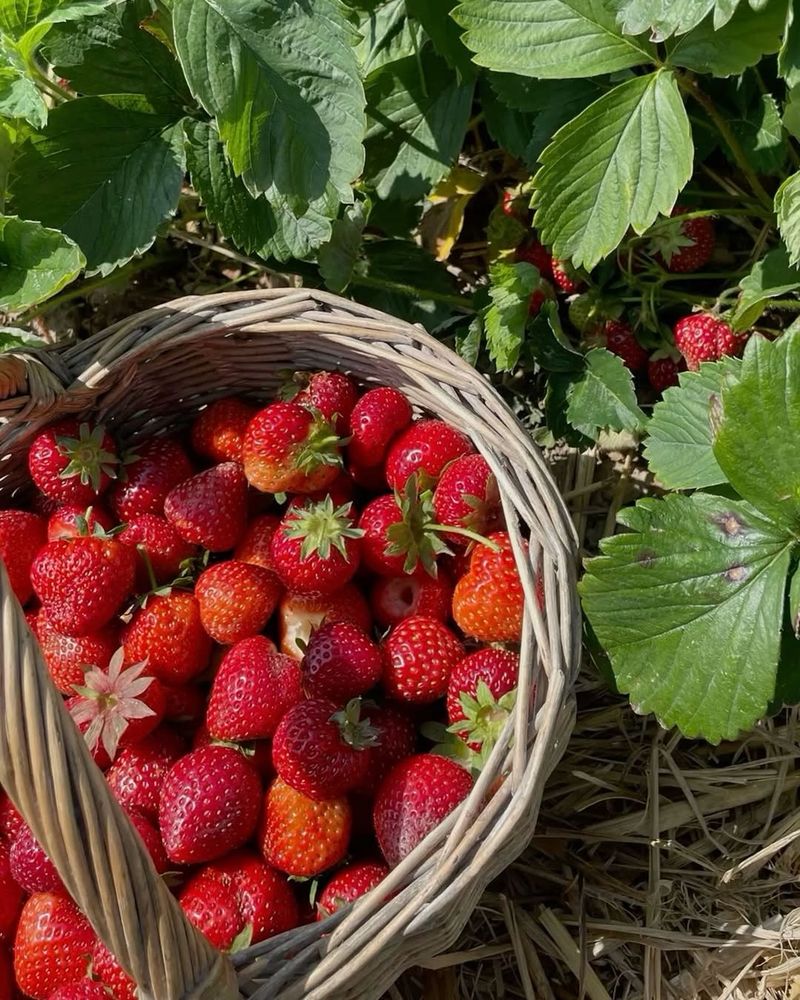
Strawberries absolutely love sunshine and reward you with bigger, sweeter berries when they get plenty of it. Six to eight hours of direct sunlight daily keeps plants healthy and productive. More sun means more flowers, and more flowers turn into more delicious fruit.
Sunlight powers photosynthesis, which creates the sugars that make strawberries taste so good. Shaded plants produce fewer flowers and smaller, less flavorful berries. The energy from sunshine also helps plants resist diseases and recover from pest damage.
Morning sun works especially well because it dries dew from leaves quickly. Dry foliage reduces fungal disease problems that plague strawberries in humid climates. Afternoon sun provides warmth that encourages ripening and sweetness development.
Avoid planting strawberries under trees or on the north side of buildings where shade dominates.
Even partial shade reduces your harvest significantly compared to full-sun locations. Watch your potential planting area throughout the day to confirm it receives adequate light.
South-facing slopes capture maximum sunshine and warm up earlier in spring. This positioning extends your growing season at both ends.
If your only option includes some shade, accept smaller harvests or consider container gardening where you can move plants to follow the sun.
4. Prepare Loose, Well-Drained Soil Before Planting
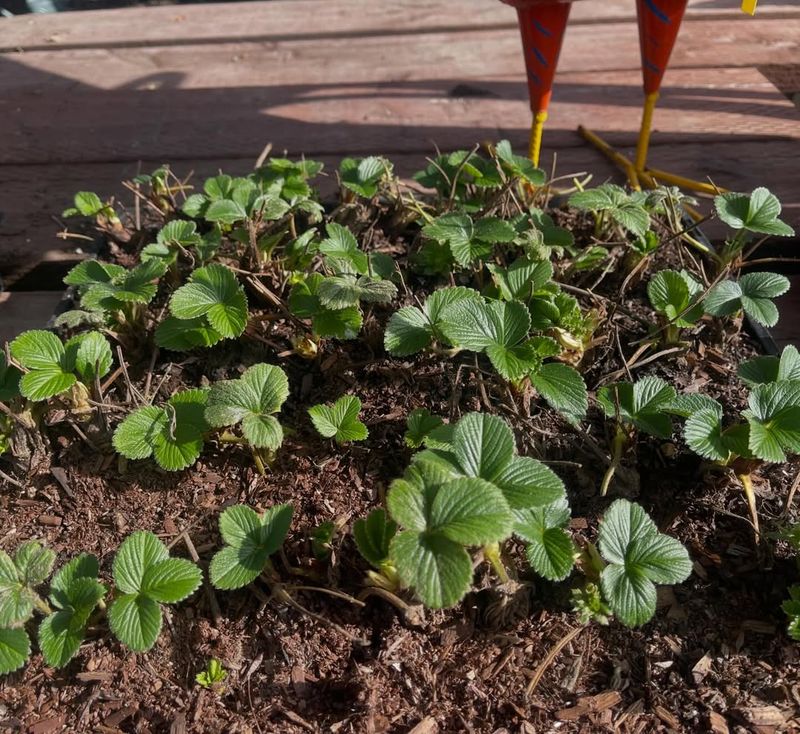
Soil preparation makes the difference between struggling plants and thriving ones that produce abundantly. Strawberries need loose, crumbly soil that drains quickly after rain or watering. Their roots cannot tolerate standing water, which causes rot and plant decline.
Clay-heavy soil found in many North Carolina gardens needs serious amendment before planting strawberries. Mix in generous amounts of compost, aged manure, or other organic matter. This improves drainage while adding nutrients plants need for growth.
Sandy soils drain too quickly and require organic matter to help retain moisture and nutrients. Balance is key regardless of your starting soil type. Aim for soil that feels like a wrung-out sponge rather than mud or dry sand.
Raised beds solve drainage problems beautifully and warm up faster in spring. Building beds eight to twelve inches high provides excellent growing conditions. The improved drainage in raised beds prevents many common root diseases.
Test your soil pH before planting, as strawberries prefer slightly acidic conditions between 5.5 and 6.5.
Adjusting pH takes time, so do this several weeks before planting. Work amendments deeply into the soil rather than just scratching the surface to encourage deep root growth.
5. Use Mulch To Protect Plants And Improve Fruit Quality
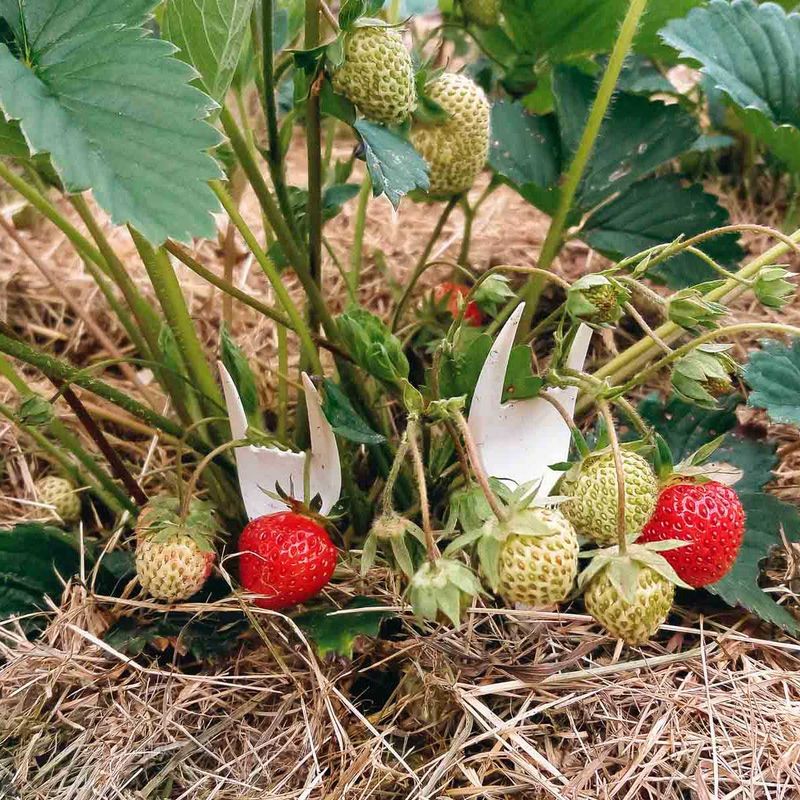
Mulching your strawberry patch delivers multiple benefits that improve plant health and fruit quality.
A layer of clean straw keeps berries off the ground where they would otherwise rot or attract pests. This simple step dramatically increases the number of usable berries you harvest.
Straw mulch regulates soil temperature, keeping roots cooler during hot weather and warmer during cold snaps.
This temperature buffering reduces plant stress throughout the growing season. Consistent soil temperatures promote steady growth and better fruit development.
Weed suppression ranks among mulch’s greatest benefits for busy gardeners. A three to four inch layer blocks sunlight that weed seeds need to sprout. Fewer weeds mean less competition for water and nutrients your strawberries need.
Pine straw works well in North Carolina and acidifies soil slightly as it breaks down. Wheat straw and oat straw are traditional choices that stay in place better than some alternatives. Avoid hay, which contains weed seeds that create more work later.
Apply mulch after planting but before plants start flowering for best results. Refresh the mulch layer as it decomposes or gets thin. Clean mulch also prevents soil from splashing onto fruit during rain, keeping berries cleaner and more attractive.
6. Water Consistently Without Overwatering
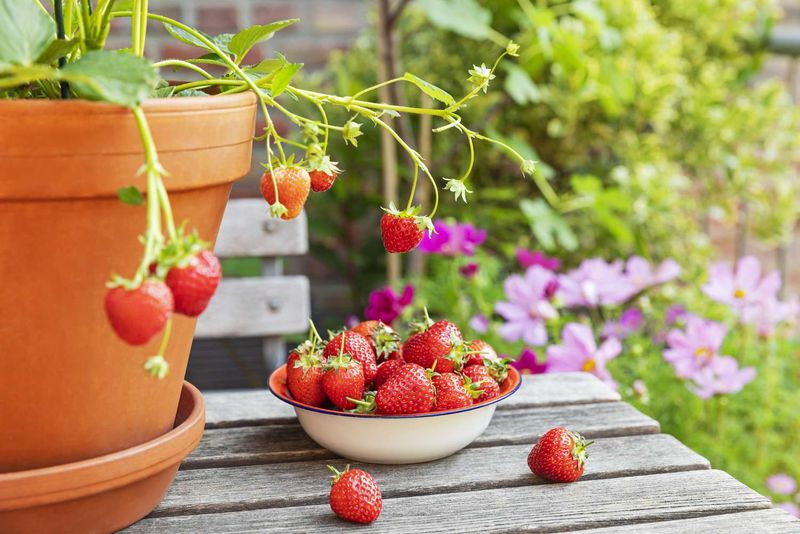
Finding the right watering balance challenges many strawberry growers, but getting it right pays off with healthier plants.
Strawberries need consistent moisture, especially during flowering and fruit development. Irregular watering causes problems ranging from small berries to cracked fruit.
One to two inches of water per week keeps most strawberry plants happy during the growing season.
This amount includes rainfall, so adjust your watering schedule based on natural precipitation. Deep, infrequent watering encourages deeper root growth compared to frequent shallow watering.
Morning watering allows foliage to dry before nightfall, reducing disease problems. Drip irrigation or soaker hoses deliver water directly to roots without wetting leaves. Overhead sprinklers work but increase humidity around plants, which can encourage fungal issues.
Check soil moisture by sticking your finger two inches deep into the ground. Water when the soil feels barely moist rather than waiting until it becomes dry. Wilted plants indicate you waited too long, though they usually recover after watering.
Overwatering causes more problems than underwatering in most situations. Soggy soil suffocates roots and creates perfect conditions for root rot diseases. Good drainage prevents overwatering issues even when rain falls heavily for several days straight.
7. Feed Plants With Balanced Nutrients
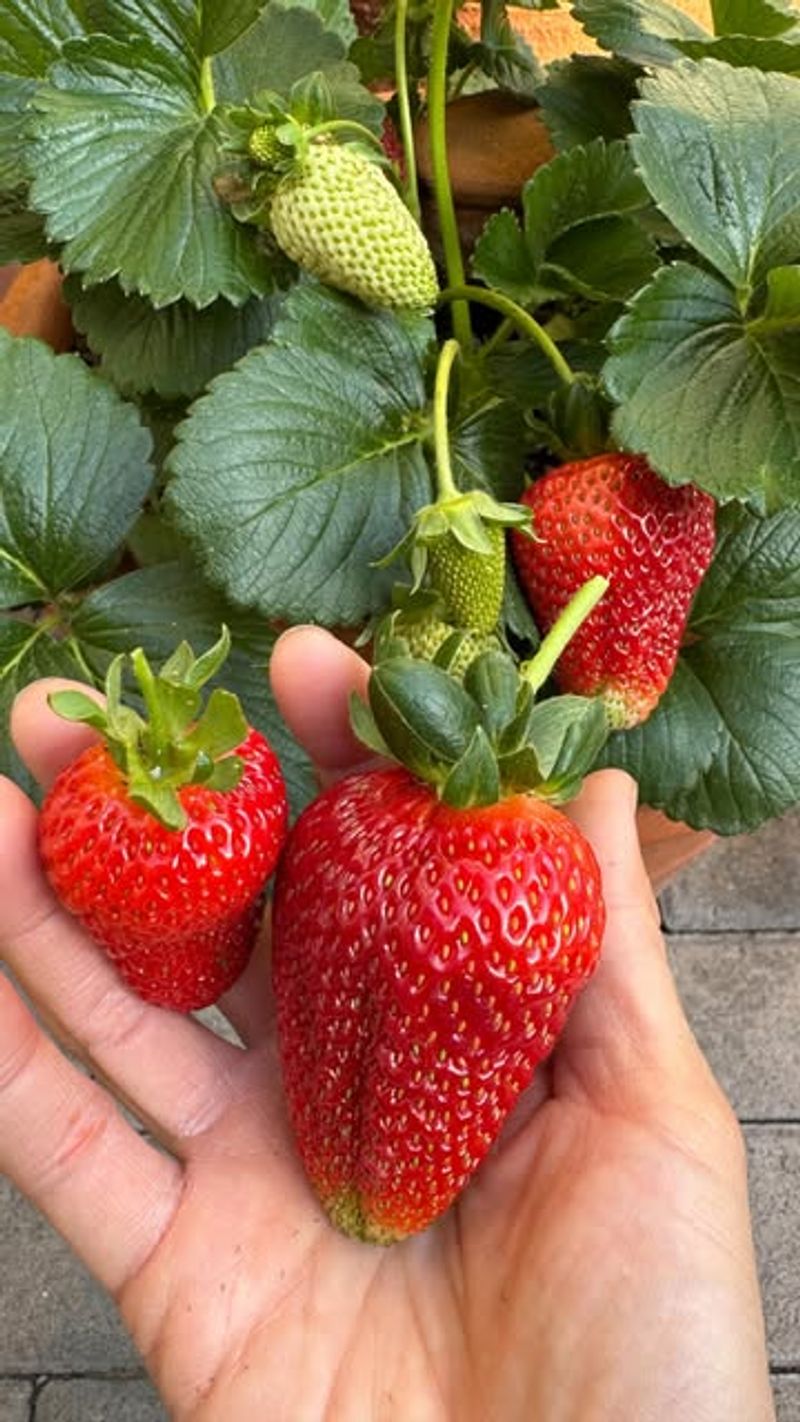
Proper nutrition helps strawberry plants produce larger, more flavorful berries throughout the growing season.
These plants are moderate feeders that benefit from regular but not excessive fertilization. Too much fertilizer creates lush foliage at the expense of fruit production.
A balanced fertilizer provides nitrogen for leaf growth, phosphorus for root development, and potassium for fruit production.
Look for formulations designed specifically for berries or use general-purpose garden fertilizers. Organic options like compost tea and fish emulsion work wonderfully for strawberries.
Apply fertilizer in early spring when plants resume active growth after winter dormancy. A second light feeding after the main harvest supports continued plant health. Avoid fertilizing too late in the season, which can reduce cold hardiness.
Slow-release granular fertilizers provide steady nutrition over several weeks with less risk of burning plants. Liquid fertilizers act faster but require more frequent application. Choose the type that fits your gardening style and schedule.
Watch your plants for signs of nutrient deficiency like yellowing leaves or poor growth. Soil testing reveals exactly which nutrients your soil lacks, allowing targeted fertilization.
Well-fed plants resist pests and diseases better while producing more abundantly than nutrient-starved ones.
8. Remove Runners To Focus Energy On Bigger Berries
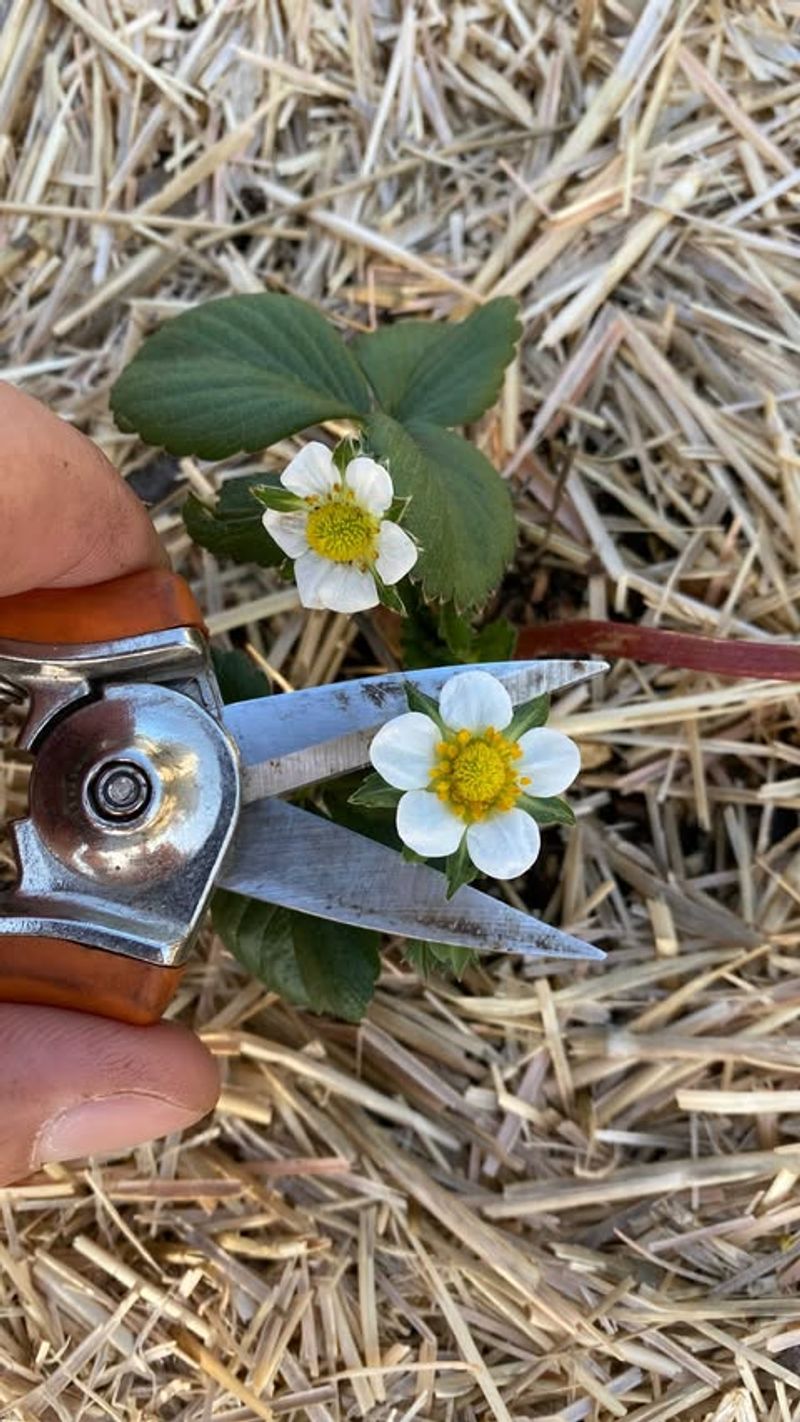
Strawberry plants send out runners, which are long stems that create new baby plants at their tips.
While this natural reproduction method helps strawberries spread, it diverts energy from fruit production. Managing runners gives you control over plant spacing and berry size.
Snipping off runners throughout the growing season forces plants to channel energy into producing larger, more numerous berries.
This simple maintenance task takes just minutes but significantly impacts your harvest. Use clean, sharp scissors or pruners to avoid damaging the main plant.
First-year plants especially benefit from runner removal since you want them focusing on establishment rather than reproduction.
Allowing runners to develop creates crowded beds where plants compete for resources. Crowding also reduces air circulation, which invites disease problems.
Some gardeners allow a few runners to develop for expanding their strawberry patch or replacing older plants. This selective approach balances berry production with propagation needs. Pin desired runners to the soil so they root properly.
Check plants weekly during the peak growing season when runner production accelerates. Remove runners as soon as you spot them for easiest management.
This regular attention prevents runners from sapping significant energy from fruit development and keeps your patch looking neat and organized.
9. Protect Plants From Common Pests And Diseases
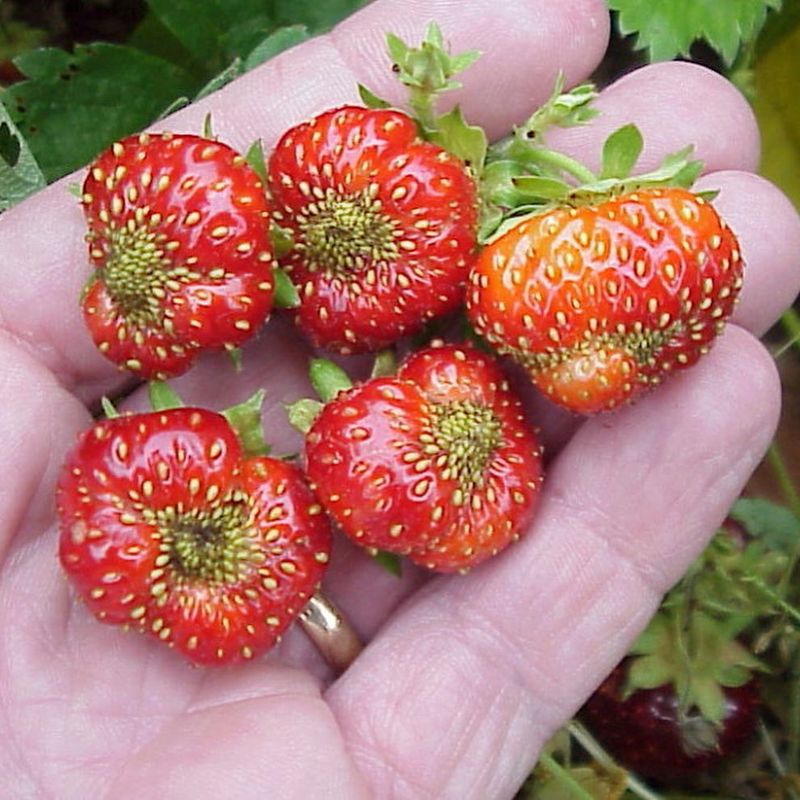
Strawberries face several pest and disease challenges in North Carolina’s warm, humid climate. Staying alert and catching problems early prevents minor issues from becoming major disasters. Healthy plants resist pests and diseases better than stressed ones.
Slugs love ripe strawberries as much as you do and can damage significant portions of your crop. Inspect plants regularly, especially after rain or watering. Beer traps and copper barriers help reduce slug populations without harsh chemicals.
Fungal diseases like gray mold and powdery mildew thrive in humid conditions. Proper spacing improves air circulation, which keeps foliage drier and less hospitable to fungi. Removing affected leaves promptly prevents disease spread to healthy plant parts.
Birds consider your strawberry patch an all-you-can-eat buffet once berries start ripening. Netting protects fruit while allowing sunlight and rain to reach plants. Secure netting edges so birds cannot sneak underneath.
Spider mites and aphids occasionally attack strawberry plants, sucking sap and weakening them. Strong water sprays dislodge many pests without chemicals.
Beneficial insects like ladybugs provide natural pest control when you avoid broad-spectrum pesticides that harm helpful bugs along with harmful ones.
10. Harvest At The Right Time For Best Flavor
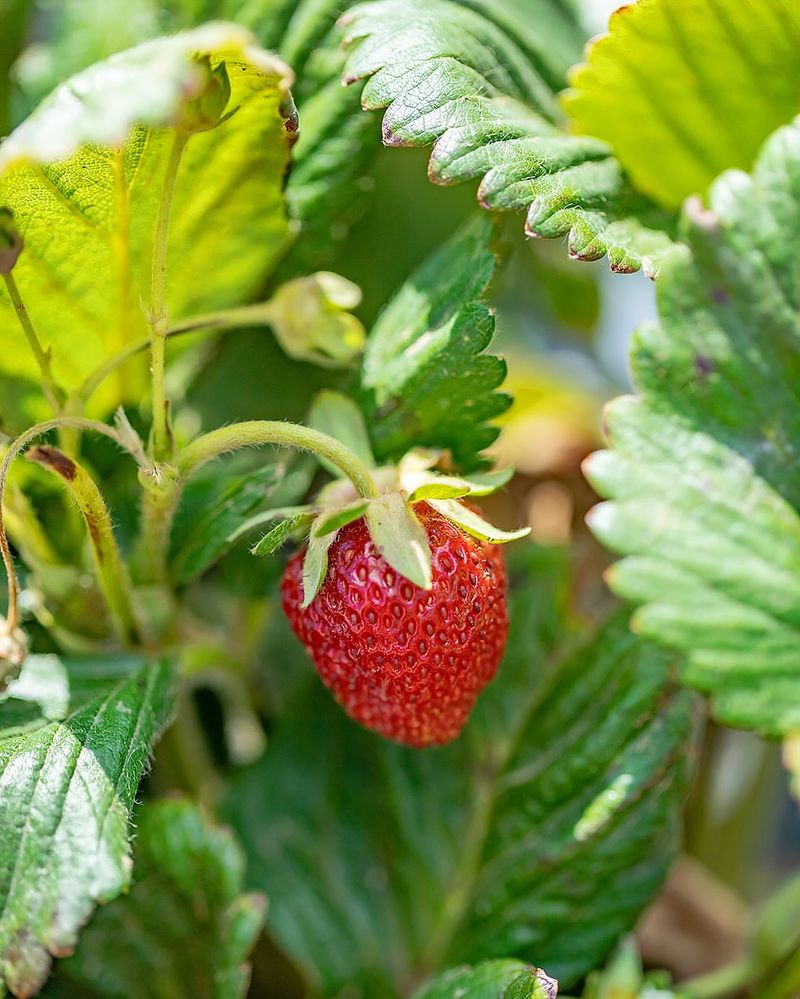
Perfect timing transforms good strawberries into absolutely amazing ones bursting with sweetness.
Berries reach peak flavor only when fully ripe, which means completely red with no white or green areas. Patience pays off because strawberries do not continue ripening after picking.
Check your plants every day or two during peak harvest season since berries ripen quickly. Morning picking works best when berries are cool and firm. Handle fruit gently to avoid bruising, which shortens storage life.
Ripe strawberries separate easily from the plant with a gentle twist and pull. Leave the green cap attached to help berries stay fresh longer. Avoid pulling so hard that you damage the plant or neighboring developing fruit.
Different varieties ripen at slightly different times even when planted simultaneously. This staggered ripening extends your harvest window, giving you fresh berries over several weeks.
Mark your calendar with variety names and ripening patterns for better planning next year. Overripe berries become mushy and lose flavor quickly, so harvest promptly when berries reach perfection.
Use or preserve harvested berries within a few days for best quality. Refrigeration extends storage life but cannot improve flavor of berries picked before full ripeness.
11. Renovate Strawberry Beds After Harvest Season
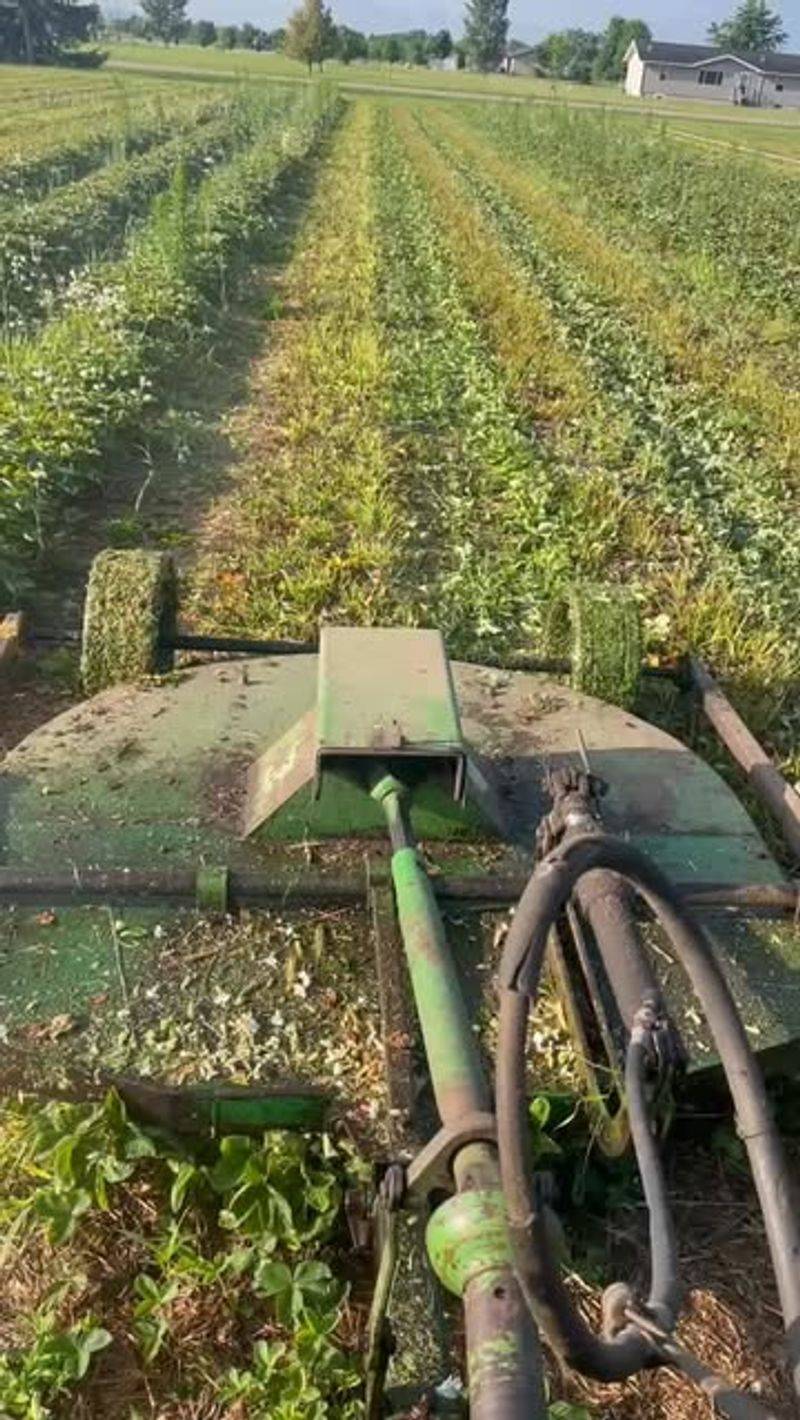
Post-harvest renovation keeps strawberry beds productive for multiple years instead of declining after the first season. This maintenance process rejuvenates plants and prepares them for next year’s crop. Skipping renovation leads to overcrowded, less productive beds.
Mow or cut back foliage to about one inch above the crown immediately after harvest ends. This drastic pruning removes old, diseased leaves and stimulates fresh growth. Use a lawn mower on its highest setting for large beds or hand shears for smaller plantings.
Thin plants to proper spacing by removing weak or diseased ones and excess runners. Proper spacing improves air circulation and reduces disease pressure. Well-spaced plants produce larger berries than crowded ones fighting for resources.
Apply a light fertilizer application after renovation to fuel new growth. Water thoroughly to help plants recover from the pruning stress. Fresh mulch keeps the bed tidy and protects developing crowns.
Some growers prefer renovating every year while others skip a year between major renovations.
Your approach depends on bed condition and plant vigor. Well-maintained beds can produce excellent crops for three to five years before needing complete replacement with fresh plants.
12. Choose The Right Garden Location For Long-Term Success
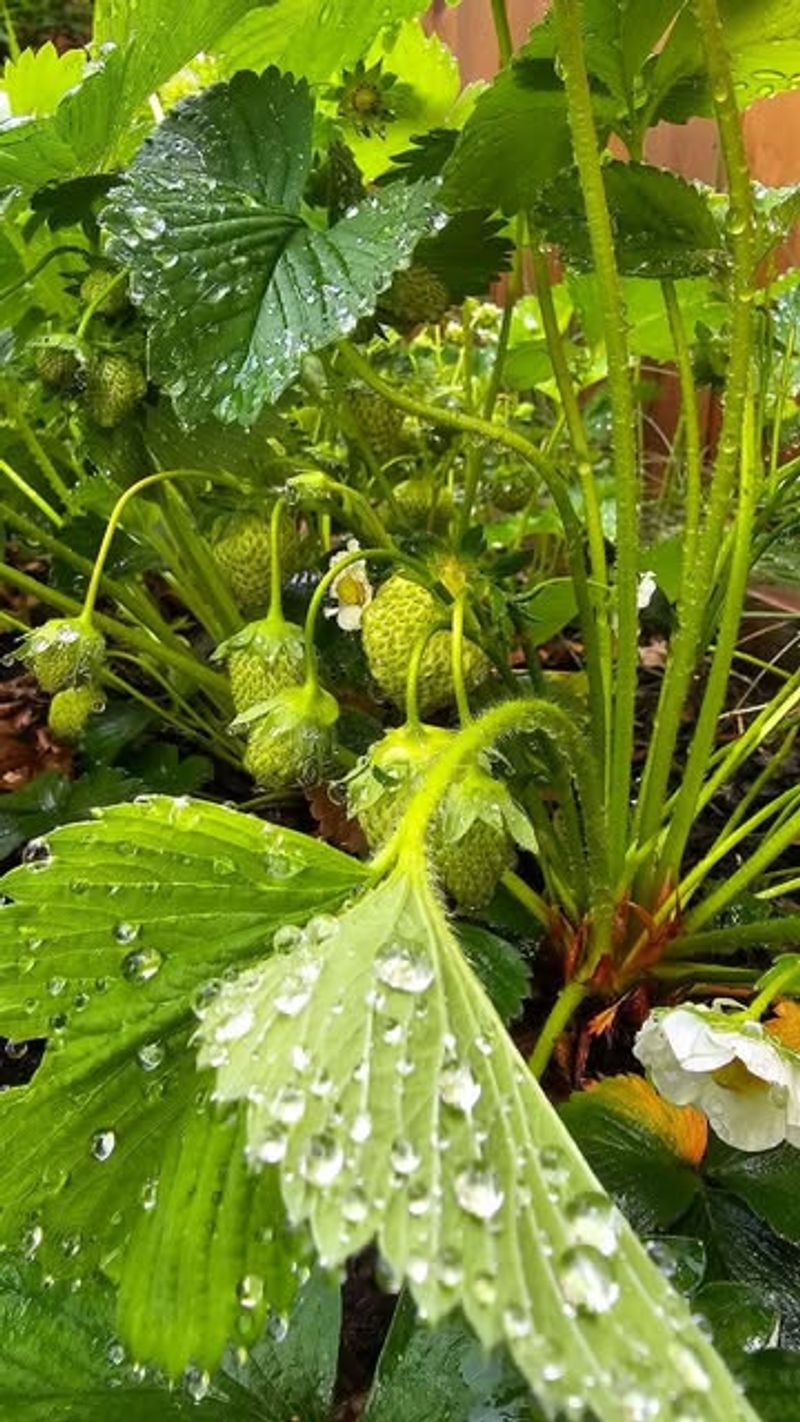
Location decisions affect strawberry success more than almost any other factor you control.
Once planted, moving an entire strawberry bed requires significant effort, so choosing wisely from the start saves headaches later. Several site characteristics deserve careful consideration.
Sunlight availability tops the location priority list since strawberries need full sun for maximum production.
Observe potential sites throughout the day to confirm adequate light exposure. South or southeast-facing areas typically receive the most consistent sunshine.
Good air circulation prevents many disease problems by keeping foliage dry. Avoid low spots where cold air settles and morning fog lingers. Gentle slopes provide excellent drainage and air movement while making maintenance easier on your back.
Stay away from areas where tomatoes, peppers, or potatoes grew recently since these crops share diseases with strawberries. Rotating planting locations reduces soil-borne disease pressure. Fresh soil gives plants a healthier start.
Accessibility matters more than many gardeners initially realize. Locating your strawberry patch near your house encourages frequent visits for watering, harvesting, and pest monitoring.
Convenient access means you will actually do the regular maintenance that produces great results instead of letting tasks slide.