Prepare These Pollinator Shelters Before Spring Arrives In Oregon
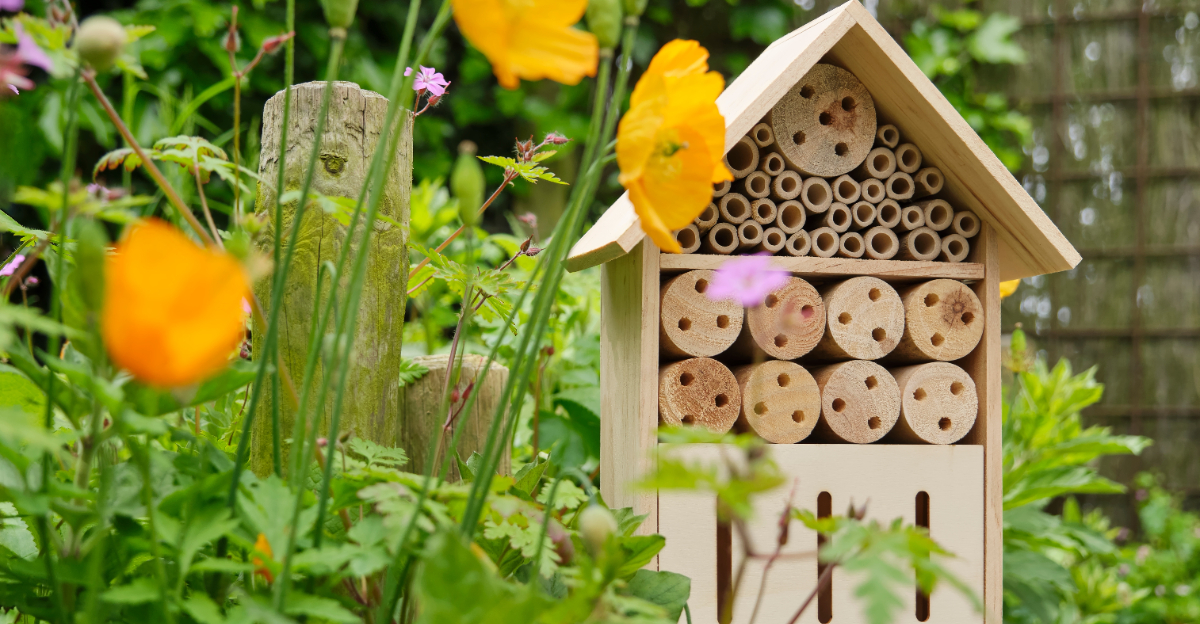
A quiet garden can become a busy little world once pollinators return. As the season edges closer, bees, butterflies, and other tiny helpers begin searching for safe, cozy spots to rest and shelter.
Getting these spaces ready early gives them a warm welcome and helps the garden come alive with gentle movement and soft buzzing.
Many gardeners enjoy creating simple, friendly corners using natural materials, dry stems, small wood bundles, or protected nooks that feel safe and undisturbed.
These small shelters can make a big difference, turning the garden into a comfortable home for helpful visitors. A little preparation now can bring a lively, blooming garden very soon.
1. Why Shelter Matters Early
Pollinators wake up hungry and ready to work when Oregon’s spring temperatures rise. Many native bees emerge from winter hiding spots in March or early April.
They need immediate shelter options near food sources to survive and thrive.
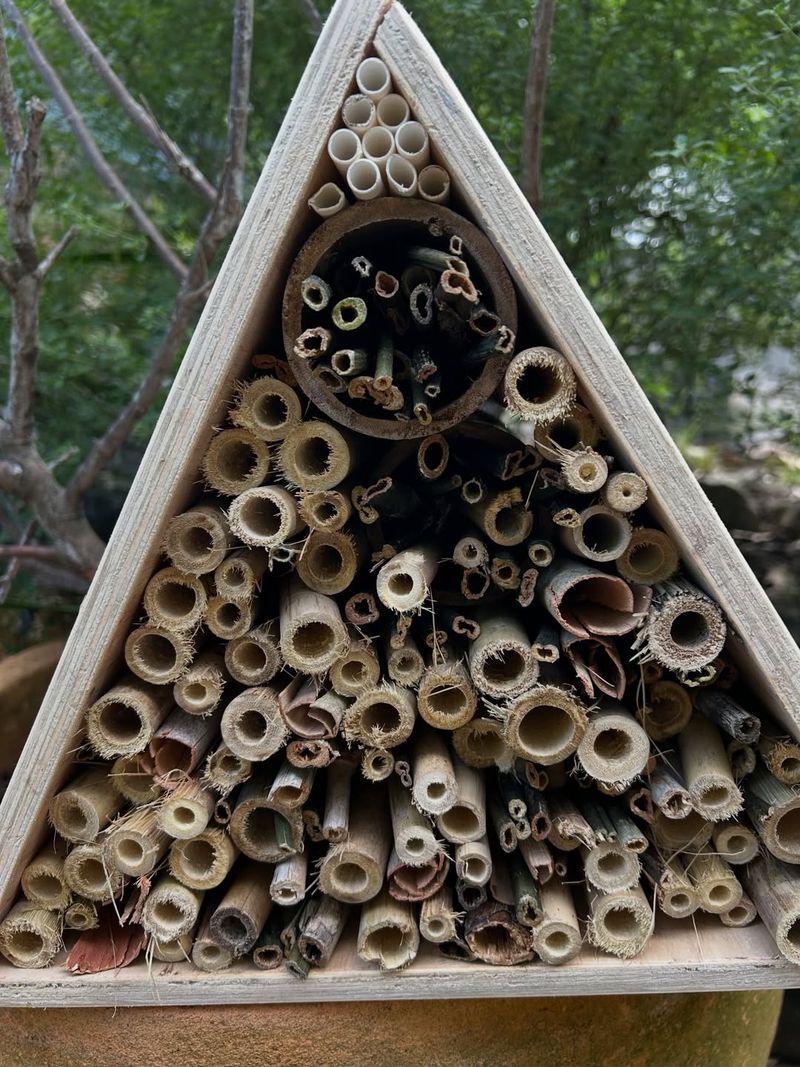
Setting up homes before spring gives these insects time to find and claim their spaces. Mason bees and leafcutter bees scout for nesting sites as soon as weather warms.
If shelters are already in place, these helpful pollinators will move right in and start their important work.
Oregon gardens depend heavily on early pollinators for fruit and vegetable production. Without proper shelter, many beneficial insects will look elsewhere for homes.
Your preparation in late winter directly impacts how many pollinators will visit your garden throughout the growing season.
Early shelter setup also protects emerging queens and solitary bees from late-season cold snaps. These creatures need safe, dry places to wait out unexpected weather changes.
Prepared shelters give them refuge when Oregon’s unpredictable spring weather strikes.
Planning ahead shows real results when flowers bloom and pollinators are already established in your yard.
2. Leave Hollow Stems Standing
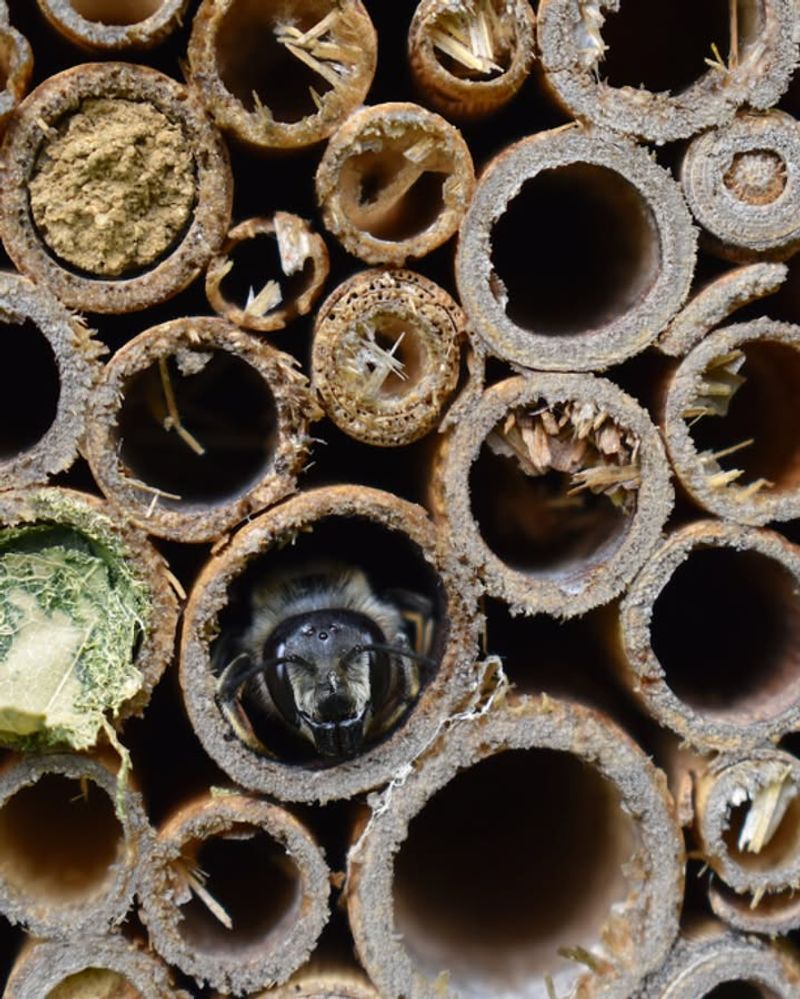
Many gardeners cut down all damaged plants in fall, but hollow stems serve as perfect bee homes. Native bees lay eggs inside the hollow centers of plant stalks.
Leaving these stems standing through winter and into spring provides essential nesting sites.
Sunflowers, bee balm, and raspberry canes all have hollow stems that bees love. Cut stems to different heights between one and three feet tall.
This variety gives bees options for different nesting preferences.
Female bees seal each egg inside the stem with mud or chewed plant material. The young bees develop safely inside until they emerge as adults the following spring.
Oregon’s native bees have used hollow stems for thousands of years.
Bundle cut stems together and tie them to fence posts if you prefer a tidier look. Standing bundles work just as well as stems left on plants.
Position them where they won’t get knocked over by wind or animals.
Wait until late spring to remove old stems after new bees have emerged. This timing protects the developing insects inside and ensures successful pollinator populations in your Oregon garden.
3. Bee Hotels For Solitary Bees
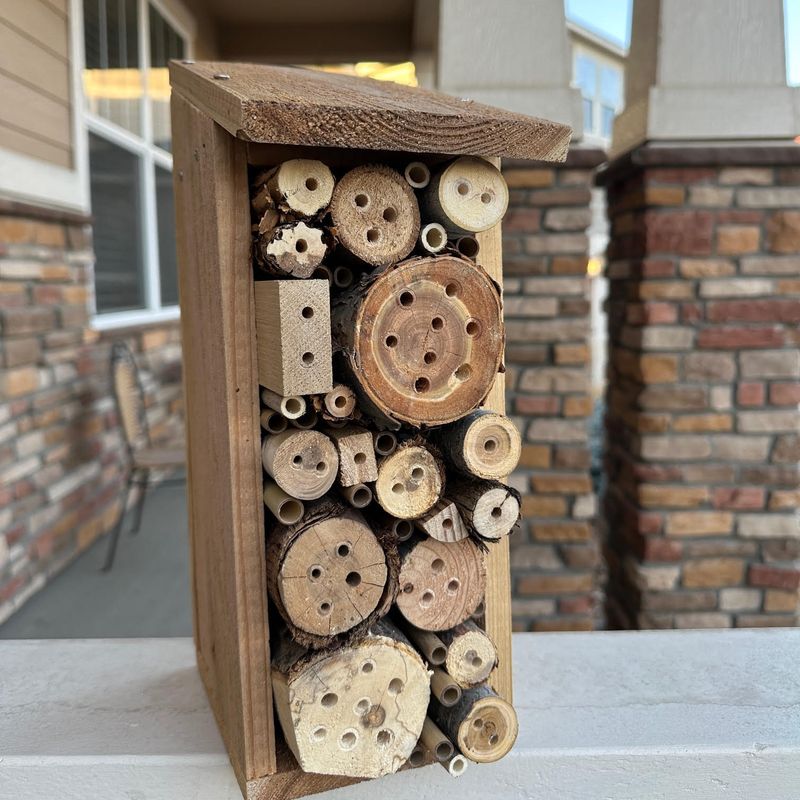
Solitary bees need individual nesting tubes rather than large hives. A bee hotel provides dozens of small holes where female bees can lay eggs safely.
Your Oregon Garden Changes Every Week. Your Plan Should Too.
Gardening in Oregon changes quickly throughout the season. Every Friday you’ll receive a simple weekly plan showing exactly what to plant, prune, fertilize, harvest, and protect so you never miss the right timing.
These structures work perfectly for mason bees, leafcutter bees, and other native Oregon species.
You can build a simple bee hotel using untreated wood blocks drilled with holes. Make holes between 5/32 and 3/8 inches wide and about six inches deep.
Smooth the insides so bees won’t damage their wings when entering.
Bamboo tubes and paper straws also work well as nesting materials. Bundle them tightly together inside a protective frame or box.
Mount your bee hotel on a fence post, tree, or building wall where it stays stable.
Place your hotel in a spot protected from strong winds and heavy rain. Oregon’s wet spring weather can flood poorly positioned bee hotels.
The entrance holes should stay dry so developing bees inside remain healthy.
Clean and replace nesting tubes every two years to prevent disease and parasites. Fresh tubes encourage more bees to use your hotel season after season.
4. Build Small Brush Piles
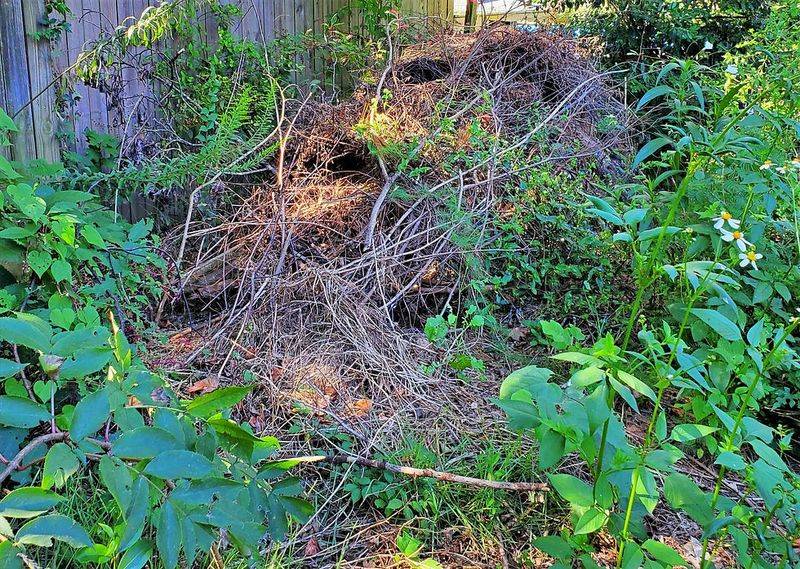
Brush piles create shelter for many beneficial insects beyond just bees. Butterflies, beetles, and native wasps all use brush piles for protection.
These simple structures take minimal effort but provide maximum benefit for Oregon pollinators.
Start with larger branches on the bottom and layer smaller twigs on top. Create a loose pile that allows air circulation and provides many hiding spots.
Aim for a pile about three feet wide and two feet tall.
Place your brush pile in a quiet corner of your yard away from heavy foot traffic. Pollinators prefer undisturbed areas where they feel safe.
Oregon’s wet climate means some decomposition will occur, which actually attracts even more beneficial insects.
Add to your brush pile gradually throughout winter and early spring. Fresh material on top keeps the structure stable and attractive to insects.
Withered leaves, small branches, and twigs all work perfectly.
Brush piles also provide shelter for predatory insects that control garden pests. Ladybugs, ground beetles, and lacewings all appreciate these protected spaces.
One brush pile supports an entire ecosystem of helpful creatures in your Oregon garden.
5. Bare Soil For Ground Bees
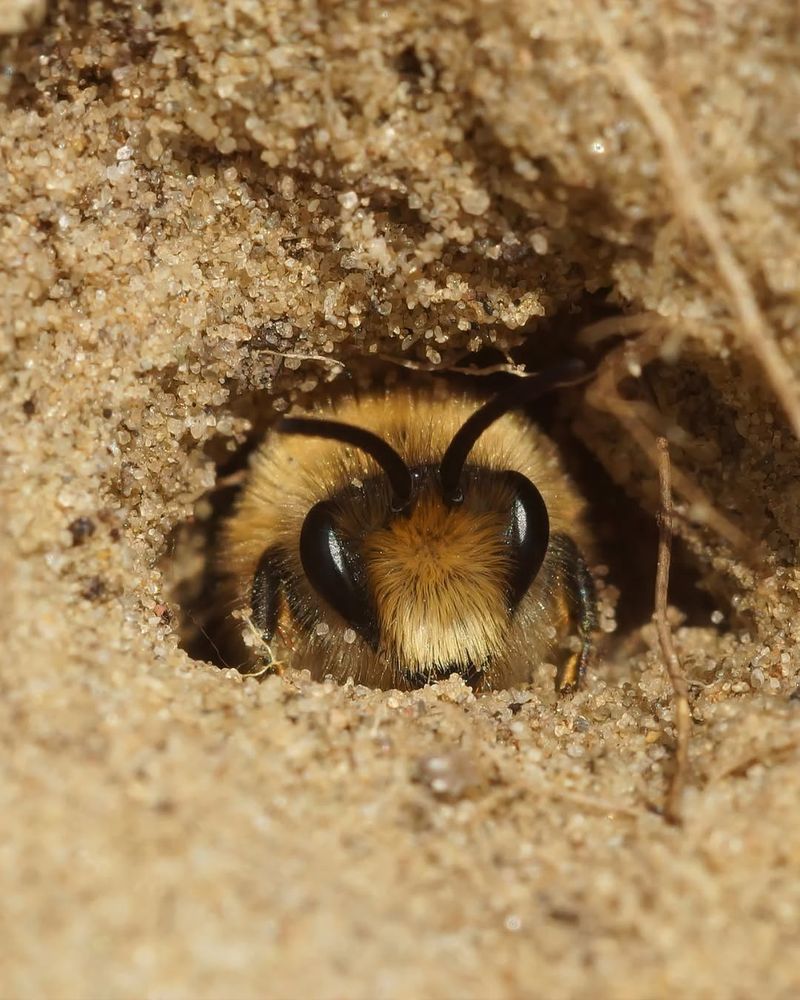
Most people don’t realize that 70 percent of native bees nest underground. Ground-nesting bees need bare, undisturbed soil to excavate their tunnels.
Covering every inch of soil with mulch or plants eliminates important nesting habitat.
Leave some areas of your Oregon garden completely bare and exposed. South-facing slopes with good drainage work best for ground bees. These spots warm up quickly in spring and stay relatively dry.
Female ground bees dig individual tunnels where they lay eggs and store pollen. Each tunnel branches into several chambers for different offspring. Oregon’s native mining bees and sweat bees depend entirely on bare ground for nesting.
Avoid tilling or disturbing bare soil areas in spring when bees are actively nesting. Light foot traffic won’t harm established tunnels, but heavy digging destroys entire colonies. Mark your bare soil areas so you remember to protect them.
Ground-nesting bees are not aggressive and rarely sting people. They focus on gathering pollen and caring for their young.
Welcoming these gentle pollinators means accepting a few small holes in your lawn or garden beds.
6. Logs For Mason Bees
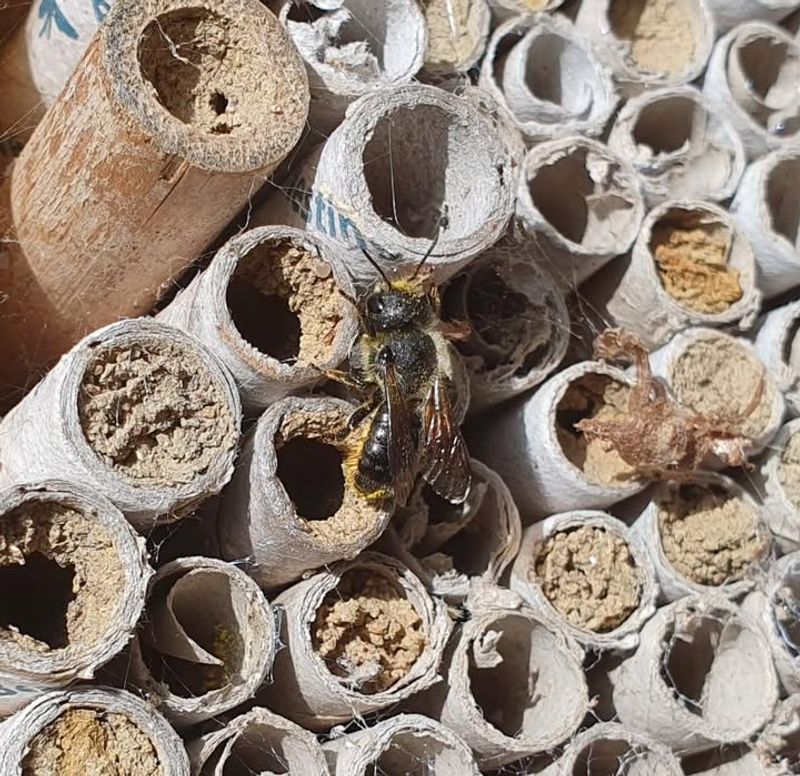
Mason bees are champion pollinators that visit hundreds of flowers daily. These hardworking bees need nesting cavities that mimic natural wood holes.
Logs with drilled holes provide perfect homes for mason bees throughout Oregon.
Choose untreated logs at least eight inches in diameter and twelve inches long. Drill holes on one end only, never drilling all the way through. Mason bees need a solid back wall to feel secure.
Create holes of varying sizes from 5/32 to 3/8 inches in diameter. Different mason bee species prefer different hole sizes. Space holes about three-quarters of an inch apart across the log face.
Place logs horizontally on the ground or prop them at a slight upward angle. Oregon’s rain will drain away from the holes when angled correctly.Position logs in sunny spots that warm up early in the day.
Mason bees emerge in early spring, often before other pollinators become active. Having their homes ready means they start pollinating your fruit trees and early vegetables immediately.
One mason bee does the pollination work of 100 honeybees.
7. Keep Leaf Litter In Place
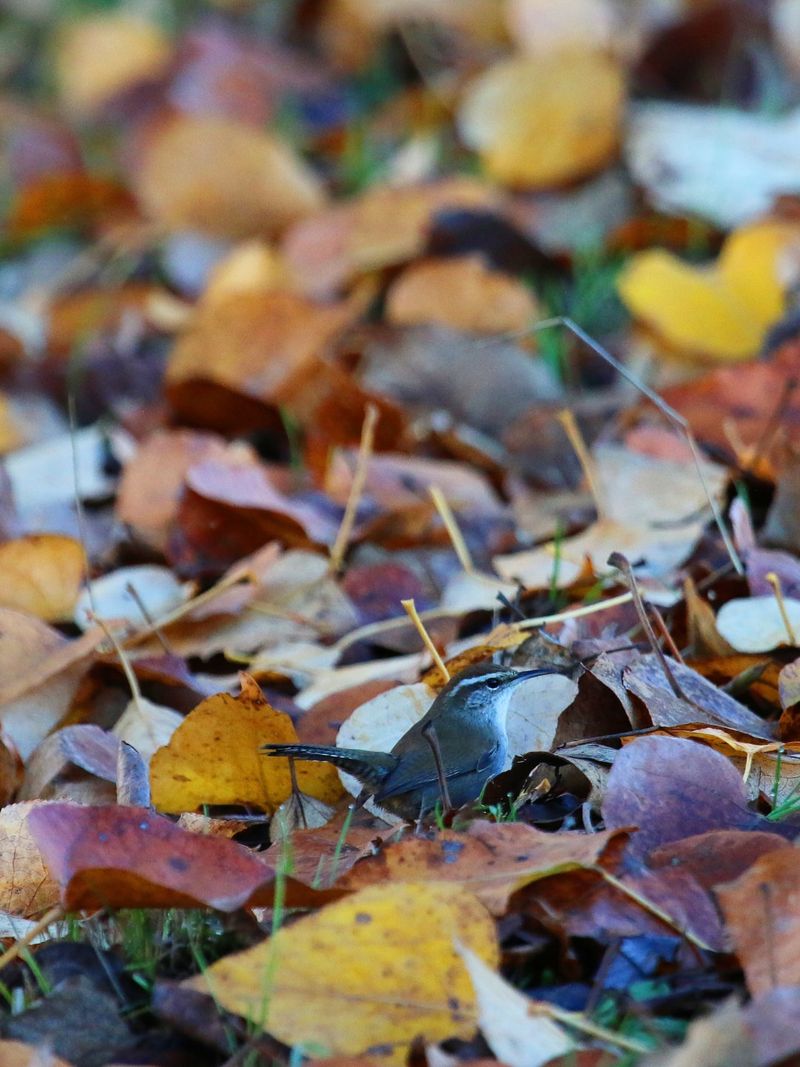
Raking up every fallen leaf removes essential pollinator habitat from your yard. Many butterfly species overwinter as chrysalises hidden in leaf litter.
Native bees and beneficial insects also shelter under leaves during cold months.
Leave leaves in garden beds and under shrubs throughout winter and spring. This natural mulch protects plant roots while providing insect shelter.
Oregon’s wet climate breaks down leaves gradually, enriching your soil naturally.
Butterfly species like swallowtails and mourning cloaks depend on leaf litter for survival. They attach chrysalises to leaf undersides or hide them among dried foliage.
Removing leaves before spring means these pollinators never emerge.
Create designated leaf zones if you prefer tidy lawns. Pile leaves in garden corners or around tree bases where they won’t bother anyone.
These leaf piles become mini wildlife habitats supporting dozens of beneficial species.
Morning insects warm themselves by crawling onto sun-heated leaves. This behavior helps them become active earlier in the day.
More active pollinators mean better pollination for your Oregon garden plants throughout the growing season.
8. Keep Shelters Dry
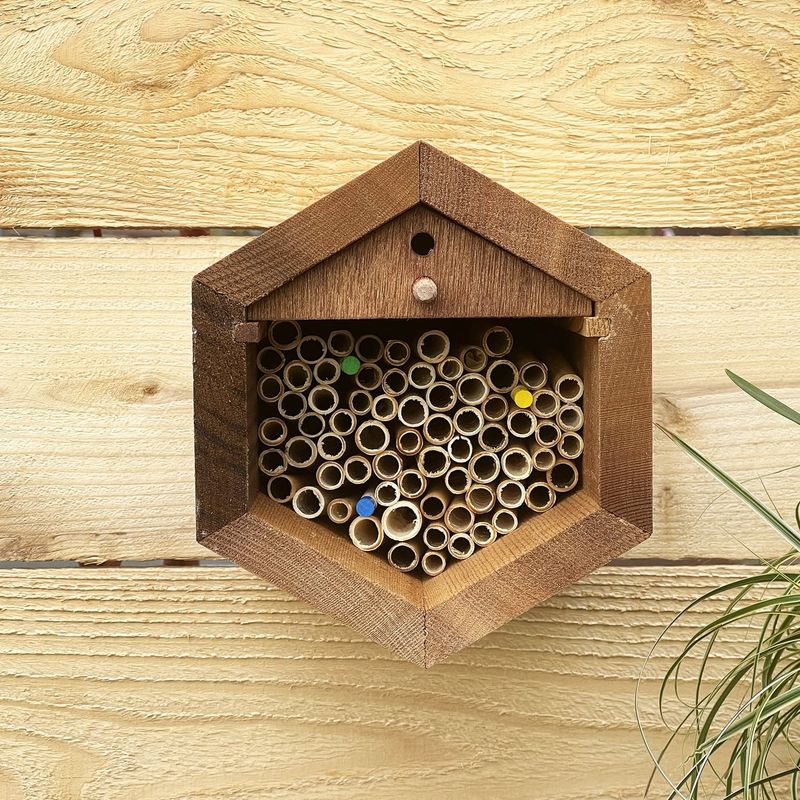
Oregon’s spring brings frequent rain that can flood poorly designed pollinator shelters. Water inside nesting tubes or bee hotels causes fungus growth and harms developing insects.
Keeping shelters dry is essential for successful pollinator populations. Add small roofs or overhangs above bee hotels and nesting tubes. Even a simple piece of wood angled above the entrance keeps rain out.
The overhang should extend at least two inches beyond the shelter opening.
Check shelters after heavy rainstorms to ensure water isn’t pooling inside. Tilt shelters slightly downward at the back so any moisture drains toward the entrance.
This simple angle prevents water accumulation deep inside nesting tubes.
Mount shelters under eaves, covered porches, or other naturally protected spots. These locations provide rain protection while still allowing pollinators easy access. Oregon gardeners should prioritize shelter placement in dry locations.
Replace any tubes or nesting materials that become waterlogged or moldy. Wet conditions spread disease among developing bees and reduce successful emergence rates.
Dry shelters produce healthy pollinators that return year after year to your garden.
9. Face Shelters To Morning Sun
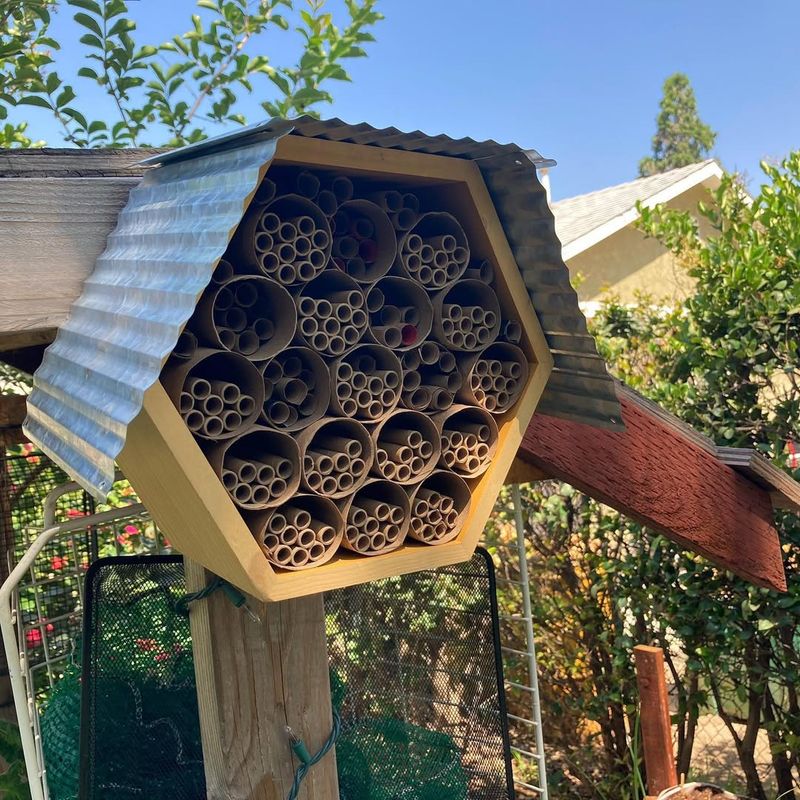
Pollinators are cold-blooded creatures that need warmth to become active. Morning sun hitting shelter entrances warms bees quickly so they start foraging earlier. East-facing shelters give Oregon pollinators the best chance for productive days.
Mount bee hotels and nesting boxes facing southeast or east whenever possible. These directions catch the first warming rays of sunrise.
Bees inside feel the temperature rise and emerge ready to work.
Avoid placing shelters in locations that stay shaded until afternoon. Late-warming shelters mean bees lose valuable foraging hours each day. Oregon’s cool spring mornings make early sun exposure especially important.
South-facing shelters get too hot during summer afternoons in some Oregon locations. East-facing placement provides morning warmth without excessive afternoon heat.This balance keeps developing bees comfortable throughout their growth period.
Watch your yard on a spring morning to identify the sunniest early spots. These observations help you choose the perfect location for pollinator shelters.
Proper placement means more active pollinators visiting your flowers and vegetables all season long.