12 Best Plants For Michigan Gardens That Survive Harsh Winters And Come Back Strong
Michigan winters can feel never ending, testing every plant in your yard with freezing cold, biting winds, and heavy snow. Many gardens struggle to recover, leaving homeowners replanting and repairing each spring.
But here is the surprising part. Some plants actually thrive in these tough conditions and return stronger, fuller, and more beautiful year after year.
The secret is choosing varieties built for Michigan’s climate. When the right perennials, shrubs, and small trees settle in, everything changes.
Your garden becomes more reliable, easier to care for, and far more rewarding. Instead of bare, tired spaces, you get steady color, rich texture, and life that builds with each season.
Even in winter, certain plants add quiet beauty and structure that keep the landscape from feeling empty. With smart choices, your yard can handle Michigan’s harshest weather while staying vibrant, resilient, and full of character all year long.
1. Hosta (Hemerocallis spp.)
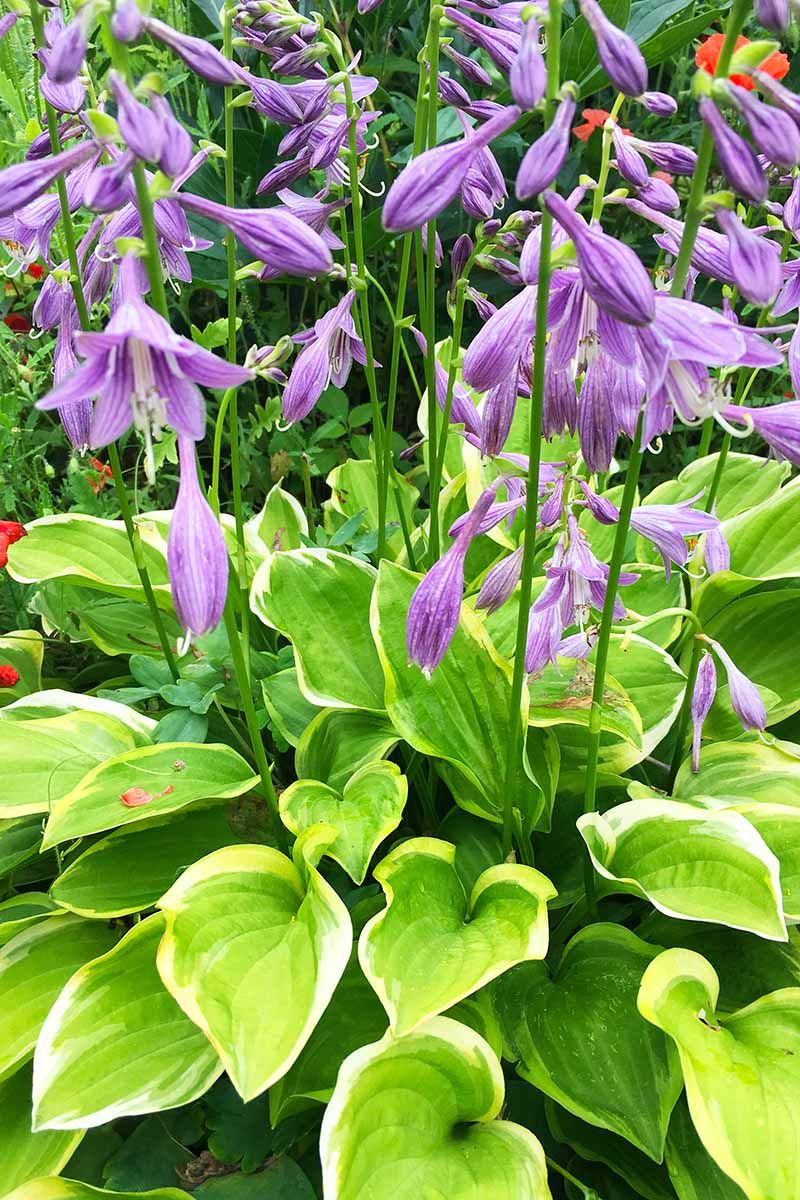
Hostas bring lush, textured foliage to shady spots where other plants struggle. Their broad leaves come in shades of green, blue, gold, and even variegated patterns that brighten dim corners.
These perennials grow reliably in Michigan gardens, tolerating cold winters without complaint.
When temperatures plummet, hosta foliage naturally fades and collapses. This seasonal rest protects the plant’s root system underground.
Come spring, fresh shoots emerge with renewed vigor, often growing larger than the previous year.
Partial to full shade suits hostas perfectly. They appreciate moist, well-drained soil enriched with organic matter.
Morning sun and afternoon shade create ideal conditions for most varieties.
Minimal care keeps hostas thriving for decades. Water during dry spells and apply mulch to retain moisture.
Slugs sometimes nibble leaves, but healthy plants bounce back quickly. Dividing clumps every few years rejuvenates growth and creates new plants for other garden areas.
Hundreds of hosta varieties exist, from miniature six-inch types to giant specimens reaching four feet wide. This diversity lets you design entire shade gardens using hostas alone.
Their reliable return each spring makes them a cornerstone plant for Michigan landscapes seeking low-maintenance beauty and lasting performance.
2. Daylily (Hemerocallis spp.)
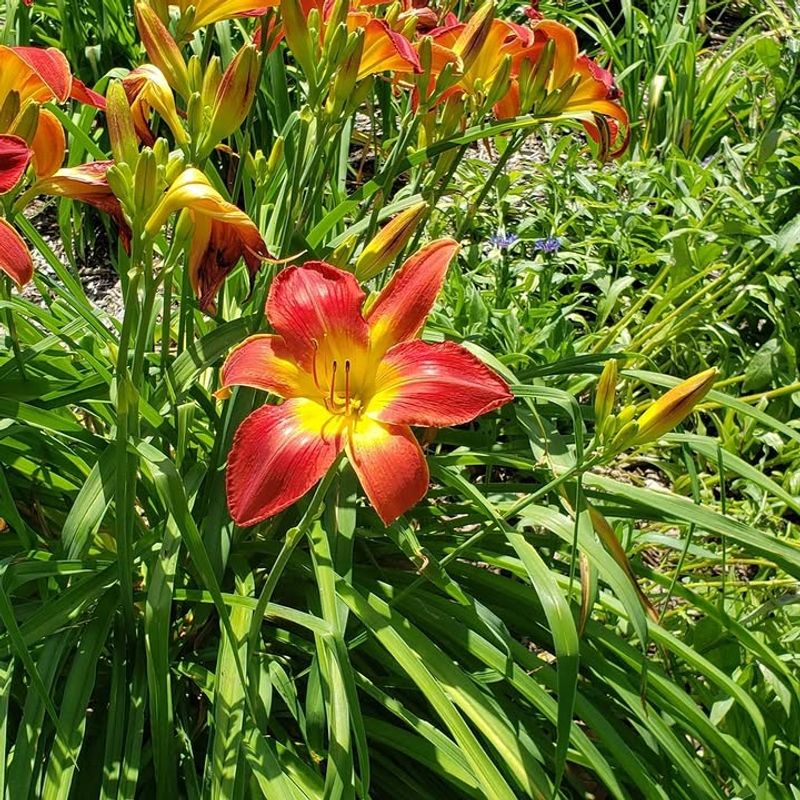
Daylilies earn their reputation as one of the most dependable perennials for northern gardens. Each flower lasts just one day, but plants produce dozens of buds that open successively throughout summer.
This extended bloom period fills gardens with color from June through August.
Cold tolerance ranks among daylily’s greatest strengths. Roots survive Michigan’s harshest winters buried beneath frozen soil.
Snow and ice cause no harm to dormant plants. Spring warmth triggers rapid growth as green shoots push through the soil.
Full sun locations produce the most abundant blooms. However, daylilies adapt to partial shade and still flower reasonably well.
They tolerate various soil types, from clay to sand, though they prefer consistent moisture during active growth.
Once established, daylilies require almost no attention. They resist most pests and diseases naturally.
Drought tolerance develops after the first season, reducing watering needs. Removing spent flower stalks keeps plants tidy but isn’t essential for health.
Your Michigan Garden Changes Every Week. Your Plan Should Too.
Gardening in Michigan changes quickly throughout the season. Every Friday you’ll receive a simple weekly plan showing exactly what to plant, prune, fertilize, harvest, and protect so you never miss the right timing.
Thousands of cultivars offer endless color combinations and flower forms. Heights range from compact twelve-inch varieties to tall three-foot selections.
Some bloom repeatedly throughout summer. This versatility makes daylilies perfect for borders, mass plantings, or slope stabilization in Michigan gardens.
3. Coneflower (Echinacea spp.)
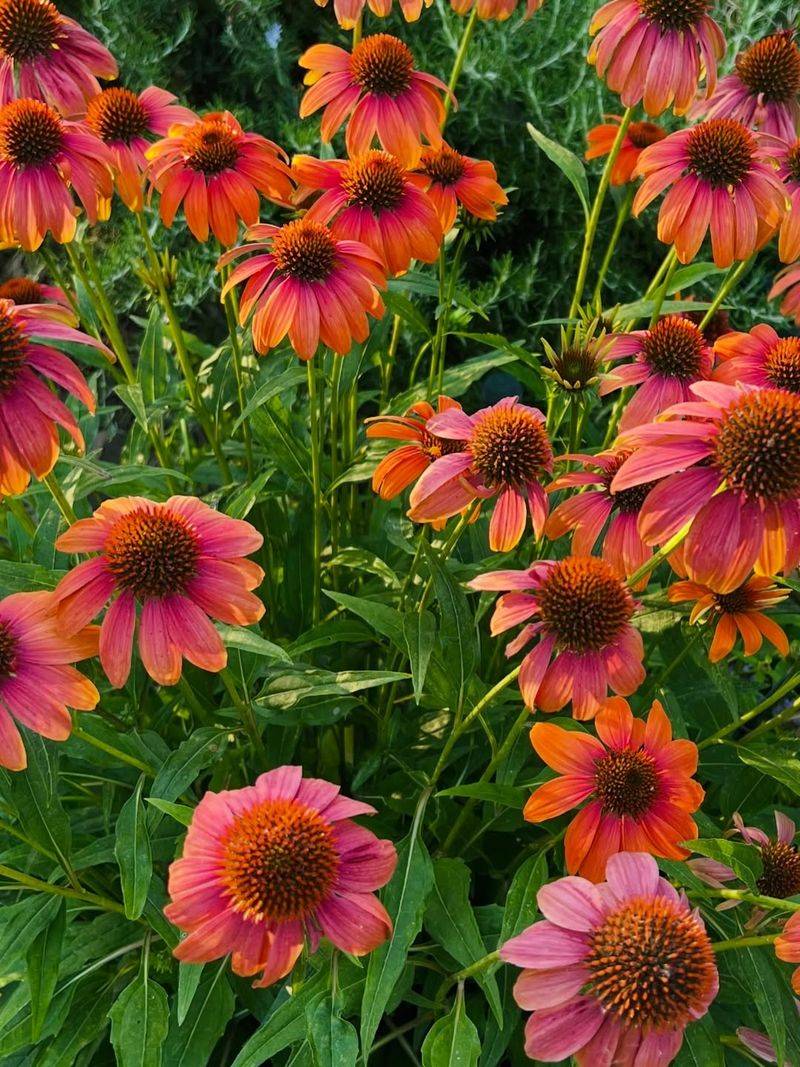
Coneflowers stand tall and proud in summer gardens, their distinctive petals surrounding raised centers. Native to North America, these perennials evolved to withstand temperature extremes and challenging conditions.
Michigan’s climate suits them perfectly, allowing natural vigor to shine through.
Winter cold poses no threat to established coneflower roots. Plants enter dormancy as temperatures drop, conserving energy underground.
Seed heads often remain standing through winter, providing food for hungry birds and adding architectural interest to snowy landscapes.
Pollinators adore coneflowers, visiting blooms constantly throughout summer. Bees, butterflies, and hummingbirds find abundant nectar and pollen.
This makes coneflowers valuable for supporting beneficial insects and creating wildlife-friendly gardens.
Full sun and well-drained soil create optimal growing conditions. Coneflowers tolerate drought remarkably well once roots establish.
Poor soil doesn’t discourage them. Clay or sandy conditions work fine as long as water doesn’t pool around crowns.
Purple remains the classic coneflower color, but modern breeding introduced white, orange, yellow, and coral varieties. Heights vary from compact eighteen-inch types to towering four-foot specimens.
Deadheading encourages additional blooms, though leaving some seed heads benefits wildlife. Coneflowers self-seed moderately, creating naturalized colonies over time without becoming invasive in Michigan gardens.
4. Black-Eyed Susan (Rudbeckia fulgida)
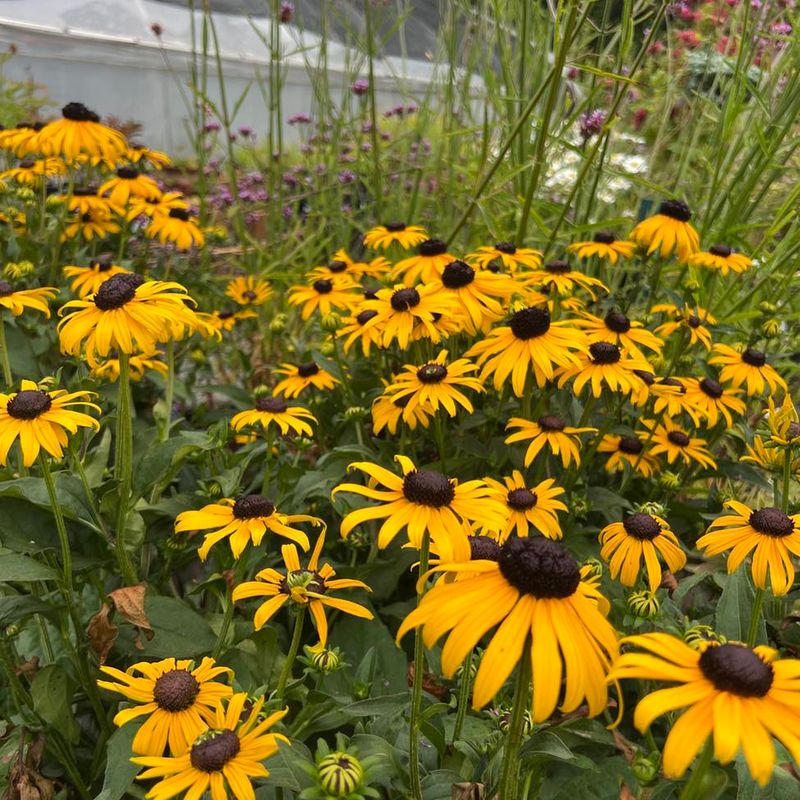
Cheerful golden blooms make black-eyed Susans instant mood lifters in late summer gardens. Their bright yellow petals surround chocolate-brown centers, creating bold contrast visible from a distance.
These native wildflowers bring prairie charm to Michigan landscapes while requiring minimal intervention.
Cold hardiness comes naturally to plants native to North American prairies. Black-eyed Susans withstand Michigan winters effortlessly, returning reliably each spring.
Roots survive frozen ground without protection or special care.
Full sun locations suit these sun-lovers best. They bloom most prolifically with at least six hours of direct sunlight daily.
Adaptability to various soil types makes placement flexible. Average garden soil supports healthy growth without amendments.
Long bloom periods extend from July through September or even October. This provides color when many spring perennials have finished flowering.
Butterflies and bees visit constantly, making gardens buzz with activity.
Black-eyed Susans self-seed generously, creating natural-looking drifts over time. This trait works beautifully in informal gardens or naturalized areas.
For more controlled plantings, remove spent flowers before seeds mature. Plants spread moderately through underground rhizomes, filling spaces without becoming aggressive.
Their carefree nature and reliable performance make black-eyed Susans perfect for beginning gardeners or anyone seeking maximum impact with minimum effort in Michigan.
5. Peony (Paeonia spp.)
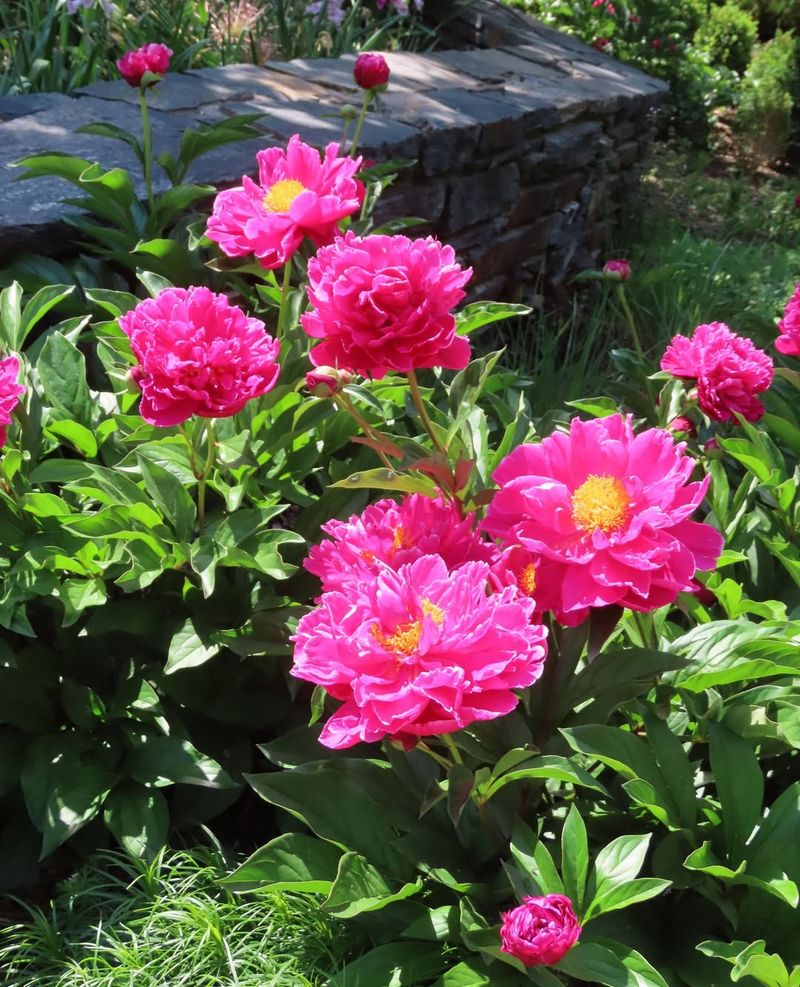
Few perennials match the spectacular spring show that peonies deliver. Massive blooms in shades of pink, white, red, and coral create breathtaking displays that stop visitors in their tracks.
Fragrance from many varieties fills gardens with sweet perfume during their peak bloom period.
Peonies actually require cold winters to bloom properly. Michigan’s freezing temperatures provide essential chilling hours that trigger flower bud formation.
This makes them better suited to northern gardens than warm southern climates.
Longevity defines the peony experience. Plants live for decades, even generations, when properly sited.
Some historic gardens feature century-old specimens still blooming abundantly. This permanence makes peonies valuable investments for long-term landscape planning.
Full sun and well-drained soil produce the best results. Plant roots shallowly, with eyes just one to two inches below soil surface.
Deeper planting prevents blooming. Space plants generously to allow air circulation around foliage.
Ants crawling on flower buds concern some gardeners unnecessarily. These insects harm nothing and simply feed on sweet nectar.
Herbaceous peonies require cutting back to ground level after frost browns foliage. Tree peonies maintain woody stems year-round.
Both types need patience, sometimes taking three years after planting to bloom fully. Once established, peonies reward Michigan gardeners with unmatched floral beauty and remarkable resilience.
6. Bleeding Heart (Dicentra spectabilis)
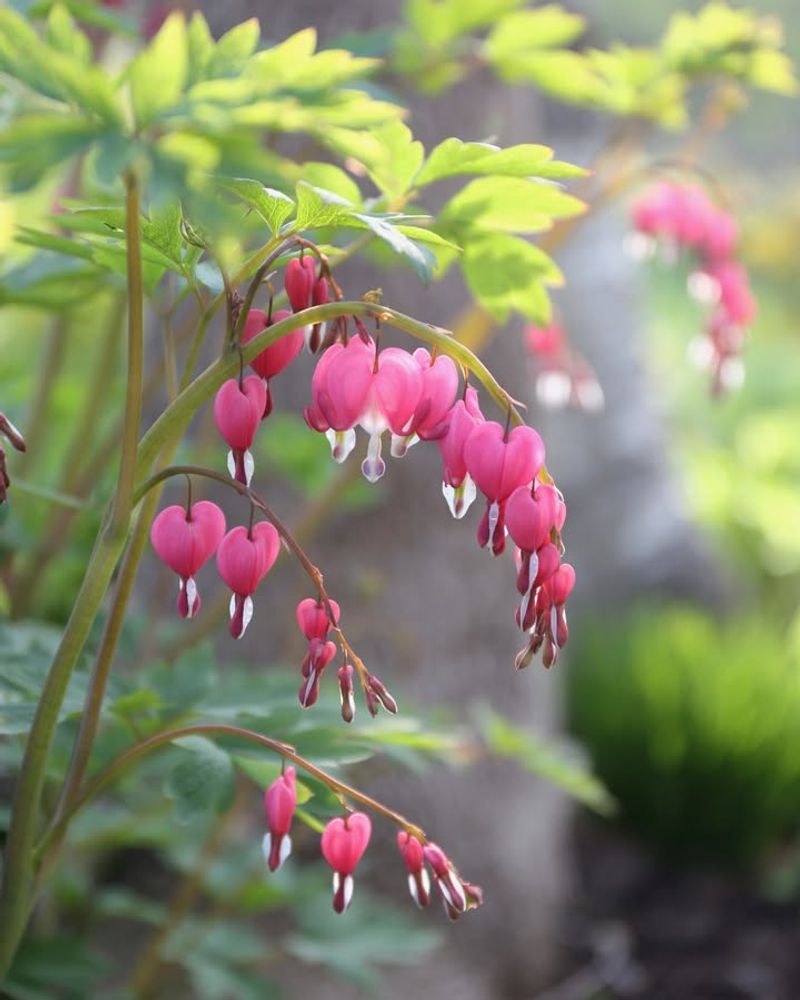
Romantic heart-shaped flowers dangle gracefully from arching stems in spring woodland gardens. Bleeding hearts bring delicate beauty to shady spots where bold flowers rarely venture.
Their unique form and soft colors create enchanting scenes under tree canopies or along north-facing walls.
Michigan’s cold winters suit bleeding hearts perfectly. Plants enter dormancy naturally as summer heat arrives, with foliage yellowing and disappearing completely.
This isn’t a problem but rather normal behavior. Underground roots rest safely through winter, emerging fresh each spring.
Partial to full shade provides ideal conditions. Morning sun and afternoon shade work well.
Too much direct sun causes foliage to fade prematurely. Moist, rich soil high in organic matter supports lush growth and abundant flowering.
Flowers appear in April or May, covering plants for several weeks. Pink and white remain traditional colors, though pure white varieties exist.
After blooming finishes, attractive fern-like foliage continues providing texture until summer heat triggers dormancy.
Bleeding hearts combine beautifully with hostas, ferns, and other shade perennials. Their early bloom time provides spring interest before companion plants reach full size.
Minimal care requirements make them easy additions to Michigan gardens. Simply allow foliage to fade naturally after blooming.
Plants return faithfully each spring, gradually increasing in size and creating impressive clumps over time.
7. Red-Twig Dogwood (Cornus sericea)
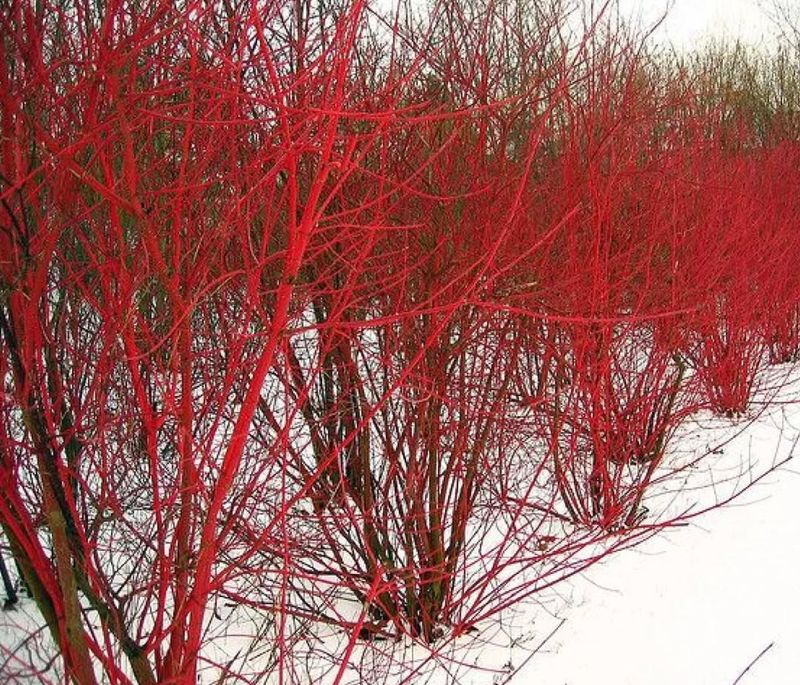
Brilliant red stems glow against white snow, transforming winter gardens from drab to dramatic. Red-twig dogwood earns its keep primarily through this stunning seasonal display.
When most plants offer little visual interest, these shrubs become landscape stars.
Native to North America, red-twig dogwood tolerates Michigan’s coldest temperatures effortlessly. Plants thrive in USDA Zone 4 and even colder regions.
Snow and ice enhance rather than damage their winter beauty.
Stem color intensifies on young growth, so annual or biennial pruning maintains the brightest display. Cut older stems to ground level in early spring before new growth begins.
This encourages vigorous new shoots that produce the most vivid red color the following winter.
Full sun to partial shade suits these adaptable shrubs. They tolerate wet soils better than most woody plants, making them valuable for low spots or areas with poor drainage.
White flowers appear in spring, followed by white berries that birds enjoy.
Multi-season interest makes red-twig dogwood valuable beyond winter. Green summer foliage turns reddish-purple in fall before dropping.
Heights reach six to eight feet with similar spread, creating substantial presence in landscapes. Mass plantings create dramatic winter impact.
Mixed with evergreens, the red stems provide striking color contrast. Low maintenance requirements and reliable performance make red-twig dogwood essential for Michigan gardens seeking year-round beauty.
8. Coral Bells (Heuchera spp.)
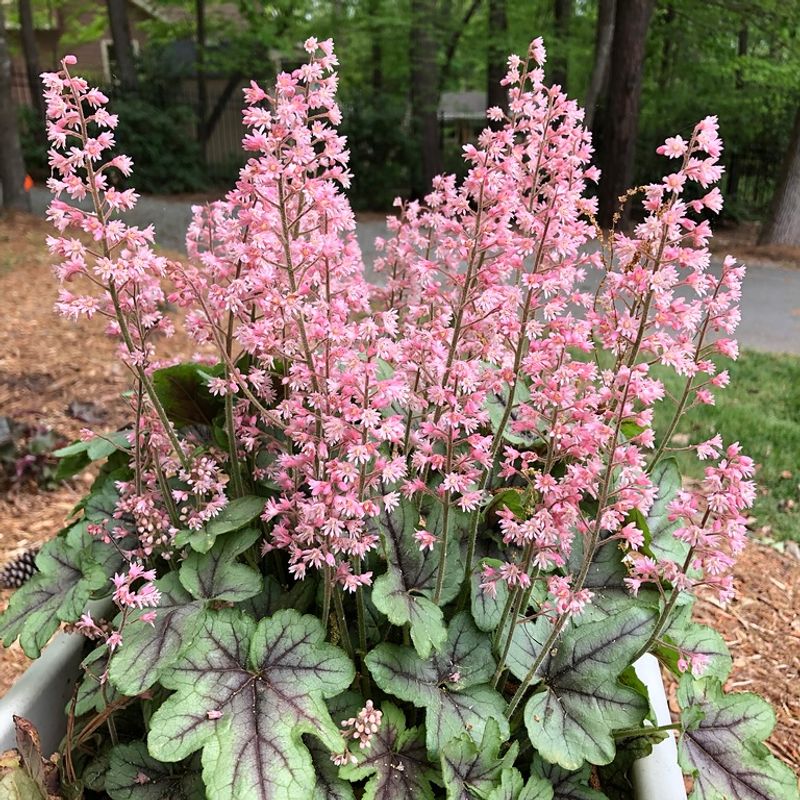
Foliage takes center stage with coral bells, offering colors from lime green to deep burgundy and everything between. Leaves provide season-long interest, making these perennials valuable for continuous color.
Delicate flower spikes appear in summer as a bonus feature.
Michigan winters don’t faze hardy coral bells varieties. Many cultivars survive Zone 4 temperatures reliably.
Semi-evergreen or evergreen foliage persists through winter in milder years, providing color when most perennials disappear completely.
Partial shade suits most coral bells varieties best. Too much sun bleaches foliage colors, while dense shade reduces vigor.
Dappled light under trees or bright shade near buildings creates ideal conditions. Well-drained soil prevents crown rot during wet periods.
Hundreds of cultivars offer astounding foliage diversity. Ruffled leaves, silver overlays, purple undersides, and chartreuse tones create endless design possibilities.
Mixing multiple varieties creates living tapestries of color and texture.
Tiny bell-shaped flowers dance on wiry stems above foliage in late spring or summer. Colors range from white to pink to red.
Hummingbirds visit blooms regularly. Remove flower stalks after blooming to maintain tidy appearance.
Coral bells benefit from occasional division every three to four years. This rejuvenates plants and prevents woody crown development.
Simply dig clumps in spring, separate into sections, and replant. Their compact size makes coral bells perfect for edging, containers, or front-of-border positions in Michigan shade gardens.
9. Ornamental Grasses (Miscanthus spp.)
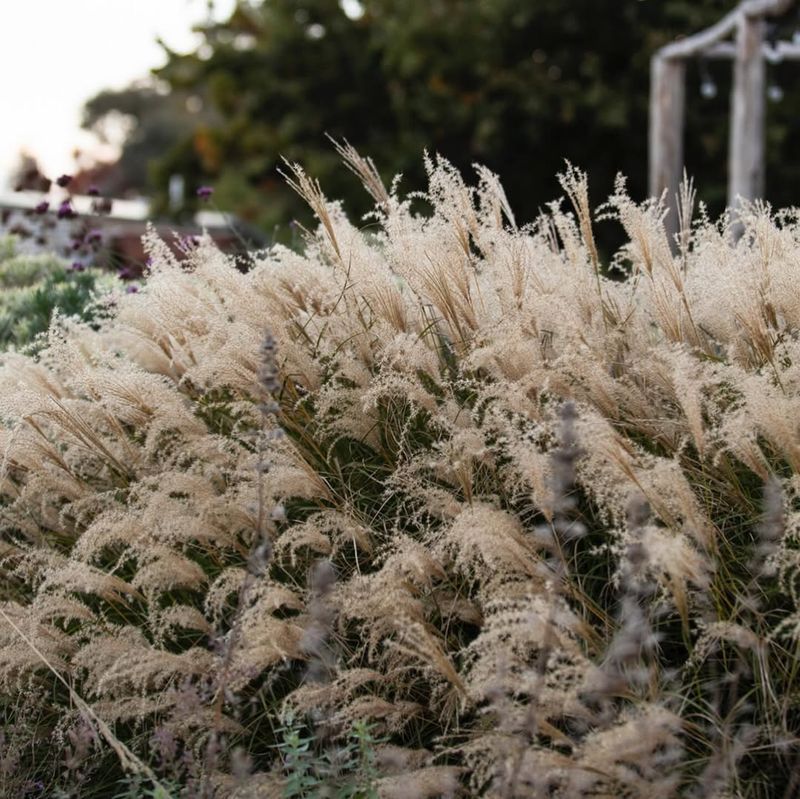
Graceful movement and textural interest make ornamental grasses increasingly popular in Michigan landscapes. Miscanthus varieties offer particular value, with heights ranging from compact three-foot types to towering specimens reaching eight feet.
Their presence adds drama and motion that solid-foliaged plants cannot match.
Cold tolerance varies among miscanthus varieties, but many survive Michigan winters beautifully. Dried stems and seed heads persist through snow and ice, providing winter structure and visual interest.
These standing stems also shelter beneficial insects and small wildlife.
Full sun locations produce the most robust growth and abundant plumes. Grasses tolerate various soil types but prefer consistent moisture during establishment.
Once roots develop, drought tolerance increases significantly.
Feathery plumes emerge in late summer, ranging from silver to pink to copper depending on variety. These airy seed heads catch light beautifully and sway with every breeze.
Fall brings foliage color changes from gold to bronze to burgundy.
Leave grasses standing through winter for maximum landscape impact. Cut them back to six inches above ground in early spring before new growth emerges.
This annual pruning keeps plants vigorous and prevents dead material from accumulating.
Miscanthus works beautifully as specimen plants, privacy screens, or background plantings. Their vertical form contrasts nicely with mounded perennials.
Mass plantings create stunning effects in larger Michigan gardens, while single specimens add focal points to smaller spaces.
10. Boxwood (Buxus spp.)
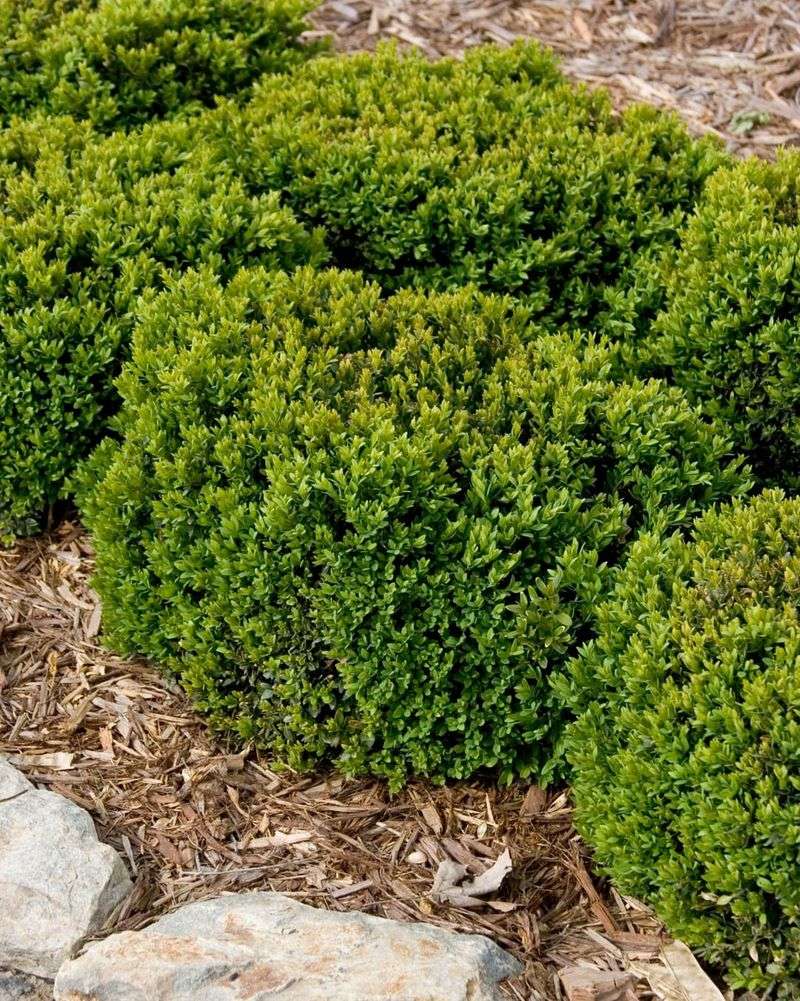
Classic evergreen structure defines boxwood’s role in Michigan landscapes. These versatile shrubs maintain their green foliage year-round, providing constant presence when deciduous plants stand bare.
Formal gardens have featured boxwood for centuries, but modern landscapes use them informally as well.
Selecting cold-hardy varieties ensures success in Michigan. Korean boxwood and certain English boxwood cultivars tolerate Zone 5 conditions reliably.
Some varieties survive even colder temperatures. Proper variety selection prevents winter damage and browning.
Partial shade to full sun suits most boxwood varieties. They adapt to various light conditions, though afternoon shade in summer prevents foliage stress.
Well-drained soil is essential. Standing water around roots causes serious problems.
Slow growth makes boxwood ideal for low hedges and edging. Plants maintain compact shapes naturally, requiring only light annual pruning.
Shearing creates formal geometric forms, while natural growth produces softer mounds. Either style works beautifully.
Evergreen foliage provides winter interest that deciduous plants cannot offer. Snow-covered boxwood creates picturesque scenes in quiet gardens.
Green structure anchors landscape designs, giving gardens form and definition throughout the year.
Boxwood requires minimal fertilization and modest watering once established. Mulching around plants helps maintain consistent soil moisture and moderate temperature fluctuations.
Their refined appearance and reliable performance make boxwood essential for Michigan gardeners seeking elegant, low-maintenance evergreen presence in formal or informal landscape designs.
11. Virginia Sweetspire (Itea virginica)
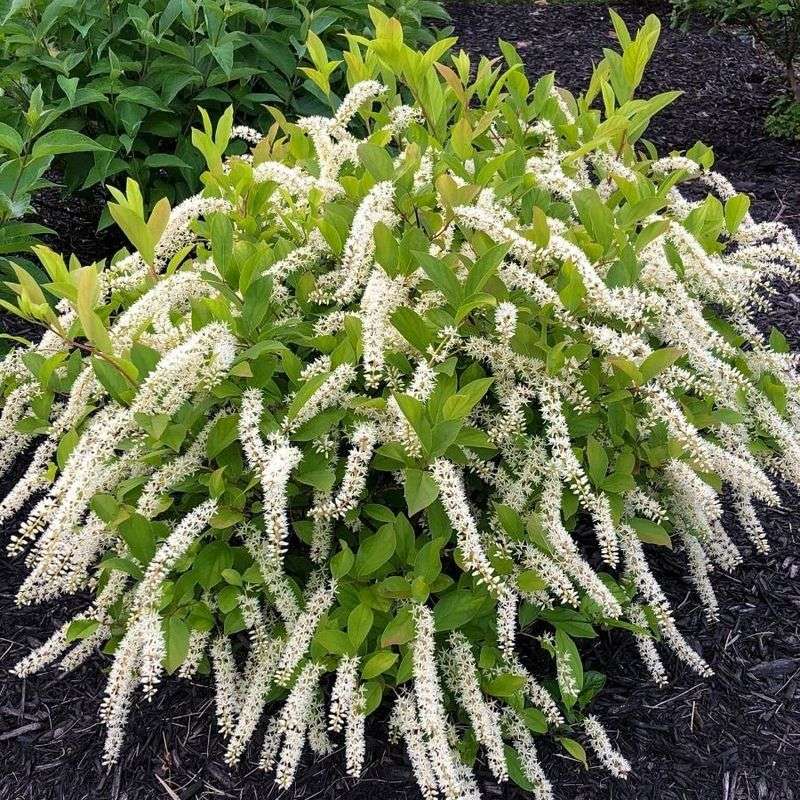
Fragrant white flower spikes perfume gardens in early summer, announcing Virginia sweetspire’s presence. This native shrub deserves wider recognition in Michigan landscapes.
Its multi-season interest, low maintenance requirements, and adaptability make it a valuable addition to residential gardens.
Native to eastern North America, Virginia sweetspire handles Michigan winters with ease. Plants survive Zone 5 and often Zone 4 without protection.
Deep winter freezes cause no lasting harm to established shrubs.
Arching branches create graceful form, reaching three to five feet tall and slightly wider. Flowers appear in May or June, covering plants with four to six-inch drooping spikes.
The sweet scent attracts butterflies and other pollinators abundantly.
Fall foliage rivals any shrub for brilliant color. Leaves transform to stunning shades of orange, red, and burgundy, holding color for weeks.
This autumn display alone justifies including Virginia sweetspire in Michigan gardens.
Adaptability to various conditions makes placement flexible. Full sun to partial shade both work well.
Moist to average soil suits plants fine. They even tolerate occasional wet conditions better than many shrubs.
Minimal pruning needs keep maintenance low. Simply remove any damaged branches in spring.
Plants sucker mildly, creating wider colonies over time without becoming invasive. This trait works beautifully for naturalizing areas or filling space.
Virginia sweetspire combines effortlessly with other native plants, creating cohesive Michigan landscapes that support local ecosystems while providing beauty.
12. Eastern Redbud (Cercis canadensis)
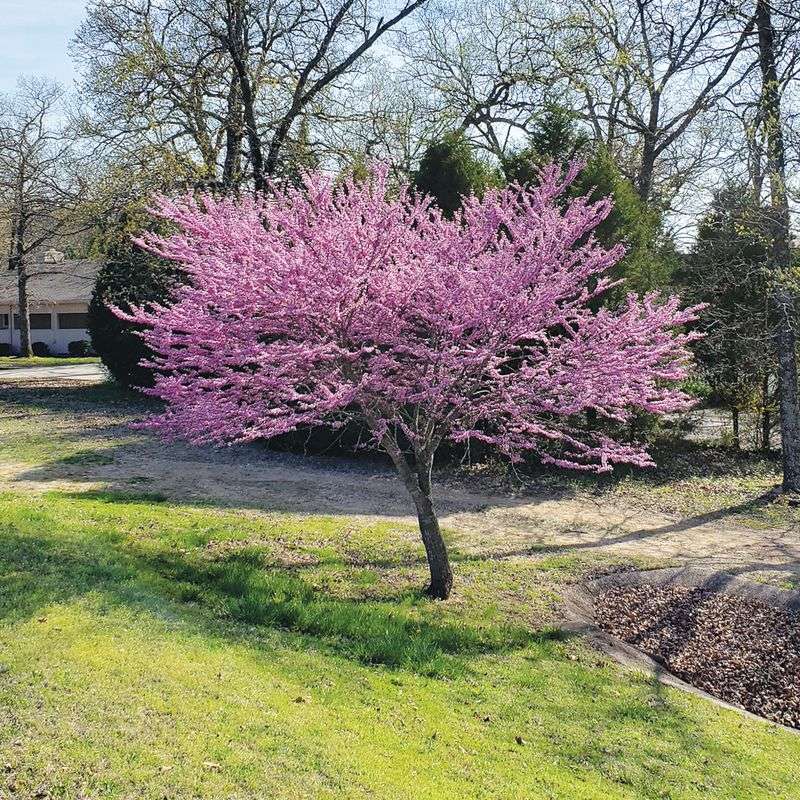
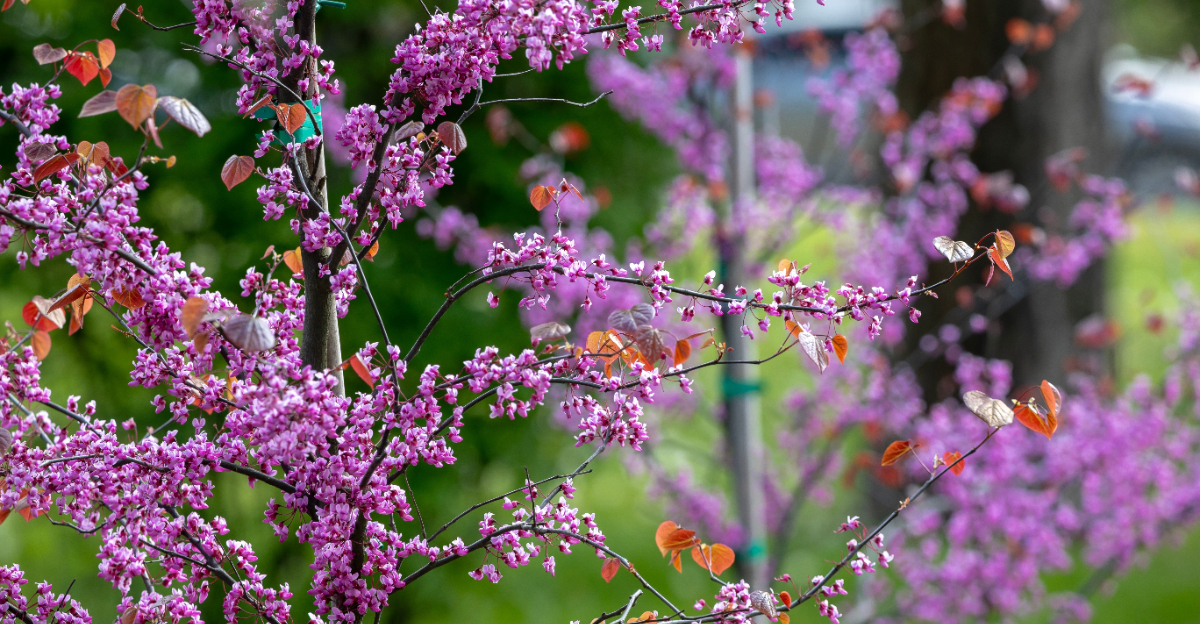
Pink-purple flowers burst directly from bare branches in early spring, creating magical displays before leaves emerge. Eastern redbud announces spring’s arrival with unmistakable beauty.
This small native tree brings color and character to Michigan landscapes while remaining manageable in size.
Native range extends throughout eastern North America, including Michigan. Trees tolerate cold winters reliably, surviving Zone 5 and even Zone 4 in protected locations.
Freezing temperatures during dormancy cause no harm.
Small stature makes redbud perfect for residential properties. Mature height reaches twenty to thirty feet with similar spread.
This size fits comfortably near homes, under power lines, or in smaller yards where large shade trees overwhelm.
Heart-shaped leaves emerge after flowers fade, providing attractive foliage through summer. Fall brings yellow color before leaves drop.
Interesting branching structure adds winter appeal to dormant landscapes.
Full sun to partial shade suits redbud well. They adapt to various soil types, from clay to loam.
Consistent moisture during establishment helps trees develop strong root systems. Once established, redbuds tolerate moderate drought.
Planting redbud near patios, entryways, or windows allows close appreciation of spring blooms. Their early flowering provides much-needed color when landscapes still look drab.
Underplanting with spring bulbs or shade perennials creates layered interest. Eastern redbud’s native status, manageable size, and stunning spring display make it an excellent choice for Michigan gardeners seeking small ornamental trees.